
汽车

Search documents
深夜,美股全线下跌!金银重挫!事关降息,美联储重磅发声!
Sou Hu Cai Jing· 2026-02-17 16:00
Market Overview - The U.S. stock market, Bitcoin, gold, and silver all experienced declines on February 17, with major indices falling: the Nasdaq Composite dropped over 1%, the S&P 500 fell by 0.86%, and the Dow Jones decreased by 0.62% [1] - Notable tech stocks also saw significant losses, with Tesla down over 3%, Google nearly 3%, and Nvidia close to 2% [1] Chinese Stocks - The Nasdaq Golden Dragon China Index saw a slight decline, although individual stock performance varied, with LuKong rising over 17% [2] Cryptocurrency and Precious Metals - Bitcoin experienced a sharp drop, falling below $67,000 [2] - The declines in precious metals were notable, with spot gold down over 2.3% and spot silver dropping more than 5% [2] Federal Reserve Commentary - Federal Reserve official Goolsbee indicated that if inflation continues to decrease towards the 2% target, there may be further interest rate cuts this year [2] - Goolsbee warned that inflation in the services sector remains high and mentioned that if price increases related to tariffs are temporary, policymakers may have more flexibility [2] - He expressed the need for evidence showing inflation is on a path back to 2% before further rate reductions can be considered, suggesting that multiple cuts could occur by 2026 if conditions allow [2]
若愚说三部飞驰人生均有理想参演
理想TOP2· 2026-02-17 14:57
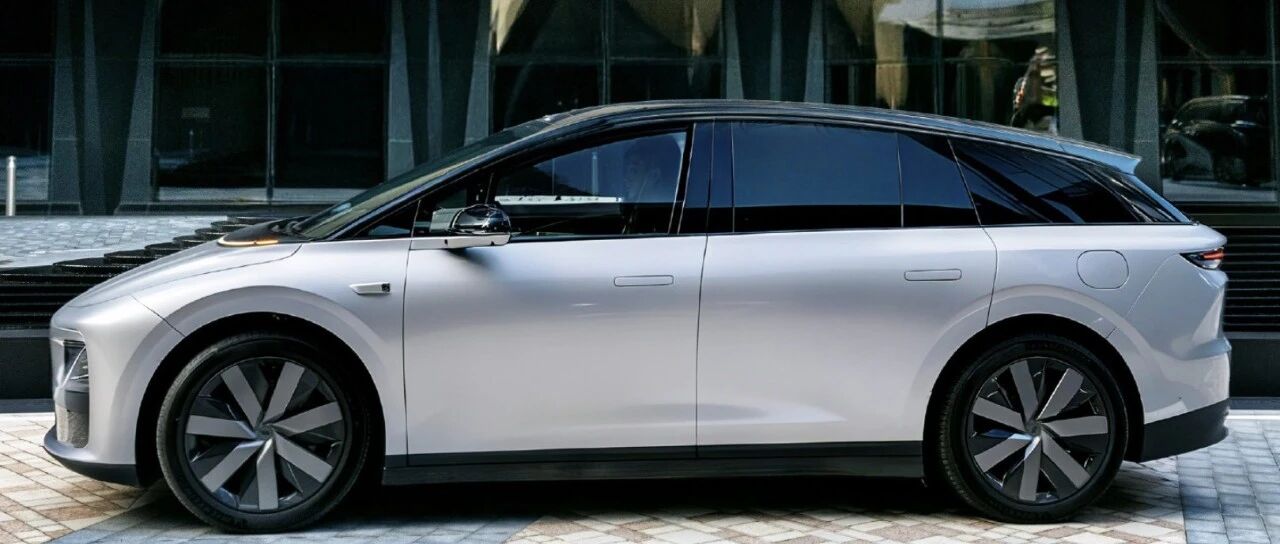
Core Insights - The article discusses the involvement of Li Auto in the "Fast and Furious" film series, highlighting its product placements and promotional strategies [1][2]. Group 1: Product Placement - Li Auto's vehicles have appeared in multiple installments of the "Fast and Furious" series, including the prototype of the Li ONE in the first film, although it was not retained in the final cut [1]. - The second film featured the Li L9 as a training car, showcasing its interior [1]. - The latest installment, "Fast and Furious 3," included a complete side profile of the Li MEGA [1]. Group 2: Box Office Performance - As of February 17, 2026, "Fast and Furious 3" has achieved a box office of 633 million, capturing 50.2% of the market share during the Spring Festival period [3][4]. - The second highest-grossing film during the same period, "Silent Shock," earned 234 million, representing 18.6% of the market share [4]. - The overall ticket sales for the Spring Festival reached 25.32 million, with an average ticket price of 49.7 yuan [4].


美股开盘,中概股多数上涨
Di Yi Cai Jing Zi Xun· 2026-02-17 14:57
2月17日美股开盘,截至发稿,道指涨0.14%,标普500指数跌0.26%,纳斯达克综合指数跌0.67%。 中概股多数上涨,禾赛科技涨超5%,世纪互联涨逾3%,蔚来、唯品会、拼多多涨超1%;金山云跌超 2%。 微信编辑 | 雨林 大型科技股普跌,英特尔、美光科技跌超2%,特斯拉、谷歌跌逾1%。 ...
纳指低开0.67%,大型科技股普跌,特斯拉、英特尔跌超2%
Ge Long Hui· 2026-02-17 14:38
Market Overview - The U.S. stock market opened with mixed results, with the Nasdaq down 0.67%, the S&P 500 down 0.27%, and the Dow Jones up 0.13% [1] Technology Sector - Major tech stocks opened lower, with Tesla and Intel both down over 2%, Google A down 1.7%, and Nvidia nearly down 1% [1] Media and Entertainment - Paramount Global's stock rose by 3.5%, while Warner Bros. Discovery increased by 3% after Paramount raised its acquisition offer to $31 per share, prompting Warner to restart a seven-day negotiation window [1] Consumer Goods - General Mills' stock fell by 4.1% as the company lowered its annual sales and profit forecasts, with restructuring costs soaring to $165 million [1] Healthcare Sector - Danaher Corporation's stock dropped nearly 5% after announcing it would acquire Masimo for $180 per share in cash [1]
铃木汽车周二在印度推出了其首款电动汽车,为客户提供电池租赁计划以降低前期成本。
Jin Rong Jie· 2026-02-17 11:41
铃木汽车周二在印度推出了其首款电动汽车,为客户提供电池租赁计划以降低前期成本。 ...
春晚广告位争夺战:四十年国民记忆与商业暗流
创业邦· 2026-02-17 10:32
Core Viewpoint - The evolution of the Spring Festival Gala sponsorship reflects the changing landscape of China's economy and consumer behavior over the past 40 years, showcasing the transition from material scarcity to technological innovation and brand storytelling [4][24]. Group 1: 1980s to Early 1990s - The 1980s marked a period of material scarcity, where items like watches and radios were symbols of wealth and status, leading to the first brand sponsorship by 康巴丝 (Kangbasi) at the Spring Festival Gala [5][7]. - 康巴丝 sponsored the gala by trading 3,000 quartz watches for advertising, which significantly boosted its brand recognition and sales, reaching an annual production of 1.26 million watches by 1987 [8]. - The sponsorship model evolved, with 中华自行车 (Zhonghua Bicycle) taking over the sponsorship in 1995, reflecting the changing consumer demands and economic conditions [9][14]. Group 2: Mid-1990s to Early 2000s - The mid-1990s saw a surge in consumer spending, with the emergence of "标王" (advertising king) sponsorships, particularly in the liquor industry, exemplified by 山东孔府宴酒 (Shandong Confucius Feast Wine) and 秦池酒 (Qinchijiu) [11][12]. - 秦池酒's sponsorship led to a dramatic increase in sales from 1.8 billion yuan in 1995 to 9.5 billion yuan in 1996, highlighting the impact of gala sponsorship on brand visibility and sales [16]. - The era was characterized by a shift towards consumerism, with brands leveraging the gala to enhance their market presence, although some faced backlash due to quality issues [16]. Group 3: 2000s to Early 2010s - The early 2000s marked the rise of home appliance brands, with 美的 (Midea) becoming a prominent sponsor, securing 11 sponsorships from 2003 to 2014, reflecting the growing importance of brand trust [17][19]. - The cost of advertising skyrocketed, with Midea's sponsorship fee increasing from 6.8 million yuan in 2005 to 57.2 million yuan in 2011, indicating the gala's significant viewership and advertising value [21]. - Brands began to focus on storytelling and emotional connections with consumers, moving beyond mere product promotion to build brand loyalty [23]. Group 4: Mid-2010s to Present - The 2010s saw the rise of internet companies as key players in the advertising space, with platforms like WeChat revolutionizing audience engagement through interactive features like the "red envelope battle" during the gala [25][26]. - The digital transformation of the gala allowed for unprecedented levels of interaction, with WeChat reporting 10.1 billion red envelope transactions on New Year's Eve, significantly enhancing its user base [26]. - The emergence of technology companies in the gala sponsorship landscape reflects a broader shift towards innovation and digital engagement, with brands like Xiaomi and AI robotics showcasing advancements in technology [32].







正月初一开门红,长沙马年首趟中欧班列启航
Xin Lang Cai Jing· 2026-02-17 10:06
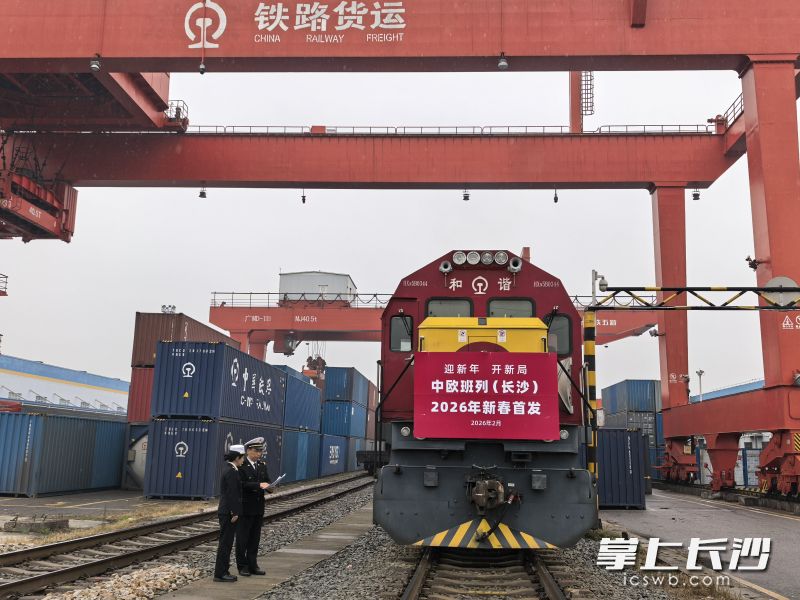
Core Viewpoint - The first China-Europe freight train from Changsha to Russia in the Year of the Horse departed on February 17, 2023, with a total of 220 standard containers valued at 10.04 million USD, primarily carrying engineering machinery, automobiles and parts, and small household appliances [1] Group 1: Freight Train Operations - The China-Europe freight train (Changsha) issued 2 export trains on the same day, totaling 220 standard containers [1] - The total value of the goods transported was 10.04 million USD [1] Group 2: Customs Support - During the Spring Festival, customs provided holiday appointment overtime and 24-hour clearance services to ensure timely issuance of the freight trains [1] Group 3: Year-on-Year Growth - As of January 2026, the Xingsha Customs supervised a total of 109 China-Europe freight trains (Changsha) for import and export, representing a year-on-year increase of 101.9% [1]
春节假期前两天 绿色、智能、健康类消费需求旺盛
Yang Shi Xin Wen· 2026-02-17 09:39
Core Insights - The article highlights a significant increase in consumer spending during the early days of the Spring Festival holiday, driven by strong demand for green, smart, and health-related products [1] Retail and Dining Performance - National key retail and catering enterprises reported an average daily sales increase of 10.6% compared to the first two days of the Spring Festival in 2025 [1] - Foot traffic and sales in 78 monitored pedestrian streets increased by 23.2% and 33.2% respectively on the first day of the holiday compared to last year [1] Consumer Demand Trends - The "trade-in for new" initiative has effectively stimulated consumer demand, benefiting 27.56 million people and generating sales of 193.09 billion yuan by February 16, 2026 [1] - The automotive sector saw 607,000 vehicles traded in, leading to new car sales worth 99.56 billion yuan [1] - Sales of smart wearable devices surged by 1.3 times on key platforms, with smart blood pressure monitors and blood glucose meters increasing by over 60%, and organic food sales rising by 52% [1] Service Consumption Growth - Reservations for New Year's Eve dinners increased by 80.7%, while hotel accommodation transactions grew by 32.7% [1] - Car rental orders rose by 54%, and spending on ice and snow tourism increased by 1.2 times, with winter vacation travel growing by 68% [1]
特斯拉在韩国招聘人工智能芯片设计工程师
Jin Rong Jie· 2026-02-17 09:33
特斯拉(TSLA.O)CEO埃隆·马斯克转发Tesla AI的公告,该公告称公司正在韩国招聘 人工智能 芯片设计 工程师。马斯克表示:"如果你身处韩国,并且想要从事芯片设计、制造或人工智能软件相关的工作, 那就加入特斯拉吧。" ...
欧洲股指开盘上涨,交易平静
Jin Rong Jie· 2026-02-17 09:02
Market Overview - European stock indices opened higher with calm trading and no significant individual stock volatility [1] - The UK FTSE 100 index rose by 0.4%, reaching a new high on Monday [1] - The German DAX index fell by 0.15%, with Siemens, the second-largest component, declining by 0.2% after a 6.25% drop on Monday [1] - The Spanish IBEX 35 index saw a modest increase of 0.2% with flat performance among its components [1] - The Italian FTSE MIB index rose by 0.1%, with shipbuilder Fincantieri being the most volatile stock, down by 1.8% [1] - The French CAC 40 index increased by 0.1%, despite industrial stocks dragging it down, including defense group Thales, which fell by 2.3% [1] Sector Performance - InterContinental Hotels Group saw a 3% increase due to revenue growth [1] - Automotive stocks within the DAX index experienced gains [1] - Software stocks generally performed well, with software company Capgemini rising by 1.5% [1]