
外卖

Search documents
我国已建成8132个“一刻钟便民生活圈”
Xin Lang Cai Jing· 2026-02-05 20:15
Core Viewpoint - The State Administration for Market Regulation (SAMR) is implementing various measures to enhance consumer protection and optimize the consumption environment, aiming for high-quality economic development by 2025 [1][2][4]. Group 1: Consumer Protection Initiatives - SAMR has launched the "Iron Fist" action to safeguard consumer rights, focusing on quality safety issues in children's toys, illegal modifications of electric bicycles, and e-commerce trademark infringements, resulting in 72,000 cases being handled [2][3]. - The establishment of a "Trustworthy Consumption Cluster" will involve the introduction of standards and policies to cultivate trustworthy business circles, markets, and scenic areas, making consumer protection tangible [1][3]. Group 2: Improvement of Consumption Experience - Over 210 national standards for major consumer goods and services have been published, including those for home appliances, furniture, and cultural tourism, to enhance service quality [2]. - The "No Reason Return" initiative has been launched, with 214,000 offline units publicly listed for returns, and the complaint handling process has been improved, increasing the public disclosure rate of complaints to 98.4% [3]. Group 3: Fair Competition and Market Regulation - SAMR is conducting a fair competition review to eliminate local protectionism and administrative monopolies, with 14,600 cases of unfair competition being addressed [4]. - The agency is focusing on strict enforcement actions against anti-competitive practices and is committed to improving compliance and governance in the market [4][5]. Group 4: Addressing Business Charges - In 2022, SAMR investigated 5,918 cases related to irregular charges affecting enterprises, resulting in fines totaling 347 million yuan and refunds of 1.35 billion yuan to businesses [5]. - Ongoing efforts will include cross-checks and targeted inspections to further address issues of excessive charges and improve the business environment [5]. Group 5: Platform Economy Regulation - Significant progress has been made in regulating the platform economy, addressing issues such as unreasonable rules and fees, and protecting the rights of small businesses and consumers [7][8]. - A crackdown on live-streaming e-commerce irregularities has been initiated, with specific cases of false advertising being addressed, and guidelines for fair competition among food delivery platforms are being enforced [6][7].


【送温暖・特别的“暖”给特别的你 新就业形态劳动者的“温暖港湾”】风雪中的温暖“邂逅”
Xin Lang Cai Jing· 2026-02-05 20:14
Core Viewpoint - The article highlights the efforts of the Longkou City Federation of Trade Unions in Shandong to support new employment groups, particularly delivery riders, through a series of warm-hearted initiatives during the winter season [1][2] Group 1: Support Initiatives - The Longkou City Federation of Trade Unions has organized a series of six activities aimed at providing warmth and support to new employment groups such as delivery riders, express delivery personnel, and ride-hailing drivers [1] - The initiatives include the distribution of winter care packages containing rice, noodles, and calendars, which have been well-received by the riders [1] - Union stations have been established as support hubs for riders, offering services such as free phone charging, hot water, public haircuts, and first aid kits [1] Group 2: Communication and Feedback - During a discussion session, union staff engaged directly with riders to understand their work conditions, including delivery times and income challenges [2] - Riders expressed specific concerns, such as difficulties with property management in residential areas and the need for more charging stations [2] - Union representatives assured riders that their feedback would be addressed and emphasized the importance of safety during winter, encouraging the use of helmets and cautious driving [2] Group 3: Overall Impact - The initiatives reflect a broader commitment to enhancing the welfare of new employment groups, ensuring that they feel valued and supported in their roles [1][2] - The union's efforts aim to create a "warm defense line" for these workers during the harsh winter months, reinforcing the importance of community support [2]
市场监管部门将出台放心消费标准
Bei Jing Shang Bao· 2026-02-05 16:37
Core Viewpoint - The State Administration for Market Regulation (SAMR) is focused on enhancing consumer confidence and promoting high-quality economic development through various initiatives and standards by 2025 [1][4]. Group 1: Consumer Confidence and Market Regulation - By 2025, SAMR aims to significantly strengthen the domestic market and support economic growth through effective market regulation [1]. - The department has launched a three-year action plan to optimize the consumption environment, achieving notable progress in stimulating consumer potential [3]. - Over 210 national standards for major consumer goods and services have been established, including those for home appliances, furniture, and cultural tourism [3]. Group 2: Addressing Consumer Pain Points - SAMR has initiated the "Iron Fist" action to tackle consumer complaints, focusing on issues like toy safety and e-commerce trademark infringement, resulting in 72,000 cases being handled [3]. - A total of 823,600 consumer products and 1,398,000 power banks were recalled to reduce consumer risks [3]. - The department has also dealt with 1,932 cases of unfair competition in the online market, imposing fines totaling 71.5 million yuan [3]. Group 3: Improving Consumer Experience - SAMR has launched initiatives for cross-regional returns and exchanges, with 214,000 offline stores participating in a no-reason return policy [4]. - The complaint public disclosure rate on the national 12315 platform has increased to 98.4%, enhancing consumer rights protection [4]. - Future plans include developing standards for consumer confidence and fostering a wide range of trustworthy markets and scenic areas [4]. Group 4: Competition and Fair Market Practices - In the past year, SAMR has intensified efforts to combat the abuse of power and limit competition, with a 34% increase in investigations and a 32% rise in case resolutions [5][6]. - The department plans to focus on eliminating local protectionism and administrative monopolies by implementing special actions and revising relevant regulations [6]. - A new anti-monopoly media platform has been launched to regularly publish important activities and policy interpretations in the anti-monopoly field [6]. Group 5: Regulation of Platform Economy - The rapid growth of platform economies like live e-commerce has brought challenges, including false advertising and irrational competition [7]. - SAMR has taken steps to address issues in the platform economy, including rectifying unreasonable rules and preventing excessive charges [7]. - Future efforts will focus on enhancing platform accountability, regulatory mechanisms, and promoting fair competition in the online marketplace [8].

王兴为夏季决战,买了叮咚这把刀
虎嗅APP· 2026-02-05 14:27
Core Viewpoint - The article discusses the strategic acquisition of Dingdong Maicai by Meituan for $717 million, positioning it as a critical move in the upcoming competition between Meituan and Alibaba's Taobao Flash Sale in the summer of 2026 [5][6]. Group 1: Acquisition Strategy - Meituan's acquisition of Dingdong Maicai is aimed at enhancing its fresh food business, leveraging Dingdong's existing infrastructure and user base to strengthen its market position in East China [5][6]. - The acquisition is seen as a tactical response to the competitive landscape, where Meituan aims to counter Alibaba's multi-faceted attack strategy that includes both online and offline retail [6][8]. - Dingdong Maicai's established front warehouse network will provide Meituan with immediate logistical advantages, allowing for quicker market penetration compared to building from scratch [8][13]. Group 2: Competitive Landscape - The competition between Meituan and Taobao Flash Sale is intensifying, with order ratios reportedly nearing 1:1, indicating a fierce battle for market share in the food delivery and instant retail sectors [4][11]. - Meituan's core business segments, including home delivery and in-store services, are under pressure from competitors like Taobao Flash Sale and Douyin, necessitating a robust defense strategy [10][11]. - The upcoming summer season is anticipated to be a critical period for all players involved, with platforms preparing detailed operational plans to secure their market positions [12][13]. Group 3: Operational Challenges - Despite the strategic advantages gained from the acquisition, Meituan faces challenges in integrating Dingdong Maicai's operational model, which differs from its own [14]. - The essence of competition lies not only in subsidies but also in operational efficiency, which will be crucial for long-term success in the market [14].


让消费可感可及 市场监管部门将出台放心消费标准
Bei Jing Shang Bao· 2026-02-05 13:41
Core Viewpoint - The State Administration for Market Regulation (SAMR) aims to enhance consumer confidence and support high-quality economic development by establishing a robust domestic market by 2025, focusing on creating "reassuring consumption" areas [1][4]. Group 1: Consumer Confidence and Market Regulation - The SAMR has launched a three-year action plan to optimize the consumption environment, achieving significant progress in stimulating consumer potential by releasing over 210 national standards for major consumer goods and services [4][5]. - The establishment of 19.3 million charging infrastructure units and 30,000 commercial logistics distribution points in rural areas aims to enrich consumption scenarios [4]. - The SAMR has initiated actions to address consumer pain points, resulting in the investigation of 72,000 cases related to quality and safety issues, including children's toys and electric bicycles [4][6]. Group 2: Consumer Experience Improvement - The SAMR has introduced initiatives to enhance consumer experience, such as the "cross-region return and exchange" initiative and the establishment of a complaint handling framework, increasing the public complaint rate to 98.4% [5]. - The SAMR plans to further develop "reassuring consumption" standards and cultivate a wide range of reassuring markets and scenic areas to enhance consumer accessibility [5][6]. Group 3: Economic Cycle and Competition - The SAMR has intensified efforts to eliminate barriers to economic circulation, with a 34% increase in investigations and a 32% increase in case resolutions related to the abuse of power and competition restrictions [6]. - Future actions will focus on dismantling local protectionism and administrative monopolies, enhancing the effectiveness of antitrust enforcement, and improving the review mechanisms for important policy measures [7][8]. Group 4: Platform Economy Regulation - The rapid development of platform economies, including live e-commerce and food delivery, has led to challenges such as substandard products and irrational competition, prompting the SAMR to implement corrective measures [9][10]. - The SAMR will continue to strengthen platform accountability, regulatory mechanisms, and enforcement to ensure fair competition and promote the platform economy's role in high-quality development [10].

平台经济治理划重点:直播电商、外卖恶性竞争迎强监管
2 1 Shi Ji Jing Ji Bao Dao· 2026-02-05 12:36
Core Viewpoint - The Chinese government is intensifying its regulatory efforts in the platform economy, focusing on issues such as unfair competition, platform rules, and irrational competition in the live-streaming and food delivery sectors [1][2][3]. Group 1: Regulatory Actions - The National Market Supervision Administration (NMSA) is enhancing anti-monopoly and unfair competition enforcement, aiming to eliminate local protectionism and market segmentation [5][6]. - In 2025, the NMSA conducted a review of fair competition, urging policy-making bodies to rectify measures that hinder a unified market and fair competition [5]. - The NMSA has addressed 14,600 cases of unfair competition, promoting a reduction in "price wars" and "subsidy wars" through investigations and guidance [6]. Group 2: Platform Economy Governance - The NMSA is focusing on three key areas for platform economy governance: rectifying platform rules and fees, combating live-streaming e-commerce irregularities, and regulating irrational competition in food delivery platforms [2][3]. - Specific actions include the issuance of guidelines for compliance in network transaction platforms and the implementation of national standards for food delivery service management [3][4]. - The NMSA has reported significant penalties against companies like Chengdu Kuaigou Technology Co., which was fined over 26 million yuan for violations in the live-streaming sector [4]. Group 3: Market Competition Dynamics - The competitive landscape in the food delivery sector has intensified, with major platforms like Meituan, Alibaba, and JD.com increasing their sales and marketing expenses significantly, totaling 61.4 billion yuan in 2025 [6]. - Industry executives express concerns that large-scale subsidies from platforms are unsustainable, leading to increased concentration in the restaurant industry, favoring larger brands over smaller ones [7]. - The NMSA plans to conduct special actions in 2026 to address key cases and eliminate regulations that obstruct national market unity and fair competition [7].
遏制平台乱收费、直播电商乱象、外卖“补贴战” 平台经济生态治理取得重要进展
Zhong Guo Jing Ji Wang· 2026-02-05 08:50
Group 1 - The core viewpoint of the news is that by 2025, China's platform economy governance has made significant progress in three areas [1] Group 2 - The first area of progress is the rectification of prominent issues related to platform rules and fees, including the misuse of rules like "refund only," "mandatory shipping insurance," and "lowest price across the network," which has effectively curbed arbitrary charges and fines, protecting the rights of small businesses and consumers [1][2] - The second area focuses on cracking down on irregularities in live e-commerce, addressing issues such as counterfeit goods and false marketing, with specific cases being handled and a set of typical cases published to enhance regulatory oversight [1][2] - The third area emphasizes the regulation of irrational competition among food delivery platforms, addressing market disruptions caused by aggressive promotional tactics and implementing national standards to optimize management and enhance service [2] Group 3 - The market regulatory authority plans to continue improving platform economy governance by enforcing platform responsibilities, enhancing regulatory mechanisms, and increasing enforcement capabilities, while also organizing and exposing typical cases of online trading violations [2]
治理平台经济乱象,直播带货、外卖恶性竞争迎来强监管
Xin Jing Bao· 2026-02-05 08:37
Group 1 - The core viewpoint of the news is that the market regulatory authorities are focusing on the governance of platform economy, aiming for significant progress by 2025 through a balanced approach of regulation and development, addressing both immediate and fundamental issues [1] - The market regulatory department has initiated discussions and rectifications to address prominent issues in the platform economy, such as "only refund," "mandatory shipping insurance," and "lowest price across the network," effectively curbing irregular charges and fines, thereby protecting the rights of small businesses and consumers [1] - The authorities have released several regulatory documents, including the "Supervision and Management Measures for Online Trading Platform Rules" and the "Guidelines for Compliance of Charging Behavior on Online Trading Platforms," to establish a long-term regulatory mechanism for the platform economy [1] Group 2 - In response to the chaotic situation in live e-commerce, the regulatory authorities have launched special rectification efforts targeting counterfeit goods and false marketing, resulting in legal actions against companies like Chengdu Kuaigou Technology Co., Ltd. and prominent influencers for false advertising [2] - The market regulatory department is addressing irrational competition in the food delivery sector, which has seen issues like "mud-slinging" and "subsidy wars," by conducting administrative discussions and establishing regulatory boundaries to promote rational competition and legal operations among delivery platforms [2] - The authorities have implemented national standards for the basic requirements of service management for food delivery platforms to help optimize management and enhance service, promoting a win-win development for all parties involved [2]
重拳打击直播电商乱象!市场监管总局点名“太原老葛”“大LOGO”等头部虚假宣传典型主播
Sou Hu Cai Jing· 2026-02-05 07:15
Core Viewpoint - The rapid development of platform economy, including live-streaming e-commerce and food delivery, has brought convenience but also challenges such as substandard products and irrational competition, prompting regulatory actions from the National Market Supervision Administration [1] Group 1: Regulatory Actions - The National Market Supervision Administration is focusing on addressing prominent issues in platform rules and fees, including the misuse of "refund only," "mandatory shipping insurance," and "lowest price across the network" policies [3] - A series of guidelines and regulations have been introduced, including the "Network Transaction Platform Rules Supervision Management Measures" and the "Compliance Guidelines for Network Transaction Platform Charging Behavior," aimed at establishing a long-term regulatory mechanism [3][4] - Special rectification efforts are being made to combat issues in live-streaming e-commerce, such as counterfeit products and false marketing, with notable cases being addressed [3] Group 2: Market Competition - The regulatory body is also focusing on irrational competition in the food delivery sector, addressing issues like "mud-slinging" and "subsidy wars" that disrupt market order [4] - New national standards for food delivery platform service management have been implemented to help platforms optimize management and enhance service quality [4] Group 3: Future Directions - The National Market Supervision Administration plans to enhance platform economic regulation by reinforcing platform responsibilities, improving regulatory systems, and accelerating smart capability development [5] - There will be a focus on organizing and exposing typical cases of network transactions to further standardize behaviors and maintain fair competition [5]
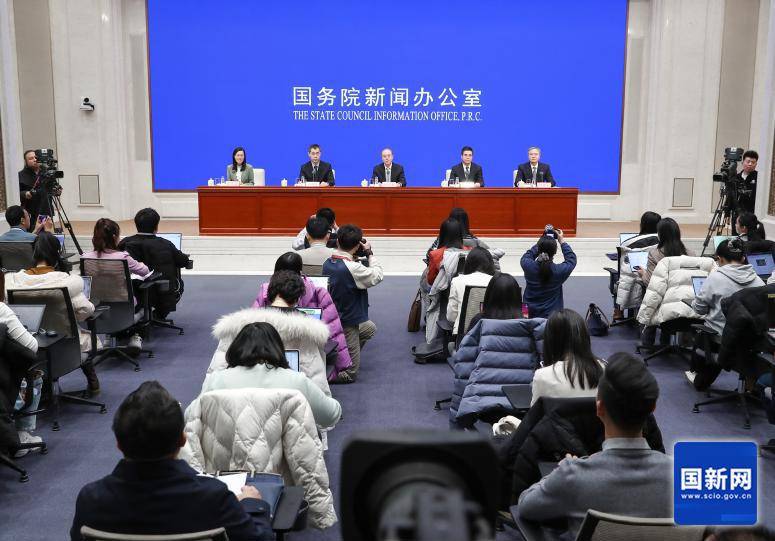
全总推动平台企业集体协商,签订行业集体合同超3500份
Xin Lang Cai Jing· 2026-02-05 06:54
此外,全总和各级工会持续优化服务阵地,开展关爱活动。建设工会驿站近18万个、"司机之家"等1万 余家,12351工会服务职工热线接听涉及新就业形态劳动者电话3.43万通。开展工会送温暖、送清凉活 动,慰问新就业形态劳动者556万人次,"工会爱心餐"发放2200万人次,"工会移动体检"服务70万人, 工会职工互助"专项意外伤害保障"参保约247.8万人。 智通财经记者 刘璐 全总介绍,近年来,全总聚焦重点难点,协同有关部委加强顶层设计,制定新就业形态劳动者权益协商 指引、平台企业工会工作指引等,设立对平台企业十大支持项目,开展全国工会新就业形态劳动者大慰 问大走访,选派机关干部赴19家平台企业蹲点开展工作。全国建立市、县级新业态工会联合会超过1.2 万家。3年发展新就业形态劳动者会员1073.6万人。 全总指出,聚焦平台算法和劳动规则协商这一社会关切点,全总联合人力资源社会保障部、中国企联、 全国工商联共同开展集体协商"集中要约行动",推动近3000家地方性平台企业或平台企业分支机构开展 集体协商;签订快递、外卖、货运、网约车等行业(区域)集体合同3576份,覆盖平台及其用工合作企 业1.32万家,其中头部快递 ...