
贵金属

Search documents
国泰君安期货商品研究晨报:贵金属及基本金属-20260306
Guo Tai Jun An Qi Huo· 2026-03-06 02:00
1. Report Industry Investment Rating No information about the industry investment rating is provided in the report. 2. Core Views of the Report - Gold: Geopolitical conflicts have broken out [2]. - Silver: In a volatile pattern [2]. - Copper: The narrowing of the spot discount limits the price decline [2]. - Zinc: Trading in a range [2]. - Lead: The reduction of overseas inventories limits the price decline [2]. - Tin: Undergoing a volatile adjustment [2]. - Aluminum: A slight correction [2]. - Alumina: Trading sideways [2]. - Cast aluminum alloy: Following the trend of electrolytic aluminum [2]. - Platinum: Continuing to be weak [2]. - Palladium: With low - frequency data and trading at a low level [2]. - Nickel: The reality of the Indonesian mining end is catching up, and beware of speculative attributes in March [2]. - Stainless steel: The marginal contradiction at the mining end increases, and the cost - support center moves up [2]. 3. Summary by Related Catalogs Gold and Silver - **Price and Trading Volume**: For gold, the closing price of Shanghai Gold 2602 was 1,153.06 with a daily decline of 2.45%, and the night - session closing price was 1144.20 with a decline of 0.22%. For silver, the closing price of Shanghai Silver 2602 was 21854 with a daily increase of 0.86%, and the night - session closing price was 21546.00 with an increase of 1.53% [4]. - **Inventory and ETF**: The inventory of Shanghai Gold decreased by 27 kilograms, and the SPDR Gold ETF holdings decreased by 18. The inventory of Shanghai Silver decreased by 12661 kilograms, and the SLV Silver ETF holdings (the day before yesterday) decreased by 34 [4]. - **Macro and Industry News**: Concerns about the protracted Iran war pushed crude oil futures to a 20 - month high. Li Qiang's government work report set the 2026 economic growth target at 4.5% - 5% and the deficit rate at about 4%. The US plans to expand AI chip export controls globally [4][6]. Copper - **Price and Trading Volume**: The closing price of the Shanghai Copper main contract was 101,080 with a daily decline of 0.57%, and the night - session closing price was 100980 with a decline of 0.10%. The London Copper 3M electronic disk closed at 12,859 with a decline of 1.29% [7]. - **Inventory and Spread**: The Shanghai Copper inventory increased by 1,157 tons, and the London Copper inventory increased by 20,675 tons. The spot discount narrowed, with the spot - to - near - month futures spread increasing by 40 [7]. - **Macro and Industry News**: Geopolitical conflicts pushed up oil prices, triggering inflation concerns. Japan's January copper and copper alloy imports increased by 13.51% year - on - year, while Chile's January copper production decreased by 3% year - on - year [7][9]. Zinc - **Price and Trading Volume**: The closing price of the Shanghai Zinc main contract was 24520 with a daily increase of 0.16%, and the London Zinc 3M electronic disk closed at 3319 with an increase of 1.42% [10]. - **Inventory and Spread**: The Shanghai Zinc futures inventory increased by 1144 tons, and the London Zinc inventory decreased by 250 tons. The Shanghai 0 zinc premium decreased by 10 [10]. - **News**: Iran refuted the claim of blocking the Strait of Hormuz. Oil price surges impacted the interest - rate cut expectation, and the expectation of the Fed not cutting interest rates this year increased [11][12]. Lead - **Price and Trading Volume**: The closing price of the Shanghai Lead main contract was 16775 with a daily decline of 0.39%, and the London Lead 3M electronic disk closed at 1962 with an increase of 1.32% [13]. - **Inventory and Spread**: The London Lead inventory decreased by 200 tons. The Shanghai 1 lead premium remained unchanged [13]. - **News**: Geopolitical conflicts pushed up oil prices, triggering inflation concerns. The market was waiting for non - farm payroll data [14]. Tin - **Price and Trading Volume**: The closing price of the Shanghai Tin main contract was 391,810 with a daily decline of 0.90%, and the night - session closing price was 394,100 with a decline of 1.59%. The London Tin 3M electronic disk closed at 49,405 with a decline of 3.51% [17]. - **Inventory and Spread**: The Shanghai Tin inventory decreased by 289 tons, and the London Tin inventory decreased by 5 tons. The SMM 1 tin ingot price decreased by 1,650 [17]. - **Macro and Industry News**: Before the non - farm payroll data, the soaring oil price triggered inflation concerns. The US plans to expand AI chip export controls globally [19]. Aluminum, Alumina, and Cast Aluminum Alloy - **Price and Trading Volume**: The closing price of the Shanghai Aluminum main contract was 24815, and the Shanghai Alumina main contract closed at 2800. The closing price of the aluminum alloy main contract was 23420 [20]. - **Inventory and Spread**: The domestic aluminum ingot social inventory was 127.00 million tons, an increase of 2.40 million tons. The LME aluminum inventory was 45.91 million tons, a decrease of 0.20 million tons [20]. - **Comprehensive News**: The 2026 economic growth target was set at 4.5% - 5%, and the Japanese central bank might keep the March interest rate unchanged [22]. Platinum and Palladium - **Price and Trading Volume**: The closing price of platinum futures 2606 was 563.95 with an increase of 0.08%, and the closing price of palladium futures 2606 was 428.00 with a decline of 1.34% [23]. - **Inventory and Spread**: The platinum ETF holdings (the day before yesterday) decreased by 15,768 ounces, and the palladium ETF holdings (the day before yesterday) decreased by 3 ounces [23]. - **Macro and Industry News**: The US Department of Defense solicited opinions on potential reserves of five key minerals. The US plans to expand AI chip export controls globally [26]. Nickel and Stainless Steel - **Price and Trading Volume**: The closing price of the Shanghai Nickel main contract was 136,270, and the closing price of the stainless - steel main contract was 14,105 [28]. - **Industry News**: Indonesia plans to revise the nickel ore benchmark price formula, and some nickel mines in Guatemala and Indonesia have production - related news, including production quota adjustments and accidents [28][29][31].
2026年经济?作定调提质增效,?险资产?部反弹
Zhong Xin Qi Huo· 2026-03-06 01:54
Report Industry Investment Rating No relevant information provided. Core Viewpoints of the Report - The 2026 economic work is focused on improving quality and efficiency, with most risk assets rebounding. Overseas, attention should be paid to the Middle East situation, while domestically, focus on the release of the "15th Five - Year Plan" [1]. - Overseas consumption confidence is recovering, industrial orders are showing a mixed trend, and geopolitical and institutional risks are rising. In the US, consumer confidence is rebounding, and core capital expenditure remains resilient, supporting industrial metals. However, policy discussions and geopolitical tensions in the Middle East are increasing risk premiums [1]. - The 2026 Government Work Report has five key points: a slightly lower economic growth target, stable fiscal and monetary policies, expanding domestic demand as a key task, highlighting the "dual - carbon" goal, and continuing the "anti - involution" work. Relevant equity and commodity assets in new and old infrastructure, consumption, and green transformation are worth noting [1]. - In terms of asset allocation, the focus is on structure, and it is necessary to distinguish whether conflicts spill over. If the war does not expand, non - ferrous metals and mid - cap styles have relative advantages; if the conflict expands, risk assets will be under pressure, while precious metals and energy will see an increase in safe - haven premiums. Currently, non - ferrous metals and precious metals are overweight, bonds are neutral with short - term bonds preferred, equities focus on mid - cap styles, iron ore is underweight in the black sector, and the energy and chemical sector should pay attention to the transmission rhythm of oil prices [1]. Summary by Relevant Catalogs Overseas Macroeconomy - In February, US consumer confidence rebounded, indicating consumption resilience and limiting the space for "recession trading." In December, the total factory orders declined, but excluding transportation, they increased. Non - defense capital goods (excluding aircraft) continued to expand, and core capital expenditure remained resilient, which supported industrial metals [1]. - Policy discussions around the Wash nominee are intensifying, and the risk premium is affecting the pricing of the US dollar and interest rates. Coupled with the intensification of the US - Iran situation and Israeli air strikes on Iran, the Middle East situation is heating up, pushing up energy and safe - haven premiums [1]. Domestic Macroeconomy - The 2026 Government Work Report has five key points: a slightly lower economic growth target is in line with the requirement of improving economic quality and efficiency; fiscal and monetary policies are generally stable; expanding domestic demand may be the key task this year, with new and old infrastructure and consumption upgrading as the main focuses; the "dual - carbon" goal remains prominent, and the demand for green transformation - related commodities is broad; the "anti - involution" work will continue, aiming to ensure economic quality improvement and efficiency enhancement [1]. Asset Views - If the war does not expand further and energy production, transportation, and the passage of the strait are not substantially affected, non - ferrous metals and mid - cap styles still have relative advantages. If the conflict expands and affects global risk appetite, risk assets will be under pressure in the short term, equities and industrial metals will face pressure, and the safe - haven premiums of precious metals and energy will further increase [1]. - Currently, non - ferrous metals and precious metals are recommended to be over - allocated, bonds are generally neutral with short - term bonds preferred, equities focus on mid - cap styles, iron ore in the black sector is under - allocated, and the energy and chemical sector should pay attention to the transmission rhythm of oil prices [1]. Market Conditions of Various Varieties - **Financial Sector**: Stock index futures, stock index options, and treasury bond futures are all expected to fluctuate. Gold and silver are expected to fluctuate strongly due to geopolitical conflicts and other factors [1][4]. - **Shipping Sector**: Container shipping on the European route is expected to fluctuate due to geopolitical uncertainties [4]. - **Black Building Materials Sector**: Steel, iron ore, coke, and other varieties are expected to fluctuate, with factors such as cost, production, and policy affecting the market [4]. - **Non - ferrous and New Materials Sector**: Most non - ferrous metals are expected to fluctuate, with factors such as supply concerns, the US dollar index, and geopolitical conflicts influencing the prices [4]. - **Energy and Chemical Sector**: Crude oil, LPG, asphalt, and other varieties are expected to fluctuate, with geopolitical situations and supply - demand relationships being the main influencing factors [4][5]. - **Agricultural Sector**: Oils, protein meals, and other agricultural products are expected to fluctuate, with factors such as trade, weather, and policies affecting the market [5]. Market Fluctuations - **Financial Market**: On March 5, 2026, the CSI 300 futures rose 0.7%, the Shanghai - Shenzhen 50 futures rose 0.33%, and the 2 - year treasury bond futures fell 0.02%. The US dollar index fell 0.27% [7]. - **Industry Index**: On March 5, 2026, the machinery industry index rose 1.46%, the electronic industry index rose 2.01%, and the national defense and military industry index rose 0.51% [8][9]. - **Overseas Commodities**: On March 4, 2026, NYMEX WTI crude oil rose 2.08%, ICE Brent crude oil rose 1.45%, and COMEX gold rose 0.54% [10][11]. - **Domestic Commodities**: On March 5, 2026, the container shipping on the European route fell 9.78%, domestic gold fell 0.08%, and domestic crude oil rose 0.51% [12][13].
国投期货综合晨报-20260305
Guo Tou Qi Huo· 2026-03-05 07:09
Group 1: Oil and Geopolitical Risks - The ongoing geopolitical conflicts in the Middle East have injected a risk premium into oil prices, with significant supply disruptions occurring, particularly in the Strait of Hormuz and Iraq [2] - The domestic SC crude oil price surged by 9% to 680 RMB per barrel, reflecting a premium of 16.6 USD per barrel over Brent crude, driven by heightened geopolitical risks affecting transportation costs [2] - Until military tensions between the US and Iran ease and shipping routes in the Strait are restored, the geopolitical risk premium is expected to continue supporting oil prices [2] Group 2: Precious Metals and Economic Indicators - Precious metals experienced volatility due to escalating US-Iran tensions, with the US Defense Secretary indicating that the conflict could last for eight weeks or longer [3] - The US reported an increase of 63,000 in ADP employment figures for February, the largest increase since November 2025, and the ISM non-manufacturing PMI reached 56.1, the highest since July 2022 [3] Group 3: Base Metals - Copper prices remained volatile as the market assessed risks from the geopolitical situation, with domestic supply chains being minimally affected [4] - Aluminum prices continued to rise, supported by supply concerns from Qatar and Bahrain due to geopolitical tensions, with significant increases in inventory levels post-Chinese New Year [5] - Zinc fundamentals showed slight improvement, but the market remained cautious, awaiting key domestic policy signals and US employment data [8] Group 4: Industrial Materials - Industrial silicon futures rose above 8,500 RMB per ton, driven by expectations of increased electricity prices and environmental inspections in Xinjiang [13] - The market for polysilicon continued to decline, with expectations of increased production in March but overall sentiment remaining weak due to lack of clear positive signals [14] Group 5: Steel and Iron Ore - Steel prices showed slight increases, with rebar demand recovering post-holiday, but overall inventory levels continued to rise [15] - Iron ore prices increased, supported by high global shipping volumes and a slight recovery in domestic demand, although supply concerns remained prevalent [16] Group 6: Chemical Products - The market for methanol showed signs of retreat, influenced by geopolitical tensions and potential supply disruptions from Iran [24] - The price of urea remained stable, with production expected to increase as agricultural demand rises in March [23] - The ethylene glycol market faced long-term pressure from new production capacities, but short-term dynamics were influenced by geopolitical developments [30] Group 7: Agricultural Products - Domestic soybean meal inventories increased, with expectations of a more relaxed supply situation as Brazil's harvest season approaches [36] - The cotton market experienced slight declines, with overall demand remaining subdued despite expectations of tighter supply [41] - Sugar prices faced pressure from varying production rates in India and Thailand, with domestic production lagging behind expectations [42]
日度策略参考-20260305
Guo Mao Qi Huo· 2026-03-05 06:34
Report Industry Investment Rating No relevant content provided. Core Viewpoints of the Report - The report analyzes various commodities in different sectors, including macro - finance, non - ferrous metals, precious metals and new energy, industrial products, and agricultural products, under the backdrop of the escalating Middle - East situation and other factors. It provides trend judgments and logic viewpoints for each commodity, suggesting corresponding investment strategies [1]. Summary by Related Catalogs Macro Finance - **Stock Index**: Pay attention to the emotional resonance of Asia - Pacific stock markets, especially the market - rescue strategies in South Korea, and the evolution of the Middle - East conflict. If the geopolitical situation eases, the short - term adjustment of the stock index will bring good long - position layout opportunities [1]. - **Treasury Bonds**: Asset shortage and weak economy are beneficial to bond futures, but the central bank has indicated short - term interest rate risks. Pay attention to the Bank of Japan's interest rate decision recently [1]. Non - Ferrous Metals - **Copper**: The deterioration of the Middle - East situation has suppressed market risk appetite, and the continuous accumulation of copper inventories at home and abroad has led to a weak adjustment of copper prices [1]. - **Aluminum**: Although the Middle - East situation has suppressed market risk appetite, the supply disturbance of electrolytic aluminum in the Middle - East has been increasing, and the rising energy prices have increased costs, so aluminum prices have continued to rise. Keep an eye on the supply disturbance in the Middle - East [1]. - **Alumina**: The operating capacity of domestic alumina has decreased, but the inventory has further accumulated, and it will operate in the short - term in a volatile manner [1]. - **Zinc**: The escalation of the conflict between the US, Israel and Iran has raised concerns about zinc ore supply in Iran, which may boost zinc prices in the short term. After the holiday, pay attention to the resumption of work and production of downstream industries [1]. - **Nickel**: Geopolitical risks have increased market risk aversion. The expectation of tightened RKAB quotas for nickel mines in Indonesia has resurfaced, and the approval of RKAB quotas is slow during Ramadan. Nickel ore premiums remain high. The nickel price may fluctuate widely, mainly affected by the resonance of the non - ferrous sector. It is suggested to go long at low prices and control risks [1]. - **Stainless Steel**: Raw material prices have risen after the holiday. Steel mills reduced production in February but plan to increase production significantly in March. Social inventories have increased after the holiday. The stainless - steel futures will fluctuate widely. Pay attention to the demand recovery after the holiday. It is recommended to look for long - position opportunities at low prices and control risks [1]. - **Tin**: The escalation of the Middle - East situation is beneficial to war metals, and tin is expected to continue to strengthen. In the short - term high - volatility situation, it is recommended that investors focus on risk management and profit protection [1]. Precious Metals and New Energy - **Precious Metals (Gold, Silver, Platinum)**: The inflation risk has eased, the conflict between the US and Iran continues, the US dollar index has declined, and precious metal prices have rebounded from the bottom. They are expected to stabilize and fluctuate in the short term [1]. - **Industrial Silicon**: Production in the northwest has increased while that in the southwest has decreased. The production schedules of polysilicon and silicone in December have declined [1]. - **Polysilicon**: It is recommended to take a wait - and - see attitude due to liquidity risks [1]. - **Lithium Carbonate**: Energy storage demand is strong, there is battery export rush, and there are disturbances at the mining end [1]. Industrial Products - **Steel Products (Rebar, Hot - Rolled Coil)**: The inventory of rebar is at a low level with weak demand expectations, and the price will fluctuate. The inventory of hot - rolled coil is at a historically high level, and it is necessary to test the de - stocking pressure. The price will fluctuate. After taking profit on the long - basis position, wait for the next entry opportunity [1]. - **Iron Ore**: There is significant upward pressure, and the oversupply logic remains unchanged. Wait for the price to rebound to the pressure level and then enter short - positions [1]. - **Coking Coal and Coke**: The fermentation of the geopolitical conflict has driven up the prices of energy - chemical products, which in turn has led to the strengthening of coking coal and coke. Although there is news of the first - round price cut for spot goods, the market is focused on the development of the Middle - East situation. Avoid short - positions in energy - related varieties and reduce long - positions in a timely manner. The industry can establish a cash - and - carry arbitrage position in the 05 contract [1]. - **Glass and Soda Ash**: The short - term supply and demand of glass are both weak, the expected reduction in supply has increased, and the cost is supported by the strengthening of energy prices due to the intensified geopolitical conflict. Soda ash mainly follows the trend of glass. In the short term, it is affected by the geopolitical conflict, and in the medium term, the supply - demand situation is looser, and the price is under pressure [1]. Agricultural Products - **Oils and Fats**: The sharp increase in crude oil prices will drive up the prices of oils and fats by increasing the demand expectation from the biodiesel end. However, the current fundamentals of oils and fats are under pressure, such as the high inventory of palm oil in Malaysia, the pressure of the production season and consumption off - season. Be vigilant against the decline of oils and fats after the stagnation of crude oil prices [1]. - **Cotton**: There is a strong expectation of a domestic new - crop harvest, and the purchase price of seed cotton supports the cost of lint. The downstream operating rate remains low, but the inventory of spinning mills is not high, and there is a rigid restocking demand. The cotton market is currently in a situation of "having support but no driving force". In the future, pay attention to the policies in the No. 1 Central Document in the first quarter next year, the intention of cotton - planting area next year, the weather during the planting period, and the demand during the peak seasons [1]. - **Sugar**: The global sugar market is in surplus, and the domestic new - crop supply has increased. There is a strong consensus among short - sellers. If the futures price continues to fall, there will be strong cost support below, but the short - term fundamentals lack continuous driving force. Pay attention to the changes in the capital side [1]. - **Corn**: The progress of grain sales at the grassroots level in the Northeast is relatively fast, and the pressure of ground - stored grain is expected to be limited. The downstream aquaculture inventory has not significantly decreased, which supports the feed demand. After the holiday, the inventories of channels and downstream are low, and the restocking demand supports the futures price to be strong in a volatile manner. However, be vigilant against the negative feedback of high corn prices, such as the release of policy grains like aged rice and the change in import policy orientation. Be cautious when going long unilaterally [1]. - **Soybean Meal**: The Middle - East conflict has brought a risk premium to commodities and increased freight rates. However, under the pressure of the Brazilian harvest, the FOB price of soybeans is under pressure. Under the suppression of the global large supply, the upward space of the soybean meal futures price is limited in the short term. In the later stage, pay attention to the release of Brazilian selling pressure, Sino - US trade dynamics, and domestic reserve release [1]. - **Paper Pulp**: There is no obvious positive news for softwood pulp during the Spring Festival, and the previous positive factors on the supply side have basically faded. It is expected to fluctuate in the range of 5200 - 5400 in the short term. Pay attention to the port inventory after the holiday [1]. - **Logs**: The spot price of logs has risen. The log arrival volume in February has decreased, and the expectation of an increase in the overseas offer price is relatively clear, so the futures price has an upward driving force [1]. - **Hogs**: The spot price has gradually stabilized recently. Supported by demand, the slaughter weight has not been fully cleared, and the production capacity still needs to be further released [1]. Energy Chemical - **Fuel Oil**: The escalation of the Middle - East situation due to the war between the US, Israel and Iran, the concern of oil and gas supply interruption caused by the obstruction of the Strait of Hormuz transportation, and the positive sentiment in the commodity market with the recovery of capital risk - appetite have affected the price [1]. - **Asphalt**: The import of Iranian asphalt has little impact on the domestic market, but the price of crude oil, which affects the cost, is transmitted to asphalt, and the impact in the energy varieties is relatively weak [1]. - **BR Rubber**: The cost end of butadiene has strong support, and the profit of private cis - butadiene rubber plants is still in a loss state, with an increased expectation of maintenance and production reduction. There is an expectation of phased inventory accumulation in the fundamentals of both BD and BR. Affected by the Middle - East geopolitics, the short - term futures price is expected to fluctuate widely, and there is an upward expectation in the long - term [1]. - **PTA**: Asian aromatics have been significantly strengthened by geopolitics, some overseas PTA factories are facing operational pressure due to poor profits, and the supply is expected to tighten from March to May when the major refinery turnaround season comes [1]. - **Ethylene**: Although the situation in Iran is unclear and the crude oil market is tense, the production profit rate of naphtha cracking has declined, and the demand for naphtha is continuously weak. Some large - scale ethylene production facilities are restarting or newly supplying [1]. - **Short - Fiber**: The domestic PTA maintains high - level operation, and the domestic demand has declined. The tense geopolitical situation in the Middle - East brings short - term energy price fluctuation risks, and the short - fiber price will continue to closely follow the cost fluctuations [1]. - **Styrene**: Geopolitical factors have worried the market about refinery load reduction. Although the production economy of factories remains stable, the demand is expected to gradually recover from the end of February [1]. - **Methanol**: The export sentiment has eased, and the domestic demand is insufficient, so the upward space is limited, but there is support from anti - dumping and the cost end. The Iranian import has a significant impact, and the conflict has caused some domestic methanol production facilities to stop work, but the domestic production is at a high level, and the inventory is at a historically high level [1]. - **PVC**: In 2026, there will be less global production capacity put into operation, and the differential electricity price in the Northwest is expected to be implemented, which will force the clearance of PVC production capacity, and the future expectation is optimistic. The intensification of geopolitical conflicts has increased freight rates, and the ethylene - based method is facing a shortage of raw materials [1]. - **LPG**: The 3 - month CP price is flat, and the near - month purchase is still relatively tight. The premium of the Middle - East geopolitical conflict has rebounded, and the PG trend is strong. The overseas cold - wave driving logic is gradually weakening, and the basis is expected to repair and expand. The domestic PDH operating rate has declined, and the profit is expected to seasonally recover, which suppresses the upward movement of the LPG futures price in the short term. The ports are continuously de - stocking, but the domestic civil LPG is sufficient, resulting in the differentiation of the internal and external market trends [1]. Others - **Shipping**: The price increase has generally stabilized, but it is currently affected by the war sentiment and is quite enthusiastic. The Houthi armed forces have regained control of the Red Sea, and airlines are expected to have a strong willingness to stop the price decline and increase prices after the off - season in March [1].
贵金属早报-20260305
Yong An Qi Huo· 2026-03-05 05:39
Group 1: Price Performance - London Gold's latest price is 5148.55 with a change of 114.90 [3] - London Silver's latest price is 86.79 with a change of 5.48 [3] - London Platinum's latest price is 2114.00 with a change of -215.00 [3] - London Palladium's latest price is 1671.00 with a change of -111.00 [3] - WTI Crude's latest price is 74.56 with a change of 0.00 [3] - LME Copper's latest price is 13030.00 with a change of -115.00 [3] - US Dollar Index's latest price is 99.06 with a change of 0.00 [3] - Euro to US Dollar's latest price is 1.16 with a change of 0.00 [3] - British Pound to US Dollar's latest price is 1.34 with a change of 0.00 [3] - US Dollar to Japanese Yen's latest price is 157.70 with a change of 0.00 [3] - US 10 - year TIPS's latest price is 1.77 with a change of 0.00 [3] Group 2: Trading Data - COMEX Silver's latest inventory is 11047.14 with no change [4] - SHFE Silver's latest inventory is 294.82 with a change of -12.66 [4] - Gold ETF's latest holding is 1081.04 with a change of -18.00 [4] - Silver ETF's latest holding is 15947.57 with a change of -33.81 [4] - SGE Silver's latest inventory is 450.45 with no change [4] - SGE Gold's latest deferred fee payment direction change is 1.00 [4] - SGE Silver's latest deferred fee payment direction is 2 with no change [4]
综合晨报-20260305
Guo Tou Qi Huo· 2026-03-05 02:58
1. Report's Investment Rating for the Industry - There is no information about the industry investment rating in the report. 2. Core Views of the Report - The ongoing Middle - East geopolitical conflict has a significant impact on various commodity markets, injecting risk premiums into the oil market and increasing short - term volatility in the precious metals market. The conflict also affects the supply and demand of base metals, energy, and agricultural products. The future trends of these markets are highly dependent on the development of the geopolitical situation and relevant economic data [2][3]. - In the stock and bond markets, the A - share market is expected to maintain a relatively stable and strong pattern, with attention on sector rotation. The bond market is expected to be volatile in the short term, and there are opportunities for curve - flattening operations [46][47]. 3. Summary by Commodity Categories Energy - **Crude Oil**: The Middle - East geopolitical conflict has led to a supply disruption, and the SC crude oil has risen by 9% to 680 yuan/barrel, with a premium of $16.6 per barrel over Brent. Geopolitical risk premiums will continue to support oil prices until the conflict eases and shipping resumes [2]. - **Natural Gas**: There is no information about natural gas in the report. - **LPG**: There is no information about LPG in the report. - **Fuel Oil**: There is no information about fuel oil in the report. - **Bitumen**: Affected by the rising crude oil prices, bitumen prices have strengthened, but the upward space is limited due to the "strong cost, weak supply - demand" pattern [22]. Precious Metals - Gold and silver: Overnight, precious metals fluctuated. The short - term volatility has increased, and the future trend depends on the development of the war. The US economic data has been released, and the market is waiting for the non - farm payroll data [3]. Base Metals - **Copper**: Overnight, copper prices continued to fluctuate. The tense situation in the Middle East has a limited impact on the copper supply chain, but it may affect copper prices due to high inventory and uncertainty [4]. - **Aluminum**: Overnight, Shanghai aluminum continued to rise. Supply concerns have increased due to production cuts in the Middle East, and aluminum prices are expected to be volatile and slightly stronger in the short term [5]. - **Zinc**: The zinc market has a slightly improved fundamental situation, but the direction is not clear in the short term. It is necessary to pay attention to the actual inventory - reduction rhythm and wait for policy and economic data guidance [8]. - **Lead**: High inventory has led to a narrow - range fluctuation of lead prices at a low level. It is necessary to pay attention to the inventory - reduction rhythm after the full resumption of downstream production [9]. - **Nickel and Stainless Steel**: Shanghai nickel has fallen in a volatile manner. The market is mainly driven by policy sentiment. The nickel market lacks an independent driver in the short term and is gradually weakening [10]. - **Tin**: After two consecutive days of sharp declines, tin prices rebounded. The supply side is slowly changing. It is advisable to hold out - of - the - money short - call options [11]. - **Lithium Carbonate**: Lithium carbonate is in a weak consolidation state. The overall inventory reduction rate has slowed down, and the futures price is highly uncertain in the short term [12]. - **Industrial Silicon**: Industrial silicon futures have risen, but the overall fundamental situation is poor, and the sustainability of the rebound may be limited [13]. - **Polysilicon**: Polysilicon futures have continued to decline. Although there is an expectation of inventory reduction in March, the market sentiment is weak, and the downward space may be limited [14]. Ferrous Metals - **Rebar and Hot - Rolled Coil**: Night - session steel prices rose slightly. The demand has recovered, but the inventory is still accumulating. The steel market is expected to continue to fluctuate with low trading volume in the short term [15]. - **Iron Ore**: Iron ore prices rose overnight. The supply is abundant, and the demand has improved marginally. The price is expected to fluctuate, and attention should be paid to policy signals [16]. - **Coke and Coking Coal**: The prices of coke and coking coal are oscillating strongly. The market has expectations for "anti - involution" policies, and attention should be paid to the impact of geopolitical conflicts on the coal - chemical industry [17][18]. - **Silicon Manganese and Ferrosilicon**: The prices of silicon manganese and ferrosilicon are rising in a volatile manner. They are likely to be in a strong - oscillating state, and attention should be paid to international conflict - related news [19][20]. Chemicals - **Urea**: The urea market continues to fluctuate in a narrow range. The inventory of production enterprises is expected to decrease, and the market is expected to oscillate within a range [23]. - **Methanol**: Methanol prices fell in the night session. The supply is expected to shrink, and the market may rise in a pulsed manner, depending on the development of the geopolitical situation [24]. - **Pure Benzene**: Driven by rising oil prices, pure benzene futures are expected to run strongly, and attention should be paid to the development of the geopolitical situation [25]. - **Styrene**: The cost side of styrene is strongly supported, but the market sentiment is weak, and the buying intention is insufficient [26]. - **Polypropylene, Polyethylene, and Propylene**: The cost of propylene provides strong support, but the downstream demand is weak. The market trading volume has decreased [27]. - **PVC and Caustic Soda**: PVC prices are oscillating strongly, and caustic soda is expected to run in the bottom range [28]. - **PX and PTA**: The prices and spreads of PX and PTA are strengthening. The polyester industry chain is under pressure, and the price trends are affected by the Middle - East situation [29]. - **Ethylene Glycol**: There is a long - term supply pressure, but there is a possibility of short - term improvement in supply - demand. The Iranian situation has multiple positive effects [30]. - **Short - Fiber and Bottle - Grade Chip**: Short - fiber and bottle - grade chip are running strongly in the short term, following the raw materials. The medium - term trend depends on the development of the situation and the recovery of terminal demand [31]. Building Materials - **Glass**: The inventory has increased significantly after the festival. The market is trading lightly. The valuation is low, and attention should be paid to the recovery of post - festival demand [32]. - **Soda Ash**: The industry inventory continues to increase. There is an expectation of supply - demand surplus in the long term. A short - selling strategy is advisable when the price rebounds [34]. Rubber - **20 - Rubber, Natural Rubber, and Butadiene Rubber**: The natural rubber supply is in the low - production period, and the synthetic rubber supply is increasing. Rubber inventories have increased. It is advisable to wait and see for RU and NR, and BR is expected to be strong [33]. Agricultural Products - **Soybean Oil, Palm Oil, and Rapeseed Oil**: The domestic vegetable oil market has risen and then fallen. The short - term market is driven by the uncertainty of Middle - East energy. The supply - demand pattern is not tight [35]. - **Rapeseed Meal**: The soybean supply - demand is becoming more relaxed. The oil - strong, meal - weak situation may continue. Attention should be paid to soybean import policies [36]. - **Soybean No.1**: The main contract of domestic soybeans is oscillating and adjusting. The supply - demand pattern is not tight, and attention should be paid to the Middle - East situation [37]. - **Corn**: The price of Dalian corn futures is expected to be strong in the short term. Attention should be paid to the grain - selling progress in the Northeast, state - reserve auction information, and futures fund trends [38]. - **Live Pigs**: The live - pig futures are in a weak adjustment. The inventory pressure is high, but there are potential support factors. It is advisable to go long on the far - month contracts at low prices after the premium narrows [39]. - **Eggs**: Egg prices have continued to fall in the short term. The long - term inventory is in a downward trend. It is advisable to go long on the futures at low prices [40]. - **Cotton**: Zhengzhou cotton is oscillating at a high level. The supply is expected to be tight, but the demand feedback is general. Attention should be paid to the inventory digestion and demand performance in the "Golden March and Silver April" [41]. - **Sugar**: The international sugar production situation varies. The domestic sugar price is under pressure in the short term, and attention should be paid to the production progress [42]. - **Apples**: Apple futures prices have continued to rise. The demand in the Northwest is good, but the quality and inventory in Shandong are problematic. It is advisable to wait and see [43]. - **Timber**: Timber futures are oscillating. The low inventory provides some support. It is advisable to wait and see [44]. - **Pulp**: The domestic pulp port inventory is at a high level. The long - term cost has some support, but the demand is general. The medium - term trend is expected to be range - bound [45]. Financial Products - **Stock Index**: The A - share market is in a narrow - range consolidation. The RMB exchange rate is relatively strong, which may support the market. Attention should be paid to sector rotation [46]. - **Treasury Bond**: Treasury bond futures generally rose on March 4. The market is expected to be volatile in the short term, and there is an opportunity to flatten the yield curve [47].
持仓观望?
第一财经· 2026-03-04 12:41
Market Overview - The three major A-share indices collectively declined, with the Shanghai Composite Index falling below the 4100-point mark, indicating a weakening short-term moving average system [5] - A total of 1743 stocks rose, with a significant improvement in the up-down limit ratio to 46:27, although the overall profit-making effect remains poor [5] Sector Performance - The sectors showing the most gains included power grid equipment, agriculture, and military equipment, while gas, port shipping, and precious metals sectors experienced declines [5] Capital Flow - There was a net outflow of main funds amounting to billions, with total market turnover decreasing by 24.40% [5] - Institutional investors are adopting a strategy of "shrinking positions, optimizing structure, and buying on dips," significantly reducing exposure to high-risk sectors like oil and gas, shipping, and precious metals, while increasing allocations to low-risk sectors such as power grid equipment, military, and agriculture [7] Retail Investor Behavior - Retail investors are showing a cautious approach, characterized by "careful bottom-fishing and positioning in oversold stocks," avoiding high-risk sectors and instead focusing on AI, semiconductors, and new energy sectors that have undergone sufficient adjustments [7] - Retail investor sentiment stands at 75.85%, indicating a generally cautious outlook [8] Trading Sentiment - 30.53% of investors are increasing their positions, while 16.03% are reducing their holdings, with a significant portion choosing to remain inactive [11] - The sentiment regarding the next trading day is split, with 54.73% expecting a decline and 45.27% anticipating an increase [14]


综合晨报-20260304
Guo Tou Qi Huo· 2026-03-04 04:03
Report Industry Investment Rating No relevant content provided. Core Viewpoints - The ongoing Middle - East geopolitical conflicts and supply disruptions are the main drivers of price fluctuations in various commodities. The resolution of military confrontations and the resumption of strait navigation are crucial for the market to return to normal [2]. - The performance of different commodities is affected by multiple factors such as geopolitical risks, supply - demand relationships, and cost changes. Investors should pay close attention to geopolitical developments and policy changes [2][3][4] Summary by Commodity Categories Energy - **Crude Oil**: Brent oil prices rose sharply, and SC crude oil hit the daily limit. Geopolitical conflicts in the Middle East and supply disruptions are the main reasons. Geopolitical risk premiums will remain high until the military confrontation subsides and strait navigation resumes [2]. - **Fuel Oil & Low - Sulfur Fuel Oil**: Multiple contracts of FU and LU followed the SC crude oil main contract and rose to the daily limit. The core logic has shifted to the geopolitical conflict. Supply - tightening expectations are strong, and future trends depend on the war situation and the duration of strait blockage [22]. - **Asphalt**: Affected by the Middle - East situation, asphalt prices strengthened, but the increase was milder than that of crude oil and fuel oil. It is in a pattern of "strong cost, weak supply - demand", and will mainly follow cost fluctuations with limited upside space [23]. - **Urea**: The futures market was narrowly volatile, and the spot price was stable with a slight increase. In the context of the spring plowing season, the inventory of production enterprises may decline, but the price increase may be limited. The market is expected to oscillate within a range [24]. - **Methanol**: The night - session price rose and then fell. Geopolitical conflicts may lead to a reduction in supply. In the short term, the market may experience pulse - like increases, and in the medium term, attention should be paid to the evolution of geopolitical risks [25]. Metals - **Precious Metals**: Overnight, precious metals fell significantly. The short - term volatility increased, and the subsequent trend is determined by the war situation. Caution is advised when participating [3]. - **Copper**: Overnight, copper prices declined. Geopolitical conflicts in the Middle East increased economic growth risks and dragged down copper prices. High inventories and uncertainties may cause copper prices to test the MA60 moving - average support [4]. - **Aluminum**: Overnight, Shanghai aluminum prices rose. The market is concerned about supply contractions in the Middle East. Aluminum prices are expected to oscillate strongly, and geopolitical guidance should be continuously monitored [5]. - **Zinc**: The dollar rebounded, and there were concerns about liquidity. The zinc market lacked upward momentum. High zinc prices suppressed downstream purchasing enthusiasm, and the inventory increased significantly. The overall rebound of Shanghai zinc is under pressure [8]. - **Lead**: The lead market is in an oversupply situation, with weak external and strong internal prices. There is a certain expectation of inventory reduction, but the actual inventory - reduction rhythm is not smooth. The price is expected to oscillate at a low level [9]. - **Nickel and Stainless Steel**: Shanghai nickel oscillated and declined. The market was actively traded. The nickel market lacks independent driving forces and follows external sentiment, gradually weakening [10]. - **Tin**: Overnight, tin prices continued to decline. The short - term price may turn to oscillation. Attention should be paid to the MA60 moving - average. Geopolitical conflicts may affect the semiconductor output in East Asia [11]. - **Iron Ore**: The overnight futures market was weak. The supply increased, and the demand improved marginally. The market is expected to oscillate, and attention should be paid to changes in market risk preferences [16]. - **Coke**: The intraday price oscillated strongly. The first round of price cuts may be implemented. The inventory decreased slightly. The market has expectations for "anti - involution" policies, and the price may be driven up by coking coal [17]. - **Coking Coal**: The intraday price oscillated strongly. Attention should be paid to geopolitical conflicts. The total inventory decreased significantly, and there is a certain expectation of inventory replenishment. The price has improved, and geopolitical news should be monitored [18]. - **Manganese Silicon**: The intraday price oscillated upward. Geopolitical conflicts are beneficial to the cost of manganese silicon. The demand is slowly increasing, and the price is expected to oscillate strongly [19]. - **Silicon Iron**: The intraday price oscillated upward. The demand has certain resilience, and the inventory decreased slightly. The price is expected to oscillate strongly, and attention should be paid to geopolitical news [20]. Chemicals - **Polypropylene, Plastic & Propylene**: International events have increased the cost of propylene. The market sentiment has improved, and the inventory reduction has accelerated. However, the high inventory in the polyolefin market poses a supply pressure, and the divergence between futures and spot prices may increase [28]. - **PVC & Caustic Soda**: Geopolitical conflicts have made PVC prices oscillate strongly. The industry inventory is high, and the demand is in the recovery stage. Caustic soda supply is high, and the price is expected to operate in the bottom range [29]. - **PX & PTA**: The Middle - East situation affects PX and PTA through oil prices and supply concerns. The current PTA processing margin is under pressure, and the price and spread are affected by the Middle - East situation [30]. - **Ethylene Glycol**: There is a possibility of phased improvement in supply - demand in the second quarter. The Iranian situation has multiple positive effects on ethylene glycol, and the development of the situation should be monitored [31]. Agricultural Products - **Soybean, Soybean Meal & Rapeseed Meal**: US soybeans oscillated strongly at a high level. Brazilian soybean production is expected to decrease. The inventory of soybeans and soybean meal has increased. The market shows an oil - strong - powder - weak state. Rapeseed meal has stabilized [35]. - **Vegetable Oils**: Domestic vegetable oils are generally strong, following energy prices. The short - term market is driven by the uncertainty of Middle - East energy. The supply - demand pattern of agricultural products is not tight, and attention should be paid to the Middle - East situation [36]. - **Corn**: The prices at northern ports increased, and the inventory at north - south ports is at a low level. US corn oscillated strongly at the bottom. Dalian corn futures are expected to be strong in the short term [38]. - **Hogs**: The main contract of hogs continued to decline. The spot price fell, and the central government plans to purchase frozen pork. The pig price is at a historical low, and the inventory pressure needs to be relieved. Long positions in far - month contracts can be considered [39]. - **Eggs**: The egg futures market adjusted weakly. The spot price adjusted weakly after the Spring Festival. The long - term egg inventory is in a downward trend, and long positions can be considered at low levels [40]. - **Cotton**: Zhengzhou cotton oscillated at a high level. The short - term demand feedback is average. The supply of cotton in the future is expected to be tight. Attention should be paid to the demand performance in the "Golden March and Silver April" period [41]. - **Sugar**: International sugar production in India and Thailand shows different trends. In China, the market focuses on the expected difference in production. The short - term sugar price faces certain pressure [42]. - **Apples**: The futures price rose significantly. The post - festival demand in the northwest is good, but the quality and inventory in Shandong are problematic. The de - stocking speed may be affected [43]. - **Timber**: The futures price oscillated. The supply is expected to decrease, the demand is weak, and the low inventory supports the price. Temporarily observe the market [44]. - **Pulp**: The domestic pulp port inventory is at a high level. The overseas quotation is strong, but the demand is average. The mid - term trend is expected to oscillate within a range [45]. Others - **Shipping Index (European Line)**: Shipping companies are actively raising prices. The short - term futures market may remain strong. Attention should be paid to the sustainability of the Middle - East supply chain disruption and its spill - over effects [21]. - **Stock Index**: A - shares fell significantly, and overseas stock markets also declined. Geopolitical factors have increased market inflation concerns and raised the threshold for the Fed to cut interest rates. The RMB exchange rate is relatively strong, and the A - share market is expected to oscillate strongly. Pay attention to the rotation of market styles [46]. - **Treasury Bonds**: Treasury bonds showed differentiation. The market may choose a direction after the policy tone of the Two Sessions. The strategy is to oscillate on a single side. The strategy of flattening the yield curve by shorting T and longing TL has a certain cost - performance ratio [47].
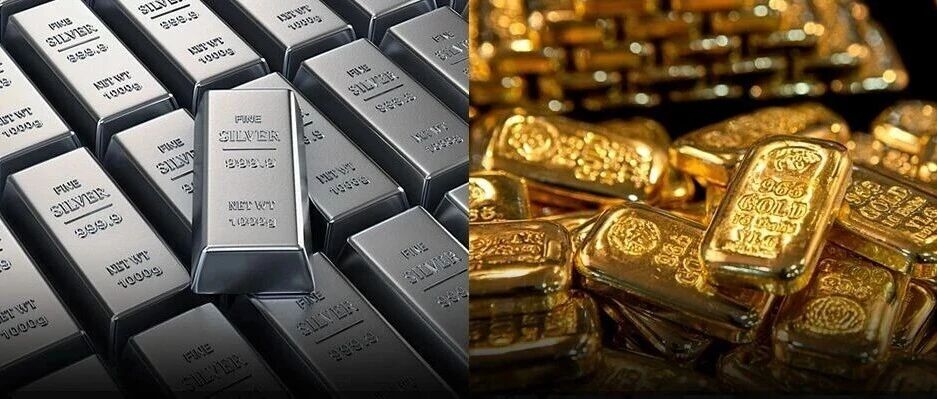
黄金白银,大跌!
中国能源报· 2026-03-04 03:48
Group 1: Market Overview - On March 3, major U.S. stock indices collectively declined, with the Dow Jones falling by 0.83%, the S&P 500 down by 0.94%, and the Nasdaq decreasing by 1.02% due to escalating geopolitical tensions in the Middle East and investor panic [3] - European stock indices also experienced significant declines, with the UK FTSE 100 down by 2.75%, France's CAC 40 down by 3.46%, and Germany's DAX down by 3.44% as inflation concerns rose following a 1.9% year-on-year increase in the Eurozone Consumer Price Index [5] Group 2: Commodity Prices - International gold and silver prices saw significant declines, with gold futures closing at $1,123.70 per ounce, down 3.54%, and silver futures at $18.473 per ounce, down 6.05% [8] - Crude oil prices increased by over 4%, with light crude oil futures closing at $74.56 per barrel, up 4.67%, and Brent crude at $81.40 per barrel, up 4.71%, driven by concerns over potential supply disruptions in the Middle East [6] - European natural gas prices surged, with Dutch TTF natural gas futures rising by 21.98% to €54.290 per MWh, and UK gas futures increasing by 23.90% to approximately £1.41 per unit, influenced by production halts due to drone attacks on Qatari energy facilities [7] Group 3: Fund Performance - Blackstone Group's private credit fund faced significant redemptions, with $3.7 billion in redemption requests against only $2 billion in new subscriptions, leading to a net outflow of approximately $1.7 billion [4] - The company's stock price fell over 7% intraday, closing down 3.82% as a result of these developments [4]
华泰期货流动性日报-20260304
Hua Tai Qi Huo· 2026-03-04 03:12
1. Report Industry Investment Rating - Not provided in the given content 2. Core View of the Report - On March 3, 2026, the report presents the trading and position - holding data of various market sectors, including changes in trading volume, position - holding amount, and trading - to - position ratios compared to the previous trading day [1][2] 3. Summary by Relevant Catalogs I. Plate Liquidity - The report provides data on trading volume, position - holding amount, and trading - to - position ratios for multiple market sectors such as the stock index, treasury bonds, basic metals, precious metals, energy chemicals, agricultural products, and black building materials [1][2][4] II. Stock Index Plate - On March 3, 2026, the stock index plate had a trading volume of 1219.113 billion yuan, a +32.69% change from the previous trading day; the position - holding amount was 1688.79 billion yuan, a +0.84% change; and the trading - to - position ratio was 70.45% [1] III. Treasury Bond Plate - On March 3, 2026, the treasury bond plate had a trading volume of 253.784 billion yuan, a - 13.11% change from the previous trading day; the position - holding amount was 860.095 billion yuan, a +1.81% change; and the trading - to - position ratio was 28.70% [1] IV. Basic Metals and Precious Metals (Metal Plate) - On March 3, 2026, the basic metals plate had a trading volume of 918.565 billion yuan, a +13.70% change from the previous trading day; the position - holding amount was 675.768 billion yuan, a - 5.32% change; and the trading - to - position ratio was 131.44%. The precious metals plate had a trading volume of 1299.27 billion yuan, a +31.61% change; the position - holding amount was 526.418 billion yuan, a - 4.67% change; and the trading - to - position ratio was 303.59% [1] V. Energy Chemical Plate - On March 3, 2026, the energy chemical plate had a trading volume of 1148.988 billion yuan, a +26.64% change from the previous trading day; the position - holding amount was 542.699 billion yuan, a +3.28% change; and the trading - to - position ratio was 192.73% [1] VI. Agricultural Products Plate - On March 3, 2026, the agricultural products plate had a trading volume of 363.014 billion yuan, a +4.18% change from the previous trading day; the position - holding amount was 637.89 billion yuan, a +0.43% change; and the trading - to - position ratio was 52.15% [1] VII. Black Building Materials Plate - On March 3, 2026, the black building materials plate had a trading volume of 214.221 billion yuan, a - 1.75% change from the previous trading day; the position - holding amount was 332.45 billion yuan, a - 0.52% change; and the trading - to - position ratio was 60.03% [2]