
医药

Search documents
刚签完协议就变卦?美国新要求惹怒欧盟,贸易战乌云再起!
Jin Shi Shu Ju· 2025-10-08 12:40
Group 1 - The new demands from the U.S. government may undermine a recently reached trade agreement with the EU, which had previously eased tensions between the allies [1] - The U.S. has proposed a new trade proposal aimed at achieving "reciprocal, fair, and balanced" trade, but EU officials view these demands as excessive [1] - The U.S. is seeking discussions on EU legislation, including digital and technology rules, while the EU insists on maintaining regulatory autonomy [1] Group 2 - In return for concessions, the EU has submitted legislation to lower tariffs on U.S. industrial goods and some non-sensitive agricultural products, pending approval from the European Parliament [2] - Discussions regarding the reduction of U.S. tariffs on steel and aluminum have made little progress, with the EU planning to impose tariffs on foreign steel imports exceeding certain quotas [2] - Concerns have been raised that the U.S. is expanding the list of products subject to the 50% tariff, potentially affecting medical devices and technology, which could weaken the EU's hard-won 15% tariff cap [2]
“秋暖”胜“秋冻” “秋膘”非“肥膘” 你的血压管理做对了吗?
Yang Shi Xin Wen· 2025-10-08 08:05
Core Viewpoint - The article emphasizes the growing prevalence of hypertension in China, particularly among younger populations, and highlights the importance of understanding and managing this chronic condition effectively [1]. Group 1: Misconceptions about Hypertension - Misconception 1: Patients without symptoms do not need medication; early-stage hypertension often lacks symptoms, but treatment is crucial to prevent organ damage [3]. - Misconception 2: Normal blood pressure allows for stopping medication; hypertension is chronic and requires ongoing treatment to avoid rebound effects [5]. - Misconception 3: Antihypertensive medications are addictive; these medications are non-addictive and should not be stopped arbitrarily once hypertension is diagnosed [6]. - Misconception 4: Rapidly lowering high blood pressure is safe; blood pressure should be lowered gradually to avoid complications [9]. - Misconception 5: A single high reading indicates hypertension; multiple measurements over time are necessary for an accurate diagnosis [11]. - Misconception 6: Frequent changes in medication are beneficial; once a stable medication regimen is established, it should be maintained [12]. - Misconception 7: Following others' medication experiences is safe; individual treatment plans should be based on professional medical advice [14]. - Misconception 8: Health supplements can effectively lower blood pressure; their efficacy is not scientifically validated [10]. - Misconception 9: Intravenous treatment is necessary for hypertension; most cases require oral medication instead [10]. - Misconception 10: Lower blood pressure is always better; excessively low blood pressure can lead to inadequate organ perfusion [16]. - Misconception 11: Regular hospital check-ups are unnecessary; ongoing monitoring is essential to assess treatment effects and potential side effects [17]. Group 2: Lifestyle Recommendations - Reducing sodium intake is crucial; a decrease of 1g in daily salt intake can lower blood pressure by approximately 1.2mmHg [18]. - Maintaining a healthy diet is important; a balanced diet rich in potassium and dietary fiber can help manage hypertension [19]. - Regular exercise is beneficial; moderate-intensity exercise can reduce blood pressure by 5-7mmHg [20]. - Avoiding smoking and alcohol is recommended; these habits increase cardiovascular disease risk [22]. - Maintaining psychological balance is essential; managing stress and anxiety can help control blood pressure [23]. - Ensuring adequate sleep is important; adults should aim for 7-9 hours of sleep per night to support blood pressure management [24]. - Changing habits takes time; gradual adoption of healthy lifestyle choices is encouraged [26].


东南亚研究 | 美联储降息周期下的港股再审视
Sou Hu Cai Jing· 2025-10-08 02:25
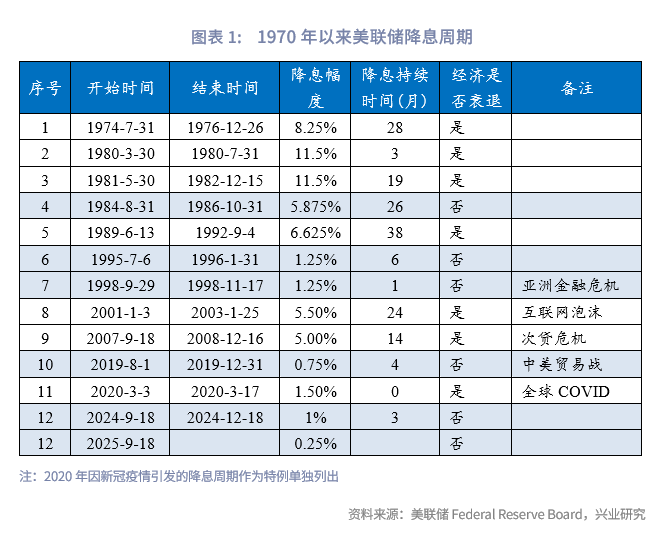
Core Viewpoint - The recent Federal Reserve interest rate cut on September 18, 2024, is set against a complex macroeconomic backdrop, including risks of stagflation in the U.S. and misalignment in the economic cycles of China and the U.S., suggesting that the Hong Kong stock market may not replicate historical trends but instead exhibit significant structural differentiation [1][2]. Group 1: Historical Context and Market Behavior - Historical experience indicates that during Fed rate cut cycles, the Hong Kong stock market typically shows a "preventive rate cut rally" or a "recessionary rate cut decline" pattern [1]. - In terms of market style, the Hang Seng Technology Index has demonstrated a "high win rate and high return" characteristic during preventive rate cut cycles, while other styles have not shown independent trends [1][2]. - Industry-wise, defensive sectors like utilities and consumer staples tend to perform better during recessionary rate cuts, while high-growth sectors such as technology and pharmaceuticals excel during preventive rate cuts [1][2][3]. Group 2: Current Economic Landscape - The current macroeconomic environment is more complex than historical experiences, with the U.S. economy facing stagflation risks and ongoing misalignment with China's economic cycle, making it difficult for the Hong Kong market to follow a straightforward trend [2][3]. - The upcoming October monetary policy meeting is crucial for assessing the future pace and intensity of rate cuts, influenced by various structural variables, including political pressures and the ongoing AI industry revolution [3][4]. Group 3: Future Outlook and Scenarios - The performance of the Hong Kong stock market in the next one to two quarters will depend not only on the Fed's rate cut path but also on the recovery process of the Chinese economy [2][52]. - Three potential scenarios are outlined: 1. **Baseline Scenario**: Gradual Fed rate cuts with a moderate recovery in the Chinese economy, favoring growth-sensitive sectors [52][53]. 2. **Optimistic Scenario**: More aggressive Fed cuts without triggering recession fears, leading to a favorable liquidity environment for growth stocks [55]. 3. **Pessimistic Scenario**: Fed pauses or slows rate cuts due to persistent inflation, putting pressure on the Hong Kong market, which will depend heavily on the recovery of the Chinese economy [56]. Group 4: Structural Opportunities - The analysis indicates that different types of rate cut cycles lead to distinct long-term performances in the Hong Kong market, with preventive rate cuts generally resulting in positive returns for the Hang Seng Index [9][10]. - The Hang Seng Technology Index has shown superior performance during preventive rate cuts, benefiting from lower discount rates and improved financing conditions [12][13]. - Defensive sectors tend to outperform during recessionary rate cuts, while growth sectors thrive in preventive cut environments, highlighting the importance of sector selection in investment strategies [13][14].
港交所消息:9月29日,瑞银集团持有的药明康德 H股空头头寸从1.95%增至3.55%
Xin Lang Cai Jing· 2025-10-06 09:46
Group 1 - UBS Group's short position in WuXi AppTec's H-shares increased from 1.95% to 3.55% as of September 29 [1]

9月25家A股公司筹划赴港上市 医药企业成主力
Huan Qiu Wang· 2025-10-06 03:45
Group 1 - The recent surge in A-share companies planning to list in Hong Kong, with 25 companies announcing plans since September and 76 others awaiting hearings as of October 2 [1][3] - Active participation from pharmaceutical companies such as Kexing Pharmaceutical, Newway, and Borui Pharmaceutical, alongside firms from various sectors like automotive and consumer goods [3] - The "A+H" dual listing model has become increasingly significant, with 11 A-share companies completing "A+H" listings this year, raising a total of 916.89 billion HKD [3] Group 2 - Notable fundraising amounts from five companies: Ningde Times (410.06 billion HKD), Heng Rui Pharmaceutical (113.74 billion HKD), Sanhua Intelligent Control (107.36 billion HKD), Haitian Flavoring and Food (105.71 billion HKD), and Lens Technology (54.83 billion HKD), collectively accounting for over 50% of this year's total IPO financing in Hong Kong [3] - The total financing amount for Hong Kong stocks reached 1,345 billion HKD by the end of August, marking a nearly sixfold increase compared to the same period in 2024 [3] - The "A+H" model accounted for 70% of the total fundraising in the first half of the year, highlighting the dynamic interconnection between the Shanghai, Shenzhen, and Hong Kong markets [3]

“欧中合作具有广阔空间”——访西班牙马德里理工大学驻华代表费可迪
Ren Min Ri Bao· 2025-10-05 21:38
Core Viewpoint - The article emphasizes the importance of enhancing cooperation between Europe and China in various fields such as technology, education, and industry to achieve mutual benefits and shared growth [1]. Group 1: Educational Cooperation - European and Chinese higher education institutions have established deep collaborative relationships, with universities acting as "civilian embassies" to foster understanding and cooperation despite complex international circumstances [1]. - The cooperation has not only improved international research standards but also enhanced cultural understanding among youth, laying a foundation for future collaborative projects [1]. Group 2: Research and Innovation - Recent research collaborations, such as the establishment of the "Joint Center for Plant and Environmental Interactions," focus on sustainable agricultural development and food security through gene modification technology [2]. - The practical approach to research and development in response to real-world needs has opened broader avenues for Sino-European higher education cooperation [2]. Group 3: Entrepreneurship and Market Opportunities - The launch of the Tongji Entrepreneurship Valley project has facilitated the incubation of domestic and international entrepreneurial projects, showcasing the potential of cross-border collaboration in fostering innovation [2]. - A Spanish engineering student at Tongji University successfully established a startup related to electric vehicle motors, highlighting the market success and breakthroughs in technology and business models achieved through this initiative [2]. Group 4: Future Prospects - There is a strong belief in the vast potential for Sino-European cooperation, particularly in dual degree programs, joint research, and technology transfer, which create significant opportunities for collaboration [2]. - The commitment to broadening international perspectives for students is seen as essential for nurturing future leaders in Sino-European cooperation [2].
淄博凉了?记者实探:烧烤店“下午5点就排队,凌晨2点才收摊”
Mei Ri Jing Ji Xin Wen· 2025-10-04 14:04
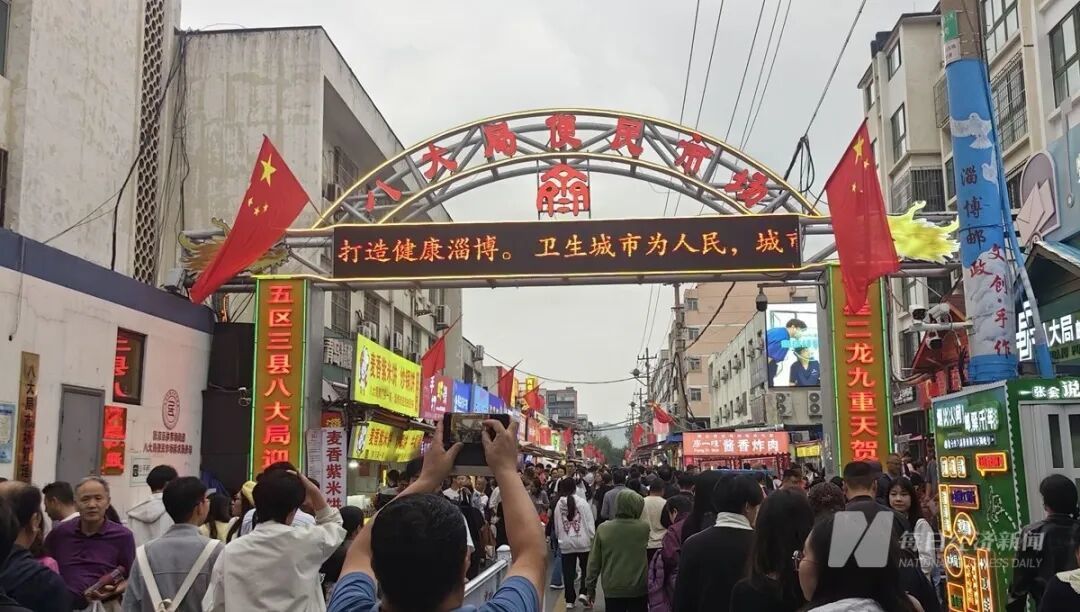
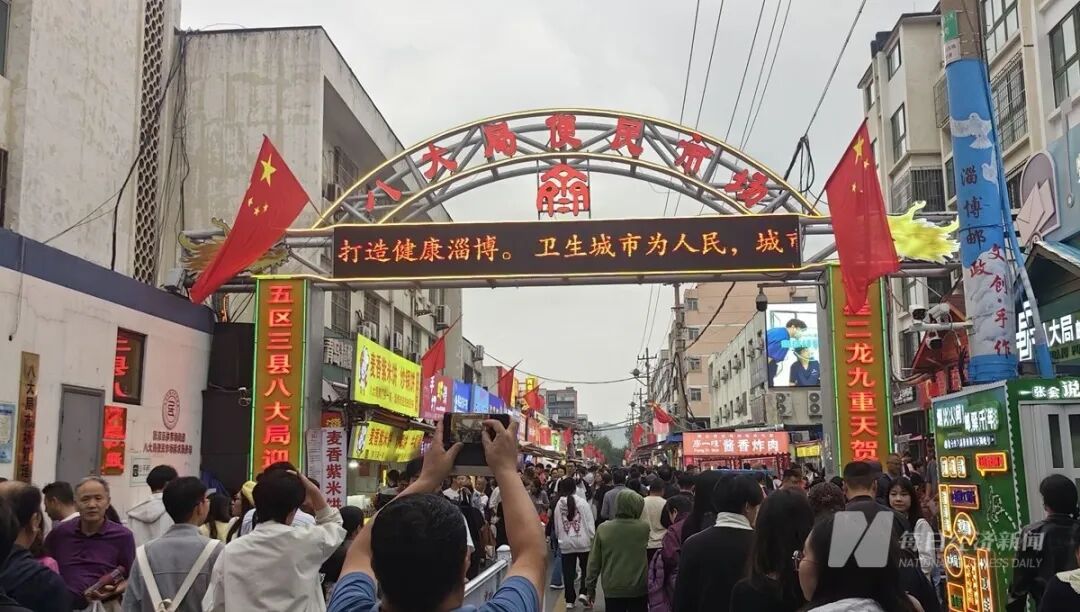
Core Insights - The article discusses the transformation of the city of Zibo from a "internet celebrity city" driven by its barbecue culture to a more sustainable and diversified urban development model focusing on long-term growth and industrial upgrades [2][6][24] Group 1: Tourism and Cultural Development - Zibo has successfully leveraged its "internet celebrity" status to boost tourism, with significant increases in visitor numbers and retail sales, particularly in the hospitality and dining sectors [10][14] - The city aims to diversify its tourism offerings beyond barbecue, focusing on cultural and historical attractions to create a more sustainable tourism model [11][14] - Zibo's government has shifted its focus from short-term tourism spikes to long-term cultural and tourism development, establishing a new command center for high-quality development in the cultural tourism sector [11][14] Group 2: Economic and Industrial Transformation - Zibo is transitioning from a reliance on its barbecue fame to a focus on industrial upgrades and new economic drivers, including the development of a pre-prepared food industry and modernization of traditional sectors [20][21] - The city has set ambitious economic goals, aiming for a GDP exceeding 700 billion yuan and a significant increase in high-tech enterprises by 2026 [22][23] - Zibo's strategic shift includes attracting talent and investment to support its industrial transformation, with initiatives aimed at bringing in university graduates and fostering innovation [22][23] Group 3: Government Strategy and Urban Resilience - The local government has adopted a proactive approach to manage the "internet celebrity" phenomenon, ensuring that the benefits of increased visibility translate into lasting economic and cultural assets [25][26] - Zibo's experience highlights the importance of maintaining strategic focus and resilience in urban development, avoiding over-reliance on transient trends [24][25] - The city is recognized for its effective governance and community engagement, which have been crucial in navigating the challenges of transitioning from a temporary tourism boom to sustainable growth [10][25]
淄博凉了?记者实探:烧烤店“下午5点就排队,凌晨2点才收摊”,博物馆被挤爆!当地:已实现从“网红”到“长红”关键一步
Mei Ri Jing Ji Xin Wen· 2025-10-04 12:53
Core Insights - The article discusses the transformation of the city of Zibo from a "viral city" driven by its barbecue culture to a more sustainable and diversified urban identity, focusing on long-term development strategies rather than short-term trends [2][20]. Group 1: Zibo's Viral Phenomenon - Zibo became a phenomenon in early 2023 due to its barbecue culture, attracting significant attention and visitors [2][5]. - The city has experienced fluctuations in its popularity, with discussions about its status as a "viral city" becoming common [2][6]. - Despite concerns about declining interest, Zibo has maintained a steady flow of visitors during peak seasons, indicating a resilient tourism sector [5][11]. Group 2: Strategic Shift in Development - Zibo's government has shifted its focus from short-term viral trends to long-term industrial and cultural development, emphasizing "new quality productivity" and manufacturing upgrades [2][10]. - The city has established a "high-quality development command" to enhance its cultural and tourism sectors, reflecting a strategic pivot from merely capitalizing on barbecue fame to fostering a broader cultural identity [9][10]. - The local government aims to transform the influx of visitors into sustained interest in the city's diverse offerings, moving beyond the barbecue label [11][12]. Group 3: Economic Impact and Growth - In 2023, Zibo's retail sales of consumer goods increased by 9.6%, with significant growth in the accommodation and catering sectors, indicating a positive economic impact from the viral phenomenon [6][10]. - The city has set ambitious tourism goals, aiming to attract 65 million visitors and achieve over 64 billion yuan in tourism revenue by 2026 [10][18]. - Zibo's industrial transformation is evident, with the contribution of its four key industries rising from 48.9% to 59.8% of the city's industrial output from 2021 to 2024 [17][18]. Group 4: Talent Attraction and Future Prospects - Zibo has implemented policies to attract young talent, successfully bringing in over 40,000 graduates annually, which supports its industrial and economic transformation [18][19]. - The city has established a clear development goal to achieve a GDP of over 700 billion yuan and to join the "trillion GDP club" within the next decade [19][20]. - Zibo's approach to leveraging its viral status as a catalyst for broader economic and cultural development serves as a model for other cities [20][21].
A股:外资,掌握行情话语权,股民应该好好看一下!
Sou Hu Cai Jing· 2025-10-04 03:33
Group 1 - In September, overseas funds saw a net inflow of $4.6 billion into the Chinese stock market, marking a 12-month high for a single month [1] - Year-to-date, foreign capital has accumulated a total purchase amount of $18 billion, significantly surpassing last year's total of $7 billion, more than doubling the previous year's figure [1] - Foreign investors are shifting their focus from traditional consumer stocks to technology and advanced manufacturing, particularly in the semiconductor industry, which has become a key area for investment [1][3] Group 2 - The market has observed a trend of foreign capital moving from traditional blue-chip stocks to technology growth stocks, with companies like Alibaba, CATL, and JD.com becoming favored targets for increased investment [3] - Some previously popular sectors, such as insurance and traditional consumer stocks, are experiencing significant sell-offs, with companies like Ping An and Pop Mart frequently appearing on sell lists [3] - Despite the influx of foreign capital, there is a notable outflow of approximately $600 million from active funds, indicating that many foreign institutions remain cautious and are still in a wait-and-see mode [5] Group 3 - The substantial inflow of funds in September was partly driven by "passive funds" due to index adjustments by MSCI and FTSE Russell, which required ETF funds to proportionally buy Chinese assets, reflecting mechanical allocation rather than active investment decisions [5] - Some foreign investors exhibit a trading style similar to retail investors in A-shares, characterized by chasing hot sectors and quick trades, lacking a stable long-term holding strategy [5] - The historical volatility of the A-share market, with its pattern of "short bull and long bear" trends, has made many overseas investors hesitant to commit to long-term investments [5][6] Group 4 - Attracting foreign capital is not difficult due to policy openness, low valuations, and clear signals of economic recovery, but retaining them as "patient capital" requires further efforts [6] - Continuous improvement in the quality of listed companies and enhancements in trading regulations, such as better information disclosure and combating financial fraud, are necessary to build investor confidence [8] - The current influx of foreign investment into China's technology and manufacturing sectors is a positive signal, but transforming this short-term speculation into long-term commitment will require significant progress [8]
陕西消费品工业“三品”战略成效显著
Shan Xi Ri Bao· 2025-10-03 23:24
Core Viewpoint - Shaanxi Province is implementing the "Three Products" strategy (increasing varieties, improving quality, and creating brands) to transform and upgrade traditional industries such as food and textiles, with a focus on digital empowerment and management innovation [1] Industry Performance - The consumer goods industry in Shaanxi Province achieved steady growth in the first eight months, with an increase in value added by 3.7% year-on-year [1] - The output value of the selenium-rich products industry chain reached 9.818 billion yuan, with a year-on-year growth of 2.17% [1] - The dairy products industry chain achieved an output value of 8.338 billion yuan, growing by 7.83% year-on-year [1] - The liquor industry chain reported an output value of 4.933 billion yuan, with a significant year-on-year increase of 16.59% [1] - The pharmaceutical and medical equipment industry chain generated an output value of 27.675 billion yuan [1] - The textile and apparel industry chain had an output value of 6.469 billion yuan [1] Brand Development - Five brands, including "Xifeng," "Meiling," "Huangguan," "Qiaopan," and "Ankang Selenium Tea," were selected in the first batch of China's famous consumer brands, enhancing brand value and influence [1] - The "Shaanxi Zhenpin" initiative for brand cultivation and joint promotion is progressing steadily, leading to the growth of internationally influential brand enterprises [1] - The implementation of the "Three Products" strategy is expected to support the industry in moving towards a mid-to-high-end market and foster new economic growth drivers [1]