
糖果

Search documents
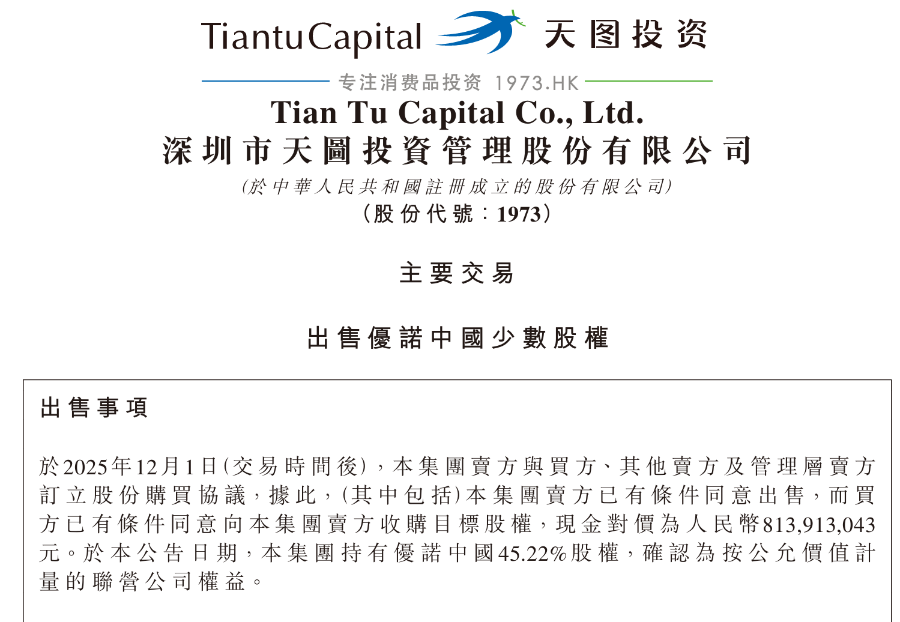
18亿人民币,IDG资本拿下优诺中国控股权
2 1 Shi Ji Jing Ji Bao Dao· 2025-12-02 06:24
Group 1 - TianTu Investment announced the sale of its 45.22% stake in Yuno Dairy Co., Ltd. to Kunshan Noyuan Ruiyuan Management Consulting Co., Ltd. for a transaction price of 813 million yuan [1] - IDG Capital, which is behind Kunshan Noyuan Ruiyuan, will ultimately acquire 100% of Yuno China for a total transaction price of 1.8 billion yuan, becoming the controlling shareholder [1] - The original management team of Yuno China will be retained post-transaction to maintain and enhance brand competitiveness, aiding in regional expansion and product innovation [4] Group 2 - The acquisition of Yuno China is part of a broader trend where Chinese private equity (PE) firms are increasingly acquiring international consumer brands' operations in China [6] - Notable recent transactions include CPE Yuanfeng's strategic cooperation with Burger King to form a joint venture, and Starbucks' partnership with Boyu Capital for its retail operations in China [6][7] - The trend of international brands divesting their Chinese operations is driven by competitive pressure from local brands and the advancement of local management capabilities [7]

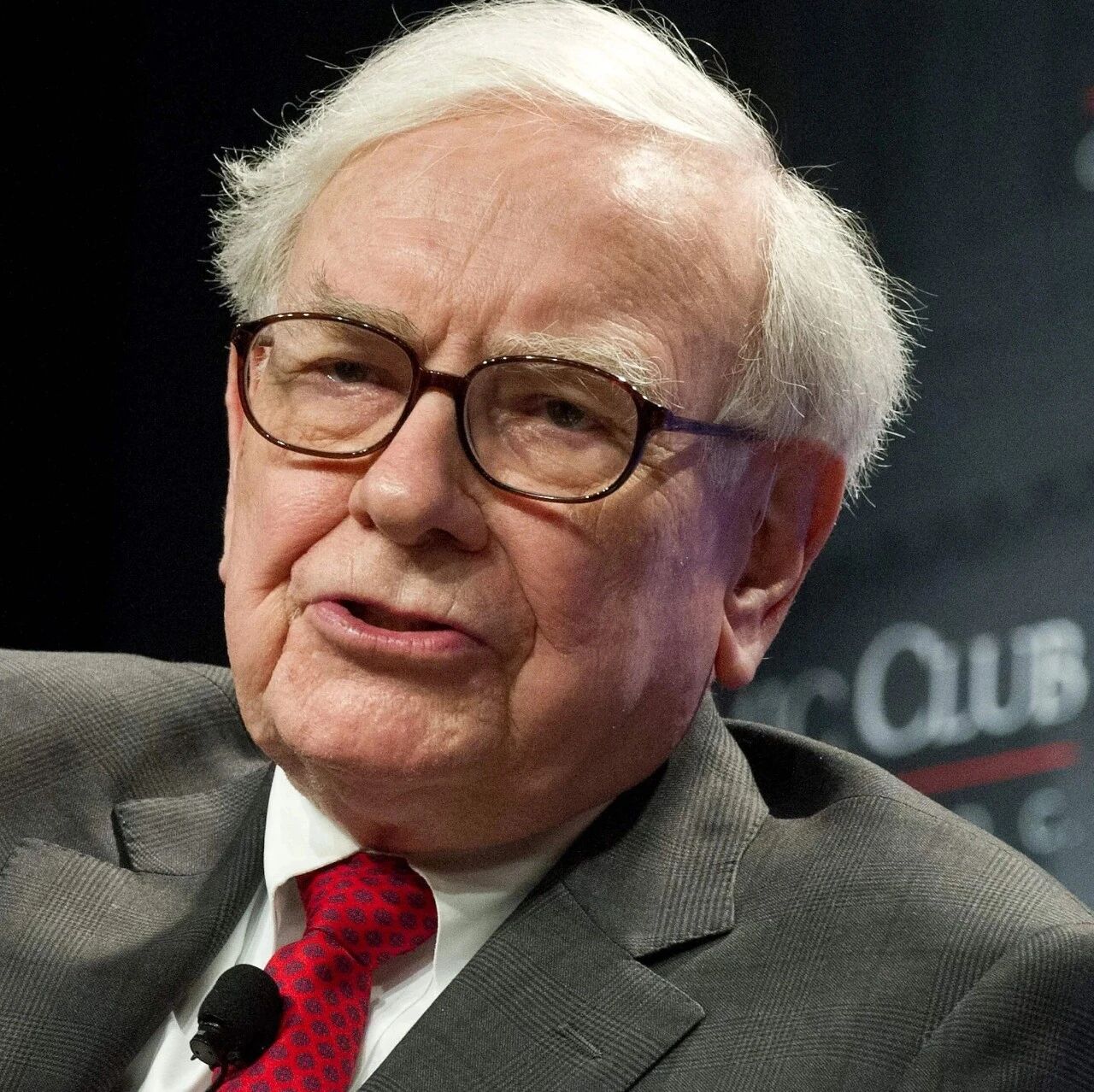
巴菲特的时代结束了
虎嗅APP· 2025-11-14 12:04
Core Viewpoint - Warren Buffett announced he will no longer write Berkshire Hathaway's annual report or give long speeches at the annual shareholder meeting, indicating a transition to a quieter phase in his career [2][3]. Group 1: Transition of Leadership - Buffett will step down as CEO at the end of the year, with Greg Abel set to take over, while Buffett will remain as chairman and retain a significant number of shares [3]. - At 95 years old, Buffett acknowledges his declining physical abilities but continues to work five days a week at the office [4][5]. Group 2: Investment Philosophy and Achievements - Buffett's investment philosophy has evolved from the "cigar butt" approach, focusing on undervalued companies, to a "moat" strategy, emphasizing companies with sustainable competitive advantages [10][11][14]. - Berkshire Hathaway's annualized return from 1965 to 2024 is 19.9%, significantly outperforming the S&P 500's 10.4% during the same period, showcasing Buffett's successful investment strategies [5][16]. Group 3: Notable Investments - Buffett's investment in PetroChina during the SARS outbreak in 2003 yielded approximately 7 times the return, demonstrating his ability to identify undervalued opportunities [6]. - His investment in BYD, initiated during the 2008 financial crisis, resulted in a return of over 600 billion HKD from an initial investment of 1.8 billion HKD [6]. Group 4: Business Structure of Berkshire Hathaway - Berkshire Hathaway's business model is characterized by a foundation in insurance, stable cash flow from various businesses, and stock investments for capital appreciation [18][19]. - The insurance segment, including GEICO and Berkshire Hathaway Reinsurance Group, provides low-cost float capital for investments [18]. Group 5: Challenges and Future Outlook - The investment landscape has changed, making it difficult to replicate Buffett's past successes due to market efficiency and the evolution of investment opportunities [22][24]. - Buffett predicts that in the next decade, many companies may outperform Berkshire Hathaway, indicating the challenges of maintaining growth at scale [30]. Group 6: Comparison with Chinese Investors - The article discusses the absence of a "Chinese Buffett," attributing it to the relatively short history of the Chinese capital market and the lack of long-term investment culture [38][40]. - However, it notes that as the Chinese market matures and improves in governance, there may emerge unique investment legends in the future [42][43].
价值投资时代将迎转折
Qi Huo Ri Bao Wang· 2025-11-14 01:17
Core Insights - Warren Buffett, at 95, announced his retirement from daily management of Berkshire Hathaway, marking the end of a 60-year investment era and presenting a significant test for his successors and the value investment philosophy [1][2] Investment Performance - Since its first investment in 1962, Berkshire Hathaway has grown into a diversified holding company with a market value exceeding $1 trillion, achieving a total return of 5,502,284% from 1964 to 2024, compared to the S&P 500's 39,054% during the same period [2] - Buffett's long-standing commitment to value investing is highlighted as particularly valuable in the current market environment characterized by speculative assets [2] Evolution of Investment Philosophy - Buffett's investment philosophy evolved through three distinct phases: - Early Stage (1949-1971): Focused on "cigar butt" investments, seeking stocks priced significantly below their intrinsic value [3] - Mid Stage (1972-1989): Shifted towards assessing the intrinsic quality and long-term competitiveness of companies, exemplified by the acquisition of See's Candies [3] - Late Stage (1990-Present): Introduced the "moat" concept, emphasizing the importance of long-term competitive advantages in investment decisions [3] Market Caution - Buffett's retirement signals a cautious stance towards the current U.S. stock market, as evidenced by Berkshire's record cash reserves of $381.7 billion and a trend of net stock sales over the past 12 quarters, raising over $6 billion in cash in Q3 alone [5] - The market valuation metric, the ratio of total market capitalization of publicly traded stocks to U.S. GDP, has reached historical highs, which Buffett previously described as "playing with fire" [5] Leadership Transition - Greg Abel is set to succeed Buffett as CEO, with Buffett praising his management skills and work ethic; however, market skepticism remains, as Berkshire's stock has declined over 10% since the succession announcement [7] - The company has recently received a rare "sell" rating from Keefe, Bruyette & Woods, citing several unfavorable factors impacting its outlook [7] Influence in China - Buffett's limited but impactful investments in China, including stakes in PetroChina and BYD, have left a lasting legacy, with significant returns on both investments [8][9] - His value investing philosophy has profoundly influenced Chinese investors, with many adopting his principles of "circle of competence," "margin of safety," and "long-term holding" [9] Future of Value Investing - Despite Buffett's retirement, the principles of value investing are expected to persist, although their application may evolve under Abel's leadership, with Berkshire's substantial cash reserves poised for future acquisitions [10] - Buffett's legacy as a legendary investor will continue to shape the investment landscape, emphasizing the importance of adapting investment strategies to changing market conditions [10]
良品潮品集中亮相 折射市场新趋势 进博会上观消费:更健康 更有趣 更智能
Zhong Guo Zheng Quan Bao· 2025-11-06 21:52
Group 1: Core Insights - The China International Import Expo (CIIE) showcases innovative products and reflects new consumer trends, serving as a key window to understand the evolving Chinese consumer market [1] - Exhibitors express confidence in the Chinese market due to a transparent and stable policy environment, as well as a fair and inclusive market landscape [1] Group 2: Health and Wellness Consumption - Lululemon highlights the growing health consciousness among Chinese consumers, positioning China as its second-largest global market, driven by an improved business environment and rising consumer confidence [2] - The demand for high-quality, eco-friendly health products is increasing, indicating a higher consumer awareness regarding health products [3] Group 3: Interest-Based Consumption - PEZ candy, known for its collaboration with popular IPs, attracts significant consumer interest at the expo, showcasing the emotional connection consumers have with brands [4] - Pop Mart leverages its popular IPs to create immersive experiences, enhancing consumer engagement and interaction at the event [5] Group 4: Smart Technology Trends - Companies like Samsung are focusing on AI integration in consumer products, enhancing user experience through smart technology [6] - SYR Hansgrohe introduces AI-driven products that adapt to user habits, targeting emerging markets such as the silver economy and pet care [7]


光明肉业:糖果市场产品结构多元化趋势显著,已开发大白兔太妃糖系列、牛轧糖系列等新品
Bei Jing Shang Bao· 2025-11-03 12:15
Core Viewpoint - The company is actively diversifying its product offerings in the candy market, focusing on both upgrading classic products and exploring new segments [1] Group 1: Product Development - The company has launched new product lines this year, including the White Rabbit Toffee series and Nougat series [1] - The company is enhancing its traditional product channels while also expanding into new markets such as wedding and full-month celebration channels [1]

特朗普赚大了,中美刚谈完,巴西、印度传来大消息,有望达成协议
Sou Hu Cai Jing· 2025-10-28 09:39
Core Insights - The latest round of US-China trade talks in Kuala Lumpur concluded early with a "substantial framework agreement," and the US announced it would no longer consider imposing a 100% tariff on Chinese goods [1][3][20] Group 1: US-China Trade Negotiations - The negotiations, initially planned for three days, wrapped up in two, indicating a significant breakthrough in discussions [1] - Key topics included rare earth exports, agricultural tariffs, and fentanyl control, with China maintaining a firm stance during the talks [3][5] - The US Treasury Secretary's announcement to abandon the 100% tariff plan reflects a retreat in response to China's strong position [3][16] Group 2: Impact on Commodities - Rare earth elements and soybeans emerged as critical issues, with China controlling over 90% of global rare earth processing capabilities, leading to soaring prices for US metals [5][6] - The US soybean market faced severe disruptions, with imports from China plummeting by 97% in a week, causing protests among American farmers [6][12] Group 3: Broader Geopolitical Implications - Following the US-China talks, India announced it would cease purchasing oil from sanctioned Russian companies, signaling a shift towards the US [8] - Brazil's President Lula met with Trump to initiate tariff negotiations, aiming to resolve trade tensions that have cost Brazil over $1 billion annually due to high tariffs on key exports [10][12] - The interconnected nature of these negotiations suggests a ripple effect, with each country's actions influencing the others, highlighting the complexity of global trade dynamics [20]
研判2025!中国口香糖行业市场政策、产业链、销售规模、竞争格局及发展趋势分析:无糖口香糖、功能性口香糖产品逐渐成为市场新宠[图]
Chan Ye Xin Xi Wang· 2025-10-21 01:30
Overview - The gum market in China is experiencing steady growth, with sales expected to reach 78,400 tons and revenue of 12.202 billion yuan in 2024, averaging 155,600 yuan per ton [1][4] - Consumers are increasingly seeking gums with additional benefits such as dental care, stress relief, and energy boosting, moving beyond traditional breath-freshening functions [1][4] - Health consciousness is rising, leading consumers to prioritize "healthy ingredients" and "sugar-free formulas," making sugar-free and functional gums popular [1][4] Market Policies - China has implemented various policies to ensure food safety and quality in the gum industry, promoting a shift towards standardized and high-quality production [3] Industry Chain - The gum industry consists of upstream suppliers of raw materials (gum base, sweeteners, flavors), midstream production companies, and downstream sales channels including supermarkets, convenience stores, and e-commerce platforms [3] Current Development - The gum market is projected to grow, with a focus on health-oriented products. Exports are also significant, with 32,952.9 tons exported in the first eight months of 2025, generating 8.2553 million USD [4][5] Competitive Landscape - The market is highly concentrated, with the top three companies holding over 90% market share. Mars Wrigley (68.1%) and Mondelēz (19.3%) are the leading players, while local brands like Fujian Jiujiuwang and Fujian Yake are gaining traction [5][6] Future Trends - The demand for sugar-free gums is expected to rise, and companies will likely develop gums with specific health benefits. The Z generation's preferences for functionality, safety, and creative packaging will shape future product offerings [6][7]

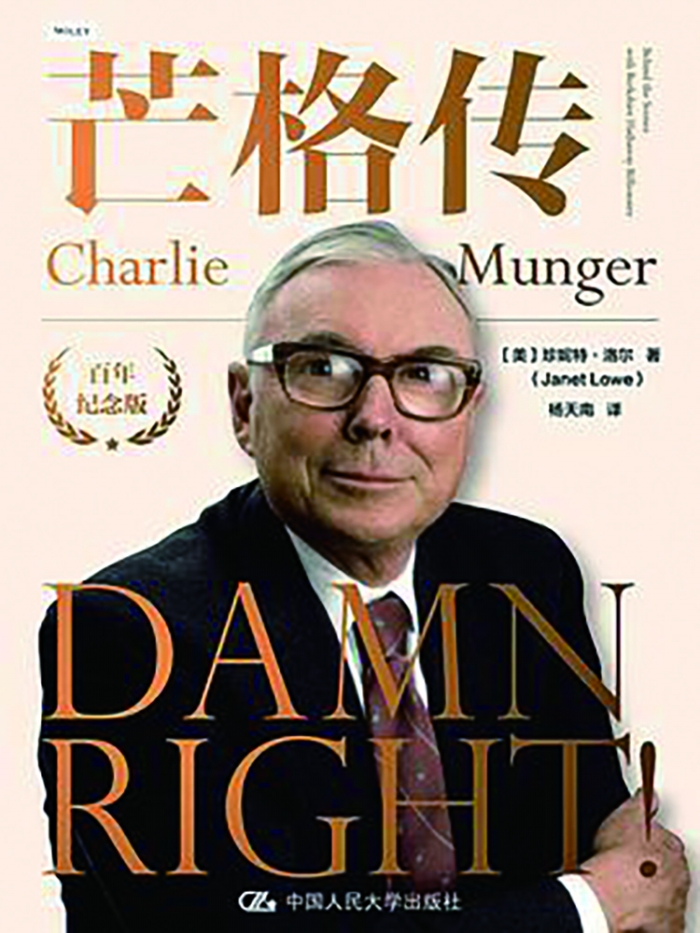
跨界思维如何创造投资奇迹——读《芒格传》
Shang Hai Zheng Quan Bao· 2025-10-12 17:14
Core Insights - The article explores the journey of Charlie Munger from a lawyer to a successful investor, highlighting the unconventional thinking that led to significant investment success [4][5][6][7][8][11]. Group 1: Munger's Early Life and Career - Munger faced numerous challenges in his early life, including wartime experiences and personal tragedies, which shaped his analytical mindset and emotional resilience [5][6]. - His transition to investment began after establishing a stable family life, leading him to explore opportunities beyond his legal career [5][6]. Group 2: Investment Philosophy Evolution - Munger's first investment experience was with a small transformer company, which taught him the importance of quality over price in investment decisions [6][8]. - The pivotal moment in Munger's investment philosophy came with the acquisition of See's Candies in 1972, which shifted his focus from seeking cheap stocks to investing in high-quality companies with strong competitive advantages [8][9][10]. Group 3: Key Investment Principles - Munger emphasizes "reverse thinking," where he anticipates potential failures before making investment decisions, allowing him to avoid significant losses [11][12]. - He advocates for concentrated investing, arguing that deep understanding of a few companies is safer than spreading investments too thin [12]. - Munger's investment strategy includes a focus on opportunity cost, prioritizing investments in truly exceptional companies and exercising patience [12][13]. Group 4: Long-term Success Metrics - Munger's investment approach has contributed to Berkshire Hathaway achieving a remarkable 19.2% annual compound growth rate over 51 years, demonstrating the effectiveness of his principles [11][13]. - The combination of correct investment philosophy, strict execution discipline, and continuous learning has been crucial to Munger's sustained success [13].
这一年,这些耳熟能详的品牌都被卖了丨国庆特别策划③
36氪· 2025-10-04 04:08
Core Insights - The article discusses the recent trend of brand ownership changes in various industries, highlighting significant acquisitions and sales of well-known brands, indicating a reshuffling of the market landscape [2][3]. Group 1: Brand Acquisitions and Sales - Canada Goose Holdings Inc. is considering selling part or all of its shares due to declining growth and stock price issues, despite previously being popular in China [8]. - Nestlé has fully acquired Xu Fu Ji, a well-known candy brand in China, after initially purchasing 60% of its shares for $1.7 billion in 2011 [13]. - The American makeup brand elf Beauty announced the acquisition of the brand Rhode, founded by Hailey Bieber, for $1 billion, despite Rhode being only three years old and having limited product offerings [11]. Group 2: Market Dynamics - The article notes that the sale of high-end brands like Costa and Peet's Coffee reflects the competitive pressure from low-cost coffee brands, suggesting a shift in consumer preferences [6]. - The acquisition of Versace by Prada is highlighted, with financing plans involving €2.5 billion, indicating ongoing interest in luxury brand consolidation [12]. - Grubhub's unexpected sale for $650 million raises questions about the valuation of major players in the food delivery market [4]. Group 3: Emerging Trends - The rapid rise and subsequent sale of brands like Rhode, which achieved significant sales with limited products, illustrates the changing dynamics of brand success in the digital age [11]. - The article emphasizes that ownership changes are not merely transactions but represent strategic moves in a continuously evolving market landscape, with each sale presenting new opportunities and challenges [3].

“消费者喜爱的糖果品牌”评选结果揭晓
Zhong Guo Jing Ying Bao· 2025-09-26 13:45
Group 1 - The event "China International Candy Season Honor Ceremony - Sweet Dream Nebula Night" was held in Beijing, revealing the results of the "2025 Consumer Favorite Candy Brand" selection [1] - The selection aims to promote the candy industry from "Made in China" to "Chinese Brands" [1] - A total of 22 well-known domestic and international candy companies participated, covering various categories such as traditional hard candy, chocolate, and healthy soft candy [1] Group 2 - Six brands, including Xu Fu Ji, Ma Da Jie, Bao Bao Brothers, Guan Sheng Yuan, A Mai Si, and Wang Wang, were awarded in categories like "Industry Leading Enterprises" and "Consumer Favorite Brands" [1] - The China International Candy Season, which opened on September 10, attracted hundreds of thousands of participants, featuring well-known candy brands and immersive consumer experiences [1] - The series of activities "Sweet China - Let the World Love China's Sweetness" will continue until November 16, creating a new industrial ecosystem of "Culture + Technology + Consumption" [1] Group 3 - Qiu Yinfu, Deputy Secretary of the Party Committee and General Manager of Shougang Group, emphasized the integration of culture, technology, and consumption in the China International Candy Season [2] - The event represents a deep exploration of the innovative reuse of Winter Olympic heritage and industrial relics, contributing to the high-quality development of national brand food industries [2] - Shougang Group plans to strengthen its digital space industry cluster and create a new landmark for urban revival with higher international standards [2]