
电解铝

Search documents
结束孤岛运行!魏桥集团接入国家电网
中国能源报· 2025-10-17 06:32
Core Viewpoint - Shandong Weiqiao Group has successfully connected to the State Grid, ending its history of operating in isolation and exploring a new model of self-built power plants combined with public green electricity consumption, termed the "Weiqiao Model" [1][5]. Group 1 - The meeting between the State Grid Shandong Electric Power Chairman Lin Yifan and Weiqiao Group Chairman Zhang Bo marks a significant milestone in their cooperation, aiming to deepen collaboration and create a win-win development scenario [1][3]. - Lin Yifan emphasized the importance of this connection in promoting energy transition and reducing coal consumption while enhancing the consumption of green electricity in Shandong province [3][5]. - The completion of the connection project involved overcoming significant challenges and was achieved ahead of schedule, with three units of 660,000 kilowatts officially connected to the grid by July 9, and a total load of 1 million kilowatts connected by August 4 [5][3]. Group 2 - Zhang Bo expressed gratitude for the support from State Grid Shandong Electric Power, highlighting the transformative significance of accessing more green electricity for Weiqiao Group's development [5][3]. - The collaboration aims to create a model for high-level green electricity consumption and enhance the reliability of the power grid, showcasing a cooperative example for high-quality development [3][5]. - The initiative is seen as a response to changing domestic and international economic conditions, with Weiqiao Group committed to leveraging its strengths in partnership with the State Grid [5][3].

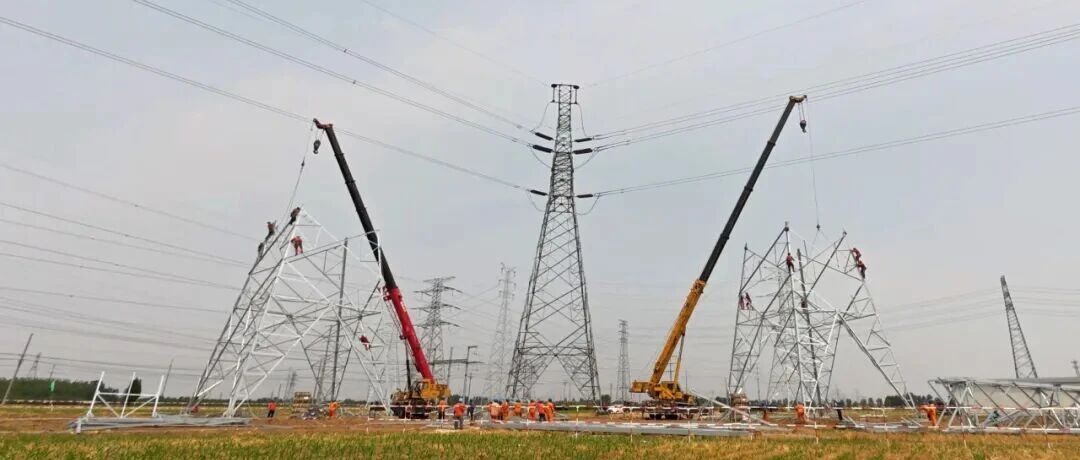
魏桥集团接入国家电网,结束孤岛运行!
中关村储能产业技术联盟· 2025-10-17 06:03
Core Viewpoint - Shandong Weiqiao Group has successfully connected to the State Grid, marking the end of its isolated operation and establishing a new model for integrating self-built power plants with public green electricity consumption, termed the "Weiqiao Model" [1][4][7]. Group 1: Collaboration and Achievements - The meeting between the leadership of State Grid Shandong Electric Power and Weiqiao Group signifies a historic breakthrough in their cooperation, aiming to deepen collaboration and create a win-win development scenario [1][4]. - Weiqiao Group, as the largest private enterprise in Shandong, has achieved significant development milestones, and the State Grid will continue to support its growth through high-quality energy and power development initiatives [4][6]. Group 2: Energy Transition and Green Power - The connection to the public grid allows Weiqiao Group to reduce coal consumption and enhance the absorption of green electricity across Shandong province [4][6]. - The completion of the connection project involved overcoming significant challenges and was achieved ahead of schedule, with three units of 660,000 kW officially connected to the grid by July 9, and a total load of 1,000,000 kW integrated by August 4 [7]. Group 3: Future Directions - Weiqiao Group aims to adapt to changing domestic and international economic conditions by enhancing cooperation with the State Grid, focusing on mutual benefits and complementary advantages [6][7]. - The collaboration is expected to set a replicable and scalable example for promoting green electricity consumption in the province [7].
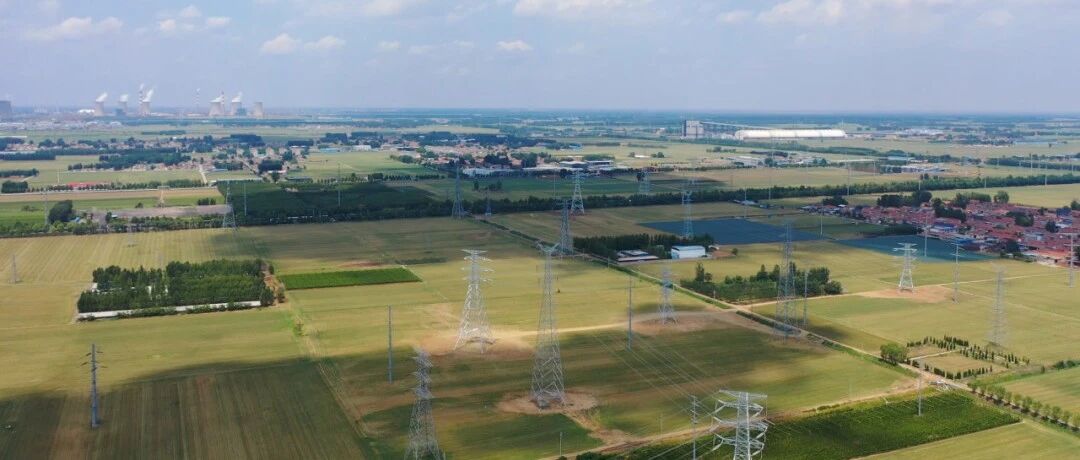
期现结合赋能铝产业链韧性与安全水平提升
Qi Huo Ri Bao· 2025-10-16 16:04
Core Insights - The aluminum industry is experiencing a high prosperity cycle, driven by supply-side structural reforms and strong demand from sectors like new energy vehicles and data centers [1][4] - The integration of futures and spot markets is seen as a crucial strategy for enhancing the resilience and safety of the aluminum supply chain [1][5] Industry Overview - Domestic electrolytic aluminum production capacity is nearing its limit, with high utilization rates and low supply elasticity expected in the future [1] - Global electrolytic aluminum supply is only able to maintain rigid growth due to long-term power supply restrictions overseas [1] - Demand for electrolytic aluminum is projected to grow at an annual rate of around 2%, supported by traditional consumption and emerging industries [1] Company Strategies - Companies are encouraged to adopt structural adjustments for product differentiation and quality enhancement to cope with order shortages [2] - Risk management is emphasized as a survival skill across all industries, with companies advised to negotiate long-term agreements to mitigate price volatility [2][5] - The shift from a passive reliance on spot markets to an active management model using futures for risk hedging is highlighted as essential for modern traders [2][3] Trading and Risk Management - The concept of basis trading is presented as a sustainable profit strategy for traders, focusing on local supply-demand dynamics rather than absolute price predictions [3] - A complete futures market system has been established, providing a comprehensive risk hedging framework for the aluminum industry [3] Regional Insights - Henan province is a key player in China's non-ferrous metal production, with significant contributions from advanced aluminum-based materials [4] - The participation of local enterprises in futures trading has seen a growth rate of 23% over the past three years, demonstrating the value of futures in risk management [4] Future Directions - Companies are advised to build a three-tiered risk management system, focusing on traditional futures integration, expanding options usage, and collaborating with futures companies for data sharing [5] - The forum concluded with a sense of optimism about the deepening integration of the aluminum industry with the futures market, positioning it as a powerful engine for navigating uncertainties [5]
“十五五”规划前瞻:历史篇+内需篇
2025-10-16 15:11
Summary of the Conference Call on the 15th Five-Year Plan Industry or Company Involved - The conference call discusses the upcoming 15th Five-Year Plan (2026-2030) in China, focusing on strategic directions in technology innovation, domestic demand, and emerging industries. Core Points and Arguments 1. **Continuation of Strategic Directions**: The 15th Five-Year Plan will extend and deepen the strategic directions of the 14th Five-Year Plan, particularly in technology innovation and new productive forces, aiming for a target of at least 20% of GDP from strategic emerging industries [1][11]. 2. **Focus on Domestic Demand**: Policies will emphasize consumption upgrades and investment structure optimization, aiming to release consumption potential through improved supply quality and international standards [1][4]. 3. **Support for Emerging Industries**: The plan will promote cluster development in new-generation information technology, high-end equipment, and biotechnology, with special funding and financing channels to support specialized and innovative enterprises [1][12]. 4. **Capacity Governance**: The plan will address overcapacity issues in industries like new energy vehicles and photovoltaics by enforcing strict environmental and energy consumption standards [1][13]. 5. **Public Service and Income Distribution Reform**: The plan aims to equalize basic public services and reform income distribution to reduce preventive savings in education, healthcare, and elderly care, thereby releasing more consumption capacity [1][16]. 6. **Investment Focus**: Short-term policies may lead to sector rotation effects, with funds potentially shifting from infrastructure to tourism and hospitality sectors, while long-term investments will focus on digital economy, high-end manufacturing, new energy, and the silver economy [3][17]. 7. **Challenges in Consumption**: Despite significant progress in cultivating new consumption drivers, consumption contribution to economic growth has weakened, dropping from 80% to 52% by Q2 2025 [3][9]. 8. **Investment Targets**: Most investment indicators are on track, but some energy security and social welfare targets have not met expectations, such as the nuclear power generation capacity completion rate of 68.8% [3][10]. 9. **Technological Innovation and R&D**: The plan will increase the proportion of basic research in R&D funding and enhance support for national laboratories and high-level universities [1][11]. 10. **Quality Supply and Consumption Upgrade**: The plan aims to improve supply quality to meet consumption upgrade demands, establishing a quality grading certification system [1][14]. Other Important but Possibly Overlooked Content 1. **Historical Context of Five-Year Plans**: The evolution of China's Five-Year Plans from 1953 to the present reflects a shift from rapid economic growth to a focus on quality and efficiency [5][6]. 2. **Impact on Capital Markets**: Historical data suggests that while immediate impacts on stock markets may be limited, long-term policy implementations can significantly drive market performance, particularly in technology sectors [8]. 3. **Social Welfare Opportunities**: There are notable opportunities in social welfare sectors, particularly in elderly care and health management, which may see increased investment and development [3][17].
华宝期货晨报铝锭-20251015
Hua Bao Qi Huo· 2025-10-15 03:13
Report Summary 1) Report Industry Investment Rating No specific industry investment rating is provided in the given content. 2) Core Views - For building materials (成材): Expected to move in a range with a downward - shifting center of gravity, and run in a weak and volatile manner. The market is in a situation of weak supply and demand, with pessimistic market sentiment, and this year's winter storage is sluggish, providing little price support. The view is for volatile consolidation [1][3]. - For aluminum ingots: The price is expected to run in a short - term range. In the short term, the fundamentals are stable, but macro - overseas interference events repeatedly affect market sentiment. The price is currently in a high - level shock, and future attention should be paid to the inventory - consumption trend [4]. 3) Summary by Related Catalogs Building Materials - Production suspension impact: Yunnan - Guizhou short - process building steel enterprises' production suspension during the Spring Festival is expected to affect a total of 741,000 tons of building steel production. In Anhui, 1 out of 6 short - process steel mills stopped production on January 5, and most of the rest will stop production around mid - January, with a daily production impact of about 16,200 tons during the suspension period [2][3]. - Real estate transaction data: From December 30, 2024, to January 5, 2025, the total transaction (signing) area of newly - built commercial housing in 10 key cities was 2.234 million square meters, a 40.3% decrease from the previous period and a 43.2% increase year - on - year [3]. - Market situation: The price continued to decline in a volatile manner yesterday, reaching a new low recently. The market is in a situation of weak supply and demand, with no significant highlights in the near term, and this year's winter storage is sluggish, providing little support for prices [3]. - Later focus: Macro - policies and downstream demand [3]. Aluminum - Supply - side situation: After entering October, due to the peak season of downstream processed materials demand, the proportion of direct aluminum water supply is expected to increase, resulting in low aluminum ingot production and reduced market supply, which supports the aluminum price [3]. - Demand - side situation: In early October, the overall performance of the aluminum processing industry was in line with seasonal characteristics, but there was obvious internal differentiation. The overall industry showed resilience, but the "Golden September and Silver October" in the demand side was lackluster, and the high aluminum price and order differentiation restricted the short - term upward space of the operating rate. High prices will gradually suppress downstream purchasing, leading to a marginal weakening of demand and limiting the upward space of aluminum prices [3]. - Inventory data: On October 13, the inventory of electrolytic aluminum ingots in domestic mainstream consumption areas was 650,000 tons, an increase of 1,000 tons from last Thursday and 58,000 tons from last Monday [3]. - Later focus: Macro - expectations, geopolitical crises, mine resumption, and consumption release [4].
周期焦点直击 寻找黄金之外的“核心资产”
2025-10-13 14:56
Summary of Key Points from Conference Call Records Industry Overview - The focus is on the gold market and the broader context of precious and base metals, particularly in light of geopolitical tensions and economic conditions [1][2][4] Core Insights and Arguments - **Gold Market Dynamics**: - Gold has seen a significant price increase, nearly 10% in a week, driven by declining trust in government currencies and rising geopolitical tensions [2] - The price of gold is expected to stabilize after geopolitical tensions ease, but it remains a crucial asset in the precious metals sector [1][7] - The gold-to-silver ratio is currently around 80, expected to correct to below 60 as economic conditions stabilize [2][11] - **Base Metals Outlook**: - The outlook for base metals, particularly copper and aluminum, is optimistic due to supply disruptions from natural disasters and geopolitical events [1][8] - Copper is anticipated to remain in a supply shortage throughout the next year, driven by natural factors affecting production [9][10] - Electrolytic aluminum is highlighted as a strong investment opportunity due to its low valuation and cyclical nature [9] - **Impact of U.S.-China Trade Relations**: - Recent escalations in U.S.-China trade tensions have introduced market uncertainties but also present investment opportunities in scarce assets like base metals and renewable energy [5][6] - The potential for negotiations between the two nations may alleviate current tensions, impacting market dynamics positively [6] - **Phosphate Market**: - Phosphate prices have rebounded to near 2022 highs, driven by demand in agriculture and the renewable energy sector, particularly lithium iron phosphate [2][17] - A global supply gap of 4% is noted due to surging demand from China's renewable energy sector [18] Additional Important Insights - **Investment Strategies**: - Investors are advised to focus on base metals and renewable energy assets as key areas for potential growth amidst current market volatility [4][5] - The steel sector is suggested as a defensive strategy due to expected production declines [2][11] - **Geopolitical Factors**: - The rise of right-wing politics and global political polarization is contributing to a decline in trust in fiat currencies, further driving demand for safe-haven assets like gold and base metals [1][2] - **Market Valuation**: - Base metals are currently valued at historical lows compared to gold, indicating potential for price increases [8] - **Future Projections**: - The copper market is expected to see price increases in the upcoming quarters, driven by ongoing supply constraints and rising demand from new economic sectors [10] This summary encapsulates the critical insights and projections from the conference call, focusing on the gold and base metals markets, the implications of geopolitical tensions, and strategic investment opportunities.
银河期货有色金属衍生品日报-20251013
Yin He Qi Huo· 2025-10-13 12:05
Group 1: Report Industry Investment Rating - No relevant content provided Group 2: Core Views of the Report - Copper prices are expected to have a long - term upward trend, with short - term adjustments. Alumina prices are likely to maintain a weak and volatile bottom - grinding market. Aluminum prices are expected to be weak in the short - term and strengthen in the medium - term. Nickel prices are expected to have increased volatility and a lower oscillation center. Stainless steel prices are expected to weaken. Tin prices will be in a short - term high - level oscillation. Industrial silicon prices may oscillate in the medium - term and be strong in the short - term. Polysilicon prices may have a limited short - term callback. Lithium carbonate prices are expected to continue to reduce inventory and support the price [6][14][20][46][53][60][64][71][76] Group 3: Summary by Related Catalogs Copper - **Market Review**: On October 13, the Shanghai Copper 2511 contract closed at 85,120 yuan/ton, down 2.06%, and the Shanghai Copper Index reduced positions by 12,125 lots to 566,100 lots. The spot market trading improved with price drops, and the premium in Shanghai rose [2] - **Important Information**: As of October 13, the national copper inventory increased by 0.57 million tons to 17.2 million tons. In September, China imported 2.587 million tons of copper ore and concentrates, and the cumulative import from January to September was 22.634 million tons, a year - on - year increase of 7.7%. The export of unwrought aluminum and aluminum products in September was 521,000 tons, and the cumulative export from January to September was 4.516 million tons, a year - on - year decrease of 8.1% [3][4] - **Logic Analysis**: Trump's tariff remarks and supply - side problems have affected copper prices. Mine supply tension has intensified, and consumption shows "not prosperous in the peak season", but there may be an increase in demand after price adjustments [6] - **Trading Strategy**: Adopt a long - on - dips strategy for single - side trading, continue to hold cross - market positive spreads, and arrange cross - period positive spreads after domestic inventory decline. Keep options on hold [7][8][9] Alumina - **Market Review**: On October 13, the Alumina 2601 contract decreased by 57 yuan to 2,820 yuan/ton. Spot prices in most regions declined [10] - **Related Information**: An aluminum plant in Xinjiang purchased 10,000 tons of alumina on October 13. As of last Friday, the national alumina production capacity was 114.62 million tons, with 98.55 million tons in operation. In September, the actual production of alumina was 8.06 million tons, the net export was about 80,000 tons, and the demand was 7.552 million tons [11][12] - **Logic Analysis**: Affected by market sentiment, alumina prices fell. Although the static surplus has been absorbed, the surplus trend remains. The price is expected to be weak and volatile [14] - **Trading Strategy**: Single - side trading shows a weak and volatile trend. Keep arbitrage and options on hold [15][16] Aluminum - **Market Review**: On October 13, the Shanghai Aluminum 2511 contract decreased by 205 yuan to 20,885 yuan/ton. Spot prices in various regions declined [17] - **Related Information**: Trump's tariff policy was upgraded. In September, the national electrolytic aluminum weighted average full - cost was 15,977 yuan/ton, and the theoretical profit was 4,798 yuan/ton. On October 13, the national aluminum ingot spot inventory was 642,000 tons, an increase of 80,000 tons [17] - **Trading Logic**: The tariff policy upgrade led to a decline in aluminum prices, but the medium - term upward trend remains. The market may have large - amplitude fluctuations [20] - **Trading Strategy**: Be on the sidelines in the short - term for single - side trading, and the medium - term trend is upward. Keep arbitrage and options on hold [21][22][23] Casting Aluminum Alloy - **Market Review**: On October 13, the Casting Aluminum Alloy 2511 contract decreased by 225 yuan to 20,335 yuan/ton. Spot prices in various regions declined [25] - **Related Information**: Trump's tariff policy was upgraded. On October 13, the social inventory of recycled aluminum alloy ingots in Foshan, Ningbo, and Wuxi decreased by 703 tons, and the casting aluminum alloy warehouse receipts increased by 2,503 tons [25][26] - **Trading Logic**: The tariff policy upgrade led to a decline in prices. Before the implementation of tariffs is clear, the negative impact of macro - sentiment on aluminum products is significant. The price will be weak, and scrap aluminum prices may support the spot price [27] - **Trading Strategy**: Pay attention to tariff policy developments for single - side trading. Keep arbitrage and options on hold [28][29][31] Zinc - **Market Review**: On October 13, Shanghai Zinc 2511 dropped 0.58% to 22,255 yuan/ton, and the Shanghai Zinc Index reduced positions by 2,771 lots to 212,600 lots. The spot market trading was light [32] - **Related Information**: As of October 13, the national zinc ingot inventory was 163,100 tons, an increase of 21,700 tons from September 29 [33] - **Logic Analysis**: In October, domestic zinc smelters increased production, and consumption did not improve significantly. The domestic price was under pressure, while the LME price was strong. The pattern of strong overseas and weak domestic may continue [34] - **Trading Strategy**: Close profitable short positions and wait for the export window to open to short again. Keep arbitrage on hold and close out the sold out - of - the - money call options [35][37] Lead - **Market Review**: On October 13, Shanghai Lead 2511 dropped 0.18% to 17,095 yuan/ton, and the Shanghai Lead Index increased positions by 5,004 lots to 82,700 lots. Part of the downstream replenished inventory, and the spot market had different purchasing attitudes [36] - **Related Information**: As of October 13, the national lead ingot social inventory was 36,000 tons, a decrease of 6,100 tons from September 29. The electric bicycle trade - in policy in Changsha and Shaoyang will be suspended on October 20 [39] - **Logic Analysis**: From September to mid - October, domestic lead production was relatively low. The inventory decreased during the National Day. The supply is weaker than demand currently, but the supply may increase in the second half of October, and the price may fall after rising [40] - **Trading Strategy**: The price may rise in the short - term but fall after rising. Keep arbitrage on hold and sell out - of - the - money call options [41] Nickel - **Market Review**: On October 13, the main contract of Shanghai Nickel NI2511 decreased by 2,080 yuan to 121,410 yuan/ton, and the index increased positions by 1,785 lots. Spot premiums changed [43] - **Related Information**: The Shanghai Futures Exchange adjusted the trading margin and daily price limit for nickel futures on October 14. Some Indonesian mining companies resumed production. Goldman Sachs predicted that nickel prices would drop by 6% by December 2026 [44][46] - **Logic Analysis**: Due to the lack of profit - taking and Trump's remarks, the decline was relatively mild. The "de - globalization" trend and the surplus pattern will lead to increased volatility and a lower center of oscillation [46] - **Trading Strategy**: Short a small amount of the main contract. Keep arbitrage and options on hold [47][48][49] Stainless Steel - **Market Review**: On October 13, the main contract of stainless steel SS2512 decreased by 205 yuan to 12,655 yuan/ton, and the index increased positions by 28,538 lots. The spot price range was given [51] - **Important Information**: Indonesia won the stainless - steel anti - dumping lawsuit against the EU, which is expected to boost exports. The national stainless - steel social inventory increased during the holiday [51][53] - **Logic Analysis**: The escalation of the Sino - US trade war affected external demand, and the inventory increased. The price was under pressure, and the market was waiting to see the inventory digestion this week [53] - **Trading Strategy**: The price will weaken. Keep arbitrage on hold [54][55] Tin - **Market Review**: On October 13, the main contract of Shanghai Tin 2511 closed at 282,110 yuan/ton, down 2.19%. The spot price dropped, and the trading was mainly for rigid demand [57] - **Related Information**: The US postponed the release of CPI data. As of October 10, the national tin ingot inventory decreased by 568 tons compared with September 26 [58][59] - **Logic Analysis**: Trump's tariff remarks led to a price drop. The supply of tin ore is still tight, and the demand is slowly recovering. Pay attention to Myanmar's resumption of production and electronic consumption recovery [60] - **Trading Strategy**: The price will oscillate at a high level in the short - term. Keep options on hold [61][62] Industrial Silicon - **Important Information**: The US cancelled a solar project and planned to impose tariffs on Chinese goods. The production capacity in Xinjiang decreased, and the production capacity in the east increased. The southwest may reduce production in November [63][64] - **Logic Analysis**: The production decreased in Xinjiang and increased in the east. The southwest will reduce production in November. The demand is strong in the short - term, and the price may oscillate in the medium - term and be strong in the short - term [64] - **Strategy Suggestion**: Hold long positions. There is no arbitrage and option strategy currently [67][68] Polysilicon - **Important Information**: The US cancelled a solar project and planned to impose tariffs on Chinese goods. The production increased in October, and the silicon wafer production decreased [70][71] - **Logic Analysis**: The supply increased and the demand decreased in October. The concentrated cancellation of warehouse receipts in November is the core driver of the price callback. The rumored state - purchase may limit the callback space [71] - **Strategy Suggestion**: Try to go long near the low point of the PS2512 contract in August. Hold the reverse arbitrage of 2511 and 2512 contracts. Buy both out - of - the - money call and put options [72] Lithium Carbonate - **Market Review**: On October 13, the Lithium Carbonate 2511 contract decreased by 780 yuan to 72,500 yuan/ton, and the index increased positions by 1,306 lots. The spot price dropped [74] - **Important Information**: A lithium project in Jiangxi had major changes. In September, the sales of new - energy vehicles and the production of ternary materials increased [76] - **Logic Analysis**: The supply growth rate is lower than the demand in October, and the inventory is expected to continue to decrease, supporting the price. Consider closing short positions and going long if the price falls below 70,000 yuan [76] - **Trading Strategy**: Short on rebounds and close short positions if the price falls below 70,000 yuan. Keep arbitrage and options on hold [77][78][79]
期货眼日迹
Yin He Qi Huo· 2025-10-13 05:58
1. Report Industry Investment Ratings No industry investment ratings are provided in the report. 2. Core Viewpoints of the Report The report provides a daily morning observation of various commodities, including agricultural products, black metals, non-ferrous metals, and energy chemicals. The market trends of each commodity are analyzed based on factors such as supply and demand, macroeconomic conditions, and trade policies. The report suggests corresponding trading strategies for each commodity, including unilateral trading, arbitrage, and options trading. 3. Summaries by Relevant Catalogs Agricultural Products - **Soybean Meal**: Macro influences increase, and the volatility of meal products widens. The CBOT soybean and soybean meal indices decline. South American soybean exports to China offset the decrease in US soybean exports. It is recommended to short the soybean meal 05 contract at high points, hold long positions in rapeseed meal, and conduct M11 - 1 positive spreads [15][16][17]. - **Sugar**: Typhoon weather is favorable for the market. ICE and London sugar prices decline. Brazilian sugar production may increase, and the domestic sugar market is affected by the typhoon. It is expected that the international sugar price will fluctuate within a range, and the domestic sugar price will also show a short - term oscillatory trend [17][18][20]. - **Oilseeds and Oils**: Sino - US tariffs resurface, and the market maintains a short - term oscillatory trend. The Malaysian palm oil inventory increases in September, and domestic soybean oil may gradually reduce inventory. It is recommended to wait and see first and consider lightly going long on dips [21][22][23]. - **Corn/Corn Starch**: New grain is concentrated on the market, and the price oscillates at the bottom. The US corn price is weak, and domestic new - crop corn is abundant. It is recommended to go long on the 12 - month corn contract on dips, and gradually establish long - term long positions in the 05 and 07 corn contracts [24][25][27]. - **Hogs**: The pressure of slaughter continues to be reflected, and the spot price continues to decline. Hog prices fall in various regions, and the overall supply is sufficient. It is recommended to short at high points and conduct LH15 reverse spreads [27][28][29]. - **Peanuts**: Harvest is affected by rainfall, and peanuts are short - term bullish. The average price of peanuts declines slightly, and the inventory of peanut oil manufacturers changes. It is recommended to go long on the 01 and 05 peanut contracts lightly [30][31][32]. - **Eggs**: Oscillate weakly. Egg prices decline, and the inventory of laying hens is high. It is recommended to short near - month contracts at high points [33][34][36]. - **Apples**: Oscillate slightly bullishly. Apple inventory decreases, and new - crop apples are affected by rainfall. It is expected that the price will oscillate slightly bullishly in the short term [37][38][42]. - **Cotton - Cotton Yarn**: Oscillate slightly bearishly. ICE cotton prices decline. The Sino - US trade war affects cotton consumption. It is expected that the US cotton price will oscillate, and the Zhengzhou cotton price will oscillate slightly bearishly [43][44][46]. Black Metals - **Steel**: US tariff increases put slight pressure on steel prices. The black sector oscillates weakly, and steel inventories accumulate. It is recommended to maintain a bottom - oscillating trend and go long on the spread between hot - rolled and rebar at low points [48][49][50]. - **Coking Coal and Coke**: Long positions can be lightly established on dips. The market may be affected by macro - market sentiment, but the impact is expected to be small. It is recommended to go long on dips [50][51][53]. - **Iron Ore**: Adopt a bearish approach at high levels. Global iron ore shipments increase, and the demand is weak. It is recommended to hedge at high levels in the spot market and conduct reverse cash - and - carry arbitrage [53][54][56]. - **Ferroalloys**: The valuation is not high, and short positions can be reduced during macro - shocks. The prices of ferrosilicon and silicomanganese are stable to weak. It is recommended to reduce short positions during macro - shocks [56][57][58]. Non - Ferrous Metals - **Precious Metals**: Trade disputes resurface, and they are driven by short - term risk - aversion sentiment. Gold and silver prices rise, and the US dollar index and bond yields decline. It is recommended to go long at low points [59][60][62]. - **Copper**: Tariffs cause a short - term setback in copper prices, but the long - term trend remains unchanged. Copper prices decline, and the supply is tight while consumption is weak. It is recommended to go long on dips [64][65][67]. - **Alumina**: The weak trend due to supply - demand surplus remains unchanged. The price of alumina declines, and the supply exceeds demand. It is expected to maintain a weak - oscillating and bottom - grinding trend [69][70][71]. - **Cast Aluminum Alloy**: Weakens with the increase in tariff policies, but the scrap aluminum price may be relatively firm. The futures price of cast aluminum alloy declines. The impact of tariffs is expected to be less severe than in April. It is necessary to pay attention to subsequent policies [74][75]. - **Electrolytic Aluminum**: The short - term volatility increases due to panic sentiment, and the medium - term bullish trend remains unchanged. The price of electrolytic aluminum declines. The impact of tariffs is limited, and the medium - term price may strengthen [75][76][78]. - **Zinc**: There is obvious support below, and the zinc price may rebound. The domestic zinc price is under pressure, and the overseas price is strong. It is recommended to close out profitable short positions and go short again at high points [79][80][82]. - **Lead**: Supply and demand are both weak, and be wary of the lead price falling after rising. The lead price rises, and the supply may increase in the second half of October. It is recommended to be cautious as the price may fall after rising [83][84][87]. - **Nickel**: Volatility increases, and the price center moves down. The LME nickel price declines, and the inventory increases. The nickel market is in an oversupply situation, and the price is expected to decline [88][89][91]. - **Stainless Steel**: Oscillates downward. The stainless steel inventory increases, and the price is affected by tariffs. It is expected to oscillate weakly [92][93][95]. Energy and Chemicals - **Industrial Silicon**: Go long at the lower end of the range. Some silicon plants experience production disruptions, and the demand is strong in the short term. It is recommended to go long near the low point of the September disk [95][96][97]. - **Polysilicon**: The supply - side expectations are intertwined with weak reality. The US government cancels some energy projects. The polysilicon market is affected by production increases and potential cuts [97][98].
中孚实业股价跌5.04%,永赢基金旗下1只基金重仓,持有771.96万股浮亏损失208.43万元
Xin Lang Cai Jing· 2025-10-13 05:21
Group 1 - The core point of the news is the decline in the stock price of Zhongfu Industrial, which fell by 5.04% to 5.09 CNY per share, with a trading volume of 272 million CNY and a turnover rate of 1.32%, resulting in a total market capitalization of 20.4 billion CNY [1] - Zhongfu Industrial, established on January 28, 1997, and listed on June 26, 2002, is primarily engaged in coal mining, thermal power generation, electrolytic aluminum, and deep processing of aluminum products [1] - The revenue composition of Zhongfu Industrial is as follows: aluminum processing 62.62%, electrolytic aluminum 31.55%, coal 2.60%, electricity 2.38%, other (supplementary) 0.44%, steam 0.33%, and trade 0.08% [1] Group 2 - Yongying Fund has one fund heavily invested in Zhongfu Industrial, specifically the Yongying Hongze One-Year Open Mixed Fund (011093), which reduced its holdings by 346,800 shares, now holding 7.7196 million shares, accounting for 5.16% of the fund's net value, ranking as the seventh largest holding [2] - The Yongying Hongze One-Year Open Mixed Fund (011093) was established on March 9, 2021, with a current scale of 655 million CNY, achieving a year-to-date return of 56.6%, ranking 661 out of 8234 in its category [2] - The fund manager of Yongying Hongze One-Year Open Mixed Fund is Gao Nan, who has a cumulative tenure of 7 years and 326 days, with the fund's total asset size at 14.033 billion CNY and a best return of 103.69% during his tenure [3]

出海+低估值高股息梳理 | 投研报告
Zhong Guo Neng Yuan Wang· 2025-10-13 01:08
Core Insights - The report highlights the current trends in the non-metallic building materials sector, including price changes, inventory levels, and production rates across various materials [1][4][5]. Group 1: Price Trends and Market Performance - The national average price for high-standard cement is 349 RMB/ton, down 53 RMB/ton year-on-year and down 2 RMB/ton month-on-month, with an average shipment rate of 44.5%, a decrease of 1.9 percentage points from the previous month [1][4]. - The average price of float glass is 1289.81 RMB/ton, which represents an increase of 65.07 RMB/ton or 5.31% month-on-month [1][4]. - The average price for 2.0mm coated panels remains stable at around 13 RMB/square meter [1][4]. Group 2: Inventory and Production Metrics - The inventory days for key monitored provinces in the glass production sector are approximately 24.8 days, a decrease of 1.38 days from the previous week [1][4]. - The concrete mixing station's capacity utilization rate is reported at 7.48%, down 0.19 percentage points month-on-month [4]. - The average price for domestic 2400tex alkali-free winding direct yarn is 3524.75 RMB/ton, remaining stable, while the mainstream price for electronic cloth is between 4.3-4.5 RMB/m, reflecting a 6% increase [4]. Group 3: Company Developments and Recommendations - China National Materials Technology announced plans to raise no more than 4.48 billion RMB for projects related to low dielectric fiber cloth production and to repay government funds [6]. - Huaxin Cement plans to grant 257,800 restricted stocks to 11 incentive targets and intends to repurchase shares worth between 32.25 million and 64.5 million RMB, with a maximum repurchase price of 25 RMB/share [6]. - The report continues to recommend investment in African building materials, fiberglass, and electrolytic aluminum sectors, highlighting companies like Keda Manufacturing and Huaxin Cement as key players in international competition [2].

