手机

Search documents
新华财经晚报:行业协会将建议设成本红线规范报价 磷酸铁锂行业推进反内卷
Zhong Guo Jin Rong Xin Xi Wang· 2025-11-20 10:18
Group 1 - The Ministry of Housing and Urban-Rural Development emphasizes the importance of urban renewal, aiming to enhance the quality of life and support high-quality urban development through systematic improvements in housing, communities, and urban infrastructure [2] - The China Chemical and Physical Power Industry Association plans to issue a notification to standardize the pricing in the lithium iron phosphate industry, suggesting that companies should adhere to the average cost range disclosed by the association to avoid price dumping [5] - The Ministry of Commerce, in collaboration with other departments, has issued a notice to strengthen the management of second-hand car exports, aiming to shift the focus from "scale growth" to "value growth" in the industry [3] Group 2 - In September 2025, the domestic smartphone market shipped 27.931 million units, marking a year-on-year increase of 10.1%, with 24.106 million of those being 5G smartphones, which represents 86.3% of total shipments [4] - The National Development Bank has completed the issuance of national student loans for 2025, providing 103.6 billion yuan to 7.02 million economically disadvantaged students [4] - The Guangdong Provincial Government has released a plan for the construction of a national digital economy innovation development pilot zone, targeting a digital economy core industry value-added share of over 16% of GDP by 2027 [6]


黄仁勋“救了”雷军,但苦了明年买手机的人
3 6 Ke· 2025-11-20 09:28
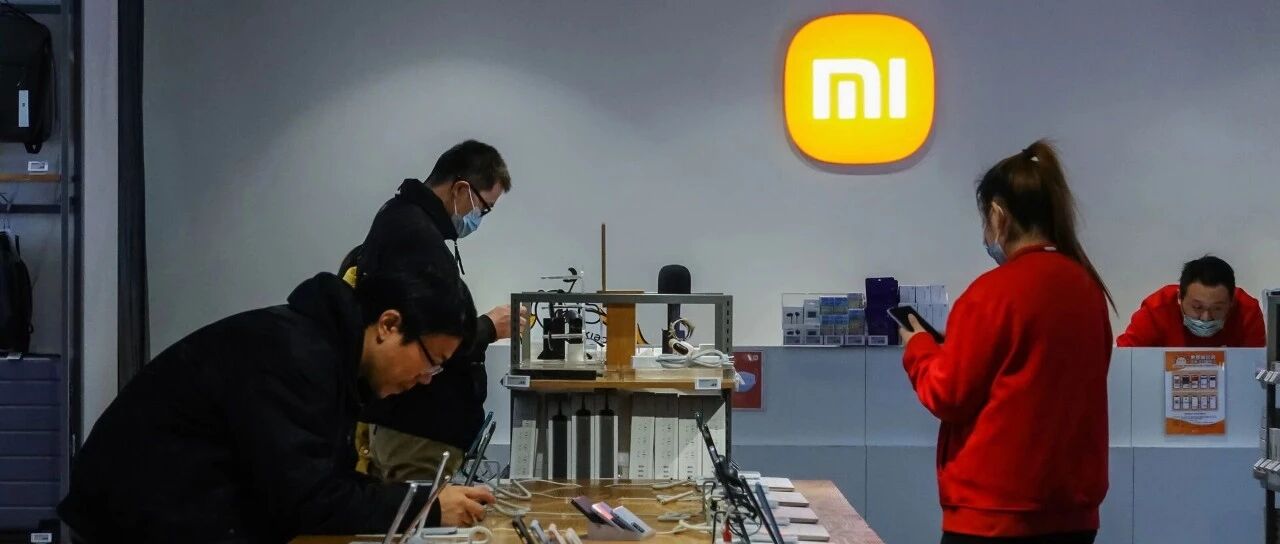
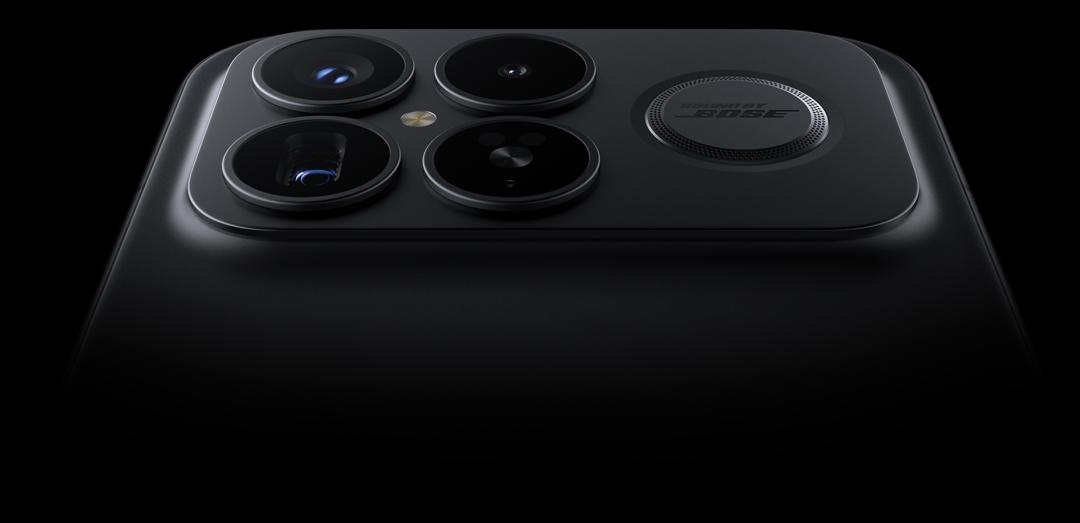
Core Insights - The price increase of the Redmi K90 series is attributed to the significant rise in memory costs, which has affected multiple smartphone manufacturers [2][6][24] - The surge in memory prices is primarily driven by the booming demand for AI-related products, particularly from companies like NVIDIA, which has led to a reallocation of production capacity away from traditional memory products [7][12][24] - The smartphone market is expected to experience a polarization, with high-end brands like Apple and Huawei less affected by memory price increases compared to budget brands like Xiaomi and OPPO, which may struggle to maintain profitability [13][17][24] Price Increases and Market Dynamics - The Redmi K90 standard version is priced at 2599 yuan, which is 300 yuan more than its predecessor, with additional costs for higher storage options [2] - Many smartphone manufacturers, including Xiaomi, OPPO, and Vivo, are facing pressure to increase prices due to rising memory costs, with some already raising prices for flagship models [18][19] - TrendForce predicts that the overall smartphone prices will increase by 5%-15% in 2026, with an average increase of around 500 yuan per device [18][24] Impact of AI on Memory Prices - The demand for AI computing has drastically increased the need for high-bandwidth memory (HBM), leading manufacturers to prioritize HBM production over traditional memory types [9][12] - The profit margins for HBM are significantly higher than those for standard mobile memory, incentivizing manufacturers to allocate more resources to AI-related products [12][11] - The current memory price surge is expected to last longer than typical cycles due to cautious production expansion by suppliers fearing an AI bubble [24] Consumer Experience and Product Adjustments - Many smartphone manufacturers are resorting to reducing specifications in new models to offset rising costs, which has become a common practice in the industry [19][22] - The reduction in features, such as screen resolution and camera quality, reflects a broader trend of cost-cutting measures in response to increased material costs [22] - The high-end brands like Apple and Huawei are less likely to pass on costs to consumers, maintaining their pricing strategies without significant adjustments [16][17]


中国信通院:9月国内市场手机出货量2793.1万部 同比增长10.1%
Zheng Quan Shi Bao Wang· 2025-11-20 09:12
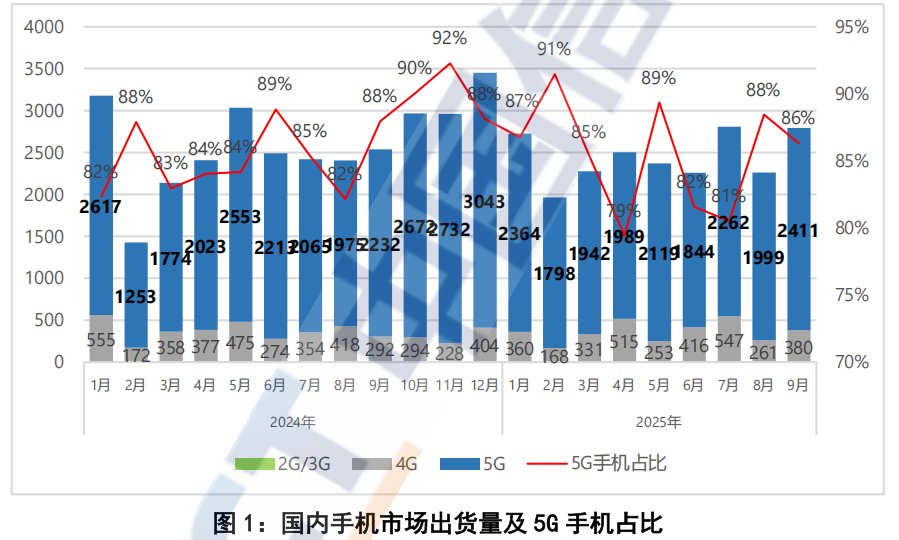
Core Insights - The report from the China Academy of Information and Communications Technology indicates that in September 2025, the domestic smartphone market shipped 27.931 million units, representing a year-on-year growth of 10.1% [1] - Among the total shipments, 24.106 million units were 5G smartphones, showing a year-on-year increase of 8.0%, which accounted for 86.3% of the total smartphone shipments during the same period [1] - For the period from January to September 2025, the total smartphone shipments in the domestic market reached 220 million units, reflecting a slight year-on-year decline of 0.3%, while 5G smartphone shipments totaled 18.7 million units, marking a year-on-year growth of 0.1%, representing 85.3% of total shipments [1]
中国信通院:9月国内市场5G手机出货量2410.6万部 同比增长8%
智通财经网· 2025-11-20 09:05
Core Insights - The domestic smartphone market in China showed a positive growth trend in September 2025, with a total shipment of 27.93 million units, representing a year-on-year increase of 10.1% [1] - 5G smartphones accounted for a significant portion of the market, with 24.11 million units shipped in September 2025, marking an 8.0% increase and comprising 86.3% of total shipments [1] - The total number of new smartphone models launched in September 2025 reached 47, a 30.6% increase year-on-year, with 5G models making up 48.9% of the new launches [4] Domestic Market Performance - In the first nine months of 2025, the total smartphone shipment was 220 million units, showing a slight decline of 0.3% year-on-year, while 5G smartphone shipments were 18.7 million units, reflecting a marginal growth of 0.1% [1] - The total number of new smartphone models launched from January to September 2025 was 398, which is a 20.6% increase year-on-year, with 5G models accounting for 45.2% of the new launches [4] Brand Composition - In September 2025, domestic brands shipped 23.64 million smartphones, a year-on-year increase of 16.1%, representing 84.7% of total shipments [6] - The number of new models from domestic brands in September 2025 was 44, which is a 25.7% increase year-on-year, making up 91.7% of the total new models launched [6] - For the first nine months of 2025, domestic brands shipped 192 million smartphones, a 2.3% increase year-on-year, and launched 378 new models, reflecting a 22.7% increase [8] Smart Device Trends - In September 2025, the shipment of smart smartphones was 25.62 million units, showing an 8.0% year-on-year increase, and accounted for 91.7% of total shipments [10] - The number of new smart smartphone models launched in September 2025 was 29, which is a significant year-on-year increase of 52.6%, representing 61.7% of the total new models [10] - From January to September 2025, smart smartphone shipments totaled 202 million units, a decline of 2.1% year-on-year, while the number of new models launched was 259, reflecting an 11.6% increase [10]
年轻人和手机的关系:从热恋走向冷静期,只需要一个卡顿|2025年轻人理想手机报告
后浪研究所· 2025-11-20 07:33
Core Viewpoint - The article discusses the evolving expectations of young consumers regarding smartphones, emphasizing the need for a device that is not only functional but also aligns with their aesthetic and experiential desires. The focus is on how brands like Honor are adapting to these needs by actively listening to user feedback and integrating it into product development [3][5][59]. Group 1: User Preferences and Expectations - A survey revealed that 92.8% of young users prioritize system smoothness and stability as the most important features in a smartphone [8][11]. - Young consumers are increasingly discerning, with many expressing dissatisfaction with their current devices, indicating a desire for better performance and user experience [1][5]. - The aesthetic and user interface design of smartphones has become crucial, with 78.2% of respondents valuing the operating system and UI design highly [11][12]. Group 2: Honor's Approach to User Feedback - Honor has established a dedicated department for consumer insights to systematically gather and analyze user feedback, transforming it into actionable product improvements [15][60]. - The introduction of the YOYO AI assistant and the "YOYO Wish Pool" initiative allows users to suggest features directly, which are then rapidly implemented through regular updates [18][20][40]. - Honor's commitment to frequent updates, with over 3,500 pushes and 5,000 optimizations in the past year, demonstrates its responsiveness to user needs [37][38]. Group 3: The Role of AI in User Experience - AI capabilities are increasingly seen as essential by young consumers, with over 60% believing current AI functionalities are inadequate [32][33]. - Honor's AI Gaming Engine and the integration of AI into everyday tasks aim to enhance user experience by providing seamless transitions between different applications and tasks [40][43]. - The expectation for AI to evolve from a novelty to a core functionality reflects a significant shift in consumer priorities [31][36]. Group 4: Broader Market Implications - The article highlights the importance of creating a smartphone that caters to diverse user needs, including those of older adults and individuals with disabilities, emphasizing inclusivity in technology [52][53]. - Honor's strategy of focusing on user-centric design and continuous improvement positions it well in a competitive market where consumer expectations are rapidly changing [59][60]. - The concept of a "young" smartphone is redefined to encompass flexibility and adaptability, appealing to a wider audience beyond just young consumers [50][56].
光大证券晨会速递-20251120
EBSCN· 2025-11-20 01:23
Macro Research - The "14th Five-Year Plan" emphasizes a strategic upgrade in high-level opening-up, transitioning from factor-driven to rule-based openness, enhancing China's voice and rule-making power in global economic governance [1] - Key focus areas during the "14th Five-Year" period include steady progress in RMB internationalization, diverse regional opening layouts, increased openness in the service sector, deepening institutional opening, and differentiated cooperation in multilateral trade [1] Company Research Zhejiang Dingli (603338.SH) - Zhejiang Dingli achieved operating revenue of 6.67 billion yuan in Q1-Q3 2025, a year-on-year increase of 8.8%, and a net profit attributable to shareholders of 1.59 billion yuan, up 9.2% year-on-year [2] - The company maintains profit forecasts for 2025-2027 at 2.07 billion, 2.41 billion, and 2.75 billion yuan, with corresponding EPS of 4.08, 4.75, and 5.44 yuan [2] - The high-altitude machinery market has significant growth potential, with a recovery in overseas shipments expected to boost profit margins [2] Xunwei Communication (300136.SZ) - Xunwei Communication has entered the North American AI hardware supply chain, maintaining a leading position in commercial satellites [3] - The company is optimistic about its competitive edge in mature businesses and the growth potential in satellite communication, AI hardware, LCP, BTB, and automotive connectivity [3] - Current market valuation corresponds to PE ratios of 38X, 34X, and 30X for 2025-2027, maintaining a "buy" rating [3] Baidu Group-SW (9888.HK) - Baidu's AI ecosystem value is expected to be re-evaluated, with AI native advertising enhancing traditional search ad monetization [4] - The company has a healthy net cash flow, and its "Luo Bo Kuaipao" business model has been validated with accelerating order growth [4] - Profit forecasts for 2025-2027 are set at 18.2 billion, 20.5 billion, and 23 billion yuan, with current PE ratios of 15x, 14x, and 12x [4] Xiaomi Group (1810.HK) - Xiaomi's automotive business achieved its first quarterly profit, but the mobile and automotive gross margins may face pressure due to rising upstream costs and intensified market competition [5] - The company maintains a Non-IFRS net profit forecast of 42.6 billion yuan for 2025, while lowering 2026-2027 forecasts to 43.8 billion and 51 billion yuan [5] - Xiaomi's long-term growth logic is supported by its multi-device strategy in the AI era, high-end positioning, and overseas expansion [5]
索尼手机,这回真凉了
36氪· 2025-11-19 13:31
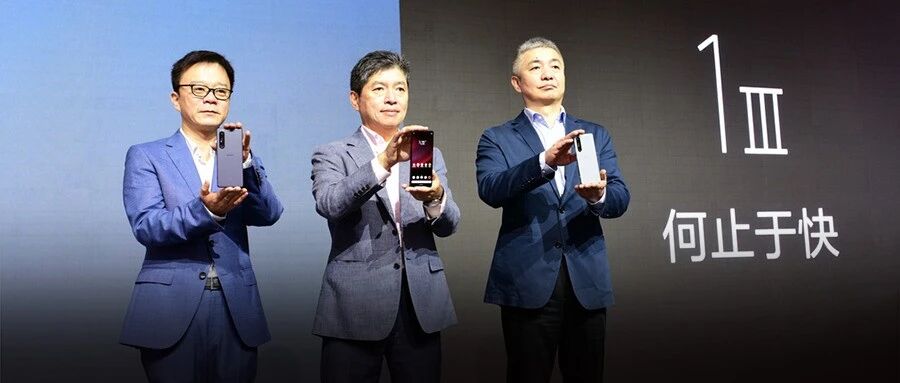
Core Viewpoint - Sony Mobile has quietly exited the Chinese market, marking the end of a long struggle due to its inability to adapt to local consumer preferences and competition [4][5][15]. Group 1: Historical Performance - Sony Mobile's peak in China was during the Sony Ericsson era from 2005 to 2010, where it was popular among young consumers with innovative features like high-resolution cameras and music capabilities [7]. - The introduction of the Xperia brand initially performed well, ranking among the top five in shipments in 2011, but faced increasing competition from local brands like Huawei and Vivo [9]. - By 2016-2018, local brands surged ahead, and despite releasing flagship models like the XZ Premium, Sony's high pricing and lack of local adaptation led to a decline in market presence [11][12]. Group 2: Strategic Missteps - Sony's "One Sony" strategy aimed to integrate its various business units to enhance the mobile division, but it failed to translate into success for Xperia, which continued to struggle globally [18][19]. - The Xperia brand has been marginalized in key markets, with its share in Japan dropping significantly and remaining below 2% in Europe and nearly nonexistent in North America [21]. Group 3: Market Dynamics - The shift to AI-driven smartphones has further diminished Sony's competitive edge, as local brands have integrated advanced AI features into their devices, while Sony has not established a clear strategy in this area [22]. - Apple's success in China is attributed to its comprehensive ecosystem and local adaptations, which Sony has lacked, particularly in software and system experience [22][24]. Group 4: Future Outlook - Sony Mobile's global market share has hovered around 0.2%-0.3% over the past five years, indicating that the mobile division has become more of a technology showcase rather than a profitable business [27]. - The mobile image sensor business, which dominates over 50% of the global market, relies on Xperia as a testing platform for new technologies, raising concerns about the brand's future if this need diminishes [27][29]. - The potential for Sony to exit the global mobile market remains uncertain and will depend on future developments [30].

折叠屏市场回暖,华为折叠屏迎来里程碑式突破
华尔街见闻· 2025-11-19 02:28
Core Viewpoint - The foldable smartphone market is transitioning from a growth phase to a mainstream adoption phase, with Huawei leading the industry with a significant market share and innovative product offerings [2][4][10]. Market Position and Share - Huawei holds nearly 70% of the foldable smartphone market share in China as of the first three quarters of 2025, solidifying its position as the industry leader [4][16]. - In the high-end market segment (priced above $600), Huawei captures approximately one-third of the market share, showcasing its dominance in premium offerings [4][10]. - The competitive landscape shows Huawei far ahead, with its closest competitor, Honor, holding only 11.2% market share, while Vivo has 5% [9][10]. Product Innovation and Development - Huawei has introduced a diverse range of foldable smartphones, including large foldable, small foldable, tri-fold, and wide-fold models, making it the most innovative player in the market [21][30]. - The Mate X series, starting with the original Mate X, has set industry standards with its unique hinge design and continuous technological advancements, culminating in the Mate X6 and the groundbreaking Mate XT [22][27]. - The recent launch of the Mate XTs further emphasizes Huawei's commitment to innovation, featuring the world's thinnest tri-fold design and advanced user experience capabilities [24][26]. Ecosystem and User Experience - Huawei's HarmonyOS ecosystem plays a crucial role in enhancing the user experience of foldable smartphones, providing seamless integration across devices and applications [43][44]. - The company has focused on addressing user needs by offering products that combine portability with functionality, appealing to both business professionals and younger consumers [32][41]. Market Trends and Future Outlook - Despite a recent slowdown in overall market growth, Huawei's strategic focus on foldable smartphones has allowed it to maintain a strong position and set industry trends [14][46]. - The increasing acceptance of foldable smartphones among consumers, with 70.1% expressing interest in purchasing one, indicates a robust potential market [32]. - As the foldable smartphone market matures, Huawei is expected to continue leading through technological innovation and ecosystem development, driving further growth in the industry [46].

11月还没结束,中国经济巨变,出现三个反常现象,风向真的变了!
Sou Hu Cai Jing· 2025-11-18 16:11
Economic Trends - The current economic landscape in China is characterized by a significant increase in household savings, with total RMB deposits reaching 325.55 trillion, a year-on-year growth of 8%, and household deposits alone increasing by 11.39 trillion in October [2] - The phenomenon of citizens purchasing government bonds has intensified, with some bonds selling out within minutes of release, indicating a shift in consumer behavior towards saving rather than spending [4] Consumer Behavior Changes - There is a notable shift in attitudes towards luxury goods, with brands like Burberry and Coach experiencing sales growth exceeding 30%, despite a general trend of increased savings [6] - The luxury market is adapting by implementing stricter quality checks and offering discounts to boost sales, reflecting a change in consumer expectations and market dynamics [7][8] Automotive Market Dynamics - Sales of imported luxury vehicles such as Mercedes-Benz and Audi have declined, while domestic brands like BYD and Geely are gaining market share, indicating a shift in consumer preferences towards local products [9] Brand Perception and Global Influence - The transition from a focus on GDP growth to a more consumer-centric economy highlights the rising influence of Chinese brands globally, with a growing confidence among consumers in domestic products [11] - Chinese brands are increasingly recognized for their quality and innovation, with companies like Huawei and Xiaomi making significant inroads in international markets, showcasing the evolution of "Made in China" to a brand-driven economy [13][15]
小米手机收入与均价下滑,高管回应内存涨价影响
第一财经· 2025-11-18 14:15
Core Viewpoint - Xiaomi Group reported a strong performance in Q3 2025, with revenue of 113.12 billion RMB, a year-on-year increase of 22.3%, and an adjusted net profit of 11.31 billion RMB, up 80.9% [3]. Revenue Breakdown - The revenue from the smartphone and AIoT segment was 84.11 billion RMB, accounting for 74.4% of total revenue, with a year-on-year growth of 1.6% [4]. - The revenue from the smart electric vehicle and AI innovation segment reached 29.01 billion RMB, representing 25.6% of total revenue, with a significant year-on-year increase of 199.2% [4]. Smartphone Business Insights - The smartphone business generated 46 billion RMB in revenue, a decline of 3.1% year-on-year, primarily due to a decrease in average selling price (ASP) from 1102.2 RMB to 1062.8 RMB, a drop of 3.6% [5]. - Smartphone shipments increased slightly by 0.5% to 43.3 million units, driven by growth in overseas markets [5]. Memory Market Impact - The global memory market has experienced significant price increases across all categories since 2025, affecting the cost structure of the smartphone industry [5]. - The current memory price cycle, driven by AI and high-performance computing (HPC) demand, is expected to have a prolonged impact on industry costs and margins, particularly for products with high storage cost ratios [6]. Industry Dynamics - The memory price surge is anticipated to create volatility in the smartphone industry, with varying impacts on different manufacturers based on their ability to absorb costs [6]. - The domestic smartphone market remains competitive, with the current memory price increase likely to intensify competition among manufacturers, testing their financial strength and supply chain leverage [7].