光伏

Search documents
为何定在4.5%-5%?官方解读来了|聚焦两会
清华金融评论· 2026-03-05 09:37
Core Viewpoint - The article emphasizes the importance of the "Government Work Report" as a guiding document for China's economic and social policies, highlighting its focus on high-quality development, innovation, and improving people's livelihoods [3][4][5]. Group 1: Economic Growth and Goals - The economic growth target for the year is set at 4.5%-5%, with an emphasis on achieving better results in practice [6][7]. - This target considers both domestic economic conditions and external uncertainties, aiming to balance structural adjustments and risk prevention while aligning with the long-term vision for 2035 [7][8]. Group 2: Key Themes of the Report - The report highlights the importance of starting the "14th Five-Year Plan" effectively, summarizing past achievements and outlining future goals [4]. - It emphasizes reform and innovation, proposing multiple reforms in key areas and introducing initiatives to foster new economic drivers and enhance technological independence [4]. - The report places a strong focus on improving people's livelihoods, with measures aimed at increasing government investment in social welfare and addressing public concerns [5]. Group 3: Policy Implementation - The report outlines practical and actionable tasks, such as establishing a 100 billion yuan fund to stimulate domestic demand and increasing social welfare subsidies [5]. - It stresses the importance of soliciting feedback from various stakeholders during the drafting process, ensuring that public concerns are addressed [5]. Group 4: Achievements During the 14th Five-Year Plan - Over the past five years, China's economy has grown from 103 trillion yuan to over 140 trillion yuan, with an average annual growth rate of 5.4%, surpassing other major economies [11]. - Significant advancements in technology and innovation have been made, with R&D investment intensity reaching 2.8%, exceeding the OECD average [12]. - Improvements in social welfare include free preschool education benefiting 14 million children and increased employment opportunities, with over 60 million new urban jobs created [13]. Group 5: Macroeconomic Policies - The report advocates for a continuation of proactive macroeconomic policies, citing the need to address uncertainties in the external environment and domestic demand [15][16]. - Fiscal policies will see an increase in budgetary spending, with a public budget expected to reach 30 trillion yuan, reflecting a more aggressive fiscal stance [16]. - Emphasis is placed on targeted and effective policy measures, including zero-based budgeting reforms and optimizing expenditure structures to enhance social welfare [17]. Group 6: Consumer Demand and Support Measures - The report prioritizes expanding domestic demand, introducing measures to stimulate consumer spending through income increases and improved product supply [19]. - Specific strategies include enhancing social security measures, increasing healthcare support, and removing barriers to consumption [20][22]. - The report indicates a positive trend in consumer spending, with significant growth observed in the early months of the year, particularly during the Spring Festival [22]. Group 7: Social Welfare Initiatives - The report outlines various initiatives aimed at improving education, healthcare, and social security, including free preschool education and enhanced medical services [25][26]. - It highlights the importance of addressing the needs of vulnerable populations, such as the elderly and low-income groups, through increased pension standards and support for new employment forms [26].


【安泰科】单晶硅片周评-需求偏弱成本降低 价格延续下行走势(2026年3月5日)
中国有色金属工业协会硅业分会· 2026-03-05 08:53
Group 1 - The core viewpoint of the article indicates that silicon wafer prices continue to decline due to weak downstream demand and falling raw material prices, which reduce production costs [1][2] - The average transaction prices for various types of N-type silicon wafers have decreased: G10L at 1.07 yuan/piece (-2.73%), G12R at 1.17 yuan/piece (-2.50%), and G12 at 1.36 yuan/piece (-2.86%) [1][3] - Despite a 2.17% decrease in silicon wafer production in February to 45.5 GW compared to January, the supply-demand mismatch in the silicon wafer market remains unresolved, leading to an increase in inventory by approximately 5.2 GW [2] Group 2 - The overall operating rates in the industry have not changed significantly, with leading companies operating at 46% and 45%, while integrated companies operate between 50%-60% and others between 50%-70% [2] - There is an expectation that the upcoming overseas export tax rebate policy may lead to a slight increase in silicon wafer procurement demand, but the impact is expected to be limited [2] - The article lists companies participating in the price statistics, including major players like TCL Zhonghuan, JA Solar, and JinkoSolar, indicating a broad representation of the industry [4]
全国人大代表刘汉元:延续光伏用地税收优惠,继续享受“三免三减半”政策
中国能源报· 2026-03-05 08:53
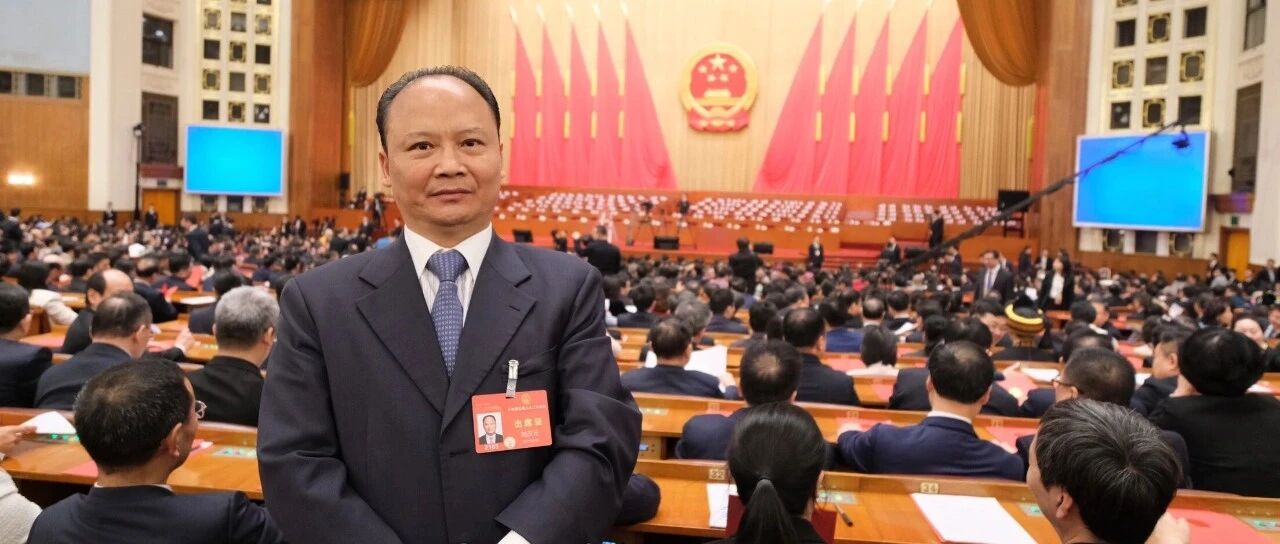
文丨本报记者 李慧颖 End 欢迎分享给你的朋友! 出品 | 中国能源报(c ne ne rgy) 责编丨李慧颖 基于以上分析,刘汉元提出以下建议: 一是建议优化土地税收政策,尽快明确计征标准,完善征收程序。 建议国家相关部委尽快研究并明确光伏电站所涉耕地占用税、 城镇土地使用税的占用面积、占用时间等关键性政策执行口径,明确和通畅自然资源、农业农村等部门与税务机关的信息交互机 制,完善征收程序,增强用地与税收政策的确定性。涉及"农光互补" "渔光一体"等光伏复合项目,建议按照桩基面积征收。 二是建议明确光伏发电项目继续享受"三免三减半"优惠政策。 光伏发电项目由政府"核准制"变为"备案制",源于政府治理理念升 级带来的行政审批方式优化,但这并不改变其作为公共基础设施的性质,也不影响其推动能源革命和"双碳"目标落地的重要作 用,理应继续享受该优惠政策,保障企业合法权益。 今年全国两会, 全国人大代表、全国工商联副主席、通威集团董事局主席刘汉元 针对优化光伏发电用地税收政策提出相关建议。 刘汉元表示,近期,全国多地开始对光伏发电项目追征耕地占用税和城镇土地使用税(以下简称"两税"),许多存量项目面临远 超自身承受 ...

山西证券研究早观点-20260305
Shanxi Securities· 2026-03-05 02:57
Market Trends - The domestic market indices showed a decline, with the Shanghai Composite Index closing at 4,082.47, down 0.98% [2] - The agricultural sector, particularly the pig farming industry, is experiencing a seasonal price adjustment, which may accelerate the capacity reduction in the pig farming sector [3] Agricultural Sector Insights - For the week of February 24 to March 1, the agricultural sector index increased by 4.01%, ranking 14th among sectors, with strong performance from sub-industries like other planting, seeds, fruit and vegetable processing, and poultry farming [3] - Pig prices have decreased, with average prices for external three yuan pigs in Sichuan, Guangdong, and Henan at 10.7, 11.51, and 10.93 yuan/kg respectively, reflecting declines of 5.73%, 3.76%, and 12.07% [3] - The average pork price is 17.54 yuan/kg, down 3.52% [3] - The self-breeding pig farming profit is at -159.65 yuan per head, a decline of approximately 61.33 yuan per head [3] Feed Industry Dynamics - The feed industry is shifting from product competition to value chain competition, leading to market consolidation where market share is increasingly concentrated among leading companies with R&D, scale, and service advantages [3] - Hai Da Group is highlighted as a potential opportunity due to its efficient management and growing market share, particularly in the Asia-Pacific region [3] Pig Farming Industry Outlook - The pig farming industry may face pressure in the first half of the year, but it is also seen as a favorable time for capacity reduction [3] - The industry is undergoing a debt reduction and asset repair process, with potential for significant capacity reduction similar to previous years [3] - Companies like Wen's Foodstuffs, Shennong Group, and Juxing Agriculture are recommended for attention due to their resilience and operational strength [3] Pet Food Market Potential - The penetration rate of pet ownership in China is expected to continue rising, with pet food being a relatively growth-oriented segment [3] - Competition is shifting from marketing to R&D and supply chain efficiency, with companies like Guibao Pet and Zhongchong Co. being recommended for their strong brand and global supply chain [3] Photovoltaic Industry Insights - The price of battery cells has decreased, with N-type battery cells averaging 0.42 yuan/W, down 4.5% [5] - Module prices have increased, with TOPCon double-glass modules priced at 0.763 yuan/W, up 3.4% [5] - The price of polysilicon has decreased, with dense material averaging 48.0 yuan/kg, down 7.7% [6] - The photovoltaic glass prices remained stable, with 3.2mm coated photovoltaic glass priced at 17.5 yuan/m² [7] Recommendations in the Photovoltaic Sector - Companies such as Aiko Solar, Daqo New Energy, and Longi Green Energy are recommended based on their technological advancements and market positioning [7]
工业硅:情绪提振为主多晶硅:现货价格松动
Guo Tai Jun An Qi Huo· 2026-03-05 02:06
Report Summary 1. Report Industry Investment Rating - No investment rating information is provided in the report. 2. Core View - The report focuses on the fundamentals and market data of industrial silicon and polysilicon, including price, profit, inventory, and raw material cost, and mentions a macro - and industry - related news about Arctech's HJT battery factory [2]. 3. Summary by Relevant Catalogs Fundamentals Tracking - **Futures Market Data**: For industrial silicon, Si2605 had a closing price of 8,515 yuan/ton, a volume of 402,191 hands, and an open interest of 310,668 hands. For polysilicon, PS2605 had a closing price of 42,200 yuan/ton, a volume of 12,436 hands, and an open interest of 37,638 hands. Compared with previous trading days (T - 1, T - 5, T - 22), there were significant changes in these data [2]. - **Basis Data**: Industrial silicon's basis showed different values when benchmarked against different products (e.g., +535 yuan/ton when benchmarked against East China Si5530). Polysilicon's basis against N - type re - investment material was +7300 yuan/ton [2]. - **Price Data**: The price of Xinjiang 99 - silicon was 8,500 yuan/ton, Yunnan Si4210 was 9,900 yuan/ton, and polysilicon N - type re - investment material was 49,500 yuan/ton. Compared with previous periods, prices of some products decreased, such as the polysilicon N - type re - investment material which dropped by 2,400 yuan/ton compared to T - 1 [2]. - **Profit Data**: Silicon factory profits for Xinjiang and Yunnan new - standard 553 were - 2,616.5 yuan/ton and - 5,496 yuan/ton respectively. Polysilicon enterprise profit was 5.3 yuan/kg [2]. - **Inventory Data**: Industrial silicon's social inventory (including warehouse receipt inventory) was 560,000 tons, enterprise inventory was 203,000 tons, and total industry inventory was 763,000 tons. Polysilicon's factory inventory was 344,000 tons [2]. - **Raw Material Cost**: The cost of raw materials such as silicon ore, washed coking coal, petroleum coke, and electrodes in different regions had different prices, and some remained stable compared with previous periods [2]. - **Prices and Profits in Downstream Industries**: In the polysilicon (photovoltaic) industry, prices of products like silicon wafers, battery cells, components, and photovoltaic glass had different changes. Profits of DMC enterprises in the organic silicon industry and ADC12 in the aluminum alloy industry also showed different trends [2]. Macro - and Industry News - Arctech announced on March 2 that its 2GW first - phase HJT battery factory in the US is expected to start trial production in March - April. HJT has production advantages in the US due to its simplified process, less manual intervention, and low environmental control requirements. The company has been conducting HJT industrialization research and talent reserve in Jiaxing since 2020 and has maintained small - batch product shipments [2]. Trend Intensity - The trend intensity of industrial silicon and polysilicon is 0, indicating a neutral view. The range of trend intensity is [- 2, 2], where - 2 means most bearish and 2 means most bullish [4].
光大证券晨会速递-20260305
EBSCN· 2026-03-05 01:07
Group 1: Macro Analysis - The core impact of the recent Middle East situation on major asset classes depends on the evolution of the conflict, which can be measured by its duration, geographical reach, and whether it affects key energy passages like the Strait of Hormuz [1] - In the short term, Brent crude oil is expected to include a geopolitical premium of $10-15 per barrel, while the long-term outlook remains positive for oil service companies, which are likely to enhance their international competitiveness [1] - The report expresses optimism for the performance of precious metals, military materials (such as tungsten and antimony), and strategic metals (like aluminum and copper) [1] Group 2: Manufacturing and Services - In February, the manufacturing and construction sectors experienced a decline in activity due to the impact of the Spring Festival, while the service sector saw a rebound driven by consumer spending [2] - There is an increasing divergence among enterprises, with large companies continuing to expand while small companies' performance has dropped to a three-year low [2] - Price increases are spreading downstream, and there is a continued differentiation between old and new growth drivers, with high-tech manufacturing expanding while consumer goods and high-energy-consuming industries remain at low levels [2] Group 3: Financial Sector Insights - In February, credit growth is expected to be constrained by the Spring Festival and insufficient demand, with an estimated loan increment of around one trillion [5] - The report anticipates that the year-on-year growth rate of social financing will slightly decline to 8.1% by the end of the month, despite government bond issuance providing some support [5] - The growth rates of M2 and M1 are expected to decrease due to the Spring Festival's timing and other factors [5] Group 4: Metals and Materials - The price of rhenium has increased by 36% since January, while the production of electrolytic cobalt in January has dropped by 93% year-on-year [6] - The report highlights price increases in various materials, including platinum, palladium, and indium, suggesting a positive outlook for the metal new materials sector [6] - The report recommends continued attention to the metal new materials sector, indicating a bullish stance [6]
“投资者点题 代表委员作答”|如何提高上市公司质量,让投资者更有信心长期持有?·2026全国两会特别策划
证券时报· 2026-03-05 00:32
Core Viewpoint - The article emphasizes the importance of enhancing the quality of listed companies to ensure sustainable returns for investors and strengthen the foundation of the capital market [1]. Group 1: Improving Corporate Governance - The first step in enhancing the quality of listed companies is to improve corporate governance, addressing issues such as ineffective internal controls and lack of independence among independent directors [3]. - Suggestions include establishing a national, non-profit independent director association to promote professional oversight and protect the rights of minority investors [3]. - Recommendations also involve creating sustainability rating standards for companies in the photovoltaic industry to monitor financial metrics and prevent risks [3]. Group 2: Strengthening Dividend Policies - In 2025, A-share listed companies achieved a record cash dividend of 2.55 trillion yuan, highlighting the need for more stable and reliable returns [5]. - High-frequency and high-proportion dividends reflect improved profitability and cash flow, as well as enhanced corporate governance and shareholder awareness [5]. - Suggestions for optimizing dividend policies include making cash flow a core constraint and improving accountability mechanisms for major shareholders [6]. Group 3: Promoting Industrial Upgrades - Enhancing the quality of listed companies is crucial for serving new productive forces and driving industrial upgrades [8]. - Private equity funds are seen as key players in improving corporate governance and facilitating industry consolidation [8]. - Recommendations include relaxing certain regulatory requirements for mergers and acquisitions to encourage collaboration between high-quality funds and listed companies [8]. Group 4: Overall Impact on the Capital Market - The improvement of listed company quality is fundamental for the healthy development of the capital market and enhances investor satisfaction [9]. - As more high-quality companies emerge, the capital market will become more resilient and vibrant, benefiting both investors and the real economy [9].

中原证券晨会聚焦-20260305
Zhongyuan Securities· 2026-03-05 00:14
Core Insights - The report highlights the overall performance of various sectors in the A-share market, indicating a mixed trend with some sectors showing resilience while others face challenges [9][14][15]. Domestic Market Performance - The Shanghai Composite Index closed at 4,082.47, down by 0.98%, while the Shenzhen Component Index closed at 13,917.75, down by 0.75% [4]. - The A-share market is experiencing a wide range of fluctuations, with significant trading volumes indicating investor interest despite the volatility [9][14]. Economic Indicators - The manufacturing Purchasing Managers' Index (PMI) for February was reported at 49.0%, a decrease of 0.3 percentage points from the previous month, indicating contraction in the manufacturing sector [6][9]. - The non-manufacturing business activity index rose slightly to 49.5%, reflecting a modest improvement in services [6][9]. Industry Analysis - The photovoltaic industry is undergoing a significant adjustment phase, with expectations of a decline in new installations in 2026 due to policy changes aimed at reducing industry "involution" [18][20]. - The AI and robotics sectors are experiencing robust growth, with significant advancements in technology driving market interest and investment opportunities [28][29]. Investment Recommendations - The report suggests focusing on sectors with strong fundamentals, such as banking, oil, coal, and shipping, as potential investment opportunities in the current market environment [9][14]. - In the photovoltaic sector, attention is drawn to companies involved in perovskite and silicon-perovskite tandem batteries, as well as energy storage inverters, which are expected to benefit from ongoing technological advancements [20]. Market Trends - The media sector has shown a decline, with the media index down by 3.73% in February, underperforming compared to the broader market indices [21][22]. - The automotive industry is witnessing stable production and sales, with a notable increase in the commercial vehicle segment, while the passenger vehicle market faces challenges [36][37].
国泰海通|电新:欧洲天然气价格暴涨,光储将迎来需求爆发
国泰海通证券研究· 2026-03-04 14:52
Core Viewpoint - Qatar's cessation of natural gas production has led to a significant surge in natural gas prices, with European electricity prices also facing substantial increases. This situation is expected to drive a considerable rise in demand for distributed solar and storage solutions [1][2]. Group 1: Natural Gas Market Impact - Qatar has shut down its Ras Laffan LNG export facility following drone attacks, causing European natural gas prices to spike over 50%. This facility accounts for approximately 20% of global LNG supply, exacerbating supply concerns as tanker traffic through the Strait of Hormuz, which handles about 20% of global LNG transport, has nearly halted [1]. - The supply disruption is expected to have a significant impact on countries in Europe and Asia, as Qatar is a crucial LNG exporter, and finding quick alternatives may prove challenging in the short term [1]. Group 2: Electricity Market Dynamics - The European electricity market operates on a marginal pricing model, where the last generator called to meet demand sets the market clearing price. As natural gas prices rise, wholesale electricity prices in Europe are anticipated to increase correspondingly due to supply issues leading to resource competition [2]. - The surge in natural gas prices is likely to stimulate demand for distributed solar and storage solutions, as these systems can provide self-consumption capabilities and flexibility. Distributed solar systems can store solar energy during the day and discharge it at night, meeting user electricity needs effectively [2]. Group 3: Future Outlook - If the conflict persists, both natural gas and electricity prices in Europe may continue to rise, with residential solar and storage solutions poised to benefit first. The ongoing trends in this sector warrant close monitoring [2].

两会聚焦 | 全国人大代表刘汉元建议:将光伏制造纳入统筹管理,建设统一监测平台
IPO日报· 2026-03-04 13:46
Core Viewpoint - The article emphasizes the need for integrating photovoltaic (PV) manufacturing into the energy sector management to address the challenges faced by the industry, including overcapacity and intense competition, which have led to significant financial losses and market instability [1][2]. Group 1: Recommendations for Industry Management - The first recommendation is to incorporate PV manufacturing into the overall planning and management of the energy sector, led by the National Development and Reform Commission (NDRC) and the Ministry of Industry and Information Technology (MIIT), with collaboration from other relevant ministries [2]. - Establishing a "manufacturing-application-consumption" coordination mechanism is crucial to align PV manufacturing capacity with energy development and grid construction, addressing issues of insufficient collaboration between manufacturing and application sectors [2][3]. - The second recommendation suggests creating a market regulation mechanism for PV manufacturing based on the Energy Law of the People's Republic of China, linking production capacity with national PV installation plans and export demands to ensure a dynamic balance [3][4]. Group 2: Addressing Current Challenges - The article highlights that geopolitical factors and the rise of PV manufacturing in countries like the U.S. and India have increased competition, leading to a projected slowdown in China's PV component export growth to 2.1% by 2025, with potential stagnation in the following years [4]. - The ongoing "involution" in the industry has resulted in significant financial losses, exceeding 100 billion yuan over two consecutive years, and a total market value decline of nearly 4 trillion yuan from historical peaks [2][4]. - Establishing a national monitoring platform is recommended to enhance emergency response and surplus monitoring systems, ensuring data on capacity, production, prices, and quality is effectively managed [7][8]. Group 3: Future Outlook - The establishment of a unified monitoring platform is expected to mitigate the fragmentation of local policies and improve data transparency, which will stabilize corporate policy expectations and counteract operational risks from price fluctuations [8]. - The article warns that if demand continues to decline, the industry may face further losses, and the "involution" competition could worsen, necessitating timely regulatory measures to ensure sustainable development and maintain the global competitive edge of China's PV industry [4][5].