石油

Search documents
靠“夺取哈尔克岛”,特朗普能让“霍尔木兹海峡”重开吗?
华尔街见闻· 2026-03-23 03:46
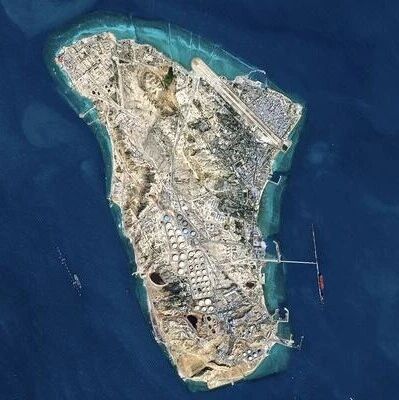
Core Viewpoint - The article discusses the potential military action by the Trump administration to seize the Iranian oil export hub of Khark Island, raising concerns about the implications for global oil prices and the economy [2][10]. Group 1: Military Action and Risks - The Trump administration is reportedly considering a military operation to capture Khark Island, which could be used as leverage to pressure Iran to reopen the Strait of Hormuz [2]. - Capturing Khark Island poses significant military risks, as it is only about 25 kilometers from the Iranian mainland, exposing U.S. forces to Iranian firepower [9]. - Military experts suggest that various methods could be employed for the operation, including amphibious assaults and airborne operations, all of which carry substantial risks [9]. Group 2: Oil Export Dynamics - Khark Island typically exports around 1.7 million barrels of oil per day, but it is not the only outlet for Iranian oil, as Iran has alternative terminals that can collectively export 500,000 to 600,000 barrels per day [3][4]. - Other Iranian oil terminals, such as Jask, Lavan, Sirri, and Qeshm, can provide alternative export routes in emergencies [3][4]. - To effectively cut off Iran's oil revenue, the U.S. would need to capture not only Khark Island but also other export terminals [5]. Group 3: Economic Implications - The article highlights the potential for a significant disruption in global oil supply if military actions damage Khark Island's facilities, which could lead to skyrocketing oil prices and a global economic downturn [10]. - Historical comparisons indicate that during the "maximum pressure" campaign from 2020 to 2021, Iran's oil exports fell significantly, but Tehran did not yield to U.S. pressure [7]. - The urgency for the U.S. administration is emphasized, as delays in action could lead to severe economic consequences due to rising oil prices [10]. Group 4: Strategic Misunderstandings - The article suggests that Trump may not fully understand the strategic importance of Khark Island to Iran and the potential repercussions of its loss [11]. - The administration's mixed signals, including threats and ultimatums, may reflect a lack of historical awareness that could lead to regrettable decisions [11].

再度上调油价预期!高盛最新评估:高油价将持续更长时间,两种情况下油价将创历史新高
华尔街见闻· 2026-03-23 03:46
Core Viewpoint - The article discusses the significant increase in oil prices due to ongoing geopolitical tensions in the Middle East, with Goldman Sachs raising its oil price forecasts for the next two years and warning of potential record highs under extreme scenarios [1][9]. Price Forecast Adjustments - Goldman Sachs has adjusted its Brent crude oil price forecast for March-April to an average of $110 per barrel, up from a previous estimate of $98, representing a 62% increase compared to the 2025 annual average [1][9]. - The forecast for 2026 has been raised to $85 per barrel, while the 2027 average remains at a high of $80 [1]. Supply Disruption Assumptions - The report assumes that the flow through the Strait of Hormuz will be maintained at only 5% of normal levels for up to 6 weeks, followed by a slow recovery period of one month [4]. - The analysis highlights three potential paths for the recovery of flow: allowing some ships to pass, de-escalation of conflict, or military escort [4]. Structural Safety Premium - The report emphasizes a structural safety premium due to the concentration of production and spare capacity, which may lead to higher strategic reserves and long-term price increases [5][6]. - The definition of spare capacity is provided as production that can be brought online within 30 days and sustained for at least 90 days [6]. Extreme Scenarios for Oil Prices - Goldman Sachs evaluates two extreme scenarios where oil prices could exceed the historical record of $147 per barrel if disruptions in the Strait of Hormuz extend to 10 weeks [7][8]. - In a "severe adverse scenario," if there is a sustained loss of 2 million barrels per day in Middle Eastern production, Brent prices could spike significantly before settling at $115 in Q4 2026 and $100 in Q4 2027 [8]. Long-Term High Oil Prices - Even if the Strait reopens, oil prices are not expected to return to pre-conflict levels quickly, with Goldman Sachs raising the 2026 Brent average price forecast to $85 per barrel [9][10]. - The estimated shortfall in Gulf oil exports currently stands at 17.6 million barrels per day, indicating a significant supply shock [10]. Strategic Reserve Rebuilding - Policymakers are expected to rebuild higher strategic reserve levels after the Strait reopens, creating additional long-term demand [11]. - The market is anticipated to incorporate a safety premium of approximately $4 into forward prices due to the recognition of energy infrastructure vulnerabilities [12].

FT中文网精选:伊朗扼住了世界的咽喉
日经中文网· 2026-03-23 03:29
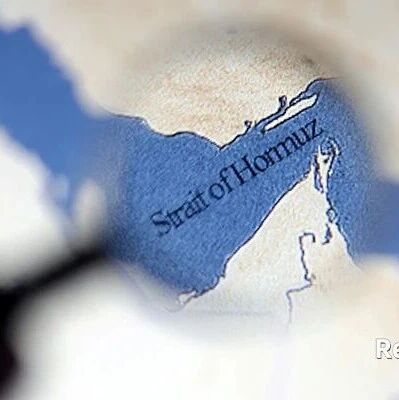
Core Viewpoint - The geopolitical crisis has prompted a restructuring of supply chains, fundamentally weakening the monopoly of Middle Eastern resource countries in the core chemical materials sector [5]. Group 1 - The military actions by the US and Israel against Iran have significantly disrupted the global energy and chemical supply chain [6]. - Iran's response to these actions includes asymmetric tactics, such as the potential blockade of the Strait of Hormuz, which is crucial for global oil and gas exports [6]. - The Strait of Hormuz, despite its narrowest point being only 29 nautical miles, is vital as it facilitates the passage of approximately 20 million barrels of oil and petroleum products daily, accounting for 25% of global maritime oil trade and 20% of global daily consumption [6]. Group 2 - The blockade of the Strait of Hormuz could eliminate around 20% of global LNG supply, equating to approximately 10.8 billion cubic feet per day, as major exporters like Qatar and the UAE heavily rely on this route for their LNG exports [6].
今晚24时,国内油价调整
财联社· 2026-03-23 02:49
Core Viewpoint - The article discusses the upcoming adjustment of domestic refined oil retail prices, indicating a significant increase due to rising international crude oil prices and geopolitical tensions in the Middle East [1][5]. Group 1: Price Adjustment Details - The new round of domestic refined oil retail price adjustments is expected to occur on March 23, with predictions of a price increase exceeding 50 yuan/ton [1][4]. - Analysts estimate that the retail price of 92-octane gasoline may enter the "9 yuan era," with potential increases of approximately 1.73 yuan per liter [6][4]. - The expected price increase for 92-octane gasoline, 95-octane gasoline, and 0-diesel is around 1.73 yuan, 1.83 yuan, and 1.87 yuan per liter, respectively [6]. Group 2: Market Conditions - The international crude oil market has been experiencing upward pressure due to ongoing geopolitical tensions, particularly in the Middle East, leading to concerns about supply shortages [5][7]. - As of March 19, the average market price for 92-octane gasoline was 9479 yuan/ton, reflecting a 14.8% increase from the previous pricing cycle, while diesel prices rose by 15.9% to 7977 yuan/ton [7]. - Analysts predict that international crude oil prices will likely remain high in the short term due to these geopolitical factors [8].

“堪比小国”,长和石油日产量逼近100万桶!李嘉诚家族持续40年的深谋远虑
Sou Hu Cai Jing· 2026-03-23 02:17
Core Insights - The article highlights the significant achievements of Li Ka-shing's oil empire, particularly the impressive daily oil production nearing 1 million barrels, positioning the company among global oil and gas production leaders [1][3]. Group 1: Investment Strategy - Li Ka-shing's strategic investment in Husky Energy in 1986 for HKD 3.2 billion laid the foundation for his oil empire, capitalizing on a market downturn when oil prices were at a low due to the U.S. shale oil revolution [1][3]. - The acquisition was facilitated by Li's Canadian citizenship, allowing him to bypass local regulations that restricted foreign ownership in energy companies [1]. - The significant drop in Husky's market value by 70% provided an opportune entry point for Li, demonstrating his belief that "there are no best companies, only best prices" [3]. Group 2: Operational Growth - Following the acquisition, Li Ka-shing facilitated a merger between Husky and another energy giant in 2020, elevating Husky to one of Canada's top three oil producers with a daily output of 750,000 barrels [3]. - The company's daily oil production has rapidly approached 1 million barrels due to a series of strategic investments, including a HKD 44.3 billion acquisition of MEG Energy [3]. Group 3: Market Dynamics - The outbreak of the U.S.-Iran conflict led to a surge in international oil prices, reaching USD 110, significantly boosting Li's oil revenues, with potential daily earnings exceeding USD 100 million and annual revenues possibly surpassing USD 36 billion [5]. - The geopolitical landscape, particularly the strained Canada-U.S. relations, has shifted Canadian oil exports towards China, benefiting Li's oil business through increased profits from exports [5]. Group 4: Industry Challenges - Despite the current success, the traditional oil industry faces challenges from the growing emphasis on renewable energy and stricter environmental policies, which could pressure the sector [7]. - The complexities of international political dynamics, market valuation volatility, and uncertainties in technological advancements pose potential risks to Li Ka-shing's business strategies [7].


美伊战火,正颠覆三条关键供应链
财联社· 2026-03-23 02:12
Core Viewpoint - The ongoing conflict in the Middle East, particularly the impact of the Iran-Israel war, has severely disrupted not only the oil supply chain but also the flow of other critical raw materials and commodities, including helium, pharmaceuticals, and fertilizers [1][2]. Group 1: Helium Supply Impact - The conflict has significantly damaged global helium supply, which is crucial for high-end AI hardware and healthcare [3][5]. - Following the Israeli attack on Iranian gas fields, Iran retaliated by targeting a Qatari LNG plant, which accounts for nearly one-fifth of global LNG trade and is a key source of helium [3][4]. - Current market losses are approximately 5.2 million cubic meters of helium per month, with prices having already doubled and potentially increasing by an additional 25% to 50% if disruptions continue [6]. Group 2: Pharmaceutical Supply Disruption - The war has caused interruptions in global pharmaceutical trade, particularly affecting short-shelf-life medications, with about 20% of air transport for pharmaceuticals being obstructed [7][8]. - Critical medications, including vaccines, insulin, and cancer treatment drugs, are at risk due to disrupted supply routes [7]. - The duration of the conflict will determine the severity of its impact on the pharmaceutical industry [9]. Group 3: Fertilizer Supply Challenges - The shipping disruptions in the Strait of Hormuz have also affected the flow of fertilizers, which are vital for agriculture [10]. - The UN estimates that about one-third of global maritime fertilizers are transported through this strait, leading to rising fertilizer prices and increased production costs for farmers [11]. - Consumers may face higher food prices as a result of these supply shocks, compounded by already high input costs for farmers [12][13].
中泰国际每日晨讯-20260323
ZHONGTAI INTERNATIONAL SECURITIES· 2026-03-23 01:31
Market Overview - The Hang Seng Index closed at 25,277.32, down 0.9%, while the Hang Seng China Enterprises Index fell 1.4% to 8,574.07[1] - Total turnover in Hong Kong stocks was HKD 342.5 billion, an increase of 11.9% from HKD 306.2 billion on Thursday, indicating heightened investor anxiety[1] - Energy, financial, and conglomerate indices rose by 1.6%, 0.5%, and 0.3% respectively, while consumer discretionary, information technology, and healthcare sectors declined by 3.0%, 2.2%, and 1.3%[1] Stock Performance - Li Ning (2331 HK) and CATL (3750 HK) led the gainers, rising 8.6% and 8.4% respectively[1] - Xiaomi Group (1810 HK) and Alibaba (9988 HK) were the biggest losers, both down 8.6% and 6.3% respectively[1] Energy Prices and Geopolitical Factors - WTI crude oil prices fluctuated around USD 98, while TTF natural gas futures briefly surpassed EUR 60[1] - Mixed signals from the U.S. regarding military actions in Iran have increased uncertainty in capital markets[1] U.S. Market Trends - The Dow Jones Industrial Average closed at 45,577, down 1.0%[2] - The Hang Seng Index futures closed at 24,725, indicating a discount of 552 points[2] Industry Insights - In the automotive sector, Geely (175 HK) rose 6.4% to a three-month high, outperforming peers[4] - Horizon Robotics (9660 HK) maintained its leading position in the ADAS market despite reporting a net loss last year, with a stock price increase of 1.2%[4] Healthcare Sector Developments - Pharmaceutical stocks generally followed the Hang Seng Index down, with no negative news reported[5] - The National Healthcare Security Administration plans to release a new payment scheme by July 2024, aimed at improving efficiency and reducing patient burdens[5] Renewable Energy and Utilities - The renewable energy sector showed mixed performance, with Xinyi Solar (968 HK) and Flat Glass (6865 HK) rising 3.3% and 2.1% respectively[5] - Reports suggest that Elon Musk's team is procuring products from Chinese solar equipment manufacturers, with orders expected to start shipping in early May[5]
美伊以冲突进入第四周:申万期货早间评论-20260323
申银万国期货研究· 2026-03-23 01:02
Core Viewpoint - The article discusses the impact of ongoing geopolitical conflicts, particularly in the Middle East, on various commodities and financial markets, highlighting the contrasting performance of oil and gold prices amid these tensions [1][2]. Group 1: Oil Market - Oil prices surged above $112 per barrel, increasing over 8% for the week, driven by U.S. military actions in the Middle East and threats to block the Strait of Hormuz [1][2]. - The market anticipates that oil prices will remain high in the short term due to geopolitical risk premiums, despite the absence of extreme escalations like the complete destruction of oil fields or permanent blockades [2][13]. Group 2: Precious Metals - Gold experienced a significant sell-off, dropping over 10% for the week and falling below $4500, marking the largest weekly decline since 1983, as rising oil prices and inflation expectations pressured the metal [1][2]. - The Federal Reserve's hawkish signals regarding interest rates and inflation have negatively impacted precious metals, although long-term trends for gold remain upward due to factors like geopolitical risks and diversification of central bank reserves [2][19]. Group 3: Stock Indices - U.S. stock indices declined, with a market turnover of 2.3 trillion yuan, as the market shifts from a broad rally to a focus on companies with strong earnings [3][10]. - The financing balance decreased by 4.286 billion yuan, indicating a cautious market sentiment influenced by geopolitical risks [3][10]. Group 4: Industry News - Elon Musk plans to procure $2.9 billion worth of photovoltaic equipment from China to meet the growing electricity demand from AI, which may reshape the Chinese solar industry by shifting focus from end products to equipment and technology [8].

油价影响显然被低估了
虎嗅APP· 2026-03-23 00:15
Group 1 - The core viewpoint of the article is that the ongoing Middle East conflict has transformed into a protracted war, leading to a significant increase in Brent crude oil prices, which have surpassed $100, impacting global economies and the U.S. political landscape [2][3]. - The financial markets have experienced a downturn, with East Asian stock markets plummeting and both U.S. and A-shares weakening, indicating a global re-evaluation of asset pricing driven by oil prices [3][4]. - The Trump administration is under pressure to lower oil prices, with the U.S. Department of Energy announcing the release of 172 million barrels from the Strategic Petroleum Reserve, marking one of the largest single releases in history [5][7]. Group 2 - The article discusses the potential formation of a "oil price control team" by the Trump administration, as Wall Street begins to suspect manipulative actions to curb rising oil prices [8]. - The military escort of oil tankers in the Strait of Hormuz by U.S. forces is seen as a temporary measure, with historical precedents suggesting that such military interventions may not guarantee safety for oil transport [9][11]. - The article emphasizes that the control of oil prices is crucial for maintaining the U.S. dollar's dominance, as any loss of influence over oil pricing could undermine the petrodollar system [12][14]. Group 3 - The potential for a gradual de-dollarization process is highlighted, with countries like Saudi Arabia possibly moving towards non-dollar transactions, which could significantly impact U.S. Treasury bonds and the overall financial system [18][19]. - The article suggests that Middle Eastern sovereign wealth funds are increasingly seeking investment opportunities outside of the U.S. dollar, indicating a shift in global capital flows [27]. - The ongoing energy crisis is prompting a reevaluation of investment strategies, with a focus on renewable energy sources as traditional energy becomes more expensive and unstable [29].
中金 | 大宗商品:美伊局势对能源市场影响几何?
中金点睛· 2026-03-22 23:50
Core Viewpoint - The geopolitical situation between the US and Iran has led to unexpected supply shocks in the oil market, with potential risks of price surges accumulating due to disruptions in oil trade and production [1][3]. Oil Market Analysis - The escalation of the US-Iran situation since February 28 has prompted multiple reports assessing its impact on the oil market, indicating that the supply shock may exceed market expectations [1]. - As of March 16, satellite data shows that oil trade through the Strait of Hormuz is nearly halted, with only about 10% of the usual trade volume remaining [2]. - Middle Eastern countries are experiencing significant production cuts, with UAE reducing output by 1.5 million barrels per day (42% loss) and Kuwait by 1.3 million barrels per day (51% loss), leading to a total loss of 8-8.5 million barrels per day in the region [2]. - The potential for Brent crude oil prices to rise significantly is highlighted, with scenarios predicting quarterly averages of $80 to $150 per barrel depending on the duration of the trade disruptions [3]. Natural Gas Market Analysis - Qatar's LNG exports are currently nearly halted due to damage to liquefaction facilities, which could impact global LNG supply expansion, particularly as Qatar is expected to contribute 20% of global LNG supply by 2025 [4]. - Despite the disruptions, the US natural gas market may not see significant benefits, as US LNG export capacity is already operating at near full capacity, with a projected 20% year-on-year increase in exports [5]. Coal Market Analysis - The energy supply shock from the Iran situation is affecting the global coal market, with rising oil and gas prices potentially shifting the market from an oversupply to a tight balance [6]. - Coal consumption is expected to benefit from oil and gas substitution, particularly in regions heavily reliant on natural gas for power generation [7]. - Domestic coal supply risks are considered manageable, with sufficient inventory levels and government policies aimed at stabilizing coal prices [8].