咖啡

Search documents
瑞幸「入侵」岗亭、地铁闸机旁,成打工人「9.9元收费站」?
36氪· 2025-12-22 13:36
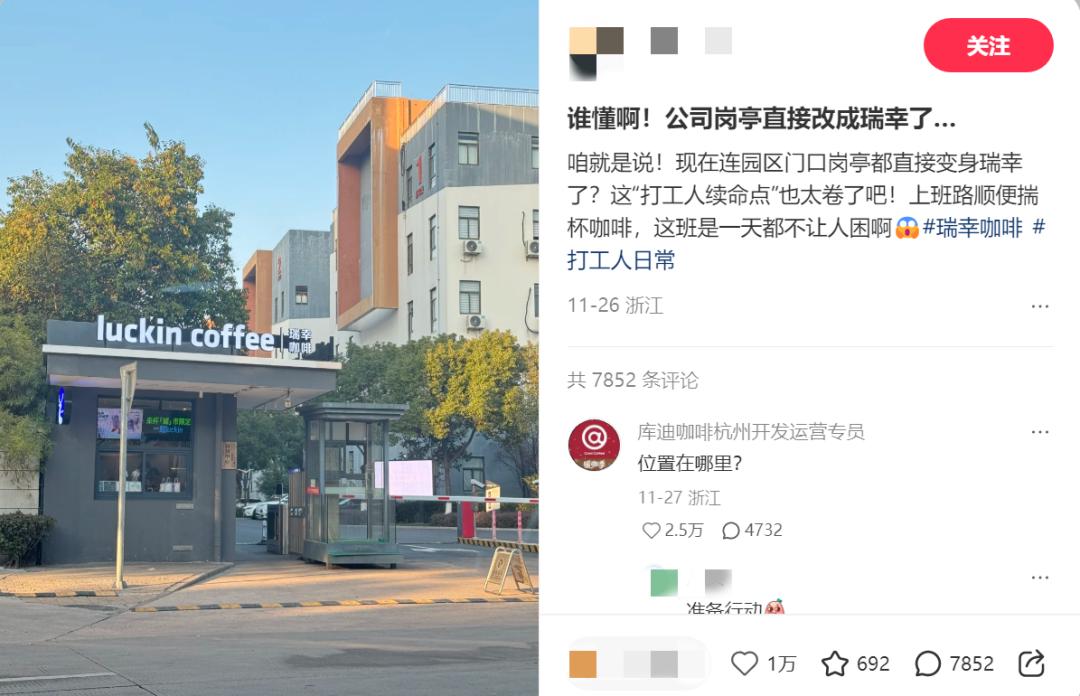
Core Viewpoint - The coffee industry is undergoing a "location revolution," with brands like Luckin Coffee strategically placing stores in unconventional spots to intercept consumers during their daily routines [13][18][45]. Group 1: Innovative Store Locations - Luckin Coffee has transformed a security booth in a Zhejiang industrial park into a mini coffee shop, attracting attention and business from employees [8][12]. - The brand is expanding its presence in unexpected locations such as subway stations, bus stops, and even traditional settings like temples and markets, effectively changing the traditional retail logic from "waiting for customers" to "finding customers" [19][20][42]. - The company has launched stores in high-traffic areas, such as near subway exit gates, allowing customers to order via mobile and pick up their coffee quickly [20][45]. Group 2: Creative Store Transformations - Luckin Coffee has repurposed various structures, including newsstands and shipping containers, into coffee shops, maintaining their original aesthetics while providing modern coffee services [25][26]. - The transformation of traditional spaces into coffee shops is gaining popularity, with many locations retaining their original functions while integrating coffee services, thus enhancing urban convenience [27][29]. Group 3: Expansion Strategies - The trend of "borrowing space" for coffee shops is on the rise, with brands like Nova Coffee partnering with convenience stores and internet cafes to expand their reach efficiently [34][36]. - Nova Coffee recently surpassed 10,000 stores, indicating significant growth and interest in this operational model [37][38]. Group 4: Market Potential - The coffee market in China is still seen as having substantial growth potential, with four local brands already exceeding 10,000 stores, suggesting that consumer demand is far from saturated [43][44]. - The shift in coffee shop presence from traditional settings to everyday locations reflects a broader trend of making coffee more accessible and integrated into daily life [42][46].



新品广告文案惹争议,库迪多家门店已更换广告
Nan Fang Du Shi Bao· 2025-12-22 12:47
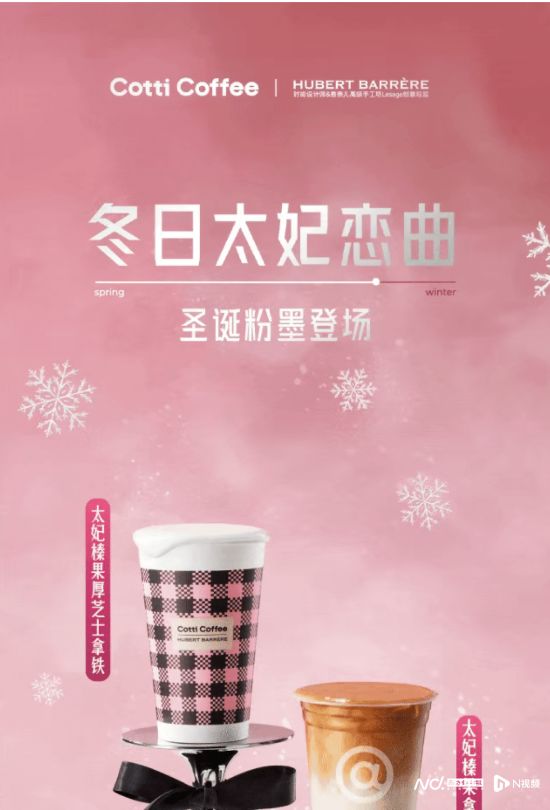
Core Viewpoint - Kudi Coffee's recent product launch faced public criticism due to the use of the phrase "粉墨登场" (literally "makeup debut"), which is often perceived negatively and could be misinterpreted as a collaboration with the K-pop group BLACKPINK [1][4] Group 1: Product Launch and Marketing - Kudi Coffee's new product "Winter Toffee Love Song" was developed in collaboration with Hubert Barrère, the creative director of Chanel's high-end workshop Lesage [3] - The product was launched on December 15, accompanied by the distribution of 1 million discount coupons worth 5.9 yuan [3] - Following the controversy, Kudi Coffee updated its advertising slogan to "这一杯爱意正'浓'" (This cup of love is 'rich') in its stores [4][6] Group 2: Company Background and Expansion - Kudi Coffee opened its first store in Fuzhou, Fujian, in October 2022, founded by Lu Zhengyao, the creator of Luckin Coffee, and former Luckin CEO Qian Zhiya [6] - The company has rapidly expanded, operating over 18,000 stores nationwide as of December 22 [6] - Kudi Coffee has engaged in various marketing collaborations with popular IPs, including partnerships with brands like My Little Pony, Pokémon, KAKAO FRIENDS, and Detective Conan since June [6]
瑞幸“入侵”岗亭、地铁闸机旁,成打工人“9.9元收费站”?
3 6 Ke· 2025-12-22 01:15
Core Viewpoint - The article discusses the innovative trend of coffee brands, particularly Luckin Coffee, transforming unconventional locations such as security booths and public transport stations into mini coffee shops, thereby enhancing customer accessibility and convenience [1][2][4]. Group 1: Transformation of Locations - A security booth in a Zhejiang industrial park has been converted into a Luckin Coffee outlet, leading to humorous social media reactions about the new "charging station" for commuters [2][4]. - The mini coffee shop has become a popular stop for employees, especially during morning and lunch hours, indicating a successful business model in a previously underutilized space [4][6]. Group 2: Strategic Location Choices - Coffee brands are shifting their location strategy from "waiting for customers" to "actively seeking customers," embedding themselves in high-traffic areas such as subway stations and train platforms [6][9]. - Luckin has opened a store next to the exit of the Guomao station on Beijing's subway line 1, allowing customers to order coffee conveniently while on the go [7]. Group 3: Creative Store Formats - The article highlights the trend of repurposing traditional structures like newsstands and shipping containers into coffee shops, which blend nostalgia with modern convenience [10][12]. - Examples include a Luckin store in Guangzhou that retains the original newsstand design while offering a modern coffee experience, appealing to urban consumers [10]. Group 4: Expanding into Unconventional Spaces - Coffee brands are entering unexpected venues such as temples, parks, and markets, creating unique customer experiences that attract younger demographics [12][14]. - The article mentions various locations where coffee shops have emerged, including a coffee shop in a traditional ancestral hall and others in local markets, making coffee a regular part of daily errands [12][14]. Group 5: Leveraging Existing Retail Spaces - The trend of "borrowing" retail space is gaining traction, with brands like Nova Coffee partnering with convenience stores and internet cafes to expand their reach efficiently [14][15]. - Nova Coffee has reportedly surpassed 10,000 locations through this strategy, indicating a significant growth trend in the coffee industry [15]. Group 6: Changing Consumer Interaction - The coffee industry is evolving from a model where consumers go to cafes to one where cafes come to consumers, making coffee more accessible and integrated into daily life [17][18]. - The article emphasizes that the coffee market in China still has substantial growth potential, with brands needing to focus on efficient penetration strategies to meet consumer demand [17].
瑞幸盯上蓝瓶咖啡,咖啡头部为何扎堆换东家?
3 6 Ke· 2025-12-22 00:18
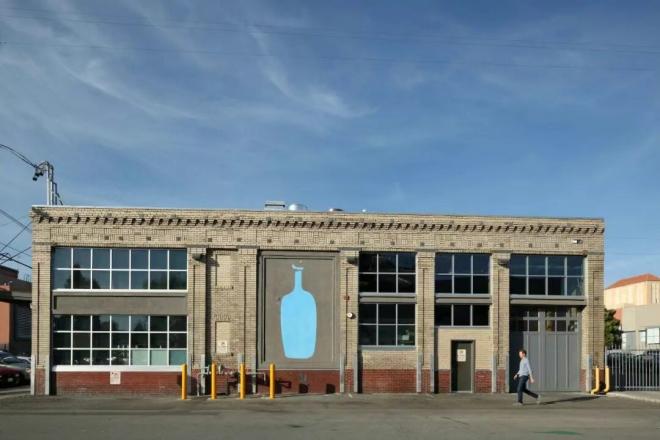
Core Insights - The coffee industry is undergoing significant changes characterized by a series of high-profile mergers and acquisitions, reflecting a deeper reassessment of coffee's intrinsic value [1][2][3] - Major players are strategically dismantling their operations to retain core assets while shedding burdensome entities, indicating a shift in how coffee's value is perceived [1][2][3] Group 1: Recent Mergers and Acquisitions - Luckin Coffee is reportedly evaluating bids for Blue Bottle Coffee and Costa, aiming to enhance its brand positioning and growth model [2][4] - Keurig Dr Pepper (KDP) announced a €15.7 billion cash acquisition of JDE Peet's, the parent company of Peet's Coffee, marking a significant move in the coffee sector [5][7] - The sale of Starbucks China to Hillhouse Capital for $2.4 billion, giving Hillhouse a 60% stake, highlights the competitive landscape and the interest from various investment firms [8][10] Group 2: Drivers Behind the M&A Wave - The current wave of mergers is a natural outcome of China's economic and capital market evolution, with a focus on market consolidation and efficiency [10][11] - The coffee market's characteristics, including slow growth and low concentration, have prompted companies to shift from growth chasing to efficiency and positioning [11][12] - The trend of asset divestiture among major brands is not a sign of decline but a strategic financial decision to optimize operations [12][13] Group 3: Changing Competitive Dynamics - The focus is shifting from physical store operations to brand equity and intellectual property, as companies seek to streamline costs and enhance profitability [19][20] - The emergence of local brands like Luckin Coffee is challenging traditional models, emphasizing efficiency and digital transformation [22][23] - The power dynamics in the coffee industry are shifting, with China evolving from a market for international brands to a source of innovative business models [23][24] Group 4: Future Implications - The ongoing mergers signify a redefinition of coffee's value, moving from a heavy reliance on physical locations to a focus on brand perception and operational efficiency [27][28] - The competition is no longer solely about coffee itself but encompasses efficiency, data utilization, and ecosystem collaboration [28]

巴奴再交上市申请;Elliott购Lululemon股份;百威亚太任命新CFO
Sou Hu Cai Jing· 2025-12-21 13:07
Listing Dynamics - Banu International Holdings Limited has submitted a new listing application to the Hong Kong Stock Exchange, with CICC and China Merchants International as joint sponsors [3] - The company is recognized as China's largest quality hot pot brand, with a network of 162 stores across 46 cities, representing a 95.2% increase from the end of 2021 [3] - The new funding from the listing is expected to facilitate further expansion of store numbers and upgrades to the central kitchen, potentially increasing net profit margins [3] Investment Activities - Elliott Management has acquired over $1 billion in shares of Lululemon and is actively involved in shaping the company's management direction [7] - Elliott is collaborating closely with Jane Nielsen, a seasoned retail executive, whom they consider a potential candidate for Lululemon's CEO position [7] - This move positions Elliott as one of Lululemon's largest shareholders, aiming to drive the company out of its current downturn through strategic changes [7] Corporate Transactions - New Hope Dairy has completed the payment for the acquisition of a 55% stake in Fuzhou Aoniu, with a total transaction price of 111 million yuan [10] - The acquisition is expected to enhance New Hope Dairy's channel capabilities and brand influence in the Fujian region, thereby expanding its business scale in South China [10] Market Re-entry - Lotto, owned by WHP Global, has signed a new licensing agreement to re-enter the North American market, focusing on casual apparel [13] - The brand's first collection has been launched, featuring a new streetwear style, coinciding with the growing anticipation for the 2026 World Cup [13] Management Changes - Budweiser APAC announced the resignation of CFO Ignacio Lares, effective April 1, 2026, with Bernardo Novick appointed as the new CFO [21] - The transition is expected to be smooth, as both individuals have extensive experience within the company, minimizing potential impacts on performance [21] Leadership Transition - FrieslandCampina has appointed Roger Loo as the new global president of professional nutrition, succeeding Harvey Uong, who will leave the company on April 1, 2026 [23] - This leadership change is anticipated to bring new growth expectations for Friesland's professional nutrition business in China [23] Executive Changes - Master Kong has announced the retirement of CEO Chen Yingrang, effective January 1, 2026, with Wei Hongcheng set to take over the role [25] - This management change reflects a blend of professionalization and family succession, marking a new phase for the company [25] Creative Leadership - Pieter Mulier, the current creative director of Alaïa, is rumored to be the next creative director of Versace [28] - Mulier's experience and design language are seen as key factors in leading the brand forward [28]


陈博彰在长沙县宣讲并开展调研
Xin Lang Cai Jing· 2025-12-21 11:27
Group 1 - The article emphasizes the importance of addressing population aging by increasing investment in the elderly care industry and developing new models such as "artificial intelligence + elderly care" to meet diverse service demands [3][4] - The coffee industry in Hunan (Changsha) is encouraged to leverage platforms like the Hunan Free Trade Pilot Zone and the China-Africa Economic and Trade Expo to attract projects and create a coffee consumption hub [3][4] - Companies are urged to seize development opportunities, enhance collaboration between industry, academia, and research, and extend the industrial chain to strengthen economic growth [4][6] Group 2 - The article highlights the need for efficient gathering of resources such as capital, technology, and talent to accelerate project construction and support the transformation and upgrading of traditional manufacturing [6] - It calls for a focus on safety production responsibilities and the identification and rectification of key safety hazards to maintain safety standards [4][6] - The local government is tasked with implementing the spirit of recent central and provincial meetings to ensure continuous improvement in development quality and efficiency [6]
本土品牌太争气!美咖啡巨头被挤出中国,40亿出让60%的控股权
Sou Hu Cai Jing· 2025-12-20 12:00
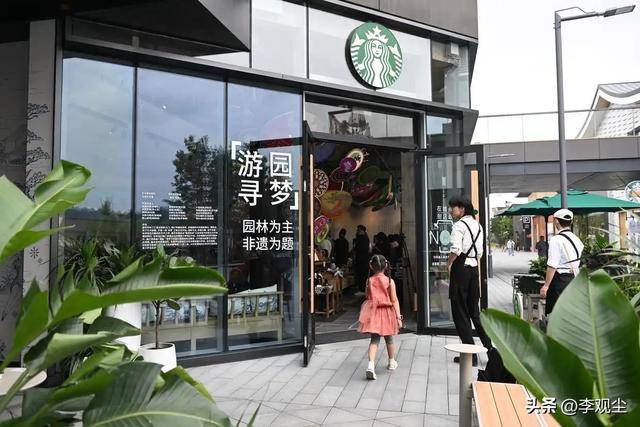
Core Viewpoint - A major American coffee giant has sold 60% of its stake in its Chinese operations for $4 billion, effectively relinquishing its dominance in the Chinese market [2][26]. Group 1: Market Dynamics - The coffee giant entered China in 1999 and expanded to 8,000 stores at its peak, capturing 34% of the high-end coffee market [5][8][10]. - The company failed to adapt to changing consumer preferences and maintained high prices, with basic coffee costing over 30 yuan, which limited its appeal [12][24]. - Local brands have emerged, offering innovative products that cater to Chinese tastes, such as the sauce-flavored latte, which sold over one million cups on its first day [17][19]. Group 2: Competitive Landscape - Local brands like Luckin Coffee have gained market share by providing high-quality, affordable options, with prices ranging from 10 to 20 yuan [19][24]. - The shift in consumer behavior towards convenience has favored local brands that utilize digital tools for ordering and delivery, contrasting with the coffee giant's traditional in-store model [21][30]. - The coffee giant's market share plummeted from 34% to 14% as local brands captured consumer loyalty [24][36]. Group 3: Strategic Decisions - Faced with declining performance, the coffee giant opted to sell 60% of its stake to a local capital firm, Bo Yu Capital, after multiple failed attempts at localization [26][28]. - The transaction signifies a loss of control over its operations in China, although the company retains 40% ownership and brand rights [28][30]. - The deal reflects a broader trend in the Chinese market where local brands are increasingly preferred, highlighting the need for foreign companies to adapt to local demands [32][34].
“小进博”助力“进博好物”进入千家万户
Xin Hua Wang· 2025-12-20 09:00
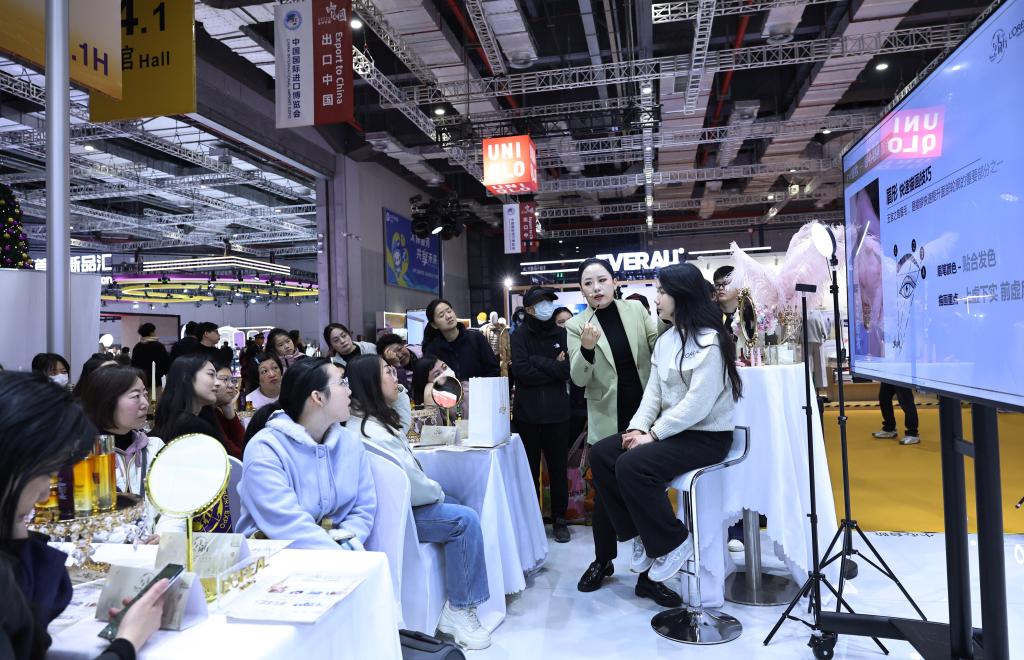
Core Insights - The "Small Import Expo" is a follow-up event to the China International Import Expo, aimed at promoting quality products to Chinese consumers and enhancing import and consumption [1] Group 1: Event Overview - The "Small Import Expo" took place from the 19th to the 21st, featuring over 700 companies from more than 60 countries and regions, with an exhibition area exceeding 53,000 square meters [1] - The event is part of the "Shared Big Market · Export to China" initiative, focusing on creating a marketplace for high-quality products and facilitating procurement discussions [1] Group 2: International Participation - Sri Lanka's Consul General highlighted the expo as a crucial bridge for expanding Sri Lanka's exports to China, with products like Ceylon tea and biscuits being showcased [2] - Rwandan coffee merchant reported significant growth in the presence of Rwandan coffee in China, indicating a positive impact on local farmers' livelihoods [2] Group 3: Product Highlights - New Zealand's Fonterra showcased its star product, a new colostrum milk powder, which sold out quickly during the previous expo, and brought additional products like honey and pet food to the "Small Import Expo" [4] - The "New Product Showcase" featured 180 new products, including Medtronic's innovative spinal cord stimulation system designed for chronic pain management, emphasizing the importance of innovation in attracting attention [7]

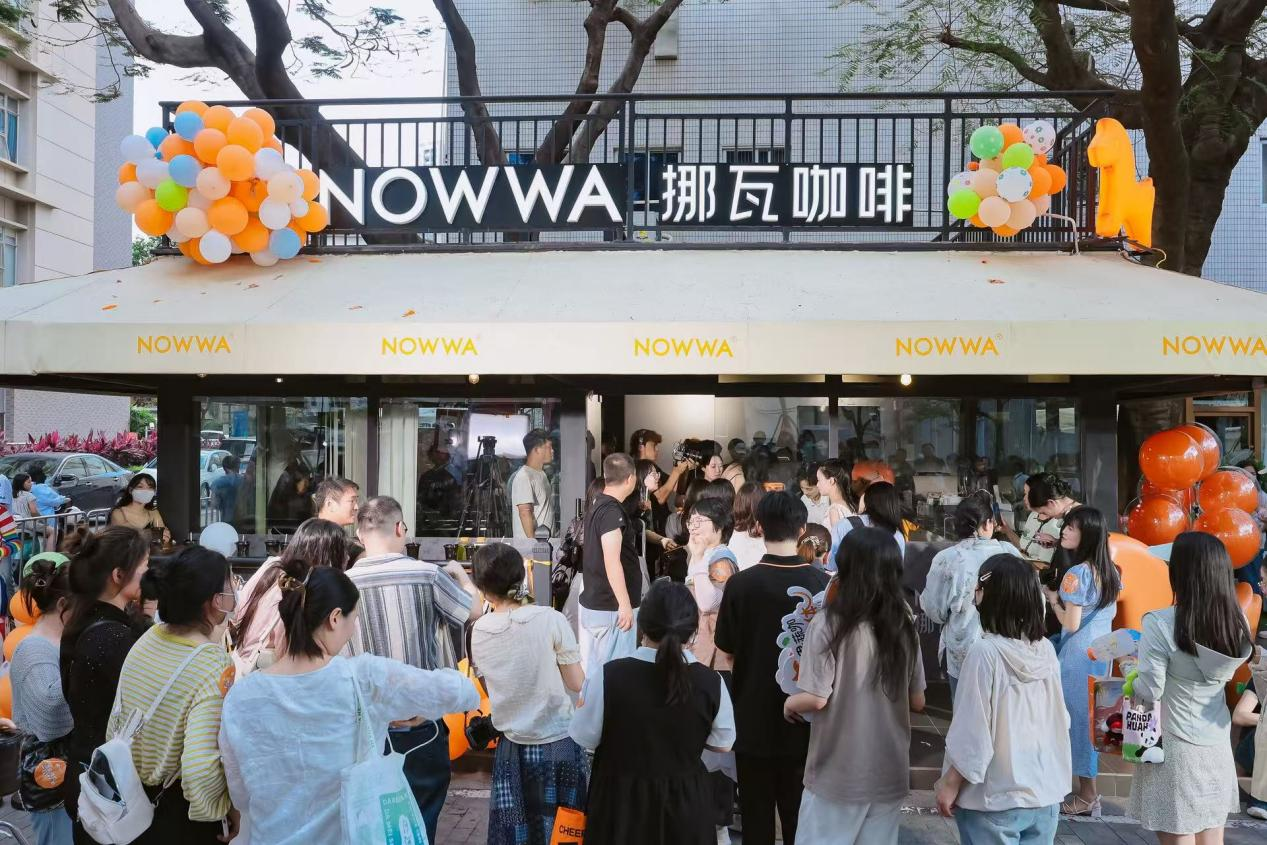
商业秘密|幸运咖、挪瓦咖啡门店破万背后:行业激战 盈利与增长如何平衡
Di Yi Cai Jing· 2025-12-19 14:00
Core Insights - The coffee industry in China is experiencing significant expansion, with new brands like Luckin Coffee and Nova Coffee joining the "10,000 store club," indicating a shift in industry dynamics [1][2] - The competitive landscape is marked by aggressive price wars, leading to concerns about profitability for franchisees and established brands alike [2][3] Group 1: Industry Expansion - By December 2025, the number of coffee stores in China surpassed 10,000 for both Luckin Coffee and Nova Coffee, joining existing players like Luckin and Kudi [1] - The current market includes four major brands with over 10,000 stores each, highlighting a rapidly evolving competitive environment [1] - Nova Coffee's unique "coffee + convenience store" model has contributed to its rapid growth, achieving a 210% increase in daily cup sales through partnerships [1] Group 2: Competitive Dynamics - The coffee market is projected to reach nearly 250 billion yuan by 2024, with an expected growth rate of around 20% [3] - The number of coffee consumers in China is anticipated to double from 130 million in 2023 to 260 million by 2028, indicating substantial market potential [3] - Price wars initiated in 2023 have intensified competition, with brands adopting low-price strategies that have led to reduced profit margins for franchisees [3][4] Group 3: Consumer Behavior - Consumer preferences are shifting towards high-cost performance coffee, with a significant portion of consumers favoring lower-priced options [5] - A report indicates that 51.9% of consumers prefer new beverage products priced between 15-20 yuan, while only 4% are willing to pay over 25 yuan [5] Group 4: Future Directions - As competition escalates, brands are exploring various strategies to differentiate themselves, with Starbucks planning to expand its store count significantly [6] - Tims Coffee is focusing on differentiation by introducing complementary food items, aiming to stand out in a crowded market [6] - The market is expected to see a shift towards lower price points and a focus on convenience, with brands needing to adapt to survive [7]

商业秘密|幸运咖、挪瓦咖啡门店破万背后:行业激战,盈利与增长如何平衡
Di Yi Cai Jing· 2025-12-19 13:50
Group 1 - The coffee industry in China is experiencing significant expansion, with the number of stores for brands like Luckin Coffee and Nova Coffee surpassing 10,000, indicating a reshaping of the industry landscape [1][3] - The current market features four major brands with over 10,000 stores: Luckin, Kudi, Luckin Coffee, and Nova Coffee, highlighting a competitive environment [3] - Nova Coffee has introduced a unique "coffee + convenience store" model, achieving a 210% increase in daily cup sales through partnerships with channels like Meiyijia [3] Group 2 - The coffee market in China is projected to reach nearly 250 billion yuan by 2024, with an expected growth rate of around 20%, indicating substantial market potential [5] - The competition has intensified since 2023, leading to a price war among major brands, with some offering coffee at as low as 9.9 yuan, which raises concerns about profitability for franchisees [5][6] - The emergence of new brands is accelerating the restructuring of the industry, with a clear division between first-tier cities, where market saturation is approaching, and lower-tier cities, which still present significant growth opportunities [6] Group 3 - Starbucks is adapting to the competitive landscape by expanding its store count from 8,000 to 20,000 in partnership with Boyu Capital, indicating a strategic shift to regain market share [7] - Tims Coffee is pursuing a differentiation strategy by introducing complementary food items, such as baked goods, to stand out in a crowded market [7] - The industry is entering a "positioning battle," with low pricing becoming a norm and the focus shifting to capturing market share in less saturated areas like towns and subway terminals [8]