
化石能源

Search documents
美能源部长操心:中国可以操控欧洲能源系统
Guan Cha Zhe Wang· 2025-09-12 02:33
Group 1 - The U.S. Secretary of Energy, Chris Wright, expressed an overly optimistic timeline for nuclear fusion energy, claiming it could power the global grid within 8 to 15 years, despite skepticism from experts [1][2] - Wright defended the Trump administration's cuts to renewable energy subsidies, arguing that wind and solar energy have received sufficient support over the years and should now be able to stand on their own [6][9] - The U.S. government has halted multiple wind energy projects and cut federal funding for offshore wind initiatives, which may weaken its competitiveness in the clean energy sector [6][9] Group 2 - Wright urged the UK to lift its ban on hydraulic fracturing, suggesting it could significantly impact the economy by lowering energy prices and creating jobs [4][5] - The UK government, under Prime Minister Truss, supports hydraulic fracturing as a means to enhance domestic natural gas supply, despite environmental concerns and previous bans [4][5] - The international context highlights China's dominance in renewable energy technology, with claims that it controls a significant portion of the global clean technology job market [5][6] Group 3 - Wright's comments reflect a broader U.S. concern about European reliance on Chinese renewable energy technology, framing it as a potential threat to energy security [5][6] - The ongoing international nuclear fusion project, ITER, is not expected to achieve commercial viability until at least 2034, indicating a long road ahead for fusion energy [2] - Wright's stance on climate change downplays its urgency, suggesting that the threats have been exaggerated and that significant decarbonization will take generations [8][10]


60国开国际大会,特朗普想夹带私货,中国拒绝参会,专家:强硬!
Sou Hu Cai Jing· 2025-08-09 15:27
Group 1 - The meeting focuses on energy issues, marking the first significant international gathering since the trade war initiated by the Trump administration, highlighting the importance of communication among nations [3] - China's absence from the meeting is significant, as it is a leading player in green energy, and experts suggest this refusal is a strong stance against U.S. hegemony related to recent tariff policies [3][19] - The global energy landscape is undergoing dramatic changes, with renewable energy investments surpassing fossil fuels for the first time in 2022, although oil and gas still account for 55% of global energy consumption [6] Group 2 - The guest list for the summit is notable, with over 75 countries invited but only about 60 confirming attendance, including major oil-producing nations like Saudi Arabia, Qatar, and the UAE, while Russia is excluded [6][10] - Despite claims of investing in renewable energy, countries like Saudi Arabia still rely heavily on oil exports for their revenue, indicating a complex relationship with climate issues [8][10] - The absence of vulnerable African nations from the summit raises concerns, as these countries bear the brunt of climate change impacts despite having minimal carbon emissions [12] Group 3 - The U.S. delegation includes an official who publicly questions climate science, reflecting a strategy to promote American oil and gas resources while delaying global energy transition efforts [15][17] - The U.S. has become the largest oil producer globally, with a daily output of 11.8 million barrels in 2022, driven by relaxed regulations and tax incentives for oil and gas companies [17] - China's rapid growth in clean energy sectors, holding over 60% of global clean energy equipment production, positions it as a key player in the energy transition, despite its absence from the summit [19] Group 4 - The international community's reaction to the U.S. strategy includes criticism from environmental groups and growing dissatisfaction among developing countries regarding Western climate policies [22] - The ambiguous stance of oil-producing nations like Saudi Arabia reflects a reluctance to abandon traditional energy revenues while also seeking opportunities in the renewable sector [24] - The complex dynamics between Western nations and China in energy cooperation reveal a contradiction where countries seek benefits while publicly opposing China's influence [24] Group 5 - Climate change is a shared challenge, and the success of energy transition relies on technology sharing, financial support, and inclusive policies, emphasizing the need for developed nations to stop politicizing climate issues [26]
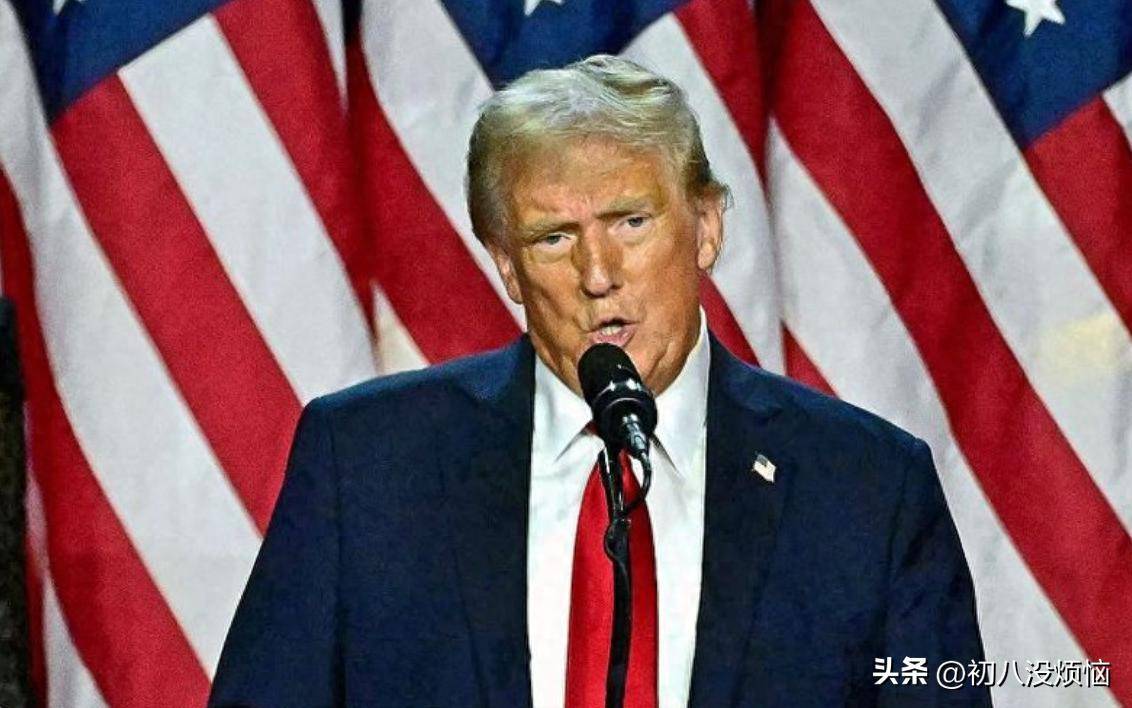
美国能源转型“停摆”
Jing Ji Ri Bao· 2025-08-01 21:53
Core Viewpoint - The current U.S. energy policy under the government has shifted focus towards traditional energy sources, particularly oil and gas drilling, while significantly reducing support for the clean energy sector, marking an end to the previous era of clean energy growth [1][2]. Group 1: Policy Changes - The Trump administration's energy policy aims to terminate the "Green New Deal" and revive traditional energy industries, especially oil and gas production [1]. - A series of executive orders were signed to roll back climate change initiatives, including the cancellation of significant environmental regulations and halting funding for clean energy projects [1][2]. - The "Big and Beautiful" tax and spending bill signed in July 2025 eliminated various clean energy incentives, signaling a systemic shift in U.S. energy policy [1]. Group 2: Impact on Clean Energy Sector - The clean energy sector, once thriving, is now struggling due to the abrupt policy changes, with many projects facing delays or cancellations [2]. - Over half of the nearly $30 billion clean technology projects planned for 2025 are at risk of being postponed or scrapped [2]. - Standard & Poor's Global Insights predicts that the "Big and Beautiful" bill could lead to a 20% reduction in clean energy projects in the next decade [2]. Group 3: Historical Context - The current situation mirrors past energy policy shifts, such as the termination of solar initiatives under President Reagan after Carter's promotion of renewable energy [3]. - Historical patterns indicate that U.S. energy policy often lacks continuity, leading to wasted investments across different administrations [3]. Group 4: Supply and Demand Challenges - The supply side faces challenges due to the long construction cycles and slow returns on investment for fossil fuel infrastructure, with drilling activity at a four-year low [4]. - On the demand side, the rapid growth of the artificial intelligence sector is expected to increase electricity consumption significantly, putting additional pressure on the energy supply [5]. Group 5: Broader Implications - The shift in energy policy is likely to hinder the transition to clean energy, with solar and wind industries being the biggest losers [6]. - Predictions indicate that the removal of clean energy subsidies will lead to a rise in electricity prices, with wholesale prices expected to increase by 25% by 2030 and 74% by 2035 [6]. - The reversal of U.S. energy policy undermines global climate governance efforts, potentially jeopardizing international climate agreements [7].
中国领跑!全球能源投资十年巨变
Zhong Guo Dian Li Bao· 2025-07-23 00:41
Core Insights - The global energy investment landscape has undergone a significant transformation over the past decade, with a historic shift towards low-carbon investments, projected to reach $3.3 trillion by 2025, where renewable energy, grid, and storage will account for $2.2 trillion, double that of fossil fuel investments [2][4]. Investment Trends - The period from 2015 to 2025 is identified as a watershed moment, with renewable energy investments surpassing fossil fuel investments by over 50% [4]. - The Asian Infrastructure Investment Bank reported that its renewable energy investment share increased from 28% in 2016 to 80% in 2025, indicating a decisive shift towards clean energy [4]. Investment Structure Changes - Investment in the electricity sector is projected to exceed $1 trillion by 2025, with wind and solar energy growing at an annual rate of over 15% [5]. - The cost of solar photovoltaic and battery technologies has decreased by 60% over the past decade, facilitating the growth of distributed solar projects in developing countries like Pakistan [5]. - Geopolitical tensions post-2022 have accelerated the shift towards clean energy, with examples such as the EU's hydrogen strategy and the U.S. Inflation Reduction Act [5]. China's Role in Global Energy Investment - China is projected to account for over 30% of global energy investments by 2025, with over 70% of that in clean energy [7]. - China's unique approach involves a closed-loop system of resource assurance, technological breakthroughs, and policy coordination, significantly impacting the global energy market [8]. Challenges in Energy Transition - The transition to low-carbon energy is fraught with challenges, including disparities in development among countries, as seen in India and Turkey, which face rising costs due to local industry growth [11]. - The competition for critical mineral resources has intensified, with countries like the U.S. and EU updating their strategic mineral lists, highlighting the importance of supply chain resilience [11]. Solutions for Energy Investment Imbalance - Addressing energy investment imbalances requires multi-dimensional efforts, including policy design, market cultivation, technological breakthroughs, and international cooperation [13]. - Innovative financing tools, such as those introduced by the Asian Infrastructure Investment Bank, are essential for supporting the development of renewable energy policies in developing countries [13]. Future Directions - The evolution of energy investment reflects a shift from policy-driven to market-driven approaches, emphasizing the need for a balance between safety, development, and sustainability [15].
绿色能源难阻全球碳排放再创新高
Zhong Guo Hua Gong Bao· 2025-07-14 02:08
Core Insights - The report from the UK Energy Research Institute highlights a concerning trend where, despite record investments in renewable energy and net-zero commitments from major economies, global carbon emissions are projected to reach a new high in 2024, totaling 4.08 billion tons, an increase of 0.5 billion tons from 2023 [2][4] Group 1: Global Carbon Emissions Trends - Global carbon emissions have been on an upward trajectory since 2021, with an average annual increase of nearly 1% over the past decade, despite increasing international climate commitments [2][3] - The report indicates that while renewable energy sources like wind and solar are expanding, they are not keeping pace with the growth in global energy demand, leading to continued increases in carbon emissions [4] Group 2: Regional Emission Patterns - Over the past decade, carbon emissions have increased by 25% in Africa, 15% in the Middle East, and over 9% in the Asia-Pacific region, while Europe has seen an average annual decrease of 1.4% [3] - The EU's carbon emissions in 2024 are projected to be 3.7 billion tons, a 15% reduction compared to a decade ago, with countries like Germany and the UK making significant progress through policy initiatives [3] Group 3: Energy Transition Challenges - The energy transition is progressing slowly, with renewable energy sources being added to the energy mix without a corresponding reduction in fossil fuel use, which is a key reason for the ongoing rise in global emissions [4] - The report emphasizes that unless global energy demand growth slows or renewable energy begins to significantly replace fossil fuels, emissions are likely to continue to rise [4]
热点思考 | 《美丽大法案》:再次引爆“国债恐慌”?(申万宏观·赵伟团队)
申万宏源宏观· 2025-07-06 14:35
Group 1 - The "Beautiful Bill" Act is expected to expand the total deficit by approximately $4.1 trillion, primarily continuing existing policies rather than introducing new ones [2][6][9] - The Act is projected to provide a mild boost to the U.S. economy, with an average annual increase in real GDP growth of 0.1% from 2025 to 2034, peaking at 0.8% during 2026-2028 [2][22][32] - The Act will negatively impact low-income households, with the lowest 10% of earners expected to see a 3.9% decrease in income due to cuts in medical assistance and SNAP benefits [3][32] Group 2 - Traditional and capital-intensive industries are likely to benefit from the Act, while the renewable energy and electric vehicle sectors may suffer due to reduced subsidies [3][32][55] - The Act includes significant increases in defense spending, with an additional $150 billion allocated, and immigration enforcement spending reaching a historical high of $1.74 trillion [13][16] - The Act's tax cuts are heavily skewed towards higher-income households, with the top 10% expected to see an average income increase of 2.3% [3][32] Group 3 - The liquidity of U.S. Treasuries is expected to remain stable, with manageable supply pressures and a friendly macroeconomic environment, although there may still be upward pressure on term premiums [4][35][45] - The projected federal debt-to-GDP ratio is expected to reach 103% by 2026 and 116% by 2030, but the likelihood of a sovereign debt crisis remains low [5][45][56] - The Act's impact on inflation is anticipated to be minimal, with peak inflation effects projected to be only 0.12% by 2027 [22][32]

特朗普“大而美”法案,谁受伤,谁受益?
第一财经· 2025-07-04 11:09
Group 1: Impact on Healthcare Companies - The "Big and Beautiful" bill is expected to cut approximately $900 billion in Medicaid spending over the coming years, reversing many advancements made during the Biden and Obama administrations in healthcare [5] - Medicaid currently covers 83.1 million people, with a significant increase from 60.9 million in 2009 to a peak of 94.6 million in 2023 [5] - Companies like Elevance Health, Centene, and Molina Healthcare, which have substantial exposure to the Medicaid market, will see direct revenue impacts due to the expected decline in Medicaid enrollment [6] Group 2: Effects on Renewable Energy Sector - The bill cancels several clean energy incentives from the Biden administration and imposes restrictions on renewable energy, favoring fossil fuel production [9] - The removal of unused funds from the $20 billion greenhouse gas reduction fund and the termination of tax credits for electric vehicles are significant blows to the renewable sector [9][10] - The changes in tax measures are projected to increase the industry's burden by $4 billion to $7 billion, threatening $450 billion in infrastructure investments and potentially leading to the loss of 300 GW of wind and solar projects over the next decade [10] Group 3: Benefits to Corporations and High-Income Individuals - The bill reinstates tax deductions for equipment purchases and allows immediate full deductions for new manufacturing facilities, particularly benefiting the semiconductor industry [13] - High-income households are projected to see an increase in net income by nearly $13,000, while middle-income families will see a modest increase of $1,430 [14]
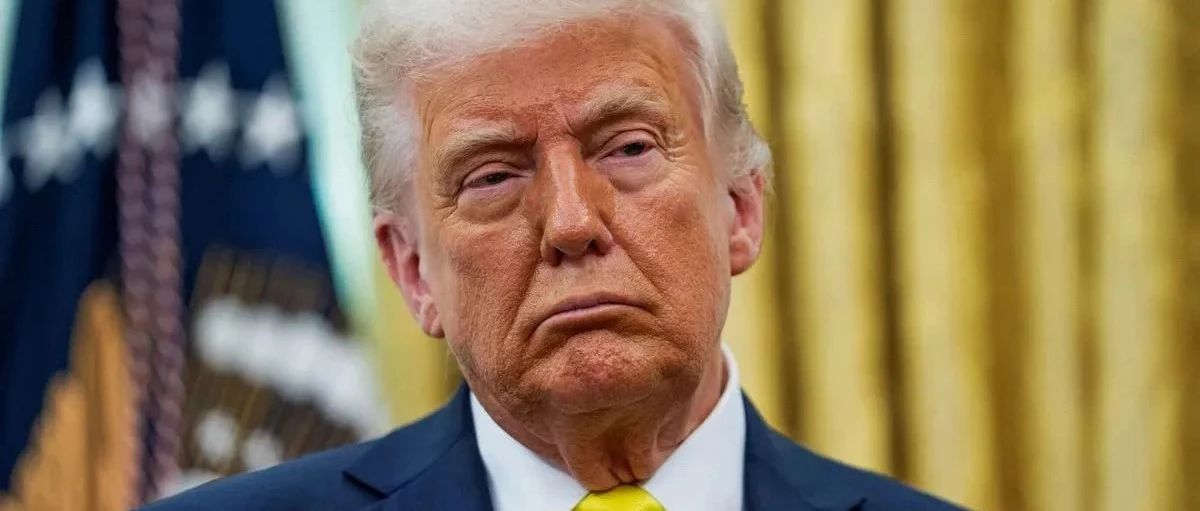
大美丽法案,最终会成就了谁的风光?
雪球· 2025-07-04 07:55
Core Viewpoint - The article emphasizes that energy is the fundamental structure shaping civilization and geopolitics, with a focus on the transition from fossil fuels to renewable energy in the 21st century [1][4][9]. Energy Transition and Its Implications - The 19th century was dominated by coal, which established Britain's global manufacturing supremacy [2]. - The 20th century saw oil as the key resource, enabling the United States to maintain its position as the world's leading economy through extensive use and control of fossil fuels [3]. - The article raises questions about how renewable energy will reshape the world both materially and geopolitically in the 21st century [4][6]. Renewable Energy Developments - The transition to renewable energy is characterized by a fundamental shift in energy production models from centralized to distributed systems, allowing households to generate power [11][12]. - Smart grids will replace traditional grids, creating a new "energy internet" and redefining energy infrastructure [13]. - The manufacturing ecosystem will undergo a complete transformation, with industries moving towards electrification and new production cost structures emerging [14][19]. Geopolitical Shifts - The article discusses the potential weakening of the petrodollar system as renewable energy transactions may bypass dollar settlements, impacting traditional energy-exporting nations [24][25]. - China is positioned as a leader in the renewable energy supply chain, controlling over 70% of global photovoltaic capacity and 60% of wind power capacity, which could lead to a shift in geopolitical power dynamics [26]. - The competition for setting new energy standards, similar to the 5G standard battle, will have significant implications for global influence [27]. Conclusion - The article concludes that the 21st century is moving away from fossil fuels, and the ability to dominate the renewable energy landscape will shape global power structures for the foreseeable future [28].

如何看待参议院通过《美丽大法案》?(申万宏观·赵伟团队)
赵伟宏观探索· 2025-07-03 15:22
Legislative Progress - The "Beautiful Act" has passed the Senate with a narrow margin of 51 to 50, entering the final legislative phase [1][13] - The bill will undergo review in the House of Representatives, with potential for further amendments [1][13] - Three possible timelines for final passage are outlined: before July 4, mid-July, or late July to August [2][13] Content Adjustments - The Senate version of the bill increases the deficit by approximately $4.1 trillion over the next decade, which is $550 billion more than the House version [2][14] - Corporate tax cuts are expanded while personal tax cuts are reduced, with a focus on benefiting high-income earners [2][14] - Significant cuts to healthcare and welfare spending are proposed, including an increase in medical assistance cuts from $800 billion to $930 billion [3][14] Economic Impact - The "Beautiful Act" is expected to moderately boost the U.S. economy, potentially increasing annual real GDP growth by 0.2 percentage points from 2025 to 2027 [4][15] - The lowest 20% of income households may see a 2.9% decrease in income, while the highest 20% could experience a 1.9% increase due to tax cuts [5][15] - Capital-intensive industries, such as manufacturing and defense, are likely to benefit, while the renewable energy sector may face challenges due to reduced tax incentives [5][15]

电动车补贴说砍就砍?马斯克怒了 “大而美”法案恐加剧美内部分裂
Yang Shi Xin Wen· 2025-07-02 10:56
Core Viewpoint - The "Big and Beautiful" bill, pushed by President Trump, aims to eliminate tax credits for electric vehicles and restrict tax incentives for wind and solar projects, reflecting a significant policy shift in the U.S. energy sector [1][2]. Group 1: Policy Changes - The bill will end tax credits for electric vehicles starting September 30, and only wind and solar projects that begin production before the end of 2027 will qualify for tax incentives [1]. - This policy shift indicates a move away from the previous administration's support for clean energy, aiming to bolster fossil fuel production, particularly oil and gas [2]. Group 2: Economic Implications - The Trump administration's push for fossil fuel production is intended to enhance U.S. competitiveness and promote exports, but it has not achieved the expected dominance in the fossil energy sector [2]. - The conflicting policies have led to increased domestic inflation and pressure to lower energy prices, undermining the production capabilities of U.S. companies [3]. Group 3: Impact on Key Players - The escalating conflict between Trump and Elon Musk highlights a divergence in interests, potentially harming both parties and leading to broader implications for the U.S. political landscape [4]. - Concerns arise that reduced support from high-tech giants for Trump could negatively impact the Republican Party in upcoming midterm elections, while Musk's business empire may face direct consequences from Trump's actions [4].