农产品

Search documents
白宫签下1750亿美元协议,紧接宣布全球加税10%,贸易局势升级
Sou Hu Cai Jing· 2026-02-23 18:25
Core Viewpoint - The article discusses the implications of the WTO ruling against the U.S. regarding tariffs on Chinese steel and aluminum, highlighting the U.S. government's immediate response to impose additional tariffs globally, which escalates trade tensions and disrupts international trade norms [1][4][21]. Group 1: WTO Ruling and U.S. Response - The WTO ruled that the U.S. tariffs on Chinese steel and aluminum, justified under "national security," were unilateral sanctions, requiring the U.S. to refund $175 billion [3][4]. - Following the ruling, the U.S. administration quickly issued a memorandum imposing an additional 10% "defensive tariff" on all imports except for Canada and Mexico, indicating a disregard for international law [4][5]. Group 2: Market Reactions - The announcement of new tariffs led to significant turmoil in global financial markets, with stock markets in Tokyo plummeting and the euro experiencing a sharp decline [5][16]. - The article notes that the situation has escalated beyond typical trade disputes, suggesting a fundamental challenge to established trade rules [5][18]. Group 3: Global Reactions and Countermeasures - In response to the U.S. tariffs, the EU quickly prepared a retaliation list targeting key American products, while Japan and South Korea also considered countermeasures [9][12]. - The article emphasizes that the U.S. approach is not merely about protecting domestic industries but is creating tensions within global supply chains, forcing countries to take sides [9][12]. Group 4: Economic Implications - The U.S. tariffs have led to a significant drop in American agricultural exports to China, with Brazilian soybeans gaining market share [14][21]. - The article highlights that the average tariff rate on Chinese goods entering the U.S. has become excessively high, affecting not only China but also other major exporting countries like Vietnam and the EU [18][21]. Group 5: Strategic Consequences - The U.S. tariffs are seen as a means to fund military expenditures in the Indo-Pacific region, raising concerns about the implications for regional security dynamics [11][12]. - The article concludes that the U.S. strategy of using tariffs as a tool for economic and military advantage may backfire, leading to increased global resistance and a shift towards a multipolar world [21][24].

特朗普5年心血白费!对印度的施压正在失效。印度外交部一句话透露了关键信号,访华成最后赌注
Sou Hu Cai Jing· 2026-02-23 18:25
Core Viewpoint - The U.S. Supreme Court ruled that the large-scale global tariff policy implemented by the Trump administration under the International Emergency Economic Powers Act lacks clear legal authorization, marking it as illegal [1][3]. Group 1: Legal and Financial Implications - The ruling effectively nullifies the expected $1.4 trillion in federal revenue from tariffs that were anticipated from 2026 to 2034 [3]. - The Trump administration had collected over $175 billion in tariffs based on the now-invalidated legal framework, which may require refunds to importers [3]. - The tariffs affected a wide range of goods, including a 10% tariff on all imports from China and varying rates on goods from Mexico and Canada [3]. Group 2: Immediate Responses and New Measures - Following the ruling, Trump announced a new 10% global import tariff, which he later increased to 15%, effective immediately [4][6]. - The new tariff is based on a rarely used provision of the Trade Act of 1974, allowing temporary tariffs for a maximum of 150 days unless extended by Congress [6]. Group 3: International Reactions and Negotiations - The ruling has led to a shift in diplomatic dynamics, particularly with India, which had previously agreed to reduce tariffs in exchange for halting oil purchases from Russia [10][11]. - India's comprehensive tariff on U.S. goods was significantly reduced from 50% to 18%, although India remains cautious about its oil purchasing strategy [10][11]. - The upcoming visit of Trump to China is seen as a critical moment for negotiations, with expectations for discussions on trade agreements and tariffs [11][12][16]. Group 4: Broader Trade Policy Context - The Supreme Court's decision is viewed as a significant setback for Trump's trade policy, which had relied on emergency powers to impose tariffs without congressional approval [16][17]. - Analysts suggest that the ruling may enhance China's negotiating position, as Trump may have lost leverage in discussions regarding agricultural and energy product purchases [14][16].
【建投观察】节间海外市场逻辑梳理
Xin Lang Cai Jing· 2026-02-23 09:18
Core Viewpoint - The report highlights the recent fluctuations in global commodity markets driven by geopolitical tensions, policy changes, and economic data, particularly focusing on the impact of U.S. military actions in the Middle East and adjustments in U.S. tariff policies. Geopolitical Factors - The U.S. military presence in the Middle East, particularly the deployment of the USS Ford, is exerting pressure on Iran amid negotiations, with predictions of increased likelihood of military action by the end of March 2026 [5][18]. - The oil market has partially priced in the potential for conflict, which could lead to sharp price increases if tensions escalate, followed by a potential price drop once the situation stabilizes [6][19]. Policy Factors - The U.S. Supreme Court ruled that the International Emergency Economic Powers Act does not grant the president the authority to impose tariffs without congressional approval, affecting the legality of previously imposed tariffs [22]. - The Trump administration's response includes raising tariffs under a different legal framework, but the overall impact of these changes on the market may be limited due to existing exemptions and the temporary nature of the new tariffs [22]. Economic Data - The U.S. economy is showing signs of "stagflation," with Q4 2025 GDP growth at approximately 1.4% and core PCE inflation at 3% year-over-year, indicating economic weakness [11][23]. - The Federal Reserve's future monetary policy direction remains uncertain, influenced by the balance of dovish and hawkish members in upcoming appointments, which could lead to shifts in market expectations [12][24]. Commodity Market Performance - During the holiday period, commodities such as gold, silver, and oil saw significant price increases, with WTI crude oil rising from $62.83 to $66.31, a 5.54% increase, and Brent crude oil increasing by 5.46% [17]. - The report notes that various commodities are experiencing upward price movements, reflecting the complex interplay of geopolitical and economic factors [4][20].

债市基本面点评报告:最长的假期,最热的出行
SINOLINK SECURITIES· 2026-02-23 07:55
1. Report Industry Investment Rating No relevant content provided. 2. Core View of the Report This year's Spring Festival holiday had unique advantages, including the longest duration in history and a consumption - stimulating activity. It showed excellent performance in multiple dimensions, especially in travel and consumption. The real - estate market showed signs of hitting the bottom, while the film market was dismal. Overseas capital markets had various trends due to factors like Fed's FOMC meeting minutes, geopolitical conflicts, and AI industry development [2][8]. 3. Summary by Related Catalogs Travel - The Spring Festival travel rush saw a continuous increase in long - distance travel. The total cross - regional passenger flow from February 2nd to 21st this year increased by 5.4% compared to the same period in 2025 and 26.3% compared to 2019, reaching a record high. The number of passengers in various transportation modes increased by about 5% - 6%. The self - driving travel enthusiasm was significantly boosted, with the national population migration scale index from the 15th day of the twelfth lunar month to the fifth day of the first lunar month increasing by 22.2% this year compared to 2025 [3][9][12]. - The difference in growth rates between the data from the Ministry of Transport and Baidu Migration was likely due to statistical methods. The non - operational passenger volume on roads accounted for 81.3% of the total cross - regional passenger flow, indicating that self - driving was the main mode of travel during the Spring Festival [16][17]. Consumption - Retail, catering, and service consumption were active. The average daily sales of key retail and catering enterprises in the first four days of the holiday increased by 8.6% compared to the same period in 2025, higher than the growth rates during the May Day and National Day holidays in 2025. The consumption of domestic tourism on key platforms increased by 4.5% in the first three days of the holiday. The rental car order volume on key platforms increased by 26%, and the north - south cross - region orders increased by 196% [4][19][22]. - The "trade - in" policy continued to release consumer demand. By February 19th, the trade - in of consumer goods benefited 28.88 million people, driving sales of 198.02 billion yuan. Smart devices maintained high growth, and Hainan's duty - free sales increased rapidly [22]. Film Market The film market continued its dismal performance since 2025, hitting a new low in the Spring Festival season in the past 7 years. As of the afternoon of the sixth day of the first lunar month, the cumulative box office of this year's Spring Festival season was 4.91 billion yuan, and it was unlikely to exceed 6 billion yuan. The number of screenings reached a new high, but the number of movie - goers hit a new low, mainly due to the lack of high - quality works [25]. Real - Estate Market The real - estate market showed a weak rebound at the bottom, with first - tier cities having a stronger rebound than second - and third - tier cities. From the first to the fifth day of the first lunar month, the average daily sales volume of commercial housing in 30 large and medium - sized cities was 1.04 million square meters, a 24.9% increase compared to the same period last year. The transaction and listing prices of second - hand houses in January also showed signs of stabilization. If the trend in the past 1 - 2 months continues, the real - estate sales may have hit the bottom [5][29]. Overseas Capital Markets - Most overseas bond yields declined. The 10 - year US Treasury yield adjusted upwards due to the hawkish FOMC meeting minutes and tariff policy fluctuations. European bond markets generally strengthened under the expectation of easing. The 10 - year Japanese government bond yield declined by 10.9bp, while the 10 - year Indian government bond yield increased by 4.8bp [6][32]. - The US dollar index strengthened, and the copper - gold ratio fluctuated weakly. Most overseas commodities rose, with oil and coal prices rising by more than 5%. Precious metals and some agricultural products also had varying degrees of increase [35][37]. - European and American stock markets rose collectively, while Asian stock markets were divided. The US stock market rebounded strongly, and European stock markets followed suit. The South Korean stock market hit a record high, while the Hong Kong and Japanese stock markets were weak. The FTSE A50 index rose 0.3% during the holiday [40].
哪些板块会成为马年的资产配置“黑马”? | 策马点金
Qi Huo Ri Bao· 2026-02-23 00:04
Group 1 - The core viewpoint is that the domestic market has entered a re-inflation trading phase since 2024, driven by macroeconomic policies and changes in the Federal Reserve's monetary policy, leading to a re-evaluation of asset values in the Greater China region [3] - The market is expected to see a strong performance in the stock market, particularly in the technology sector, while the commodity market is experiencing a strong performance in the metals sector [3] - Two clear directions for the market in the upcoming year include the continued positive environment for domestic assets due to the appreciation of the RMB and a likely rebalancing process in the market as financial assets see significant price increases [3] Group 2 - The energy sector is identified as a potential "dark horse" for asset allocation in the upcoming year, with the possibility of a market shift driven by geopolitical developments [5] - The agricultural products sector is also highlighted, as its low valuation and correlation with the energy sector may provide opportunities for growth, especially in light of potential geopolitical tensions affecting food prices [6] - The black metal sector may see a breakthrough if domestic economic policies shift towards expanding domestic demand, potentially revitalizing the real estate and construction industries [6] Group 3 - Recommendations for high-net-worth traders include diversifying their asset allocation to manage risk while capitalizing on market trends, while ordinary traders are advised to avoid high-risk positions and focus on assets with a safety margin [7]
特朗普遭背刺,向全球宣布一件与中国有关大事,中方:日本没资格
Sou Hu Cai Jing· 2026-02-22 15:37
Group 1: U.S. Trade Policy and Economic Impact - The U.S. Supreme Court ruled on February 20 that tariffs imposed by the President under the Emergency Economic Powers Act exceeded his authority, with a 6-3 vote against these measures, necessitating a shift in trade strategy from the White House [1] - Following the ruling, the White House signed a new executive order to impose additional tariffs on global imports, referencing the Trade Act of 1974, with initial rates later mentioned at higher levels to maintain trade balance [1] - The U.S. Department of Commerce reported that economic growth for Q4 2025 was below previous expectations, with significant job losses in manufacturing, indicating pressure from trade policy adjustments and rising corporate costs [3] Group 2: Japan's Defense and Economic Strategy - Japan's government approved a record-high defense budget for FY2026, focusing on missile development and modernization of military capabilities to address regional security challenges [3][6] - As part of a trade agreement, Japan committed to injecting substantial funds into strategic industries in the U.S. by 2029, with initial projects selected in energy infrastructure and critical minerals [5] - The agreement was a result of negotiations where Japan agreed to lower automotive tariffs in exchange for investment opportunities, although Japan now faces risks of tariff reinstatement following the U.S. court ruling [5] Group 3: U.S.-China Agricultural Trade Relations - The White House announced a state visit to China from March 31 to April 2, aimed at discussing agricultural trade cooperation, particularly for U.S. exports like soybeans and corn, in response to domestic agricultural product inventory issues [3][5] - The visit is expected to focus on collaboration opportunities to avoid escalating trade tensions, emphasizing dialogue to resolve differences and promote mutually beneficial trade [5]

都认为中国会赢:美国以为手中的牌比中国多,但它错了
Sou Hu Cai Jing· 2026-02-21 08:52
Group 1 - The trade friction between the US and China, which began in 2018, has led to significant global attention, with many experts suggesting that the US underestimated China's economic resilience and supply chain strength [1][3] - The US initially imposed tariffs on steel and aluminum, followed by additional tariffs on Chinese goods, but these measures resulted in increased costs for American consumers and farmers, while China successfully found alternative markets [3][4] - China's trade surplus with the US is projected to reach a new high of $1 trillion by 2025, indicating that the US's strategy to reshape its manufacturing base through tariffs has not been effective [4][6] Group 2 - Experts argue that the US's inconsistent policies have led to a perception that China is a more reliable partner, causing other countries to shift their trade relationships towards China [6][9] - The trade war has prompted China to enhance its technological self-sufficiency, particularly in sectors like semiconductors, as the US's restrictions have spurred increased domestic investment [3][11] - The global trade landscape has shifted, with countries initially aligning with the US now adopting a more cautious approach, recognizing China's strength and resilience in the face of trade pressures [9][11] Group 3 - The US's talent outflow, particularly in fields like artificial intelligence, has been exacerbated by policies that inadvertently push skilled professionals back to China [7] - China's strategic response to the trade war includes diversifying its markets and strengthening economic ties with emerging markets, which enhances its global influence [11] - The ongoing trade tensions have highlighted the vulnerabilities in the US economy, particularly its reliance on Chinese manufacturing, as the US struggles to find alternatives for many Chinese imports [6][11]
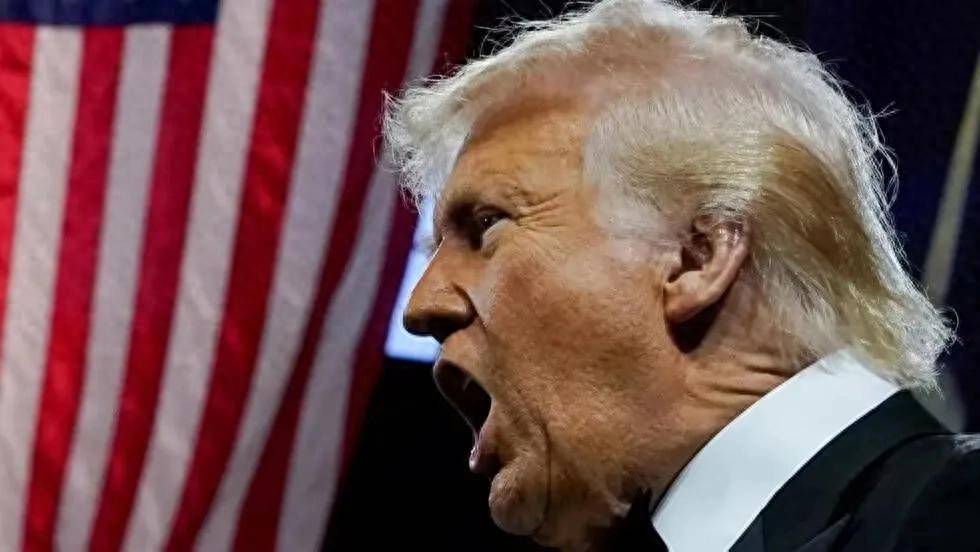
泰国工业联合会:特朗普10%的全球关税将重创泰国电子产品和汽车行业出口
Ge Long Hui· 2026-02-21 08:26
Group 1 - The Thai Industrial Federation (FTI) reports that following the U.S. Supreme Court's limitation on "countervailing duties," Trump has invoked Section 122 of the Trade Act of 1974 to impose a 10% tariff on global imports, referred to as "global tariffs" [1] - This tariff policy will impact Thailand's exports of electronic products such as hard disk drives (HDD), printed circuit boards (PCB), and integrated circuits (IC), as Thailand is a major manufacturing base for these products [1] - The automotive and parts industry, particularly the tire sector, will face severe consequences as the new 10% tariff will compound existing anti-dumping duties, significantly increasing costs [1] Group 2 - Exports of household appliances, such as air conditioners and refrigerators, will also be adversely affected, given that the U.S. is a primary market for these products [1] - Thailand, being one of the major exporters of gems and jewelry, has substantial export volumes to the U.S. that will be impacted [1] - Conversely, Thai agricultural products and fisheries, including rice, durian, mangosteen, and various tropical fruits, have received tariff exemptions [1]
“这下好了,中国怎么可能再买美国大豆?”
Guan Cha Zhe Wang· 2026-02-21 06:46
Core Viewpoint - The U.S. Supreme Court's ruling against Trump's tariff policies raises concerns in the U.S. agricultural sector, particularly regarding the future of soybean exports to China, which has been a significant market for American farmers [1][4]. Group 1: Tariff Policy and Market Impact - The Supreme Court ruled that Trump's large-scale tariff policies lacked clear legal authorization, leading to uncertainty about future tariff measures [4]. - Analysts express doubt that China will continue to purchase U.S. soybeans without the pressure of tariffs, especially since U.S. soybeans are currently more expensive than those from Brazil [1][4]. - Following the ruling, soybean futures in the U.S. experienced a slight decline, indicating market apprehension about the future of U.S.-China trade relations [1]. Group 2: China's Soybean Import Dynamics - China, the world's largest soybean importer, has historically been a major buyer of U.S. soybeans, accounting for over 60% of global soybean trade [1]. - Despite fulfilling a previous commitment to purchase 12 million tons of U.S. soybeans, China has significantly increased its purchases from Brazil, which is expected to have a large soybean harvest and offers lower prices [4]. - The loss of tariff leverage may hinder U.S. soybeans' competitiveness against Brazilian soybeans in the Chinese market [4]. Group 3: Agricultural Sector Challenges - U.S. farmers are facing their fourth consecutive year of low profits or losses, despite government subsidies reaching historical highs, with projected declines in farm income [5]. - The U.S. Department of Agriculture announced a $11 billion transitional subsidy program for farmers, partly due to export market challenges [5]. - The uncertainty surrounding tariff policies complicates the outlook for U.S. agriculture, as farmers and market participants await further developments [5]. Group 4: Future Trends in China's Agricultural Policy - Analysts from Goldman Sachs predict that China's reliance on soybean imports will decrease significantly over the next decade, from 90% to below 30%, as the country enhances its food self-sufficiency and supply chain resilience [5].