
新茶饮

Search documents
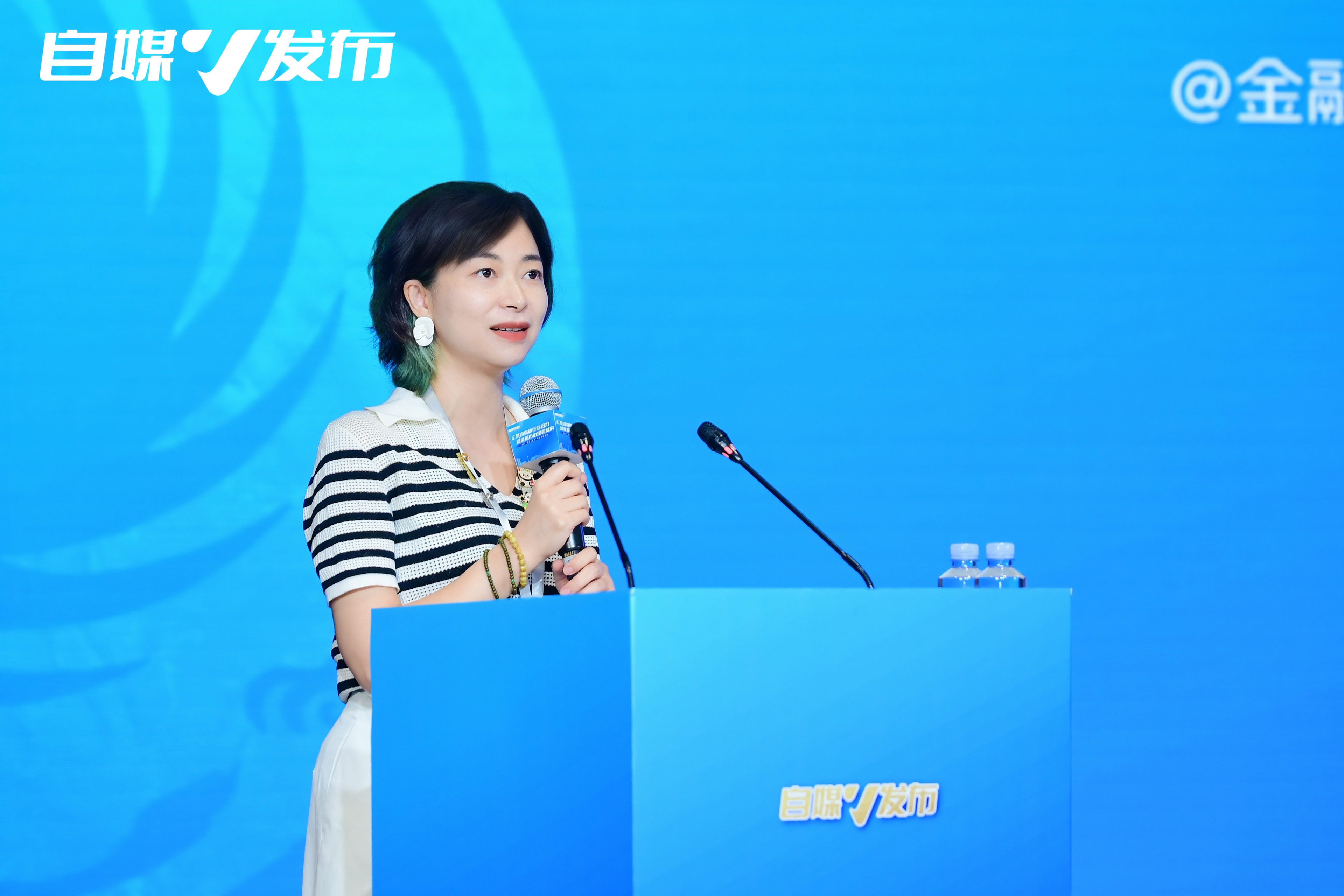
@金融八卦女联合创始人陈静芳:从“记录者”到“城市共创人”
Mei Ri Jing Ji Xin Wen· 2025-07-25 12:24
Group 1 - The event "Self-Media V Release" was launched in Chengdu, focusing on the theme of empowering urban governance and development through the self-media industry [1] - Self-media is playing an increasingly critical role in reshaping the value of urban economy, culture, and livelihood, acting as a "city co-creator" [1][3] - Local content creators are essential in promoting new consumer brands, helping them transition from regional to national recognition through continuous "content ignition" [3] Group 2 - Self-media serves as a "connector" in cultural heritage, revitalizing the contemporary value of cultural IP, exemplified by the promotion of the Sanxingdui archaeological discoveries [3] - The collaboration between cultural institutions and content creators has transformed Sanxingdui from a static archaeological find into a dynamic cultural IP with significant public influence [3] - Self-media acts as a catalyst for positive interaction between the government and the public, illustrated by the "3 Yuan Breakfast Challenge" in Chengdu, which led to improved visibility of affordable services and influenced subsequent livelihood policies [3]

霸王茶姬、1点点都在推,年轻人开始上头“中国可乐”?
3 6 Ke· 2025-07-24 02:09
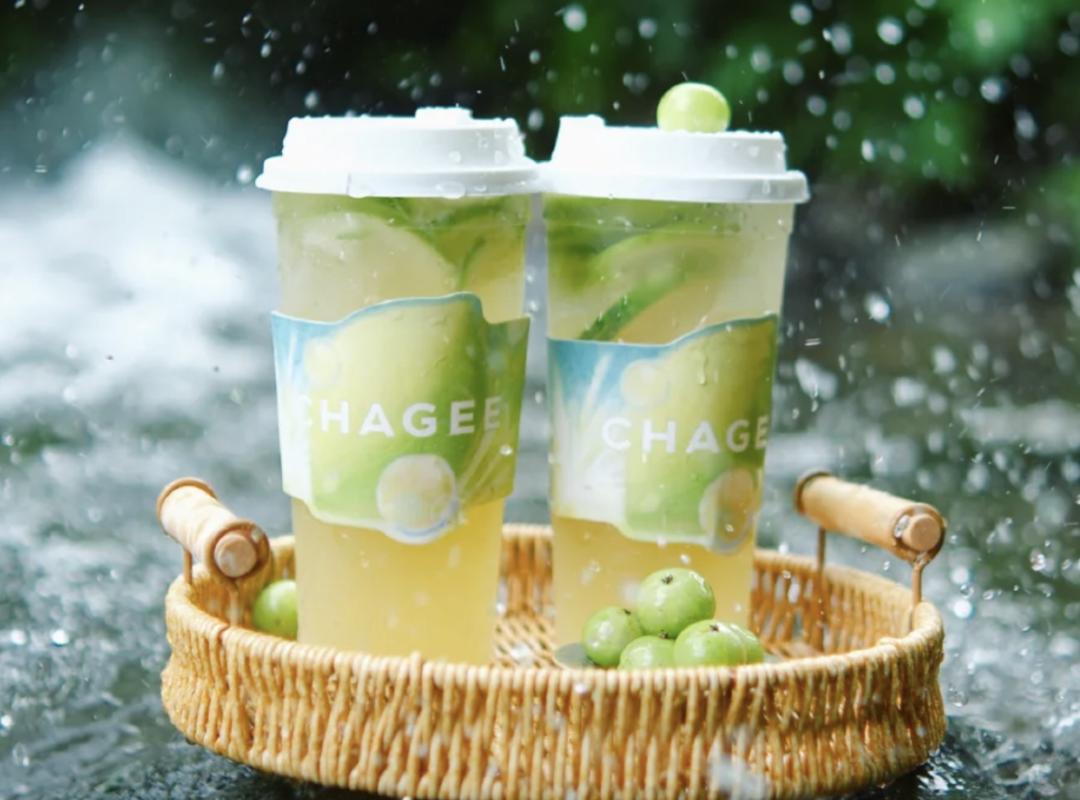
Core Insights - The rise of sparkling tea is becoming a significant trend in the beverage market, especially during the ongoing high-temperature summer, as consumers seek refreshing and thirst-quenching options [1][19] - Major brands like Bawang Chaji, 1点点, and Peet's are actively launching new sparkling tea products, indicating a competitive landscape in the beverage sector [1][4] - The market for sparkling tea is still in its early stages, with a lack of leading products that define consumer perception, but there is optimism for its growth potential [19] Market Trends - The demand for refreshing beverages has led to a surge in the popularity of sparkling tea, with social media discussions exceeding 5.8 million views [1] - Bawang Chaji's recent product launch, "滇橄榄," features both carbonated and non-carbonated versions, highlighting the appeal of enhanced flavor experiences [1][3] - The trend of "light drinking" is evident, with consumers favoring beverages that are refreshing and low in sugar, aligning with the characteristics of sparkling tea [10][19] Product Development - Various brands are experimenting with different tea bases and flavors for sparkling tea, such as 1点点's collaboration with San Pellegrino and Bawang Chaji's unique offerings [4][3] - The introduction of fruit flavors in sparkling tea is a strategy to attract consumers, as seen with Bawang Chaji's offerings [16][18] - The operational simplicity of producing sparkling tea allows for easier implementation in stores, with two main methods for carbonation [11][13] Consumer Engagement - The unique sensory experience provided by sparkling tea enhances consumer engagement, as the carbonation amplifies the perception of flavors [10][18] - Brands like 喧闹 have successfully captured consumer interest with their innovative fruit-flavored sparkling teas, leading to high repeat purchase rates [16][18] - The market is still developing, with many consumers yet to fully experience sparkling tea, presenting an opportunity for brands to educate and engage [16][19] Future Outlook - The sparkling tea segment is expected to grow, driven by its refreshing qualities and alignment with current consumer trends towards lighter, healthier beverages [19] - However, challenges remain, including the need for improved production techniques and the establishment of a flagship product to lead the market [19][21] - Industry experts remain optimistic about the potential for sparkling tea to evolve from a seasonal product to a sustainable niche market [19]
自提30个冰淇淋被店员“背刺”,蜜雪冰城回应
Guan Cha Zhe Wang· 2025-07-23 11:41
Group 1 - The incident involving a customer at a Mixue Ice Cream store highlights potential service quality issues within the company, as the customer reported negative interactions with staff when attempting to pick up 30 ice creams [1] - The store's response indicates a recognition of the situation, with an apology issued to the customer and a commitment to enhance employee training [1] Group 2 - The coffee market in China is experiencing significant growth, with a 19.54% year-on-year increase in the registration of coffee-related enterprises in the first half of the year, indicating a strong trend towards coffee consumption [2] - Major tea beverage companies, including Mixue Group, are expanding into the fresh coffee sector, leveraging existing resources to reduce operational costs and enhance product offerings [2] - The compound annual growth rate for the fresh coffee market in China is projected to be 19.8% from 2023 to 2028, making it the fastest-growing segment in the ready-to-drink beverage market [2] Group 3 - Five coffee industry projects with a total signed amount of approximately 400 million yuan have been established in Changsha County, focusing on key areas such as coffee equipment research and development, roasting, product processing, and green bean trade [3] - The construction of the largest and most comprehensive coffee industry complex in Central and Southern China is underway in Hunan (Changsha) [3] Group 4 - The first industry standard for the new tea beverage sector has been officially released, addressing quality requirements for raw materials, inspection methods, packaging, transportation, and storage [4] - This standard, effective from January 1, 2026, aims to regulate various components used in the production of fresh tea beverages, including tea leaves, fruits, dairy products, and sweeteners [4]

突破“网红”周期,爷爷不泡茶打造新茶饮的“北京样本”
Bei Ke Cai Jing· 2025-07-23 07:53
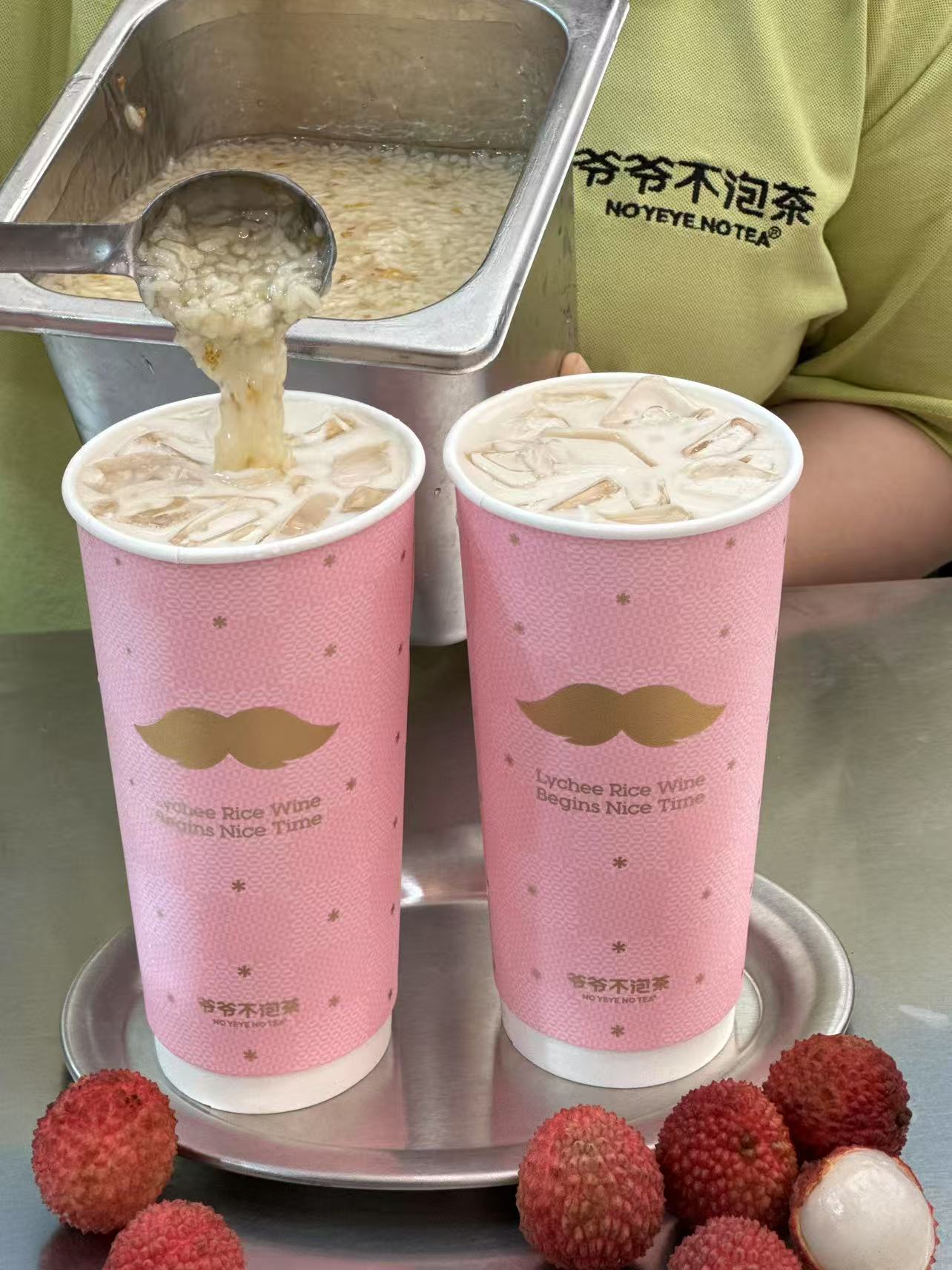
Core Insights - Beijing is viewed as a strategic platform for new consumer brands to expand from regional to national markets, but many brands struggle to maintain consumer interest after initial popularity [1][5] - The new tea beverage brand "爷爷不泡茶" (Grandpa Doesn't Brew Tea) has successfully transitioned from a popular brand to a sustainable one in Beijing, achieving significant growth and consumer loyalty [2][3][17] Group 1: Market Dynamics - The new tea beverage industry is characterized by rapid innovation and frequent brand turnover, leading to "flow anxiety" among companies as they compete for consumer attention [3][4] - In the past year, approximately 160,000 milk tea shops have closed, indicating a significant contraction in the market, with a net decrease of about 18,000 stores [4] Group 2: Brand Strategy - "爷爷不泡茶" opened its first store in Beijing's Sanlitun in October 2024, initially experiencing high demand with queues of up to 200 cups [2][5] - The brand has expanded rapidly, adding over 1,000 new stores nationwide in 2024, becoming the top brand in terms of store count and sales growth in the new tea beverage sector [3] Group 3: Product Innovation - The brand's unique offerings, such as the "荔枝冰酿" (Lychee Rice Wine), have resonated with consumers, achieving sales of 38 million cups and becoming a top product in its category [8][9] - The "荔枝冰酿" product combines cultural elements and emotional resonance, appealing to consumers' desire for both taste and cultural connection [9][15] Group 4: Cultural Integration - "爷爷不泡茶" emphasizes cultural integration in its products, using traditional ingredients and techniques to create a sense of cultural identity and emotional value for consumers [15][19] - The brand's marketing strategy includes collaborations with celebrities, such as actress Shu Qi, to enhance emotional connections with consumers and elevate brand perception [9][14] Group 5: Consumer Trends - The Beijing market is undergoing a transformation towards service-oriented, intelligent, and emotional consumption, with younger consumers driving demand for products that offer emotional value [19][21] - "爷爷不泡茶" has positioned itself as a brand that understands and caters to the preferences of younger consumers, establishing a strong market presence in Beijing [19][21]
喜茶亮相多地食安宣传周活动 分享食安管理创新经验
Bei Jing Shang Bao· 2025-07-23 06:31
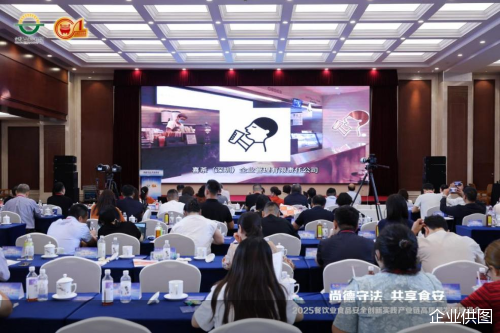
Core Viewpoint - The company, Heytea, has been recognized for its excellent food safety management practices and has participated in various food safety promotional activities across multiple cities in China, showcasing its commitment to consumer safety and industry standards [1][4]. Group 1: Participation in Food Safety Activities - Heytea was invited to participate in the 2025 Food Safety Promotion Week activities in cities like Beijing, Shanghai, and Tianjin, representing the new tea beverage industry [1][2]. - During these events, Heytea shared its food safety management experiences and was the only representative from the new tea beverage sector [2][5]. - The company was recognized as a "2024 Good Case in Food Safety Management" by the China Cuisine Association during the food safety promotional activities [4]. Group 2: Food Safety Management Practices - Heytea emphasizes food safety as a core aspect of its operations, implementing a comprehensive food quality safety control system that covers the entire supply chain from raw material procurement to store sales [2][5]. - The company has established a professional quality safety management team and an intelligent food safety management platform to ensure compliance with safety standards [2][5]. - Heytea conducts frequent training and food safety theme activities to cultivate a strong food safety culture within the organization [5]. Group 3: Training and Supervision - The company executes rigorous food safety training and supervision, conducting inspections at a frequency 12 times higher than the industry average [8]. - From January to May 2025, over 110,000 employees received food safety training, and more than 17,000 professional food safety inspections were conducted at its stores [8].
2025年上半年六大营销关键词
3 6 Ke· 2025-07-21 08:54
Group 1 - The article discusses the evolution of marketing trends, emphasizing the shift from traditional attention-grabbing tactics to a deeper understanding of consumer emotions and values [2][3][4] - It highlights the emergence of the "emotional economy," where brands are encouraged to facilitate consumer expression rather than merely reflecting emotions in marketing [5][7][8] - The concept of "story monetization" is introduced, where storytelling becomes a fundamental infrastructure for brands, allowing consumers to identify with the brand's narrative [9][10][11] Group 2 - The article identifies "silent loyalty" as a growing trend, focusing on consumers who consistently purchase without engaging in active brand interactions [13][15][16] - It suggests that brands should prioritize stable experiences and clear communication to build trust with these silent consumers [17][18][19] - The piece also discusses the fragmentation of consumer circles, where algorithm-driven content distribution creates distinct communities with unique values and communication styles [18][19][20] Group 3 - The article outlines the AI marketing revolution, describing how AI tools are evolving from mere execution devices to collaborative partners in the marketing process [21][22][23] - It emphasizes the need for marketers to adapt to this new paradigm, where AI assists in decision-making and strategy formulation [24][27] - The concept of "multi-modal ecological integration" is introduced, highlighting the importance of creating immersive brand experiences in physical spaces rather than just digital interactions [28][30][31] Group 4 - The conclusion reiterates the importance of brands maintaining a stable presence and building trust amidst uncertainty, suggesting that genuine connections with consumers are essential for long-term loyalty [33][34][35]
穷鬼赛道,捧出了2个河南首富
Sou Hu Cai Jing· 2025-07-21 04:51
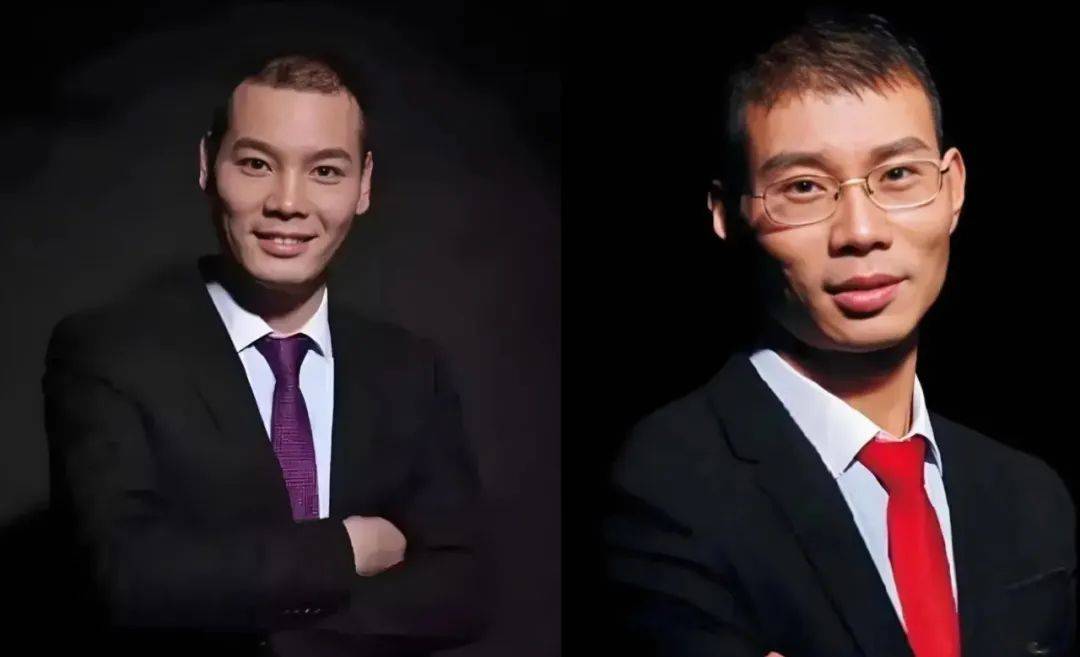
Core Insights - The article highlights the rapid rise of Mixue Ice City, founded by Zhang Hongchao and Zhang Hongfu, who became the new richest individuals in Henan with a net worth of 117.9 billion yuan, surpassing previous wealth holders in the region [2][3] - Mixue Ice City has successfully positioned itself in the low-price beverage market, with a significant expansion to over 46,000 stores globally and a successful IPO in Hong Kong, where its stock price surged from 202.5 yuan to 494 yuan per share [2][3][42] - The brand's resilience is demonstrated by its ability to navigate challenges, including a food safety scandal, while maintaining strong public support and brand loyalty [3][5][7] Company Overview - Mixue Ice City was founded in 1997, initially as a shaved ice shop named "Hanliu Shaved Ice," and has evolved into a major player in the beverage industry, focusing on affordable products [18][21] - The company has maintained a consistent pricing strategy, with popular items like lemon water priced at 4 yuan and ice cream cones at 2 yuan, which has contributed to its appeal among cost-sensitive consumers [2][10][32] - The brand has built a strong marketing identity around its mascot, "Xue Wang," which has become a cultural symbol and has significantly boosted brand recognition and engagement [36][39] Market Position - Mixue Ice City has become the largest chain in the beverage sector, selling 9 billion cups of drinks in 2024 and achieving a total revenue of 24.8 billion yuan [43] - The company has strategically avoided high-end markets, focusing instead on the low-cost segment, which has proven to be a successful long-term strategy [30][32] - The competitive landscape for new tea beverages has intensified, with Mixue Ice City preparing for ongoing challenges while continuing to expand its product offerings and market presence [49][50] Future Outlook - Despite recent growth, the company faces potential challenges, including rising costs due to global lemon supply issues and increased competition in the beverage market [49][50] - The leadership dynamics between the founders, with Zhang Hongchao advocating for stability and Zhang Hongfu pushing for aggressive expansion, will be crucial in navigating future market conditions [50][51] - The brand's ability to adapt to changing consumer preferences and maintain its low-cost model will be key to sustaining its market leadership in the coming years [49][50]
一个网红奶茶开始落寞
投资界· 2025-07-19 08:11
Core Viewpoint - The article discusses the decline of the once-popular tea brand, Chayan Yuesheng, highlighting the challenges it faces in a competitive market where consumer preferences have shifted towards convenience and simplicity [5][15][27]. Group 1: Market Dynamics - The tea market has become increasingly competitive, with brands like Cha Bai Dao, Mi Xue Bing Cheng, and Gu Ming going public, while Chayan Yuesheng has lost its previous prominence [5][12]. - Consumers now prefer quick and easy access to beverages rather than the elaborate experiences that once characterized brands like Chayan Yuesheng [5][27]. - The brand's initial success was attributed to its unique offerings and reasonable pricing, but it has struggled to maintain this momentum as competition intensifies [7][12]. Group 2: Brand Challenges - Chayan Yuesheng has faced criticism for long wait times and a complicated ordering process, which has led to a decline in customer patience and loyalty [5][13][23]. - The brand's attempts to innovate and expand its product line have not resonated well with its loyal customer base, leading to dissatisfaction with changes in classic offerings [14][15]. - Despite achieving significant profits, the brand's visibility and consumer engagement have diminished, with fewer people aware of its new developments [18][20]. Group 3: Consumer Behavior - The article notes a shift in consumer behavior, where the novelty of waiting in line for a trendy drink has worn off, and customers are now more inclined to seek convenience [27][28]. - The brand's marketing strategies, which once attracted attention, are now perceived as outdated and cumbersome, leading to a loss of appeal among younger consumers [24][27]. - As competition grows, consumers are increasingly drawn to brands that offer faster service and better value, diminishing Chayan Yuesheng's market share [27][28].

“外卖大战”已烧掉250亿,谁赚到钱了?
Hu Xiu· 2025-07-19 01:17
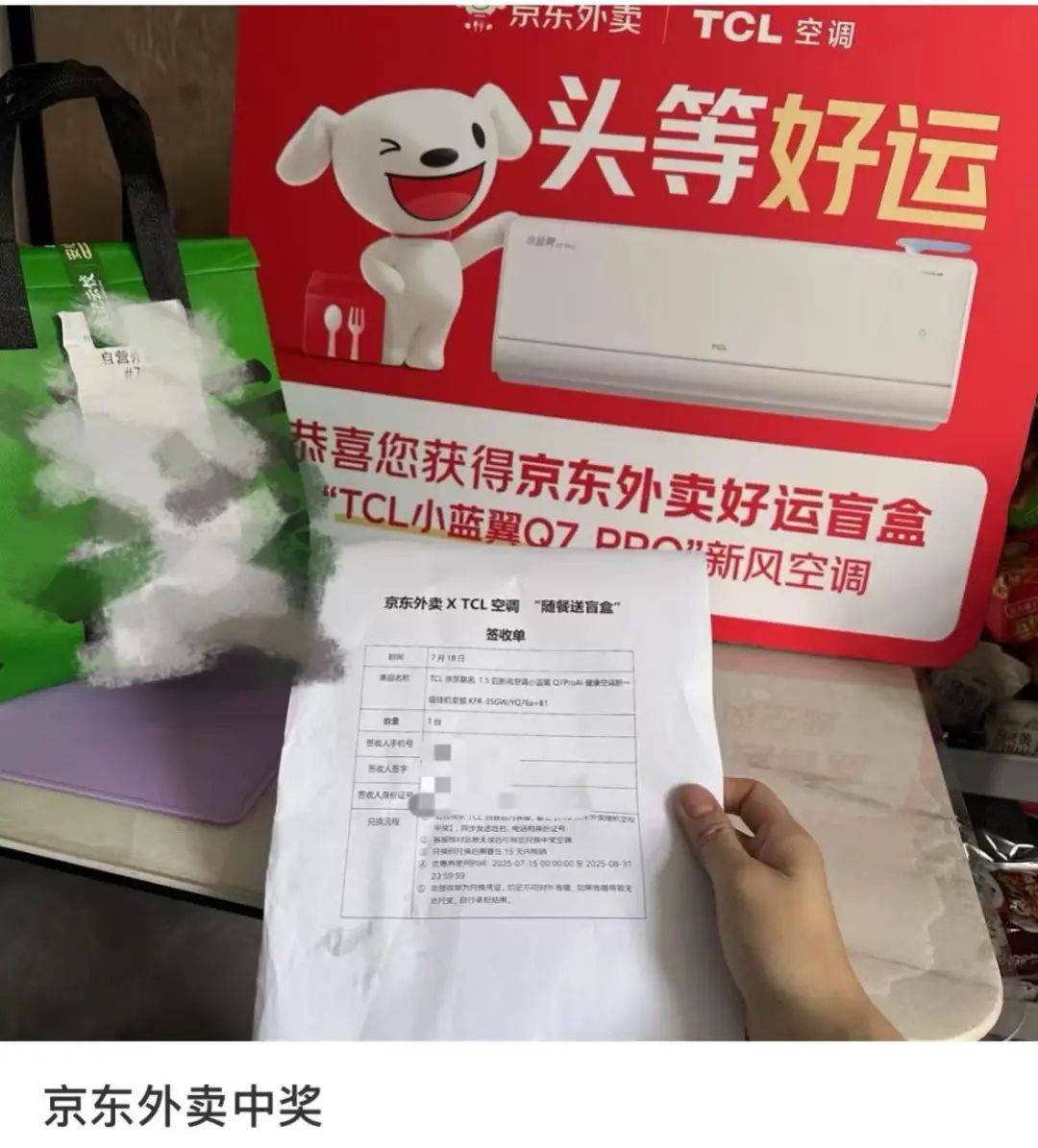
Group 1 - The core point of the article is the ongoing fierce competition among major food delivery platforms, particularly highlighted by JD's "Super Takeout Day" on July 18, which involved significant subsidies and promotional activities to attract consumers [2][4][54] - JD launched over 10 billion yuan in subsidies during the "Super Takeout Day," offering limited-time deals such as 16.18 yuan for small crayfish, while other platforms like Meituan and Taobao Flash Sale also provided substantial discounts [7][60] - The competition has led to a dramatic increase in order volumes, with some tea and coffee brands seeing their order share rise from 10%-15% to 25%-50% on major platforms [14][60] Group 2 - The subsidy war has resulted in a significant boost for delivery riders, with some reporting daily earnings exceeding 800 yuan due to the surge in orders, which have increased by 2-3 times compared to normal [9][50] - However, the intense competition has created disparities among merchants, with chain stores benefiting from increased online orders while smaller, offline-focused businesses struggle to maintain profitability [40][41] - The article notes that the ongoing subsidy battle has led to a collective rise in stock prices for upstream supply chain companies, with some experiencing multiple consecutive days of stock price increases [11][36] Group 3 - The article discusses the potential unsustainability of the subsidy war, as platforms are burning through substantial amounts of cash, with a reported total expenditure of 250 billion yuan in July alone [54][57] - Despite the short-term gains in order volume, there are concerns about the long-term viability of such aggressive promotional strategies, as they may not be sustainable for the platforms involved [57][59] - The article concludes with a note on the evolving consumer behavior, as many users who previously rarely ordered takeout are now doing so more frequently due to the attractive subsidies [61][62]


茶咖日报|玩文字游戏?奈雪的茶“瘦瘦小绿瓶”被指涉嫌虚假宣传
Guan Cha Zhe Wang· 2025-07-17 12:57
Group 1 - Tea Yan Yue Se faced allegations of plagiarizing the album cover of Fang Datong's "Dreamer" for its snack packaging, leading to the product's removal and an apology for oversight in the creative review process [1] - Naixue's Tea launched a "Slim Green Bottle" that misled consumers into thinking it was a weight-loss drink, while the actual product has a calorie count comparable to a bowl of rice, raising concerns about potential false advertising [2] - Cha Bai Dao opened its first two stores in Singapore, offering 18 drink options with prices ranging from 2.5 to 6.9 Singapore dollars (approximately 14 to 38.6 RMB) [3] Group 2 - Hu Shang A Yi celebrated its 12th anniversary with new product launches and promotional activities, emphasizing the theme of "Eastern Her Power" through collaborations with various female representatives [4] - The brand has expanded significantly since its inception in 2013, now operating over 9,000 stores across more than 300 cities [4] - Hu Shang A Yi plans to continue leveraging tea as a medium for product development, brand building, and social responsibility, aiming to empower consumers, particularly women [5]