
钢铁

Search documents
每日商品期市纵览-20260317
Dong Ya Qi Huo· 2026-03-17 10:21
1. Report Industry Investment Rating No relevant content provided. 2. Core Viewpoints of the Report - The overall market is affected by geopolitical conflicts in the Middle East, with significant price fluctuations in various sectors. The short - term market is mainly in a state of shock, and investors need to pay attention to geopolitical changes and economic data trends [1][2][3]. 3. Summary by Related Catalogs Financial Futures - **Stock Index**: The expectation of the easing of the Middle East crisis boosts global risk appetite, and domestic economic data from January to February is favorable. However, due to the influence of the Spring Festival month - shift and external uncertainties, the market sentiment needs to be repaired, and the short - term trend is mainly oscillatory [2]. - **Treasury Bonds**: Rising oil prices and improved economic data from January to February put pressure on the bond market. The short - term bond market lacks bullish factors, and attention should be paid to the sustainability and strength of economic recovery [2]. Non - ferrous Metals - **Platinum and Palladium**: The continuous escalation of geopolitical conflicts in the Middle East, tariff policy uncertainties, and rising South African electricity prices support the long - term upward trend of platinum - group metals [3]. - **Gold and Silver**: Precious metals are in a low - level shock. The market focuses on geopolitical risks and Fed rate - cut expectations, and the Fed's March FOMC meeting is a key focus [3][4]. - **Copper**: The replenishment demand of downstream enterprises supports the domestic social inventory reduction, and the US energy department's plan to support key mineral processing is a long - term positive [5]. - **Aluminum**: The blockade of the Strait of Hormuz intensifies the supply shortage of electrolytic aluminum in the Middle East, and the short - term price is mainly affected by the war situation [5]. - **Alumina**: Domestic production is affected by regular maintenance and new capacity release, and overseas is affected by geopolitical situations, with mixed long and short news [5]. - **Cast Aluminum Alloy**: It has a strong follow - up to Shanghai aluminum, and there is strong support below [6]. - **Zinc**: The market is trading on macro - bearish factors. Supply and demand are under pressure, and the zinc price is expected to be in a weak shock [6][7]. - **Nickel and Stainless Steel**: The shipping volume of nickel ore is seasonally declining, and the downstream of new energy is in the off - season. Stainless steel inventory is decreasing, but the consumer market is not hot [7]. - **Tin**: Geopolitical and rate - cut delay factors are bearish. Supply has a buffer, demand is starting to resume, and the market is in a weak shock [8]. - **Lithium Carbonate**: The short - term price is affected by the Middle East situation, but the long - term demand growth logic remains unchanged [9]. - **Industrial Silicon and Polysilicon**: The industry is at the bottom of the production capacity cycle, and attention should be paid to the process of "anti - involution" and supply - demand optimization [9]. - **Lead**: Affected by macro factors, the supply is increasing, demand recovery is slow, and the price is expected to oscillate [10]. Black Metals - **Rebar and Hot - rolled Coil**: Geopolitical conflicts in Iran drive up the prices of coking coal and iron ore, providing cost support for steel. The production of rebar is expected to increase, while hot - rolled coil may reduce production [11]. - **Iron Ore**: The short - term price is strengthened by negotiation events, but the supply - demand situation is still oversupplied, and the price may reverse quickly [12]. - **Coking Coal and Coke**: In the terminal demand verification period, the black - series prices may face downward pressure, but the price has some support at the bottom [13]. - **Ferrosilicon and Silicomanganese**: The cost support is gradually strengthening, but the upward space is limited due to weak downstream demand and high inventory [14]. Energy and Chemicals - **Crude Oil**: Geopolitical situations dominate the pricing logic, and the oil price fluctuates greatly. The supply reduction continues, and the market sentiment is cautious [15]. - **Fuel Oil**: The Asian fuel oil market is strongly supported by supply concerns, and the short - term strong pattern continues [15]. - **Asphalt**: Geopolitical factors drive up the price of crude oil, leading to preventive production cuts. The demand is weak, showing a state of high price but low trading volume [16]. - **Pure Benzene - Styrene**: The chemical sector fluctuates with geopolitical situations, and the cost is supported by rising crude oil prices. The market sentiment is affected by the US attitude [17][18]. - **PP and Propylene**: The PP market follows the crude oil price. The supply of PP is reduced, and the export window is opened. The supply of propylene is relatively loose [18]. - **Plastic**: It follows the crude oil price. The supply is reduced, and the export may increase. The demand is suppressed by high prices [19]. - **Rubber**: The macro - sentiment and geopolitical factors are mixed. The demand for rubber is bearish, but synthetic rubber has cost support [19]. - **Soda Ash**: The supply pressure is high, and the demand is relatively stable. The price space is limited, and the long - term supply is expected to remain high [20][21]. - **Glass**: The cold - repair expectation of float glass continues, and the mid - stream inventory is high. The supply return expectation and high inventory limit the price increase, and the demand needs to be verified [21]. - **Caustic Soda**: The supply is at a relatively high level, and the demand is differentiated. The inventory is high, and the export has a certain supporting effect on the market [22]. Agricultural Products - **Hogs**: The current market is mainly trading on the weak post - Spring Festival demand. The price decline is supported by secondary fattening sentiment, but the upward driving force is weak [23][24]. - **Oilseeds**: The Sino - US negotiation in April is postponed, and the market shows a pattern of "buying expectations and selling reality". The short - term spot price is firm, but the medium - term supply is abundant [24]. - **Oils**: The oil market follows the crude oil trend, and short - term policies are favorable. It is expected to maintain a strong operation [25]. - **Cotton**: Affected by geopolitical conflicts, the market sentiment is volatile, but the cotton price is relatively firm. The supply - demand tightening expectation supports the price, and the import quota policy may lead to a small - scale correction [25]. - **Sugar**: The oil - alcohol - sugar transmission mechanism supports the sugar price, and the price increase mainly depends on the supply - demand fundamentals [26]. - **Eggs**: The supply is sufficient, and the demand is gradually recovering. The inventory pressure is relieved, and the demand is expected to be boosted by the approaching Tomb - sweeping Festival [27][28]. - **Apples**: The futures market is strongly supported by fundamentals and delivery logic, and the short - term trend is strong [28]. - **Red Dates**: The market focus is on the demand side. The downstream sales are average, and the price is expected to oscillate at a low level [28].
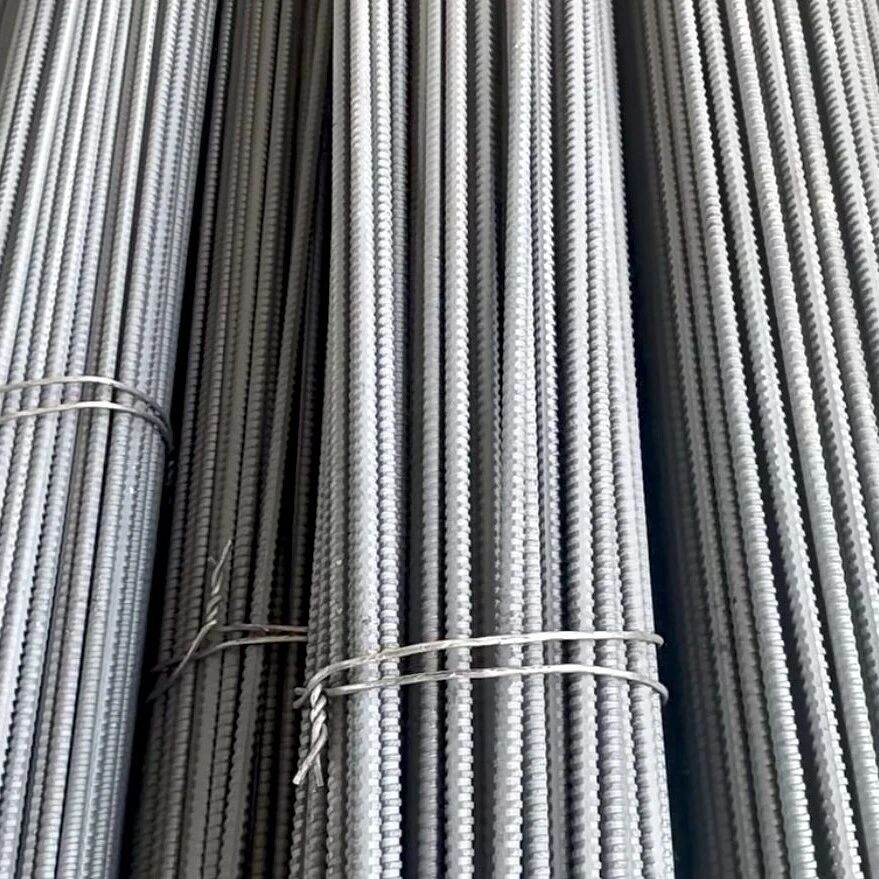
一图看懂 | 螺纹钢概念股
市值风云· 2026-03-17 10:11
Group 1 - The steel sector is expected to experience value recovery due to long-term improvements in supply and demand dynamics, driven by a "de-involution" trend in the industry [5] - The combination of cost support and low valuations in the steel sector suggests a favorable outlook for value restoration [5] Group 2 - The article categorizes various companies in the steel industry based on their business models, including rebar-dependent, transformation-focused, and diversified comprehensive types [6][7] - Specific companies mentioned include: - Rebar-dependent: Zhongnan Co., Sansteel Minguang, Fangda Special Steel, Lingang Co., Jiugang Hongxing [7] - Transformation-focused: Anyang Iron & Steel, Shagang Co., Xinsteel Co., Nanjing Steel, Shandong Steel [7] - Diversified comprehensive: Hebei Steel, Liugang Co., Bayi Steel [8]

螺纹热卷日报-20260317
Yin He Qi Huo· 2026-03-17 09:32
Group 1: Report Industry Investment Rating - No relevant content Group 2: Core Viewpoints of the Report - The black metal sector maintained a volatile and slightly stronger trend today, but the volatility of steel prices further decreased. Short - term steel prices lack driving forces, with overall weak spot trading, less spot - futures purchases, and increasing market wait - and - see sentiment [5]. - Last week, the output of the five major steel products increased slightly. Among them, rebar output continued to increase while hot - rolled coil output decreased. However, as production suspensions and overhauls end this week, pig iron production is expected to resume [5]. - Recently, downstream demand has seasonally recovered, showing good performance, but inventories are still accumulating rapidly. Rebar inventory is accumulating faster, while hot - rolled coil inventory has started to decline [5]. - The capital availability of downstream construction sites across the country has improved recently, but the resumption of work and capital conditions are still weaker than in previous years [5]. - Recently, export orders have been performing well, leading to an improvement in the supply - demand situation of hot - rolled coils, but the overall inventory level is still high, and there is pressure on supply and demand [5]. - Overseas geopolitical frictions have increased recently, energy prices and shipping freight rates have continued to rise, and there are rumors of import disruptions for iron ore. If the frictions intensify in the future, it may drive up the raw material costs of steel [5]. - Short - term steel prices will maintain a volatile market with support at the bottom. In the future, attention should be paid to pig iron production, downstream demand performance, and overseas geopolitical frictions [5]. Group 3: Summary by Related Catalogs Market Information - Spot prices: Shanghai Zhongtian rebar is 3220 yuan (unchanged), Beijing Jingye rebar is 3170 yuan (+10 yuan), Shanghai Angang hot - rolled coil is 3290 yuan (+10 yuan), and Tianjin Hegang hot - rolled coil is 3220 yuan (unchanged) [4]. Market Judgments Trading Strategies - Unilateral trading: Follow overseas sentiment and maintain a volatile trend [6]. - Arbitrage: It is recommended to short the hot - rolled coil to coking coal ratio at high prices, and continue to hold the short position of the hot - rolled coil to rebar spread [6]. - Options: It is recommended to wait and see [7]. Important Information - From January to February 2026, China's pig iron output was 137.7 million tons, a year - on - year decrease of 2.7%; crude steel output was 160.34 million tons, a year - on - year decrease of 3.6%; and steel output was 221.19 million tons, a year - on - year decrease of 1.1% [8]. - On March 12, 2026, the UK Trade Remedies Authority issued an announcement, making a positive final anti - dumping ruling on tin - plated sheets originating from China. The dumping margin for Shougang Group is 27.85%, the injury margin is 62.39%, and the anti - dumping duty is 27.85%. The dumping margin for other exporters is 49.98%, the injury margin is 88.00%, and the anti - dumping duty is 49.98%. It is recommended to impose an anti - dumping duty on Chinese products involved for a period of 5 years [8][9]. Related Attachments - The report provides multiple charts, including the basis of rebar and hot - rolled coil contracts (01, 05, 10 contracts in Shanghai area), the price differences between different contracts (01 - 05, 05 - 10, 10 - 01), the spread between hot - rolled coil and rebar, the disk profit of rebar and hot - rolled coil contracts, the cash profit of different steel products (such as East China rebar, Tianjin hot - rolled coil, etc.), the cash profit of electric furnaces (at flat and valley electricity prices), the cash profit of Tangshan billets, the price difference between East China pig iron and scrap steel, the price difference between cold and hot rolled products in Shanghai, and the cost of East China electric furnaces [14][16][20]
现实预期博弈,震荡运行为主
Zhong Xin Qi Huo· 2026-03-17 08:32
1. Report Industry Investment Rating - The mid - term outlook for the black building materials industry is "Oscillation" [8] 2. Core View of the Report - In the first year of the 15th Five - Year Plan, there are still policy expectations, Sino - US trade consultations are progressing normally, and geopolitical conflicts have great uncertainties. The supply side of iron ore is constantly disturbed, and the iron ore price has strong support. However, the fundamentals in the off - season lack highlights, and the upside drive from the real - world end is limited. The prices of coking coal and coke fluctuate more with crude oil, and the price of glass and soda ash is under pressure. It is necessary to continue to pay attention to the disturbances from the geopolitical end and the iron ore supply side [3][4] 3. Summary According to Relevant Catalogs 3.1 Iron Element - **Iron ore**: Overseas mine shipments increased month - on - month, and the arrival rhythm fluctuated. In the short term, it is expected to oscillate; in the medium and long term, the high - inventory pressure is difficult to relieve, and it is expected to oscillate weakly. If macro disturbances weaken, the fundamental pressure of iron ore will be greater [4][11] - **Scrap steel**: The supply - demand pattern of the scrap steel market has marginally improved, with demand recovering slightly faster than supply. The fundamentals provide some support for the price. In the short term, it is expected to follow the rise of finished product prices [4][13] 3.2 Carbon Element - **Coke**: In the short term, both supply and demand of coke increase, and the iron - making water production may recover faster. The spot price has strong support, and the futures price is expected to follow the cost - end coking coal [4][5][16] - **Coking coal**: The resumption of coal mines is still restricted, and the high import of Mongolian coal brings pressure. The spot price is unlikely to rise sharply. The futures price is affected by macro expectations and geopolitical conflicts. If the geopolitical conflict continues, it may be strong; if it eases, it is expected to oscillate [5][17] 3.3 Alloys - **Manganese silicon**: The supply - demand of the manganese silicon market remains loose, with high upstream inventory. There is resistance in cost transmission, and there is a risk of high - level valuation correction above the cost line [5][22] - **Silicon iron**: The current supply - demand contradiction of the silicon iron market is limited, but the continuous repair of profits may accelerate the resumption of production, making the supply - demand relationship gradually turn to looseness. There is a risk of high - level price correction [5][23] 3.4 Glass and Soda Ash - **Glass**: The supply has disturbance expectations, but the inventory of the middle and downstream is moderately high. The current supply - demand is still in surplus. If production and sales cannot improve continuously, high inventory will suppress the price [5][8][18] - **Soda ash**: The supply is stable at a high level in the short term, and the overall supply - demand is in surplus. It is expected to oscillate in the short term. In the long term, the surplus pattern will intensify, and the price center will decline [5][8][21] 3.5 Steel - The downstream demand is slowly recovering, and the cost has certain support. However, the steel inventory is high, and the upside of the price is limited. It is necessary to pay attention to geopolitical disturbances and peak - season demand [10] 3.6 Commodity Index - On March 16, 2026, the comprehensive index of CITIC Futures was 2607.75, down 0.63%; the commodity 20 index was 2943.75, down 1.02%; the industrial product index was 2578.45, down 0.05%. The steel industry chain index on March 16, 2026, had a daily decline of 0.50%, a 5 - day increase of 2.01%, a 1 - month increase of 2.69%, and a year - to - date increase of 1.40% [108][110]
FICC日报:股指探底回升-20260317
Hua Tai Qi Huo· 2026-03-17 08:30
Report Industry Investment Rating - Not provided Core Viewpoints - The latest economic data shows that the domestic economy has generally recovered at the beginning of the year, which is expected to provide strong support for the market. The current market trading volume has remained steadily above 2 trillion yuan, and market sentiment has gradually stabilized. The Shanghai Composite Index has been running in the range above 4,000 points, and the four major indexes have shown a pattern of alternating strength and weakness [2] Summary by Directory Market Analysis - **Economic Recovery**: In the domestic macro - aspect, from January to February, the national fixed - asset investment increased by 1.8% year - on - year. After excluding real estate development investment, it increased by 5.2%, while real estate development investment decreased by 11.1%. The added value of industrial enterprises above the designated size increased by 6.3%, the service industry production index increased by 5.2%, and the total retail sales of consumer goods increased by 2.8%. Overseas, Trump mentioned military actions against Iran and called on the Fed to cut interest rates [1] - **Index Rebound**: In the spot market, the three major A - share indexes rebounded after hitting the bottom. The Shanghai Composite Index fell 0.26% to close at 4084.79 points, and the ChiNext Index rose 1.41%. In terms of industries, the sector indexes showed mixed performance. The food and beverage, electronics, and commercial and retail industries led the gains, while the steel, non - ferrous metals, basic chemicals, and public utilities industries led the losses. The market trading volume on that day was 2.3 trillion yuan. Overseas, the three major US stock indexes closed up, with the Nasdaq rising 1.22% to 22374.18 points [1] - **Index Futures Position Increase**: In the futures market, the basis of IF, IC, and IM rebounded. In terms of trading volume and positions, the trading volume and positions of index futures increased simultaneously [1] Strategy - The latest economic data indicates that the domestic economy at the beginning of the year shows a recovery trend, which can support the market. The stable trading volume above 2 trillion yuan reflects stable market sentiment. The Shanghai Composite Index runs above 4000 points, and the four major indexes alternate in strength [2] Macro - economic Charts - The charts include the relationship between the US dollar index and A - share trends, the relationship between US Treasury yields and A - share trends, the relationship between the RMB exchange rate and A - share trends, and the relationship between US Treasury yields and A - share styles [5][7][9] Spot Market Tracking Charts - **Stock Index Performance**: The daily performance of major domestic stock indexes on March 16, 2026, shows that the Shanghai Composite Index fell 0.26%, the Shenzhen Component Index rose 0.19%, the ChiNext Index rose 1.41%, the CSI 300 Index rose 0.05%, the SSE 50 Index fell 0.09%, the CSI 500 Index fell 0.66%, and the CSI 1000 Index fell 0.04% [12] - **Other Indicators**: The charts also show the trading volume of the Shanghai and Shenzhen stock markets and the margin trading balance [13] Futures Market Tracking Charts - **Position and Volume**: The positions and trading volumes of IF, IH, IC, and IM index futures all increased. For example, the position of IF increased by 18,942 to 124,362, and the trading volume increased by 2,094 to 273,674 [17] - **Basis**: The basis of IF, IH, IC, and IM index futures showed different changes. For example, the current - month contract basis of IF was - 8.76, with a change of + 2.38 [39] - **Inter - period Spread**: The inter - period spreads of IF, IH, IC, and IM index futures also had various changes. For example, the spread between the next - season and current - month contracts of IF was - 73.80, with a change of + 0.60 [47]
刚刚,A股跳水原因找到了!
天天基金网· 2026-03-17 08:22AI Processing
上天天基金APP搜索777注册即可领500元券包,优选基金10元起投!限量发放!先到先得! 一起看看今天市场"一泻千里"的原因。 A股跳水 3月17日,市场全天高开低走,创业板指午后跌超2%。截至收盘, 沪指跌0.85%,深成指跌 1.87%,创业板指跌2.29%。 两市共867只个股上涨,52只个股涨停,4541只个股下跌。 钢铁板块逆市走强,酒钢宏兴、安阳钢铁涨停。 | 代码 | 名称 | | 涨幅% | 现价 | | --- | --- | --- | --- | --- | | 600569 | 安阳钢铁 | R | 10.16 | 2.82 | | 600307 | 酒钢宏兴 | . R | 10.00 | 2.20 | | 000717 | 中南股份 | R | 7.06 | 2.88 | | 600231 | 凌钢股份 | R | 4.89 | 2.36 | | 200281 | 八一钢铁 | . R | 2.45 | 2.93 | | 600022 | 山东钢铁 | R | 2.40 | 1.71 | | 601005 | 重庆钢铁 | R | 1.96 | 1.56 | | 600282 | ...
供需有所改善,钢价跟随原料
Hua Tai Qi Huo· 2026-03-17 08:16
Report Industry Investment Rating No relevant information provided. Core Viewpoints - The supply - demand situation of steel has improved, and steel prices will follow raw materials. With the arrival of the consumption peak season, steel supply - demand is expected to improve, but inventory pressure remains a key factor restricting steel prices. The price will follow raw material fluctuations in the short term, and the de - stocking situation in the peak season and raw material price changes should be monitored later [1]. - Iron ore prices will maintain a volatile operation in the short term. As steel mills resume production, iron ore supply and demand contradictions have not further intensified, and high inventory will continue to suppress price performance in the long term. Attention should be paid to the Middle East situation, non - mainstream iron ore shipments, iron ore inventory, and negotiation progress [3]. - The supply - demand of coking coal and coke is relatively balanced, and prices will run in a volatile manner. After the Two Sessions, coal mine production has gradually resumed, and the supply of coking coal has increased. Coke enterprises and steel mills are gradually resuming production, and the supply - demand contradiction is limited. The impact of the Middle East situation on coal prices should be noted later [5][6]. - The supply - demand of thermal coal has weakened, and coal prices are under short - term pressure. Coal supply has increased after the Two Sessions, while consumption has weakened due to seasonality. The impact of non - power coal consumption and restocking should be focused on later [8]. Summary by Related Catalogs Steel - **Market Analysis**: Steel futures prices fluctuated, and domestic steel market prices showed mixed trends. The trading volume of construction steel rebounded, with 10130 tons of national building materials traded. Due to the early implementation of fiscal policies, infrastructure and manufacturing investment improved from January to February [1]. - **Supply - Demand and Logic**: The supply - demand contradiction of steel is limited. Building materials maintain a situation of weak supply and demand, and inventory is slightly higher than the same period. Plate production is relatively high, and demand is also resilient, but inventory pressure is greater than that of building materials. With the arrival of the peak season, supply - demand is expected to improve, but inventory pressure restricts price increases. The Middle East situation indirectly supports the bottom of steel prices. Steel prices will follow raw material fluctuations in the short term [1]. - **Strategy**: Unilateral trading is expected to be volatile; there are no strategies for inter - period, inter - variety, spot - futures, and options trading [2]. Iron Ore - **Market Analysis**: Iron ore futures prices fluctuated weakly. The prices of mainstream imported iron ore varieties at Tangshan ports fluctuated slightly. Steel mills' purchases were mainly for rigid demand. Global iron ore shipments increased slightly, with a total of 30.49 million tons, a 5.2% month - on - month increase. The arrival volume at 45 ports decreased significantly, with a total of 22.15 million tons, a 15.1% month - on - month decrease [3]. - **Supply - Demand and Logic**: Global iron ore shipments increased week - on - week. High ore prices have continuously stimulated supply, but the actual supply pressure has eased. As steel mills end production restrictions, hot metal output will increase. The supply - demand contradiction has not further intensified in the short term, and high inventory will continue to suppress prices in the long term [3]. - **Strategy**: Unilateral trading is expected to be volatile; there are no strategies for inter - period, inter - variety, spot - futures, and options trading [4]. Coking Coal and Coke - **Market Analysis**: Coking coal and coke futures fluctuated. The price of raw coal in the production area was relatively stable, and the price of Mongolian No. 5 raw coal was about 1100 yuan/ton, showing a month - on - month increase. The cost of coking coal for furnaces increased, and coking profits were acceptable due to the rebound of chemical product prices [5]. - **Supply - Demand and Logic**: After the Two Sessions, coal mines in the production area gradually resumed production, and the customs clearance of Mongolian coal remained at a high level. The overall supply of coking coal increased. Coke enterprises and steel mills are gradually resuming production, and the supply - demand contradiction is limited. Prices will remain stable in the short term [6]. - **Strategy**: Both coking coal and coke are expected to be volatile; there are no strategies for inter - period, inter - variety, spot - futures, and options trading [7]. Thermal Coal - **Market Analysis**: The price of thermal coal in the main production areas fluctuated weakly, and the port price showed a downward trend. Coal supply in the production area increased steadily, and some terminal restocking demand was released. Port inventory continued to increase, while downstream demand was weak due to the approaching off - season. The import cost increased, and the price difference between domestic and foreign trade widened [8]. - **Supply - Demand and Logic**: Coal supply increased after the Two Sessions, while consumption weakened due to seasonality. Coal prices will fluctuate weakly in the short term. The impact of non - power coal consumption and restocking should be focused on later [8].
【广发宏观贺骁束】3月经济初窥
郭磊宏观茶座· 2026-03-17 07:50
Core Viewpoint - The article discusses the current state of various industries in China, highlighting the fluctuations in production, demand, and economic indicators as of March 2026, with a focus on the impact of seasonal factors and the post-holiday recovery phase. Group 1: Power Generation and Industrial Operations - As of March 12, the cumulative power generation from coal-fired power plants decreased by 4.5% year-on-year, with a cumulative decline of 0.3% for the year [1][6] - The industrial operating rates show mixed trends, with the average operating rate of 247 blast furnaces falling by 3.0 percentage points year-on-year, while coking enterprises saw a recovery of 1.6 percentage points [2][7] - The operating rate for PVC increased by 1.1 percentage points year-on-year, while the operating rate for polyester filament weaving in Jiangsu and Zhejiang decreased by 14.8 percentage points [2][8] Group 2: Steel Production - The average daily crude steel production from key enterprises increased by 0.5% month-on-month but fell by 6.1% year-on-year as of March 10 [2][9] - The production of rebar from major steel mills rose by 5.1% month-on-month but decreased by 17.9% year-on-year [2][10] Group 3: Construction and Real Estate - The construction site resumption rate was 42.5%, down 5.2 percentage points year-on-year, indicating a need for further observation in the coming weeks [3][12] - From March 1 to March 16, the average daily transaction volume of commercial housing in 30 major cities fell by 9.8% year-on-year, a significant improvement from February's decline of 28.0% [3][16] Group 4: Consumer Electronics and Shipping - The production of home appliances continued to decline, with air conditioners, refrigerators, and washing machines seeing sales drop by 22.8% to 18.2% year-on-year [3][19] - The container throughput at domestic ports grew by 4.6% year-on-year, a decrease from February's 19.3% growth [3][20] Group 5: Economic Indicators - The Business Price Index (BPI) rose to its highest level since November 2022, indicating a strengthening in traditional industrial products [3][23] - The overall economic recovery in March is expected to show a slight decline in year-on-year comparisons due to the timing of the Spring Festival [5][27]

金属行业周报:国内需求缓慢复苏,地缘局势扰动情绪-20260317
BOHAI SECURITIES· 2026-03-17 07:43
Investment Rating - The report maintains a "Positive" rating for the steel industry and a "Positive" rating for the non-ferrous metals industry [2] Core Insights - Domestic demand is slowly recovering, but geopolitical tensions are affecting market sentiment [1] - The steel supply is expected to continue recovering as environmental production restrictions in northern regions end, but overall improvements in supply-demand balance are limited [1][15] - Copper prices are significantly influenced by macroeconomic sentiment and oil prices, with high oil prices exerting downward pressure on copper prices [1][38] - Geopolitical factors are currently the main influence on aluminum prices, with expectations of supply disruptions supporting aluminum prices in the short term [1][45] - Gold prices are under pressure due to high inflation driven by oil prices and low expectations for interest rate cuts [1][48] - Lithium prices are expected to fluctuate due to strong demand for energy storage and macroeconomic sentiment [1][51] - Rare earth prices are anticipated to fluctuate due to intense competition between upstream and downstream sectors [1][61] Summary by Sections Steel Industry - The production of five major steel products increased by 2.98% week-on-week, with total steel inventory rising [15][23] - As of March 13, the total steel inventory was 19.51 million tons, up 1.18% week-on-week [23] - The average price index for steel increased by 1.22% week-on-week, with the comprehensive price at 3,445.39 CNY/ton [36][37] Copper Industry - As of March 13, LME copper spot prices were 12,800 USD/ton, down 0.39% week-on-week [43] - Domestic copper inventory showed a slight decrease, while the refining fees were negative, indicating pressure on the copper market [39][43] Aluminum Industry - LME aluminum prices increased by 3.99% week-on-week, with domestic prices at 25,100 CNY/ton [46] - Domestic aluminum inventory continued to accumulate, while geopolitical tensions are expected to impact supply [45] Precious Metals - Gold and silver prices decreased, with COMEX gold at 5,023.10 USD/oz, down 3.05% week-on-week [48] - The outlook for gold remains cautious due to high inflation and geopolitical risks [48] New Energy Metals - Lithium carbonate prices remained stable, with domestic battery-grade lithium carbonate at 157,500 CNY/ton [52] - Market sentiment is influenced by geopolitical events and supply chain dynamics [51] Rare Earth and Minor Metals - Rare earth prices are expected to fluctuate due to upstream and downstream competition, with light rare earth oxide prices at 802,500 CNY/ton [61] - Tungsten prices increased significantly, with tungsten concentrate at 1,048,000 CNY/ton [63]





3月经济初窥-20260317
GF SECURITIES· 2026-03-17 07:13
Power Generation and Coal Consumption - In March, the cumulative power generation from coal-fired power plants decreased by 4.5% year-on-year, while the cumulative power generation for the year fell by 0.3%[3] - The cumulative coal consumption in March decreased by 3.1% year-on-year, with a year-to-date decline of 1.3%[3] - Coal inventory at coal-fired power plants was 890,000 tons higher than the same period last year, with available days of inventory up by 4.7 days compared to last year[3] Industrial Production and Capacity Utilization - The average operating rate of 247 blast furnaces nationwide was recorded at 78.0%, down 3.0 percentage points year-on-year[4] - Key steel enterprises reported an average daily crude steel output of 201.1 million tons, a year-on-year decrease of 6.1%[6] - The operating rate of coking enterprises increased by 1.6 percentage points year-on-year, while the operating rate for PVC rose by 1.1 percentage points year-on-year[4] Real Estate Market Trends - From March 1 to March 16, the average daily transaction volume of commercial housing in 30 major cities fell by 9.8% year-on-year, compared to a 28.0% decline in February[10] - In the same period, the average daily transaction area recorded was 195,000 square meters, reflecting a year-on-year decrease of 9.8%[10] Economic Indicators and Consumer Behavior - The average daily subway ridership in ten major cities was 63.39 million, a slight increase of 0.02% year-on-year[7] - Domestic flights averaged 13,671 per day, down 8.0% month-on-month but up 10.9% year-on-year[7] Price Indices and Commodity Trends - The Business Price Index (BPI) rose to 1,055 points, an increase of 11.3% from February 28[16] - The price of Brent crude oil increased by 8.38%, while the prices of other commodities in the energy sector also saw significant gains[16]