
服务业

Search documents
亨通光电:公司及控股子公司计划2026年度为控股子公司及联营企业提供担保
Mei Ri Jing Ji Xin Wen· 2025-12-12 11:31
截至发稿,亨通光电市值为516亿元。 每经头条(nbdtoutiao)——实施城乡居民增收计划、降准降息等工具灵活高效运用、增加普通高中学 位……深度解读中央经济工作会议 (记者 曾健辉) 每经AI快讯,亨通光电(SH 600487,收盘价:20.92元)12月12日晚间发布公告称,江苏亨通光电股份 有限公司及控股子公司计划2026年度为控股子公司及联营企业提供总额为人民币2,696,298.14万元、美 元51,775万元、南非兰特380,239万元的担保。至2025年9月30日,公司及其子公司对外担保总额约为 201.34亿元,实际担保余额约为136.49亿元(未经审计);全部为对子公司及联营企业的担保,相关担 保总额占公司最近一期经审计净资产的比例为70.56%,无逾期担保。 2024年1至12月份,亨通光电的营业收入构成为:制造业占比97.47%,服务业占比1.64%,其他业务占 比0.88%。 ...

广日股份:12月11日召开董事会会议
Mei Ri Jing Ji Xin Wen· 2025-12-12 10:26
Company Overview - Guangri Co., Ltd. (SH 600894) announced a board meeting held on December 11, 2025, via telecommunication to review the proposal for purchasing real estate from the related party Guangzhou Wanli Group [1] - As of the report, Guangri's market capitalization stands at 7.6 billion yuan [1] Revenue Composition - For the year 2024, Guangri's revenue composition is as follows: manufacturing accounts for 82.2%, services for 12.31%, engineering installation for 4.93%, and other businesses for 0.55% [1]

海南高速:12月12日召开董事会会议
Mei Ri Jing Ji Xin Wen· 2025-12-12 09:34
Group 1 - The core point of the article is that Hainan Highway (SZ 000886) announced a temporary board meeting on December 12, 2025, to discuss the election of non-independent director candidates for the ninth board [1] - The company's revenue composition for the first half of 2025 is as follows: transportation industry accounts for 54.57%, service sector 21.11%, cultural tourism 19.97%, and real estate development and operation 4.35% [1] - As of the report, Hainan Highway has a market capitalization of 7.4 billion yuan [1]

中央经济工作会议的五大看点
Ping An Securities· 2025-12-12 06:14
Group 1: Economic Confidence and International Trade - The central government shows increased confidence in international trade, with China's trade surplus exceeding $1 trillion for the first time in 2025[6] - China's export share reached 15.1% in the 12 months leading up to July 2025, up from 14.9% in 2024, indicating a recovery in global competitiveness[6] Group 2: Domestic Demand and Consumption - The focus remains on expanding domestic demand, with a shift towards service consumption and innovative products in subsidy policies for 2026[8] - The meeting emphasized the need to optimize the implementation of "two new" policies, indicating a potential shift in consumption subsidies towards sectors like elderly products and smart vehicles[9] Group 3: Investment and Infrastructure - The meeting highlighted the need to stabilize investment, with measures including increasing central budget investments and optimizing local government bond usage[9] - New policy financial tools are expected to be introduced to stimulate private investment, with a focus on digital economy and urban renewal projects[10] Group 4: Macro Policy Adjustments - The macro policy direction has shifted to "quality improvement and efficiency enhancement," indicating a more cautious approach compared to last year's focus on stability[12] - The fiscal deficit rate is projected to remain at 4% for 2026, with an increase in special bonds to support key projects[12] Group 5: Real Estate Market Stability - The government aims to stabilize the real estate market by controlling supply and encouraging the purchase of existing homes for affordable housing[16] - Reforms to the housing provident fund are proposed to broaden its usage and improve access for first-time buyers[17] Group 6: Supply-Side Optimization - The meeting acknowledged the prominent contradiction of strong supply versus weak demand, emphasizing the need for supply-side reforms[19] - The focus on "anti-involution" aims to stabilize market expectations and prevent rapid price declines in key industries[20]
田轩:真抓实干“十五五” | 立方大家谈
Sou Hu Cai Jing· 2025-12-12 03:06
Core Insights - The 2025 Central Economic Work Conference has established a clear policy blueprint for China's economic direction, emphasizing a "systematic thinking" and "effectiveness-oriented" approach to economic policy [2][3] Group 1: Economic Policy Focus - The conference highlights a shift from broad policy coverage to targeted and precise measures, integrating existing and new policies to address economic challenges [2] - Specific institutional designs and action plans have been introduced to tackle issues such as consumption restrictions, corporate debt, and real estate market fluctuations [2] Group 2: Identifying Challenges and Opportunities - The conference acknowledges the achievements of China's economy while also recognizing significant challenges, including external environmental changes and domestic supply-demand imbalances [3] - A consensus has been built around the long-term positive outlook for the economy, despite acknowledging transitional pains [3] Group 3: Practical Experience and Methodology - Five key principles for economic work have been identified: maximizing economic potential, balancing policy support with reform, ensuring effective governance, integrating investments in goods and people, and strengthening internal capabilities to face external challenges [4] - These principles provide a methodological framework for addressing economic governance and avoiding fragmentation [4] Group 4: Addressing Core Economic Issues - The conference identifies three main focus areas: expanding domestic demand, fostering innovation and reform, and managing risks in key sectors such as real estate and local government debt [5] - Measures to combat "involution" in competition and address deep-seated economic contradictions have been emphasized [5] Group 5: Policy Coordination and Expectations - The conference promotes a combination of proactive fiscal policy and moderately loose monetary policy, aiming for policy continuity while optimizing implementation strategies [6] - A focus on improving policy coherence and managing expectations is highlighted to stabilize market confidence [6] Group 6: Enhancing Domestic Demand - Specific actions to boost consumption include implementing a "Consumption Promotion Special Action" and a "Rural Residents Income Increase Plan," aimed at removing unreasonable restrictions and enhancing service consumption potential [7] - Investment strategies will focus on increasing central budget investments and optimizing local government bond usage to stimulate private investment [9] Group 7: Innovation and Reform Initiatives - The conference outlines plans for establishing three major international technology innovation centers and enhancing intellectual property protection in emerging fields [10] - A focus on integrating technology and industry innovation is emphasized, with a call for supportive policies for venture capital and long-term funding for early-stage projects [10] Group 8: Social Welfare and Employment - The conference emphasizes the importance of social welfare measures, including stabilizing employment for graduates and migrant workers, and enhancing social security for flexible employment [12] - Policies aimed at improving education, healthcare, and childcare support are highlighted to address public concerns and enhance living standards [12] Group 9: Risk Management Strategies - A targeted approach to risk management is proposed, particularly in the real estate sector and local government debt, with specific measures to control inventory and optimize debt restructuring [13][14] - The focus is on preventing systemic risks while addressing core risk areas through structured and effective measures [13] Group 10: Capital Market Development - The conference calls for continued deepening of capital market reforms to enhance market attractiveness and inclusivity, with a focus on long-term investment and institutional improvements [15][16] - Emphasis is placed on creating a multi-layered and differentiated market system to support various stages of enterprise development [16]

2025吴江(北京)投资促进推介会在北京举行
Su Zhou Ri Bao· 2025-12-12 01:59
昨天(12月10日),2025吴江(北京)投资促进推介会在北京举行,吴江全方位展示在新型工业 化、数字经济、文旅融合等领域的发展机遇,介绍半导体产业政策,发布"百场千景"人工智能场景应用 需求清单,向在京企业、机构与人才发出邀约。 "我们感觉自己不像外地项目,而是一家土生土长的企业,有一种宾至如归的感觉。"北京真视通科 技股份有限公司总裁王克强表示,公司在盛泽镇落地的新能源充电桩及储能项目,目前厂房已经封顶, 明年6月将正式投产。"吴江在招商对接、项目落地、厂房开工、政策落实等环节都非常高效,全方位赋 能企业发展。" 活动中,一批服务业、产业项目和重大产业基金项目进行了签约。 作为江苏民营经济的领头羊,吴江以2家世界500强企业、4家中国500强企业及33家上市企业,15家 国家级制造业单项冠军、99家国家级专精特新"小巨人"企业及1654家高新技术企业的综合实力,连续多 年位列全国百强区第一方阵。国家先进功能纤维创新中心、江苏海洋信息技术与装备创新中心、清华汽 研院智能网联汽车创新中心等一批高能级产学研平台在吴江落户集聚。 ...
新华全媒头条·聚焦中央经济工作会议|推动经济实现质的有效提升和量的合理增长
Xin Hua She· 2025-12-11 16:14
Core Viewpoint - The Central Economic Work Conference held on December 10-11, 2025, emphasized the need for qualitative and effective economic growth while ensuring reasonable quantitative growth, setting the direction for China's economic focus in the "14th Five-Year Plan" period [1][2]. Economic Policy and Strategy - The conference highlighted the importance of fully tapping economic potential, balancing policy support with reform innovation, and integrating investments in both physical and human capital [2][3]. - A series of "musts" were proposed to guide economic work, reflecting a deepened understanding of economic operations under new circumstances [2][3]. - The conference called for a more proactive macroeconomic policy, emphasizing stability and quality improvement, and increasing counter-cyclical and cross-cyclical adjustments [4][5]. Domestic Market Development - Building a strong domestic market was identified as a strategic foundation for modernization, with a focus on enhancing domestic demand and addressing the current insufficient effective demand [7][8]. - Specific measures to boost consumption and investment were outlined, including increasing central budget investments and optimizing local government bond usage [7][8]. Innovation and New Growth Drivers - The conference stressed the need for innovation-driven growth, proposing the establishment of international technology innovation centers in key regions [9][10]. - It emphasized the importance of integrating technological and industrial innovation to enhance overall efficiency in the industrial system [9][10]. Reform and Opening Up - The conference underscored the necessity of deepening reforms to stimulate high-quality development, addressing systemic barriers, and promoting a unified national market [12][13]. - Specific measures for expanding service sector openness and enhancing digital and green trade were proposed [12][13]. Regional Development and Coordination - Promoting coordinated regional development and urban-rural integration was highlighted as essential for modernization, with a focus on county-level economic development [13][14]. - The conference called for strengthening cooperation among major urban clusters and enhancing the overall planning of coastal economies [13][14]. Green Transition - The conference outlined a commitment to a comprehensive green transition, emphasizing carbon reduction and environmental protection measures [15][16]. - Specific actions were proposed to improve energy efficiency and manage pollution, aiming for a balance between economic growth and environmental sustainability [15][16]. Social Welfare and Employment - The conference focused on improving people's livelihoods, with measures aimed at stabilizing employment for key groups and enhancing educational opportunities [17][18]. - It emphasized the importance of translating economic development outcomes into improved living standards for the populace [17][18]. Risk Management - The conference addressed the need to manage risks in key areas, particularly in the real estate market and local government debt [18][19]. - Specific strategies were proposed to stabilize the real estate market and mitigate local government debt risks, ensuring sustainable economic development [18][19]. Leadership and Governance - The conference stressed the importance of strong leadership in economic work, advocating for a unified approach to implementing economic policies [20][21]. - It called for a focus on performance metrics that prioritize public welfare and effective governance [20][21].
2026年国补政策再升级!5000亿红包来袭,这些领域将迎来爆发
Sou Hu Cai Jing· 2025-12-11 15:45
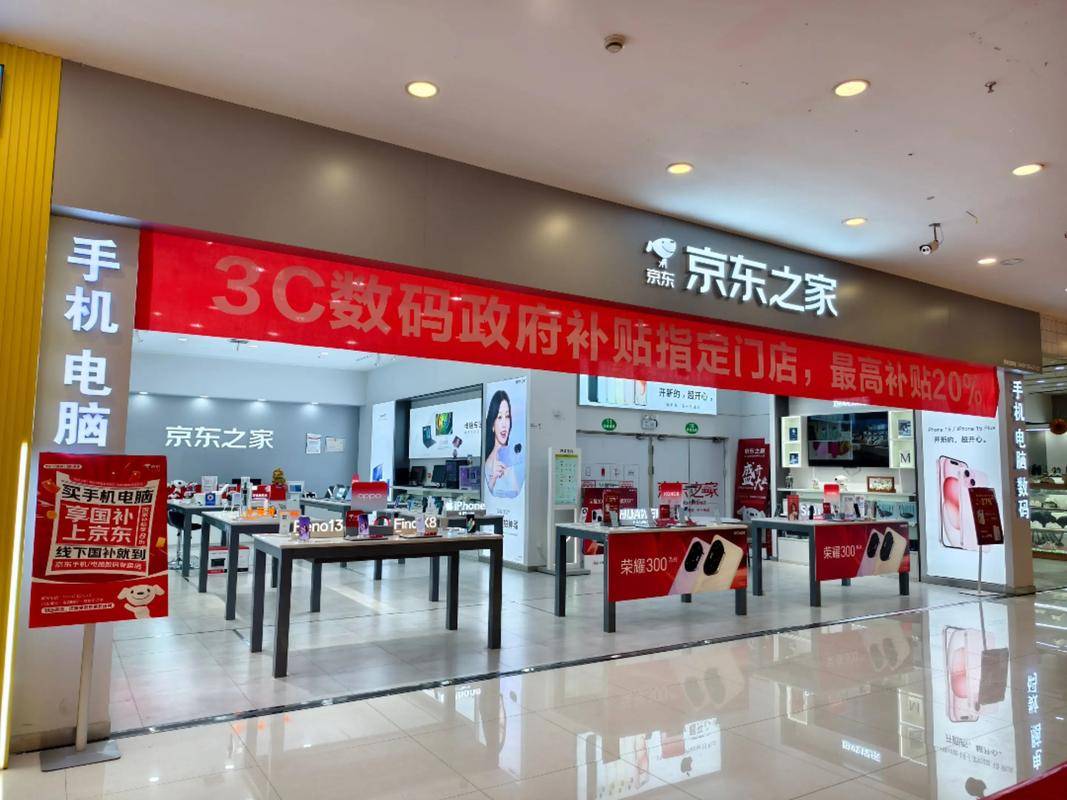
Core Insights - The 2026 "National Subsidy" policy will continue the "old-for-new" consumption initiative with an increased budget of 500 billion yuan, aimed at stimulating consumption and stabilizing economic growth [1][3][16] Group 1: Policy Overview - The "National Subsidy" policy has shown significant results since its launch in 2024, generating over 2.5 trillion yuan in sales and benefiting 360 million people [3] - The policy will focus on three main upgrades: increasing the subsidy amount, expanding coverage to new sectors, and optimizing the distribution process [4][10] Group 2: Sectoral Impacts - Traditional consumption sectors like home appliances and automobiles are expected to see a second wave of growth, with home appliance subsidies potentially increasing from 12.84 million units to 15 million units [6][8] - The service consumption sector, particularly in tourism and health, is anticipated to become a new focal point, with over 100 billion yuan in tourism vouchers expected to be issued [6][10] - Digital and green consumption will be enhanced, with subsidies for smartphones and energy-efficient appliances, benefiting companies like Apple and Huawei [8][10] Group 3: Economic Implications - The policy aims to boost domestic demand and counter economic pressures, with expectations for retail sales growth to rebound to 5%-6% in 2026 [10] - It promotes industrial upgrades by leading consumption upgrades, encouraging innovation in sectors like electric vehicles and smart home appliances [10][14] Group 4: Investment Opportunities - Key investment targets include essential consumer goods like dairy products and condiments, as well as discretionary items like home appliances and new energy vehicles [15] - The policy is seen as a long-term opportunity for investors, with potential for valuation recovery and growth in the consumer sector [16]





中央经济工作会议部署对外开放划重点!点题海南自贸港和绿色贸易
2 1 Shi Ji Jing Ji Bao Dao· 2025-12-11 14:05
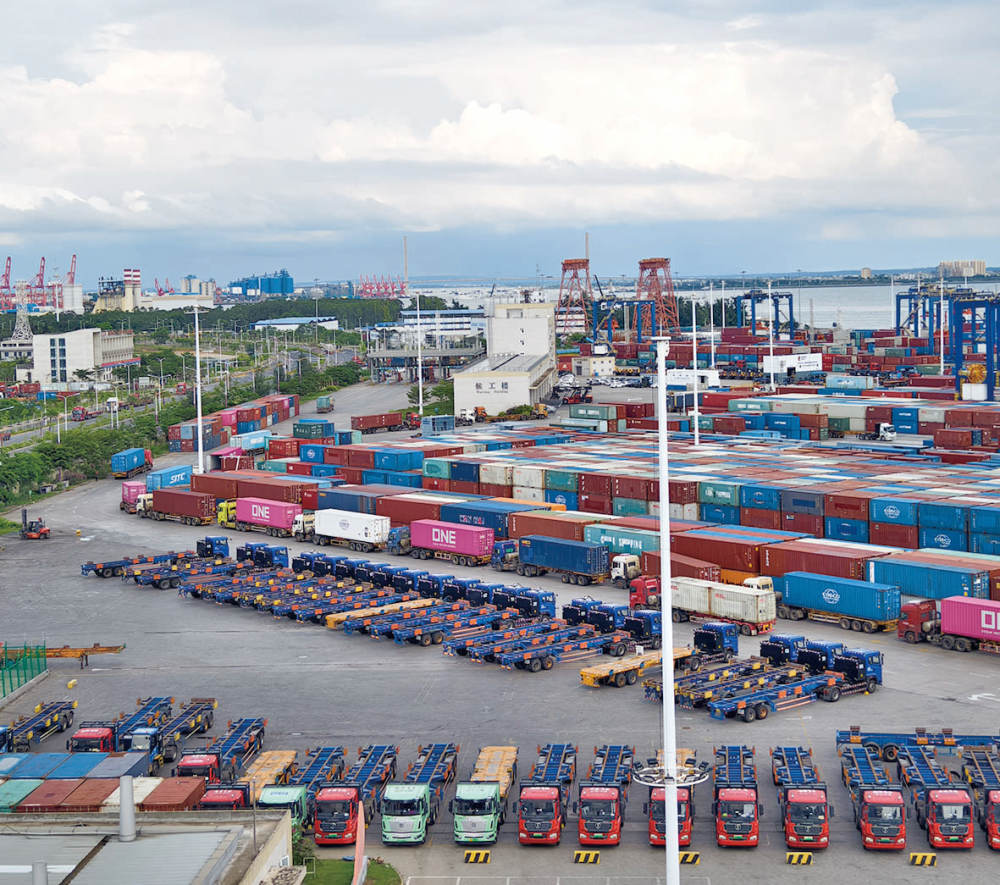
Core Viewpoint - The Central Economic Work Conference held on December 10-11 in Beijing analyzed the current economic situation and outlined economic work for 2026, emphasizing the importance of opening up to the outside world and promoting multi-field cooperation for mutual benefits [1] Group 1: Economic Opening and Trade - The conference proposed to steadily advance institutional opening, expand autonomous opening in the service sector, and optimize the layout of free trade pilot zones, particularly focusing on the construction of Hainan Free Trade Port [1][3] - Experts noted that China's opening model is evolving from "goods trade-type opening" to "rules-institution-service system-type opening," indicating a shift towards a more comprehensive approach to international trade [2] - The integration of trade and investment, as well as domestic and foreign trade, is emphasized to enhance competitiveness and create a "dual-driven" outward-oriented economic system [9] Group 2: Hainan Free Trade Port Development - Hainan Free Trade Port is set to enter a new phase of full island closure operations, with a preliminary establishment of the "4321" institutional system, significantly enhancing its economic openness [3][5] - The actual use of foreign capital in Hainan has grown at an average annual rate of 14.6% over the past five years, with total foreign capital exceeding 100 billion yuan [5] - The Ministry of Commerce aims to leverage the closure as an opportunity to promote institutional opening and make Hainan a key gateway for China's new era of opening up [5] Group 3: Service Trade and Digital Trade - The conference highlighted the need to expand autonomous opening in the service sector, encouraging service exports and actively developing digital and green trade [7] - In the first ten months of 2025, China's total service trade reached 65,844.3 billion yuan, with exports growing by 14.3% [7] - Experts pointed out that enhancing standardization and expanding high-level opening are crucial for boosting service exports and achieving trade power goals [7][8] Group 4: Green Trade as a New Growth Driver - Green trade is emerging as a new driving force for foreign trade, with significant growth in exports of wind power equipment and photovoltaic products [11] - The international market for electric vehicles, solar energy, and wind energy is projected to reach $2.1 trillion by 2030, indicating vast market potential [11] - The popularity of China's energy-saving and environmentally friendly products in international markets underscores the importance of green trade in stabilizing and optimizing foreign trade [11]
中央经济工作会议解读:2026:“苦练内功”
Guotou Securities· 2025-12-11 14:02
Group 1 - The core viewpoint of the report emphasizes the need for a balanced approach to economic policy, focusing on both existing and new growth drivers rather than solely pursuing rapid growth through expansive measures [1][6] - The report highlights the importance of addressing risks in key areas such as real estate, local government debt, and finance, indicating that progress has been made in mitigating these risks [1][6] - The capital market's focus has shifted from stabilizing the real estate and stock markets to deepening comprehensive reforms in capital market investment and financing [1][6] Group 2 - Fiscal policy is transitioning from increasing deficits and spending to maintaining necessary deficits and focusing on effective implementation, with an emphasis on optimizing fiscal expenditure structure [7][8] - Monetary policy will continue to be moderately accommodative, with a focus on promoting stable economic growth and reasonable price recovery as core KPIs [9][10] - The report stresses the need to enhance domestic demand by optimizing consumption and stabilizing investment, with specific actions to boost consumer spending and improve investment conditions [10][11] Group 3 - The technology sector remains a priority, with a focus on fostering innovation and emphasizing the "Artificial Intelligence +" initiative as a key area for development [12][13] - The report identifies the need to address "involution" competition through reforms, indicating that tackling this issue will be a policy focus in 2026 [13][14] - Risk mitigation strategies are shifting from prevention to active resolution, particularly in the real estate and local government debt sectors, indicating a more proactive approach to managing these risks [16][17]