芯片制造

Search documents
港股收评:恒指涨约2% 科技股集体反弹 军工股尾盘加速上涨
Ge Long Hui· 2025-11-24 08:25
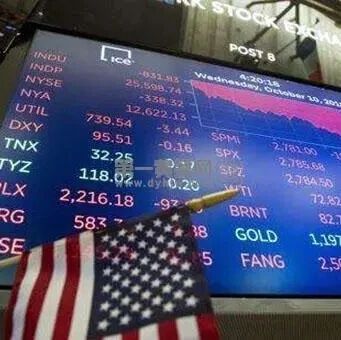
市场情绪回升,港股今日高开高走,且午后涨幅进一步扩大。截止收盘,恒生指数涨1.97%报25716 点,国企指数涨1.79%,恒生科技指数涨2.78%,三者均止步连跌行情。盘面上,连续走低的大型科技 股集体回暖,其中,快手涨超7%,网易涨超6%,百度、小米、美团、阿里巴巴、京东皆上涨;受地缘 政治影响,军工股尾盘加速上涨,中船防务大涨近13%大幅领先表现十分抢眼;生物医药股、黄金股、 濠赌股、家电股、内房股、苹果概念股、餐饮股等纷纷上涨。另一方面,美国拟允许英伟达H200芯片 对华销售,芯片半导体股逆势下跌,龙头中芯国际跌超1%,12条中日航线取消全部航班,航空股低 迷,国际原油延续跌势,三桶油集体走低。(格隆汇) ...
AI巨头们的万亿美元债务去哪了?
Tai Mei Ti A P P· 2025-11-24 04:42
Core Insights - Meta plans to invest $60 billion in AI despite reporting a net profit of $37 billion in the first three quarters of 2025, highlighting the financial challenges faced by tech giants in the AI arms race [1][2] Financing Challenges - The need for massive funding for AI infrastructure, including expensive AI chips and data centers, poses a dilemma for tech giants on how to secure funds without negatively impacting their financial statements [2][3] - Morgan Stanley estimates that "invisible debt" could reach $800 billion by 2028, representing significant liabilities that do not appear on the balance sheets of these companies [2] SPV Financing Method - The Special Purpose Vehicle (SPV) financing method allows tech giants to isolate debt and optimize their financial reports by transferring the debt to a separate entity [3][4] - This method involves creating an SPV to borrow money using the parent company's credit, allowing the SPV to purchase assets and lease them back to the parent company, thus keeping the debt off the parent company's balance sheet [4] Examples of SPV Utilization - Meta successfully utilized this SPV method to increase its debt by $30 billion on its balance sheet while leveraging it to acquire $60 billion in computing assets [4] - Google has adopted a similar strategy by providing credit guarantees to weaker companies, allowing them to secure loans for data center assets, which are then leased back to Google [5] Circular Financing - The concept of circular financing allows companies to create a closed loop of capital flow among related parties, enhancing financial efficiency [7] - For instance, xAI established an SPV to raise $20 billion for purchasing NVIDIA chips, with minimal direct debt risk, showcasing the flexibility of this financing model [7] Industry Dynamics - Major tech companies are forming strategic alliances to create a tightly-knit capital community, which can amplify their financial capabilities and market influence [9][10] - Recent collaborations among giants like OpenAI, NVIDIA, and Oracle have resulted in over $1 trillion in infrastructure and chip agreements, indicating a trend towards deeper integration in the AI sector [9] Scaling Law and Market Sentiment - The pursuit of Scaling Law drives exponential growth in computing demand, benefiting companies like NVIDIA, which has seen significant revenue increases [15] - However, industry leaders express caution regarding potential irrational exuberance in AI investments, with warnings about the risks of a bubble [15][16] Capital Market Movements - Notable investors are shifting their strategies, with significant sell-offs in NVIDIA stock while simultaneously investing in AI applications and models, indicating a transition in focus from hardware to software [16][17] - This shift suggests that while financing challenges may be temporarily addressed, the competition in the AI landscape is just beginning, with a more intense focus on applications and models ahead [17]


港股午评|恒生指数早盘涨1.42% 阿里巴巴涨超4%
智通财经网· 2025-11-24 04:06
Group 1 - Hong Kong's Hang Seng Index rose by 1.42%, gaining 358 points to close at 25,578 points, while the Hang Seng Tech Index increased by 1.65% [1] - Alibaba-W (09988) surged over 4%, with its Qianwen App surpassing 10 million downloads in its first week of public testing [1] - Sinopharm (01801) rose over 3%, with plans to officially go blue starting December 8 [1] - Hengrui Medicine (01276) increased by over 5%, as nine drugs including SHR-9839 received approval for clinical trials [1] - Beijing Automotive (01958) gained over 3%, planning to sell 51% of its stake in Beiqi International for approximately 1.608 billion yuan to accelerate its international strategy [1] - WeRide (00800) jumped over 6%, having obtained Switzerland's first pure driverless license, with Q3 earnings report upcoming [1] - Rusal (00486) saw an intraday increase of over 4%, announcing plans to cease operations at the Krymni silicon plant by 2026 [1] - GAC Group (02238) surged over 12%, with its all-solid-state battery pilot production line officially completed and put into production [1] - Sino Biopharmaceutical-B (02591) rose over 20%, being included in the Hang Seng Composite Index effective December 8 [1] - 3SBio (01530) increased by over 4%, planning to spin off its subsidiary Mandi International for independent listing [1] Group 2 - Oil stocks continued to decline, with CNOOC (00883) dropping by 2.4% amid easing tensions in the Russia-Ukraine situation [2] - Semiconductor stocks faced significant declines, with Hua Hong Semiconductor (01347) falling over 9% and SMIC (00981) down over 5%, as reports indicated the Trump administration is considering approving exports of Nvidia's H200 AI chips to China [2] - Ganfeng Lithium (01772) dropped over 7%, facing potential downward risks in lithium spot prices, leading Goldman Sachs to downgrade the company to a "sell" rating [2]

异动盘点1124 | 银诺医药-B涨超20%,芯片股跌幅居前;英伟达延续跌势,美股医药股逆市走高
贝塔投资智库· 2025-11-24 04:03
Group 1: Market Movements - Sangfor Technologies (01530) rose over 5% following the news that Mandi International has submitted an application to list on the Hong Kong Stock Exchange, focusing on skin health and weight management solutions [1] - Yino Pharma (02591) surged over 22.5% after being included in the Hang Seng Composite Index, effective December 8, 2025 [1] - ASMPT (00522) fell over 2% as it was removed from the Hang Seng Tech Index [1] - Semiconductor stocks faced declines, with Hua Hong Semiconductor (01347) down 9.35% and SMIC (00981) down 5.38%, amid reports of potential U.S. chip exports to China [1] - Ganfeng Lithium (01772) dropped over 7% due to Goldman Sachs' report indicating that while the lithium market fundamentals have improved, extended inventory cycles in energy storage may offset this [1] Group 2: Company Earnings and Performance - Miniso (09896) fell over 6% despite reporting a 28.2% year-on-year revenue increase, as net profit dropped over 30% compared to the previous year [2] - NetEase (09999) rose over 5% after reporting a net income of RMB 28.4 billion (approximately $4 billion), an 8.2% year-on-year increase [2] - Alibaba (09988) increased over 4% as its AI assistant app surpassed 10 million downloads within a week of public testing [2] - CK Hutchison (00001) rose nearly 3% amid reports of plans for a dual listing of its Watsons brand, potentially raising up to $2 billion [2] Group 3: U.S. Market Highlights - Nvidia (NVDA.US) continued its downward trend, falling 0.97% despite a strong earnings report, with the founder expressing frustration over market perceptions [3] - Oracle (ORCL.US) dropped 5.66% after issuing $18 billion in investment-grade bonds to increase AI spending [4] - Retailer Ross Stores (ROST.US) saw an increase of over 8.41% after reporting third-quarter sales of $5.6 billion, exceeding market expectations [5] - Intuit (INTU.US) rose over 4.03% after reporting adjusted earnings per share of $3.34, surpassing Wall Street's expectations [5]



超30亿元抄底的恒生互联网ETF(513330)涨超2%,恒生科技指数ETF(513180)连续17日获资金净申购,千问APP下载突破1千万+灵光下载量突破200万
Ge Long Hui· 2025-11-24 03:25
Group 1 - Hong Kong stocks opened higher, with Alibaba's shares increasing by 5%, driving the Hang Seng Internet Index up over 2% and the Hang Seng Technology Index ETF rising by 1.36% [1] - The launch of Google's Gemini 3 Pro and its image model Nano Banana Pro has become a major tech highlight, increasing market attention on AI applications [1] - Alibaba's AI assistant, Qianwen App, has surpassed 10 million downloads within a week of its public testing, making it the fastest-growing AI application, outpacing ChatGPT, Sora, and DeepSeek [1] - Ant Group's general AI assistant, Lingguang, achieved over 2 million downloads within 6 days of its launch [1] - The Hang Seng Technology Index ETF has seen a net inflow of 5.2 billion yuan over 17 consecutive trading days despite a cumulative decline of 11% from October 30 to November 21 [1] - The Hang Seng Internet ETF also experienced a net inflow of 3.3 billion yuan over the same period, despite a cumulative decline of 12% [1] Group 2 - The Hang Seng Internet ETF has a weight of over 80% in leading internet stocks, with an AI content exceeding 90%, including major companies like Alibaba, Tencent, NetEase, JD.com, and Baidu [2] - The latest scale of the Hang Seng Internet ETF is 33.979 billion yuan, reflecting strong investor interest in AI-driven companies [2]




A股策略周报20251123:打铁还需自身硬-20251123
SINOLINK SECURITIES· 2025-11-23 11:34
Global Market Volatility - The global stock markets experienced a collective pullback due to three main factors: increased financial fragility from overseas liquidity issues, protective options expirations causing volatility, and concerns over the sustainability of capital expenditures by major US tech companies [2][13][24] - The overnight mortgage rates in the US are inverted with the federal funds rate, indicating tight liquidity in the US money market [14][18] - The capital expenditure of major data center operators has significantly increased, with Oracle's capital expenditure exceeding its operating cash flow [24][25] Industry Development: Key Node Similar to 1997 Internet Boom - The internet boom from 1995 to 2000 can be divided into three phases, with the current AI industry potentially at a similar critical juncture as the internet in 1997 [3][29] - The first phase saw significant profit growth in upstream internet equipment companies, while the second phase marked the rise of internet service providers and the emergence of companies like Amazon [29][30] - The third phase experienced rapid revenue growth in downstream internet companies but deteriorating cash flow, leading to a decline in stock prices for these companies [30][31] Potential Impacts of AI Development on the Market - Three potential paths for AI development are identified: the emergence of significant applications leading to continued market growth, stagnation in AI applications causing tech giants to halt capital expenditures, or tech giants maintaining capital expenditures despite a lack of application progress [4][44][47] - The current situation reflects a mix of these scenarios, with tech giants increasing capital expenditures to maintain market share and reduce labor costs through AI [4][53] Highlights in Non-Tech Sectors - The US real estate market is in a recovery phase, with declining mortgage rates boosting existing home sales [5][56] - There is a continuous increase in the shipment of industrial machinery and primary metals, indicating ongoing recovery in equipment investment [5][56][58] - The labor market shows pressure with rising unemployment rates and slowing wage growth, which may benefit emerging market manufacturing recovery [5][56] Focus on China's Market Opportunities - The recent global market volatility is not seen as a directional choice for macro and industry trends, but rather as a reflection of the true driving forces behind future opportunities in the Chinese market [6] - Traditional manufacturing companies in China have realized performance amidst the global tech boom, suggesting that physical assets and manufacturing capacity will be the foundation of a potential bull market in China [6]


英伟达备战AI推理需求指数级增长
Sou Hu Cai Jing· 2025-11-22 03:30
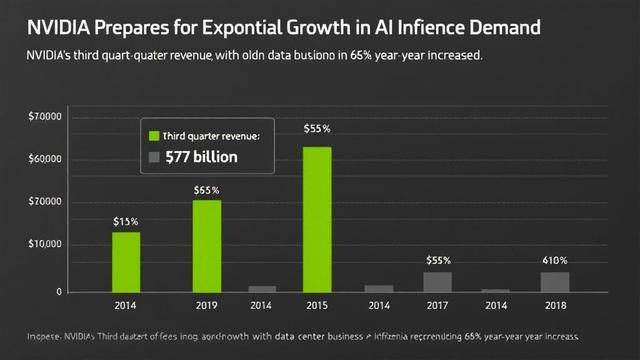
Core Insights - Nvidia reported a revenue of $57 billion for Q3 of fiscal year 2026, with the data center business being the largest contributor at $51 billion, representing a 66% year-over-year growth [2] - CEO Jensen Huang highlighted the exponential growth in AI workloads, which require Nvidia's high-performance GPUs, driven by advancements in pre-training, post-training, and inference capabilities [2] - The NVLink AI networking infrastructure business saw a significant growth of 162%, generating $8.2 billion in revenue [2] Data Center Business - The data center segment is the primary driver of Nvidia's revenue, with a substantial contribution from AI accelerators [2] - Nvidia's GPUs have shown significant performance improvements across generations, which is crucial for maintaining operational efficiency in data centers [2] AI Workloads - AI inference is expanding exponentially due to advancements in AI systems that can "read, think, and reason" before generating answers, leading to increased computational demands [2][3] - The demand for Nvidia's platform is being driven by this exponential growth in AI computing needs [2] Strategic Partnerships - Nvidia announced strategic collaborations with Fujitsu and Intel to integrate their technologies, enhancing the capabilities of the NVLink Fusion [2] - These partnerships aim to create a robust ecosystem that connects Nvidia's GPUs with other computing resources [2] Challenges - The company faces significant challenges, including managing an unprecedented industry transformation that requires exceptional skills and planning [4] - Geopolitical issues have effectively closed the Chinese market, preventing large procurement orders and impacting growth potential [3][4]
梳理 | 安世半导体控制权争端,关键节点
半导体行业观察· 2025-11-22 03:09
公众号记得加星标⭐️,第一时间看推送不会错过。 来 源 : 内容编译自na,谢谢 。 荷兰使用冷战时期法律来接管中国控股的Nexperia公司,这场争端危及全球供应链。 大约两个月前,荷兰当局接管了芯片制造商Nexperia ,导致位于奈梅亨的总部与该公司的中国大陆 分公司之间发生冲突,后者誓言要作为一家独立企业运营并履行订单。 那场争端也暴露了全球汽车供应链的脆弱性,因为Nexperia所谓的传统芯片的任何出货中断都会影响 几乎所有主要的欧洲汽车制造商,以及日本和美国的汽车制造商。 以下是Nexperia危机中的关键节点: 9月29日 美国商务部下属的工业与安全局(BIS)扩大了出口管制范围,将至少50%股权由华盛顿贸易黑名单 上的公司持有的实体纳入其中。Nexperia之所以受到美国制裁,是因为它由去年12月被列入黑名单的 闻泰科技全资拥有。 10月17日 Nexperia中国分公司告知客户,其荷兰总部通知员工,工资将停止发放,员工对公司系统的访问权限 也将被暂停。该分公司称,其面临"残酷打压"。 10月18日 9月30日 荷兰经济事务部以国家安全为由,援引一项鲜为人知的1952年法律——《货物供应法》, ...

日本竟想拉上美国,报复中国芯片?
Guan Cha Zhe Wang· 2025-11-22 01:35
Core Viewpoint - The diplomatic tensions between Japan and China, initiated by Japanese Prime Minister Sanna Takashi, have led to a series of countermeasures from China, including travel advisories and a ban on seafood imports, highlighting Japan's limited maneuvering space in this geopolitical conflict [1][2]. Group 1: Japan's Response and Strategy - Japan is expected to maintain its usual strategy of avoiding direct retaliation while keeping communication channels open, hoping for a gradual easing of tensions over time [1]. - Analysts suggest that Japan could collaborate with the U.S. to tighten export controls in the semiconductor sector, which could pose significant challenges to China's related industries, but must proceed cautiously to avoid harming its own economy [2][4]. Group 2: Semiconductor and Rare Earths - Semiconductor manufacturing equipment is a key export category for Japan to China, accounting for over 10% of Japan's total exports to China last year, indicating a potential area for tightened export controls [2]. - Japan's reliance on China for rare earths has increased from approximately 60% to over 70% due to rising demand for electric vehicles and renewable energy, making it vulnerable to potential Chinese export restrictions [4]. Group 3: U.S.-Japan Cooperation - If Japan receives support from the U.S., the collaboration could significantly impact the global semiconductor supply chain, posing a more severe challenge to China's chip industry [2]. - Japan may seek diplomatic support from G7 allies to condemn China's actions and push for a resolution through diplomatic channels, while also increasing direct communication with China [5]. Group 4: Potential Chinese Countermeasures - China has various means to exert pressure on Japan, such as extending permit approval times and enhancing export documentation reviews, rather than outright banning rare earth exports [5]. - Analysts believe that China is unlikely to completely halt rare earth exports to Japan, especially with signs of diplomatic thawing between China and Japan [4].
英伟达业绩爆表却引发美股“大逆转”,标普创4月来最惨一日!
美股研究社· 2025-11-21 07:36
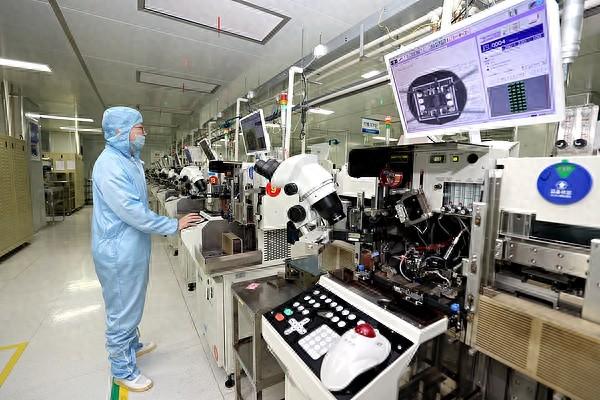
Core Viewpoint - The U.S. stock market experienced its most significant intraday reversal since April, with major indices dropping sharply, leading to a loss of over $2.7 trillion in market value, raising concerns among Wall Street traders about the underlying causes of the decline [5][6]. Market Performance - The S&P 500 index fell by 1.6%, marking a significant drop, while the Nasdaq 100 index saw a decline of 2.4%, reaching a new low since September, with a cumulative drop of 7.9% from its record high on October 29 [5][6]. - The VIX index, which measures expected stock volatility, rose above 26 for the first time since April, indicating increased market uncertainty [5][6]. Key Factors Behind the Decline - Concerns about whether AI projects can generate sufficient revenue or profits to justify substantial technological investments resurfaced [6]. - The strong employment report from September was interpreted as a signal that the Federal Reserve may not lower interest rates again this year [6]. - The drop in Bitcoin to a six-month low was viewed as a risk-off signal contributing to the stock market's decline [6]. - High stock valuations and rising volatility ahead of the expiration of approximately $3.1 trillion in nominal options were also cited as potential factors [6][7]. Analyst Insights - Analysts highlighted various unresolved economic and market challenges, including labor market strength, tariffs, inflation, and the sustainability of AI investments [11]. - Concerns about overvaluation and the trend of debt financing potentially overshadowing shareholder returns were emphasized [12]. - The mechanical outflow of funds from trend-following strategies could continue in the coming days, leading to further selling pressure [12]