石油

Search documents
国际油价大跌
财联社· 2026-03-16 14:13
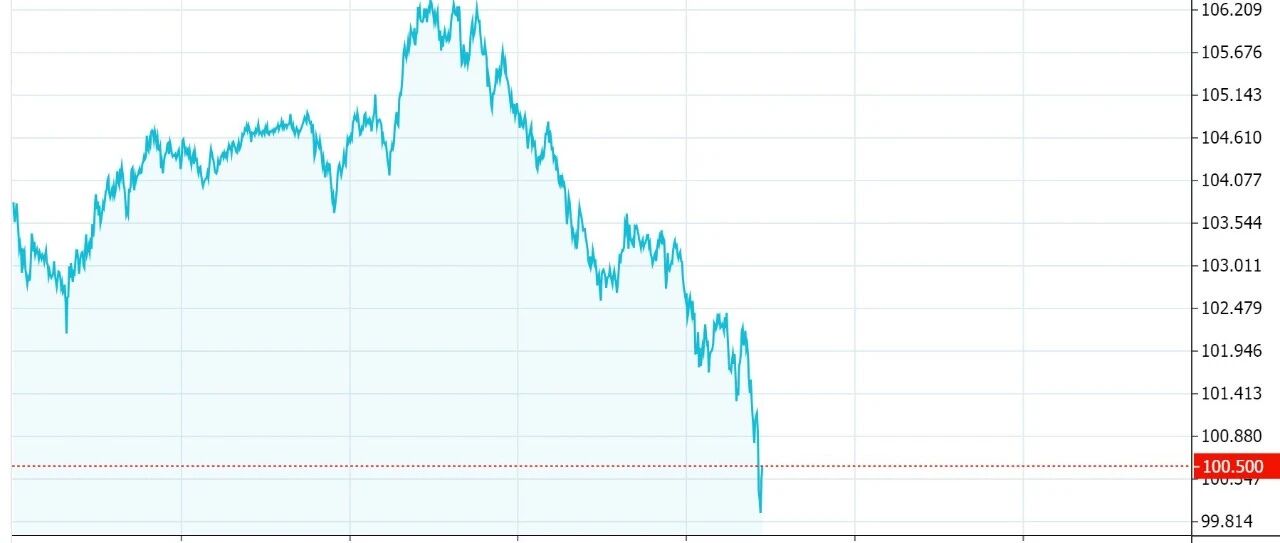
布伦特原油期货跌幅扩大至3%,报99.926美元/桶,失守100美元/桶。WTI原油跌5.06%,报 91.943美元/桶。国内SC原油期货主力合约跌6%,报724元/桶。 7x24h电报 头条新闻 实时盯盘 VIP资讯 下载财联社APP获取更多资讯 准确 快速 权威 专业 ...

Countries respond to higher oil prices with fuel market policies
Yahoo Finance· 2026-03-16 13:58
Core Insights - The ongoing conflict in the Middle East, particularly involving Iran, has significantly disrupted oil flows through the Strait of Hormuz, leading to a sharp increase in crude oil prices [1][2] - The International Energy Agency (IEA) has coordinated the largest emergency oil stock release in its history, making 400 million barrels available to stabilize the market [1][3] Group 1: Emergency Supply Responses - The IEA's collective release of oil is aimed at addressing market disruptions caused by the Middle East conflict, with the goal of limiting price volatility and easing global supply chain pressures [3] - The UK has committed to contributing 13.5 million barrels to the IEA's emergency release, aiming to prevent short-term supply shocks from affecting oil prices [4] - Canada plans to support the IEA's collective action with 23.6 million Canadian barrels and will also increase natural gas exports to enhance market stability [4] - Australia will release up to 20% of its minimum stockholding obligation for petrol and diesel, equating to 762 million liters, to alleviate supply chain disruptions [5] Group 2: Regulatory Actions on Fuel Prices - The UK's Competition and Markets Authority is intensifying its monitoring of petrol and diesel prices, requiring major fuel retailers to provide data on revenue, costs, and sales [6] - This regulatory scrutiny aims to assess whether retail fuel prices are increasing faster than wholesale costs since the conflict began [6] - The UK government has announced over £50 million in support for low-income households reliant on oil for heating, as kerosene prices have surged more rapidly than petrol and gas due to the conflict [7]
美以:伊冲突进展持续,供应紧支撑能化表现偏强
Tian Fu Qi Huo· 2026-03-16 13:19
Report Industry Investment Rating No relevant content provided. Core Viewpoints of the Report - The ongoing conflict between the US - Israel and Iran has led to a supply crisis in the energy and chemical industries. The continuous supply shortage strongly supports the performance of the energy and chemical sectors. The core of the current game lies in the progress of the US - Israel - Iran conflict, and attention should be paid to Trump's subsequent decisions [2][3]. Summary by Related Catalogs Crude Oil - **Logic**: The conflict has entered the third week with no sign of improvement. The closure of the Strait of Hormuz has led to a reduction of at least 10 million barrels per day in the oil production of Middle - Eastern Gulf countries, about 9% of the global crude oil supply. The supply crisis strongly supports the crude oil market, and the game core is the conflict progress [2][3]. - **Technical Analysis**: The daily - level shows a medium - term upward structure, and the hourly - level shows a short - term upward structure. It pulled back after reaching a high today without breaking the previous high. The short - term support is at the 620 level. The strategy is to wait and see in the hourly cycle [4]. Styrene - **Logic**: The load of Asian petroleum benzene decreased significantly last week. The domestic pure benzene operating rate dropped from 79% to 74% in two weeks, and the styrene operating rate decreased by 2.3% to 71.79% in one week. The port started to destock. The supply contraction supports styrene in the short term, and its sustainability depends on the conflict progress [8]. - **Technical Analysis**: The hourly - level shows a short - term upward structure. It pulled back after reaching a high and fluctuated within the day. The short - term support is at the 9000 level. The strategy is to wait and see in the hourly cycle [8]. Pure Benzene - **Logic**: Similar to styrene, the supply contraction supports pure benzene in the short term, and its sustainability depends on the conflict progress [10]. - **Technical Analysis**: The hourly - level shows a short - term downward structure. It pulled back after reaching a high and fluctuated within the day. The short - term support is at the 7170 level. The strategy is to wait and see in the hourly cycle [11][13]. Rubber - **Logic**: Natural rubber is currently supported by the strength of synthetic rubber. Its own supply - demand contradiction is not significant, and the tapping enthusiasm at high prices needs to be verified after the tapping season begins [14]. - **Technical Analysis**: The daily - level shows a medium - term upward structure, and the hourly - level shows an upward structure. It fluctuated within a narrow range today. The short - term support is at the 16250 level. The strategy is to wait and see in the hourly cycle [14]. Synthetic Rubber - **Logic**: The conflict has entered the third week, and the two sides are in a stalemate. The reduction of raw materials has led to the reduction of domestic petrochemical device loads. The production of butadiene has decreased, and the inventory has been significantly reduced, supporting the price of synthetic rubber [18]. - **Technical Analysis**: The daily - level shows a medium - term upward structure, and the hourly - level shows a short - term upward structure. It fluctuated within a narrow range today. The short - term support is at the 14300 level. The strategy is to wait and see in the hourly cycle [18]. PX - **Logic**: The supply problem of naphtha has affected the supply of polyester PX and PTA. The operating rate of PX has dropped from 93.2% to 89.2% in two weeks, and the operating rate of PTA has dropped to 80%. The import of PX is expected to decrease. The supply tightening supports PX in the short term [22]. - **Technical Analysis**: The daily - level shows a medium - term upward structure, and the hourly - level shows a short - term structure. It pulled back after reaching a high and fluctuated within the day. The short - term support is at the 9750 level. The strategy is to wait and see unilaterally in the hourly level [22]. PTA - **Logic**: Similar to PX, the supply tightening supports PTA in the short term [25]. - **Technical Analysis**: The daily - level shows a medium - term upward structure, and the hourly - level shows a short - term upward structure. It pulled back after reaching a high and fluctuated with a reduction in positions. The short - term support is at the 6720 level. The strategy is to wait and see unilaterally in the hourly cycle [25]. PP - **Logic**: The operating load of polyolefins has been continuously declining. The operating rate of PP has dropped from 75% to 70% in two weeks, and that of PE has dropped from 88% to 82%. The supply tightening supports PP in the short term [29]. - **Technical Analysis**: The hourly - level shows a short - term upward structure. It pulled back after reaching a high. The short - term support is at the 8250 level. The strategy is to continue waiting and seeing in the hourly cycle [29]. Methanol - **Logic**: The expectation of reduced methanol imports from the Middle East is still fermenting. If the conflict does not end before the end of March, there will be a large - scale reduction in methanol imports. Currently, it is supported by sentiment [31]. - **Technical Analysis**: The short - term shows an upward structure. It pulled back after reaching a high. The short - term support is at the 2500 level. The strategy is to wait and see in the hourly cycle, and consider gradually laying out put options 05P2400 (with the premium not exceeding 3% of the total funds) [33]. Ethylene Glycol - **Logic**: The weekly operating rate of ethylene glycol has dropped to 66.7%, a 7.2% decline from the previous week. The inventory has entered a destocking pattern, and with the spring maintenance of coal - chemical plants, the supply contraction makes ethylene glycol bullish in the short term [35]. - **Technical Analysis**: The hourly - level shows a short - term upward structure. It pulled back after reaching a high. The short - term support is at the 4600 level. The strategy is to wait and see in the hourly cycle [35]. Plastic - **Logic**: It follows the cost - side drive of crude oil and the expectation of load reduction of Asian refineries. The end of the event and the reopening of the strait mean the peak of the market [37]. - **Technical Analysis**: The hourly - level shows an upward structure. It pulled back after reaching a high. The short - term support is at the 8150 level. The strategy is to wait and see in the hourly cycle [37]. Soda Ash - **Logic**: The cost increase expectation caused by energy price fluctuations under the US - Israel - Iran conflict and the chemical market sentiment have driven the soda ash market to strengthen in the previous two weeks. However, the over - supply situation restricts the upward space, and it is still prone to fall in the medium term [42]. - **Technical Analysis**: The hourly - level shows a short - term upward structure. It fell back with an increase in positions. The short - term support is at the 1215 level. The strategy is to hold short positions in the hourly cycle, with the stop - profit reference at the 1280 level [42]. PVC - **Logic**: Although the real - estate demand is still weak year - on - year, domestic ethylene - based plants have started to reduce production, and overseas chlor - alkali plants have also reduced their loads. The supply disturbance makes PVC easy to rise in the short term [43][45]. - **Technical Analysis**: The daily - level shows a medium - term upward structure, and the hourly - level shows a short - term upward structure. It pulled back after reaching a high. The short - term support is at the 5530 level. The strategy is to wait and see in the hourly cycle [45].
特朗普的下一刀:伊朗90%的石油出口枢纽
凤凰网财经· 2026-03-16 13:05
来源丨 国际财闻汇 据CNBC报道,当地时间周一,美国总统特朗普警告称,如果伊朗继续在霍尔木兹海峡袭击商船,美国可能攻击伊朗哈尔克岛的原油设施。此前,美 国已于周五夜间打击该岛军事目标,但未触及石油基础设施。分析人士称,此举意在向德黑兰发出警告。 哈尔克岛是伊朗最关键的石油出口枢纽之一。该岛承担约90%的伊朗原油出口,装船能力约为每日700万桶,是伊朗能源收入的重要通道。 摩根大通数据显示,如果该岛出口终端遭到打击,伊朗每天约150万桶的原油出口中的大部分将被立即切断。分析人士表示,一旦石油基础设施被摧 毁,重建可能需要数年时间,这将使伊朗失去最重要的财政收入来源。 与此同时,专家指出,伊朗仍存在有限替代出口路径。例如Goreh至Jask输油管道可绕过哈尔克岛和霍尔木兹海峡,运输能力约为每日150万桶。 不过,多名分析人士警告,对哈尔克岛发动攻击将意味着冲突显著升级。美国外交关系委员会研究员Edward Fishman表示,伊朗可能通过攻击地区 能源设施进行报复,例如沙特阿布盖格石油处理设施。 能源市场也已出现反应。凯雷集团能源专家Jeff Currie表示,战争风险保险费率可能在冲突结束后仍长期维持高位,囤 ...
被敦促恢复海峡航运平抑油价,美政府官员:“目前没有什么可做的”
中国能源报· 2026-03-16 12:03
Core Viewpoint - U.S. oil companies are urging the government to restore shipping through the Strait of Hormuz to stabilize oil prices, but the government has responded passively, stating there is currently nothing that can be done [1]. Group 1: Impact on Oil Prices - The ongoing disruptions in the Strait of Hormuz could lead to further increases in international oil prices, impacting the global energy market and putting pressure on the global economy [1]. - ExxonMobil's CEO warned that market volatility may result in rising oil prices and potential shortages of refined oil products [1]. Group 2: Government Response - U.S. government officials acknowledge that oil prices are likely to continue rising but have indicated that there are no immediate actions they can take to address the situation [1]. - A senior government official stated that the administration is aware of the price increases but feels powerless to intervene at this time [1]. Group 3: Importance of the Strait of Hormuz - Approximately 20% of global oil transportation passes through the Strait of Hormuz, highlighting its critical role in the energy supply chain [2]. - Qatar, as one of the top three liquefied natural gas exporters globally, relies almost entirely on the Strait of Hormuz for its LNG exports, which account for about 20% of global supply [2].

大类资产运行周报(20260309-20260313):中东局势陷入僵持国际油价周度续涨-20260316
Guo Tou Qi Huo· 2026-03-16 11:48
Report Industry Investment Rating - Not provided in the content Core Viewpoints - From March 9th to March 13th, the Middle - East situation continued to impact the market. The US February CPI year - on - year growth rate was 2.4%, in line with expectations. The US dollar index continued its weekly upward trend, stocks and bonds declined, and commodities rose. Globally and in China, in terms of performance, commodities > bonds > stocks. In the short term, attention should be paid to whether the Federal Reserve's interest - rate meeting will have a significant impact on the prices of major asset classes [3][6][22] Summary by Directory 1. Global Major Asset Overall Performance: Stocks and Bonds Declined, Commodities Rose - **Global Stock Market Overview**: The expectation of a US dollar interest - rate cut cooled, and major global stock markets generally declined. The Asia - Pacific region had the largest decline, emerging markets underperformed developed markets, and the VIX index declined weekly. For example, the MSCI Asia - Pacific region dropped 2.47% and the Indian SENSEX30 fell 5.52% [8][11] - **Global Bond Market Overview**: The Federal Reserve entered a quiet period, market expectations of an interest - rate cut cooled, and medium - and long - term US Treasury yields generally rose. The 10 - year US Treasury yield rose 13BP to 4.28%. The bond market declined weekly, and globally, high - yield bonds > government bonds > credit bonds [15] - **Global Foreign Exchange Market Overview**: Affected by rising interest rates and high market uncertainty, the US dollar index rose weekly. Major non - US currencies generally depreciated against the US dollar, and the RMB exchange rate was mainly volatile. The US dollar index rose 1.56% [16] - **Global Commodity Market Overview**: Due to continuous geopolitical disturbances, international oil prices rose significantly weekly. International gold and silver prices declined significantly, and the prices of major non - ferrous metals and agricultural products showed mixed trends. For example, Brent crude oil rose 11.33% and LME silver fell 0.74% [18][19] 2. Domestic Major Asset Performance: Stock Market Diverged, Bond Market Oscillated Weakly, Commodities Rose - **Domestic Stock Market Overview**: International events continued to impact the domestic equity market. The major broad - based A - share indexes showed mixed trends. The average daily trading volume of the two markets declined compared to the previous week. The ChiNext Index had the highest increase. In terms of sectors, coal and construction led the gains, while military and petrochemical sectors performed poorly. The Shanghai Composite Index fell 0.70% weekly [23] - **Domestic Bond Market Overview**: From March 9th to March 13th, the central bank's open - market operations had a net withdrawal of 25.11 billion yuan. The capital market was relatively balanced. The bond market performed weakly weekly. Overall, corporate bonds > credit bonds > government bonds [24] - **Domestic Commodity Market Overview**: The domestic commodity market rose weekly. Among major commodity sectors, energy and chemical sectors led the gains, while precious metals performed poorly. For example, the Nanhua Energy Index rose 14.12% and the Nanhua Precious Metals Index fell 1.52% [26][27] 3. Major Asset Price Outlook - In the short term, the tense situation in the Middle East may continue. Attention should be paid to whether the Federal Reserve's interest - rate meeting will have a significant impact on the prices of major asset classes [31]
国内油价调整在即,2008年以来最大涨幅要来了?
中国能源报· 2026-03-16 11:23
多家大宗商品监测机构预测,本轮成品油零售限价上调已无悬念,且上调幅度可能再创 新高,迎来年内"五连涨" 。 受中东地缘冲突导致的供应紧张持续影响,国际油价近期维持在高位震荡。3月23日24 时,国内成品油价格调整窗口期将再度开启。在此背景下,多家大宗商品监测机构预测, 本轮成品油零售限价上调已无悬念,且上调幅度可能再创新高,迎来年内"五连涨"。 本轮计价周期(3月9日24时至3月23日24时)以来,国际原油市场受到霍尔木兹海峡航运 持续受阻的影响,供应中断风险加剧。尽管国际能源署(IEA)3月11日宣布成员国一致 同意释放4亿桶战略石油储备,创下该机构成立以来最大规模的单次释储操作,但市场认 为此举难以弥补因地缘冲突导致的巨大供应缺口,国际油价不跌反涨,持续高位运行。 受此影响,国内参考的原油变化率在正值范围内持续走高。截至3月16日(本轮计价周期 第5个工作日),据金联创测算,参考原油品种均价为94.23美元/桶,变化率为25.75%, 对应的国内汽柴油零售价应上调1 4 2 0元/吨。卓创资讯等机构监测的预计上调幅度也普遍 超过1300元/吨。 折算成升价,机构普遍预测,本轮油价上调幅度或在1.1元至1. ...

需要准备接受油价在更长时期维持在更高位置
Shan Jin Qi Huo· 2026-03-16 11:07
1. Report Industry Investment Rating - Not provided in the content 2. Core Viewpoints of the Report - The conflict between the US and Iran may persist, leading to long - term high oil prices, and in extreme cases, oil prices may exceed the 2008 record of $147 [1][7][9] - Rising oil prices will drive the chemical industry into a bull market, the agricultural product bull market has emerged, while the black - series commodities may enter a long - term bull market later [1][11][18] - High oil prices have limited impact on China and may boost the export of domestic new energy products [1][12][18] 3. Summary by Relevant Catalogs 3.1 Middle East Situation Update - The US military launched a "violent air strike" on military targets on Iran's Kharg Island, but Iran's oil facilities on the island are intact and oil exports are normal [3] - Iran threatens to destroy US - related facilities if its infrastructure is attacked, and the US is considering bombing oil facilities on Kharg Island and sending more troops and warships to the Middle East [3] - There is news that Iran may allow limited oil tankers to pass through the Strait of Hormuz with oil cargo settled in RMB, which could weaken the US influence [3] 3.2 Reasons for Long - Term High - Oil - Price Threat - There is little possibility of negotiation between the US and Iran as Iran's cease - fire conditions are unacceptable to the US and Israel [7] - Iran has lost trust in the US and Israel due to previous bombings during negotiations, and it may choose to fight [8] - Blocking the Strait of Hormuz and raising oil prices are beneficial for Iran, increasing the revenue of the Revolutionary Guard [8] - If the US takes extreme actions, it will lead to higher oil prices, and the current losses have become a sunk cost, with the risk of both sides taking extreme measures [9] 3.3 Impact of High Oil Prices on Commodities - Chemical products have generally risen significantly after the increase in oil prices, and a long - term high oil price will start an upward cycle for them [11] - High oil prices increase the cost of soybean planting, and combined with possible yield declines, the price of agricultural products like soybeans may rise [11] - Black - series commodities have weak demand expectations and may be the last to enter the bull market [11] 3.4 Impact of High Oil Prices on China - China's CPI and PPI are in a low state, and the impact of high oil prices on them is relatively controllable and may help achieve price policy goals [12] - China has diverse oil import channels, and the interruption of Middle East oil supply will have limited impact [16] - High oil prices are beneficial for the export of China's electric vehicles and new - energy power - generation equipment, offsetting the negative impact of oil price increases [17][18]
日本启动释放创纪录石油储备
中国能源报· 2026-03-16 10:52
Core Viewpoint - The Japanese government has initiated the release of oil reserves, totaling approximately 80 million barrels, which is equivalent to about 45 days of domestic oil consumption, marking a historical high in scale [1]. Group 1: Oil Reserve Release - The release will be conducted in a manner where private sector inventories are prioritized, followed by national reserves [1]. - The Japanese government has announced a reduction in the mandatory oil reserve obligation for companies from 70 days of consumption to 55 days, allowing companies to use the equivalent of 15 days of consumption for market supply [1]. Group 2: Current Oil Reserve Status - As of the end of 2025, Japan's total oil reserves will be equivalent to 254 days of consumption, with national reserves accounting for 146 days and private reserves for 101 days [1]. - Additionally, reserves held by oil-producing countries will account for 7 days of consumption [1].

美国搅动中东战局意在维系美元全球霸权地位?|国际
清华金融评论· 2026-03-16 10:36AI Processing
文/ 《清华金融评论》 王茅 美国202 6年初对委内瑞拉、近期对伊朗的军事行动,目标是维护石油美 元 体 系 及 全 球 霸 权 地 位 。 当 前 美 元 面 临 三 重 挑 战 , 能 源 国 去 美 元 化 尝 试、 黄金储备 多元化 趋 势 、加 密 货币 技术 革新 。若 美国 在伊 朗陷 入 持久 战,或将加速 美元 霸权 地位的 衰落,推动国际货币体系重构 。 美国对委内瑞拉、伊朗的 军事行动 据新华社报道, 2026年1月3日凌晨,美国总统特朗普证实,美军对委内瑞拉发动大规模军事打击,并抓走委内瑞拉总统马杜罗。特朗普称,美国将"管 理"委内瑞拉直至实施"安全"过渡。委内瑞拉外长希尔3月5日表示,委内瑞拉和美国政府通过外交对话,双方已决定恢复外交和领事关系。 2026年2月28日, 美军与以军联合对伊朗发动代号为"史诗怒火"的大规模空袭与导弹打击。 伊朗多家媒体3月1日证实,伊朗最高领袖哈梅内伊在美国和以 色列对伊朗的袭击中身亡。 与委内瑞拉不同, 伊朗 发起激烈 反击 , 并 封锁 了 霍尔木兹海峡 , 导致全球 油价暴涨 。 美国维护石油美元的逻辑 控制能源命脉 。 委内瑞拉拥有全球最大石 ...