
美妆

Search documents
港股异动 | 上美股份(02145)涨超6% 韩束稳坐抖音美妆榜首 机构料其多品牌快速增长
智通财经网· 2025-12-19 06:46
Group 1 - The core viewpoint of the article highlights that Up Beauty Holdings (02145) has seen a stock price increase of over 6%, currently trading at 87.5 HKD with a transaction volume of 48.11 million HKD [1] - According to data compiled by Qingyan Intelligence, Han Shu has maintained its position as the top beauty brand on Douyin for 11 consecutive months [1] - Guotai Junan Securities emphasizes that the company is a leading player in China's beauty and personal care industry, with a multi-brand matrix covering skincare, baby care, and hair care sectors [1] Group 2 - The firm is optimistic about the company's ability to leverage its mature brand operation methodology to build a multi-brand group [1] - The analysis projects that Han Shu is expected to exceed 10 billion RMB in revenue within three years, driven by rapid growth across its multiple brands [1]
中国美妆出海新战事:在系统化竞争中谋求长期主义
晚点LatePost· 2025-12-18 11:56
Core Viewpoint - The article emphasizes that the globalization of Chinese beauty brands (C-Beauty) is transitioning from mere product export to a systematic and long-term strategy, focusing on unique brand aesthetics and cultural narratives to compete in the global market [4][19]. Group 1: Market Context - The domestic beauty market in China is entering a phase of stock competition, making overseas expansion a crucial growth path for brands [4]. - The global beauty and personal care market is projected to reach $677.2 billion in 2023 and exceed $799.1 billion by 2030 [4]. - Chinese cosmetic exports are expected to surpass 50 billion yuan in 2024, marking a record high in both quantity and value [4][5]. Group 2: Brand Strategy - The brand Huazhi Xiao exemplifies how a design-driven approach can systematically address challenges in overseas expansion through deep collaboration with platforms like Amazon [5]. - The initial strategy for Chinese beauty brands is to gain acceptance in overseas markets by first validating their products in culturally resonant areas, such as Japan for Huazhi Xiao [6][12]. - Huazhi Xiao's successful entry into the Japanese market involved leveraging local cultural similarities to reduce the cost of aesthetic education [6]. Group 3: Marketing and Sales Channels - The brand utilizes both online and offline channels, where physical stores provide sensory experiences while e-commerce platforms like Amazon offer immediate sales validation and user feedback [8]. - After initial success in Japan, Huazhi Xiao targeted the European and American markets, focusing on social media as a means of organic brand communication rather than traditional advertising [9]. - The brand's sales on Amazon reached nearly $6 million in 2023, with a total visitor count of approximately 7 million, of which 45% are repeat customers [10]. Group 4: Consumer Insights and Product Localization - Huazhi Xiao's strategy includes using Amazon to convert social media engagement into sales, as consumers often seek assurance of brand reliability through established platforms [10]. - The brand has adapted its product offerings based on real-time sales data and consumer preferences observed on Amazon, leading to localized product adjustments for different markets [14][16]. Group 5: Long-term Strategy and Systematic Growth - The experience of Huazhi Xiao reflects a broader trend among Chinese beauty brands moving towards a dual-channel strategy, integrating both independent sites and Amazon to maximize reach and trust [18]. - The article highlights that the role of global e-commerce platforms is evolving from mere transaction channels to strategic partners in brand growth [18]. - The narrative of Chinese beauty brands is shifting from short-term gains to a focus on sustainable brand equity and operational efficiency in the global market [19].



珀莱雅:公司经营发展态势稳健,业务战略稳步推进
Zheng Quan Ri Bao Zhi Sheng· 2025-12-18 11:37
Core Viewpoint - The company, Proya, has reaffirmed its commitment to timely information disclosure in accordance with regulatory requirements, indicating no undisclosed matters exist [1] Group 1 - The company has implemented multiple measures aimed at improving quality and efficiency, reflecting its strong confidence in future development and long-term investment value [1] - The operational development of the company is stable, and its business strategy is being steadily advanced [1] - The company's proprietary brands cover various beauty sectors, including refined skincare, makeup, hair care, and high-efficacy skincare [1]

从“假洋品牌”往事到真“财务问题”,丸美赴港上市能赢回信任吗?
Feng Huang Wang Cai Jing· 2025-12-18 06:07
Core Viewpoint - The company Marubi, known for its beauty products, is planning a secondary listing in Hong Kong after facing financial and governance issues following its initial public offering in A-shares in 2019. The company has experienced a decline in net profit from 2020 to 2022, with a significant drop of 47.95% in 2021, although there has been a recovery in 2023 [1][3]. Financial Performance - Marubi's revenue from 2022 to 2025 (first nine months) is projected to be 17.3 billion, 22.3 billion, 29.7 billion, and 24.5 billion respectively, while net profits are expected to be 1.7 billion, 2.8 billion, 3.4 billion, and 2.5 billion [3]. - The company's revenue is primarily generated from its two brands, Marubi and Lianhuo, with Marubi contributing 70-80% of total revenue. Lianhuo's revenue is expected to grow from 2.9 billion in 2022 to 9 billion in 2024 [5]. - Marubi's overall gross margin has increased from 67.8% in 2022 to 74.8% in the first nine months of 2025, while the net profit margin has remained around 10% [6]. Governance Issues - Marubi has faced scrutiny for financial irregularities, including inaccurate revenue recognition and improper accounting practices. The company has been penalized for these issues, which include misreporting funds held in third-party payment platforms and misclassifying consulting fees as research and development expenses [8][9]. - The management of raised funds has also been criticized, as Marubi failed to separate the accounting for projects funded by raised capital from those funded by its own resources [9]. Dividend Concerns - Since its IPO in 2019, Marubi has distributed a total of 1.08 billion in cash dividends over eight occasions, with significant amounts flowing to the founder and his spouse, raising questions about the sustainability of such distributions [12][13]. Brand Trust Issues - Marubi has a history of controversies, including misleading claims about its Japanese origins and product quality issues. Although these past issues have been less frequently mentioned in recent discussions, the company now faces new challenges related to financial data and governance, which could impact its brand trust [17][20].

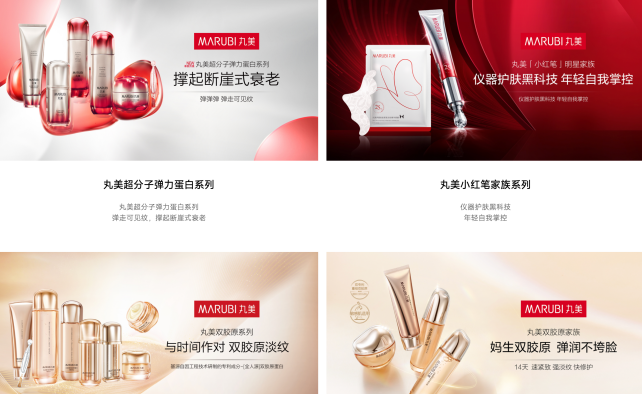
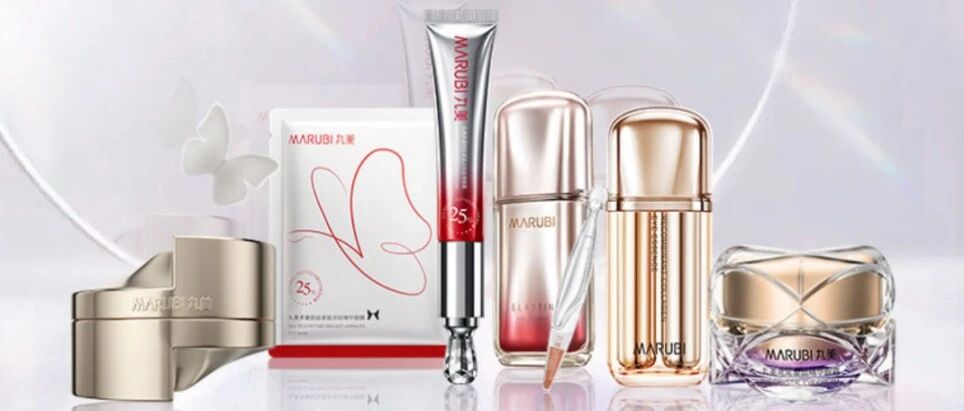
从“假洋品牌”往事到真“财务问题”,丸美赴港上市能赢回信任吗?
凤凰网财经· 2025-12-18 03:52
Core Viewpoint - The company Marubi, known for its beauty products, is planning a secondary listing in Hong Kong after facing financial and governance issues following its initial public offering in A-shares in 2019. The company has experienced a decline in net profit from 2020 to 2022, with a significant drop of 47.95% in 2021, although there has been a recovery in 2023 [1][3]. Financial Performance - Marubi's revenue for the years 2022 to 2024 and the first nine months of 2025 is projected to be 1.73 billion, 2.23 billion, 2.97 billion, and 2.45 billion respectively, with net profits of 170 million, 280 million, 340 million, and 250 million [3]. - The company's revenue is primarily generated from its two brands, Marubi and Lianhuo, with Marubi contributing 70-80% of total revenue. Lianhuo's revenue is expected to grow from 290 million in 2022 to 900 million in 2024 [5]. - Despite an increase in overall gross margin from 67.8% in 2022 to 74.8% in the first nine months of 2025, the net profit margin has remained around 10% due to rising sales and distribution expenses, which increased from 850 million in 2022 to 1.63 billion in 2024 [6]. Governance and Compliance Issues - Marubi has faced scrutiny for financial irregularities, including inaccurate revenue recognition and improper accounting practices. The company has been penalized for these issues, which include misreporting funds held in third-party payment platforms and misclassifying consulting fees as research and development expenses [10][11]. - The management of raised funds has also been criticized, as Marubi failed to separate the accounting for projects funded by raised capital from those funded by its own resources, leading to non-compliance with regulations [11][15]. Dividend Practices - Since its IPO in 2019, Marubi has distributed cash dividends totaling 1.08 billion, with significant amounts flowing to the founder and his spouse, raising concerns about the sustainability of such practices in relation to the company's financial health [16][19]. Brand Trust and Historical Controversies - Marubi has a history of controversies, including misleading claims about its Japanese origins and product quality issues. Although these past issues have diminished in public discourse, current concerns have shifted to financial data integrity and governance practices [30][31].
百雀羚:以责任为链 织就美妆行业可持续供应链新图景
Di Yi Cai Jing· 2025-12-17 15:48
百雀羚作为创立于1931年的国民美妆品牌,始终将社会责任与可持续发展深植品牌基因,并在2025年企 业社会责任元年全面嵌入ESG理念,构建覆盖全链路的可持续供应链体系。 作为创立于1931年的国民美妆品牌,百雀羚在近百年的发展历程中,始终将社会责任与可持续发展深植 品牌基因。 2025年,百雀羚迎来了企业社会责任元年。公司将ESG理念全面嵌入供应链管理全流程,从供应商准入 评估、绿色采购实践到产业链协同赋能,构建起一套覆盖全链路的可持续供应链体系,为美妆行业的绿 色转型提供了范本。 搭建全维度供应商管理体系 可持续供应链的根基,在于完善且严格的供应商管理制度。 在供应商准入环节,百雀羚制定了《物料采购管理规程》《供应商现场审核规程》等多份程序文件,不 仅对供应商的技术实力、产品质量进行严格审核,还将员工权益保障、环境管理能力等ESG指标纳入准 入考核体系。 为实现供应商的动态化、精细化管理,百雀羚将供应商划分为服务供应商、包材供应商等不同类别,定 期依据ISO 9001质量管理体系开展合规审计。通过月度评估、年度评估及不定期飞行检查,对供应商的 履约能力、质量管控水平及社会责任履行情况进行全面监测,针对评估失 ...
林清轩或将港股敲钟,上半年收入、净利约翻倍
2 1 Shi Ji Jing Ji Bao Dao· 2025-12-17 14:12
Core Viewpoint - Lin Qingxuan, a domestic beauty brand, is set to go public on the Hong Kong stock market after passing the listing hearing, marking a significant milestone in its growth trajectory [2]. Financial Performance - Lin Qingxuan's revenue surged from 691 million yuan in 2022 to 805 million yuan in 2023, and is projected to reach 1.21 billion yuan in 2024, reflecting a compound annual growth rate (CAGR) of 32.3% [2]. - The company turned a profit in 2023 with a net profit of 8.45 million yuan, a significant recovery from a loss of 5.93 million yuan in 2022, and is expected to further increase net profit by 121.1% to 187 million yuan in 2024 [2]. - In the first half of 2025, revenue increased by 93% year-on-year to 1.052 billion yuan, with net profit also rising by 120% to 182 million yuan, achieving a net profit margin of 17.3% and a gross margin of 82.4% [2]. Product Strategy - The brand's flagship product, Camellia Oil, has sold over 45 million bottles since its launch in 2014, contributing 45.5% of total revenue in the first half of 2025 [4]. - Lin Qingxuan's product line includes 230 SKUs, with Camellia Oil, cream, and lotion being the top three categories, accounting for approximately 15% and 10% of total revenue, respectively [4]. Marketing and Sales Strategy - Marketing expenses are high, with sales and distribution costs reaching 55.2% of total revenue in the first half of 2025, aligning with the overall trend in the domestic beauty industry [2][9]. - The company has significantly increased its online presence, with online sales accounting for over 65% of total revenue by the first half of 2025, up from 45.2% in 2022 [7]. Brand Development - Lin Qingxuan's brand narrative has evolved from small skincare products to a focus on high-end skincare, particularly emphasizing the benefits of Camellia Oil [5][6]. - The brand has undergone several strategic repositionings, most recently in 2023, to enhance its market presence as a "Camellia Anti-Aging Repair Expert" [5]. Market Outlook - The domestic beauty market is expected to see increased demand for plant-based oils, with analysts predicting a potential surge in interest in this segment over the next few years [9].
水羊股份即将失去一匹“上等马”
Jing Ji Guan Cha Wang· 2025-12-17 12:53
Core Viewpoint - The beauty industry is currently witnessing a dispute over the exclusive agency rights of the Spanish aesthetic brand Mestique in China, with both Shuiyang Co., Ltd. and Ruoyuchen claiming to hold these rights [2][3]. Group 1: Company Claims - Shuiyang International, a subsidiary of Shuiyang Co., Ltd., announced on December 15 that it is the exclusive distributor of the Mestique brand in China, having signed a long-term cooperation agreement since 2021 [3]. - Ruoyuchen has also circulated a statement claiming that starting January 1, 2026, it will become the exclusive distributor for Mestique's core oral beauty product line in China, with full rights to operate and market the brand [4][5]. Group 2: Market Position and Product Lines - Mestique, founded in 1985, offers a range of products including oral beauty, skincare, and health supplements, with its oral beauty product "Brightening Drink" being a top seller in the high-end market [2]. - The oral beauty product line constitutes approximately 98% of Mestique's business volume, highlighting its significance to the brand [4]. Group 3: Financial Implications - Shuiyang Co., Ltd. has seen its revenue from its own brands reach 1.039 billion yuan, accounting for 41.55% of total revenue, while its CP (China Partner) brands, including Mestique, generated 1.461 billion yuan, exceeding 50% of total revenue [6]. - The GMV of Mestique within Shuiyang Co., Ltd. increased from 50 million yuan in 2021 to over 500 million yuan by October 2024, indicating its critical role in the company's high-end transformation strategy [6][8]. Group 4: Future Outlook - The impending loss of the core agency rights for Mestique's oral beauty product line poses uncertainty for Shuiyang Co., Ltd.'s future performance, especially as it has been a key driver of growth [8]. - In contrast, Ruoyuchen has been expanding its own brand portfolio and has reported significant profit growth, with net profits increasing by 60.93% and 94.58% in 2023 and 2024, respectively [9].


万宁止损?关闭中国内地线下门店及线上商城前五折清货
Nan Fang Du Shi Bao· 2025-12-17 11:31
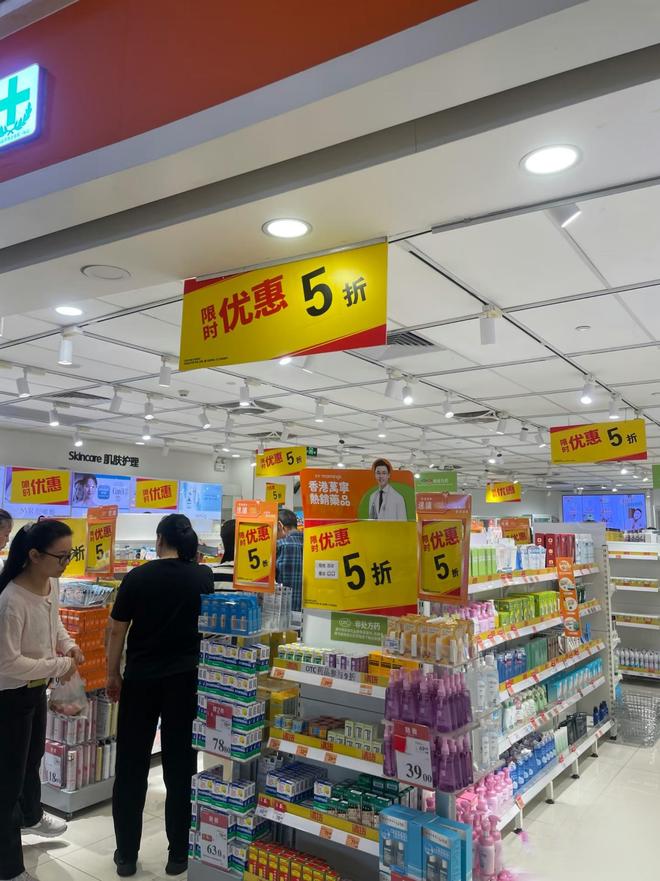
香港药妆连锁店万宁mannings撤出内地市场。12月16日,万宁中国官网发布公告,称线下门 店最后营业日为2026年1月15日,之后将正式停止运营;线上万宁官方商城(小程序)将于 2025年12月28日24时停止运营,天猫旗舰店、京东旗舰店、天猫保健品专营店则将在12月26 日停运。 南都N视频记者留意到,此前万宁在内地多处门店全场挂出限时优惠5折的促销, 按照店员的说法是在清货,之后将闭店。此外,万宁还在公告中提到,后续将在线上平台的 跨境旗舰店继续为大家服务。业内人士表示,这或许意味着万宁放弃了线下实体门店而转战 线上跨境电商服务。 官网信息显示,万宁于2004年进入内地市场,在广州开设首家新店,此后在国内的开拓逐步扩展,在华 北、华东、西南市场开设了门店。2011年,万宁在内地店铺数量超过200家,覆盖33个城市。截至2023 年,其在港澳地区拥有逾300间分店。 万宁一直主打"药妆"和健康类产品形成错位竞争,同时也售卖自有品牌及引入进口产品。巅峰时期的门 店数量也远远少于前者。但因进入内地市场的时间要晚于屈臣氏15年,巅峰时期门店数量远不如后者, 市场空间被屈臣氏等相似定位零售商抢占,处于不温不火的 ...
丸美生物:向港交所递表 全面提升综合竞争力
Zheng Quan Shi Bao Wang· 2025-12-17 11:02
Core Viewpoint - Marubi Biotechnology (丸美生物) is planning to issue H-shares to raise funds aimed at enhancing its core strategies, including strengthening its omni-channel sales system, improving brand value, incubating new brands, enhancing R&D capabilities, optimizing the supply chain, and supplementing working capital, with the goal of improving overall competitiveness [1][2] Group 1: Company Strategy and Financial Plans - The funds raised from the H-share issuance will be used entirely to reinforce the company's core strategies, including building a comprehensive omni-channel sales system and enhancing brand value through diversified marketing activities [1][2] - The company emphasizes that the H-share issuance will not lead to a change in control, with Dr. Sun Huaqing and Wang Xiaopu remaining the actual controllers [2] - Marubi plans to invest in both online and offline direct-to-consumer (DTC) capabilities, expand its R&D team, upgrade R&D facilities, and improve supply chain capabilities [2] Group 2: Market Position and Competitive Advantage - Marubi has established a closed-loop value chain for core raw materials, having developed over 80 proprietary ingredients, with more than 30 achieving large-scale production [2] - The company holds 651 global patent applications and has been granted 265 invention patents, positioning its R&D strength among the top in the domestic beauty industry [3] - Marubi's brand has ranked first in China's eye care market for four consecutive years, while its "Lianhuo" brand ranks third in the domestic foundation market [3] Group 3: Industry Growth and Future Outlook - The anti-aging skincare segment is the fastest-growing sub-sector in China's skincare industry, presenting significant growth opportunities for Marubi [3] - The H-share issuance is viewed as a strategic decision for long-term development, aligning with industry trends and enhancing the company's capital strength and core competitiveness [3]