
美妆

Search documents
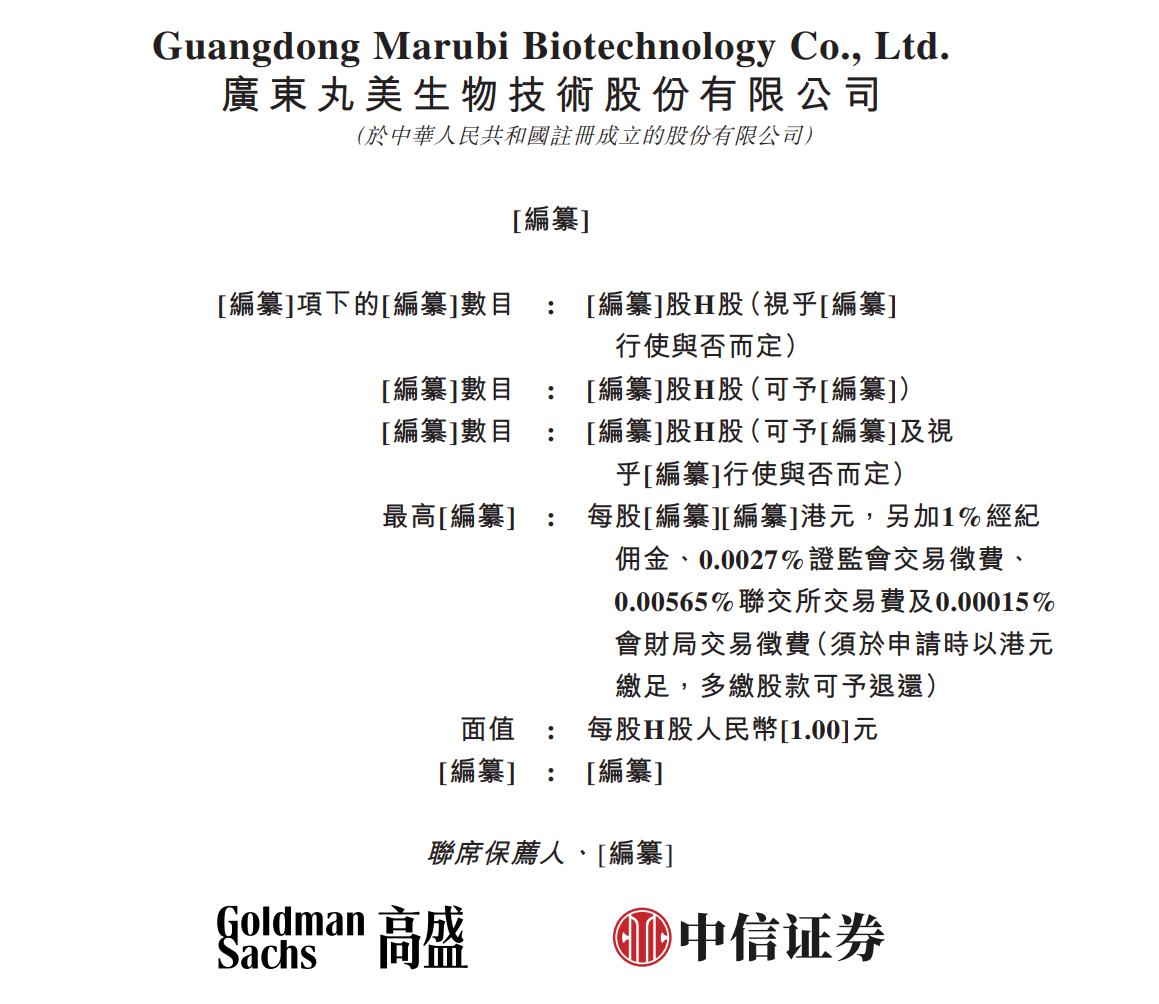
丸美生物递表港交所
Zhi Tong Cai Jing· 2025-12-11 23:15
Group 1 - The core viewpoint of the article is that Guangdong Marubi Biotechnology Co., Ltd. has submitted an application for listing on the Hong Kong Stock Exchange, with Goldman Sachs and CITIC Securities as joint sponsors [1] - Marubi Biotechnology is a leading Chinese beauty company focused on providing anti-aging solutions, leveraging synthetic biology technology and over 20 years of experience in the anti-aging skincare industry [1] - The company emphasizes research and development, particularly in core technologies such as recombinant collagen, to innovate skincare products with anti-wrinkle, firming, and repairing effects [1] Group 2 - According to a report by Frost & Sullivan, Marubi Biotechnology is the third largest beauty company in China in the recombinant collagen skincare segment, based on retail sales projected for 2024 [1]


新股消息 | 丸美生物(603983.SH)递表港交所
智通财经网· 2025-12-11 23:15
Group 1 - The core viewpoint of the article is that Guangdong Marubi Biotechnology Co., Ltd. has submitted a listing application to the Hong Kong Stock Exchange, with Goldman Sachs and CITIC Securities as joint sponsors [1] - Marubi Biotechnology is a leading Chinese beauty company focused on providing anti-aging solutions, leveraging synthetic biology technology and over 20 years of experience in the anti-aging skincare industry [1] - The company emphasizes research and development, particularly in core technologies such as recombinant collagen, to create skincare products with anti-wrinkle, firming, and repairing effects [1] Group 2 - According to a report by Frost & Sullivan, Marubi is the third largest beauty company in China in the recombinant collagen skincare segment, based on retail sales projected for 2024 [1]
上市前夕,自然堂两位高管突然离职
Sou Hu Cai Jing· 2025-12-11 11:13
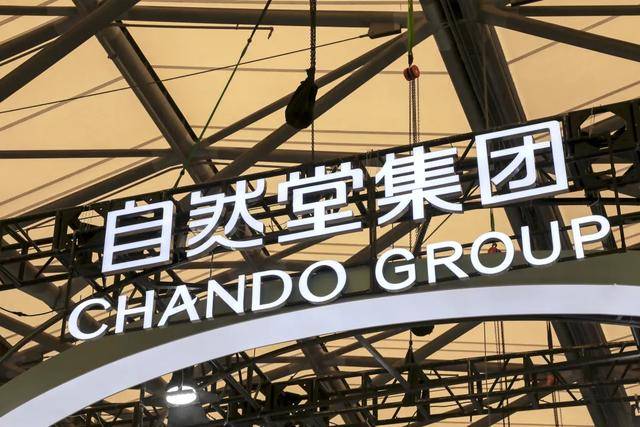
01、上市前高管离职 正值冲击港股IPO的关键节点,自然堂"两员大将"离职的消息在业内传得沸沸扬扬。 行业媒体报道称,离职的两位高管,分别是负责电商业务的吴梦以及负责市场的谭彦。两人身上最大的 标签,是自然堂"元老级人物"。其中吴梦在自然堂任职超10年,是电商业务"从0到1"的功臣;谭彦是 有"天猫+宝洁"背景背书的营销大咖。 对于核心高管变动,自然堂并未作出回应。一位资深从业者经多方核实后对《财经天下》表示,"确有 其事"。 在国货美妆行业,IPO前高管变动或组织调整,属于习惯性动作,尤其是民营企业。韩束母公司上美股 份上市之前,不仅挖来欧莱雅中国高管当CEO,还找来宝洁"老人"负责研发。 "多数情况下,企业IPO前核心人员调整,一方面可能是应对投资人和监管要求;另一方面,为的是彰 显公司上市之后的发展战略。"美妆资深评论人白云虎告诉《财经天下》,自然堂此番调整,也遵循同 样的逻辑。 透过招股书,能看到自然堂的一系列"痛点",其中之一是盈利能力偏弱。 2022年至2024年,其归母净利润分别为1.47亿元、3.03亿元和1.90亿元,净利润率分别为3.4%、6.8%、 4.1%,长期在个位数徘徊。2025年 ...
THE WHOO:作为国宾礼物的K-Beauty品牌,站上世界舞台
FBeauty未来迹· 2025-12-11 10:06
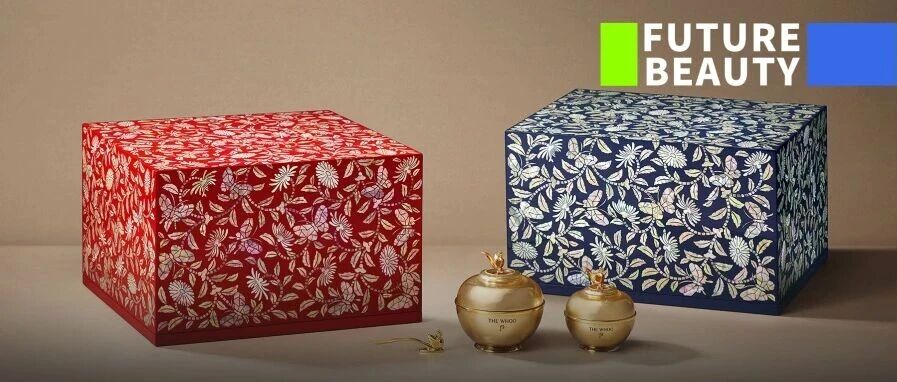
Core Insights - THE WHOO, a high-end skincare brand under LG Household & Health Care, was chosen as the official gift for spouses of leaders at the APEC summit, showcasing Korea's cultural and industrial prowess on a global stage [4][5][6] - The brand emphasizes a blend of traditional Korean aesthetics and modern scientific validation, positioning itself as a leader in the K-Beauty wave [7][10] Brand Recognition and Cultural Significance - The gifting of THE WHOO products at APEC serves as a diplomatic gesture, reflecting Korea's national spirit and manufacturing strength [5][6] - The brand's packaging and formulation were meticulously designed to highlight Korean culture and advanced technology, with unique gift boxes created by a master craftsman [5][6] Product Innovation and Scientific Backing - THE WHOO's Imperial Youth Complex, derived from 30-year-old wild ginseng, exemplifies the brand's commitment to combining traditional herbal ingredients with modern biotechnology [9][10] - The brand has conducted extensive research involving 57,000 Asian women to understand skin characteristics, leading to the development of innovative materials that cater to market needs [9][10] Market Strategy and Global Positioning - THE WHOO aims to establish scientific credibility for its anti-aging products, with a focus on transparency and international scientific collaboration [11][12] - The brand's strategy includes deep cultural engagement in key markets like China, enhancing its high-end image through collaborations with traditional cultural icons [14][17] Performance and Competitive Edge - During the 2025 Double Eleven shopping festival, THE WHOO ranked among the top three high-end skincare brands on Douyin, reflecting its successful cultural connection with Chinese consumers [14] - The brand has expanded its offerings to include collaborations with Chinese cultural elements, enhancing its appeal and cultural resonance [15][17] Future Directions and Challenges - THE WHOO faces the challenge of converting its recognition as a state gift into sustainable brand equity while maintaining its high-end positioning [23][24] - The brand is pursuing a global strategy focused on high-end product lines and optimizing distribution channels to enhance market efficiency [19][24]
黑猫投诉11月数据说:电商投诉持续增长
Xin Lang Cai Jing· 2025-12-11 09:09
Core Insights - The Black Cat Complaint platform reported over 31.16 million effective consumer complaints and more than 24.09 million corporate responses by the end of November 2025, with nearly 10.42 million complaints resolved [1][11] - November saw a significant increase in consumer complaints, particularly in the automotive and e-commerce sectors, driven by specific issues and promotional events [1][5] Automotive Industry - Complaints in the automotive sector rose by nearly 30% in November, exceeding 2,700 cases, largely influenced by collective complaints against Changan Ford [2][12] - The Changan Ford Mondeo model faced widespread complaints due to a common issue with the vehicle's infotainment system, resulting in over 400 complaints, with a peak of nearly 300 complaints on a single day [3][13] - Among domestic brands, most automotive companies had high response rates, with brands like Zeekr, Xiaomi, and NIO achieving 100% response rates, while Li Auto had minimal responses [4][14] E-commerce Sector - The Black Cat Complaint platform received nearly 150,000 complaints related to e-commerce in November, marking a 6.99% increase from October, with a peak of nearly 6,000 complaints on November 12 [5][15] - The increase in complaints was attributed to the ongoing Double Eleven shopping festival and incidents involving brands like Qichu and MKAN, which led to collective consumer complaints [16] Beauty Industry - Complaints in the beauty sector rose by approximately 16.84% in November, driven by ongoing issues related to the Qichu "Sudan Red" incident and the Double Eleven promotions, with a peak in complaints observed on November 6 [6][17]
价值研究所|即时零售迎“奇点”,巨头激战正酣
中国基金报· 2025-12-11 08:21
Core Viewpoint - The instant retail market in China is expected to reach 971.4 billion yuan in 2025, with a year-on-year growth of 24.4%, indicating a significant shift in consumer behavior towards faster delivery services [2][5]. Market Expansion - The instant retail industry is expanding rapidly, with projections indicating a market size of 2 trillion yuan by 2030 and a compound annual growth rate of 25% [5]. - Major e-commerce platforms like Alibaba, JD, and Meituan have invested nearly 60 billion yuan in instant retail in Q3 this year, highlighting the high investment and growth potential in this sector [5]. Consumer Behavior - The "post-95" generation values delivery speed more than previous generations, with over 50% preferring same-day or even two-hour delivery [5][6]. - Instant retail meets the demand for immediate gratification, reshaping consumer experiences and brand connections [6]. Channel Transformation - The beauty and personal care sector is experiencing significant growth in instant retail, with brands like Betaini and Proya quickly adapting to this model due to the high demand for timely delivery [8]. - Sportswear brands such as Li Ning and Anta are also entering the instant retail space, enhancing consumer convenience through local store fulfillment [10]. Operational Innovations - Qingdao Beer has successfully integrated instant retail, achieving a tenfold increase in GMV from 2 billion yuan to nearly 20 billion yuan in five years, with a compound annual growth rate exceeding 50% [11]. - Instant retail allows for cold chain delivery, ensuring product quality for sensitive items like fresh beer and frozen foods [10]. Market Dynamics - Instant retail is creating new growth avenues for retail companies, shifting from traditional "goods and space" models to "instant service" approaches [11]. - The "Good Idea Snack Paradise" brand has seen a 200% increase in order volume over three months, with over 90% of new customers coming from online channels [12]. Competitive Landscape - Despite the rapid growth, major players are currently in a "burning cash" phase, with significant cash flow losses reported by Meituan, Alibaba, and JD [13]. - Retail brands face challenges from aggressive platform subsidies and competition from private label products, necessitating a reevaluation of their business models [14]. - Companies that can enhance supply chain efficiency through digital transformation are likely to thrive in the instant retail era [14].

两大美妆巨头同时出手,一边狂买一边狂卖
21世纪经济报道· 2025-12-10 12:19
Core Views - The article discusses the contrasting strategies of two major beauty groups, L'Oréal and Unilever, highlighting L'Oréal's aggressive acquisition approach and Unilever's focus on divesting non-core assets [2][8]. Group 1: L'Oréal's Acquisition Strategy - L'Oréal announced the acquisition of an additional 10% stake in Galderma, increasing its ownership from 10% to 20%, with plans to explore further scientific research collaborations [1][6]. - The acquisition is part of L'Oréal's ambition to penetrate the rapidly growing medical aesthetics market, alongside its investments in high-end and clean beauty segments [6][8]. - In October, L'Oréal made a significant investment of €4 billion to acquire beauty licenses from Kering Group, indicating a strong recovery in its performance, particularly in the North Asia region [6][7]. Group 2: Unilever's Divestment Strategy - Unilever is undergoing a restructuring process, focusing on core businesses by divesting over 20 non-core beauty and personal care brands, including the planned spin-off of its ice cream business [1][7]. - The CEO of Unilever emphasized that the spin-off aims to create a more streamlined company focused on higher profit margins in beauty and personal care sectors [7][8]. - Unilever's recent quarterly results showed improvement in sales growth after excluding the ice cream business, indicating a positive trend in its core operations [7][8]. Group 3: Industry Trends and Brand Matrix - The contrasting strategies of L'Oréal and Unilever reflect a broader industry trend where companies are either expanding their brand portfolios or optimizing them by shedding non-core assets [8][9]. - The ideal brand matrix should exhibit strategic synergy, growth gradient, and profit orientation, allowing companies to withstand market fluctuations [10]. - Other beauty brands, including Estée Lauder, are also reviewing their brand portfolios, indicating a shift towards optimizing brand performance and profitability [9].

创下掉粉纪录后,美妆顶流“复播”
3 6 Ke· 2025-12-10 09:39
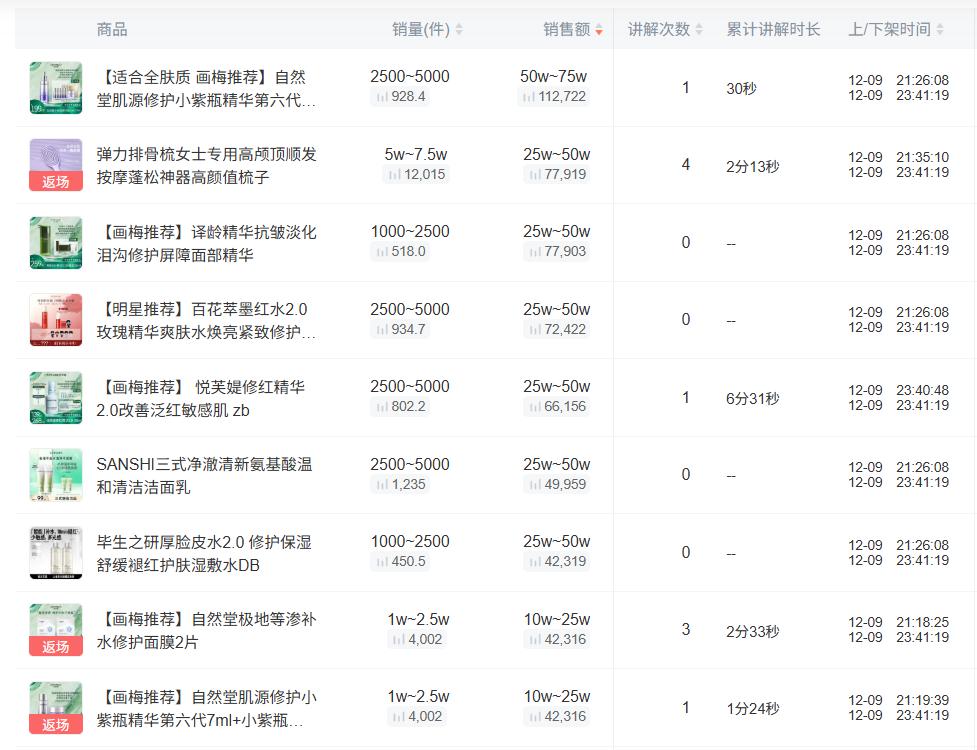
Core Insights - The beauty influencer @HuaMei announced a temporary departure from the beauty sector, citing exhaustion rather than issues related to taxes or counterfeit products, which sparked widespread media coverage and speculation about the reasons behind this decision [1][7][10] - Following the announcement, @HuaMei's return to streaming on Douyin was marked by impressive sales projections of 7.5 to 10 million yuan and a peak viewership of 186,000, indicating strong fan loyalty and market influence [1][2] Group 1: @HuaMei's Background and Standards - @HuaMei shared his journey from dropping out of school to becoming a makeup artist and eventually a beauty influencer, emphasizing his commitment to ethical practices and rigorous product selection standards [3][10] - He highlighted two significant controversies in his career, where he took full responsibility for product issues, showcasing his dedication to consumer trust and product integrity [3][10] Group 2: Industry Context and Trends - The beauty sector has seen a trend of top influencers announcing their departures, with @ChengShiAn and @LuoWangYu also having left the scene for various reasons, indicating potential underlying issues within the influencer ecosystem [11][12] - The overall performance of top beauty influencers has declined, with a noticeable drop in average sales per live stream despite an increase in the number of live streaming sessions [20][22] Group 3: Market Dynamics and Future Directions - The Douyin e-commerce market is projected to reach a total transaction volume of approximately 3.5 trillion yuan in 2024, with 30% of this volume coming from influencer live streams, highlighting the ongoing importance of influencers in driving sales [20] - There is a growing emphasis on transparency and professionalism in the beauty sector, with platforms like Douyin implementing initiatives to promote sustainable content evaluation and support emerging creators [22][23]
解码美妆业ESG新趋势:绿色包装成共识,中国特色案例增多
Nan Fang Du Shi Bao· 2025-12-10 09:37
Core Viewpoint - The article discusses the evolution of ESG (Environmental, Social, and Governance) practices in the Chinese beauty industry, highlighting the increasing focus on sustainable packaging, local cultural integration, anti-corruption measures, and the rise of "clean beauty" concepts among domestic brands [1][2][9]. Group 1: ESG Practices in the Beauty Industry - The "Sustainable Innovation Laboratory" of Southern Metropolis Daily is collecting exemplary ESG practices from companies to promote sustainable development [1]. - A report titled "2025 ESG Sustainable Innovation Trend Insight Report" will be released, showcasing best practices in ESG from various companies [2]. - Major Chinese beauty brands are increasingly adopting green packaging strategies, with a consensus emerging around carbon reduction and product lifecycle management [3][5]. Group 2: Green Packaging Initiatives - Companies like Up Beauty and Huaxi Biological are implementing sustainable packaging practices, including the use of FSC-certified materials and reducing plastic usage [3]. - Pulaia has detailed its green packaging efforts, aiming to increase the proportion of sustainable materials by 20% and reduce packaging intensity by 15% [5]. - Betaini reported a significant increase in effective bottle recycling, achieving 2.67 million bottles in 2024, eight times the previous year [7]. Group 3: Localized ESG Topics - Chinese beauty companies are incorporating "Chinese characteristics" into their ESG disclosures, such as marriage and childbirth benefits for employees and contributions to rural revitalization [9][10]. - Up Beauty has established a marriage and childbirth fund of 10 million yuan to support employees [9]. - The focus on rural revitalization includes financial support for local infrastructure projects, enhancing community living conditions [9]. Group 4: Anti-Corruption Measures - Domestic beauty brands are establishing anti-corruption reporting mechanisms, a unique feature compared to international counterparts [11]. - Companies like Mao Ge Ping and Huaxi Biological have implemented structured anti-corruption training and reporting systems [12]. Group 5: Digital Transformation and AI - The application of AI technology in ESG reporting is becoming more prominent, with companies like L'Oreal investing over 1 billion euros annually in technology and data analysis [14]. - L'Oreal is developing digital tools to manage revenue growth and optimize product pricing through data integration [14]. Group 6: Rise of Clean Beauty - The concept of "clean beauty" is gaining traction, with brands focusing on safe and transparent ingredient sourcing [17][20]. - Up Beauty has established a green ingredient research center and published a white paper on clean beauty standards [18]. - The increasing consumer awareness regarding product safety and ingredient transparency is driving the demand for clean beauty products [21].

“买买买”vs“断舍离”:欧莱雅、联合利华再变阵?丨美妆变局
2 1 Shi Ji Jing Ji Bao Dao· 2025-12-10 09:25
Core Insights - The two major beauty groups, L'Oréal and Unilever, are pursuing different strategies, with L'Oréal focusing on acquisitions while Unilever is divesting non-core assets [2][4]. Group 1: L'Oréal's Acquisition Strategy - L'Oréal announced the acquisition of an additional 10% stake in Galderma, increasing its ownership from 10% to 20%, with plans to explore further scientific research projects together [1][2]. - The acquisition is part of L'Oréal's ambition to enter the rapidly growing medical aesthetics market, alongside its investments in high-end and clean beauty segments [2][3]. - In October, L'Oréal spent €4 billion to acquire beauty licenses from Kering Group, indicating a strong partnership and capability to enhance luxury brands [3]. - L'Oréal's investments in China include a stake in Naturgy and further investments in local skincare brands, reflecting its strategy to accelerate brand innovation and consumer attraction [3]. Group 2: Unilever's Divestment Strategy - Unilever is undergoing a restructuring process to focus on core businesses, highlighted by the planned spin-off of its ice cream division, expected to be completed by Q4 2025 [1][5]. - The CEO of Unilever emphasized that the spin-off will create a more streamlined company, concentrating on beauty, health, and personal care sectors for higher profit margins [5]. - Unilever's recent quarterly performance showed improvement after excluding the ice cream business, indicating a positive trend in its core operations [5]. Group 3: Industry Trends and Brand Matrix - The contrasting strategies of L'Oréal and Unilever reflect a broader industry trend where companies are either expanding their brand portfolios or optimizing them by shedding non-core assets [6][7]. - The ideal brand matrix should exhibit strategic synergy, growth gradient, and profit orientation, allowing companies to withstand market fluctuations [7].