大豆

Search documents
中国开始全面反击:暂停澳铁矿石进口!大豆与铁矿关键被中国抓住
Sou Hu Cai Jing· 2025-10-08 18:12
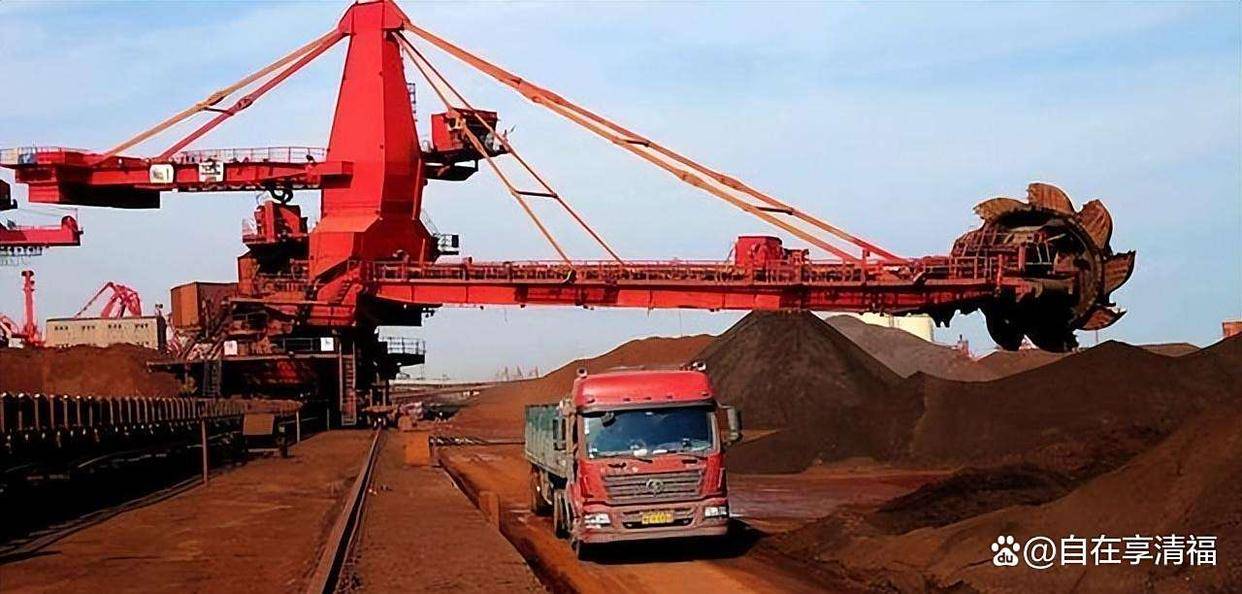
Core Viewpoint - The suspension of iron ore purchases by China Mineral Resources Group from BHP is a strategic move aimed at negotiating pricing power, shifting from USD to RMB settlements and adjusting the pricing cycle from quarterly to monthly [1][3][12]. Group 1: Market Dynamics - The pricing of iron ore has historically followed the Platts index plus a premium, which has favored sellers during upturns, leading to increased costs for Chinese steel mills [2][12]. - The shift to RMB settlements aims to eliminate exchange rate risks and align purchasing closer to market fluctuations, providing buyers with more flexibility [3][12]. Group 2: Responses from Stakeholders - Australian Prime Minister Albanese expressed disappointment over the suspension, indicating a challenge to the established order where resources have been used as diplomatic leverage [5][13]. - BHP's stock fell by 1.7% following the announcement, reflecting market concerns, although the overall market remained stable due to China's sufficient iron ore inventory [5][18]. Group 3: Broader Implications - The suspension of iron ore contracts coincided with China's halt on new contracts for Australian soybeans, signaling a broader strategy of leveraging trade relationships [7][11]. - Australia's heavy reliance on iron ore exports, particularly to China, raises concerns about its economic stability in light of changing buyer strategies [13][20]. Group 4: Negotiation Strategies - The negotiation tactics employed by China involve creating uncertainty to pressure sellers into reconsidering contract terms, such as the frequency of pricing and currency used [16][19]. - The focus on technical barriers, like quality assessments for soybeans, serves as a subtle reminder of the interconnectedness of trade and the need for compliance from both parties [7][11]. Group 5: Future Outlook - The ongoing negotiations will likely revolve around whether to accept monthly pricing cycles and the potential for dual currency settlements, which could reshape the terms of trade [19][21]. - China's diversification of supply sources, including projects in Guinea and Brazil, aims to enhance its bargaining position and reduce dependency on Australian iron ore [15][21].


铁矿石人民币结算、大豆零采购,美国利益受冲击,外媒为何如此紧张?
Sou Hu Cai Jing· 2025-10-08 12:02
Group 1 - China's recent actions on the international stage indicate a shift in its approach, no longer considering the feelings of the United States or passively accepting Western rules [1] - The Chinese mineral resources group has announced a halt to purchasing Australian iron ore priced in US dollars, opting for RMB settlements and prioritizing supplies from Brazil and Guinea [3][5] - China has diversified its supply chain for iron ore, signing long-term agreements with Brazil and Guinea, and increasing domestic production, thus reducing reliance on Australia [5][9] Group 2 - The US soybean farmers are facing difficulties as China has not purchased US soybeans for several months, instead sourcing from Brazil and Argentina, with China demanding the removal of unreasonable tariffs to resume purchases [7] - China's military advancements, particularly with the Fujian aircraft carrier and its capabilities, have positioned it as the second country globally to master electromagnetic catapult technology, altering the strategic landscape [9][11] - The changes in China's approach reflect its enhanced comprehensive strength, allowing it to prioritize its own interests and actively participate in rule-making rather than being a passive rule-taker [11][13] Group 3 - China's ability to respond to trade barriers and military provocations with strategic adjustments demonstrates its transition to a more proactive role in international relations [13][15] - The ongoing adjustments in China's international strategy are aimed at creating a fairer global playing field, indicating a new normal in international dynamics that others must adapt to [15]

外媒发出感慨,中方的最新声明直接挑明,丝毫不考虑美国利益了
Sou Hu Cai Jing· 2025-10-07 18:16
Core Insights - The global commodity trade landscape is undergoing a profound structural transformation, particularly influenced by China's strategic decisions regarding currency diversification and procurement channels [1][3][12] Group 1: Iron Ore Market - BHP's stock experienced a significant drop of 6% on October 1, coinciding with a 4% decline in Singapore iron ore futures, triggered by China's directive to halt all dollar-denominated iron ore purchases from BHP [1][3] - China has signed a long-term supply agreement with Brazil's Vale, adding 50 million tons of new orders with a notable increase in RMB settlement to 28%, indicating a shift away from the dollar-dominated settlement system [3][10] - BHP's reliance on the U.S. market is substantial, with over 60% of its revenue coming from exports to China, making the recent changes particularly challenging for the company [3][10] Group 2: Soybean Trade - In the first seven months of 2025, China imported 16.57 million tons of soybeans from the U.S. compared to 42.26 million tons from Brazil, widening the gap to 2.6 times, which poses a significant threat to U.S. agriculture [5][8] - China's shift towards South American suppliers is driven by Brazil's stable supply, cost control, and secure settlement options, with a currency swap agreement worth 190 billion yuan enhancing RMB settlement in soybean trade [7][11] - The U.S. soybean market is facing severe challenges, with nearly 100 farms declaring bankruptcy and a loss exceeding $1 billion for U.S. soybean farmers due to declining exports [8][11] Group 3: Broader Implications - The adjustments in commodity procurement and settlement by China reflect a strategic shift towards prioritizing supply chain security and cost control over traditional diplomatic balancing [7][12] - The changes in iron ore and soybean trade are indicative of a broader trend where the dominance of the dollar in global commodity transactions is being challenged, leading to a potential reconfiguration of global trade rules [12][15] - The U.S. Treasury's concerns regarding the implications of these changes highlight the potential for a significant shift in the balance of power in global commodity markets, as other resource-exporting countries may consider similar moves towards RMB settlement [3][10][15]

8国密谋反华,澳大利亚想对中国稀土开枪,54万吨油菜籽白买了?
Sou Hu Cai Jing· 2025-09-26 12:32
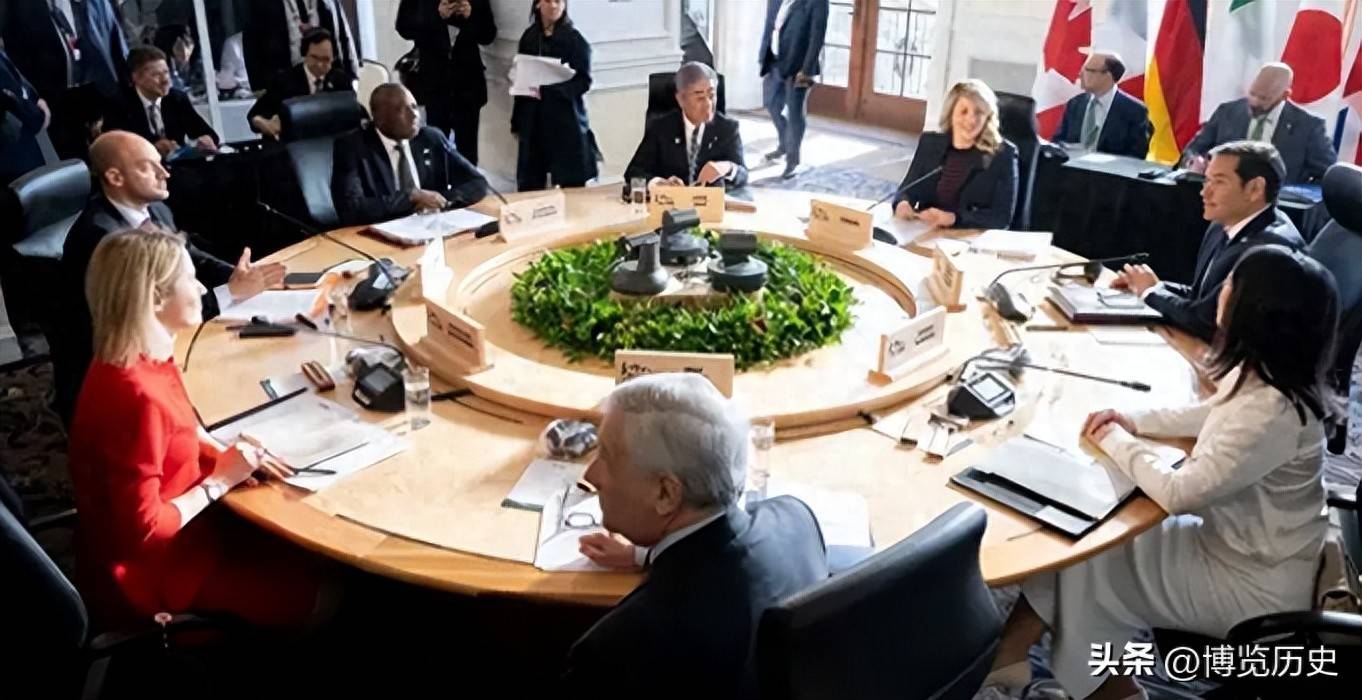
Group 1 - Australia, along with G7 and EU, is planning to impose restrictions on China's rare earth exports, including price floors and carbon taxes [2][4] - In April, China implemented export controls on heavy rare earths, leading to a strategic tug-of-war over global resources [2][4] - The G7's proposed measures are seen as ineffective due to China's dominance in rare earth processing, controlling 92% of global capacity [5] Group 2 - China's countermeasures include sanctions against U.S. companies and halting soybean purchases from the U.S., impacting American agriculture [7][9] - Australia previously exported a significant amount of canola to China, but now faces challenges as it aligns with G7 against China [13] - China's strengthening of agricultural cooperation with South American countries and its strategic resource initiatives indicate a shift in global resource control [16][19] Group 3 - The G7's plan appears to lack consensus and may backfire on Western economies, particularly affecting EU manufacturing [19] - The U.S.-China soybean trade has significantly declined, with a 22.7% drop expected in 2024, undermining U.S. leverage [21] - China's control over the rare earth supply chain positions it as a strategic player in the global market, challenging the effectiveness of G7's pricing strategies [21]

综合晨报:美国消费者价格涨幅超预期,国内AI股强势引领反弹-20250912
Dong Zheng Qi Huo· 2025-09-12 01:30
Report Industry Investment Ratings The provided text does not contain any information regarding the report industry investment ratings. Core Viewpoints of the Report - The US consumer price increase exceeded expectations in August, but the market still maintains the expectation of interest rate cuts, and the US dollar index is weakening [1][20]. - Driven by the better - than - expected orders of US stock Oracle, domestic AI stocks led a strong rebound, but the market is expected to continue in a tug - of - war [2]. - The bond market rally caused by new bond issuance is short - term, and the market adjustment is not over. It is recommended to have a bearish view on the bond market in September [3][27]. - The market is concerned about the USDA monthly supply - demand report on Friday. CONAB has raised the production and export forecasts of Brazilian soybeans, and there is a possibility of a transition from ENSO neutral to La Nina [4]. - Steel prices are expected to be in a weak shock pattern in the near future due to inventory accumulation and lower - than - expected apparent demand [5]. - For zinc, maintain a positive arbitrage strategy before the overseas inventory truly bottoms out, and the short - selling logic of SHFE zinc may be realized through the rise of LME zinc [6]. Summary by Relevant Catalogs 1. Financial News and Comments 1.1 Macro Strategy (Gold) - The European Central Bank kept interest rates unchanged, in line with expectations. The US initial jobless claims reached a new high since October 23, 2021, and the CPI in August rebounded as expected [13][14][15]. - Short - term gold prices lack the impetus to break through, and attention should be paid to the risk of correction [16]. 1.2 Macro Strategy (Foreign Exchange Futures - US Dollar Index) - The US Treasury Secretary plans to add candidates to the Fed Chair list. The European Central Bank maintained interest rates, and the US CPI rose in August [17][18][19]. - The US dollar index is expected to continue to decline as the market maintains the interest rate cut expectation despite the rise in CPI [20][21]. 1.3 Macro Strategy (Stock Index Futures) - There are rumors that Mexico may impose a 50% tariff on Chinese - exported cars. The State Council approved 10 pilot projects for factor market - oriented reform [22][23]. - Domestic AI stocks led a rebound, but the market is expected to be in a tug - of - war. It is recommended to pay attention to trading volume changes and control long positions [2][23][24]. 1.4 Macro Strategy (US Stock Index Futures) - The US CPI in August was basically in line with expectations. The labor market supports the Fed to continue interest rate cuts, and the market has fully priced in three interest rate cuts this year [25]. - US stocks are expected to be volatile and bullish under the interest rate cut expectation, but market volatility may increase [25]. 1.5 Macro Strategy (Treasury Bond Futures) - The central bank conducted 292 billion yuan of 7 - day reverse repurchase operations. A new 7 - year bond will be issued [26]. - The bond market rally due to new bond issuance is short - term. The market adjustment is not over. It is recommended to have a bearish view on the bond market in September [3][27][28]. 2. Commodity News and Comments 2.1 Agricultural Products (Soybean Meal) - CONAB raised the production and export forecasts of Brazilian soybeans. Analysts expect the NOPA member soybean crushing volume in August to be 182.857 million bushels, and the import soybean auction was fully sold [29][30][31]. - The soybean meal futures price is expected to be volatile. Attention should be paid to the USDA monthly supply - demand report on Friday [32]. 2.2 Agricultural Products (Soybean Oil/Rapeseed Oil/Palm Oil) - The SPPOMA data shows that the palm oil production in Malaysia from September 1 - 10 decreased by 3.17% month - on - month [33]. - The uncertainty in the oil market has increased. It is recommended to wait and see in the short term [33]. 2.3 Agricultural Products (Corn Starch) - The operating rates of the corrugated paper and boxboard paper industries increased, while the operating rates of the starch sugar industry decreased [34][35]. - In addition to weak supply and demand, regional price differences are also unfavorable to the rice - flour price difference in the short term [36]. 2.4 Agricultural Products (Red Dates) - The red date prices in the Hebei Cuierzhuang market were stable. The futures price of the main contract CJ601 rose by 2.14% [36][37]. - Red date prices are expected to be volatile. It is recommended to wait and see and pay attention to the weather in the producing areas and pre - festival replenishment [37]. 2.5 Agricultural Products (Corn) - The consumption of corn in deep - processing enterprises increased slightly, and the raw material inventory decreased. The price of new corn in North China is weakening, while that in the Northeast remains strong [38]. - It is recommended to maintain a bearish view on corn in the medium term [39]. 2.6 Agricultural Products (Pigs) - The Ministry of Agriculture and Rural Affairs plans to hold a symposium on pig production capacity regulation. Some enterprises plan to reduce production [39]. - It is recommended to short near - month contracts on rallies and have a bullish view on far - month contracts [40]. 2.7 Black Metals (Steam Coal) - The price of steam coal in the northern port market remained stable on September 11. The coal price is expected to continue to be weak due to weak thermal power demand and no new production control policies [41]. - The steam coal price is expected to continue to be weak [42]. 2.8 Black Metals (Iron Ore) - Anglo American and Teck Resources will merge equally. The iron ore price is in a volatile market, and the raw material end has short - term support but faces upward pressure [43]. - Attention should be paid to the peak season in September - October and the pressure on steel mills to cut production [44]. 2.9 Black Metals (Rebar/Hot - Rolled Coil) - The inventory of the five major steel products increased by 139,100 tons week - on - week. Steel prices are expected to be in a weak shock pattern in the near future [47]. - It is recommended to have a bearish view on steel prices in the short term [48]. 2.10 Non - ferrous Metals (Copper) - Vale plans to increase copper production through self - development. Panama plans to evaluate the restart of First Quantum's copper mine. Peru's copper production in July increased by 2% year - on - year [49][50][51]. - The copper price is expected to be volatile and bullish in the short term. It is recommended to have a bullish strategy on the single - side and wait and see on the arbitrage [52]. 2.11 Non - ferrous Metals (Polysilicon) - Shandong's new energy mechanism electricity price bidding results were announced. Polysilicon production restrictions started in September. The price increase of upstream products has not been smoothly transmitted to the terminal, and the photovoltaic terminal demand may decline [53][54]. - The futures price is expected to fluctuate greatly. It is recommended to sell out - of - the - money call options after a rebound and pay attention to the 11 - 12 reverse arbitrage opportunity at about - 2000 yuan/ton [55]. 2.12 Non - ferrous Metals (Industrial Silicon) - Yunnan's 100,000 - ton industrial silicon project passed the energy - saving review. The price of industrial silicon is expected to be in the range of 8200 - 9200 yuan/ton in the short term [56][57]. - It is recommended to pay attention to the range - trading opportunities [57]. 2.13 Non - ferrous Metals (Lead) - The LME lead 0 - 3 spread was at a deep discount, and the domestic lead social inventory decreased slightly. The lead price is expected to be volatile and weak [58]. - It is recommended to wait and see on the single - side and pay attention to the domestic - foreign positive arbitrage opportunity before delivery [58]. 2.14 Non - ferrous Metals (Zinc) - The LME zinc 0 - 3 spread was at a premium, and the domestic zinc inventory increased. Maintain a positive arbitrage strategy before the overseas inventory truly bottoms out [59][60]. - It is recommended to wait and see on the single - side, pay attention to the medium - term positive arbitrage opportunity, and maintain a positive arbitrage strategy before the overseas inventory bottoms out [60]. 2.15 Non - ferrous Metals (Nickel) - Weiming Shengqing sold 3,526 tons of high - purity nickel plates in the first half of the year. The global nickel inventory is increasing, and the nickel price is expected to be volatile in the short term [61]. - It is recommended to conduct light - position trading in the range [62]. 2.16 Non - ferrous Metals (Lithium Carbonate) - CATL's Jiaxiaowo lithium mine plans to resume production. The battery export in August decreased by 2.6% month - on - month. The market may quickly price in the resumption of production, but the price decline is limited before the actual resumption [63][64][65]. - It is recommended to switch to a bearish view, be cautious about short - selling in the short term, and pay attention to the opportunity of short - selling on rallies and reverse arbitrage in the medium term [66]. 2.17 Energy and Chemicals (Liquefied Petroleum Gas) - The weekly commercial volume of domestic LPG increased, and the inventory increased. The LPG market has limited drivers, and it is recommended to wait and see in the short term [67][68][69]. 2.18 Energy and Chemicals (Carbon Emissions) - The CEA closing price on September 11 was 63.28 yuan/ton, down 0.42%. The CEA price is expected to be volatile and weak in the short term [70]. - The CEA price has room to fall in the short term [71]. 2.19 Energy and Chemicals (Caustic Soda) - The price of liquid caustic soda in Shandong remained stable. The supply is stable, and the demand is moderate. The price may decline in the future [72][73]. - The increase of caustic soda spot price may be near the end, and the downward space of the futures price is limited [73]. 2.20 Energy and Chemicals (Pulp) - The import pulp spot market was stable. The pulp market is expected to be weak and volatile due to poor fundamentals [74][75][76]. 2.21 Energy and Chemicals (PVC) - The domestic PVC powder market price was slightly adjusted. The PVC market is under short - term pressure, but the downward space is limited [77]. 2.22 Energy and Chemicals (PX) - The PX price was stable. The PX supply - demand is expected to be in a de - stocking pattern in the medium - long term. It is recommended to try positive arbitrage between months [78][79][80]. 2.23 Energy and Chemicals (PTA) - The terminal operating rates in Jiangsu and Zhejiang remained stable. The PTA price is expected to be volatile and the upward space is limited [81][82][83]. 2.24 Energy and Chemicals (Styrene) - The weekly production of styrene decreased. The short - term port inventory accumulation pressure of styrene has been alleviated, and the 2510 contract is in a volatile state [84][85]. 2.25 Energy and Chemicals (Bottle Chips) - The export quotes of bottle chip factories were mostly stable. The downstream demand is gradually transitioning to the off - season, and the processing fee is under pressure [87][88]. 2.26 Energy and Chemicals (Soda Ash) - The soda ash market in Shahe was oscillating. The soda ash price is expected to be short - term weak, and it is recommended to short on rallies [89][90]. 2.27 Energy and Chemicals (Float Glass) - The float glass price in the Shahe market decreased slightly. It is recommended to pay attention to the arbitrage opportunity of going long on FG2601 and short on SA2601 [91][92]. 2.28 Shipping Index (Container Freight Rate) - CMA CGM will not impose the "301 surcharge". The container freight rate is expected to continue to decline, and the 10 - contract still has downward space [93].
想卡中国脖子,结果特朗普失算,澳大利亚成了大赢家
Sou Hu Cai Jing· 2025-09-02 04:17
Group 1 - The core point of the article is that Australia has emerged as a significant beneficiary of the US-China trade war, contrary to expectations that either the US or China would gain the most [1][8]. - The trade war began in March 2018 when the US imposed tariffs on Chinese goods, leading to a series of retaliatory measures from China, which resulted in a loss of price advantage for Chinese products in the US market [3][5]. - Australia, being a major exporter of iron ore and coal, capitalized on the gap left by the US tariffs on Chinese goods, as its products faced lower tariffs in the US market, thus gaining a competitive edge [5][6]. Group 2 - The diplomatic thaw between Australia and China, particularly after the meeting between leaders in November 2022, has led to a significant increase in bilateral trade, with trade volume surpassing 300 billion AUD and creating substantial economic benefits for Australian households and employment [5][6]. - Australia's strategy of balancing economic reliance on China while maintaining security ties with the US presents a precarious situation, as it risks potential backlash if geopolitical tensions escalate [6][8]. - The sustainability of Australia's gains from the US-China trade war is uncertain, as shifts in global supply chains and the potential for changing demand dynamics could impact its current advantages [6][8].
中美关税战,最大赢家已出现?特朗普没想到,订单都被盟友抢走了
Sou Hu Cai Jing· 2025-08-31 03:00
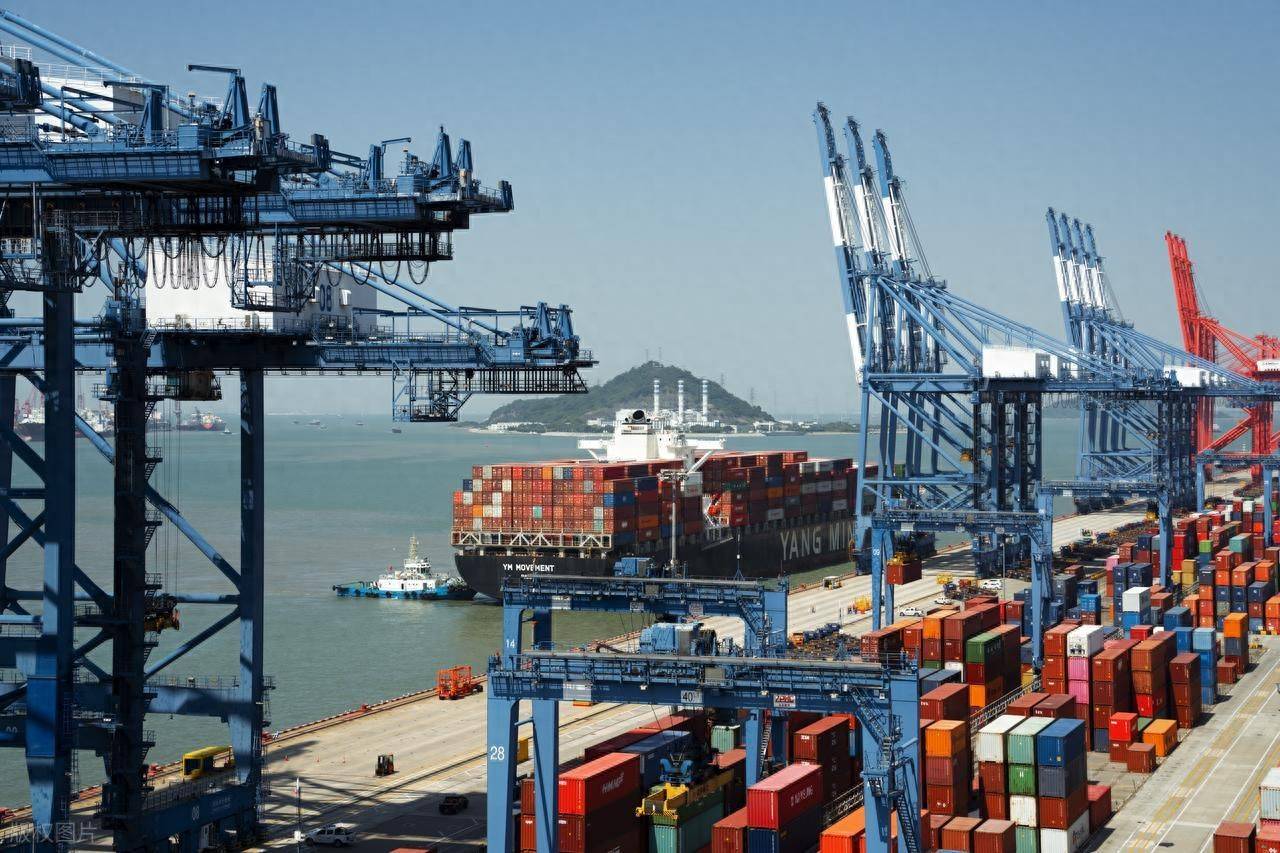
Core Insights - The US-China trade war is currently in a temporary "truce," with unexpected beneficiaries emerging, particularly Australia, which has captured large orders originally intended for the US [1][3] - Australia's Prime Minister praised China's actions in lifting trade barriers, indicating that Australia is the actual beneficiary of the trade war [3] - The US's aggressive tariff strategy under Trump has backfired, leading to significant economic challenges for American small businesses and farmers [5][8] Group 1: Impact on Australia - Australia has seen a steady increase in its market share for iron ore, coal, and wine in China, benefiting from China's vast consumer market and manufacturing demand [9] - The trade relationship between Australia and China has rapidly recovered after previous tensions, with Australia now more reliant on the Chinese market for its economic stability [11] - The US's tariffs on goods such as coal, soybeans, and beef have allowed Australia to fill the void in these markets, as its products become more competitive due to lower transportation costs [13] Group 2: US Policy Consequences - The US's aggressive tariff policies have inadvertently opened up new market opportunities for Australia, as the US has set a relatively low baseline tariff rate of 10% for Australian goods [13] - The US's inability to effectively pressure China, contrasted with China's strong response, has highlighted a shift in economic power dynamics [6][8] - The trade war has forced the US to pause new tariffs, reflecting the internal dissatisfaction among American businesses affected by the trade conflict [8] Group 3: Long-term Considerations - Australia's current economic gains are seen as unsustainable if they continue to rely on US-China tensions, emphasizing the need for a more independent and robust national strategy [15] - The trade war, while beneficial for Australia in the short term, underscores the importance of developing a long-term economic strategy that does not depend solely on external conflicts [15]

研究所晨会观点精萃:美联储主席释放降息信号,全球风险偏好大幅升温-20250825
Dong Hai Qi Huo· 2025-08-25 04:04
Report Industry Investment Rating No information provided in the content. Core Viewpoints - Overseas, Powell's dovish speech at the Jackson Hole meeting boosted market expectations for a September interest rate cut, weakening the US dollar index and significantly increasing global risk appetite. Domestically, China's economic data in July slowed down across the board and fell short of expectations. The Chinese Premier stated measures to stimulate consumption and stabilize the real - estate market, enhancing policy stimulus expectations. The extension of the 90 - day tariff truce between China and the US reduced short - term tariff risk uncertainty, increasing domestic risk appetite [2][3]. - Different asset classes have different short - term trends and trading suggestions. For example, the stock index is expected to be strongly volatile at a high level in the short term, with a suggestion of cautious short - term long positions; the bond market is expected to correct at a high level, suggesting cautious observation; various commodity sectors also have corresponding short - term trends and trading suggestions [2]. Summary by Category Macro - finance - **Asset trends and trading suggestions**: The stock index is expected to be strongly volatile at a high level in the short term, with a suggestion of cautious short - term long positions; the bond market is expected to correct at a high level, suggesting cautious observation. Among commodity sectors, the black metals are expected to correct in the short term, the non - ferrous metals are expected to be volatile, the energy and chemical sectors are expected to rebound with volatility, and precious metals are expected to be volatile at a high level, all suggesting cautious observation [2]. Stock Index - **Market performance**: Driven by sectors such as artificial intelligence, semiconductors, and securities, the domestic stock market continued to rise significantly. - **Fundamentals and policies**: China's economic data in July slowed down and fell short of expectations. Policy stimulus expectations increased, and the extension of the tariff truce reduced short - term tariff risk uncertainty, increasing domestic risk appetite. The short - term macro - upward driving force has increased marginally. - **Operation suggestion**: Cautious short - term long positions [3]. Precious Metals - **Market performance**: Precious metals rose significantly last Friday. The international gold price rebounded above the $3350/ounce mark, and Shanghai gold closed at around 781.12 yuan/gram. - **Influencing factors**: Powell's dovish speech at the Jackson Hole meeting, high manufacturing PMI but rising initial jobless claims, and the uncertain situation in the Russia - Ukraine conflict. - **Outlook**: Gold is expected to be strong in the short term, but beware of the Fed's changing attitude. Focus on the next stage of employment data [3][4]. Black Metals Steel - **Market performance**: The domestic steel futures and spot markets continued to be weak last Friday, with low trading volumes. - **Fundamentals**: Demand remained weak, and the inventory of five major steel products increased by 25.07 tons week - on - week. The output of building materials decreased, while the output of hot - rolled coils increased by 9.65 tons. There were rumors of production regulation in Cangzhou, and iron - water output may further decline. - **Outlook**: The steel market is expected to be range - bound in the short term [5]. Iron Ore - **Market performance**: The futures and spot prices of iron ore continued to be weak last Friday. - **Fundamentals**: Steel mills' profits were high, and iron - water output increased slightly. With the approaching of important events in early September, production - restriction policies may be upgraded. Steel mills mainly replenished stocks on a just - in - time basis. The supply increased, with the global iron - ore shipment volume increasing by 359.9 tons and the arrival volume increasing by 94.7 tons week - on - week. Port inventories showed an increasing trend. - **Outlook**: Iron - ore prices are expected to be range - bound in the short term [5]. Ferrosilicon and Silicomanganese - **Market performance**: The spot prices of ferrosilicon and silicomanganese remained flat last Friday, while the futures prices continued to decline. - **Fundamentals**: The prices of manganese ore were weak. The production enthusiasm of manufacturers was high, with the national capacity utilization rate of silicomanganese increasing by 2.32% to 45.75% and the daily output increasing by 1605 tons. The national capacity utilization rate of ferrosilicon increased by 1.86% to 36.18%, and the daily output increased by 535 tons. - **Outlook**: Ferrosilicon and silicomanganese prices are expected to be weakly volatile in the short term [5][6]. Chemicals Soda Ash - **Market performance**: The main soda - ash contract was weakly running last week. - **Fundamentals**: Supply increased week - on - week due to the return from previous maintenance, and there was new capacity coming on - stream. Demand remained stable week - on - week, but was still weak compared to the same period in previous years. Profits decreased week - on - week. - **Outlook**: Soda ash is in a situation of high supply, high inventory, and weak demand, and is likely to decline rather than rise [7]. Glass - **Market performance**: The main glass contract was weakly running last week. - **Fundamentals**: Supply remained stable, with no change in production capacity and the number of production lines. Demand was still weak in the real - estate industry, and although downstream deep - processing orders increased in mid - August, overall demand remained stable. Profits decreased as glass prices fell. - **Outlook**: Glass supply is stable, demand has limited growth, and the futures price is expected to run at a low level in the short term [7]. Non - ferrous Metals and New Energy Copper - **Macro - factors**: Powell's speech increased expectations for a September interest rate cut, but some Fed members were cautious about rate cuts. Tariffs still affected the economy. - **Supply and demand**: Copper mine production growth was higher than expected, and refined - copper production was unlikely to decrease significantly. Domestic demand is expected to weaken marginally. - **Outlook**: The strong trend of copper prices may not last [8][9]. Aluminum - **Market performance**: Aluminum prices rose slightly last Friday but closed with a long upper shadow. - **Inventory situation**: Aluminum inventory decreased by 1.1 tons, but domestic social inventory has increased by nearly 15 tons, and LME inventory has increased by about 14 tons since the low point in late June. - **Outlook**: The medium - term upward space is limited, and it is expected to be volatile in the short term, with a possibility of forming a double - top pattern [9]. Aluminum Alloy - **Supply and demand**: The supply of scrap aluminum was tight, increasing production costs and leading to losses for some enterprises. It is currently the off - season, and demand is weak. - **Outlook**: Prices are expected to be strongly volatile in the short term, but the upward space is limited [9]. Tin - **Supply side**: The combined operating rate of Yunnan and Jiangxi increased by 0.41% to 59.64%. Although the mine supply is currently tight, the reduction in refined - tin production is lower than expected. Some enterprises plan to carry out maintenance. - **Demand side**: Terminal demand is weak, but price drops have stimulated downstream inventory replenishment, and inventory decreased by 802 tons to 9278 tons this week. - **Outlook**: Prices are expected to be volatile in the short term, with support from maintenance and peak - season expectations, but restricted by high - tariff risks,复产 expectations, and weak demand [10]. Lithium Carbonate - **Production situation**: As of August 21, the weekly production of lithium carbonate decreased by 4.2% to 19138 tons, and the operating rate was 49.93%. Lithium mica production decreased, while lithium - spodumene production increased. - **Outlook**: It is expected to be widely volatile, with short - term short positions and long - term long positions [11]. Industrial Silicon - **Production situation**: The latest weekly production increased by 7.2% to 87801 tons. The number of open furnaces increased by 13 to 297, and the furnace - opening rate was 37%. - **Outlook**: It is expected to be strongly volatile, as the price is close to the cash cost of leading enterprises [11]. Polysilicon - **Market situation**: It is the focus of anti - involution, and the spot price has rebounded. The component procurement and bidding price has increased. - **Outlook**: It is expected to be volatile at a high level in the short term due to the game between strong expectations and weak reality [11]. Energy and Chemicals Crude Oil - **Market performance**: Oil prices rebounded slightly due to geopolitical risks, stable spot - market decline, and unexpected inventory reduction in the US. - **Outlook**: There may be slight short - term upward space, but the long - term outlook is bearish [12]. Asphalt - **Market situation**: Supported by anti - involution in the petrochemical industry and the rebound of international crude - oil prices, the spot market has recovered slightly, and the basis decline has paused. However, inventory reduction is limited. - **Outlook**: It is expected to be weakly volatile in the near term [13]. PX - **Market situation**: PTA demand has decreased due to low processing fees and planned outages. PX is supported by petrochemical capacity adjustment, but the device load is at a medium - low level. - **Outlook**: It is expected to be volatile in the near term, waiting for changes in PTA devices [13]. PTA - **Market situation**: Driven by capacity adjustment and a temporary shutdown of a device in Huizhou, the futures price has risen, and the basis has recovered. Downstream operating rates have recovered to 90%, and inventory is expected to decrease slightly in September. - **Outlook**: It is expected to be strongly volatile in the short term [13]. Ethylene Glycol - **Market situation**: Port inventory decreased to 54.3 tons. Restrictions on petrochemical capacity have provided support, but the supply pressure is still large after the restart of syngas - based devices. - **Outlook**: Downstream operating - rate recovery will support prices, but beware of crude - oil cost fluctuations when going long at low prices [14]. Short - fiber - **Market situation**: Driven by the sector's rebound, short - fiber prices rose slightly. Terminal orders increased seasonally, and the operating rate rebounded slightly, with limited inventory accumulation. - **Outlook**: It may continue to be shorted in the medium term following the polyester sector [15][16]. Methanol - **Market situation**: Inland devices restarted, and the arrival of goods was concentrated, putting pressure on prices. However, the reflux window is about to open, and MTO devices plan to restart, and the traditional downstream peak season is approaching. - **Outlook**: Prices are expected to be volatile [16]. PP - **Market situation**: Device operating rates increased, and new capacity is to be put into production, increasing supply pressure. Downstream operating rates increased slightly, and demand showed signs of recovery. - **Outlook**: The 09 contract is expected to be weakly volatile, and the 01 contract should focus on peak - season inventory - building [16]. LLDPE - **Market situation**: Supply pressure remains high, and demand shows signs of a turnaround. "Supply - side" speculation provides some support. - **Outlook**: The 09 contract is expected to be weakly volatile, and the 01 contract is short - term weak, focusing on demand and inventory - building [16]. Agricultural Products US Soybeans - **Market situation**: The Pro Farmer report estimated the new - crop soybean yield at 53 bushels per acre, slightly lower than the USDA report. Policy expectations have improved, and the impact of the historical exemption of US soybean oil is limited, providing support for the market. - **Outlook**: It may rise, but beware of seasonal pressure during the harvest season [17]. Soybean and Rapeseed Meal - **Inventory situation**: The pressure of continuous inventory accumulation of domestic oil - mill soybeans and soybean meal has eased. The rumor of imported - soybean auctions has stabilized supply expectations. - **Supply and demand outlook**: Supply is sufficient in the third quarter, and supply and demand may shrink in the fourth quarter, with a strong cost expectation. The spread between soybean meal and rapeseed meal has slightly widened. - **Outlook**: Rapeseed meal still has room for upward fluctuations [17][18]. Fats and Oils - **Market situation**: US soybean oil prices rose due to stable policy expectations. International soybean and palm oil prices rose, and domestic oils may continue the upward trend. Rapeseed oil inventory is decreasing, and soybean oil has the potential for a low - valuation rebound. Palm oil may enter a volatile phase. - **Outlook**: Domestic oils may continue the upward trend, and palm oil may be volatile [18]. Corn - **Market situation**: In September, the pricing weight of new - season corn increases. There is no pressure of concentrated arrivals as last year, and the carry - over inventory is low. - **Outlook**: The futures price has entered a relatively undervalued range, and there is little possibility of breaking through last year's range [18]. Live Pigs - **Market situation**: Pig weight has decreased, and the price difference between fattened and standard pigs has increased. Some secondary fattening has increased, but the overall replenishment volume is limited. The "inspection for every vehicle and every pig" policy in September will increase transportation costs. - **Outlook**: Market sentiment for the fourth quarter is pessimistic [19].
美国国内一片哀嚎!特朗普彻底慌了,美国大豆就算烂在地里,中国也不会买,特朗普求情也没用
Sou Hu Cai Jing· 2025-08-24 16:31
Core Viewpoint - Recent calls by Trump for China to increase soybean imports from the U.S. highlight the potential mutual benefits, yet there has been no response from China [1] Group 1: Historical Context of U.S.-China Soybean Trade - In 2016, China imported 36 million tons of soybeans from the U.S., accounting for 42% of total U.S. soybean exports [3] - The imposition of tariffs by the Trump administration in 2018 led to a significant decline in U.S. soybean exports to China, dropping to 16.64 million tons in the following year, a decrease of over 50% [3] - By 2023, U.S. soybean inventories reached a record high of 1.5 billion bushels, and soybean futures prices fell by 28% compared to 2018 [3] Group 2: Current Trade Dynamics and Policies - Trump has expressed willingness to negotiate lower soybean tariffs with China, emphasizing the simplicity of the trade relationship [5] - China's stance is based on principles of trade equality, asserting that procurement decisions are driven by market forces rather than political pressure [5] - The U.S. agricultural sector has faced significant challenges, with an average annual reduction of $12 billion in soybean export revenue due to lost market share in China [5] Group 3: China's Import Strategy and Market Stability - China is diversifying its soybean import sources, signing long-term agreements with Brazil and increasing imports from Argentina by 70% over five years [6][8] - In 2023, China's total soybean imports reached 108 million tons, fulfilling over 90% of domestic processing needs [8] - The stability of soybean supply has been maintained, with fluctuations in soybean meal prices kept within 5%, supporting the livestock industry [8] Group 4: Future Outlook and Global Trade Implications - The U.S. soybean industry is facing severe challenges, with 12,000 farmers going bankrupt and over 30,000 layoffs in related processing companies [8] - There is potential for cooperation in the soybean trade, as China's stable demand could alleviate U.S. farmers' surplus issues, while U.S. soybeans can enhance China's food supply [8] - The global trade landscape is shifting, with emerging soybean-exporting countries like Brazil and Argentina gaining prominence, emphasizing the need for a commitment to free trade principles [8]

中方给了一次机会,特朗普自己没抓住,白白错失数十亿美元大单
Sou Hu Cai Jing· 2025-08-20 23:20
Group 1 - The core issue is that U.S. soybean farmers are facing a significant decline in orders from China, with 8 million tons of soybean orders redirected to South America due to ongoing trade tensions [1] - Chinese importers have completed their soybean purchases for September, with plans to buy an additional 4 million tons in October, effectively excluding the U.S. from the market [1] - The decline in soybean orders has led to a drop in Chicago soybean futures prices, reaching a nearly five-year low, which negatively impacts the economy of U.S. agricultural states [1] Group 2 - The Trump administration's trade policies, particularly the tariff war, are seen as detrimental to both U.S. and Chinese interests, with no clear winners emerging from the conflict [3][5] - Despite previous opportunities for cooperation, the U.S. has continued to impose tariffs and threats, undermining potential agricultural exports to China [5][7] - The negative effects of the tariff war are becoming evident, particularly for industries reliant on foreign trade and consumers, raising concerns about the sustainability of Trump's political support among farmers and workers [7][9]