金融

Search documents
金本位的衰落与国际体系的裂痕:为什么大萧条之后是世界大战
Xin Lang Cai Jing· 2026-01-24 12:26
Core Argument - Keynes' book "The Economic Consequences of the Peace" critiques the Treaty of Versailles, arguing that the reparations imposed on Germany are excessive and will lead to economic collapse, ultimately threatening the stability of Europe [4][10]. Group 1: Keynes' Critique of the Treaty - Keynes expresses strong dissatisfaction with the reparations demanded from Germany, estimating that Germany could only afford £20 billion, while the treaty demands £80 billion, which is unsustainable [10]. - He argues that the treaty's punitive measures against Germany will not only devastate the German economy but also have dire consequences for the entire European economy, leading to inefficiency, high unemployment, and social unrest [5][11]. - The book emphasizes the need for a more equitable approach to reparations, suggesting that the treaty should reflect a more generous political attitude rather than punitive measures [4][18]. Group 2: Economic Context Pre- and Post-War - Before World War I, Europe experienced significant economic growth, with Germany playing a central role in the continent's economic stability and prosperity [7][8]. - The war disrupted this balance, leading to a decline in production efficiency and a breakdown of trade networks, which Keynes argues will have long-lasting negative effects on European economies [9][10]. - Keynes highlights the importance of international economic connections and a stable monetary system for trade and investment, which were severely disrupted by the war [6][15]. Group 3: Recommendations for Recovery - Keynes proposes four measures to mitigate the negative impacts of the treaty: revising the treaty, addressing inter-Allied debts, providing international loans, and improving relations with Russia [18][19]. - He suggests that the United States should provide loans to European countries, including Germany, to help stabilize their economies, which foreshadows the later Marshall Plan [19]. - The book concludes with a call for a more cooperative international economic framework to prevent future conflicts and promote stability [20].


北京经开区经济总量迈上四千亿新台阶
Xin Lang Cai Jing· 2026-01-24 10:17
Group 1 - The core economic data for Beijing Economic-Technological Development Area (Beijing EDA) in 2025 shows a GDP of 401.21 billion yuan, marking a year-on-year growth of 10.7%, leading among national-level economic development zones [1] - The main driving force behind this rapid economic growth is the continuous breakthroughs in leading industries, including the full-scale production of BOE's sixth-generation semiconductor display devices and the launch of the new pure electric CLA at Beijing Benz [1] - In 2025, the industrial output value of Beijing EDA grew by 12% year-on-year, with key industries such as high-end automobiles and new energy smart vehicles achieving an output value of 311.32 billion yuan, up 17.4% [1] Group 2 - The productive service industries, represented by information services and finance, have shown significant empowering effects, with information services generating revenue of 130.28 billion yuan, a year-on-year increase of 16.7% [2] - Investment in fixed assets in Beijing EDA has maintained a scale of over 100 billion yuan for three consecutive years, with major projects like the Sanofi insulin raw material project and the large commercial complex Wanxianghui accelerating their implementation [2] - In 2025, the R&D expenses of key large and medium-sized enterprises in Beijing EDA increased by 31.8% year-on-year, leading the city in growth [2] Group 3 - The Beijing EDA aims to establish itself as a model for new productive forces and an international high-end industrial complex, focusing on building a modern industrial system and nurturing trillion-yuan industrial clusters [3] - The area is set to kick off several key projects in the new year, including the new drug R&D and industrialization base project by Shouyao Holdings and the headquarters of Aerospace Intelligent Manufacturing [3]

周观A股(01·19-01·23):三万亿成交不退场,资源领涨、高端制造与科技融合赛道接力
和讯· 2026-01-24 08:24
Core Viewpoint - The A-share market this week (January 19 to January 23, 2026) showed a clear trend of "small and mid-cap stocks leading, while large-cap blue chips faced pressure," driven by technology and resource sectors [2][5]. Market Performance - The small-cap indices, such as the CSI 2000 and CSI 500, recorded significant gains of 4.04% and 4.34% respectively, while the STAR 50 index rose by 2.62%. In contrast, large-cap indices like the SSE 50 and CSI 300 fell by 1.54% and 0.62% respectively, indicating a notable divergence in index performance [2][6]. - Year-to-date, the STAR 50 and CSI 500 indices have both increased by over 15%, highlighting the strong performance of growth sectors since the beginning of the year [9][10]. Sector Analysis - The resource and energy sectors emerged as the standout performers this week, with the materials sector leading with a weekly gain of 6.36%. Precious metals and mining stocks surged by 19.00%, reflecting strong capital inflows driven by inflation expectations [2][14]. - Conversely, the financial, consumer staples, and healthcare sectors underperformed, with the financial sector declining by 2.05%, primarily due to weakness in banks and insurance stocks [2][14]. Trading Volume and Market Sentiment - The average daily trading volume for the week was approximately 2.80 trillion yuan, with a peak of over 3.1 trillion yuan on January 23, indicating robust liquidity and active trading driven by policy expectations and thematic rotations [3][19]. - The number of stocks hitting the daily limit up increased to 122 on Friday, marking a weekly high, and the margin trading showed a positive trend with net purchases exceeding 15 billion yuan over two days [3][38]. Capital Flow - Despite a net outflow of approximately 12.445 billion yuan for the week, there was a notable recovery in capital flow towards the end of the week, with net inflows exceeding 3 billion yuan on Friday [27][28]. - Key sectors attracting significant capital inflows included finance, photovoltaic equipment, semiconductors, and electrical equipment, while sectors like industrials and consumer discretionary saw outflows [31][32]. Upcoming Events - Investors should pay attention to the upcoming earnings forecasts, with 117 companies expected to announce their 2025 performance, particularly in the aerospace, defense, and electrical equipment sectors [3][42]. - Next week will also see the subscription of three new stocks and the unlocking of over 631 million shares, which could impact market dynamics [3][42].
本市国企资产总额达到32.5万亿元
Xin Lang Cai Jing· 2026-01-24 07:16
Group 1 - The total assets of local state-owned enterprises in Shanghai reached 32.5 trillion yuan in 2025, marking a historical high, with total profit and net profit attributable to shareholders growing by 12.3% and 11.2% year-on-year, respectively, both achieving a five-year high [1] - In 2025, the comparable growth rates for industrial output value, weighted average growth rate of financial industry indicators, and total foreign trade import and export growth in Shanghai were 10.5%, 20.7%, and 7.9% respectively [1] - The total market value of listed companies controlled by local state-owned enterprises in Shanghai reached 3.2 trillion yuan, also a historical high [1] - Over the past three years of deepening state-owned enterprise reform, the total assets, total profit, and net profit attributable to shareholders of local state-owned enterprises in Shanghai increased by 16%, 24%, and 23% compared to 2022, with the market value of listed companies rising by over 42% [1] Group 2 - In 2026, Shanghai's state-owned assets and enterprises will continue to promote quality improvement, efficiency enhancement, and stable growth, aiming for a strong start in the first quarter [2] - The optimization of state asset layout will focus on concentrating resources on advantageous enterprises and key sectors, enhancing the development level of the productive service industry [2] - The implementation of the "AI+" initiative will strengthen the technological innovation role of state-owned enterprises, promoting the application of vertical models and intelligent agents across industries [2] - The operational level of state capital will be enhanced, with reforms in state capital fund management systems and the establishment of a complementary development pattern for municipal and district-level state capital funds [2] - A reasonable distribution of assessment results for enterprise leadership will be implemented, along with the establishment of an unconventional talent introduction system [2] - The construction of a comprehensive regulatory evaluation system will focus on fulfilling strategic missions and enhancing core competitiveness through enhanced collaborative supervision [2] - The responsibility system for party building will be improved with a refined assessment and evaluation index system [2]
环球热点|在竞争加剧的世界中全球经济出路何在?
Sou Hu Cai Jing· 2026-01-24 06:21
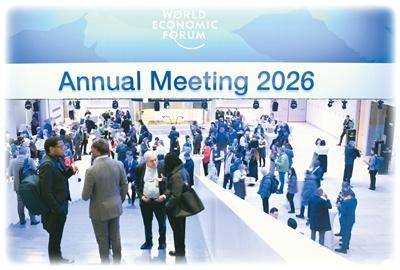
Core Insights - The 2026 World Economic Forum in Davos focuses on rebuilding trust through constructive dialogue amid global challenges [1][3] - The forum highlights the need for international cooperation to address rising geopolitical tensions and economic uncertainties [4][5] Group 1: Global Economic Challenges - The forum discusses five key global challenges: cooperation in a competitive world, unleashing new growth drivers, investing in talent, responsible innovation, and creating prosperity within Earth's capacity [3] - The 2026 Global Risks Report identifies geopolitical confrontation as the primary risk, followed by armed conflicts, extreme weather, social polarization, and misinformation [3][4] - Current global economic conditions are characterized by weak growth, asset revaluation, debt accumulation, and risks from AI technology applications [3][4] Group 2: Geopolitical Tensions - Geopolitical challenges, including the Russia-Ukraine conflict and tensions in the Middle East, are significant topics at the forum [4] - Experts highlight three main risks to the global economy: rising anti-globalization sentiments, disorder in global economic governance, and frequent geopolitical conflicts affecting commodity supply and market stability [4][5] Group 3: Importance of Dialogue and Cooperation - Constructive dialogue is emphasized as a key factor for promoting cooperation and addressing global challenges [6][7] - The need for flexible alliances based on common interests is highlighted as a way to continue cooperation despite the challenges to multilateralism [7] - The forum advocates for dialogue over confrontation to resolve issues and prevent conflict escalation [7] Group 4: China's Role in Global Economy - China is recognized as a stabilizing force in the global economy, with its advancements in technology and commitment to multilateralism drawing international attention [9][10] - China's economic strategies, including expanding domestic demand and enhancing international cooperation, are seen as vital for global economic stability [10][11] - The country is positioned as a provider of global public goods, contributing to international development and governance [11]
经济观察|大连GDP破万亿元:为东北振兴注入更多信心
Zhong Guo Xin Wen Wang· 2026-01-24 03:37
中新网大连1月24日电 (记者 杨毅)1月23日,大连市人民政府新闻办公室召开新闻发布会宣布, 2025年,大连市实现地区生产总值10002.1亿元,按不变价格计算,同比增长5.7%,大连市成为东北地 区首个GDP突破万亿元城市。 这一跨越,不仅填补了东北地区万亿GDP城市的空白,更为正处于振兴关键期的东北大地注入了久 违的信心与动能。 大连的万亿突破,是八年持续爬坡的必然结果。 回溯数据轨迹,2018年全市GDP尚停留在6500.9亿元,2020年艰难迈过7000亿元门槛后,增长曲线 开始加速上扬:2021年增长11.8%,2023年突破9000亿元,2024年以9516.9亿元夯实基础,最终在2025 年完成收官一跃。 八年时间里,大连顶住经济下行压力,在稳增长与调结构中寻求平衡,逐步构建起支撑高质量发展 的产业体系。 这种希望,还体现在对区域经济格局的重构与激活上。长期以来,东北地区经济增长呈现"多点分 散、缺乏龙头"的格局,未形成足够的规模效应与辐射能力。大连的万亿突破,如同在东北经济版图上 树立起一座"增长灯塔",其集聚的资本、技术、人才等高端要素,正通过交通网络与产业联动,向辽中 南城市群乃至东北 ...
特朗普突然变卦 还称“美国从没需要过北约”!欧洲抛售美国资产 美股震荡 英特尔暴跌17% 金价银价狂飙!英首相:特朗普应道歉
Mei Ri Jing Ji Xin Wen· 2026-01-24 01:24
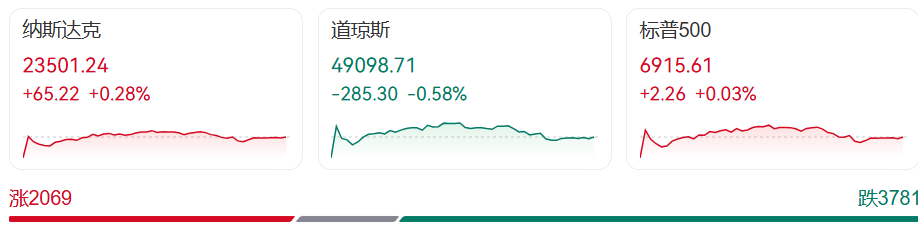
Market Performance - On January 23, US stock indices showed mixed results with the Dow Jones down 0.58%, the Nasdaq up 0.28%, and the S&P 500 up 0.03% [1] - The precious metals sector led gains, with Pan American Silver rising over 4% [1] - Technology stocks had varied performances, with Microsoft and Netflix up over 3%, while Intel fell 17%, marking its largest single-day drop since August 2024 [1] Chinese Stocks - The Nasdaq Golden Dragon China Index decreased by 0.26%, with notable declines in stocks such as Xpeng down over 3% and NIO and Alibaba down over 2% [1] - Conversely, Youdao rose over 4%, New Oriental increased over 2%, and Trip.com was up over 1% [1] Precious Metals - International precious metal prices reached new highs, with gold briefly surpassing $4,990 and silver crossing the $100 mark [1]




港股IPO排队企业超350家,2026年能否再创融资新高?
Sou Hu Cai Jing· 2026-01-24 01:07
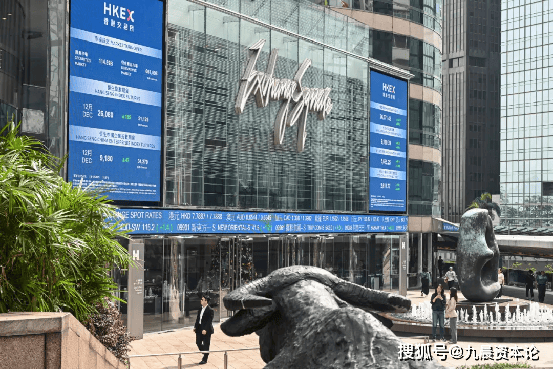
Core Insights - The Hong Kong IPO market continues its strong momentum from the previous year, with over 350 companies currently waiting to list as of early 2026 [1][3] - In the first three weeks of the new year, Hong Kong has completed 11 IPOs, raising approximately $4 billion [1] Group 1: IPO Market Dynamics - As of early 2026, the number of companies waiting to list has increased from 316 at the end of 2025 to over 350 within a few weeks [3] - The surge in IPO applications is ongoing, with 16 companies submitting applications to the Hong Kong Stock Exchange in the first seven working days of January 2026 [3] - The IPO pipeline includes leading companies from various sectors, including technology and traditional industries, with notable names such as Ruipai Pet Medical and Anker Innovations [5] Group 2: Geographic and Sectoral Trends - Companies from both first-tier and lower-tier cities in China are actively pursuing listings in Hong Kong, with three companies from Henan province advancing their IPO plans within a week [5] - The IPO market is characterized by a concentration of leading firms across emerging and traditional sectors, with over 70% of listed companies in 2025 coming from information technology, biomedicine, new energy, and high-end manufacturing [12] Group 3: Historical Performance and Future Projections - In 2025, Hong Kong regained its position as the top global IPO market, with 119 IPOs and a total fundraising amount of 2858 billion HKD, marking a 68% increase from 2024 [14] - Predictions for 2026 suggest that the IPO fundraising scale could exceed 300 billion HKD, with estimates ranging from 320 billion to 350 billion HKD and around 150 to 180 companies expected to successfully list [14][12] Group 4: Quality and Market Sentiment - The Hong Kong Stock Exchange emphasizes the importance of IPO quality, acknowledging that the recent surge in applications has led to some lower-quality submissions [16] - There is a growing trend of differentiation in the market, where larger projects and industry leaders are more likely to attract long-term funding, while smaller projects may face challenges based on market conditions and performance [16]
特朗普政府考虑封锁古巴石油进口;原油大涨超3% 白银涨破100美元;巴西将对中国公民实施免签;特斯拉FSD将在中国获批?回应来了丨每经早参
Mei Ri Jing Ji Xin Wen· 2026-01-24 00:16
Market Overview - US stock indices closed mixed, with the Dow Jones down 0.58%, Nasdaq up 0.28%, and S&P 500 up 0.03% [2] - Precious metals led the gains, with silver rising over 4% and gold reaching a high of $4990 per ounce [2] - International oil prices surged, with WTI crude oil up 3.23% to $61.28 per barrel [2] European Market - Major European indices closed mixed, with Germany's DAX up 0.18% and France's CAC40 down 0.07% [3] Banking and Finance - China's banking wealth management market reached a scale of 33.29 trillion yuan, growing 11.15% year-on-year [9] - The China Securities Regulatory Commission announced new guidelines for public fund performance benchmarks to enhance transparency and accountability [7] International Relations - Brazil announced a visa waiver for Chinese citizens in response to China's similar policy for Brazilian citizens [14] - The US is considering a comprehensive blockade on Cuban oil imports, reflecting ongoing geopolitical tensions [14] Corporate Developments - Ideal Auto plans to close underperforming stores to improve operational efficiency [26] - China Eastern Airlines plans to introduce three new C919 routes in mid-February, enhancing its fleet operations [24] - Tesla's Full Self-Driving system is expected to be approved in China soon, although reports of this have been disputed [15] Regulatory Changes - The Shenzhen government has adjusted the minimum down payment ratio for commercial property loans to no less than 30% [11] - New regulations on online content affecting minors will take effect in March 2026, focusing on content classification and risk prevention [10]


对话经济学人智库首席经济学家:在“渴望确定性”的时代寻找增长锚点
Xin Lang Cai Jing· 2026-01-24 00:11
Core Insights - The World Economic Forum 2026 aims to find stability amid geopolitical economic fluctuations and the AI investment boom driven by U.S. President Trump's policies [1][9] AI and Technology Leadership - Discussions around AI are shifting from abstract concepts to specific application scenarios, with many entrepreneurs engaged in AI-related businesses [3][11] - AI is creating numerous new jobs that did not exist one or two years ago, enhancing productivity through cloud programming tools [3][11] - The core value of AI is increasingly seen as enhancing existing capabilities, with examples of AI tools improving research efficiency [3][11] - Concerns about AI exacerbating global inequality hinge on design, with well-designed AI being accessible to everyone [3][11] Future Predictions - AI is expected to have a disruptive impact in two key areas: healthcare, potentially shortening the time to market for life-saving drugs and significantly extending average life expectancy over the next decade, and robotics, where video data processing will enhance applications [4][12] China's Technological Advancements - China is recognized for its rapid technological progress, with examples like DJI and BYD showcasing its leadership in technology and electric vehicles [5][12] - The global electrification effort to combat climate change is seen as crucial, with China leading in this technological domain [5][12] Climate Challenges and Investment - The UN Environment Programme reports that developing countries will need over $310 billion annually for climate adaptation by 2035, highlighting a significant funding gap [6][13] - Addressing climate investment challenges requires cooperation and a long-term perspective, with technological breakthroughs being essential for solutions [6][13] - Private capital's involvement in green projects faces historical challenges, but emerging markets have opportunities to leapfrog to green technologies [7][13] ESG Considerations - The integration of Environmental, Social, and Governance (ESG) factors should not be rigidly enforced, as their internal goals and metrics do not naturally align [8][14] - Good governance is crucial for fostering a fair competitive environment, while social factors like employee retention can enhance business performance [8][14] - The transition to green energy is fundamentally driven by technology making it more economical than fossil fuels, indicating a gradual approach to achieving sustainability goals [8][14]