
新消费

Search documents
恒指跌超2%,恒生科技指数跌2.37%,新消费概念股下挫,毛戈平(01318.HK)跌7.9%,老铺黄金(06181.HK)、布鲁克(00325.HK)跌超7%,泡泡玛特(09992.HK)跌5.7%。
news flash· 2025-06-19 03:54
恒指跌超2%,恒生科技指数跌2.37%,新消费概念股下挫,毛戈平(01318.HK)跌7.9%,老铺黄金 (06181.HK)、布鲁克(00325.HK)跌超7%,泡泡玛特(09992.HK)跌5.7%。 ...

港股新消费概念股走低 泡泡玛特跌超6%
news flash· 2025-06-19 03:47
港股新消费概念股走低,老铺黄金、毛戈平跌超7%,泡泡玛特跌超6%,蜜雪集团跌超3%。 无需港股通,A股账户就能T+0买港股>> ...
平安证券晨会纪要-20250619
Ping An Securities· 2025-06-19 01:00
其 他 报 告 2025年06月19日 晨会纪要 | 国内市场 | 涨跌幅(%) | | | | --- | --- | --- | --- | | 指数 | 收盘 1日 | | 上周 | | 上证综合指数 | -- | -- | -- | | 深证成份指数 | -- | -- | -- | | 沪深300指数 | -- | -- | -- | | 创业板指数 | -- | -- | -- | | 上证国债指数 | -- | -- | -- | | 上证基金指数 | -- | -- | -- | | | | 资料来源:同花顺iFinD | | 今日重点推荐: 【平安证券】策略点评*深化金融对外开放,加大科创融资支持 *20250618 研究分析师 : 魏伟 投资咨询资格编号 : S1060513060001 研究分析师 : 张亚婕 投资咨询资格编号 : S1060517110001 研究分析师 : 蒋炯楠 投资咨询资格编号 : S1060524120002 核心观点 : 金融改革开放深化,看好权益市场中期向上空间,建议关注政策支持 的科技创新+产业创新主线。在外部不确定性增加的背景下,此次监管部门深化 金融改 ...
业内人士:在下半年经济底部探明前,基本面率先见底的行业会有比较多的机会
news flash· 2025-06-18 12:48
Core Viewpoint - The A-share market has shown a trend of oscillating upward since April 7, indicating a recovery phase, with opportunities emerging in industries that have seen their fundamentals bottom out before the overall economy does [1] Industry Summary - The overall performance of AH shares has been characterized by a gathering of market sentiment amid divergences and a gradual repair of valuations during fluctuations [1] - Industries expected to present more opportunities include innovative pharmaceuticals, new consumption, AI-related sectors, non-ferrous metals, and non-bank financials, as they are likely to see their fundamentals improve first [1] - Many industries are experiencing a relief from deflationary pressures, aided by adjustments in upstream prices, technological breakthroughs, and the benefits of engineering talent, leading to a gradual exit from profit troughs for many mid- and downstream sectors [1] - From a medium-term perspective, the A-share market is anticipated to continue following the main theme of Chinese manufacturing [1]
近六成主动权益基金年内收益转正,医药主题强势领跑半程业绩榜
Di Yi Cai Jing· 2025-06-18 12:42
Group 1 - The A-share market has shown a rebound since April 7, with the Wind偏股混合型基金指数 rising over 11% as of June 17, indicating a recovery in active equity products [1][2] - Nearly 70% of active equity funds have turned positive in returns, with 3,079 out of 4,462 funds reporting gains, a significant increase from 10.8% on April 7 [2][3] - The top-performing funds are heavily invested in the pharmaceutical sector, with six out of the top ten funds focusing on this area, driven by Hong Kong innovative drug stocks [3][5] Group 2 - The top fund, 长城医药产业精选A, has achieved a 75.69% return year-to-date, followed closely by 中信建投北交所精选两年定开A and 永赢医药创新智选A with returns of 74% and 70.8% respectively [3] - The performance of the pharmaceutical sector is attributed to the strong showing of Hong Kong innovative drug stocks, which constitute a significant portion of the holdings in these funds [3][6] - Despite recent market corrections in popular sectors like innovative drugs and new consumption, industry experts believe that the long-term value remains intact, with ongoing support from national policies and market demand [5][6] Group 3 - The innovative drug sector has seen a year-to-date increase of 59.18%, while other sectors like humanoid robots and new consumption have also performed well, with gains exceeding 20% [5] - Recent corrections in these sectors are viewed as technical adjustments rather than a sign of a downturn, with analysts suggesting continued investment interest in innovative drugs due to their long-term growth potential [6][7] - The new consumption sector is experiencing a temporary pullback, but the underlying market conditions remain strong, as evidenced by positive consumption data during the recent 618 shopping festival [6][7]
资金动向 | 北水抛售泡泡玛特超6亿港元,连续6日抢筹建设银行
Ge Long Hui A P P· 2025-06-18 10:24
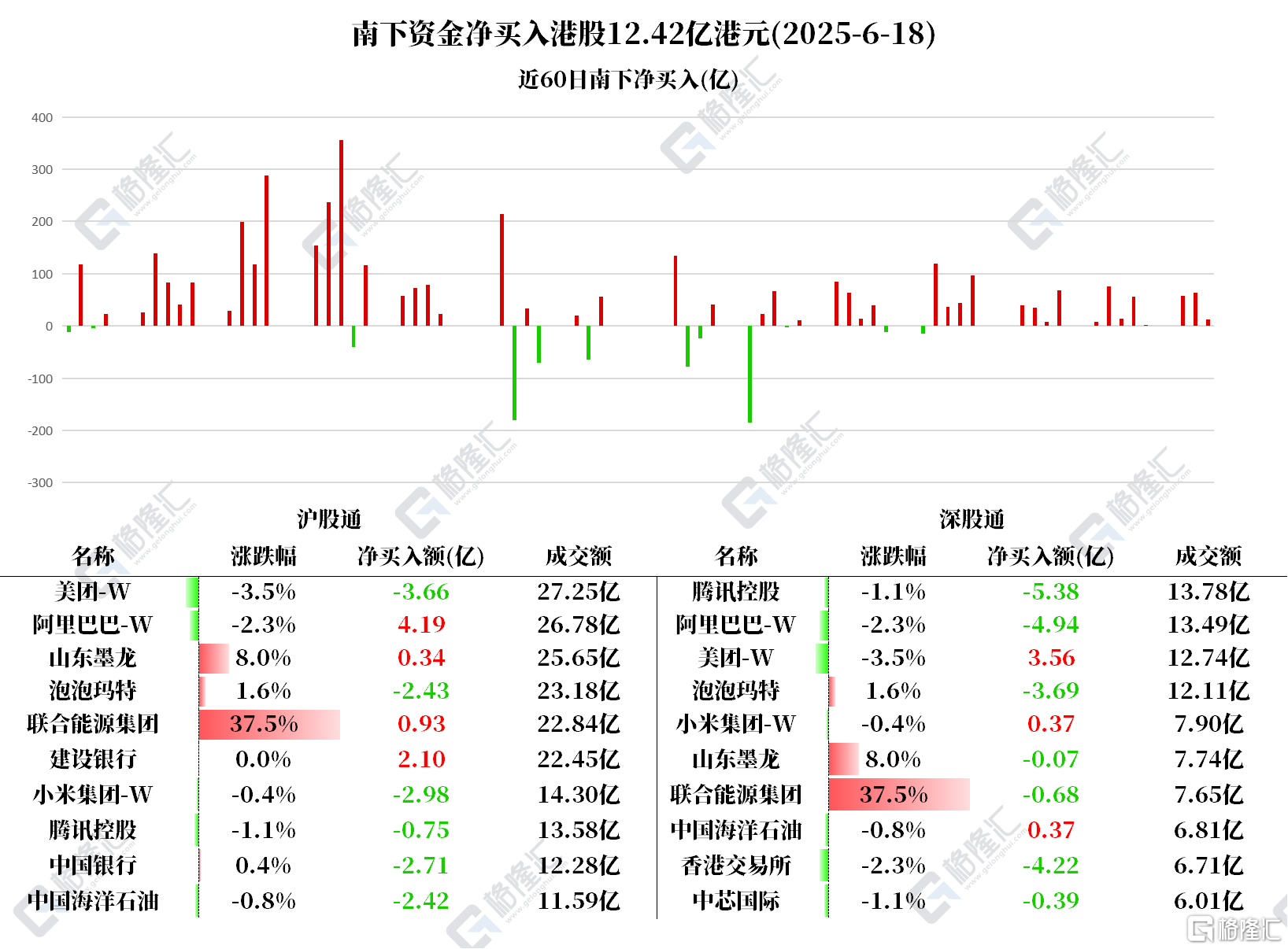
6月18日,南下资金净买入港股12.42亿港元。 净卖出腾讯控股6.12亿、泡泡玛特6.11亿、港交所4.22亿、中国银行2.71亿、小米集团-W 2.61亿、中国海洋石油2.05亿。 其中,净买入建设银行2.09亿。 北水关注个股 建设银行:消息面上,摩根大通发表研究报告指,中央明确表明今年的地方政府专项债券中有部分会用于消化地方政府拖欠的企业账款,政策正逐步落地, 湖南省新增专项债务1,465亿元人民币中,有200亿元人民币指明将用于解决拖欠企业账款,预料未来会有更多地方政府将跟随,有助缓解企业资产质量风 险,对内地银行股价表现有利。 腾讯控股:此前国泰海通指出,当前正处在人工智能等技术引领的新一轮科技浪潮中,AI正加速渗透至经济和社会的各个层面,中国在人才和技术方面有 着雄厚的基础,国内科技产业有望受益于本轮科技浪潮,港股中云集诸多稀缺优质资产的恒生科技板块更加值得重视。 泡泡玛特:机构认为,虽然新消费拥挤度已然升高,但是要看到新消费现象并非仅仅依靠资金短期博弈,其热度背后有着长期逻辑支撑,行业具备景气度、 政策、技术创新以及趋势性发展逻辑,看好行业未来成长空间和中长期结构性投资机会。不过,也有分析认为 ...


午评:白酒求温暖 军工又催化
Sou Hu Cai Jing· 2025-06-18 07:57
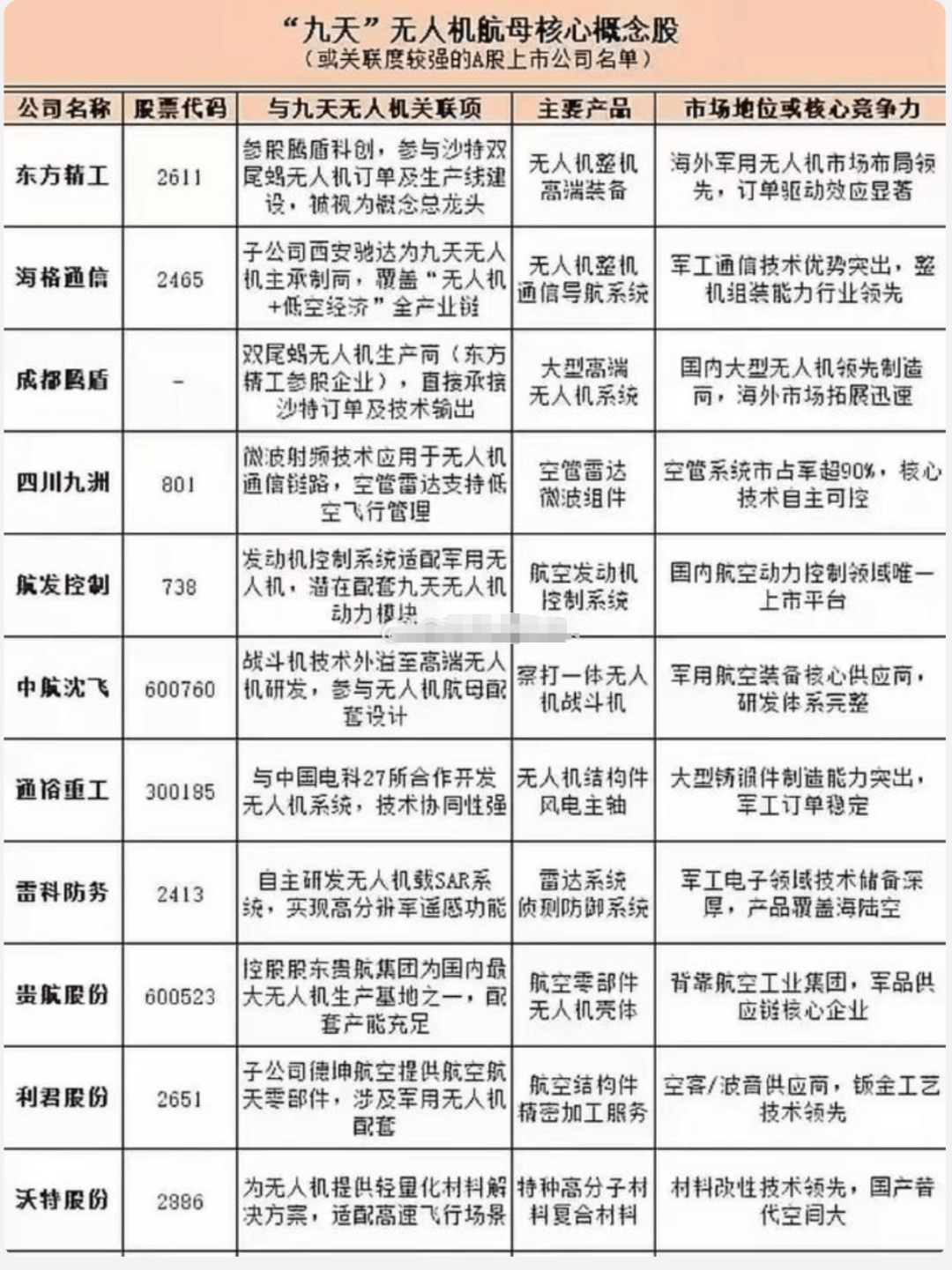
Group 1 - The external market is weak, with European stocks down around 1% and US stocks down approximately 0.9%, while the Asia-Pacific market shows mixed results, with Japan up 0.6% and Hong Kong down 1.2% [1] - The decline in international markets is attributed to escalating tensions in the Middle East, with major countries like China preparing for potential evacuations, indicating a worsening situation [1] - International oil prices have returned to around $77, with potential threats of military actions affecting oil fields in Israel and possible Iranian blockades [1] Group 2 - Military stocks have become active again, with expectations of continued interest in the military sector, driven by recent geopolitical events and potential asset injections in military companies [2][6] - The upcoming first flight of the "Nine Sky" drone carrier is anticipated to generate news and interest in related stocks [2] - The military sector is seen as a promising investment direction, with ongoing developments such as the commissioning of the third aircraft carrier and the centenary of the military [6] Group 3 - The military sector is experiencing speculative trading, with expectations of mixed reforms and asset injections driving stock performance [6] - The PCB sector is also gaining attention, driven by AI server demand and related products showing strength [6] - The overall market sentiment is cautious, with a significant number of stocks declining, indicating a challenging trading environment [11] Group 4 - The liquor sector, particularly white wine, has shown some recovery despite previous declines due to extreme enforcement of drinking bans [7] - Changes in consumer habits are influencing market dynamics, with younger consumers driving trends in products like bubble tea and toys, while traditional sectors like yellow wine are experiencing volatility [9] - The agricultural chemicals sector is also facing a downturn, following previous price increases that have been fully priced in [9]
618购物节数码、家电、汽车消费迎来井喷,聚焦港股消费ETF(513230)和恒生科技指数ETF(513180)布局机会
Mei Ri Jing Ji Xin Wen· 2025-06-18 06:17
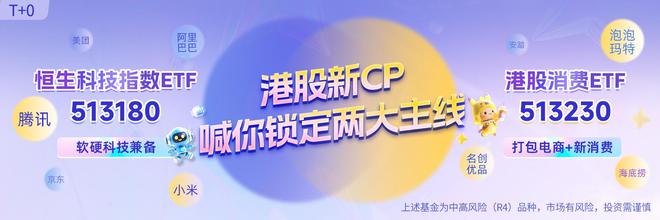
Core Viewpoint - The Hong Kong stock market is experiencing a decline, particularly in the technology and consumer sectors, despite a surge in demand for durable consumer goods driven by the 618 shopping festival and government subsidies [1] Group 1: Market Performance - The three major indices in the Hong Kong stock market opened lower and continued to decline, with the Hang Seng Technology Index seeing an expanded drop [1] - The Hang Seng Technology Index ETF (513180) fell over 1% in the afternoon, while the Hong Kong Consumer ETF (513230) dropped more than 1.5% [1] Group 2: Consumer Demand - The overlap of the 618 shopping festival and the government’s trade-in subsidy policy has led to a significant increase in demand for durable consumer goods, including home appliances and automobiles [1] - The retail sales growth rate for social consumer goods in May reached 6.4%, significantly exceeding market expectations of 4.9% and the previous value of 5.1%, marking a new high for 2024 [1] - The strong performance in May was attributed to the early start of e-commerce promotional activities and changes in holiday distribution, with two additional holiday days compared to the previous year, leading to a concentrated release of consumer demand [1] Group 3: Sector Insights - The consumer sector in Hong Kong is showing strong investment value, particularly in the context of the recent retail sales data [1] - The retail sales growth for household appliances and communication equipment increased by 14.2 and 13.1 percentage points, respectively, indicating a clear structural improvement [1] Group 4: Investment Focus - The Hong Kong Consumer ETF (513230) encompasses e-commerce and new consumption sectors, which are relatively scarce compared to A-shares [1] - The Hang Seng Technology Index ETF (513180) includes both soft and hard technology, featuring technology leaders that are also relatively rare in A-shares [1]
白酒板块迎反弹!四大特征浮现,机构建议聚焦三类优质标的
Zhong Guo Zheng Quan Bao· 2025-06-18 05:56
Group 1: White Liquor Industry Characteristics - The current pressure on prices is greater than the pressure on volume in the white liquor industry [1] - Most companies' short-term performance increasingly relies on market share improvement in core markets and is driven by mid-tier and lower-tier products [2] - Leading liquor companies are innovating their business models to cope with cyclical pressures by transforming scenarios, customer groups, and expanding white liquor cultural experiences to find new growth points [3] Group 2: Market Valuation and Investment Recommendations - The valuation of the white liquor sector has dropped to historical lows, enhancing the margin of safety, while companies are increasing shareholder returns through higher dividend rates and share buybacks [4] - Investment institutions recommend focusing on three types of quality targets: prominent brands with low valuations and stable demand, regionally strong operators with refined operations and potential for profit margin improvement, and companies with significant growth potential [4] Group 3: New Consumption Trends - In contrast to the performance of white liquor stocks, the new consumption sector has become a market focus this year, with segments like beauty, IP economy, and leisure snacks experiencing significant growth [5] - The Chinese consumer market is showing structural differentiation driven by three key factors: continuous policy benefits supporting new consumption sectors, generational shifts with "Generation Z" becoming the main market force, and varying growth stages among companies [5]

转债周周谈|估值蓄力,坚守主线
2025-06-18 00:54
Summary of Conference Call Records Industry Overview - The A-share market experienced a slight pullback after a rebound in April, influenced by accelerated theme rotation, the realization of expectations from China-US trade negotiations, and concerns over tariff uncertainties [1][2] - The Middle East conflict has a minimal substantive impact on the Chinese stock market, primarily causing emotional shocks, as China's diversified energy supply reduces reliance on Middle Eastern oil [1][4] Key Points on Market Dynamics - The current equity market lacks a clear main line, with innovative pharmaceuticals and new consumption sectors performing well, while technology sectors are experiencing frequent rotations [1][5] - The valuation levels are above the median of the past decade, indicating a need for market adjustments due to the crowded trades in previously high-performing stocks [1][5] - The convertible bond market has seen a slight decline in prices and valuations since early April, improving cost-effectiveness for investors [1][6] Future Market Outlook - The medium to long-term outlook for the equity market in 2025 remains positive, supported by capital market policies and monetary easing, which are expected to attract incremental funds [1][7] - Short-term adjustments are anticipated due to limited marginal benefits and the cautious sentiment of investors entering the earnings forecast window [1][7] Sector-Specific Insights - The recovery of military orders in 2025 is expected to significantly boost industry demand, with the banking sector showing strategic allocation value due to its high dividend and low volatility characteristics [3][8] - The banking convertible bond market is undergoing a large-scale exit, with a focus on short-term bonds with high yields as replacements [3][9] Investment Recommendations - In the new consumption sector, attention is drawn to relatively low-priced stocks with potential for price adjustments, such as Pop Mart and related trends [10] - Other sectors worth considering for stable cash flow and profitability include public utilities and agriculture, with specific recommendations for companies like Xinao and Sanxia Energy [11] - In the military sector, companies like Guokong and Ziguang Guomi are highlighted as having high investment potential due to the rapid growth of orders [12][14] Risk Considerations - The downgrade of Hengtai's credit rating is attributed to reduced asset scale and revenue, along with significant losses in the previous year, although no substantial risks are identified from a bond perspective [15]