
制造业

Search documents
江苏发布“十四五”金融“成绩单”:新增259家上市公司,居全国第一
Yang Zi Wan Bao Wang· 2026-01-21 13:30
Core Insights - Jiangsu Province has achieved significant financial development during the "14th Five-Year Plan" period, with notable increases in new loans, listed companies, and direct financing [1][2][7] Group 1: Financial Achievements - Jiangsu Province ranked first in the nation for new loans for four consecutive years, with a total of 2,295 billion yuan raised from 259 newly listed companies [1][2] - The total number of domestic listed companies in Jiangsu reached 722, with a significant increase in the quality of these companies [3][6] - The province's social financing scale has remained among the top in the country, with an average annual increase of 3.35 trillion yuan from 2021 to 2024 [4] Group 2: Risk Management and Financial Stability - Jiangsu has maintained a low non-performing loan rate of 0.84%, significantly below the national average, and has successfully cleared 575 non-compliant financial institutions [2][3][7] - The province has implemented measures to reduce financial risks, including a crackdown on illegal fundraising activities and the restructuring of high-risk companies [3][6] Group 3: Support for the Real Economy - Financing guarantees in Jiangsu exceeded 1.16 trillion yuan, with a focus on supporting the manufacturing, technology, and green sectors [2][4] - The average interest rate for new corporate loans decreased by 149 basis points compared to 2020, contributing to a favorable lending environment [4] Group 4: Digital Currency and Innovation - Jiangsu has led the nation in the promotion of digital currency, with a total transaction volume of 15 trillion yuan and 7.805 million digital wallets opened [5] - The province has seen the emergence of innovative financial products, including various first-of-their-kind projects in the country [7] Group 5: Capital Market Development - Direct financing in Jiangsu reached 6.97 trillion yuan during the "14th Five-Year Plan," marking a 61.95% increase from the previous five-year period [7] - The province has established 11 companies with a market capitalization exceeding 100 billion yuan, reflecting the growth of strategic emerging industries [6]
股指早报2026.1.21:美资产被抛售,A股震荡整固-20260121
Chuang Yuan Qi Huo· 2026-01-21 13:19
Report Summary 1. Report Industry Investment Rating No information provided in the content. 2. Core Viewpoints - Geopolitical turmoil overseas has led to the selling of US assets, and the situation remains unclear, causing the market's risk - aversion sentiment to rise [2][4] - The domestic A - share market is in a stage where the management actively cools down the market to consolidate the foundation for a slow - bull market. With abundant domestic funds, there is no risk of a systematic crisis [4] - During the annual report performance disclosure period, industries with industrial support, policy catalysts, and performance support should be selected. Attention should be paid to the technology and cyclical industries. In the technology sector, AI, power, energy storage, robots, computing power, and storage are recommended; in the cyclical sector, chemicals and non - ferrous metals are recommended. The index has support in the range of 4000 - 4050, and the subsequent direction is expected to be upward [4] 3. Summary by Directory 3.1 Important News - Trump listed 365 achievements at the press conference on the first anniversary of his return to the White House, compared himself to Buffett through his wife, considered "taking back" the Panama Canal, refused to attend the G7 meeting in Paris, and considered involving Machado in Venezuelan affairs. He also claimed that the US would have no trade deficit next year and proposed to replace the "Peace Committee" at the UN [6] - The European Parliament froze the approval process of the US - EU trade agreement [7] - The Polish central bank approved a plan to purchase 150 tons of gold, which will increase its gold reserves to 700 tons [8] - The US Supreme Court did not rule on the challenge to Trump's global tariff legitimacy, and the next ruling window is in a month [8] - Regarding the Greenland issue, Canada's military simulated a US "military invasion" scenario, Trump threatened to impose a 200% tariff on French wine and champagne, the US planned to cut about 200 NATO - related positions, a Danish pension fund announced to liquidate US Treasury bonds, and Trump P - mapped Greenland, Canada, and Venezuela into the US territory [8] - He Lifeng attended the World Economic Forum Annual Meeting and visited Switzerland [9] - China's Ministry of Foreign Affairs stated that it had received an invitation from the US to join the "Peace Committee" [10] - The National Development and Reform Commission will study and formulate an implementation plan for the strategy of expanding domestic demand from 2026 to 2030 [11] - Shanghai released an action plan to strengthen the linkage between futures and spot markets and enhance the level of non - ferrous metal commodities [12] - Five departments including the Ministry of Finance implemented an interest subsidy policy for loans to small, medium, and micro enterprises [13] 3.2 Futures Market Tracking - **Futures Price Performance**: The prices of major stock index futures contracts generally showed a downward trend. For example, the Shanghai - Shenzhen 300 index fell 0.33%, and the corresponding futures contracts IF2602, IF2603, IF2606, and IF2609 all declined, with the decline ranging from 0.32% to 0.47% [15] - **Trading Volume and Open Interest**: The trading volume and open interest of various futures contracts changed to different degrees. For example, the trading volume of the CSI 500 futures contracts increased by 47,043 lots, and the open interest increased by 12,541 lots [16] 3.3 Spot Market Tracking - **Index Performance**: On Tuesday, the broader market showed a volatile trend. The Shanghai Composite Index fell slightly by 0.01%, the Shenzhen Component Index fell by 0.97%, and the ChiNext Index fell by 1.79%. Among the Shenwan primary sectors, petroleum and petrochemicals, building materials, real estate, transportation, and building decoration led the gains, while communication, military industry, computer, and power equipment also had certain increases [3] - **Market Style Impact**: Different market styles had different impacts on major indexes. For example, in the Shanghai 50 index, the cyclical style had a daily contribution of - 0.02%, and the financial style had a daily contribution of 0.20% [37] - **Valuation Situation**: The report presented the valuation and historical quantile data of important indexes and Shenwan sectors, which can help investors understand the market's valuation level and position [39][42] 3.4 Liquidity Tracking - The report presented the central bank's open - market operations and the Shibor interest rate level, which can reflect the market's liquidity situation [50]
投资向新向质向绿,消费升级稳步加快!
Sou Hu Cai Jing· 2026-01-21 12:54
Investment and Consumption Overview - The core viewpoint emphasizes the dual drive of investment and consumption to stimulate domestic demand in Sichuan, with significant growth in both sectors in 2025 [1][5] Investment Highlights - In 2025, Sichuan's total social retail sales exceeded 2.9 trillion yuan, marking a 5.1% increase from the previous year, with an acceleration in growth rate by 0.9 percentage points [5] - Industrial investment grew by 8.2% year-on-year, accounting for 30.4% of total investment, an increase of 3 percentage points from the previous year [3] - Key sectors such as agriculture, mining, manufacturing, and electricity production saw notable investment growth rates of 5.9%, 41.9%, 4.6%, and 17.8% respectively [3] - Private investment showed a significant recovery, growing by 2.1% year-on-year, reversing a two-year decline, with private project investment increasing by 9% [3] Consumption Trends - The consumption of upgraded goods experienced rapid growth, with gold and jewelry sales increasing by 32.6% [4] - The rural market's potential is accelerating, with retail sales in rural areas growing by 6.1% due to improved infrastructure and logistics [8] - Online retail sales grew by 9.5%, with physical goods online retail accounting for 16.4% of total social retail sales, an increase of 0.1 percentage points from the previous year [8] - The "old-for-new" policy has positively impacted demand, with significant increases in retail sales of communication equipment and automobiles by 50.8% and 8.9% respectively [8]

透视“十四五”收官之年工业和信息化发展成效
Xin Hua She· 2026-01-21 12:26
Core Insights - The industrial sector is increasingly recognized as the "ballast" of the national economy, with significant growth and development highlighted in the "14th Five-Year Plan" completion year [1][2]. Industrial Growth - The total industrial output value above designated size increased by 5.9% year-on-year, with manufacturing value added maintaining the world's top position for 16 consecutive years [2]. - The telecommunications business volume grew by 9.1% year-on-year, contributing over 40% to economic growth from the industrial and information sectors [2]. Manufacturing and Innovation - The value added of equipment manufacturing and high-tech manufacturing increased by 9.2% and 9.4% year-on-year, respectively [3]. - Over 35,000 basic-level, 8,200 advanced-level, and 500 excellent-level smart factories have been established, alongside more than 8,000 national green factories [3]. Support for SMEs - The government has accelerated reforms in key areas, implemented actions to reduce enterprise burdens, and promoted the implementation of policies benefiting enterprises [4]. - A total of 17,600 "little giant" enterprises and over 140,000 specialized and innovative SMEs have been cultivated, with a target of 6.9% year-on-year growth in value added for SMEs by 2025 [4]. New Growth Drivers - Innovations such as humanoid robots and breakthroughs in major equipment like large-diameter shield machines are being emphasized [5]. - The value added in sectors like integrated circuits and electronic materials is projected to grow by 26.7% and 23.9% year-on-year, respectively [6]. Digital Economy Integration - The deep integration of the digital economy with the real economy is empowering industrial transformation and upgrading, with over 23,000 "5G + industrial internet" projects established [7]. Future Industrial Strategy - The focus for the upcoming year will be on stabilizing growth, enhancing innovation, promoting integration, optimizing governance, and preventing risks, with a strong push for new industrialization [8]. - The government aims to enhance the adaptability of consumer goods supply and demand, optimize product supply, and promote intelligent, green, and integrated development in the consumer goods industry [8].
2025年,四川全年产业投资占全部投资的30.4%
Sou Hu Cai Jing· 2026-01-21 11:51
Core Insights - In 2025, Sichuan's total retail sales of consumer goods exceeded 2.9 trillion yuan, marking a 5.1% increase from the previous year, with a growth rate 0.9 percentage points faster than the previous year [3][4] - The province's industrial investment grew by 8.2% year-on-year, accounting for 30.4% of total investment, an increase of 3 percentage points [5][6] Consumer Market Highlights - The consumption of upgraded goods saw rapid growth, with gold and jewelry sales increasing by 32.6% and cosmetics by 8.3% [4] - Online retail sales grew by 9.5%, with physical goods online retail sales increasing by 6%, representing 16.4% of total retail sales, a 0.1 percentage point increase from the previous year [4] - The "trade-in" policy had a significant impact, with retail sales of communication equipment and automobiles increasing by 50.8% and 8.9% respectively, contributing over 70% to the growth of retail sales in the province [4] Investment Trends - Industrial investment played a crucial role, with significant growth in agriculture, mining, manufacturing, and electricity production investments, increasing by 5.9%, 41.9%, 4.6%, and 17.8% respectively [5] - There is a clear trend towards new, quality, and green investments, with green low-carbon industry investments growing by 1.5% and industrial technological transformation investments increasing by 8.4% [5] - Private investment showed a notable increase, reversing a two-year decline with a growth of 2.1%, and private project investments rose by 9% [6]

李迅雷专栏 | PPI“失去十五年”之谜
中泰证券资管· 2026-01-21 11:32
Core Viewpoint - The Producer Price Index (PPI) in China has shown a zero increase over the past 15 years, despite a significant GDP growth of 250% during the same period, indicating a persistent weakness in producer prices and underlying demand issues [3][4][41]. Group 1: PPI Trends and Historical Context - The PPI has been in a negative growth phase since October 2021, marking 39 consecutive months of year-on-year decline by December 2025 [1]. - From 2012 to 2025, there were 111 months of negative PPI, indicating that two-thirds of this period experienced deflation in producer prices [1][4]. - The PPI index, set at 100 in December 2010, remained unchanged at 100 by December 2025, reflecting no price increase over 15 years [1][4]. Group 2: Economic Growth vs. PPI - China's GDP grew from less than 40 trillion yuan in 2010 to over 140 trillion yuan by 2025, a 2.5 times increase, while the broad money supply (M2) increased 3.68 times during the same period [4]. - Despite significant economic growth, the PPI's lack of increase raises questions about the underlying demand and pricing power within the economy [4][41]. Group 3: Factors Influencing PPI - The PPI's long-term decline is attributed to weak demand, particularly after the peak of the real estate market in 2021, which has affected both upstream and downstream price transmission [39][41]. - The relationship between real estate investment and PPI indicates that a downturn in real estate correlates with a decline in producer prices, as seen in historical data [34][41]. - The inability of upstream price changes to effectively transmit to downstream prices is exacerbated by high competition in the downstream sectors and insufficient demand [20][39]. Group 4: External Influences and Export Dynamics - Export dynamics play a crucial role in influencing midstream product prices, with a significant portion of manufacturing exports being affected by global demand fluctuations [24][26]. - The export price index has seen a notable decline, indicating that reliance on price competition to maintain export volumes may not be sustainable [26][28]. - The overall weak demand in the domestic market, particularly in the context of real estate and consumer confidence, has further constrained PPI recovery [28][39]. Group 5: Recommendations for Economic Policy - To address the persistent weakness in PPI, it is essential to adjust the supply-demand relationship by expanding effective demand, particularly through increasing the income of middle and low-income groups [41][49]. - Stabilizing the real estate market is suggested as a means to support consumer spending and alleviate overcapacity issues in various industries [41][49]. - The focus should shift towards enhancing consumer income through government policies, which may involve restructuring fiscal spending to prioritize direct transfers to households [41][49].
事关6G、人形机器人、中小企业,2026年工信领域将有哪些新动作
Sou Hu Cai Jing· 2026-01-21 10:57
Core Insights - The Ministry of Industry and Information Technology (MIIT) announced that by 2025, the industrial added value of large-scale industries is expected to grow by 5.9% year-on-year, with the manufacturing sector maintaining a stable share of GDP and potentially holding the position of the world's largest manufacturing sector for 16 consecutive years [1][2] Group 1: 6G Development - The first phase of 6G technology trials has been completed, resulting in over 300 key technology reserves, with the second phase of trials recently initiated [3][4] - The MIIT aims to accelerate 6G technology research and develop an application industry ecosystem focused on 6G [4] Group 2: Artificial Intelligence in Manufacturing - By 2025, the number of AI companies in China is projected to exceed 6,000, with the core industry scale expected to surpass 1.2 trillion yuan [5] - AI applications have penetrated key industries such as steel, non-ferrous metals, electricity, and telecommunications, covering over 70% of business scenarios in leading smart factories [5][6] Group 3: Support for SMEs - The added value of small and medium-sized enterprises (SMEs) in large-scale industries is expected to grow by 6.9% year-on-year by 2025, with a cumulative cultivation of 17,600 "specialized, refined, distinctive, and innovative" SMEs [7] - The MIIT plans to implement a "14th Five-Year" plan to promote SME development, enhance policies to clear overdue payments, and support the growth of specialized SMEs [7] Group 4: Humanoid Robots and Intelligent Systems - By 2025, the number of humanoid robot companies in China is expected to exceed 140, with over 330 humanoid robot products released [8] - The MIIT will focus on enhancing technology in humanoid robots, including quality and safety standards, and will release guidelines for a comprehensive standardization system for humanoid robots and embodied intelligence [8]

财经的进步,是一切管理进步的根基
Xin Lang Cai Jing· 2026-01-21 10:25
Core Insights - The article discusses the significant impact of the book "Value as Principle: Huawei's Financial Management Guidelines" on the business community, highlighting the common operational pain points faced by entrepreneurs in strategic implementation, resource allocation, and financial integration. Group 1: Eight Major Pain Points in Business Operations - Pain Point 1: Fast business growth often leads to complaints about slow financial processes, indicating a gap in financial integration with business operations [3]. - Pain Point 2: Strategic planning struggles to materialize, even in leading companies like Huawei, which faced challenges in implementing the "803 planning" model [4]. - Pain Point 3: High-level business strategies often fail to provide frontline teams with necessary resources, leading to ineffective execution [5]. - Pain Point 4: Resource allocation is often based on emotional appeals rather than objective criteria, causing exhaustion among employees [6]. - Pain Point 5: Budget targets frequently deviate from actual performance, indicating a lack of effective management methods [7]. - Pain Point 6: Business analysis is superficial, leading to unresolved issues and repeated discussions without actionable solutions [8]. - Pain Point 7: Companies often find themselves busy at the beginning of the year but fail to generate profits by year-end, highlighting a disconnect between effort and results [9]. - Pain Point 8: Business metrics may look impressive, but financial outcomes often reveal disappointing results, indicating a lack of alignment between operational success and financial performance [12]. Group 2: Purpose of Business Operations - The article emphasizes the need for companies to define their operational purpose, drawing on examples from global economies and the characteristics of successful companies [18][22]. - It discusses the concept of "invisible champions" in Germany, which contribute significantly to exports despite being lesser-known, highlighting the importance of effective leadership, innovation, and customer focus [22][24]. Group 3: Value Creation and Management - The article outlines six key principles of value creation, including the necessity of development, resource concentration, and organizational health [73][74]. - It also details six tasks of value management, such as establishing rules to address uncertainties, balancing opportunity and resource allocation, and enhancing operational quality [83][85]. Group 4: Financial Management Guidelines - The article presents Huawei's financial management guidelines as a framework for balancing expansion with control, efficiency with effectiveness, and short-term survival with long-term sustainability [66][70]. - It emphasizes the importance of a professional and process-oriented financial management approach to support overall business management [88][89].

今年消费增速有望保持稳步向上态势|宏观晚6点
Xin Lang Cai Jing· 2026-01-21 10:20
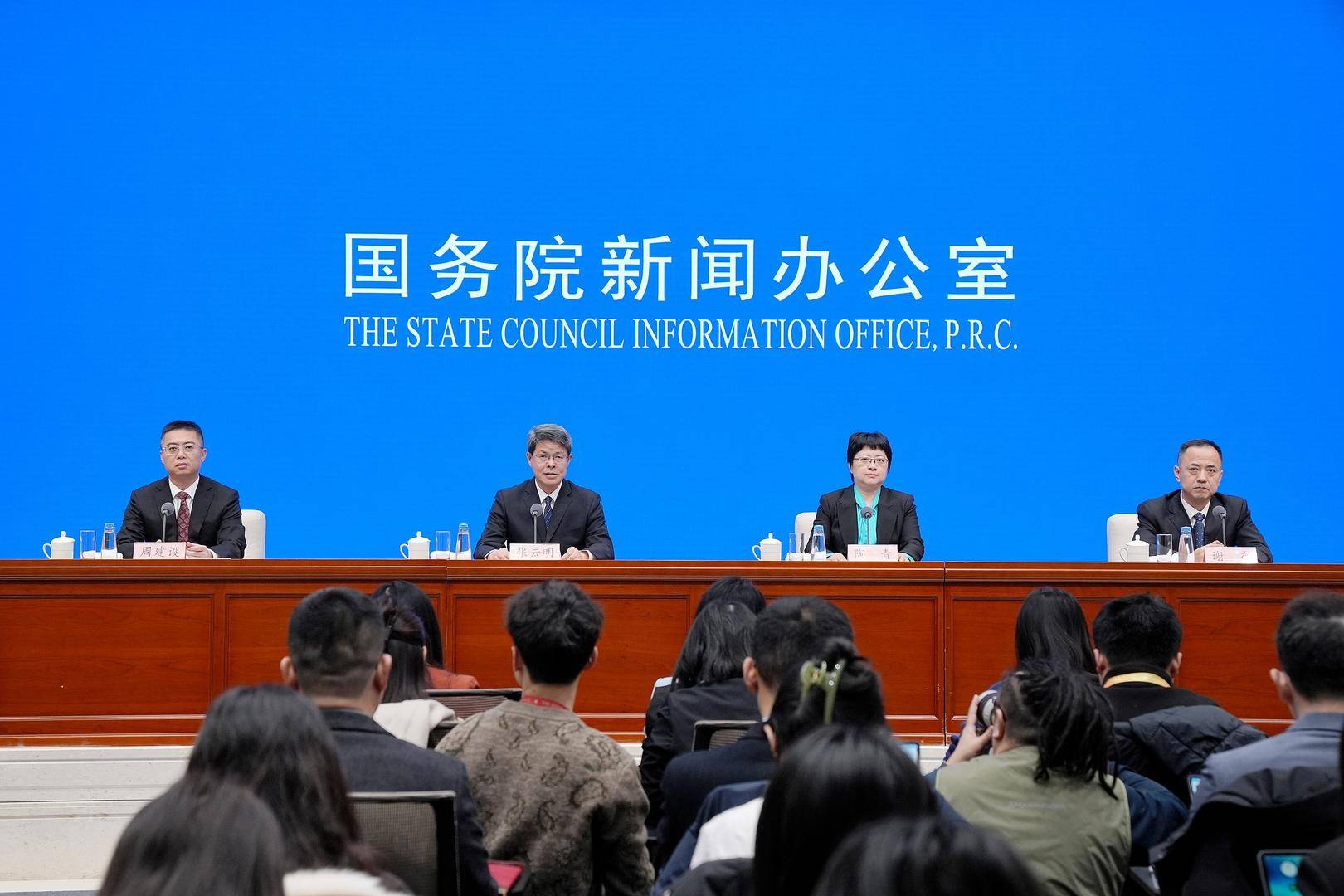
工业和信息化部副部长张云明周三表示,2026年,工信部将完善政策法规体系,促进中小企业高质量发 展。一是持续优化企业发展环境,制定"十五五"促进中小企业发展规划,全面落实保障中小企业款项支 付条例,坚决遏制新增拖欠,维护中小企业合法权益;二是加力培育更多专精特新企业,实施优质企业 梯度培育三年行动计划;三是全力做好全要素全周期服务,聚焦企业需求,建好、用好中国中小企业服 务网,创建首批国家中小企业公共服务示范平台基地。 工信部将发布人形机器人与具身智能综合标准化体系建设指南 工业和信息化部副部长张云明表示,工信部将加速做好人形机器人生态,强化国家人工智能产业投资基 金对人形机器人的支持力度,建设人形机器人开源社区,发布人形机器人与具身智能综合标准化体系建 设指南,促进创新成果全球共享。 宏观要闻 工信部将制定"十五五"促进中小企业发展规划 ...
向“新”破局“十四五”统筹3000亿元
Qi Lu Wan Bao· 2026-01-21 09:56
Core Insights - The Jinan municipal government has balanced stability and progress over the past five years, achieving steady growth in fiscal operations while optimizing structure and ensuring orderly expenditures [1] Group 1: Fiscal Performance - The city's general public budget revenue has increased from 90.608 billion yuan in 2020 to 109.335 billion yuan in 2025, with an average annual growth rate of 3.9%, surpassing the provincial average [2] - Tax revenue has consistently accounted for over 70% of the general public budget revenue, maintaining the top position in the province for three consecutive years, with manufacturing tax revenue exceeding 21% and surpassing the real estate sector for the first time in Q1 2025 [2] - A total of 300 billion yuan has been allocated to support major strategic areas, including ecological protection and high-quality development during the "14th Five-Year Plan" period [2] Group 2: Social Welfare and Public Services - Approximately 80% of the general public budget expenditures have been directed towards social welfare, enhancing the quality of life for citizens [3] - There has been a significant increase in per capita disposable income, with improvements in education and healthcare services, reflecting a shift towards better quality in these sectors [3] - The city has implemented 103 initiatives aimed at improving the welfare of vulnerable groups, demonstrating a commitment to social equity and support [3]