
电动汽车

Search documents
电动汽车电耗国标来了明年1月1日起实施
Xin Lang Cai Jing· 2025-12-28 17:21
Core Viewpoint - The new national standard for electric vehicle energy consumption, effective from January 1, 2026, is the world's first mandatory standard for electric vehicle energy consumption limits, tightening the previous recommended standards by approximately 11% [1] Group 1: Standard Implementation - The standard considers the current energy consumption of pure electric passenger vehicles, potential energy-saving technologies, cost control, and energy consumption performance of special vehicle types [1] - Different energy consumption limits are proposed based on vehicle weight, accommodating diverse vehicle development needs and providing guidance for future energy-saving technology research and application [1] Group 2: Technical Upgrades - Manufacturers must upgrade the technology of new vehicles to comply with the new standard; for example, vehicles weighing around 2 tons must not exceed an energy consumption of 15.1 kWh per 100 km [1] - With the same battery capacity, the average driving range of electric vehicles is expected to increase by approximately 7%, significantly improving driver experience [1] Group 3: Tax Incentives - The new standard will serve as a prerequisite for electric vehicles to qualify for vehicle purchase tax exemptions during 2026-2027; vehicles that do not meet the criteria will not be included in the tax exemption list [1]
马克龙威胁加税后,中国一周内对欧盟连出两记重拳,法国最受伤
Sou Hu Cai Jing· 2025-12-28 13:15
Group 1 - Macron's visit to China was met with high-level reception, but he later criticized China regarding trade imbalances, threatening EU protectionist measures similar to US tariffs on China [1] - China has implemented temporary countervailing measures on EU dairy products, with subsidy rates ranging from 21.9% to 42.7%, primarily affecting French companies [1][3] - The EU's imposition of tariffs on Chinese electric vehicles has led to China's retaliatory measures, including anti-dumping duties on EU pork products ranging from 4.9% to 19.8% [3] Group 2 - The EU's leadership, including Macron, lacks a fundamental understanding of the dynamics in EU-China trade relations, particularly regarding the electric vehicle market where China holds a dominant position [3][5] - Chinese electric vehicles remain popular in the EU market despite high tariffs, while EU dairy and pork products face significant competition from other suppliers, indicating a potential vulnerability for the EU [5] - Strengthening trade relations with China could benefit the EU by providing access to affordable goods and a large consumer market, as well as stable supplies of critical materials [7]


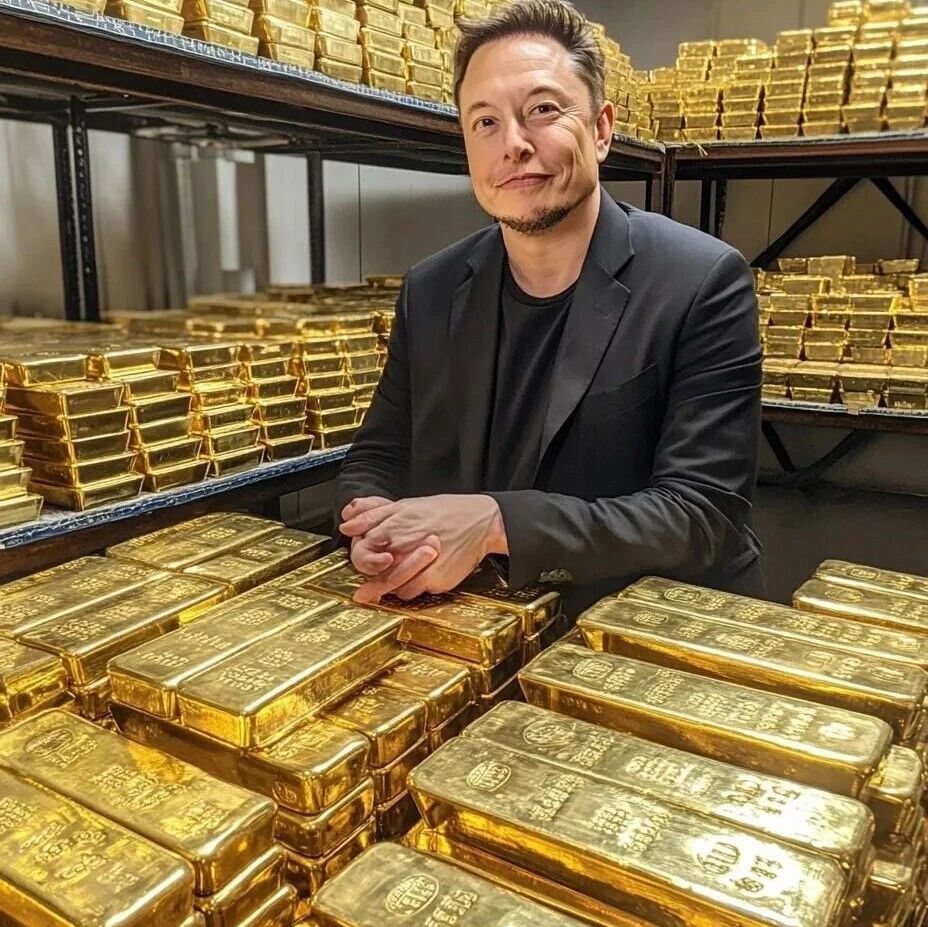
白银狂飙,马斯克直言:这不好!
美股IPO· 2025-12-28 06:56
Core Viewpoint - The price of silver is approaching $80 per ounce, driven by a structural deficit in the global market, plummeting inventories, and a disconnection between paper trading and physical supply, which poses significant challenges to modern industrial chains [1][3][6]. Group 1: Market Dynamics - Silver has seen a rapid price increase, surpassing gold, with concerns raised by Elon Musk regarding its implications for industrial development [3][4]. - The global silver market has been in a structural deficit for five consecutive years, with physical inventories depleting rapidly and major exchange stock levels significantly declining [6][9]. - The supply-demand gap is widening, with projected silver demand reaching 1.24 billion ounces by 2025, while supply is only expected to be 1.01 billion ounces, resulting in a shortfall of 100 to 250 million ounces [9]. Group 2: Industrial Importance - Silver is not only a precious metal for investment but also a critical raw material for solar panels, electric vehicles, electronic products, and medical devices, with industrial demand accounting for 50% to 60% of total demand [8][10]. - The rigid nature of silver mining supply, primarily as a byproduct of copper and zinc mining, along with the long lead time for new mines, exacerbates the supply constraints [9]. - The significant drop in inventory levels, with COMEX silver stocks down 70% and London vault stocks down 40% since 2020, indicates a precarious supply situation, with some regions having only 30 to 45 days of available silver inventory [9]. Group 3: Paper vs. Physical Silver - There is a severe imbalance between "paper silver" and physical silver, with an estimated ratio of 356:1, meaning each ounce of physical silver corresponds to hundreds of claims in paper trading [10]. - This disconnection heightens market vulnerability, as even a small number of buyers requesting physical delivery could risk system collapse, contributing to the recent price surge [10]. - Industrial buyers, who are less sensitive to price fluctuations due to the lack of effective substitutes, face significant challenges amid supply shortages, as highlighted by Musk's concerns about the volatility impacting critical industries [10].
比亚迪涨薪;宁德时代签50GWh订单;龙蟠科技再扩产;LG新能源450亿大单告吹;多家铁锂企业减产检修;碳酸锂暴涨至13万
起点锂电· 2025-12-28 06:53
LG新能源450亿大单告吹 近日,据LG新能源披露,公司 已收到福特方通知,终止2024年双方签署的9.6万亿韩元( 约合458.41亿元人民币 )电池供应订单。 相关文件显示,LG新能源收到 合同终止通知,主要由于 福特方近期市场变动和电动汽车需求预测变化而停止生产某些电动汽车(EV)车型。 27GWh电池项目签约山东 12 月 19 日, 山东省肥城市人民政府与鹏程无限、瑞能电力三方共同签订肥城 27GWh 电芯生产项目合作协议。 据了解 ,该项目总投资 55 亿元,采用行业领先的高速自动化产线,生产储能专用 500Ah+ 大容量电芯, 实现电芯前、后工序全流程覆盖。 同时,项目广泛应用物联网、大数据、人工智能等前沿技术,打造高度自动化、数字化、智能化的 "黑灯工厂",生产效率、产品一致性、能源 利用率等技术指标均处于行业第一梯队。 项目达产后,年产值可突破 80 亿元,还将吸引上下游电池材料、核心部件及配套企业集聚,形成百亿级新能源产业集群,助力区域产业转型升 级和能源结构优化。 据悉,此次项目落地采用 "瑞能建、鹏程用"的轻资产模式,瑞能负责工厂建设,鹏程无限负责租赁运营,共同开拓储能终端市场。 赣锋 ...


工业需求爆发支撑银价 白银上涨动能较强
Jin Tou Wang· 2025-12-28 02:30
Core Insights - The silver market has experienced a strong upward trend, rising for five consecutive days and reaching a new high of $75, driven primarily by robust industrial demand, particularly in the solar energy sector [1] - Industrial consumption accounts for 65% of silver demand, with the solar industry representing 15%. The demand from electric vehicles and AI data centers is also surging, with an electric vehicle requiring an average of 25-50 grams of silver, potentially increasing to 1 kilogram per vehicle with the adoption of solid-state battery technology [1] - By 2025, the global silver supply-demand gap is projected to reach 95 million ounces, exacerbated by a 12% year-on-year decline in production from major producing countries like Mexico and Peru, and a mere 1.2% increase in recycled silver [1] - Global silver inventory distribution is highly uneven, with London silver stocks down approximately 75% from their peak in 2019, and transportation bottlenecks affecting New York COMEX inventories, leading to liquidity issues in the global silver market [1] Technical Analysis - Short-term bullish signals are strong, but caution is advised regarding potential overbought pullbacks, with key support and resistance levels to monitor [3] - The MACD indicator shows bullish signals across multiple time frames (15 minutes, 1 hour, 4 hours, daily), indicating strong short-term upward momentum [3] - The KDJ indicator is signaling bearish trends in the short term, suggesting overbought risks [4] - The RSI indicator shows mixed signals, with bearish indications on the 15-minute and 1-hour levels, while the 4-hour and daily levels indicate bullish trends, reflecting significant market divergence [5] Support and Resistance Levels - Key support level to watch is $72.720 per ounce; a drop below this level may lead to further pullbacks [6] - Key resistance level to monitor is $75.495 per ounce; a breakthrough could initiate a new upward trend [7] - Short-term analysis suggests strong bullish signals from MACD, but KDJ and RSI indicate overbought risks, recommending cautious approaches to buying [7]
全球亿万富豪加速涌现,中国大陆新增70位亿万富豪,来自哪些行业?
Xin Lang Cai Jing· 2025-12-28 01:56
Group 1 - The core viewpoint of the article is that a new generation of billionaires is emerging, driven by business innovation and wealth transfer, with a notable increase in the number of self-made billionaires [2][3] - According to UBS's report, the number of billionaires globally is projected to increase by 287, reaching a total of 2,919 by 2025 [3] - The report defines "new billionaires" as individuals whose assets first reach or exceed $1 billion [3] Group 2 - Among the 287 new billionaires, 196 are self-made entrepreneurs, while 91 gained wealth primarily through inheritance [4] - The total wealth inherited by the 91 heirs reached a historical high of $2,978 billion, despite a decrease in the number of heirs [6] - In China, 70 new billionaires were added, bringing the total to 470, with 98% being self-made entrepreneurs, a higher proportion than in other major economies [7] Group 3 - The technology sector is expected to become the largest industry for billionaires, benefiting from the performance of companies involved in the AI wave [9] - The overall asset scale of tech billionaires increased by nearly a quarter (23.8%), amounting to approximately $3 trillion, making it comparable to the consumer and retail sectors [10] - The fastest-growing six American tech billionaires saw their combined wealth increase by $171 billion, with a growth rate exceeding 25% [11] Group 4 - The report indicates that geopolitical conflicts, tariffs, and policy uncertainties are major risks faced by billionaires, leading to an increasing number considering relocation [12] - Among surveyed billionaires, 36% have relocated at least once, and nearly 10% are contemplating moving [12] - A significant majority (82%) of billionaires with children wish for their offspring to develop skills for independent success rather than relying solely on inherited wealth [13]
白银狂飙,马斯克直言:这不好!
Hua Er Jie Jian Wen· 2025-12-28 00:59
Core Viewpoint - The silver market is experiencing a significant price surge, nearing $80 per ounce, driven by severe global supply shortages, which has raised concerns about its impact on industrial development [1][8]. Group 1: Supply and Demand Dynamics - The global silver market has been in a structural deficit for five consecutive years, with physical inventories rapidly depleting and major exchange stock levels significantly declining [3]. - By 2025, global silver demand is projected to reach 1.24 billion ounces, while supply is only expected to be 1.01 billion ounces, resulting in a supply gap of 100 to 250 million ounces [6]. - The primary cause of this supply-demand imbalance is the rigidity of mining supply, as silver is often a byproduct of copper and zinc mining, and new mines typically take over 10 years to develop [6]. Group 2: Industrial Importance of Silver - Silver is not only a precious metal for investment but also a critical raw material for solar panels, electric vehicles, electronics, and medical devices, with industrial demand accounting for 50% to 60% of total demand [5][8]. - The lack of effective substitutes in many applications makes industrial buyers less sensitive to price fluctuations, but they are extremely vulnerable in the face of supply shortages [8]. Group 3: Market Vulnerabilities - There is a significant imbalance between "paper silver" and physical silver, with an estimated ratio of 356:1, meaning each ounce of physical silver corresponds to hundreds of claims in paper trading [7]. - This disconnection heightens market fragility, as even a small number of buyers requesting physical delivery could risk system collapse, contributing to the recent sharp price increases [7].

不断巩固拓展经济稳中向好势头 ——对话财政部原副部长朱光耀
Jing Ji Ri Bao· 2025-12-27 22:11
Economic Growth and Resilience - China's economy is projected to reach approximately 140 trillion yuan, marking a significant achievement during the "14th Five-Year Plan" period, with a growth rate among the highest globally [1][2] - The economic growth from 2020 to 2025 represents an increase of 40 trillion yuan, equivalent to over 5 trillion USD, comparable to creating the world's third-largest economy [1] Contribution to Global Economy - China's economy accounts for about 17% of the global economy and contributes over 30% to global economic growth annually [2] - The International Monetary Fund has raised its 2025 growth forecast for China to 5%, indicating strong economic performance [2] Key Support Factors - The two major breakthroughs supporting the 140 trillion yuan economy are the rapid development of the digital economy and artificial intelligence, and the robust growth of the green economy [2][3] - China's digital economy has empowered traditional industries, while advancements in artificial intelligence and quantum information have positioned the country among the global leaders in these fields [2] Green Economy Development - From 2012 to 2024, China's energy consumption grew at an average rate of 3.4%, supporting an average economic growth of 6.1%, with a carbon emission intensity reduction of over 35% [3] - China leads globally in renewable energy capacity, with solar panel production at the top for over a decade and a significant share of lithium battery production [3] Future Economic Outlook - The expected actual growth rate for the "15th Five-Year Plan" period is between 4.5% and 5%, with contributions from capital and labor inputs, as well as total factor productivity [4] - The nominal growth rate could reach 7% if actual growth of 5% is combined with a 2% inflation rate [4] Macroeconomic Policy - The Central Economic Work Conference emphasized the need for proactive macroeconomic policies, including a fiscal deficit rate set at around 4% for 2025 and a local government special debt limit of 4.4 trillion yuan [5][6] - The focus is on stabilizing economic growth and ensuring reasonable price recovery, with monetary policy aimed at addressing the current negative producer price index [6] International Trade and Relations - Despite external challenges, China's foreign trade remains resilient, maintaining its position as the world's largest goods trader for eight consecutive years, with a projected trade volume of 6.16 trillion USD in 2024 [8] - The U.S. tariff policies pose risks to global trade, and China aims to navigate these challenges while promoting high-quality development and enhancing domestic and international economic circulation [7][8] Foreign Investment Environment - China is committed to creating a market-oriented, law-based, and internationalized business environment to attract foreign investment, with ongoing efforts to streamline regulations and enhance protections for foreign enterprises [9] - The focus is on ensuring that foreign companies can operate smoothly in open sectors, with initiatives to improve infrastructure and support services [9] Artificial Intelligence Sector - China is recognized for its potential in the artificial intelligence sector, with significant investment interest from international investors, particularly from Wall Street [11] - The country aims to leverage its advantages in application scenarios, data resources, and infrastructure to foster a competitive AI industry [13]
马斯克:把特斯拉使命改成惊人富足|首席资讯日报
首席商业评论· 2025-12-27 04:19
点评:使命迭代显雄心,富足愿景拓新程。 2.三星、SK海力士将于2月开始量产HBM4 1.马斯克称把特斯拉使命改成惊人富足,马斯克回应调整特斯拉使命措辞 马斯克的最新愿景是希望让世界多一点快乐。马斯克通过 X 发文称,计划调整特斯拉的使命措辞,把可持 续的富足改为惊人的富足,并解释称新的表述更具愉悦感。据《商业内幕》报道,这一措辞指向特斯拉最 新发布的宏伟蓝图。该长期战略文件在9月公布的第四版中,多次提到可持续的富足,强调特斯拉将通过产 品和服务推动全球繁荣,打造更安全、更清洁、更令人愉悦的世界。不过,根据特斯拉官网信息,特斯拉 目前的正式使命仍然是加速世界向可持续能源的转型。 据韩国《首尔经济日报》援引未具名行业消息人士报道,三星电子将在韩国平泽园区量产 HBM4,SK 海力 士则于旗下 M16工厂启动量产,两者均计划于2026年2月投产。该款 HBM4将用于英伟达下一代人工智能芯 片"Rubin"。SK 海力士已于2025年3月向英伟达交付 HBM4样品,并于9月搭建完成量产体系。 3.年底启动大规模裁员?真我手机回应 据界面新闻,近日有消息称,真我手机(realme)启动大规模裁员计划,首轮裁员涉及外包 ...

电动汽车电耗强制性新国标即将实施
Xin Lang Cai Jing· 2025-12-26 21:02
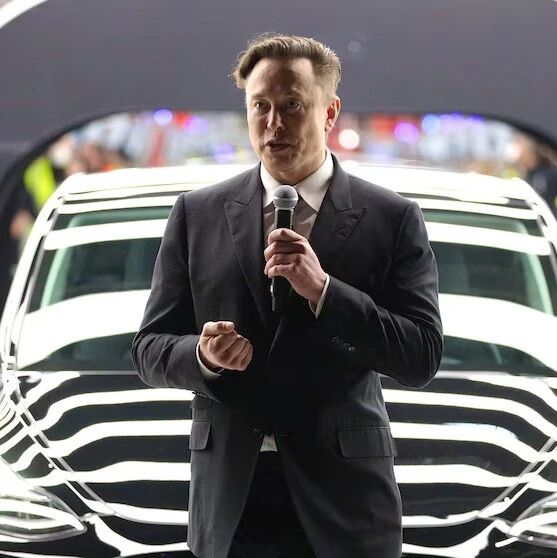
Core Viewpoint - The implementation of the national standard "Energy Consumption Limit for Electric Vehicles Part 1: Passenger Cars" (GB 36980.1-2025) will begin on January 1, 2026, marking the world's first mandatory energy consumption limit for electric vehicles [1] Group 1: Standard Implementation - The new standard requires manufacturers to upgrade the technology of newly produced electric vehicles [1] - For vehicles weighing around 2 tons, the standard mandates that energy consumption should not exceed 15.1 kWh per 100 kilometers, leading to an average increase of approximately 7% in driving range without changing battery capacity [1] Group 2: Standard Specifications - The standard takes into account the current energy consumption of pure electric passenger vehicles, potential energy-saving technologies, cost control, and performance of special vehicle types [1] - Compared to the previous recommended standard, the new limits are approximately 11% stricter and provide tailored requirements based on different vehicle weights and usage characteristics [1] - The standard aims to balance the diverse development needs of vehicle types while guiding future research and application of energy-saving technologies [1]