
火电

Search documents
协鑫集团主导全国首单火电持有型不动产ABS在上交所挂牌
Zheng Quan Shi Bao Wang· 2025-12-30 05:39
Core Viewpoint - The launch of the "Guojin Asset Management - Xinjiang Guoxin Holding Type Real Estate Asset-Backed Securities (ABS)" on the Shanghai Stock Exchange marks a significant milestone in the asset securitization of thermal power infrastructure in China, with an issuance scale of 5.46 billion yuan [1] Group 1 - The project is the first of its kind in China to possess the characteristics of a holding-type real estate investment trust (REIT) in the thermal power sector, filling a gap in the domestic market [1] - The issuance of this ABS sets a new benchmark for the integration of traditional energy assets with green finance [1]
中泰国际每日晨讯-20251230
ZHONGTAI INTERNATIONAL SECURITIES· 2025-12-30 01:52
Market Overview - The Hang Seng Index opened high post-Christmas, briefly surpassing 26,000 points, but closed at 25,635 points, down 0.7%[1] - The total trading volume was HKD 224.5 billion, a 142.7% increase from HKD 92.5 billion on the previous trading day[1] - The Energy Index rose by 0.4%, while Materials, Conglomerates, and Consumer Staples fell by 2.2%, 2.0%, and 2.0% respectively[1] Stock Performance - BYD (1211 HK) and Geely Auto (175 HK) led the blue-chip gainers, rising by 3.7% and 3.4% respectively[1] - Sands China (1928 HK) and JD Health (6618 HK) were the biggest losers, falling by 4.5% and 3.4% respectively[1] Oil and Commodity Trends - WTI crude oil prices rebounded to USD 58, but remain below the six-month high of USD 70[2] - Gold, silver, and copper prices dropped by approximately 4%-10%, likely due to profit-taking[2] Macroeconomic Data - Hong Kong's export value in November increased by 18.8% year-on-year, surpassing October's growth of 17.5%[3] Industry Insights - MGM China (2282 HK) faces a significant increase in licensing fees from 1.75% to 3.5% of monthly gross revenue, leading to a 17.1% drop in its stock price[4] - The automotive sector saw gains, with NIO (9866 HK) up 4.9% and Xpeng Motors (9868 HK) up 3.9%[4] Healthcare Sector - The Hang Seng Healthcare Index fell by 1.5%, with Hengrui Medicine (1276 HK) entering a licensing agreement with Hansoh Pharmaceutical (3692 HK) for a project valued at up to RMB 1.9 billion[5] Energy Sector - Power generation stocks, including Huaneng International (902 HK) and Datang Power (991 HK), experienced declines of 6.5% and 4.7% respectively due to unfavorable long-term electricity pricing announcements[5] - Goldwind Technology (2208 HK) surged by 13.7% following reports of its investment in the commercial space industry[5]
电投能源股价跌1.28%,湘财基金旗下1只基金重仓,持有9500股浮亏损失3325元
Xin Lang Cai Jing· 2025-12-30 01:45
Group 1 - The core point of the news is that Electric Power Investment Energy Co., Ltd. experienced a decline in stock price, closing at 26.94 yuan per share, with a market capitalization of 60.388 billion yuan [1] - The company is primarily engaged in the production, processing, and sales of coal products, with its main business revenue composition being 55.11% from aluminum products, 30.29% from coal products, 13.02% from electricity products, and 1.59% from other sources [1] Group 2 - From the perspective of fund holdings, Xiangcai Fund has a significant position in Electric Power Investment Energy, with the Xiangcai Hongli Quantitative Stock Selection Mixed A fund holding 9,500 shares, representing 2.42% of the fund's net value [2] - The fund has reported a year-to-date return of 12.72% and a one-year return of 12.45%, ranking 5384 out of 8087 and 5296 out of 8085 respectively [2] Group 3 - The fund manager of Xiangcai Hongli Quantitative Stock Selection Mixed A is Bao Jiamin, who has been in the position for 1 year and 302 days, with the fund's total asset size at 509 million yuan [3] - During Bao Jiamin's tenure, the best fund return was 48.13%, while the worst return was -3.09% [3]

人民币升值投资机会解读
2025-12-29 15:51
Summary of Key Points from Conference Call Records Industry or Company Involved - The analysis focuses on the impact of the appreciation of the Renminbi (RMB) on various industries, including upstream raw materials (utilities, non-ferrous metals, steel, energy and chemicals) and consumer goods (airlines, duty-free businesses) [1][3][4]. Core Insights and Arguments - **Cost Reduction**: The appreciation of the RMB reduces the cost of imported goods, benefiting industries reliant on imported raw materials, particularly upstream raw materials and consumer goods sectors [1][3]. - **Debt Servicing Pressure**: Airlines and real estate companies experience reduced pressure on dollar-denominated debt repayments due to RMB appreciation, enhancing profitability for airlines through exchange gains [1][3]. - **Valuation Enhancement**: The appreciation of the RMB is expected to enhance the valuation of core RMB assets, particularly in the financial sector (banks and insurance) and the Hong Kong stock market, potentially attracting foreign capital [1][3]. - **Gas Sector Benefits**: The gas sector benefits from lower procurement costs linked to international oil prices, while high-dividend thermal power sectors are less affected by exchange rate changes [1][4]. - **Airline Sector Gains**: Airlines benefit from direct exchange gains on aircraft purchases and leases, as well as reduced operational costs due to lower dollar-denominated expenses [5][6]. - **Real Estate Market Stability**: RMB appreciation expands the space for interest rate cuts, which is crucial for stabilizing the real estate market, attracting foreign investment in large-scale real estate projects [7]. Other Important but Possibly Overlooked Content - **REITs Market Growth**: The REITs market is showing robust growth, positively impacting the RMB-denominated real estate market and providing exit channels for related institutions [8][9]. - **Hong Kong Stock Market Dynamics**: The appreciation of the RMB increases the attractiveness of Hong Kong stocks, particularly in the technology sector, although the fundamental driver remains earnings per share (EPS) [2][10][11]. - **Investment Recommendations**: China Duty Free is highlighted as a key beneficiary of RMB appreciation due to its pricing structure and potential growth from policy catalysts and consumer behavior changes [13]. This summary encapsulates the critical insights from the conference call records, emphasizing the multifaceted impacts of RMB appreciation across various sectors and the potential investment opportunities arising from these dynamics.

2026电力行业年度策略:火绿重构,水核筑基,燃气优化
GOLDEN SUN SECURITIES· 2025-12-29 08:38
Group 1: Industry Overview - The public utility sector experienced a modest increase of 0.92% from January to September 2025, underperforming the CSI 300 index by 17.02 percentage points, with total revenue reaching 1.381783 trillion yuan, a slight year-on-year growth of 0.02% [1][13] - The overall profitability of the power sector remained stable, with a net profit attributable to shareholders of 172.32 billion yuan, reflecting an 8.43% increase year-on-year [1][13] - The electricity consumption growth rate for the first three quarters of 2025 was 4.6%, with a notable decline in the elasticity coefficient to 0.88, indicating a shift towards balanced supply and demand in the electricity market [2] Group 2: Thermal Power - The thermal power sector reported a net profit of 71.12 billion yuan for the first three quarters of 2025, marking a 15.83% increase year-on-year, supported by low coal prices [1][20] - The overall revenue for the thermal power sector was 905.78 billion yuan, a decrease of 3.08% year-on-year, while operating costs fell by 6.15% to 745.64 billion yuan [20] - The sector is expected to see a restructuring of its profit model, with a focus on high-dividend thermal power leaders and companies in regions with stable electricity prices [3] Group 3: Renewable Energy - The wind power sector achieved a net profit of 22.03 billion yuan, a year-on-year increase of 31.67%, with revenue rising by 29.98% to 108.09 billion yuan [1][28] - The solar power sector, however, faced challenges with a revenue decline of 18.63% to 26.10 billion yuan, despite a significant profit increase of 67.57% to 2.90 billion yuan [1][28] - The introduction of market-oriented policies and the acceleration of green energy subsidies are expected to improve cash flow for renewable energy companies [3] Group 4: Nuclear Power - The nuclear power sector is projected to see significant growth, with an expected operational capacity of 110 million kilowatts by 2030, driven by the increasing importance of nuclear energy in the context of AI competition [4] - The marketization of nuclear power pricing is gradually increasing, with expectations for price rebounds in Guangdong province due to policy changes [4] - Investment opportunities are recommended in nuclear power operators and companies involved in nuclear fusion and uranium mining [4] Group 5: Hydropower - The hydropower sector reported a revenue of 148.76 billion yuan, with a year-on-year growth of 1.56%, and a net profit of 51.32 billion yuan, reflecting a 3.30% increase [1][37] - The sector's stability and high dividend yield make it an attractive investment, especially in a fluctuating market environment [3][37] - Companies in the hydropower sector are encouraged to maintain strong dividend policies to attract investors [3] Group 6: Natural Gas - The natural gas sector is expected to recover profitability as global LNG production ramps up, with a projected oversupply of 65 billion cubic meters by 2030 [3] - The implementation of pricing reforms in various cities is alleviating margin pressures for city gas companies, leading to increased sales volumes [3] - Investment focus is recommended on high-quality city gas leaders with stable dividend policies [3]





9家A股ESG强信披银行碳排同比上升|ESG热搜榜
2 1 Shi Ji Jing Ji Bao Dao· 2025-12-29 08:22
Group 1: Climate Disclosure Standards - The Ministry of Finance, along with nine other departments, issued the "Corporate Sustainable Disclosure Standard No. 1 - Climate (Trial)" on December 25, marking a significant step towards a unified sustainable disclosure standard system in China [1] - The "Climate Standard" is currently positioned as a trial document, with voluntary implementation by companies until specific requirements are established [1] - The Ministry of Finance plans to adopt a gradual approach to implementation, expanding from listed companies to non-listed companies, and from large enterprises to small and medium-sized enterprises [1] Group 2: ESG Disclosure in A-Share Banks - The list of A-share banks with strong ESG disclosure has expanded to 27, including 6 state-owned banks, 9 joint-stock banks, 10 city commercial banks, and 2 rural commercial banks [2] - Among the 27 banks, 16 reported a year-on-year decrease in carbon emissions, while 9 banks, including 1 state-owned bank and 6 city commercial banks, reported an increase in carbon emissions [2] Group 3: Carbon Emission Changes - The top five banks with the highest year-on-year increase in carbon emissions are Beijing Bank (13.88%), Nanjing Bank (13.23%), Qingdao Bank (11.92%), Chongqing Bank (10.96%), and Hangzhou Bank (10.02%) [3] - The top five banks with the most significant reductions in carbon emissions are Shanghai Rural Commercial Bank (34.52%), Bank of China (23.64%), China Construction Bank (20.65%), Chongqing Rural Commercial Bank (17.89%), and Jiangsu Bank (8.58%) [3] Group 4: Regulatory Actions on Companies - First Capital announced that its wholly-owned subsidiary was fined 12.7358 million yuan for failing to diligently supervise a convertible bond project [4] - Jinghua Pharmaceutical's subsidiary was fined 500,000 yuan for environmental pollution, but the impact on the company's net profit for 2025 is expected to be minimal [5] - Tianyi Medical received a notice of administrative penalty for not producing medical devices according to technical requirements, with a proposed fine of 8.7852 million yuan [6] Group 5: Energy ESG Index - The "National Energy Sustainable Development Index" was officially launched, achieving a cumulative return rate of 40% [7] - The index was developed by the China Energy Research Society and Shenzhen Securities Information Co., focusing on securities with high trading volumes and market capitalization [7] Group 6: Challenges in the Power Sector - Five thermal power companies have been included in the ESG mandatory disclosure category, facing their first ESG assessment in 2026 [8] - A report indicated that while the overall power structure shows a significant reliance on thermal power, the transition to non-fossil energy sources is lagging behind the national average [8]
多行业将深度治理 湖北今年继续推进污染防治攻坚战
Chang Jiang Shang Bao· 2025-12-29 07:10
Core Viewpoint - Hubei Province is committed to enhancing environmental protection efforts, focusing on pollution prevention and control, and ensuring compliance with the "14th Five-Year Plan" for carbon emissions and energy consumption reduction. Group 1: Air Quality Improvement - Hubei aims to control PM2.5 and O3 levels while promoting the construction of projects for reducing volatile organic compounds (VOCs) and nitrogen oxides emissions [1] - The province will continue to implement ultra-low emissions transformations in the thermal power and steel industries, as well as comprehensive rectification of industrial furnaces and kilns [1] - Focus will be placed on deep governance in industries such as cement, coking, glass, ceramics, and petrochemicals, emphasizing source reduction, process control, and end-of-pipe treatment for VOCs pollution [1] Group 2: Water Pollution Control - Hubei will strengthen actions against water pollution, focusing on the treatment of inferior water bodies and the remediation of black and odorous water bodies [1] - The province will conduct inspections and rectifications of key lake pollutant discharge outlets and promote comprehensive governance pilot projects for lake sedimentation [1] - Efforts will be made to ensure stable water quality in the Three Gorges and Danjiangkou reservoir areas through comprehensive management [1] Group 3: Soil and Waste Management - Hubei will continue to advance soil pollution prevention actions and enhance comprehensive solid waste management [2] - The province plans to initiate groundwater pollution prevention pilot projects and conduct environmental assessments of groundwater conditions around pollution sources [2] - There is an effort to include cities like Wuhan and Xiangyang in the national "waste-free city" pilot program [2]
公用事业行业周报(2025.12.22-2025.12.26):用电增速维持高位,长协电价或存压力-20251228
Orient Securities· 2025-12-28 05:41
Investment Rating - The report maintains a "Positive" investment rating for the utility sector [4] Core Views - Electricity consumption growth remains high, but there are signs of pressure on long-term contract electricity prices due to falling coal prices and high inventory levels [7] - The utility sector is viewed as a defensive asset, with low-priced utility assets worth attention [7] - The report suggests that the electricity market will gradually allow for better pricing of electricity attributes to support the complex new power system [7] Summary by Sections Electricity Consumption - In November 2025, total electricity consumption increased by 6.2% year-on-year, a recovery from October's 4.2 percentage point decline, with a cumulative growth of 1.0% for January to November 2025 [10] - The growth rates for different sectors in November 2025 were: primary industry +7.9%, secondary industry +4.4%, tertiary industry +10.3%, and residential consumption +9.8% [10] - The report anticipates that December 2025 will see electricity consumption growth maintain around 5-6% due to ongoing growth in sectors like charging services and information technology [10] Electricity Prices - From December 19 to December 26, 2025, the average clearing price in Guangdong's electricity market was 308 RMB/MWh, up by 3.9% year-on-year [21] - In contrast, Shanxi's average market price dropped to 179 RMB/MWh, down 54.9% year-on-year [21] Coal Prices - Port coal prices continue to decline, with the Qinhuangdao Q5500 coal price at 672 RMB/ton, down 4.4% week-on-week [24] - The report notes a divergence in pit coal prices, with Shanxi's Q5500 coal price stable at 550 RMB/ton, while Inner Mongolia's price fell by 1.7% [24] Hydrology - The Three Gorges Reservoir's water level was 171 meters, with a year-on-year increase of 3.1 meters, while inflow rates decreased by 13.7% year-on-year [31] Market Performance - The utility sector index rose by 0.8% but underperformed compared to the Shanghai and Shenzhen 300 index, which increased by 1.9% [40] - Among sub-sectors, gas showed the highest weekly increase at +2.6%, while hydropower decreased by 0.8% [42] Investment Recommendations - The report recommends focusing on utility stocks, particularly in thermal power, hydropower, and nuclear power, citing improved business models and growth potential [7]



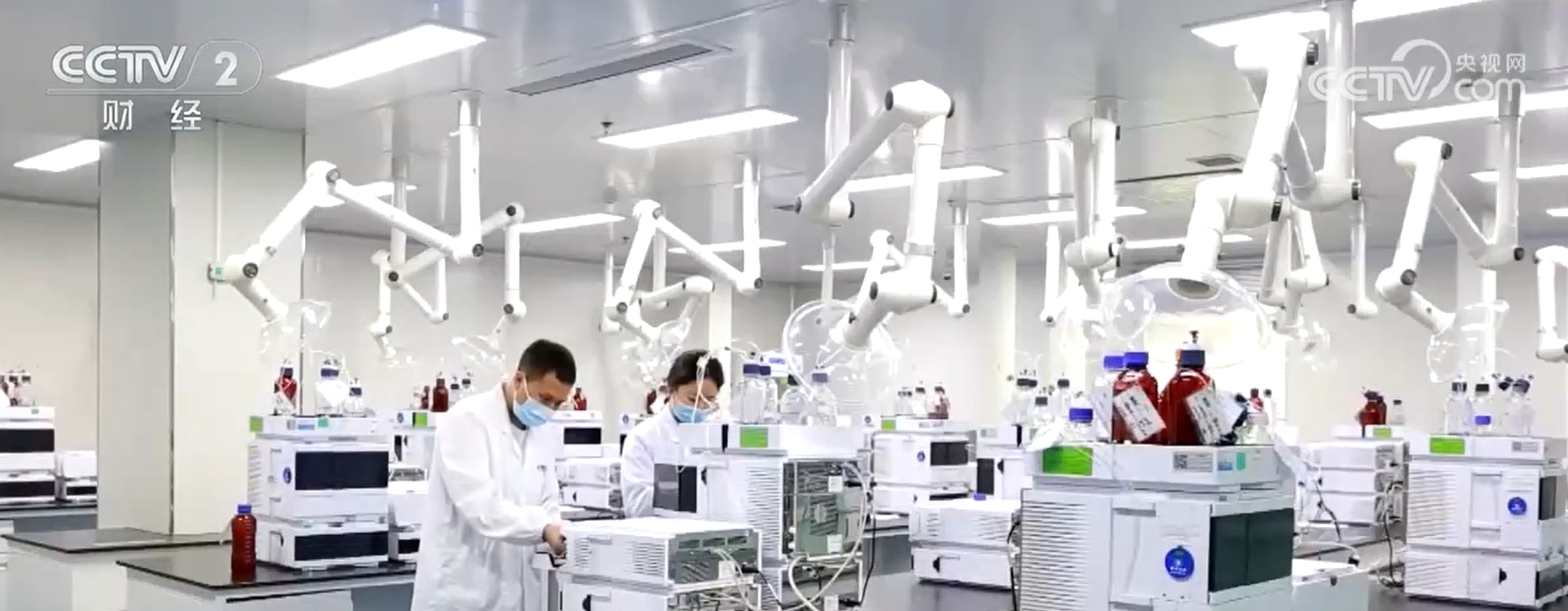
294项国家标准完成制修订 动力电池“不起火、不爆炸”首次列为强制性要求
Yang Shi Wang· 2025-12-27 06:17
Core Viewpoint - The joint issuance of the action plan for upgrading traction equipment and the old-for-new consumption scheme has led to the completion and approval of 294 national standards across 13 key areas, focusing on energy consumption, product quality, and recycling standards [1][3]. Group 1: Energy Consumption and Emission Standards - The approved standards include 113 national standards aimed at upgrading energy consumption limits in key industries such as thermal power, steel, and building materials, facilitating the elimination of outdated production capacity [3]. - The initiative emphasizes the need for enhanced energy efficiency and emission reduction technologies [3]. Group 2: Consumer Goods Standards - A total of 115 national standards have been developed for consumer goods, including automobiles, home appliances, and emerging consumption sectors, aligning with actual consumer needs [3]. - The focus on consumer safety and quality is highlighted, particularly in the automotive sector [3]. Group 3: Recycling and Resource Utilization Standards - The plan includes 66 national standards related to the recycling, disassembly, and regeneration of waste products, covering areas such as home appliances, furniture, electronics, photovoltaics, wind power, and power batteries [3]. - The standards aim to promote product design that considers ease of recycling and regeneration, addressing bottlenecks in the recycling chain [3]. Group 4: Safety Standards for Electric Vehicles - Significant advancements have been made in safety standards for electric vehicle batteries, with mandatory requirements for "non-flammability and non-explosiveness" introduced, encouraging manufacturers to optimize battery structures and thermal management systems [3].

294项国家标准发布
Xin Lang Cai Jing· 2025-12-26 22:04
Core Viewpoint - The article discusses the completion of a national action plan aimed at enhancing standards for traction equipment updates and consumer product recycling, covering 294 national standards across 13 key areas, which has been successfully finalized [1]. Group 1: Energy Consumption and Emission Standards - The 294 national standards focus on upgrading energy consumption and emission technology standards, enhancing product quality and safety standards, and increasing the supply of recycling and circular economy standards [1]. - The action plan includes the revision of energy consumption limit standards for key industries such as thermal power, steel, and building materials, aiming to eliminate outdated production capacity and improve the proportion of advanced capacity [1]. - A total of 113 national standards have been published to tighten energy efficiency requirements for general equipment like boilers, motors, and transformers [1]. Group 2: Carbon Emission Standards - The plan aims to establish a carbon emission accounting and product carbon footprint standard system, with 18 national standards for corporate greenhouse gas emission accounting published to provide unified norms for carbon emission calculations [1]. - This initiative guides companies in systematically implementing energy-saving and carbon-reduction transformations [1]. Group 3: Quality and Safety Standards for Consumer Products - The action plan includes the revision of 115 national standards in sectors such as automotive, home appliances, furniture, and emerging consumer goods, aimed at improving product quality and safety standards [1]. - The goal is to facilitate the entry of high-quality durable consumer goods into residents' lives [1]. Group 4: Recycling and Resource Utilization Standards - The plan also addresses the recycling, disassembly, and regeneration of waste products, with 66 national standards for resource recycling established in areas like home appliances, furniture, electronic products, photovoltaic, wind power, and power batteries [2]. - These standards encourage product design that considers ease of recycling and regeneration, and they regulate scientific disassembly and reuse during product recovery [2].