
铜矿

Search documents
?铜价屡创新高之下的“抢矿战”! Fortescue溢价吞下一加拿大公司 加码押注铜周期
Zhi Tong Cai Jing· 2025-12-15 04:03
Core Viewpoint - Fortescue, a major Australian mining group, is acquiring the remaining 64% stake in Canadian copper resource developer Alta Copper for approximately CAD 139 million (USD 101 million), highlighting a trend among leading miners to secure copper resources amid rising copper prices [1][5] Group 1: Acquisition Details - The acquisition will be executed through Fortescue's subsidiary Nascent Exploration at a cash price of CAD 1.40 per share, representing a 14.8% premium over Alta's closing price last week [1] - This move is part of Fortescue's strategy to accelerate its expansion in the copper sector, as global copper prices have reached historical highs [1][2] Group 2: Market Context - LME copper prices have increased by over 30% this year, with most gains occurring in the past month, driven by surging demand and a weakening US dollar [2] - Major mining companies, including BHP and Rio Tinto, are also increasing their exposure to copper to diversify their mining portfolios [2][5] Group 3: Demand Drivers - Copper is essential in various sectors such as electricity, construction, industrial machinery, transportation, and communication, making it a critical component of global economic activity [3] - The demand for copper is expected to rise significantly due to government policies aimed at economic growth and the expansion of AI and energy transition initiatives [3] Group 4: Future Outlook - Analysts maintain a bullish outlook on copper mining stocks for the coming years, with expectations of continued strong demand driven by energy, AI data centers, and global defense industries [4] - The anticipated supply gap in copper by 2025-2026 reinforces the narrative of rising prices, prompting mining companies to secure copper resources through acquisitions [5]
铜价屡创新高之下的“抢矿战”! Fortescue溢价吞下一加拿大公司 加码押注铜周期
智通财经网· 2025-12-15 03:38
Group 1 - Fortescue, an Australian mining giant, announced the acquisition of the remaining 64% stake in Canadian copper resource developer Alta Copper for approximately CAD 139 million (USD 101 million), highlighting a trend among leading miners to secure copper resources amid rising copper futures prices [1][2] - The acquisition price of CAD 1.40 per share represents a 14.8% premium over Alta's closing price last Friday, indicating Fortescue's aggressive strategy to expand its copper portfolio [1][5] - The global copper price has surged over 30% this year, with most gains occurring in the past month, driven by increased demand and a weakening US dollar, alongside a global trend of declining interest rates [2][4] Group 2 - The demand for copper is expected to rise significantly due to its applications in various sectors such as power, construction, and industrial machinery, particularly as governments implement policies to stimulate economic growth [3] - Major mining companies, including BHP and Rio Tinto, are actively seeking to increase their exposure to copper to diversify their mining portfolios, reflecting a broader industry trend [5] - Analysts remain bullish on copper mining stocks for the coming years, citing supply constraints and increasing demand from sectors like energy and AI data centers as key drivers for price increases [4][5]
铜价屡创新高之下的“抢矿战”! Fortescue溢价吞下一加拿大公司 加码押注铜周期
Zhi Tong Cai Jing· 2025-12-15 03:37
Group 1 - Fortescue plans to acquire the remaining 64% stake in Alta Copper for approximately CAD 139 million (USD 101 million), highlighting a trend among major miners to secure copper resources amid rising copper prices [1] - The acquisition price of CAD 1.40 per share represents a 14.8% premium over Alta's closing price last Friday, indicating strong market interest in copper assets [1] - The global copper price has surged over 30% this year, with significant increases occurring in the past month, driven by heightened demand and a weakening US dollar [2] Group 2 - Major mining companies, including Fortescue, BHP, and Rio Tinto, are actively seeking to diversify their portfolios by increasing exposure to copper, which is seen as a growth metal amid supply constraints [3][5] - The demand for copper is expected to rise significantly due to its applications in various sectors, including power, construction, and AI data centers, which are becoming new growth engines for the copper market [3] - Analysts remain bullish on copper mining stocks for the coming years, citing ongoing demand from energy, AI data centers, and global defense industries, while also noting potential risks from economic slowdowns in Asia [4]
智利未来十年矿业投资规划超千亿美元
Shang Wu Bu Wang Zhan· 2025-12-13 15:42
Core Insights - The Chilean Copper Commission (Cochilco) reports a total mining investment of $104.55 billion from 2025 to 2034, marking a 25.7% increase compared to previous statistics and the highest level in nearly 11 years [1] Investment Overview - 89.8% of the total investment is concentrated in copper mining projects, benefiting from strong copper prices that facilitate the launch of new projects and the restart of old ones [1] - Lithium mining investment is projected to reach $4.7 billion by 2025, doubling from four years ago, with significant contributions from the Andes Highland Salt Lake project, a public-private partnership under Chile's national lithium strategy [1] Project Types and Progress - 81% of the investments are focused on the expansion and optimization of existing mines, while 19% are new greenfield projects [1] - 41% of the projects have entered the execution phase, while the remainder is in preliminary stages such as pre-feasibility and feasibility studies [1] Regional Investment Breakdown - The Antofagasta region leads with an investment of $40.2 billion, driven by large-scale expansion and operational continuity projects, followed by the Tarapacá region with $14.47 billion [1] Uncertainties in Investment - Approximately 40% of the investments are classified as potential projects, pending final decisions on technical, environmental, or financing aspects [1]
国泰君安期货所长早读-20251211
Guo Tai Jun An Qi Huo· 2025-12-11 01:59
1. Report's Industry Investment Ratings - Not provided in the content 2. Report's Core Views - The Federal Reserve cut interest rates by 25 basis points as expected, and there were differences within the committee. The US faces challenges of rising prices and a cooling labor market. The market shows different trends for various commodities, with some in a state of shock, some with potential for short - term rebound, and others facing supply - demand imbalances [7][8]. 3. Summary by Related Catalogs 3.1 Metals Gold and Silver - Gold prices were affected by the Fed's interest rate cut. Silver reached a new high, breaking through 60. The market showed certain price fluctuations and trading volume changes [14][18]. Copper - The decline of the US dollar supported copper prices. There were some impacts on supply from mining companies, and China's copper imports increased year - on - year [22][24]. Zinc - Zinc prices fell from a high level, with changes in trading volume, open interest, and inventory [25]. Lead - The reduction in inventory limited the decline of lead prices [28]. Tin - There were disturbances in tin supply [31]. Aluminum, Alumina and Casting Aluminum Alloy - Aluminum prices continued to fluctuate, alumina had a slight rebound, and casting aluminum alloy followed the trend of electrolytic aluminum [34]. Platinum and Palladium - Platinum faced obvious pressure at the upper level, while palladium fluctuated upward [39][41]. Nickel and Stainless Steel - The structural surplus of nickel changed, but the game contradictions remained unchanged. The supply and demand of stainless steel continued to be weak, and the cost - support logic was strengthened [43]. Lithium Carbonate - The news of large - scale production resumption was repeated, and the price was in a high - level shock [48]. 3.2 Industrial Minerals Industrial Silicon and Polysilicon - For industrial silicon, the price was affected by factors such as inventory and cost. The details of the equity of the polysilicon platform company were announced, and the market suggested buying on dips [51][53]. Iron Ore - The downstream demand space of iron ore was limited, and the valuation was high [54]. Steel Products (Rebar and Hot - Rolled Coil) - Affected by the sentiment of the real estate sector, rebar and hot - rolled coil prices were in a low - level shock [57][60]. Ferrosilicon and Manganese Silicon - Both ferrosilicon and manganese silicon were in a wide - range shock [62]. Coke and Coking Coal - Coke and coking coal prices were in a wide - range shock [65]. Logs - Log prices were in a low - level shock [69]. 3.3 Chemicals Paraxylene (PX), Purified Terephthalic Acid (PTA) and Monoethylene Glycol (MEG) - PX was in a high - level shock market with cost support. PTA had cost support and was suitable for positive spread trading. MEG's device production cut scale expanded, and the downward space was limited [73][81]. Rubber and Synthetic Rubber - Natural rubber was in a shock operation, and synthetic rubber was in a range operation [84][87]. Asphalt - Due to geopolitical factors, asphalt had a phased slight rebound [91]. Linear Low - Density Polyethylene (LLDPE) and Polypropylene (PP) - LLDPE prices fell unilaterally, and the basis weakened again. PP faced upstream selling pressure, and the price difference between powder and granular materials was inverted [103][105]. Caustic Soda - It was not advisable to chase short positions in caustic soda, as it faced high - production and high - inventory situations [108][109]. Pulp - Pulp prices were in a shock - upward trend. Although there was no significant change in the supply - demand fundamentals, the market was affected by factors such as low - valuation capital speculation [9][114]. Glass - The price of glass raw sheets was stable, but the market faced problems of weak demand and high inventory [117][118]. Methanol - Methanol prices were under pressure. In the short term, it was in a weak operation, and in the medium - term, the high - supply pressure was the main contradiction [120][123]. Urea - Urea prices were in a shock operation. The demand side improved stage by stage, and the price was supported by the reduction of inventory, but there was also policy pressure [125][128]. Styrene - Styrene was in a short - term shock. The pure benzene market was in a bottom - shock state, and the supply pressure of styrene was not large [129][130]. Soda Ash - The spot market of soda ash changed little, with stable prices and weak downstream demand [132]. Liquefied Petroleum Gas (LPG) and Propylene - LPG prices had wide - range fluctuations affected by cost factors. Propylene supply had an incremental expectation, and the upward driving force was limited [135][136]. Polyvinyl Chloride (PVC) - PVC prices were in a low - level shock. The high - production and high - inventory structure was difficult to change in the short term [144][145]. Fuel Oil and Low - Sulfur Fuel Oil - Fuel oil prices continued to decline, and the center of the low - sulfur fuel oil market shifted downward at night [147]. 3.4 Shipping - The PA alliance's performance exceeded expectations, driving the sentiment of the container freight index (European line) to improve. The 2602 contract was in a shock market in the medium - term, and it was advisable to short the 2604 contract on rallies [149][161]. 3.5 Agricultural Products Short Fiber and Bottle Chip - Both short fiber and bottle chip faced medium - term pressure, and it was advisable to short the processing margin on rallies [163][164]. Offset Printing Paper - It was advisable to wait and see for offset printing paper, with stable prices and weak market demand [166][167]. Pure Benzene - Pure benzene was in a short - term shock, with inventory accumulation and weak downstream demand in the short term, but the supply was expected to shrink in the future [171][172]. Palm Oil and Soybean Oil - Palm oil was expected to have a short - term rebound after the release of negative factors. Soybean oil fluctuated mainly due to insufficient driving force from US soybeans [174][179]. Soybean Meal and Soybean - Soybean meal might follow the rebound of US soybeans. Soybean prices were in a shock [180][183]. Corn - Corn prices were in a shock operation, with price changes in different regions [184][185]. Sugar - Sugar prices were in a low - level shock, with different production and consumption situations in domestic and international markets [190][193]. Cotton - Cotton prices were in a shock - upward trend, and attention should be paid to downstream demand [195][197]. Eggs - Egg spot prices were in a shock [199]. Hogs - The market had already priced in the Winter Solstice expectation in advance, and the number of warehouse receipts increased [201][202]. Peanuts - Attention should be paid to the peanut spot market, with stable prices in most regions and small - scale price fluctuations in some areas [205][206].
藏格矿业20251205
2025-12-08 00:41
Summary of the Conference Call for Cangge Mining Industry and Company Overview - The conference call discusses Cangge Mining, focusing on its operations in the potassium chloride and lithium carbonate sectors, as well as its investments in copper mining through its stake in Jilong Copper Industry [2][3]. Key Points and Arguments Potassium Chloride Segment - The company targets a production of 1 million tons and sales of 900,000 tons of potassium chloride for 2025. In the first three quarters, it achieved a production of 701,600 tons and sales of 783,800 tons, with a tax-inclusive selling price of approximately 2,920 RMB, reflecting a year-on-year increase of 26.88% [2][3]. - The high prices of potassium fertilizers globally and domestic winter storage demand are significant contributors to this performance [2]. Lithium Carbonate Segment - In the lithium carbonate sector, the company produced 6,021 tons and sold 4,800 tons in the first three quarters, adjusting its annual production and sales target to 8,510 tons. The production target for 2026 is projected to be between 10,000 to 12,000 tons [2][3]. - The company maintains an optimistic outlook on lithium prices and focuses on cost optimization [2][3][11]. Copper Mining Investment - Cangge Mining holds a 30.78% stake in Jilong Copper Industry, which contributed significant profits, with an investment income of 1.95 billion RMB in the first three quarters, accounting for about 71% of the company's net profit. Jilong Copper's production target for the year is between 185,000 to 190,000 tons [2][5]. Project Developments - The Mami Cuo project is expected to commence production next year, with limited impact from winter construction. The estimated cost is around 30,000 RMB per ton [2][4][6]. - The company has a priority purchase right regarding its stake in Mami Cuo, contingent upon the completion of the first phase of the project [7]. - The Laos potassium salt mine project has an exploration reserve of 984 million tons, and the company is confident in its potential despite the Lao government's temporary suspension of mining in the Vientiane area [4][15][16]. Cost Management - The expected production cost for the Mami Cuo project is 30,000 RMB per ton, benefiting from superior resource endowment and ongoing technological optimizations since 2017 [12][13]. - The production cost for the Qinghai headquarters is projected to be around 40,000 RMB per ton, with a total cost of approximately 50,000 RMB [19]. Market Outlook - The company views the recent fluctuations in lithium prices positively, asserting that it has a cost advantage that allows for profit even during price declines. It plans to continue its projects without adjustments due to price changes [10][11]. - The demand for lithium in energy storage and power sectors is expected to grow, particularly driven by electricity shortages in Europe and the U.S. and advancements in AI [11]. Other Important Information - The company is focused on maintaining production efficiency and quality while pursuing new projects like the Mami Cuo and Laos potassium salt mine [3]. - The company has made significant progress in its key projects and is prepared to report on developments as they occur [4][15][16].

美囤铜40万吨!三重杀招直指中国命门?
Sou Hu Cai Jing· 2025-12-07 16:48
Core Viewpoint - The article discusses the significant increase in copper inventory in the U.S. and its implications for global copper supply, particularly targeting China's copper industry and technological advancements [1][4]. Group 1: Copper Supply Dynamics - In 2025, U.S. copper inventory surged by 470%, from 84,000 tons at the beginning of the year to 400,000 tons, while the U.S. only accounts for 6% of global copper consumption [1]. - Global copper mine grades have dropped by 40% over the past 40 years, and mining costs have risen significantly, leading to a projected global copper mine growth rate of only 3.4% in 2025, with a shortage expected in 2026 [3]. - The U.S. holds 62% of global exchange copper inventory, which has reduced liquidity in the international copper market [3]. Group 2: Strategic Implications for China - The U.S. strategy of stockpiling copper is seen as a direct attack on China's refined copper industry, which relies on imports for 94% of its copper concentrate [4]. - The price of copper on the London Metal Exchange has increased from $7,000 per ton in 2023 to $12,000 per ton in 2025, benefiting U.S. capital in the futures market [4]. - The copper shortage could hinder China's advancements in the renewable energy and AI sectors, as significant amounts of copper are required for infrastructure [4][6]. Group 3: Countermeasures and Industry Response - China is accelerating the production of new copper mining projects in Yunnan and Tibet and has doubled the output of recycled copper in three years [5]. - Long-term supply agreements with countries like Congo and Peru are being established by China to secure copper resources through a "resource for technology" model [5]. - The U.S. copper stockpile, sufficient to produce 20 million electric vehicles, is not aligned with its current production capacity, indicating a strategic move to limit China's growth [6]. Group 4: Market Reactions and Economic Impact - The rising copper prices are affecting various sectors, including appliances and construction, contributing to increased inflationary pressures in the U.S. [7]. - China's advanced refining technology and high recycling rates (98%) position it to mitigate raw material shortages effectively [7]. - The competition for copper resources highlights the importance of technological innovation and supply chain resilience in the current geopolitical landscape [8].

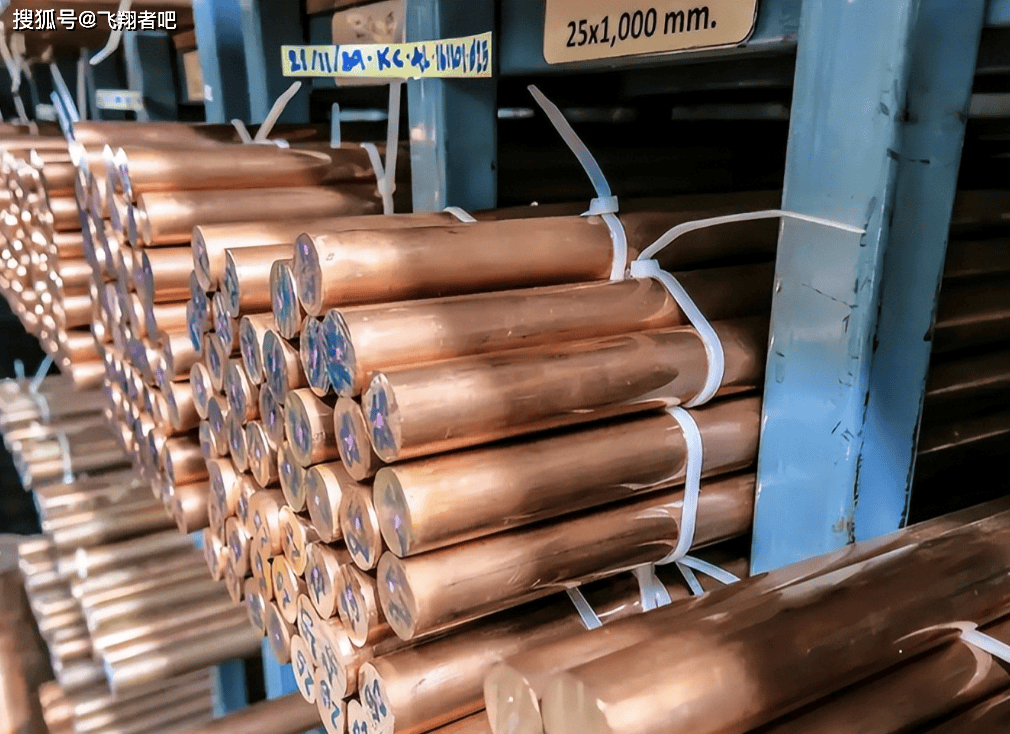
港股概念追踪|LME库存近被掏空 摩科瑞被曝大举提货铜(附概念股)
Zhi Tong Cai Jing· 2025-12-05 00:08
Group 1 - Mercuria Energy Group Ltd. is accelerating copper accumulation in response to potential U.S. tariffs, leading to a significant global supply shortage [1] - The company has applied to withdraw approximately 50,000 tons of copper from LME warehouses, marking the largest withdrawal in over a decade, pushing copper prices to a historical high of $11,500 per ton [1] - On December 2, Mercuria canceled warehouse receipts for over 40,000 tons of copper, valued at approximately $460 million at current prices [1] Group 2 - LME data shows a surge in copper withdrawal requests, with an increase of 50,575 tons, the largest since 2013, bringing total requests to 56,875 tons, which is 35% of LME's total inventory [1] - The majority of copper in LME warehouses comes from China and Russia, which cannot be delivered against NYMEX contracts, prompting traders to withdraw copper to ensure more deliverable metal flows to the U.S. [2] - Goldman Sachs reported that copper flows to the U.S. are expected to restart more quickly than anticipated in the first half of 2026, with recent price increases driven by LME withdrawals [2] Group 3 - The ongoing movement of copper into the U.S. and the decreasing exchange inventories are building upward momentum for copper prices, suggesting the potential initiation of a long-awaited supercycle in the market [3] Group 4 - Relevant copper mining companies include Luoyang Molybdenum (03993), Zijin Mining (02899), Minmetals Resources (01208), Jiangxi Copper (00358), China Nonferrous Mining (01258), and China Metallurgical Group (01618) [4]
澳币AUDUSD再被点燃!澳洲10月消费创两年最大增幅,央行加息预期全面提前
Xin Lang Cai Jing· 2025-12-04 23:37
Group 1 - Australian household consumption unexpectedly surged, with a 1.3% month-on-month increase in October, reaching AUD 78.4 billion (approximately USD 51.77 billion), the largest growth in nearly two years [1][36][42] - The annual growth rate of household spending accelerated from 5.1% to 5.6%, driven by year-end promotional activities, with significant increases in spending on clothing, footwear, furniture, and electronics [1][36][42] - This strong data has led to a rapid reassessment of interest rate expectations, with a 50% probability now assigned to the Reserve Bank of Australia raising rates in May next year [1][36][42] Group 2 - The Australian economy is experiencing robust growth, with the third-quarter GDP showing the fastest annual growth in two years, and private investment rising significantly [2][43] - Inflation pressures remain high, with the overall inflation rate accelerating to 3.8% in October, exceeding the central bank's target range of 2-3% [2][43] - Consumer confidence has turned optimistic for the first time in four years, complicating the Reserve Bank's task of balancing economic growth and inflation control [2][43] Group 3 - In the U.S., initial jobless claims fell to a three-year low of 191,000, indicating resilience in the labor market despite fluctuations during the Thanksgiving holiday [3][38] - The number of continuing claims slightly decreased to 1.939 million, reflecting a relatively high level consistent with an increase in the unemployment rate from 4.3% to 4.4% [3][38] - The job market is characterized by a "no layoffs, no hiring" stagnation, influenced by reduced labor supply due to immigration policy changes and the impact of artificial intelligence on entry-level job demand [3][38] Group 4 - U.S. companies announced a significant decrease in layoffs in November, with 71,321 job cuts, down 53% from the previous month, although still 24% higher than the same month last year [4][39] - Year-to-date, U.S. employers have announced approximately 1.171 million layoffs, a 54% increase compared to the previous year, while planned hiring has dropped to the lowest level since 2010 [4][39] - The report indicates that while layoffs have decreased, hiring intentions remain low due to economic uncertainties and demand slowdown [4][39]

2026矿业“冰火两重天”:铜、镍“高烧”不止,铁矿石、煤炭步入“寒潮”?
Xin Lang Cai Jing· 2025-12-04 11:25
Core Viewpoint - Copper prices are signaling a strong bullish trend, with UBS forecasting a new upward cycle starting in 2026 due to frequent disruptions in global copper production and surging demand from the renewable energy sector [3][8]. Supply Constraints - By 2026, copper supply will face multiple constraints, including declining ore grades, long project lead times (over 10 years), and stricter environmental policies, potentially leading to a significant shortage [3][8]. - The Simandou project in Guinea is expected to add a substantial amount of iron ore supply in 2026, but weak demand from China's real estate sector may limit long-term consumption [9]. Demand Drivers - The demand for copper will be significantly boosted by the electric vehicle sector, where the copper usage per vehicle is 3-4 times higher than that of traditional fuel vehicles, as well as by wind power, solar energy, and grid upgrades. By 2030, the renewable energy sector is projected to contribute over 20% of global copper demand [3][8]. Commodity Analysis - Aluminum production in China is nearing policy limits, while energy costs in Europe and the U.S. are causing production cuts. Long-term demand is expected to improve due to lightweighting and renewable energy applications [9]. - Nickel market dynamics are complex, with ongoing capacity releases in Indonesia suppressing prices. Future focus should be on the supply-demand balance of battery-grade nickel sulfate and technological changes [9]. - Precious metals, including gold and platinum group metals, are influenced by macroeconomic variables such as real interest rates and dollar trends. The shift from palladium to platinum is expected to support platinum demand [9]. - Coal markets are facing pressure from emission reduction policies in developed markets, but demand from emerging markets like India is providing some support [9]. Investment Recommendations - UBS recommends prioritizing investments in leading companies with low-cost, long-life copper resources, while also focusing on high-grade iron ore producers and niche markets for renewable metals like lithium and cobalt [9][10]. - Caution is advised for investments in nickel and cobalt due to potential oversupply, and attention should be paid to China's policy changes in real estate and infrastructure that may impact short-term prices [9][10]. Strategic Approach - The investment strategy for the mining sector in 2026 should follow a "policy by product" principle, focusing on copper as a core asset, selectively choosing iron ore stocks, and waiting for improvements in the supply-demand structure for nickel and cobalt [10].
