
炼化

Search documents
炼化行业有望迎来景气上行周期,石化ETF(159731)布局价值提升
Sou Hu Cai Jing· 2025-12-17 02:11
Group 1 - The A-share market showed a slight recovery on December 17, with the China Securities Petrochemical Industry Index rising over 1%, led by stocks such as Salt Lake Industry, Luxi Chemical, and Wanhua Chemical [1] - The petrochemical ETF (159731) followed the index's upward trend, indicating positive market sentiment [1] - According to Xinda Securities, the government is promoting "anti-involution" measures in key industries, including petrochemicals, with a plan to eliminate outdated production capacity and optimize supply structure from 2025 onwards [1] Group 2 - The refining industry is expected to enter a period of prosperity due to improved supply structure and steady demand recovery [1] - Domestic demand for refined oil has peaked, and the shift in oil consumption structure may deepen, while chemical oil demand remains in a long-term growth channel [1] - The petrochemical ETF and its linked funds closely track the China Securities Petrochemical Industry Index, with the basic chemical industry accounting for 60.1% and the oil and petrochemical industry for 32.7% of the index [1]
金陵石化:数智化赋能效率效益双提升
Xin Hua Ri Bao· 2025-12-17 00:03
作为中国石化系统内首家搭建生产全流程优化系统的企业,该公司创新构建"月计划—周计划—日计 划"与"日优化—日效益"双闭环管理体系,每年平均可优化50项生产方案,生产指标合格率提高5.5%。 而他们的LDAR数据传输系统,已经建立标准化密封点70余万个,悬挂二维码密封标识牌近6万个,实 现LDAR检测全过程智能化管控,显著提升检测与管理效率。 在做好数智化技术赋能生产运行的同时,他们还整合ERP与BPM业务管理流程综合平台,系统构建涵盖 管理制度、行业法规及千余份技术文档的企业知识库,自主开发优化70余个流程和智能合同审核等45个 实用型AI应用智能体,形成"数据—模型—应用"的完整闭环,实现全业务流程标准化、在线化处理,真 正做到"让数据多跑路、员工少跑腿",大幅提升管理效率,显著减轻了基层负担。 该公司信息化与计量中心经理、党总支书记杨超表示:"未来,我们将持续深化新一代信息技术与炼化 主业的融合创新,拓展智能化应用场景,持续提升智能工厂建设水平。" 陈伟伟 王寿震 近年来,金陵石化始终以"智能制造引领炼化产业高质量发展"为目标,聚焦"全流程协同管控炼化智能 工厂"建设方向,系统推进"智改数转网联",深度融 ...
助力制造业绿色低碳发展 政策赋能上市公司攻坚转型
Zheng Quan Ri Bao Wang· 2025-12-16 12:47
Core Viewpoint - The Chinese government has announced the "National Energy Conservation and Carbon Reduction Technology Equipment Recommendation Directory (2025 Edition)" to promote energy-saving and carbon-reduction technologies across key industries, providing a clear reference for enterprises' green transformation [1] Group 1: Policy and Industry Response - The directory focuses on energy conservation and carbon reduction technologies in industrial sectors, covering ten key industries such as steel, petrochemicals, and building materials, as well as information technology scenarios like data centers and communication bases [1] - Companies are leveraging their core strengths and focusing on technological innovation to actively engage in energy-saving and carbon-reduction practices, with distinct transformation paths emerging across different industries due to variations in industrial foundations and technological endowments [1] Group 2: Company Practices in Energy Conservation - In the traditional energy sector, Zhejiang Zheneng Power Co., Ltd. has invested over 1 billion yuan in comprehensive upgrades to its power plant, achieving emissions standards comparable to natural gas power generation and creating a closed-loop system for resource recycling [2] - In the refining sector, Rongsheng Petrochemical Co., Ltd. has achieved breakthroughs in energy conservation and emissions reduction through resource cascading utilization and low-temperature waste heat recovery technologies [2] Group 3: Innovations in Environmental Technology - Zhejiang Feida Environmental Technology Co., Ltd. has developed a carbon capture, utilization, and storage (CCUS) technology that captures over 90% of CO₂, significantly reducing the carbon footprint of its products and aiming to capture costs lower than traditional methods [3] - Visionox Technology Co., Ltd. has focused on material innovation to eliminate the use of harmful chemicals in its production processes, successfully developing over 20 PFAS-free materials [3] Group 4: Future Trends in Corporate Competitiveness - Under the dual carbon goals, companies are shifting their core competitiveness from traditional scale and cost advantages to a combination of "green technology + sustainable operations," with technology reserves and industry chain integration becoming essential [4] - The manufacturing industry's green transformation is entering a new phase characterized by standardized technology, normalized collaboration, and visible value, with companies needing to focus on core technology breakthroughs and integrating green concepts into their strategic operations [4]


能源开采|2026策略报告
2025-12-16 03:26
Summary of Key Points from Conference Call Records Industry Overview - **OPEC Strategy**: OPEC announced a pause in production increases in Q4 2025 and plans to continue this in Q1 2026, which is better than market expectations and helps support oil prices above $65 per barrel [1][2][9]. - **Refining Industry**: The refining sector has been at a low point since 2022, with some products experiencing long-term losses. A potential upcycle is expected in the next 3-5 years, contingent on the balance sheets of China and global markets [1][3]. - **Coal Market**: The coal market is expected to see a price center higher than in 2025, with a lower limit of 700 RMB/ton and a potential high of around 850 RMB/ton, indicating that the bottom has passed for thermal coal [1][5]. - **Natural Gas Market**: Significant changes in the natural gas market have been noted, with the Henry Hub price rising and the price gap between the US and Europe narrowing, which requires further monitoring [1][6]. Core Insights and Arguments - **Oil Market Outlook for 2026**: A relatively optimistic view is held for the oil market in 2026, with expectations for contract prices to remain at $65 or above. The market is seen as bottoming out despite some supply pressures [2][12]. - **Predictions on Supply and Demand**: Global oil supply is expected to increase in 2026, with OPEC potentially halting production increases. The US shale oil production remains resilient, contributing to a projected supply increase of about 1.6 million barrels per day [12][14]. - **Demand Growth**: Demand growth for oil is forecasted at around 1 million barrels per day, with varying predictions from major institutions [13][14]. Additional Important Insights - **China's Strategic Reserves**: China has engaged in significant strategic reserve replenishment in 2025 and shows a strong intent to continue this, with plans to increase storage capacity by 170 million barrels [10][11]. - **Refining Sector Dynamics**: The refining industry is expected to see a shift towards more profitable products like aromatics, while ethylene and propylene markets are anticipated to improve around 2027 [3][19][25]. - **Impact of Policies**: Anti-involution policies are limiting new capacity in the petrochemical sector, while older facilities are being phased out, which may have a limited impact on actual capacity reduction [18]. - **International Market Influence**: The overseas refined oil market is tightening, which is expected to support the demand for aromatics and other petrochemical products [24][28]. This summary encapsulates the key points from the conference call records, highlighting the current state and future expectations of the energy and petrochemical industries.
独石化首批航煤出口哈萨克斯坦
Zhong Guo Hua Gong Bao· 2025-12-15 02:52
独山子石化立足新疆区位优势,深耕炼化领域多年,以严苛标准筑牢产品根基。此次出口的航煤历经多 轮技术验证与质量检测,完全满足国际航空燃料标准。从商务谈判到生产攻坚,从标准对接至发运筹 备,独山子石化始终以服务国家战略为己任,高效完成产能调配、工艺优化等关键工作,实现了从资源 引进到产品出口的中哈能源合作全领域覆盖,为项目落地提供了坚实的产能支撑。 中国石油国际事业公司面对跨境合作中的政策协调、标准认证等复杂挑战,多次对接沟通,高效完成市 场调研、海外客户对接、标准认证等全流程服务。昆仑物流公司将安全置于首位,建立国内可视化、国 外实时监控的全程管控机制,通过追踪车辆位置、行驶速度及油罐状态,实现风险早发现、早控制;提 前规划最优运输路线,联动政府相关部门完善应急响应机制,高效完成运力调配与跨境运输人员培训, 以专业化、规模化服务确保货物安全高效交付。 中化新网讯 12月10日,独山子石化生产的首批符合JET A-1国际标准的航煤,经跨境物流通道顺利启运 哈萨克斯坦。 ...
信达证券:2026年原油基本面见底有望 石化产业链有望迎来共振周期
Zhi Tong Cai Jing· 2025-12-12 06:42
Group 1 - The core view is that the oil market is expected to bottom out in 2026, with oil prices likely to fluctuate between $55 and $65 per barrel due to multiple factors [1] - On the supply side, OPEC+ is shifting to a moderate production increase model, while U.S. shale oil production growth is weak, leading to a tightening supply environment [1] - Global oil demand is entering a plateau phase before peaking, with a slow but resilient growth of approximately 800,000 to 1,000,000 barrels per day [1] Group 2 - The refining supply structure is accelerating optimization, with the government promoting the elimination of backward production capacity and optimizing supply structure in the petrochemical industry [2] - The domestic demand for refined oil has peaked, and the transition in oil consumption structure is deepening, while chemical oil demand remains in a long-term growth channel [2] - The refining industry is expected to enter an upward cycle due to improved supply structure and steady demand recovery [2] Group 3 - Investment recommendations include upstream companies with strong dividend attributes such as CNOOC, PetroChina, and Sinopec, as well as oil service companies like CNOOC Services and Haiyou Engineering [3] - In the downstream refining sector, recommendations focus on large private refining companies with scale advantages and rich product layouts, such as Hengli Petrochemical and Rongsheng Petrochemical [3] - Companies with enhanced industrial chain synergy, like Tongkun Co. and Xin Fengming, are also suggested for attention [3]

东方石化降本增效交出“硬核答卷”
Zhong Guo Hua Gong Bao· 2025-12-09 02:06
截至11月末,中海油东方石化有限责任公司(以下简称东方石化)今年累计降本增效突破1亿元,交出了 一份亮眼的成绩单。这份沉甸甸的"硬核答卷"背后,是东方石化在降本增效上的系统布局:从全链条挖 潜到技术攻坚破解生产瓶颈,再到以市场为导向开拓经营新局,多向发力共同铸就了突破亿元的效益成 果。 多点发力 全链条挖掘效益潜力 "降本增效不是单点突破,而是全流程、各部门的协同作战。我们要把每一分能省的钱都省下来,把每 一处能挖的潜力都挖出来。"谈及全链条降本思路,东方石化副总经理余焱冰直言。 今年以来,炼化产品市场波动加剧,融资成本压力较大。东方石化敏锐发现,供应链融资中存在"融资 渠道单一、成本偏高"的优化空间。此前原料采购、运费结算多采用传统转账方式,融资成本率维持在 2.45%左右,资金占用压力较大。 为破解这一难题,计划财务部门牵头组建专项工作组,历时3个月调研梳理,最终锁定票据融资这一核 心抓手。团队逐一对接中远海运、南方电网等6家核心合作企业,协商拓展低利率票据结算场景,将银 行承兑汇票用于蒸汽款、运费、电费等高频支出;对比12家商业银行贴现利率,选择最优合作方,部分 票据融资成本率低至0.5%。此外,他们还 ...
华锦开展危化品 事故应急演练
Zhong Guo Hua Gong Bao· 2025-12-03 02:57
演练于上午9时开始,模拟华锦集团炼化分公司液化气储罐TK-001根部法兰发生泄漏并引发着火。华锦 集团控制中心第一时间发现险情,立即启动应急程序,停止相关作业,并实施氮气保护措施;车间迅速 启动应急预案,依托"逐级上报、快速响应"机制,高效传递信息与指令,展开应急处置。 演练过程中,治安疏散组迅速划定警戒区域,组织人员有序撤离,开辟应急救援通道;物资保障组与医 疗救护组协同作战,确保应急物资调配及时、后勤保障有力。国家危险化学品应急救援中兵华锦队作为 救援主力,携带专业装备火速驰援。在统一指挥下,各处置小组协同作战、科学应对,迅速控制事态, 成功化解泄漏危机,演练取得圆满成功。 中化新网讯 11月25日,华锦股份组织开展了危险化学品泄漏着火事故应急演练,全面检验企业应急响 应速度与协同作战能力。 ...

炼化反内卷,行业加速头部化
21世纪经济报道· 2025-12-02 13:18
Core Viewpoint - The refining and chemical industry in China is expected to experience a significant turnaround by the second half of 2025, driven by policy changes and the consolidation of advanced capacities [1]. Group 1: Industry Policy and Capacity Allocation - In late November, China issued early crude oil import quotas for 2026, with major private refining companies like Hengli Petrochemical receiving substantial allocations, indicating a shift towards advanced capacities [1]. - The early allocation of quotas in 2026 was concentrated among a few leading companies, contrasting with the previous year's distribution among numerous smaller enterprises, highlighting a trend towards industry consolidation [5]. - The Ministry of Industry and Information Technology (MIIT) has initiated measures to prevent excessive competition in the PTA and bottle-grade polyester slice industries, signaling a favorable environment for leading firms while challenging smaller players [2]. Group 2: Industry Overcapacity and Structural Changes - The PTA industry has shifted from meeting domestic demand to facing overcapacity, prompting regulatory bodies to implement measures to address this issue, including energy consumption limits for refining and chemical processes [3]. - The implementation of energy consumption limits is expected to accelerate the exit of outdated and smaller production capacities from the market, thereby improving the overall industry structure [3]. - The recent policies aim to guide the planning and layout of major petrochemical projects, controlling new refining capacities and preventing overcapacity risks in related sectors [5]. Group 3: Market Dynamics and Economic Context - The global economic downturn since 2022 has impacted demand in the polyester industry, which is closely tied to macroeconomic conditions, leading to a phase of inventory competition [2]. - The refining industry is witnessing a clear pyramid structure, where the elimination of outdated capacities can be targeted effectively, contrasting with slower clearing processes in other sectors like solar and lithium [5]. - The geopolitical landscape has also influenced energy storage demands, reducing cost pressures on the refining industry and enhancing expectations for a market turnaround [6]. Group 4: Investment Trends and Future Outlook - As of mid-2025, the construction projects in the basic chemical sector have seen a decline in investment, indicating a potential end to the capital expenditure cycle and a gradual recovery in supply dynamics [7]. - The overall profit levels in the chemical industry remain low, prompting companies to seek improvements in competitive dynamics to achieve normal profitability levels amid the ongoing "anti-involution" trend [7].


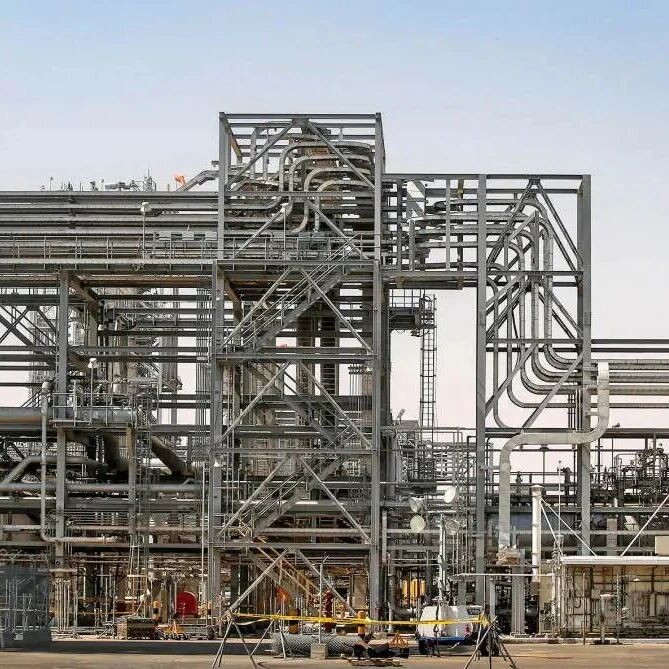
炼化反内卷 行业加速头部化
2 1 Shi Ji Jing Ji Bao Dao· 2025-12-02 13:05
Core Insights - The refining industry is expected to experience a turnaround by the second half of 2025, driven by policy changes and industry consolidation [1] - The early allocation of crude oil import quotas for 2026 has favored leading private refining companies, indicating a shift towards advanced capacity and industry consolidation [1][6] - Recent policies and self-regulatory measures from government and industry associations are accelerating the trend of "anti-involution" in the refining sector [1][2] Group 1: Policy Changes and Industry Dynamics - The Ministry of Industry and Information Technology held a meeting to address the over-competition in the PTA and bottle-grade polyester slice industries, signaling a focus on stabilizing the sector [2] - Major private enterprises were required to submit data on production capacity, output, and measures to prevent industry over-competition, indicating a push for accountability among leading firms [2] - The implementation of energy consumption limits for refining products aims to accelerate the exit of outdated and small-scale production capacities [3][4] Group 2: Market Conditions and Economic Factors - The global economic environment has been sluggish since 2022, impacting overall demand and leading to a phase of inventory competition in the industry [3] - China's push for domestic production of PX has resulted in an oversupply of PTA, necessitating measures to address the imbalance [3] - The geopolitical landscape has reduced cost pressures on the refining industry, contributing to a more optimistic outlook for recovery [8] Group 3: Industry Structure and Future Outlook - The distribution of crude oil import quotas has shifted from a fragmented model to a more concentrated one, favoring larger, integrated refining companies [6][7] - The government's commitment to eliminating outdated capacities and enhancing entry barriers for leading refining firms is evident in recent policy announcements [7] - The overall capital expenditure in the chemical sector is declining, indicating a potential end to the cycle of capacity expansion and a gradual recovery in supply dynamics [8]