
石油

Search documents
陆家嘴财经早餐2026年3月30日星期一
Wind万得· 2026-03-29 23:09
Group 1 - The article discusses the ongoing tensions in the Middle East, particularly the U.S. military presence and actions in Iran, with President Trump claiming control over the Strait of Hormuz and indicating that Iran is eager for a deal [2][4] - The U.S. military is preparing for a ground operation in Iran, with over 50,000 troops deployed, aiming for a quick resolution without occupying territory, reminiscent of the Gulf War strategy [3] - Protests against the Trump administration are expected to be among the largest in U.S. history, with over 9 million participants planned across 50 states [4] Group 2 - The article highlights the impact of the ongoing conflict on global markets, including a focus on oil prices and potential supply chain disruptions, particularly in the aluminum sector due to attacks on major aluminum plants in the Middle East [5][21] - The article notes that the conflict has led to significant increases in oil prices, with Vietnam experiencing a doubling of diesel prices since the onset of hostilities [18] - The article mentions the upcoming release of key economic indicators, including the U.S. non-farm payroll report and China's PMI data, which will be closely watched in the context of the Middle East situation [5]




国际油价涨3%,美油升破100美元,美股期指全线下跌
21世纪经济报道· 2026-03-29 23:06
Group 1 - International crude oil prices surged, with New York crude rising over 3% to $102.66 per barrel and Brent crude increasing by 2.72% to $108.17 per barrel [1][2] - Spot gold increased by 0.29% to $4508 per ounce, while spot silver fell approximately 1% to $68.95 per ounce [2] - Domestic gold jewelry prices continued to decline, with many brands dropping below 1400 yuan per gram [2] Group 2 - U.S. stock index futures fell by about 0.5%, with the Dow Jones futures down 0.53%, Nasdaq futures down approximately 0.47%, and S&P 500 futures down about 0.47% [3] - Reports indicated that Iran's foreign ministry criticized U.S. proposals as extreme and unreasonable, asserting that Iran must rely on its own strength for national security [3] - Iranian military officials stated that U.S. and Israeli military and political leaders' residences would become legitimate targets for Iran [3] Group 3 - The largest aluminum company in the Middle East faced an attack, which may impact related A-share companies with production capacity [4] - In the first quarter, Chinese innovative pharmaceuticals experienced significant growth, with a revenue of 410 billion yuan, potentially benefiting certain A-share companies [4] - Stocks that have been delisted from the third board saw a dramatic increase, with a rise of over 1000% in just 59 days [4]

美伊战争:四大进展
泽平宏观· 2026-03-29 16:06
Core Viewpoint - The ongoing US-Iran conflict has exceeded initial expectations of resolution within four weeks, evolving into a "fight while negotiating" scenario, characterized by extreme strategic gamesmanship [1]. Group 1: Recent Developments - The US military is preparing to seize Khark Island, which is crucial for Iran's oil exports, aiming to cut off Iran's economic lifeline without occupying territory or engaging in a prolonged conflict [2][10]. - The US plans to deploy up to 10,000 additional ground troops to the Middle East, while Iran has mobilized over 1 million combat personnel in response [2]. - Negotiations between the US and Iran are at an impasse, with the US demanding the reopening of the Strait and resolution of nuclear issues, while Iran seeks guarantees against future conflicts and compensation [2][9]. Group 2: Signs of De-escalation - There are indications of a potential de-escalation, as US Vice President Vance stated that the US has no intention of remaining in Iran and will withdraw after addressing current issues [3][10]. - Trump's approval ratings have plummeted to a historic low of 36%, coinciding with rising anti-war sentiments and protests in the US [3][12]. - The conflict has led to unexpected outcomes, including a surge in oil prices and military expenditures, with the US requesting an additional $200 billion for military budgets [3][12]. Group 3: Future Scenarios - The future of the conflict hinges on three potential scenarios: 1. Substantial negotiations leading to a de-escalation and a dignified exit for the US, resulting in a significant drop in energy prices and easing inflation concerns [4][20]. 2. A prolonged psychological battle with both sides accumulating leverage, leading to high volatility in oil prices and global markets [4][24]. 3. A strategy of deception aimed at prolonging the conflict, potentially resulting in a long-term war and a global energy crisis reminiscent of the 1970s [4][30]. Group 4: Economic Implications - The conflict has caused significant fluctuations in global asset prices, with oil prices experiencing a dramatic drop of over 9% before rebounding due to ongoing tensions [11]. - High oil prices are exacerbating inflation in the US, with Brent crude rising from $70 to nearly $120 per barrel, impacting consumer prices and economic growth [13][14]. - The potential for a prolonged conflict could lead to a significant economic downturn, with the risk of stagflation and recession looming if oil prices remain elevated [13][15].
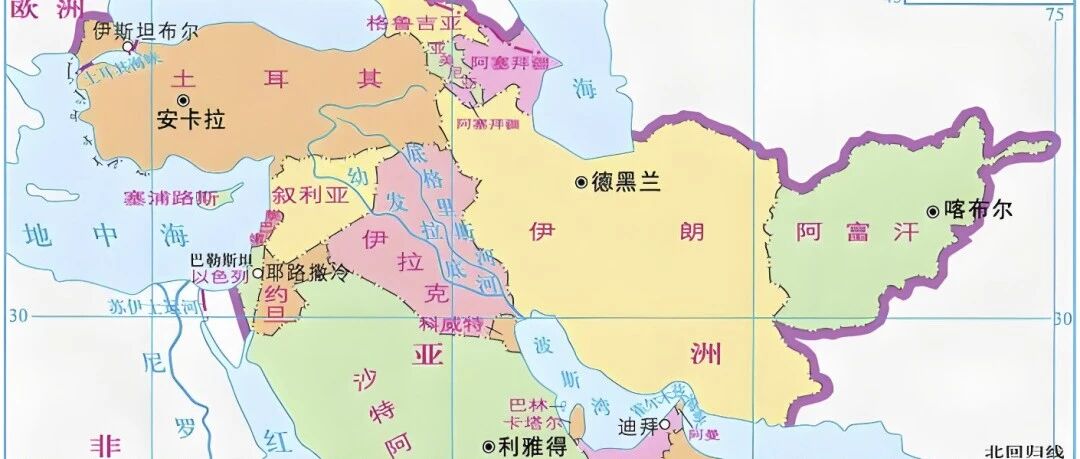
俄罗斯拟禁止汽油出口!中东两大铝厂遇袭;美副总统称无意滞留伊朗,将很快撤出……
证券时报· 2026-03-29 13:56
Group 1 - The article discusses the recent military strategies of the US regarding Iran, focusing on a limited ground operation aimed at quickly achieving objectives without a full occupation, reminiscent of the 1991 Gulf War [5] - The US plans to deploy thousands of troops, with a potential increase of up to 10,000 ground forces, targeting Iran's oil infrastructure, particularly the critical Khark Island, which accounts for over 90% of Iran's oil exports [5] - The article highlights concerns from various international media and think tanks about the risks of repeating past military strategies and the potential for the US to become mired in a new strategic quagmire [5] Group 2 - The article reports on the recent agreement between Iran and Pakistan allowing 20 Pakistani vessels to pass through the Strait of Hormuz, which is seen as a positive gesture for regional stability [8][9] - It mentions Russia's decision to implement a temporary ban on gasoline exports starting April 1, aimed at stabilizing domestic prices amid market turmoil caused by Middle Eastern conflicts [10] - The article notes attacks on two major aluminum plants in the Middle East, which could disrupt global supply chains, as these plants contribute to about 10% of global aluminum supply [13] Group 3 - China National Petroleum Corporation (CNPC) reported a net profit of 157.3 billion yuan for 2025, a decrease of 4.5% year-on-year, with total revenue of 2.86 trillion yuan, down 2.5% [15][17] - TCL Technology announced a significant increase in net profit by 188.8% for 2025, reaching 4.52 billion yuan, with total revenue of 184.06 billion yuan, up 11.7% [18] - The company also plans to distribute a cash dividend of 0.9 yuan per share [18] Group 4 - The article discusses the illegal transfer of 100 million yuan from a subsidiary of Xilinmen, leading to a protective freeze on 900 million yuan in accounts, which represents 26.54% of the company's audited net assets [19] - Baibang Technology is planning a change in control, leading to a temporary suspension of its stock trading [20] - The article mentions that ST Siert will face risk warnings due to false records in its annual reports for 2021 and 2023, resulting in a name change to "ST Siert" [21]

南华期货原油产业周报:供应压力仍存,预期增加波动-20260329
Nan Hua Qi Huo· 2026-03-29 13:22
南华期货原油产业周报 ——供应压力仍存,预期增加波动 凌川惠(投资咨询资格证号:Z0019531) 研究助理:沈玮玮(期货从业证书:F03140197 ) 联系邮箱:shenweiwei@nawaa.com 交易咨询业务资格:证监许可【2011】1290号 2026年03月29日 第一章 核心矛盾及策略建议 时停止运转。冲突以来,俄油成为亚洲市场非常重要的替代来源,俄油供应上的扰动将加剧油价的边际波 动。 2)基本面 1.1 核心矛盾 当前影响原油价格走势的核心矛盾主要有以下几点,短期主要矛盾在地缘: 1)地缘 ①美伊:截至3.29,本周原油价格大幅波动,受到美伊冲突信号快速切换的影响。 跟踪几个关键因素的变化: 霍尔木兹海峡通行情况:目前霍尔木兹海峡依然处于实质性关闭阶段,只有零星的船只冒险通过,但本周消 息上称伊朗在选择性的放行船舶,叠加dubai风险溢价的大幅回落,关注航运是否会出现一定程度的恢复。 美伊双方态度:截至目前,本周消息称美方有通过三方向伊朗传达15点要点,伊朗也回应了5个条件,短期 看来依然存在较大的分歧,看brent的表现,市场仍在计价"谈不成"的可能性。 油田、炼厂及港口情况:目前霍尔 ...
宏观与大类资产周报:即将进入关键4月-20260329
CMS· 2026-03-29 13:02
Domestic Economic Indicators - March PPI is expected to be around 0.6% month-on-month, with a year-on-year PPI of approximately 0.1%, potentially ending a 41-month streak of negative PPI[5] - From January to February, industrial profits increased by 15.2% year-on-year, with significant contributions from high-tech manufacturing and related raw material industries[5] Global Economic Risks - Two of the four major global economic pressures have emerged: oil prices exceeding $100 could lead to an early recession in the U.S.; the dollar index breaking 100 may pressure non-U.S. liquidity[5] - The 10-year U.S. Treasury yield surpassing 5% could burden U.S. fiscal health, while the S&P 500 index may adjust by 20% if it reaches its peak, as indicated by historical patterns[5] Market Trends - Oil prices are fluctuating around $100 per barrel, prompting significant political responses, while the dollar index has reached 100, leading to gold sell-offs by central banks in Poland and Turkey[5] - If the U.S. maintains control over the situation, a critical point may be reached in mid to late April, potentially improving global risk appetite[5] Monetary Policy and Liquidity - The central bank has continued net liquidity injections, with a total net injection of 281.9 billion yuan during the week of March 23-27[21] - The average rates for R001, DR001, R007, and DR007 were 1.3871%, 1.3179%, 1.5069%, and 1.4398%, respectively, showing minor fluctuations compared to the previous week[22] Government Debt Financing - Local government debt net financing was 1305.97 billion yuan, and national debt net financing was 948.10 billion yuan, totaling approximately 2254.07 billion yuan for the week[23] - Upcoming local government debt issuance is planned at 1184.24 billion yuan, with net financing expected to be 399.68 billion yuan[23] Stock Market Performance - Major indices in the A-share market experienced declines, with the ChiNext index showing the largest drop of 1.68%[39] - The U.S. stock market also faced downward pressure, with the Nasdaq index leading the decline at 3.23%[39]
财信证券宏观策略周报(3.30-4.3):指数震荡磨底,低吸业绩高增方向-20260329
Caixin Securities· 2026-03-29 12:24
Group 1: Market Overview - The market is expected to maintain a volatile consolidation phase until the end of April, with a trend-driven market still needing to wait [5][8] - The technical indicators show weak recovery after the recent decline, with the Shanghai Composite Index and the Wind All A Index not filling previous gaps, indicating a cautious sentiment among investors [5][8] - The performance of industrial enterprises is crucial for market direction, with a focus on sectors that exceed earnings expectations [5][8] Group 2: Investment Recommendations - Attention should be given to high dividend assets such as coal, oil, and transportation [17] - Opportunities in energy substitution sectors, including new energy, energy storage, and coal chemical industries, are highlighted [17] - High-growth technology sectors, such as optical modules, PCBs, and storage, are recommended for investment [17] Group 3: Economic Indicators - In January and February, profits of industrial enterprises above designated size increased by 15.2% year-on-year, with a notable acceleration compared to the previous year [10][11] - The profit margin for industrial enterprises improved, with the cost per hundred yuan of revenue decreasing for the first time since 2022 [10][11] - High-tech manufacturing and raw materials sectors showed significant profit growth, with high-tech manufacturing profits rising by 58.7% and raw materials manufacturing profits increasing by 88.3% [11] Group 4: Policy Changes - The collection ratio of state-owned capital profits is set to increase, with adjustments made to the categories of enterprises subject to profit collection [12] - The new policy aims to enhance fiscal balance and support key areas such as national strategy and technological innovation [12] Group 5: Geopolitical Factors - The ongoing Middle East conflict adds uncertainty to the market, with potential impacts on oil prices and overall market sentiment [13][14] - The situation in the Strait of Hormuz is critical, as its closure could lead to prolonged market volatility and shifts in trading logic [13]
港股、海外周聚焦(3月第4期):霍尔木兹之殇,从油价冲击到增长损伤
GF SECURITIES· 2026-03-29 11:48
Group 1 - The core contradiction of the current global market volatility is not solely focused on the rise in oil prices, but rather on whether the shipping efficiency of the Strait of Hormuz, a key maritime passage for global energy and industrial raw materials, continues to be impaired [9][10] - The impact of rising energy prices is shifting from an initial price shock (increasing inflation and interest rate expectations) to a supply shock (disruption of channels, raw material shortages, production contraction, and growth damage), fundamentally changing the risk nature from "cost increase" to "supply loss" [9][10] - The current economic environment, inventory buffers, and policy space differ significantly, making this energy crisis more likely to evolve into a recession rather than a full-blown stagflation [10][16] Group 2 - The market is currently pricing in more stubborn inflation and a more hawkish central bank policy, leading to a tightening of liquidity [22][26] - The stock market has already reflected expectations of slowing growth, with cyclical sectors significantly underperforming defensive sectors, indicating that the market has not fully accounted for the risks of growth downgrades [26][37] - Observations for whether a full recession trade will emerge include the sustained rise in long-term oil and gas futures prices, the relative performance of cyclical versus defensive sectors, and the weakening of AI-related assets [37][38] Group 3 - High oil prices will suppress the valuations of most financial assets through inflation, policy, and growth channels, with only energy assets benefiting directly [38][39] - Gold is experiencing high volatility due to liquidity risks and geopolitical uncertainties, but its long-term logic remains intact [38][45] - The attack on aluminum plants in the Middle East has intensified supply tightness, opening up upward space for aluminum prices [38][49] Group 4 - The A-share market's recent adjustments are primarily driven by external shocks from geopolitical conflicts, and there is no need for excessive pessimism in the short term [55] - Focus should be on industries with price increase logic due to supply constraints, such as oil and chemical sectors, and sectors with independent industrial trends like energy storage and domestic AIDC [55][56]
海外周报:海外周报油稳股弱,波动加剧-20260329
CAITONG SECURITIES· 2026-03-29 11:40
1. Report Industry Investment Rating - The document does not provide the industry investment rating. 2. Core Viewpoints of the Report - The overseas stagflation trading pattern continued this week but eased marginally. Oil prices stabilized at a high level, the US dollar strengthened moderately, and global risk appetite further declined. The expectation of interest rate hikes by major overseas central banks intensified, leading to a fiercer competition for liquidity in the financial market and amplifying market volatility, with the VIX breaking through the 30 mark [2]. - The financial market presented a pattern of "stable oil and weak stocks." Brent crude oil fluctuated narrowly at a high level; global stock markets generally weakened, with the US technology sector leading the decline, European stocks being relatively resilient, and Chinese assets falling less than US stocks; US Treasury yields rose slightly, there was significant selling pressure on the long - end of Japanese bonds; Chinese bonds declined against the trend; the US dollar index returned above 100, and non - US currencies were moderately pressured; precious metals showed divergence, with gold flat and silver falling; credit spreads widened [2]. - In terms of high - frequency data, the US economic outlook continued to decline. GDP Now decreased from 2.33% to 2.00%; the employment market remained stable, with initial jobless claims at 210,000 and continuing claims at 1.819 million remaining unchanged; on the consumption side, the Redbook retail year - on - year increased from 6.4% to 6.7%, showing a slight improvement, but the gasoline retail price rose another 6.4% to $3.956, suppressing consumer confidence; the 30 - year mortgage rate rose from 6.29% to 6.38%, continuing to suppress housing demand. The US FCI dropped sharply from 0.123 to 0.019, approaching the zero axis, and the eurozone FCI decreased from 0.975 to 0.697, with financial conditions tightening significantly [2]. - In terms of overseas policies, officials from the Federal Reserve and the European Central Bank continued to adopt a hawkish tone. Federal Reserve Vice - Chairman Jefferson closely monitored the dilemma of energy prices on inflation and consumption, expecting the unemployment rate to remain around 4.4% but with a downward risk; the European Central Bank sent a more hawkish signal, with Lagarde stating that the soaring energy prices would have a ripple effect for several months, and German Central Bank President Nagel saying that an interest rate hike in April was a possibility; the Bank of Japan released an estimated range of the neutral interest rate from - 0.9% to + 0.5%, and the current 0.75% policy rate was already above the upper limit of the range [2]. - In terms of geopolitical situations, the Trump administration's military actions against Iran were not without a plan. From a series of arrangements such as promoting the production increase of interceptor missiles several months in advance, deliberately setting obstacles in the nuclear negotiations, and controlling Venezuelan oil to hedge energy risks, the US may have anticipated the direction of the Middle East conflict early. In the short term, Iran still had sufficient counter - attack capabilities, but in the long term, its national strength would be irreversibly consumed under long - term air saturation bombing; the US was currently considering sending an additional 10,000 ground troops, and Trump might hope to use the freedom of navigation in the Strait of Hormuz as a bargaining chip to seek a phased "victory" and withdraw, but the war was still difficult to end quickly in the short term [2]. 3. Summary According to the Directory 3.1 Weekly Overview: Intensified Liquidity Competition Increases Market Volatility - The global financial market continued the stagflation trading logic this week, but the increase in oil prices narrowed significantly, and the market entered a high - level oscillation stage. The financial market presented a pattern of "stable oil and weak stocks." Brent crude oil fluctuated narrowly at a high level, rising only 0.34% to $112.57 per barrel, and WTI rose 1.34% to $99.64; global stock markets generally weakened, with the US technology sector leading the decline, the Nasdaq falling 3.23%, and the M7 index dropping 5.00%, European stocks being relatively resilient, and Chinese assets falling less than US stocks; US Treasury yields rose slightly, there was significant selling pressure on the long - end of Japanese bonds, the 10 - year Japanese bond yield rose 11bp to 2.388%, and the 30 - year Japanese bond yield rose 19bp to 3.722%; Chinese bonds declined against the trend, with the 10 - year Chinese bond yield falling 2.1bp to 1.818%; the US dollar index rose 0.51% and returned above 100, non - US currencies were moderately pressured; precious metals showed divergence, with gold flat and silver falling, and the London silver dropping 6.32%; credit spreads widened, and the spread of US high - yield bonds widened 19bp to 3.31% [6]. - In terms of high - frequency data, the US economic outlook continued to decline, the employment market remained relatively stable, the cost pressure on the consumption side increased, and financial conditions tightened significantly. In terms of economic outlook, the US economic surprise index fell from 28.2 to 22.1, continuing the downward trend; the eurozone's improved from - 10.40 to - 4.49, showing marginal stabilization but still in negative territory; China maintained a relatively high positive level of 14.70; GDP Now decreased from 2.33% to 2.00%, and the market's expectation for US economic growth continued to cool. In terms of employment, initial jobless claims were 210,000, slightly up from 205,000 in the previous week, still at a low level; continuing claims were 1.819 million, remaining unchanged, and there were no significant signs of cooling in the labor market. In terms of consumption, the Redbook retail year - on - year increased from 6.4% to 6.7%, showing a slight improvement in growth; however, the gasoline retail price rose from $3.718 to $3.956, an increase of about 6.4%, and the subsequent pressure on consumer confidence and inflation expectations was worthy of attention. In terms of real estate, the 30 - year mortgage rate rose from 6.29% to 6.38%, rising for several consecutive weeks and continuously suppressing housing demand. In terms of financial conditions, the US FCI dropped sharply from 0.123 to 0.019, approaching the zero axis, resonating with the jump in VIX and the widening of high - yield spreads, and the financial environment tightened rapidly; the eurozone FCI decreased from 0.975 to 0.697, falling below 1.0 and continuing to decline, with a significant tightening amplitude [7]. - In terms of overseas policies, officials from the Federal Reserve and the European Central Bank continued to adopt a hawkish tone, focusing on the secondary effects of energy price shocks. The Federal Reserve's Deputy - Chairman Jefferson closely monitored high energy prices, believing that if they persisted, it would worsen inflation and drag down consumption and corporate spending, posing challenges to the central bank's dual mandate, and expecting the unemployment rate to remain around 4.4% but with a downward risk; Miran discussed the prospect of balance - sheet reduction, believing that it was reasonable for reserves to return to a level between scarcity and abundance, and it was reasonable for the Federal Reserve's balance - sheet to account for about 18% of GDP. The European Central Bank sent a more hawkish signal. Lagarde clearly stated that the soaring energy prices would have a ripple effect for several months, and if it led to a significant but temporary inflation surge, the European Central Bank could consider a measured policy adjustment; Chief Economist Lane adjusted the assessment of the energy shock from "moderate" to "moderately large"; German Central Bank President Nagel said that an interest rate hike in April was a possibility. The Bank of Japan released an estimated range of the neutral interest rate from - 0.9% to + 0.5%, which did not change much from before. The current 0.75% policy rate was already above the upper limit of the natural interest rate to some extent, providing a reference for further interest rate hikes but also adding complexity [8]. - In terms of geopolitical situations, from a systematic strategic perspective, the Trump administration's military actions against Iran may not have been impromptu but a well - planned and clearly - targeted systematic arrangement. In terms of military preparations, the US promoted a four - fold expansion of the THAAD system's production capacity and a three - fold increase in the delivery volume of PAC3 interceptor missiles several months before the conflict; in terms of diplomatic cover, the US may have deliberately sent unprofessional personnel to participate in the Iran nuclear negotiations, creating conditions for subsequent military actions through the negotiation process; in terms of energy hedging, the US took control of Venezuelan oil sales rights one month before the war, hedging the risk of the Strait of Hormuz being blocked in advance. In the short term, Iran still had sufficient missile and drone counter - attack capabilities, but in the long term, it faced long - term air saturation bombing by the US and Israel, and its national strength would be irreversibly consumed. The US was currently considering sending an additional 10,000 ground troops, and Trump might hope to exchange islands for the freedom of navigation in the Strait of Hormuz and seek a phased "victory" exit window, but the war was still difficult to end quickly in the short term. Meanwhile, Israel took advantage of the window period when the US focused on Iran to promote military and colonial expansion in Lebanon, Gaza, and the West Bank [9][10]. 3.2 Financial Markets: Increased Market Volatility, VIX Breaks 30 - This week, crude oil was generally stable, and precious metals showed divergence. Brent crude oil rose slightly from $112.19 to $112.57, with a weekly increase of only 0.34%, maintaining a narrow - range oscillation at a high level; WTI crude oil rose 1.34% to $99.64, approaching the $100 mark. In terms of precious metals, London gold rose slightly from $4492.42 to $4494.09, basically unchanged; London silver declined significantly by 6.32% to $67.80, with a significant divergence in the trends of gold and silver, and the gold - silver ratio widened significantly. Industrial metals showed strong performance, with LME copper rising 2.23% to $12195 and LME aluminum rising 2.52% to $3296, reflecting a marginal improvement in the market's expectation for manufacturing demand [13]. - This week, the global equity market generally weakened, with the US technology sector leading the decline and European stocks showing relative resilience. Specifically, the three major US stock indexes declined collectively, the Dow Jones Industrial Average fell 0.90%, the S&P 500 fell 2.12%, the Nasdaq fell 3.23%, and the M7 index dropped significantly by 5.00%, with obvious selling pressure on technology stocks; the VIX index jumped from 26.78 to 31.05, reflecting a further weakening of market risk appetite. In Europe, the German DAX fell slightly by 0.74%, the French CAC was basically flat (+ 0.08%), the Stoxx 600 fell slightly by 0.04%, and the UK FTSE was basically flat (- 0.03%). European stocks generally performed significantly better than US stocks, indicating that funds may have re - balanced from the US to Europe. In the Asia - Pacific region, the Nikkei 225 fell 1.58%, the South Korean KOSPI fell significantly by 6.49%, and the MSCI Emerging Markets Index fell 1.78%. In terms of Chinese assets, the CSI 300 fell 1.51%, the Hang Seng Index fell 1.28%, the Hang Seng Tech Index fell 1.93%, and the MSCI China Index fell 1.24%, with an overall decline less than that of the US and South Korean markets, showing certain relative resilience [14][15]. - This week, global bond yields showed mixed trends, and the pressure on the long - end of Japanese bonds was particularly prominent. In the US, the 10 - year US Treasury yield rose about 5bp from 4.380% to 4.428%, the 30 - year rose about 3bp from 4.938% to 4.965%, and the 2 - year rose about 1bp from 3.900% to 3.912%, with a limited overall increase. In Europe, the 10 - year German bond yield rose about 5bp to 3.094%; the 10 - year UK bond yield fell slightly by 2bp to 4.974%, being one of the few major markets with a decline in yields this week. In Japan, the 10 - year Japanese bond yield rose about 11bp to 2.388%, and the 30 - year rose significantly by about 19bp to 3.722%. There was significant selling pressure on the long - end of Japanese bonds, which may be related to the market's expectation of the Bank of Japan's policy adjustment. In China, the 10 - year Chinese bond yield fell slightly by 2.1bp to 1.818%, and the 30 - year fell 4.0bp to 2.354%. Chinese interest rates declined against the trend, forming a sharp contrast with the rising overseas interest rates. The MOVE index rose slightly from 108.84 to 111.95, an increase of 2.9%, and the bond market volatility remained at a relatively high level [17][18]. - This week, the US dollar index strengthened slightly, and non - US currencies were moderately pressured. The US dollar index rose from 99.65 to 100.15, with a weekly increase of 0.51%, and re - stood above the 100 mark. The euro against the US dollar fell from 1.1572 to 1.1509, a decline of 0.54%; the British pound against the US dollar fell 0.61% to 1.3259; the US dollar against the Japanese yen rose from 159.23 to 160.31, and the Japanese yen depreciated 0.68%. The RMB exchange rate remained stable, with the US dollar against the RMB rising slightly from 6.904 to 6.911, a depreciation of only 0.11%; the RMB against the euro rose from 7.97 to 7.96, mainly reflecting the weakening of the euro. Overall, the US dollar received moderate support in the context of a decline in risk appetite, but the increase was limited [18]. - This week, global credit spreads and sovereign spreads generally widened, reflecting an increase in the market's concern about the economic outlook. The spread of US investment - grade bonds rose slightly from 0.87% to 0.89%, and the spread of high - yield bonds widened from 3.12% to 3.31%, an increase of 19bp, indicating that the risk preference in the credit market was accelerating to weaken, especially at the high - yield end. The spread between the 10 - year Italian and German government bonds widened from 92bp to 96bp, and the risk premium of peripheral European countries increased slightly. The spread between the 10 - year US and German government bonds fell slightly from 134bp to 133bp, remaining generally stable. The spread between the 10 - year US and Japanese government bonds narrowed from 210bp to 204bp, mainly reflecting that the increase in Japanese bond yields was greater than that of US bonds [19]. 3.3 Overseas High - Frequency Data Tracking 3.3.1 Economic Outlook: The US Economic Outlook Continued to Decline, and the Eurozone Improved Marginally but Remained in Negative Territory - In the past week, the economic surprise indexes of major economies showed obvious divergence. The US economic surprise index fell from 28.2 at the beginning of the week to 22.1, although it still remained in the positive range, it continued the recent downward trend, indicating that the degree of the US economic data exceeding expectations was gradually narrowing, and the economic momentum was weakening marginally. The eurozone's economic surprise index improved from - 10.40 to - 4.49. Although it was still in the negative range, the decline narrowed significantly, indicating that the European economic fundamentals showed marginal signs of stabilization. China's economic surprise index fell slightly from 15.27 to 14.70, generally maintaining a relatively high positive level, indicating that China's economic data continued to be better than market expectations. Japan's economic surprise index rose slightly from 0.056 to 0.062, basically remaining around zero, and its economic performance was basically in line with market expectations. GDP Now decreased from 2.33% to 2.00%, continuing to decline from the previous high, reflecting that the market's expectation for US economic growth was gradually cooling [24]. - In terms of the financial conditions index, both the US and the eurozone tightened significantly. The US FCI dropped sharply from 0.123 to 0.019, approaching the zero axis, and declined significantly compared with the beginning of the week, resonating with the jump in VIX and the widening of high - yield spreads, reflecting that the financial environment was tightening rapidly. The eurozone FCI decreased from 0.975 to 0.697, falling below the 1.0 mark and continuing to decline, with a significant tightening amplitude of 0.278 in a week, resonating with the rise in European bond yields and the correction of risk assets [26]. 3.
国泰君安期货·原油周度报告-20260329
Guo Tai Jun An Qi Huo· 2026-03-29 09:34
1. Report Industry Investment Rating - Not provided in the document 2. Core Viewpoints of the Report - The recovery of shipping in the Strait of Hormuz is difficult, and Brent may challenge $150 per barrel. The supply side of crude oil faces systematic risks due to the continuous closure of the Strait of Hormuz, while the demand side is in a serious regional shortage and under extensive policy intervention. In the short term, the market will be disturbed by the expectation of peace talks and show a volatile pattern. There is still a chance for oil prices at home and abroad to rise again. The potential downward trend risk may come from the negative feedback of the macro - economy, and the recovery of shipping is difficult in the short term. [5][6] - The short - term valuation is at a medium - high level. The recommended strategies are to hold long positions unilaterally, hold positive spreads in the inter - period, and stop profits at high levels as appropriate. For cross - varieties, it is recommended to wait and see for the time being due to the distorted pricing mechanism. [6] 3. Summary According to the Table of Contents 3.1 Overview - The supply side of crude oil is at risk due to the closure of the Strait of Hormuz. Saudi Aramco has adjusted its strategy, and the United States has released strategic oil reserves and provided temporary exemptions for Iranian oil. The demand side is in shortage, and countries have taken measures such as restricting exports and using strategic reserves. [6] - In the short term, the market is volatile, and there is a chance for oil prices to rise again. Brent and WTI may challenge the range of $130 - 160 per barrel, and SC may challenge 1000 yuan per barrel. [6] 3.2 Macro - The gold - oil ratio has dropped significantly. In the short term, inflation has risen, and attention should be paid to stagflation trading. The RMB exchange rate has strengthened again, and social financing has stabilized. [19][20][21] 3.3 Supply - OPEC+ decided to gradually exit the additional voluntary production cuts of 1.65 million barrels per day in April 2026 and implement a production adjustment of 206,000 barrels per day. [23] - The production and export situations of various countries are different. For example, the production of some countries such as the UAE and Saudi Arabia has been affected by attacks, while the production of some countries such as Guyana and Brazil has increased. The United States has released strategic oil reserves, but there is a geographical mismatch problem. [9][10] 3.4 Demand - The refinery operating rates in the United States and Europe have rebounded, while those of Chinese state - owned and private refineries have declined significantly. [66] - Global refinery capacity has changed, with a net increase of 360,000 barrels per day. [69] 3.5 Inventory - The commercial inventory in the United States and the inventory in Cushing have rebounded. The refining profit margin has soared. China has suspended refined oil exports, and there may be a shortage of global naphtha and diesel. The global in - transit crude oil inventory is at a high level, and the domestic refined oil profit margin has declined. [71][73][75][77] 3.6 Price and Spread - The uncertainty of the Iran - US peace talks has increased, and the market risk preference has fluctuated. The spot prices in different regions have different trends. The North American basis has strengthened, the monthly spread has risen significantly, and the SC monthly spread has declined. [81][91][92]