外卖

Search documents
阿里美团大战,“误伤”理想?
3 6 Ke· 2025-09-19 09:24
Core Viewpoint - The focus of the market has shifted from basic competition in subsidies and order volume to a comprehensive assessment of the long-term strategic determination and financial strength of companies like Meituan, Alibaba, and JD.com as their financial reports are released [1] Financial Performance - Alibaba's free cash flow has shown a significant net outflow due to substantial investments in high-tech areas like cloud services, with a free cash flow of negative figures in Q2 2025 [1] - Meituan is expected to see a similar trend, with its free cash flow likely turning into a net outflow as its food delivery business enters the traditional peak season in Q3 2025 [1] Cash Reserves and Liquidity - As of mid-2025, Meituan has a total of 101.7 billion yuan in cash and cash equivalents, with restricted cash of 17.9 billion yuan and short-term investments of 69.4 billion yuan, totaling approximately 189 billion yuan, indicating strong liquidity [2] - In extreme stress tests, Meituan's monetary assets can cover its short-term debts of about 93.5 billion yuan, leaving a cash reserve of approximately 98.6 billion yuan, suggesting a solid financial cushion [2] Future Cash Flow Projections - Meituan's EBITDA for the full year of 2025 is projected to be negative 4.5 billion yuan, with a significant cash outflow expected in the second half of 2025, potentially exceeding 20 billion yuan [2][3] - If the high subsidy expenditures for food delivery and flash purchase businesses continue, Meituan's cash reserves could decrease to between 50 billion and 70 billion yuan by the end of 2026 [3] Asset Optimization Strategies - Meituan has shown signs of optimizing its asset structure, with long-term investments totaling 43.4 billion yuan as of mid-2025, down from 48.8 billion yuan at the end of 2024, indicating a strategy to increase cash reserves [4][5] - The company has also reduced its long-term financial investments by 6.4 billion yuan and short-term financial investments by 2.8 billion yuan, reflecting proactive measures to bolster cash reserves [5] Potential Asset Liquidation - Meituan's significant holdings in listed companies, particularly in Li Auto, may be considered for liquidation to support core business development if necessary [6][8] - The potential sale of Li Auto shares could provide substantial cash flow and significantly enhance the company's net profit, given the floating profit of approximately 8 billion yuan from this investment [8] Market Impact on Li Auto - If Meituan decides to reduce its stake in Li Auto, it may exert downward pressure on Li Auto's stock price, although the impact may be limited if Li Auto maintains strong fundamentals and competitive products [9]


氪星晚报 |腾讯元宝全量上线公众号和视频号评论区;宗馥莉名下南京娃哈哈宏振饮用水公司拟注销;淘宝闪购和饿了么做团购,与高德双线作战
3 6 Ke· 2025-09-19 08:31
Group 1: E-commerce and Food Delivery - Taobao Flash Sale and Ele.me are launching group buying services, focusing on restaurant group purchases, starting in Shanghai, Shenzhen, and Jiaxing on September 20, with plans to expand to major cities nationwide [1] - Meituan has upgraded its online restaurant listings to include a "freshly made" information display, currently in a pilot phase, to enhance consumer awareness and help restaurants showcase their offerings [1] Group 2: Investment and Corporate Developments - Fujin Precision experienced a nearly 8% stock price increase after announcing a prepayment agreement with CATL for high-density lithium iron phosphate materials, indicating strong demand from high-end clients [2] - Zhiwei Technology announced over 100 million yuan in overseas pre-orders for its first smartphone, Dreame Space, before its official launch [3] - Shenzhen Car Cool Technology has received approval for IPO guidance, aiming to list on the A-share market, focusing on automotive emergency power supplies and energy storage [5] Group 3: Market Trends and Economic Indicators - South Korea's overseas direct investment fell by 13.4% year-on-year in Q2, totaling $14.15 billion, attributed to increased global economic uncertainty [2] - The four major corporate groups in South Korea employed nearly 750,000 people in 2024, marking a 6.9% increase from 2020 [2] Group 4: Technology and Innovation - Tencent launched a professional-grade AI 3D workspace, Mix Yuan 3D Studio, aimed at 3D designers and game developers, enhancing model control features [9] - Laser radar companies are focusing on developing a second growth curve, as the automotive industry shifts its emphasis from high-level autonomous driving to safety features [8] Group 5: Environmental Initiatives - China's Ministry of Ecology and Environment announced the establishment of the world's largest carbon emissions trading market, covering over 60% of the country's emissions [13]
降息落地,港股科技板块未来将如何演绎?
Mei Ri Jing Ji Xin Wen· 2025-09-19 03:57
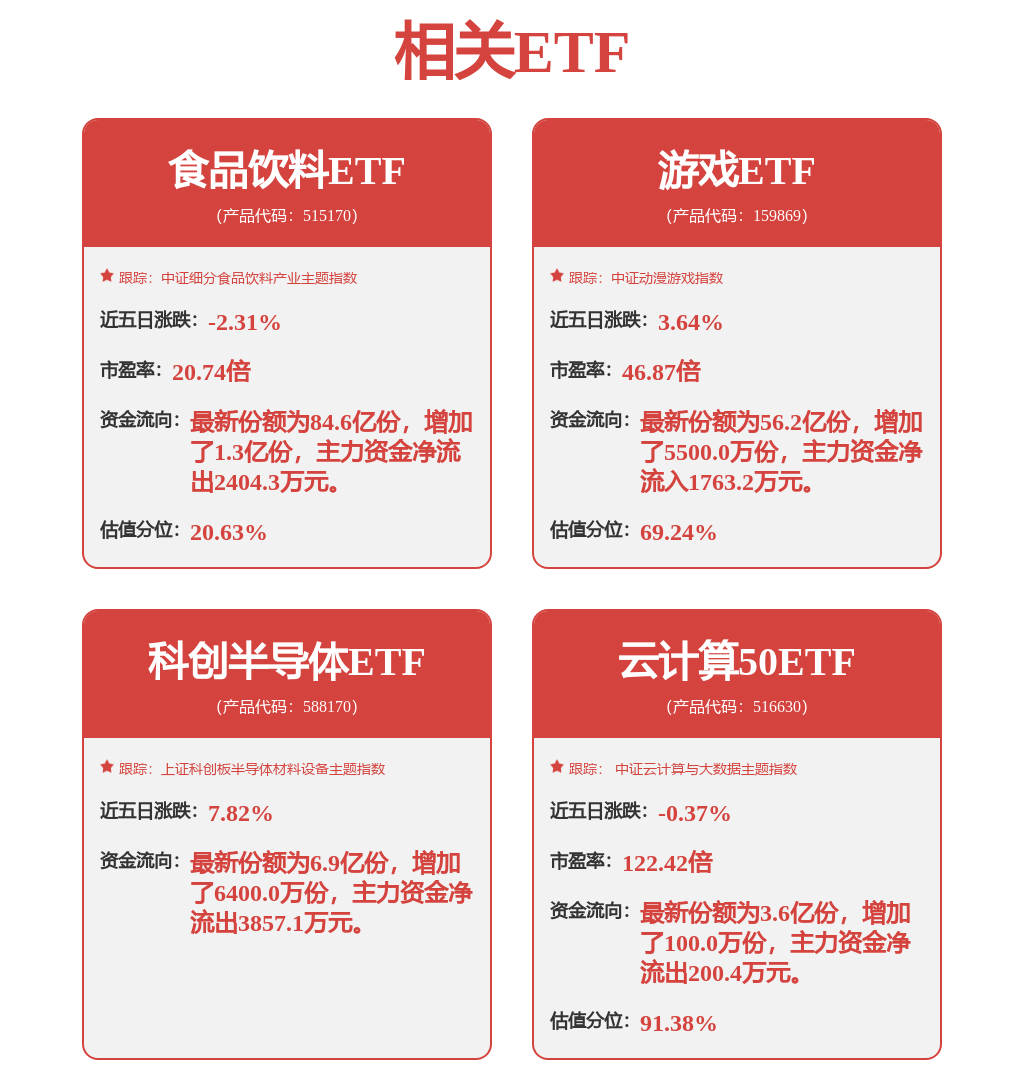
Group 1 - The core viewpoint is that the recent interest rate cut does not signify the end of rate cuts, as the median forecast indicates two more cuts in 2025, which will continue to support the Hong Kong stock market and its technology sector [1] - The current economic situation in the U.S. shows a weak job market but relatively high inflation, leading the market to define this rate cut as a "preemptive cut," which is different from a "rescue cut" that occurs in deep economic downturns [1] - Historically, preemptive rate cuts have been beneficial for stock assets, with the Hong Kong stock market showing greater elasticity, particularly in the technology sector, which is expected to have significant upside potential [1] Group 2 - The influx of foreign capital is a significant driver for the Hong Kong technology sector, alongside strong internal drivers such as the cooling competition in industries like food delivery and automotive [1] - The narrative surrounding AI has become a central focus for the market, providing a solid foundation for the future growth of the Hong Kong technology sector [1] - Relevant ETFs include the Hong Kong Stock Connect Technology ETF (159101), which covers the entire technology industry chain, and the Hang Seng Internet ETF (513330), which focuses on leading internet companies [1]
从补贴大战到价值比拼:外卖“三分天下”格局成型 京东靠品质外卖持续破局
Jiang Nan Shi Bao· 2025-09-19 02:52
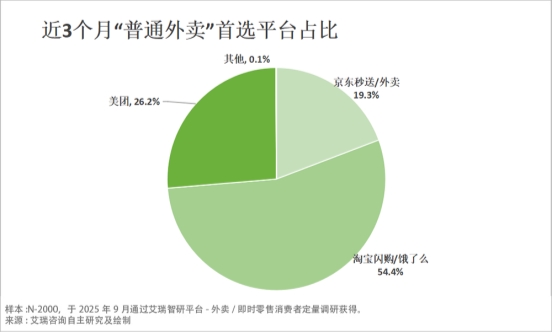
Core Insights - The recent delivery subsidy war in the food delivery industry is concluding, leading to a more rational market environment and a stable "three-way" competition among Taobao, JD, and Meituan [1] Group 1: Market Dynamics - The subsidy war has significantly altered consumer behavior, resulting in a new market structure where users distribute their orders relatively evenly among the three major platforms [5] - Taobao Flash Purchase/Eleme holds a slight edge with a projected market share of 34.2%, followed closely by JD at 33.5%, and Meituan at 28.9%, indicating a highly competitive landscape with no single dominant player [5][6] Group 2: Consumer Behavior Changes - Consumer preferences have shifted from price sensitivity to a greater focus on product quality and overall service experience, with JD's delivery speed leading at 32.7%, followed by Meituan at 24.8% and Taobao at 21.17% [6] - Three distinct consumer segments have emerged: price-driven users (49.3%), value-driven users (26.8%), and opportunistic users (19.5%), each with different sensitivities to pricing and service quality [6] Group 3: Competitive Advantages - The competition has evolved beyond mere traffic acquisition to a deeper battle of ecological synergy, where platforms must effectively integrate their delivery services with core business strengths [8] - JD's unique ecological layout provides a significant competitive edge, allowing it to convert delivery traffic into high-value users across multiple categories, with JD users selecting an average of 3.4 categories compared to Taobao's 2.4 and Meituan's 1.8 [8][9] Group 4: Future Outlook - The stabilization of the "three-way" market structure is attributed to the solidification and differentiation of user mindsets post-subsidy war, combined with varying levels of ecological synergy among platforms [9]

外卖战火,烧向全球
Xin Lang Cai Jing· 2025-09-19 01:29
Core Insights - The global food delivery market has reached a scale of over $500 billion, with significant growth potential driven by low penetration rates in emerging markets and the expansion of instant retail [1][4][14] - The competition landscape is characterized by regional differentiation, evolving business models, and intense competition, with major players like DoorDash, Uber, and Meituan leading the market [3][4][5] Market Dynamics - The food delivery sector is experiencing double-digit growth, with a tenfold expansion over the past decade, making it one of the few areas in the internet sector with consistent incremental growth [1] - Emerging markets such as the Middle East, Latin America, and Southeast Asia show substantial potential for increased penetration, particularly with the Middle East's delivery penetration rate at 24% in 2023 [1][6] Competitive Landscape - Major players in the food delivery market include Uber, DoorDash, Meituan, and local competitors in various regions, with no clear leader emerging globally due to localized competition [3][4][5] - The market is witnessing a shift from food delivery to instant retail, with platforms like Uber and Grab expanding their offerings beyond traditional food services [3][6] Financial Performance - The profitability of food delivery platforms is generally low, with global platforms' EBITDA/GMV margins typically below 3%, indicating a challenging financial environment [8][10] - Despite high gross margins, the net profit margins remain constrained due to significant operational costs, including rider payments and marketing expenses [8][10] Operational Challenges - The food delivery business is highly localized, requiring adaptation to local consumer habits, supply chain structures, and regulatory environments, which complicates the operational landscape [11][12] - The transition from a light-asset model to a heavy-asset model has been crucial for success, as seen with companies like DoorDash and Uber Eats, which have built robust delivery networks [10][12] Strategic Moves - Chinese players like Meituan and Didi are increasingly focusing on international markets, leveraging their operational efficiencies and organizational capabilities to compete globally [14][16] - Meituan's strategy in Hong Kong and the Middle East emphasizes efficiency through initiatives like "free delivery," while Didi's approach in Latin America focuses on leveraging its ride-hailing business to enhance food delivery services [17][19] Future Outlook - The global food delivery market, valued at $500 billion, presents a challenging yet promising landscape for players, with the need for strategic adaptability and local market understanding being paramount for success [21][22] - Chinese companies are well-positioned to compete in emerging markets, but they must navigate local regulations and consumer preferences to establish themselves as localized brands [21][22]
中国服务业企业500强发布,华为公布AI芯片发展路线 | 财经日日评
吴晓波频道· 2025-09-19 00:30
Group 1: Federal Reserve and Economic Policy - The Federal Reserve announced a 25 basis point rate cut, lowering the target range from 4.25%-4.5% to 4.00%-4.25%, marking the first rate cut of the year after a total reduction of 125 basis points since last September [2][3] - The Fed's statement highlighted a slowdown in job growth and a slight increase in the unemployment rate, indicating a cautious approach to future rate cuts amid rising inflation [2][3] - Fed Chair Powell faces a challenging decision between maintaining higher rates to curb inflation or cutting rates to support the job market, with the current economic indicators suggesting a need for preventive measures [2][3] Group 2: Immigration and Service Industry Growth - From January to August, the number of visa-free foreign entrants to China increased by 52.1% year-on-year, with a total of 15.89 million foreign visitors [4][5] - The Chinese government is optimizing visa policies to attract more foreign visitors, which is expected to stimulate consumption and boost the service industry [4][5] - The 2025 China Service Industry Top 500 report revealed a total revenue of 51.1 trillion yuan, with an average revenue per company exceeding 1 billion yuan, indicating strong growth in the service sector [6][7] Group 3: AI Chip Development - Huawei announced a three-year roadmap for its Ascend AI chip series, with plans to release four new chips between 2026 and 2028, emphasizing the use of self-developed high-bandwidth memory [8][9] - The development of AI chips is seen as a strategic move to reduce reliance on foreign technology, with other Chinese companies like Alibaba and Baidu also accelerating their AI chip research [8][9] - The DeepSeek team's research on a new language model was published in Nature, showcasing advancements in AI training methodologies and contributing to the global AI landscape [10][11] Group 4: International Market Expansion - Didi and Meituan are investing heavily in the Brazilian food delivery market, with Didi planning to invest 2 billion reais and Meituan committing 1 billion USD over five years [12][13] - The competitive landscape in Brazil's food delivery market is intensifying, with both companies facing challenges from local giants like iFood [12][13] - The entry of Chinese companies into the Brazilian market reflects a broader strategy to capture opportunities in Latin America, despite the challenges of local competition [12][13] Group 5: Digital Asset Regulation - The SEC has simplified the approval process for digital asset ETFs, reducing the timeline from 240 days to a maximum of 75 days, signaling a shift towards a more favorable regulatory environment for digital assets [14][15] - This regulatory change aims to promote innovation while maintaining oversight, as the U.S. seeks to catch up with other financial hubs that have embraced digital currencies [14][15] - The SEC's decision reflects a broader trend of increasing acceptance of digital assets within the U.S. financial system, potentially reshaping the competitive landscape for digital asset products [14][15]

13元让打工人吃饱,朴朴想抢外卖生意
3 6 Ke· 2025-09-18 11:27
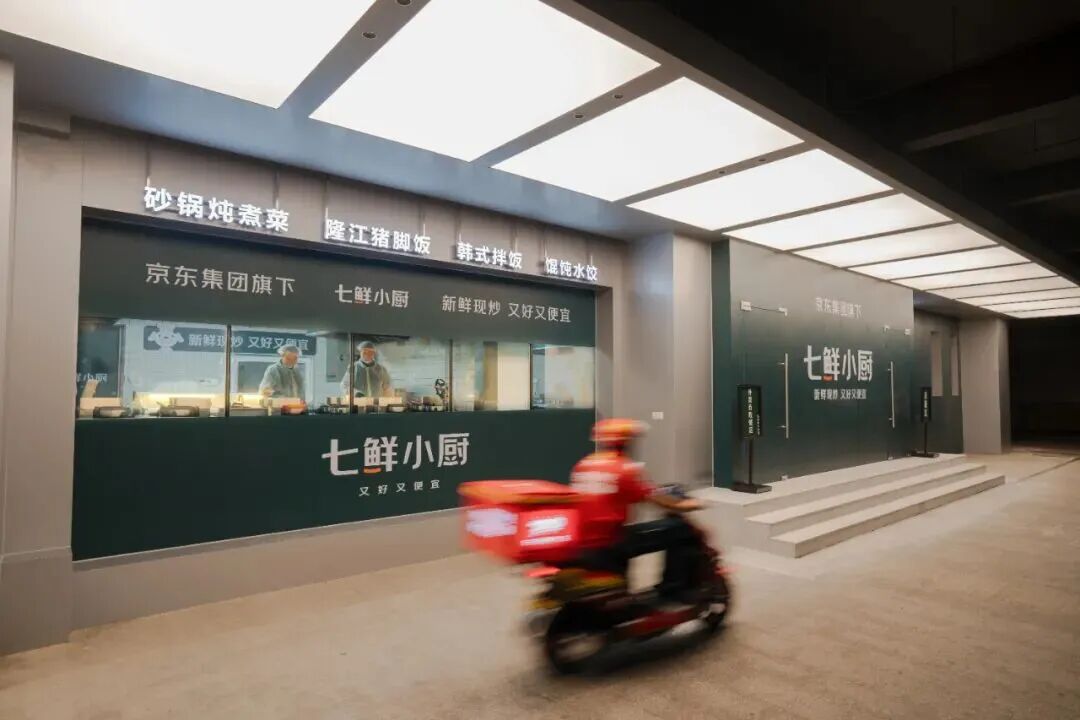
Core Insights - The takeaway from the article is that the food delivery industry is becoming increasingly competitive, with Pupu Supermarket quietly launching its delivery service "Pupu Kitchen" in Fuzhou, targeting young consumers' meal needs amidst a challenging restaurant environment [2][3][15]. Company Overview - Pupu Kitchen has launched its delivery service in a limited area around its headquarters in Fuzhou, focusing on a small-scale test [2][3]. - The service offers a variety of food options, including Chinese and Western fast food, coffee, and tea, with prices aimed at being affordable for young consumers [5][6]. - Pupu Kitchen emphasizes food safety and quality, promoting a "transparent kitchen" concept and using fresh ingredients [10][17]. Market Context - The food delivery market in China is growing, with online food delivery users expected to reach 592 million by December 2024, representing 53.4% of internet users [9]. - A significant portion of this market consists of young professionals aged 25-35, who prefer delivery for convenience [9][10]. - The rise of "ghost kitchens" and food safety concerns have created challenges for the industry, prompting new entrants like Pupu Kitchen to address these issues directly [9][10]. Competitive Landscape - Pupu Kitchen is entering a competitive space alongside established players like Meituan and JD, which have also launched their own delivery services targeting similar demographics [7][8][15]. - The competition is intensifying as major players invest heavily in expanding their delivery networks, with Meituan planning to open 1,200 "Raccoon Canteens" and JD aiming for over 10,000 "Seven Fresh Kitchens" [14][15]. - Pupu's strategy to enter the delivery market is seen as a way to maintain market share and leverage its existing supply chain and delivery resources [16][17]. Future Outlook - The article suggests that the food delivery sector will continue to evolve, with ongoing competition and the need for companies to innovate in order to capture consumer interest [15][19].
顾客一吃就能尝出来”,济南不少外卖商家已标注“无预制菜
Qi Lu Wan Bao Wang· 2025-09-18 09:46
齐鲁晚报·齐鲁壹点记者 石晟绮 管悦 当日中午,记者随机选择了一家标注"无预制菜"字样的门店,按照其位置来到济南山大路附近一栋建筑 外,门口停满了外卖员的电动自行车。记者在其二楼的美食城内看到,十几家外卖商户在此集中经营, 不少商户的档口里都堆放着成筐的蔬菜,一些店主正在炉灶上快速翻炒菜品。 上述招商经理介绍,除酱料外,蔬菜和肉类等原料既可选用公司集中配送的供应链,也可以自己在当地 采买。 "我们不是预制菜,预制菜的话,顾客一吃就能尝出来。" 在该主打健康菜的门店前,一位店员正忙着 切芹菜。她向记者介绍,店里目前有五六名员工,每天都会采购新鲜蔬菜,所有菜品均为现点现炒。 此外,也有外卖品牌招商经理透露,部分门店在实际运营中会提供另一种更高效的出餐方案:商家可选 择直接采购由中央厨房统一腌制、调味好的肉类半成品;这些半成品到店后无需额外处理,厨师只需将 其与新鲜配菜一同下锅快速翻炒,整个烹饪流程可压缩至三到五分钟,显著提高了出餐速度,尤其适用 于高峰时段订单密集的场景。 "以前那种直接用微波炉加热料理包的预制菜很少见了。" 一位外卖骑手表示,"现在大家对'吃'越来越 讲究,口味不好的话,店铺复购率上不去,商家一 ...
三重利好推动港股科技指数大幅上涨
Xin Lang Cai Jing· 2025-09-18 08:15
Group 1 - The Hang Seng Technology Index has recently broken through to a new phase high after six months of adjustment, driven by three favorable factors [1][2] - The easing competition in the food delivery market has positively impacted the market, with Alibaba emerging as a significant winner while Meituan's stock has declined [1][2] - The initiation of the Federal Reserve's interest rate cut cycle has created new opportunities for capital inflow into the Hong Kong stock market, with a 10% decline in the US dollar index this year enhancing the attractiveness of Hong Kong stocks [1][2] Group 2 - The promising development prospects in the artificial intelligence sector have invigorated the Hong Kong technology sector, exemplified by Baidu's announcement of using its self-designed Kunlun P800 chip, leading to a 16% surge in its stock price [2] - The Hong Kong Stock Connect Technology ETF (159101) has shown strong performance, rising 3.37% in a single day, reflecting the robust momentum of technology stocks in the Hong Kong market [2] - A concerning incident involving the stock of Jiayuan Health, which doubled in price within a week before plummeting over 60%, highlights market manipulation issues that could affect market stability [2]
360多名城市骑士获表彰,淘宝闪购“橙意计划”加大骑士激励
Bei Ke Cai Jing· 2025-09-18 07:43
Core Viewpoint - The launch of new uniforms for delivery riders in six northern cities marks a significant step in the professionalization of the delivery industry, emphasizing both functionality and style [1][3]. Group 1: Uniform Update - The new autumn uniforms were introduced for free in six cities: Taiyuan, Shijiazhuang, Hohhot, Lanzhou, Yinchuan, and Tangshan [3]. - The updated uniforms feature a racing suit style, designed for practicality with windproof, breathable, and water-resistant materials, along with emergency supply pockets [3][6]. Group 2: Recognition and Incentives - Over 360 riders were recognized for their exemplary service, including acts of bravery and community support, during the "Orange Intent Plan" awards [5][6]. - The "City Knight Day" included offline activities across 33 cities, allowing riders to try on new uniforms and participate in various services like free haircuts and health check-ups [5]. Group 3: Support and Benefits - The company is enhancing support for riders by establishing 150,000 rest stations and providing affordable meals in over 70 cities [6]. - Starting in October, the first ten cities will offer subsidies for pension and medical insurance, covering at least 50% of costs for riders who meet the criteria [6]. - The company has also initiated the "Knight's Home" project, providing nearly 1,000 beds in cities like Shanghai and Beijing for riders to have secure housing [6]. Group 4: Community Engagement - The company is collaborating with the labor union to improve the rights and welfare of delivery riders through initiatives like "Love Meals" and integrated community support [7].