
白酒

Search documents
金徽酒股份有限公司 2025年前三季度权益分派实施公告
Zhong Guo Zheng Quan Bao - Zhong Zheng Wang· 2026-02-03 22:38
Core Viewpoint - The company has announced a cash dividend distribution plan for its shareholders, with a total cash dividend of RMB 99,366,210.80 to be distributed based on the approved proposal at the 2026 first extraordinary general meeting of shareholders [2][4]. Dividend Distribution Plan - The cash dividend per share is set at RMB 0.20, with the distribution based on a total share capital of 507,259,997 shares, excluding 10,428,943 shares held in the company's repurchase account [4][6]. - The actual number of shares eligible for the dividend distribution is 496,831,054 shares, leading to a total cash dividend payout of RMB 99,366,210.80 [4][6]. - The reference price for ex-dividend trading will be calculated as the previous closing price minus the cash dividend, with no change in the number of circulating shares [4][6]. Implementation Details - The dividend will be distributed to all shareholders registered with the China Securities Depository and Clearing Corporation Limited Shanghai Branch as of the record date [3][7]. - Shareholders who have not completed designated transactions will have their dividends held by the China Securities Depository and Clearing Corporation until the transactions are completed [7]. - Specific shareholders, such as Gansu Yate Investment Group Co., Ltd., will receive their dividends directly from the company [8]. Taxation Information - For individual shareholders holding unrestricted circulating shares, the tax treatment varies based on the holding period, with a maximum tax rate of 20% for shares held for one month or less [9]. - Qualified Foreign Institutional Investors (QFIIs) will have a withholding tax of 10%, resulting in a net dividend of RMB 0.18 per share [10]. - Other shareholders, including institutional investors, will not have taxes withheld by the company, and the actual cash dividend remains RMB 0.20 per share [11].

金徽酒股份有限公司2025年前三季度权益分派实施公告
Xin Lang Cai Jing· 2026-02-03 18:42
Core Viewpoint - The company announced a cash dividend distribution of RMB 0.20 per share for the first three quarters of 2025, approved at the first extraordinary shareholders' meeting of 2026 on January 19, 2026 [2][4]. Distribution Plan - The dividend distribution is based on a total share capital of 507,259,997 shares, with 10,428,943 shares excluded from the distribution due to being held in the company's repurchase account, resulting in a distribution base of 496,831,054 shares [4][6]. - A total cash dividend of RMB 99,366,210.80 (including tax) will be distributed to shareholders [4]. Dividend Calculation - The cash dividend per share is calculated as approximately RMB 0.196 per share after accounting for the total shares and the cash dividend amount [6]. - The ex-dividend reference price will be calculated using the formula: (previous closing price - cash dividend) / (1 + change in circulating shares ratio), with the circulating shares ratio being 0 [5][6]. Implementation Details - The cash dividends will be distributed through China Securities Depository and Clearing Corporation Limited Shanghai Branch to shareholders registered by the end of the trading day on the record date [6]. - Shareholders who have not completed designated transactions will have their dividends held by the clearing company until the transactions are completed [6]. Taxation Information - For individual shareholders holding unrestricted circulating shares, the tax treatment varies based on the holding period, with a maximum tax rate of 20% for shares held for one month or less [8]. - For qualified foreign institutional investors (QFII), a 10% withholding tax will apply, resulting in a net cash dividend of RMB 0.18 per share [9]. - Other shareholders, including institutional investors, will not have taxes withheld by the company and must determine their own tax obligations [10].
文旅添彩 酒企助兴 零食飘香 上市公司送上迎新春“套餐”
Shang Hai Zheng Quan Bao· 2026-02-03 18:19
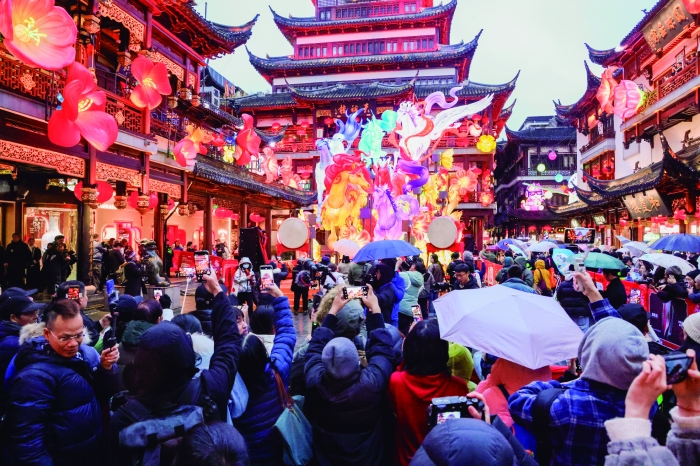
Group 1: Core Insights - The upcoming Chinese New Year is expected to drive significant consumer spending, with various listed companies competing in the "New Year Economy" [3] - The tourism and cultural sectors are enhancing traditional experiences by integrating modern technology and cultural elements, creating comprehensive holiday experiences [4] - The film industry is gearing up for the Spring Festival with a diverse lineup of movies, indicating a competitive landscape for content creation and marketing [5] Group 2: Tourism and Cultural Companies - Listed companies in the tourism sector are focusing on expanding their offerings and innovating content to transform traditional sightseeing into immersive cultural experiences [4] - The "Yuyuan Lantern Festival" by Yuyuan Group has undergone a significant upgrade, creating a new integrated experience that connects historical and modern narratives [4] - Companies like Songcheng Performance are emphasizing emotional value and immersive experiences to cater to family-oriented consumers during the holiday [4] Group 3: Alcohol Industry - Major liquor companies are adopting strategies focused on high-end product offerings and cultural branding to enhance their market presence during the festive season [6] - Guizhou Moutai has launched a special zodiac-themed product line targeting high-end gifting and collectible markets [6] - Marketing strategies in the alcohol sector are increasingly focused on creating festive atmospheres and engaging with consumers through interactive campaigns [6] Group 4: Consumer Goods - Companies in the consumer goods sector are innovating products and marketing strategies to meet diverse consumer needs for health, convenience, and gifting during the New Year [8] - Brands like Haoxiangni and Laiyifen are launching health-focused gift boxes and culturally themed products to align with consumer preferences [8] - The integration of online and offline sales channels is becoming essential for enhancing market penetration and consumer engagement [8][9] Group 5: Marketing Strategies - Listed companies are implementing targeted marketing strategies to engage different consumer segments, enhancing brand loyalty and interaction [9] - Regional specialties are being leveraged to create unique product offerings, as seen with HeBai Group's integration of local high-quality products [9] - The jewelry sector is also experiencing a sales peak, with companies preparing inventory and marketing plans to capture consumer interest during the festive season [9]

有点不对劲,A股剧烈洗盘?宣布守住4000点了
Sou Hu Cai Jing· 2026-02-03 17:40
你敢信吗? 就在今天,科技股跌得稀里哗啦,好些巨头市值蒸发几千亿,跌幅都超过40%了,可白酒呢? 茅台 愣是昂着头,眼瞅着又要冲回1500块了。 一边是火焰,一边是海水,这市场到底在玩什么把戏? 有人直接放 话:科技牛已经走到尾声了,热闹全是别人的,接盘才是你的。 这话听着刺耳,可看看盘面,好像还真有那么 点意思。 2026年2月3日,这天的行情可真够折腾的。 上午三大指数还冲得挺欢,下午就全泄了气,走出一根长长的上影 线。 半导体、人工智能那些之前风光无限的科技权重股,成了砸盘的主力军,拖累得A股、港股一起往下掉。 可你翻翻板块涨跌榜,燃气、煤炭、白酒这些"老面孔"反而稳得很,尤其是白酒,板块飘红,茅台股价坚挺, 跟科技股的惨状一比,简直像两个世界。 成交量也透着古怪。 整体上看,市场交投比前几天冷清了些,可每到跳水那会儿,量能就突然放大。 明眼人都 看得出来,这是有一批人被吓破了胆,慌里慌张地往外跑。 但跑归跑,指数砸到4000点边上,就像撞上了一堵 墙,怎么都跌不穿。 3970点附近,那地方是60日均线的地盘,跟整数关口一叠加,成了多头死守的防线。 这可不是一般的调整。 回想去年10月初,科技股就开始了 ...
超400亿元“红包雨”:白酒巨头们稳信心
Sou Hu Cai Jing· 2026-02-03 17:40
岁末年初,白酒上市公司的分红大戏接连上演。2月3日,北京商报记者整理发现,截至目前,包括贵州 茅台、五粮液在内的四家头部白酒上市公司陆续实施2025年中期分红,分红派息总额超过420亿元。伴 随着分红方案相继披露,资本市场以一波涨停潮回应。尽管众多酒企通过分红释放利好信号,但终端市 场却仍面临着动销活力尚待激活的现状。如今,面对库存高企、动销乏力的市场环境,头部酒企已开始 多维度布局,寻找穿越行业周期的路径。 酒企"撒钱" 白酒巨头们在资本市场撒出真金白银。经粗略计算,截至目前,4家白酒企业2025年中期分红累计达到 425.36亿元,这次集中分红也被市场视为酒企"红包雨"。 2025年12月10日,贵州茅台发布公告称,公司将以总股本12.52亿股为基数,每股派发23.957元现金红利 (含税),共计派发300.01亿元(含税);同日,五粮液发布公告称,公司将以公司现有总股本38.82亿 股为基数,向全体股东每10股派现金25.78元(含税),合计分配100.07亿元(含税),不送红股,不以 公积金转增股本;随后,2026年1月24日,泸州老窖发布2025年中期分红派息实施公告,计划以14.72亿 股总股本为 ...





暴跌日沉思:投资的最高境界,是学会与时间“谈恋爱”
Sou Hu Cai Jing· 2026-02-03 16:12
Market Overview - The stock market experienced a significant downturn, with the Shanghai Composite Index falling by 2.48% to close at 4015 points, while the Shenzhen Component and ChiNext Index dropped by 2.69% and 2.46% respectively [1] - Over 4600 stocks in the market declined, with total trading volume shrinking to 2.61 trillion yuan, indicating widespread losses among investors [1] - The primary cause of the market crash was the sharp decline in cyclical stocks, particularly in the metals and gold sectors, which saw declines exceeding 7% due to falling metal prices and previous overvaluation [1] Investment Strategies - In the face of market volatility, savvy investors engaged in three key actions to identify future opportunities [2] - Successful investing requires a long-term perspective, emphasizing the importance of patience and strategic planning rather than seeking immediate returns [3] - Investors should focus on building a personal trading system and wait for optimal market conditions to align with their strategies, as good opportunities are rare [4] Sector Insights - The electric grid equipment sector is highlighted as a critical area for investment, particularly in the context of AI development, as electricity demand is expected to surpass that of chips [7] - CPO optical modules are identified as a strong performer, with leading companies experiencing significant earnings growth, making them a safe haven during market downturns [7] - The liquor industry is viewed as a potential bottom-fishing opportunity, with long-term investors beginning to speculate on a ten-year market bottom [7]
货币超发:成因、传导与资产表现
泽平宏观· 2026-02-03 16:06
Group 1 - The article reveals that global monetary expansion is a common phenomenon, with the ratio of broad money to GDP increasing by 78 percentage points to 141% from 1980 to 2024, and most economies experiencing an average annual growth rate of broad money exceeding that of nominal GDP [2][17] - There are three types of monetary expansion: 1. Inflation runaway type, represented by Brazil, Argentina, and Turkey, where monetary expansion leads to severe inflation and currency collapse 2. Asset price inflation type, represented by the US and UK, where monetary expansion inflates asset prices while consumer inflation remains moderate 3. Structural sedimentation type, represented by China, Japan, and some East Asian economies, where funds are primarily deposited in banks or directed towards infrastructure and real estate [2][3][16] Group 2 - China's monetary flow has shifted from real estate and infrastructure to capital markets, supporting new productive forces, with the stock market experiencing a bull run since 2024 [3][36] - Over the past decade, asset returns have been ranked as follows: commodities (gold, copper, etc.) > quality equity assets > first-tier real estate > fixed income assets > third and fourth-tier real estate [3][49] - The article emphasizes that three types of "hard currency" will outperform monetary expansion in the long run: scarce precious metals and mineral resources, leading companies with competitive advantages in new productive forces, and real estate in core urban areas with sustained population inflow [69][71][73] Group 3 - The article discusses the logic and measurement of monetary expansion, defining it as the creation of money exceeding the demand for consumption, transactions, savings, and investments [8][12] - It highlights that the measurement methods for monetary expansion include the M2/GDP ratio, the difference between M2 growth and GDP growth, and liquidity gap methods [13][15] - The article also notes that the overall inflation level has lagged behind monetary expansion, with an average CPI increase of only 1.4% over the past decade, compared to a monetary expansion rate of 3.7% [48] Group 4 - The article categorizes global monetary expansion into three typical patterns: 1. Inflation runaway type, where countries like Brazil and Argentina experience hyperinflation and currency devaluation 2. Asset price inflation type, where developed economies like the US and UK see stable inflation but inflated asset prices 3. Structural sedimentation type, where economies like China and Japan have high M2/GDP ratios but low inflation [16][26][33] - It emphasizes that the optimal asset allocation in inflation runaway environments is to escape local currency risks by holding inflation-hedging assets like USD, commodities, and quality real estate [25][57] Group 5 - The article indicates that commodities have outperformed monetary expansion, with the S&P GSCI index showing an annualized return of 11.9%, significantly higher than the monetary expansion rate [52] - It also highlights that real estate returns have shown significant differentiation, with only first-tier cities slightly outperforming monetary expansion, while second-hand housing has generally underperformed [57][58] - Fixed income assets have struggled against monetary dilution, with the average annual return of the China Bond Total Price Index at only 0.8%, far below the monetary expansion rate [62] Group 6 - The article concludes that the long-term investment strategy should focus on sectors benefiting from structural changes, such as technology and high-end manufacturing, as well as core urban real estate [71][73] - It suggests that the stock market will play a crucial role in supporting new productive forces as the real estate market contracts [71] - The article emphasizes the importance of investing in quality equity assets that can provide stable cash flows and benefit from monetary conditions [71]

老白干“王座”松动
YOUNG财经 漾财经· 2026-02-03 14:39
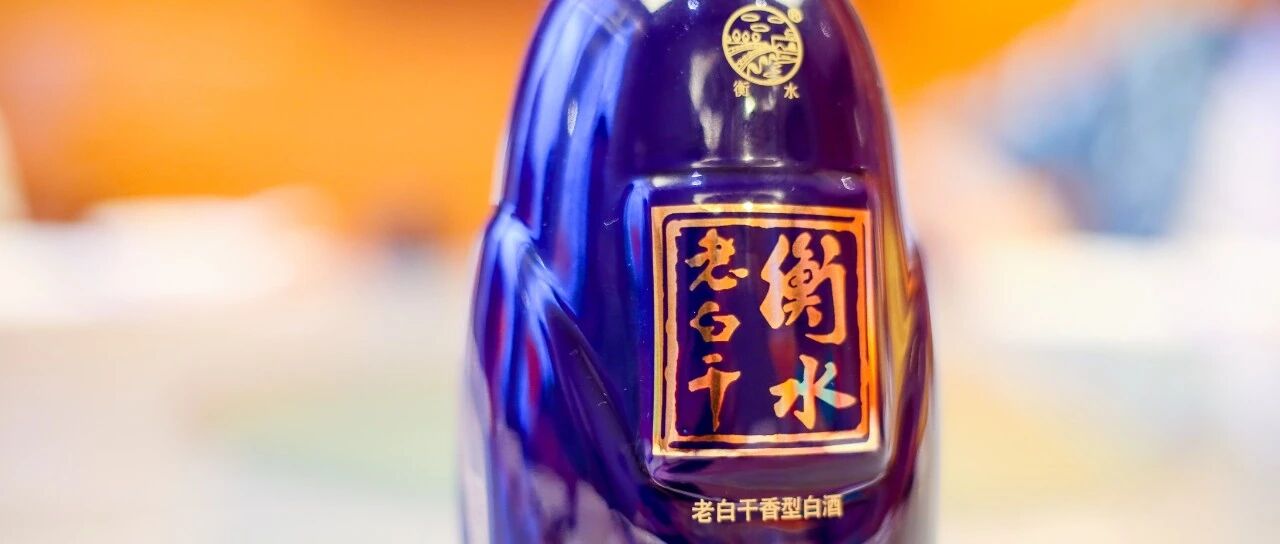
Core Viewpoint - The article discusses the significant decline in the performance of Laobaigan Liquor in 2025, highlighting the challenges faced by the company and the broader industry, despite a recent short-term market rally in the liquor sector [4][19]. Financial Performance - In the first three quarters of 2025, Laobaigan achieved revenue of 3.33 billion yuan, a year-on-year decrease of 18.53%, and a net profit attributable to shareholders of 400 million yuan, down 28.04% [4]. - The third quarter saw a dramatic revenue drop of 47.55% to 850 million yuan, with net profit plummeting 68.48% to 80 million yuan, marking the fourth largest revenue decline among 20 listed liquor companies [4][6]. - The revenue growth rate for Laobaigan fell sharply from 11.93% in 2021 to just 1.91% in 2024, indicating a clear downward trend [5]. Market Dynamics - Laobaigan's revenue in its home market of Hebei decreased by 13.82% to 2.019 billion yuan in the first three quarters of 2025, signaling a loss of market dominance [10]. - The company faces increasing competition from both national brands and local competitors, which are eroding its market share in both high-end and low-end segments [11][12]. - The overall market for liquor in Hebei has shown declining growth rates from 11.92% in 2022 to just 2.61% in 2024, indicating a weakening demand [11]. Strategic Challenges - Laobaigan's inventory turnover days increased from 681 days at the beginning of the year to 847 days by the end of September 2025, reflecting poor sales and inventory management [7]. - The company's cash flow from operating activities turned negative, recording -121 million yuan in the first three quarters, a decline of 118.92% year-on-year [8]. - The company's strategy of controlling inventory has not effectively translated into sales, raising questions about whether this is a proactive or reactive measure [7]. Leadership Changes and Strategic Initiatives - In May 2025, Laobaigan appointed a new chairman, Wang Zhanggang, who has extensive experience within the company and is expected to lead a transformation amid the current challenges [15]. - Wang has proposed a "seven-item reform" strategy focusing on consumer-centric approaches, brand digitalization, and channel innovation to navigate the industry's downturn [16]. - The company aims to implement a dual strategy targeting both high-end and mass-market segments, while also innovating marketing approaches to attract younger consumers [17][18]. Future Outlook - Despite recent market rallies, the article questions whether this is a sign of genuine recovery or merely speculative trading, emphasizing the need for Laobaigan to take substantial actions to validate its turnaround [19][20].

与澳网“碰杯” 中国品牌“借赛出海”尚需三重角色转变
Mei Ri Jing Ji Xin Wen· 2026-02-03 14:29
Group 1 - The core viewpoint of the articles emphasizes the importance of Chinese brands leveraging international sports events to enhance their global presence and brand recognition [1][2][4] - The Australian Open serves as a significant platform for brand exposure, reaching over 2 billion viewers globally and allowing brands like "Guojiao 1573" to align with high-end international brands [1] - The trend of Chinese brands "borrowing events to go global" is gaining momentum, with examples including Haier at the French Open and Wuliangye at the FIFA World Cup, showcasing a shift towards participating in global brand competition [2] Group 2 - Chinese brands need to transition from being "traffic harvesters" to "cultural narrators," focusing on deeper brand storytelling that resonates with the core values of the events they sponsor [3][4] - There is a need for brands to evolve from "resource purchasers" to "ecosystem builders," actively engaging with the event's ecosystem to create mutual value rather than merely purchasing sponsorship rights [3] - The shift from "contract partners" to "value cultivators" is essential, as brands must adopt a long-term perspective to build sustainable brand assets through ongoing event collaborations [3][4]
中国必选消费26年2月投资策略:震荡市场方显消费价值
Haitong Securities International· 2026-02-03 12:57
Investment Focus - The report highlights the value of consumer stocks in a volatile market, recommending a focus on companies like Guizhou Moutai, Eastroc Beverage, and Yili Group, all rated as "Outperform" [1]. Industry Overview - In January 2026, four out of eight tracked essential consumer sectors showed positive growth, including condiments, frozen foods, soft drinks, and dining, while four sectors, such as mid-to-high-end baijiu, dairy products, and beer, experienced declines [3][9]. - The overall consumer industry is characterized by a recovery in basic demand while hedonic consumption remains under pressure, indicating a shift in consumer spending towards essential goods [9]. Revenue and Growth Analysis - The revenue for the mid-to-high-end baijiu sector in January was 470 billion yuan, down 14.0% year-on-year, while the revenue for the mass-market baijiu sector was 229 billion yuan, down 3.0% year-on-year [10][11]. - The soft drink sector reported a revenue of 962 billion yuan in January, with a year-on-year growth of 1.1%, indicating a cautious recovery in demand [17]. - The frozen food sector saw a revenue of 150 billion yuan, with a year-on-year increase of 8.0%, driven by pre-Spring Festival stocking and low temperatures [16]. Price Trends - The report notes that the wholesale prices of major baijiu brands like Guizhou Moutai remained stable, while some brands faced downward price pressures due to high inventory levels [4][21]. - The average discount rates for liquid milk and condiments increased compared to the previous month, reflecting intensified market competition [35][37]. Market Dynamics - The report identifies four favorable funding factors for the essential consumer sector, including significant volatility in global capital markets, declining risk-free interest rates, increased foreign capital allocation to China, and low institutional allocation levels [6]. - The report suggests focusing on companies that align with both domestic and foreign institutional preferences, as well as those showing improvements in fundamentals and dividend yields [6].


