
Guan Cha Zhe Wang

Search documents
复旦大学成功举办第二届“开放包容与合作共赢的印度洋”国际研讨会
Guan Cha Zhe Wang· 2025-12-10 04:33
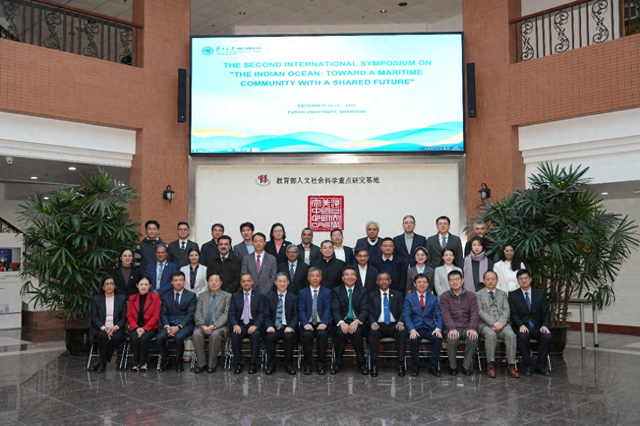
Core Viewpoint - The second "Open, Inclusive, and Win-Win Indian Ocean" international seminar was successfully held in Shanghai, focusing on security, development, and governance in the Indian Ocean region, aiming to build consensus for cooperation and explore win-win paths [1] Group 1: Key Insights from the Seminar - The peace and prosperity of the Indian Ocean are fundamental interests for all coastal countries, with China's "Community of Shared Future at Sea" providing important ideas for addressing common challenges [3] - Shanghai is transitioning from a port-centric city to a comprehensive marine city, emphasizing the importance of blue carbon economy and its potential to become a knowledge production and innovation center for marine governance in Asia [3] - The seminar featured seven thematic discussions, covering macro regional changes to specific areas of cooperation, including the strategic dynamics of the Bay of Bengal and the connection between the Indian and Pacific Oceans [9] Group 2: Actions and Initiatives - China is actively implementing the "Community of Shared Future at Sea" through initiatives like the Belt and Road blue economy cooperation and the establishment of the China-Indian Ocean Region Blue Economy Development Cooperation Forum [7] - The discussions aimed to clarify misunderstandings and highlight China's commitment to seeking cooperative and win-win outcomes in the Indian Ocean [7][10] - The seminar provided a platform for diverse perspectives, contributing to the understanding of the complex dynamics in the Indian Ocean and exploring paths for cooperation and mutual benefit [10]

京东金榜宣布打造AI时代的交互式榜单,改变传统导购模式
Guan Cha Zhe Wang· 2025-12-10 03:23
Core Insights - JD.com announced the winners of the 2025 "Quality Gold Award," "New Product Gold Award," and "PLUS Member Selected Gold Award" at the annual JD Gold List event, recognizing over 140 brands for their high-quality products and strong consumer reputation [1] - The JD Gold List has demonstrated significant consumer influence, with approximately 1 billion people expected to purchase items from the list in 2025, and products on the list experiencing a sales growth rate 12 times higher than ordinary products, with a 100% higher repurchase rate [1] Group 1 - The JD Gold List has established itself as a trusted consumer guide by using a data-driven model to select high-quality and cost-effective products, helping consumers make informed purchasing decisions [1][2] - Over 80% of consumers recognize the JD Gold List as a "navigation tool" for quality living, addressing the common issue of "choice paralysis" in an information-overloaded market [1][2] - The JD Gold List has been upgraded to include a "Quality Gold List," which utilizes stricter standards for product selection, resulting in over 90% of consumers expressing stronger trust in the listed products due to professional testing and third-party certification [2] Group 2 - JD.com announced the arrival of AI-driven rankings, transitioning from user browsing to interactive shopping, creating personalized lists that cater to individual consumer needs and habits [3] - The JD Gold List aims to expand brand exposure and authority through three main initiatives: increasing co-branded products, optimizing ranking mechanisms, and expanding the list matrix [3] - The JD Gold List has proven to enhance brand performance, with products like Haier's men's jeans seeing over 600% increase in exposure and over 500% increase in sales after being listed, demonstrating a positive cycle of increased visibility and sales [4] Group 3 - The JD Gold List serves as a "trustworthy ranking" in the e-commerce industry, providing precise shopping guidance and helping brands achieve long-term growth in exposure, purchasing efficiency, and brand value [4][5] - The collaboration between brands and the JD Gold List has led to successful product launches, such as the co-branded natural water from Nongfu Spring, which saw a 120% year-on-year sales increase after receiving the JD Gold List certification [2] - The JD Gold List enhances consumer shopping experiences by acting as an "information compressor," simplifying complex product information into clear buying signals, thus reducing decision-making time for consumers [4]

从财商教育到潮玩帝国:奇梦岛多次“换脸”转型,只为追风口?
Guan Cha Zhe Wang· 2025-12-10 03:03
短短一年间,量子之歌通过剥离教培资产、控股潮玩公司、更名重塑三步走的资本操作,脱胎换骨为奇梦岛。这家曾扎根成人教育的美股上市公司,如今摇 身一变成为"纳斯达克潮玩第一股"。 12月2日,奇梦岛公布了2026财年第一季度财报,这也是其更名、全面转向潮玩业务的首个财季。截至9月30日,本财季奇梦岛实现潮玩业务总业务1.271亿 元,环比激增93.3%,超业绩指引上线。 其中,WAKUKU(哇库库)营收8,973万,ZIYULI(又梨)营收2,076万,7月中下旬推出的SIINONO(赛诺诺)营收达到了1,289万。 奇梦岛看中了"下一个泡泡玛特"的生意。 值得注意的是,这已不是奇梦岛首次更名,每一次更名都伴随着业务重心的调整。此次全面转型潮玩赛道,很大程度上是因为泡泡玛特的"珠玉在前"。 WAKUKU,"速成版Labubu" Labubu的爆红出圈,把泡泡玛特的业绩和市值一并推上高点,叠加"谷子经济"概念的持续点燃,"寻找下一个泡泡玛特"一度成为二级市场的显性主题。 奇梦岛目前重点资源集中的WAKUKU、ZIYULI与SIINONO三大旗舰IP。除了公司早期的IP ZIYULI外,2024年推出的WAKUKU和今 ...

人民币兑美元中间价上调20个基点后,已升破7.07
Guan Cha Zhe Wang· 2025-12-10 02:41
(原标题:人民币兑美元中间价上调20个基点后,已升破7.07) 据中国外汇交易中心网站消息,12月10日,当日银行间外汇市场人民币汇率中间价为1美元对人民币 7.0753元,相较前一日中间价7.0773元,调升20个基点。 截至上午10点05分,在岸、离岸人民币兑美元的汇率分别为7.0622、7.0615。 ...
中国外交官辟谣:这是在中国,不是日本
Guan Cha Zhe Wang· 2025-12-10 02:33
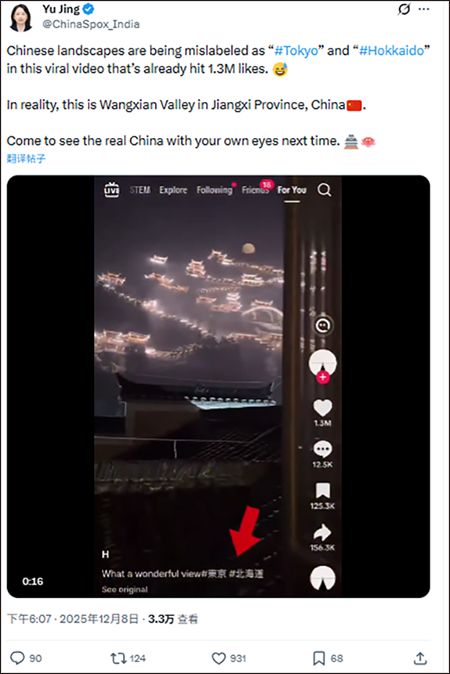
近日,一段关于中国江西上饶望仙谷美景的视频在外网爆火,但却被很多账号错误标注为日本"东 京"或"北海道"。当地时间12月8日,中国驻印度大使馆发言人宇静在X平台上发帖辟谣:"这段已获得 130万点赞的热门视频中,中国的风景被错误地标注为东京和北海道。实际上,这是中国江西的望仙 谷。" TikTok平台数据显示,这波热度自11月中旬开始发酵,至12月初累计互动量已超过1300万次,很多网民 称部分帖子正是被错误地标记为"东京"、"日本"才获得大量传播。 随后,她诚恳呼吁道:"诚邀你们亲自来中国,看看真正的中国吧。" 据美国一家科普分享类网站wikiHow介绍,这源于一个被称为"日本效应"(Japan effect)的 TikTok趋 势。 甚至连部分日本网民认为,"日本效应"非常强大,仅仅是地点标签就可以过滤和影响我们对一条普通街 道或一个普通美国街区的感知。 这段视频展示了当地峡谷中的悬崖民居、瀑布、雾气缭绕的山峰以及璀璨的夜间灯光秀,许多外国网民 赞叹其"仿佛从电影中走出来"。 据了解,望仙谷位于江西省上饶市广信区望仙乡,融合赣派建筑、悬崖民宿和传统文化等元素场景及多 种业态,2019年被评为国家4A级旅游 ...
国家统计局:11月份CPI环比略降0.1%,PPI上涨0.1%
Guan Cha Zhe Wang· 2025-12-10 02:08
二、PPI环比继续上涨,同比降幅略有扩大 PPI环比上涨0.1%,连续两个月上涨。本月PPI环比运行的主要特点:一是国内部分行业需求季节性增加 带动其价格上涨。各地"迎峰度冬"开始,煤炭、燃气需求季节性增加,煤炭开采和洗选业价格环比上涨 4.1%,煤炭加工价格上涨3.4%,燃气生产和供应业价格上涨0.7%。入冬以来,防寒保暖产品进入消费 旺季,毛织造加工价格上涨0.6%,羽绒制品加工价格上涨0.2%。二是输入性因素影响国内有色金属和 石油相关行业价格走势分化。国际有色金属价格上行带动国内有色金属矿采选业价格环比上涨2.6%, 有色金属冶炼和压延加工业价格上涨2.1%,其中铜冶炼、金冶炼、铝冶炼价格分别上涨2.9%、1.4%和 0.2%。国际油价下行影响国内石油和天然气开采业价格下降2.4%,精炼石油产品制造价格下降2.2%。 PPI同比下降2.2%,降幅比上月扩大0.1个百分点,主要受上年同期对比基数走高影响。我国各项宏观政 策不断显效,价格呈现积极变化。一是综合整治"内卷式"竞争成效显现,相关行业价格同比降幅收窄。 重点行业产能治理持续推进,市场竞争秩序不断优化,煤炭开采和洗选业、光伏设备及元器件制造、锂 ...
只用10个月,欧洲“摆脱中国”技术却在华率先落地
Guan Cha Zhe Wang· 2025-12-10 01:48
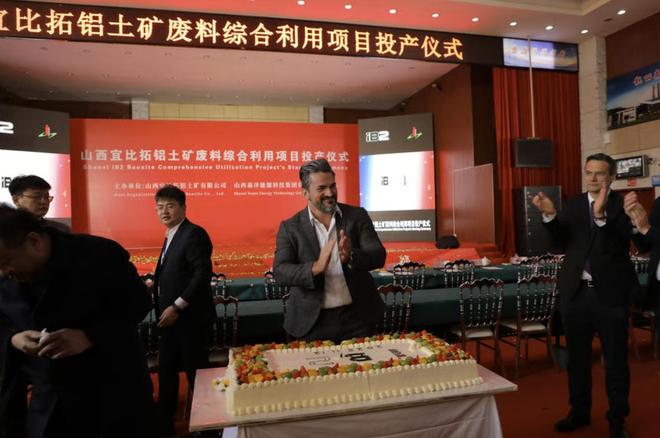
Core Viewpoint - A European startup has developed a groundbreaking technology that converts low-grade bauxite, previously considered waste, into high-quality raw materials for aluminum production, which could revitalize depleted mines and open new avenues for extracting critical minerals and rare earth elements essential for semiconductors, electric vehicles, and defense sectors [1] Group 1: Technology and Application - The technology was first announced at an industry conference in Miami six years ago, but despite Western governments' calls to reduce reliance on China, no significant progress was made in Europe or the U.S. [1] - The first large-scale application of this technology has been established in China, with a project in Shanxi province completed in just 10 months [1] - The project aims to utilize China's abundant low-grade bauxite reserves, reducing dependence on imports from Guinea and Australia [2] Group 2: Market Impact - The technology not only allows for aluminum resource independence but also enables the extraction of gallium, vanadium, lithium, niobium, and potentially rare earth elements, which are crucial for clean energy and modern military applications [2] - China currently produces 60% of the world's aluminum, and the CEO of the startup emphasized the necessity of collaboration with Chinese companies due to their remarkable efficiency [2][6] Group 3: Industry Challenges - China's reliance on imported high-grade bauxite has reached nearly 90%, with domestic reserves only accounting for 3% of global totals [4] - The industry faces challenges due to declining quality of bauxite, with many companies unable to process low-grade ores effectively [7] Group 4: Future Plans - The startup plans to expand its technology in China, aiming to process 3 million tons of low-grade bauxite annually at its Shanxi facility within two years [8] - The company encourages more Chinese enterprises to exploit economically viable local low-grade bauxite to enhance mineral sovereignty and reduce foreign dependence [9]
美国议员急了:特朗普放行售华H200芯片威胁“国家安全”
Guan Cha Zhe Wang· 2025-12-10 00:22
【文/观察者网 柳白】美国总统特朗普放行英伟达对华销售H200芯片,这一决定招致多名美国民主党议 员炮轰,指其为"重大的经济和国家安全失误",宣称这将助力中国产业和军事发展。不过数名知情人士 透露,就算特朗普开了"绿灯",正致力于实现半导体生产自主可控的中国,仍将限制对英伟达芯片的获 取。 "我已经通知中方,美国将允许英伟达向中国及其他国家客户出口其H200芯片,"特朗普8日在自创社交 媒体平台"真实社交"发文称,"中方对此表示积极回应"。 英伟达H200芯片 IC Photo "为贸易利益牺牲国家安全是严重错误,"奥巴马政府时期的前商务部高级官员埃里克·赫希霍恩说,"这 与民主党和共和党政府一贯坚持的不协助中国军事现代化的政策相悖。" 无党派智库"进步研究所"(IFP)7日发布的报告显示,H200芯片的性能约为H20芯片的6倍。H20芯片是 特朗普政府今年撤销短暂禁令后,目前可合法对华出口的最先进的产品。 特朗普还称,此决定有附带条件,包括保障美国所谓"国家安全",且美国政府将获得25%的分成。他 说,该政策将支持美国就业,强化美国制造业,并惠及美国纳税人。 但特朗普未说明将批准多少数量芯片出口,也未提及具 ...


影石大疆商战升级?刘靖康称核心供应商遭“排他”压力
Guan Cha Zhe Wang· 2025-12-09 12:53
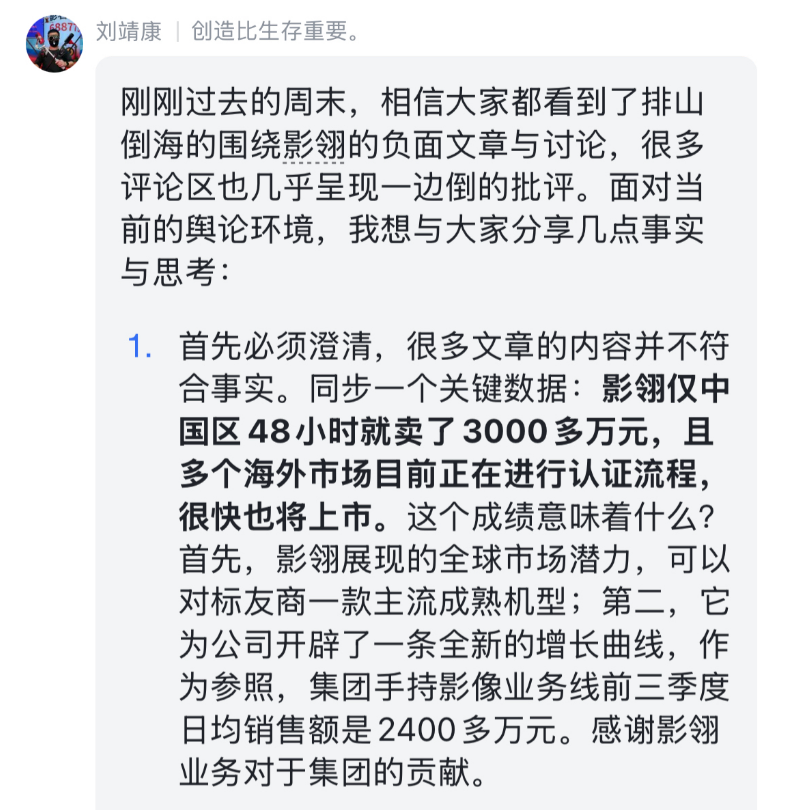
Core Viewpoint - The internal letter from Liu Jingkang, founder and CEO of Insta360, addresses recent challenges faced by the company, including negative press regarding its drone sub-brand, Yingling, and allegations of exclusive agreements affecting distributors. Liu refutes claims of poor sales, highlighting strong initial performance in China and ongoing certification processes in international markets [1][2]. Group 1: Sales Performance and Market Potential - Liu Jingkang reported that the Yingling A1 drone generated over 30 million yuan in sales within 48 hours in China, indicating significant market potential [1]. - The average daily sales for the company's handheld imaging business line in the first three quarters were approximately 24 million yuan, suggesting a strong comparative performance [1]. - Despite skepticism regarding sales figures, with estimates suggesting around 4,400 units would be needed to reach 30 million yuan, Liu maintains confidence in the product's market reception [4]. Group 2: Competitive Landscape and Challenges - Liu accused industry giants of exerting pressure on suppliers, leading to challenges in securing components for the Yingling A1 drone, which has been a recurring issue for the company [2]. - The exclusive agreements reported by distributors have raised concerns about potential monopolistic practices in the market, particularly against competitors like DJI [2]. - The competitive environment has intensified, with DJI launching aggressive pricing strategies that have affected market dynamics, prompting Liu to acknowledge the impact of these tactics on the industry [8][10]. Group 3: Product Philosophy and Pricing - Liu compared the full panorama drone to the transition from horse-drawn carriages to automobiles, emphasizing its intuitive design aimed at lowering the barriers for aerial photography [3]. - The high cost of the Yingling A1 drone is attributed to the advanced technology used in its VR glasses, which exceeds the average cost of traditional drone controllers [3]. - The company aims to reduce costs through further research and development to make the product more accessible to consumers [3]. Group 4: Market Reception and Consumer Feedback - Initial consumer feedback has highlighted performance issues with the Yingling A1, including concerns about resolution and compatibility with social media platforms [6]. - Despite the innovative concept of combining drones with VR technology, the product's high price point may deter budget-sensitive consumers [6]. - The ongoing competition between Insta360 and DJI is expected to drive technological advancements and market expansion, benefiting consumers in the long run [10].

安岳、潼南:15亿杯柠檬水需求背后,产业能否熨平天灾?
Guan Cha Zhe Wang· 2025-12-09 12:29
Core Insights - The Chinese lemon industry is undergoing a significant structural adjustment, characterized by a decline in production and a simultaneous increase in consumer demand, leading to substantial price fluctuations [4][6]. Group 1: Production Challenges - Extreme weather conditions, including late spring frosts and prolonged summer droughts, have severely impacted lemon yields in major production areas like Sichuan and Chongqing [6][8]. - Sichuan's Anyue County, which accounts for over 70% of China's lemon production, is expected to see its 2024 yield drop to approximately 1.3 million pounds, less than half of the 2023 output [6][8]. - The overall lemon production in Anyue is projected to decline by around 20% in 2024 due to adverse weather conditions [6]. Group 2: Market Dynamics - The retail price of lemons has surged, with reports indicating prices exceeding 20 yuan per kilogram, reflecting a price increase of three to four times compared to previous years [4][6]. - The global lemon supply is tightening, with major lemon-producing countries like Turkey, Argentina, and South Africa also experiencing significant production declines due to extreme weather [8]. - The demand for lemons is rapidly increasing, particularly driven by the new-style tea beverage industry, with companies like Mixue Ice City selling over 1.5 billion cups of lemon drinks in the first ten months of 2025, requiring over 100,000 tons of lemons [8].
