Hua Xia Shi Bao

Search documents
前三季度业绩承压,欢乐家4天股价却上涨超60%,市场资金在赌什么?|掘金百分百
Hua Xia Shi Bao· 2025-11-14 13:16
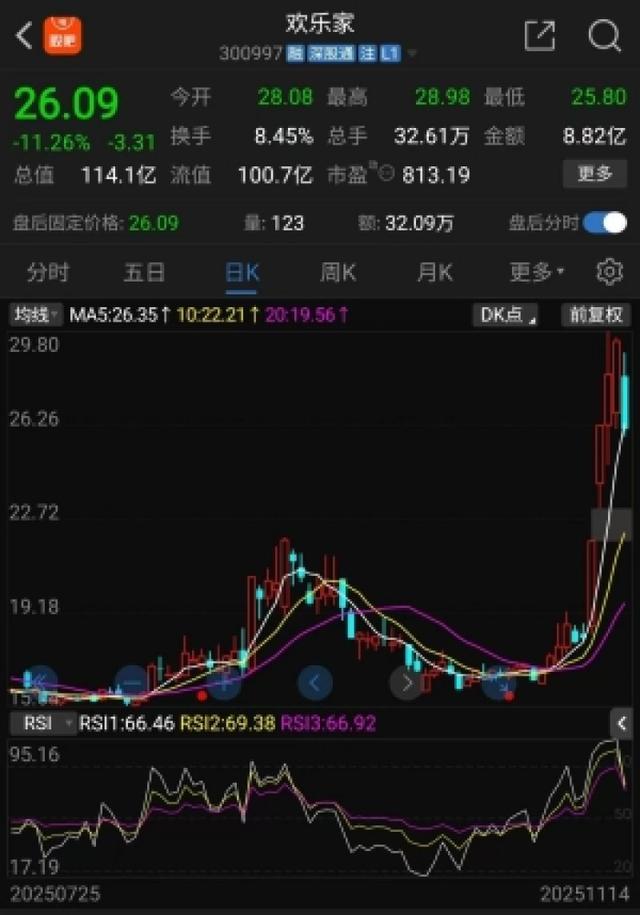
Core Viewpoint - The recent stock price volatility of Huanlejia has drawn significant market attention, with a sharp increase of 61.36% over four trading days, despite a stark contrast with the company's declining fundamentals [2][3][4]. Stock Performance - Huanlejia's stock price surged from 18.22 yuan per share on November 7 to 29.40 yuan per share by November 13, marking a 61.36% increase [4]. - The stock experienced two instances of "20cm" daily limit up during this period, but subsequently fell over 10% on November 14 due to a broader market correction [4][5]. Financial Performance - Huanlejia's operating performance has been under pressure, with a projected 47.06% decline in net profit attributable to shareholders in 2024 [3][6]. - Revenue and net profit for the first three quarters of 2025 also showed declines of 22.25% and 87.43%, respectively [6][7]. - The company's revenue figures for 2022, 2023, and 2024 were 1.596 billion yuan, 1.923 billion yuan, and 1.855 billion yuan, with a 3.53% decline expected in 2024 [6]. Cash Flow and Cost Structure - Huanlejia's net cash flow from operating activities has decreased significantly, with figures of 3.43 billion yuan in 2022, 3.51 billion yuan in 2023, and only 0.6 billion yuan in 2024 [7]. - The company has faced rising operating costs, leading to a price increase of 1% to 8% on certain products, which is expected to impact 2024 sales revenue of 795 million yuan [8][9]. Strategic Adjustments - To address ongoing cost pressures and business structure adjustments, Huanlejia has implemented price changes and is focusing on product innovation, channel optimization, and cost control [8][9]. - The company aims to enhance its product offerings by developing low-sugar and functional high-value products, expanding into snack retail, and strengthening online marketing efforts [9].

百度重押AI应用,海外成下一代流量战场
Hua Xia Shi Bao· 2025-11-14 10:25
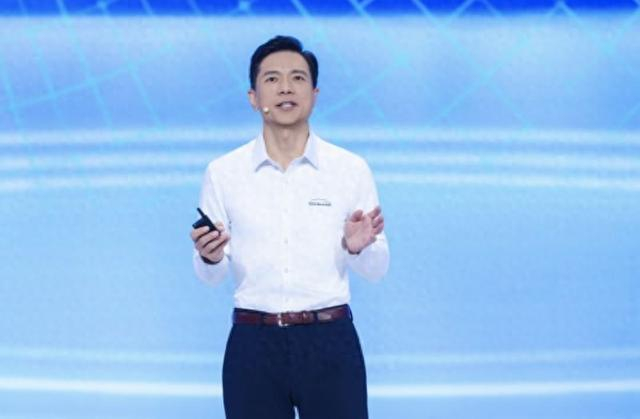
Core Insights - The competition for AI super applications is intensifying as companies aim to capture the next wave of traffic dominance [2][3] - Baidu's founder, Li Yanhong, highlighted a shift in the AI industry structure from an unhealthy "pyramid" to an inverted "pyramid," where AI applications can generate 100 times the value of chips [2][4] AI Model and Applications - Baidu released its Wenxin large model 5.0, featuring 2.4 trillion parameters and supporting multimodal understanding and generation capabilities [4] - The company is transitioning from "intelligent emergence" to "effect emergence," emphasizing the effectiveness of AI applications over mere model development [4][5] - Baidu's search engine has achieved a 70% coverage rate of rich media in search results, indicating a significant shift towards multimedia content [4] Market Competition and Challenges - Major players like Alibaba, Tencent, and ByteDance are also focusing on AI applications, leading to a highly competitive environment [6][7] - The AI application market is experiencing severe internal competition due to a lack of differentiation and reliance on generic large model APIs [7] - Many AI applications struggle to convert free users into paying customers, leading to unsustainable business models [7] User Trends and Market Dynamics - As of June, the mobile user base for AI applications reached 680 million, with AI search engines and comprehensive assistants leading the market [6] - The user base for mobile plugins grew to 630 million, while native app users declined, indicating a shift in user preferences [7] International Expansion - Chinese AI companies are increasingly targeting overseas markets, with Baidu's applications like "Luo Bo Kua Pao" and "Hui Bo Xing" expanding into regions like Southeast Asia and the U.S. [8][9] - The overseas market presents opportunities due to a more mature payment environment, allowing for quicker profitability [9] - Successful international expansion will depend on understanding local needs and regulatory compliance [10]

上市即失效,失败就“复活”!视涯科技对赌协议引监管关注,IPO进程或添变数|透市
Hua Xia Shi Bao· 2025-11-14 09:52
Core Viewpoint - The company, Shiya Technology, is a leading player in the domestic silicon-based OLED microdisplay sector and is currently undergoing an IPO process, facing challenges such as continuous losses, rising debts, and related party transactions [2][3][4]. Group 1: IPO and Financial Performance - Shiya Technology's IPO aims to raise approximately 2.015 billion yuan, with funds allocated for expanding production lines and building a research center [2]. - The company has reported continuous revenue growth over the past three years, with revenues of 190 million yuan, 215 million yuan, and 280 million yuan for 2022, 2023, and 2024 respectively, but has incurred cumulative losses exceeding 798 million yuan during the same period [3][4]. - The company’s net profit for the same years was -247 million yuan, -304 million yuan, and -247 million yuan, indicating ongoing financial struggles [3][4]. Group 2: Market Position and Competition - Shiya Technology is recognized as the first company globally to achieve mass production of silicon-based OLED microdisplays using 12-inch wafers and holds a significant market share of 35.2%, ranking second globally and first in China [3]. - The global sales of silicon-based OLED microdisplays are projected to reach 1.27 billion yuan in 2024, with a shipment volume of approximately 6.365 million units, primarily driven by XR device applications [3]. Group 3: Research and Development - The company has invested heavily in R&D, with cumulative R&D expenditures amounting to 793 million yuan over the past three years, representing 115.61% of its total revenue during the same period [6]. - R&D personnel constitute 29.79% of the total workforce, indicating a strong focus on innovation [6]. Group 4: Risks and Concerns - The company faces scrutiny regarding its ability to achieve profitability, as continuous losses may raise concerns among regulators about its long-term viability [4][5]. - Related party transactions have been highlighted, with a significant portion of procurement costs attributed to related parties, raising potential governance issues [11][12]. Group 5: Future Outlook - The company’s gross profit margins have fluctuated, with margins of 19.12%, 17.03%, and 21.52% over the reporting period, influenced by various factors including market competition and raw material costs [13][14]. - The company plans to invest approximately 1.24 billion yuan in new projects, which may lead to increased depreciation costs, further impacting profitability if sales do not scale effectively [14].

北大医药董事长徐晰人被批捕,1元购壳资本游戏告终
Hua Xia Shi Bao· 2025-11-14 09:15
Core Viewpoint - The arrest of Xu Xiren, Chairman and President of Peking University Pharmaceutical Co., Ltd., due to criminal charges has created significant turmoil in the capital market, raising concerns about the company's future and its operational challenges [2][6]. Company Overview - Xu Xiren, who previously worked at Standard Chartered Bank, took control of Peking University Pharmaceutical in December 2024 for a symbolic price of 1 yuan, acquiring a company valued at nearly 4 billion yuan with a debt of 2.392 billion yuan for just 33 million yuan [3][4]. - Under Xu's leadership, the company began a process of "de-Peking University" to sever ties with its former parent institution, which included a name change and the termination of key partnerships [5][6]. Operational Challenges - The termination of a long-term service contract with Peking University International Hospital in May 2025 resulted in a significant revenue loss, with the hospital accounting for 78.15% of the company's drug distribution revenue in 2024 [6][7]. - The company anticipates a revenue decline of approximately 600 million yuan and a net profit decrease of around 40 million yuan for the second half of 2025 due to the loss of this major client [6][7]. Financial Performance - Peking University Pharmaceutical reported a 47.95% year-on-year decline in revenue for Q3 2025, amounting to 274 million yuan [6][8]. - The company's drug manufacturing business, which generated 623 million yuan in 2024, is being prioritized as a potential growth area, despite facing challenges from increased competition and declining profit margins [7][8]. Management Changes - Frequent management changes have occurred since 2025, with several key personnel resigning and Xu Xiren appointing his associates to leadership positions, raising concerns about the company's expertise in the pharmaceutical sector [8][9]. - The lack of relevant industry experience among the new board members has led to market skepticism regarding the company's operational capabilities [8][9].


压力下的突围:中国出口韧性从何而来,能否持续?
Hua Xia Shi Bao· 2025-11-14 07:56
Core Viewpoint - Despite significant pressure from increased tariffs and geopolitical uncertainties, China's overall export growth has exceeded market expectations, showcasing remarkable resilience in the face of challenges [2][3]. Group 1: China's Export Resilience - In the first three quarters of 2025, China's total export reached $2.8 trillion, a year-on-year increase of 6.1%, marking the highest level for the same period in nearly three years [2][3]. - The net export of goods and services contributed 1.5 percentage points to GDP growth, the second-highest in nearly a decade, only behind the recovery period of 2021 [2]. Group 2: Market Diversification and Structural Upgrading - Exports to non-U.S. markets have shown significant growth, compensating for the decline in exports to the U.S. [5][6]. - In the first three quarters of 2025, exports to Africa, ASEAN, India, the UK, the EU, Latin America, and Canada grew by 28.3%, 14.7%, 12.9%, 8.7%, 8.2%, 6.9%, and 5.1% respectively, collectively contributing approximately 6.3 percentage points to overall export growth [5][6]. Group 3: Changes in Export Structure - The share of intermediate goods in total exports increased from 41.7% in 2017 to 47.4% in the first three quarters of 2025, while the share of consumer goods decreased from 37.2% to 32.5% [9][10]. - Intermediate goods and capital goods have become the main drivers of overall export growth, with intermediate goods exports growing by 10.2% year-on-year in the first three quarters of 2025 [9][11]. Group 4: Trade Relations with Major Economies - The trade relationship with developed economies like the U.S. and EU is shifting from complementarity to a mix of competition and cooperation, with China's exports to these regions facing pressure [12][13]. - Despite challenges, there remains potential for growth in high-value intermediate and capital goods exports to developed economies, as China's competitiveness in high-tech sectors continues to improve [14][15]. Group 5: Emerging Markets as Growth Drivers - Emerging markets, particularly in Africa, are becoming significant growth markets for Chinese exports, with a shift in the export structure from consumer goods to capital and intermediate goods [19][20]. - China's exports to Africa have increased from 4.2% to 5% of total exports from 2017 to 2024, with capital goods' share rising from 17.4% to 24% during the same period [19][20].

10月金融数据“信贷弱、社融稳”,M1增速维持高位凸显资金活力
Hua Xia Shi Bao· 2025-11-14 07:11
Core Viewpoint - The financial data for October indicates a continued decline in credit growth, while social financing and M2 growth remain relatively high, reflecting strong financial support for the real economy [2][3]. Group 1: Financial Data Overview - In October, new RMB loans amounted to 220 billion, with a month-on-month decrease of 1.07 trillion and a year-on-year decrease of 280 billion, leading to a loan growth rate of 6.5%, the lowest on record [6][7]. - The total social financing scale at the end of October was 437.72 trillion, with a year-on-year growth of 8.5% [8]. - M2 growth was 8.2% year-on-year, slightly down by 0.2 percentage points from the previous month, while M1 grew by 6.2% year-on-year [3][4]. Group 2: Loan and Financing Structure - The M1-M2 spread was 2%, indicating a solid trend of funds being converted into demand deposits, reflecting good activity in corporate operations and personal consumption [4][5]. - The structure of financing is shifting, with non-loan financing methods now accounting for over half of the total social financing increment, indicating a diversification in corporate financing channels [9]. Group 3: Future Outlook - There may be a new round of reserve requirement ratio cuts and potential interest rate reductions by the central bank before the end of the year, aimed at directing financial resources towards key sectors such as technology innovation and small enterprises [10].

千亿市值药企失控?潘卫东内幕交易背后:石药集团传统业务暴跌,创新药“远水能否救近火”|创新药观察
Hua Xia Shi Bao· 2025-11-14 05:17
Core Insights - The insider trading incident involving the executive director of Shiyao Group has raised significant concerns regarding the company's governance structure and internal controls [2] - Shiyao Group is facing severe challenges in its business transformation, with a notable decline in revenue and a shift in its business structure [3][5] Governance and Compliance - Executive director Pan Weidong was fined 5 million yuan by the China Securities Regulatory Commission for insider trading, having purchased 2.74258 million shares of Xinnuowei during a sensitive period, resulting in a transaction amount of approximately 999.88 million yuan [2] - The investigation revealed Pan's lack of cooperation during the regulatory inquiry, and three other former directors and executives were also penalized for the same restructuring event, raising concerns about the company's internal controls [2] Financial Performance - Shiyao Group reported an 18.5% year-on-year decline in revenue for the first half of 2025, with the traditional medicine segment experiencing a significant 24.4% drop [3][5] - The oncology drug revenue plummeted by 60.8%, falling to 1.051 billion yuan, down from approximately 2.681 billion yuan in the same period of 2024 [5] - The revenue contribution from the oncology segment decreased from 18.6% in 2024 to 10.3% in 2025 [5] Product Challenges - Key products such as Duomeisu® and Jinyouli® faced severe price reductions due to national procurement policies, leading to substantial revenue losses [6][8] - The revenue from the neurology segment, which is the largest source of income for Shiyao Group, declined by 28.3% in the first half of 2025 [7] - The company’s traditional strengths in the anti-infection and cardiovascular sectors also saw double-digit declines in revenue [8] Innovation and R&D - Shiyao Group has been increasing its R&D investment, which rose from 2 billion yuan in 2019 to 5.19 billion yuan in 2024, with a 5.5% increase in the first half of 2025 [9][11] - The company achieved some progress in innovative drug development, with three new drugs approved for market in the first half of 2025 [11] - Despite these efforts, the innovative drug business has not yet compensated for the decline in traditional business, with many products still in various stages of clinical trials [13][14]

10月全国规模以上工业增加值同比增长4.9%|快讯
Hua Xia Shi Bao· 2025-11-14 03:56
Group 1: Industrial Growth - In October, the industrial added value of large-scale enterprises in China increased by 4.9% year-on-year and 0.17% month-on-month [2] - By sector, mining industry added value grew by 4.5%, manufacturing by 4.9%, and electricity, heat, gas, and water production and supply by 5.4% [2] - Equipment manufacturing added value rose by 8.0%, and high-tech manufacturing increased by 7.2%, outpacing the overall industrial growth by 3.1 and 2.3 percentage points respectively [2] - From January to October, the industrial added value increased by 6.1% year-on-year [2] Group 2: Economic Types and Product Performance - State-owned enterprises saw a 6.7% year-on-year increase in added value, while joint-stock enterprises grew by 5.2%, foreign and Hong Kong, Macao, and Taiwan-invested enterprises by 4.0%, and private enterprises by 2.1% [2] - Notable product performance included 3D printing equipment, which grew by 30.8%, new energy vehicles by 19.3%, and industrial robots by 17.9% [2] Group 3: Service Sector Growth - The service sector also experienced stable growth, with the service production index increasing by 4.6% year-on-year in October [3] - Key sectors within services included information transmission, software, and IT services, which grew by 13.0%, leasing and business services by 8.2%, and financial services by 5.6%, all exceeding the overall service production index growth [3] - From January to October, the service production index increased by 5.7% year-on-year [4]

国家统计局:10月社零同比增长2.9%,餐饮收入回升至3.8%|快讯
Hua Xia Shi Bao· 2025-11-14 03:56
Core Insights - In October, the total retail sales of consumer goods reached 46,291 billion yuan, showing a year-on-year growth of 2.9%, which is a decline of 0.1% compared to September. This marks the fifth consecutive month of decline since the peak of 6.4% in May [2] - From January to October, the total retail sales amounted to 412,169 billion yuan, with a growth rate of 4.3%, down 0.2% from the growth rate in the first three quarters [2] Retail Performance by Location - In October, urban retail sales were 40,021 billion yuan, growing by 2.7% year-on-year, while rural retail sales reached 6,270 billion yuan, with a growth of 4.1%. For the period from January to October, urban retail sales totaled 356,860 billion yuan, up 4.2%, and rural retail sales were 55,309 billion yuan, increasing by 4.6% [2] Retail Performance by Type - In October, the retail sales of goods were 41,092 billion yuan, with a year-on-year increase of 2.8%, and catering revenue was 5,199 billion yuan, growing by 3.8%. Notably, basic living and some upgraded consumption categories saw rapid growth, with significant increases in retail sales for food, communication equipment, cultural office supplies, and sports entertainment products [2] - From January to October, the total retail sales of goods reached 365,981 billion yuan, growing by 4.4%, while catering revenue was 46,188 billion yuan, with a growth of 3.3%. Catering revenue rebounded to 3.8% after dropping to a low of 0.9% in September [2] Retail Formats Performance - From January to October, retail sales in convenience stores, supermarkets, department stores, specialty stores, and brand stores grew by 6.3%, 4.7%, 1.0%, 4.1%, and 1.0% respectively [3] - The service retail sector saw a year-on-year growth of 5.3%, with an acceleration of 0.1 percentage points compared to the first three quarters. Notable growth was observed in leisure services, communication services, travel consulting and rental services, and transportation services [3]
10月货物进出口总额37028亿元,国际合作仍在加速|快讯
Hua Xia Shi Bao· 2025-11-14 03:56
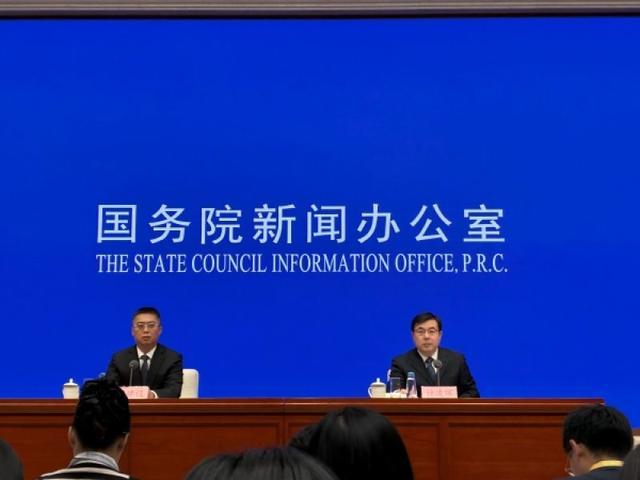
1—10月份,一般贸易进出口增长2.3%,占进出口总额的比重为63.4%。对共建"一带一路"国家进出口 增长5.9%。民营企业进出口增长7.2%,占进出口总额的比重为57.0%,比上年同期提高1.9个百分点。机 电产品出口增长8.7%,占出口总额的比重为60.7%。 值得注意的是,当前,中国与国际合作仍在加强。 11月12日,中国商务部和西班牙经济、贸易与企业部签署了《关于中西经济工业合作混委会的合作备忘 录》。这是对今年4月中西双方共同发布的《关于加强全面战略伙伴关系的行动计划(2025—2028 年)》的具体落实举措,旨在加强两国政府间经贸领域对话。13日上午,中国商务部和西班牙经济、贸 易与企业部在京共同主办中西企业顾问委员会第三次会议,为双方企业家搭建交流和对接的平台。 10月28日,中国—东盟自贸区3.0版升级议定书签署,标志着双方经济一体化进程从传统的贸易投资自 由化便利化拓展至数字、绿色、标准、产供链等新兴领域。3.0版升级,有力推动区域数字科技赋能、 绿色产业合作、产业链供应链互联互通和标准规制对接,促进区域内大市场和产业链供应链加快融合发 展。 文/张智 11月14日,国家统计局发布数据显示 ...