Zhong Guo Qi Che Bao Wang

Search documents
通用汽车表示,已主动缩减电动汽车产能
Zhong Guo Qi Che Bao Wang· 2026-01-09 09:08
Group 1 - The core viewpoint of the article is that General Motors has proactively reduced its electric vehicle production capacity due to a slowdown in market demand [1] Group 2 - The decision to cut production capacity reflects the company's response to changing market conditions [1] - This move may indicate broader trends in the electric vehicle industry, where demand fluctuations are becoming more pronounced [1]

小米汽车:小米的法务部门并没有7000人
Zhong Guo Qi Che Bao Wang· 2026-01-09 09:07
Core Viewpoint - Xiaomi's legal department does not have 7,000 employees, which is a rumor. The company plans to strengthen its legal team in response to the complex environment, although it prefers to allocate resources to research and development instead [1] Group 1 - Xiaomi's legal department size is misrepresented in rumors [1] - The company acknowledges the necessity of enhancing its legal team as part of its development process [1] - Xiaomi expresses a preference for investing resources in research and development rather than legal matters [1]

新增隐私声盾 25款腾势D9 OTA升级
Zhong Guo Qi Che Bao Wang· 2026-01-09 07:56
25款腾势D9再次OTA升级,本次升级覆盖25款腾势D9、腾势D9尊航版及至尊版。带来隐私声盾、 智能防晕车、高快领航辅助收费站通行等功能。 ...
吉利控股2025年总销量超411.6万辆
Zhong Guo Qi Che Bao Wang· 2026-01-09 07:56
2025年,吉利控股集团全球总销量4,116,321辆,同比增长26%,实现连续五年快速增长,年销 首次突破400万大关,创历史新高;其中新能源销量2,293,099辆,同比增长58%,新能源渗透率 56%,成为集团市场增长的主要驱动力。 ...

机构称12月新能源汽车降幅14.7%
Zhong Guo Qi Che Bao Wang· 2026-01-09 07:56
Core Insights - The year 2025 is referred to as the "year of anti-involution," yet the automotive market is experiencing a price war by the end of the year [1] Group 1: Price Trends in the Automotive Market - In December 2025, the average price of discounted new energy vehicles was 136,000 yuan, with an average price reduction of 20,000 yuan, representing a decline of 14.7% [1] - The overall average price of discounted passenger cars in December was 124,000 yuan, with an average price reduction of 15,000 yuan, resulting in a decline of 12.4% [1] - For the entire year of 2025, the average price of discounted new energy vehicles was 195,000 yuan, with an average price reduction of 21,000 yuan, leading to a decline of 11% [1] Group 2: Historical Comparison - The price reduction for new energy vehicles in 2025 marked the highest decline in nearly three years, only surpassed by the 13.8% decline in 2022 [1]
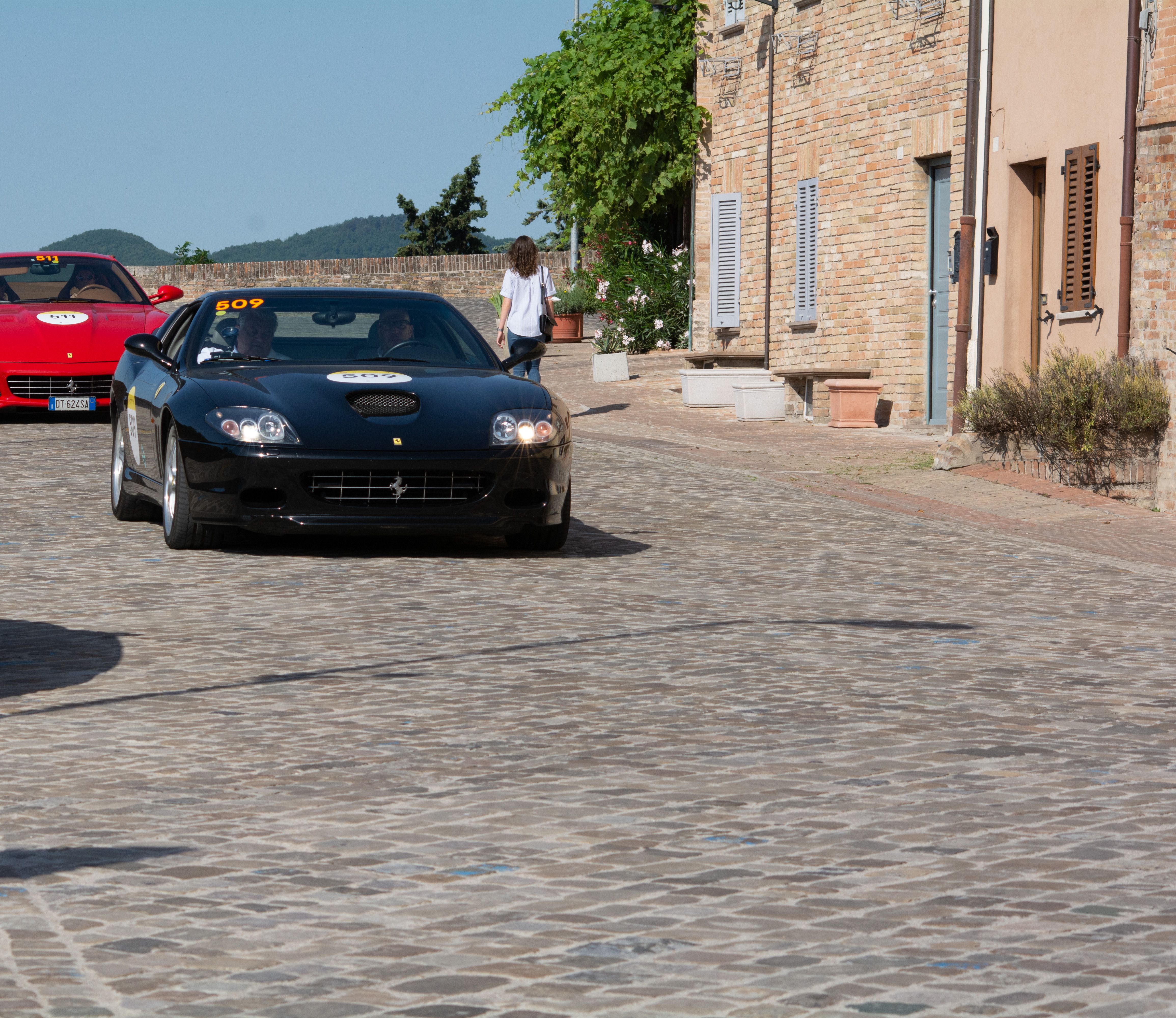
品牌世界驰名长盛不衰,为何这一地成就“跑车王国”?
Zhong Guo Qi Che Bao Wang· 2026-01-09 07:44
Core Viewpoint - Italy is renowned for its prestigious sports car brands, which have thrived due to a combination of historical significance, craftsmanship, and a unique production model that emphasizes quality over quantity [4][9][10]. Group 1: Historical Significance and Brand Development - Italy's automotive industry includes iconic brands such as Ferrari, Lamborghini, Maserati, Pagani, and Alfa Romeo, each with a rich history and unique characteristics [5][6][7]. - Ferrari, founded in 1929, initially focused on Formula 1 racing before expanding into road cars, achieving a record delivery of 7,195 new cars in 2011, solidifying its status in the global market [5]. - Lamborghini, established in 1963, faced bankruptcy in the 1980s but was revitalized under Audi's ownership, producing high-performance models like the Aventador SVJ and Huracan [6]. - Maserati, since its inception in 1914, has been synonymous with luxury and craftsmanship, competing closely with Ferrari [6]. Group 2: Production Model and Craftsmanship - The Italian automotive industry is characterized by a "small and beautiful" production model, focusing on handcrafted vehicles that offer personalized services to customers [9][10]. - Ferrari's production line in Maranello exemplifies this approach, with a daily output of 20 cars, emphasizing quality and meticulous attention to detail [9]. - Pagani produces only about 40 units of its Huayra model annually, showcasing the brand's commitment to craftsmanship and exclusivity [9]. Group 3: Cultural Impact and Market Position - The culture of racing in Italy intertwines with art, making Italian sports cars not just vehicles but expressions of passion and creativity [11][12]. - The unique Italian approach to automotive design and engineering has positioned these brands as luxury collectibles, appealing to a niche market of affluent consumers who value exclusivity and craftsmanship [10][12]. - The emotional connection to speed and performance in Italian racing culture enhances the allure of these brands, making them symbols of aspiration and achievement [11][12].


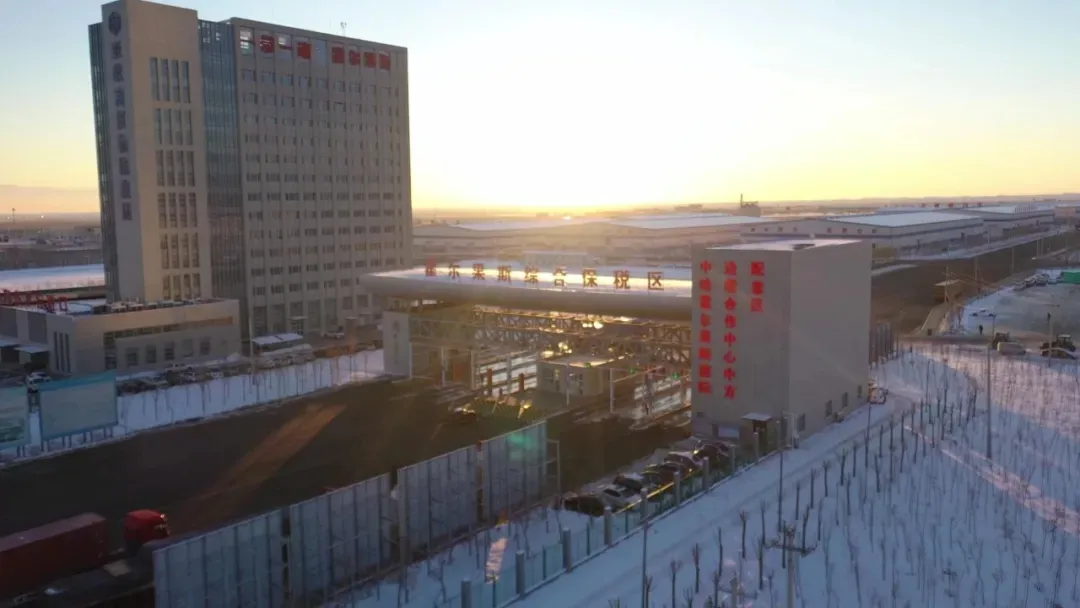
高效通关再增量,汽车出口在“西部陆路大通道”提速!
Zhong Guo Qi Che Bao Wang· 2026-01-09 06:46
Core Viewpoint - The export of automobiles through the Horgos Port in Xinjiang has reached a historical high, with 396,000 vehicles exported from January to November 2025, marking a 4.6% year-on-year increase, particularly driven by the rapid growth of new energy vehicles [2] Group 1: Horgos Port as a Key Export Hub - Horgos Port is a national-level first-class land port for automobile exports, serving as a comprehensive transportation hub that integrates road, rail, and air [3] - The port operates 24-hour customs clearance and employs smart logistics monitoring, significantly enhancing international logistics efficiency for exports [3] - Horgos Port has maintained its position as the leading cargo port in Xinjiang for seven consecutive years, facilitating the export of over 600 vehicles daily to Central Asia and Europe [3] Group 2: Policy and Local Support - Local policies and support have contributed to the port's success, including the development of a public information service platform for vehicle exports that allows for QR code-based customs appointments [4] - A regular meeting mechanism with Kazakhstan has been established to address cross-border cooperation challenges, ensuring smooth customs processes [4] - Tax refund and bonded warehousing policies have saved companies over 30 million yuan in logistics costs in the first half of 2025, enhancing their competitive edge in international markets [4] Group 3: Growing Market Demand - The demand for Chinese automobiles, especially new energy vehicles, is surging in Central Asia due to rapid infrastructure development and rising living standards [5] - In Kazakhstan, the demand for convenient urban commuting tools has increased, with Chinese cars and small SUVs becoming popular choices due to their cost-effectiveness [5] - Uzbekistan's construction boom has created a high demand for various engineering vehicles, with Chinese models being favored for their stability and reasonable pricing [5] Group 4: Comprehensive Service System - Horgos Port has established a complete service network covering customs clearance, logistics, and after-sales support, providing one-stop services for automobile exports [6] - The growth in automobile exports has stimulated the local economy, leading to the emergence of restaurants, hotels, and auto parts markets around the port [6] - This interdependent ecosystem fosters a virtuous cycle of export growth, job creation, and industrial upgrading [6] Group 5: Evolving Industrial Ecosystem - The rise in automobile exports has spurred the development of vehicle inspection services to ensure quality and safety, along with the growth of customs brokerage firms [8] - Financial services tailored for automobile exports are becoming more sophisticated, providing necessary funding and risk management for businesses [8] - Horgos Port is evolving from a simple transit point to a vibrant industrial ecosystem, driving sustainable local economic development [8] Group 6: Strategic Connectivity - Horgos Port is enhancing its connectivity with other regions through the China-Europe Railway Express, facilitating the aggregation of vehicles from various production areas for global export [9] - The port's development is supported by ongoing policy benefits and the Belt and Road Initiative, reducing trade barriers and expanding market opportunities for Chinese automobile exports [9] - The successful exploration of Horgos Port in the automobile export sector is setting a precedent for improving customs efficiency and lowering logistics costs, positioning Xinjiang as a key growth area for Chinese automobile exports [9]
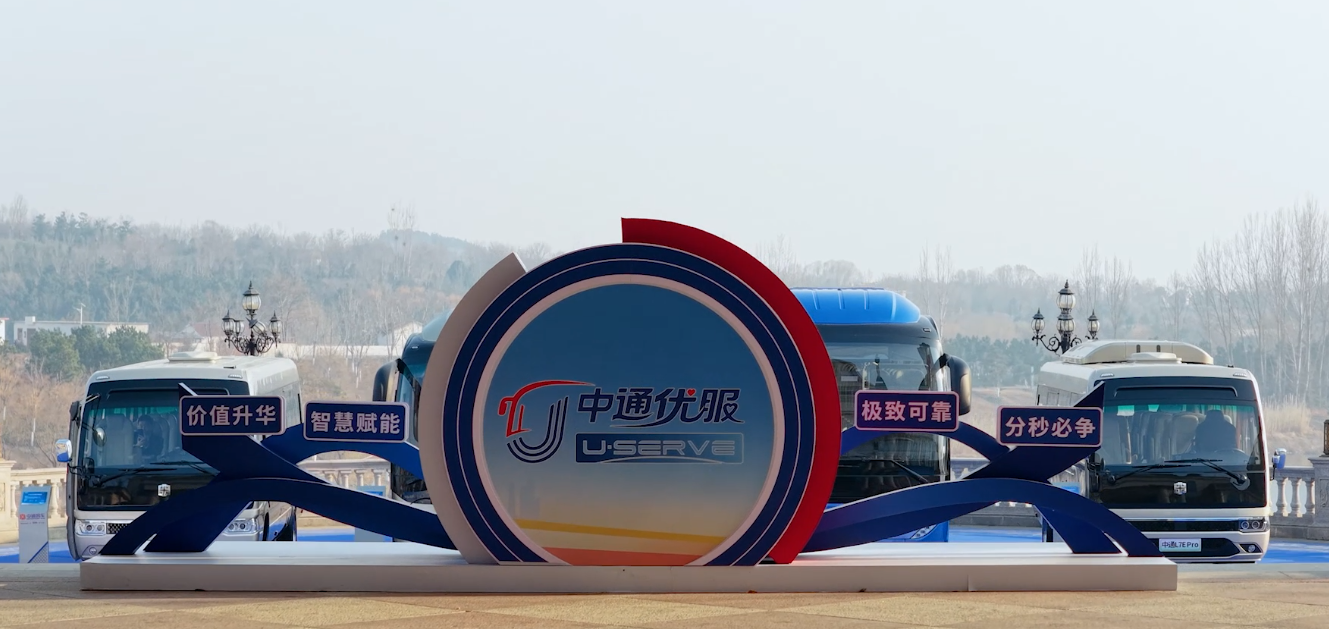
中通优服“六优”底层逻辑:全生命周期赋能,价值跃迁引领
Zhong Guo Qi Che Bao Wang· 2026-01-09 06:28
Core Insights - The bus industry is undergoing a transformation from traditional product competition to a focus on full lifecycle value, with after-market services becoming a key differentiator among companies [1][3] Group 1: Industry Trends - The introduction of the "Zhongtong Youfu U·Serve" service brand marks a significant shift towards a dual strategy of "product + service" in the bus industry, indicating a deep transition towards lifecycle value competition [3] - The ongoing "dual carbon" strategy and modernization of public transport systems are accelerating the demand for comprehensive lifecycle solutions rather than just repair services [4] Group 2: Challenges in After-Market Services - The traditional "fix it when it breaks" approach is a major barrier to high-quality development in the bus industry, leading to operational disruptions and revenue losses [6] - Current after-market services often fail to meet deeper user needs for residual value management and operational optimization, highlighting a gap in customized and proactive service offerings [6] Group 3: Zhongtong Youfu's Service Framework - Zhongtong Youfu's service model is built on a "Six Excellence" framework, which includes rapid response, efficiency, enjoyment, intelligence, resource selection, and ownership, creating a comprehensive service loop [8][10] - The "Youfu" service aims to enhance service speed and preventive measures, utilizing technology for real-time monitoring and predictive maintenance [8][10] Group 4: Ecosystem and Digital Transformation - The service strategy upgrade signifies that services are no longer just supplementary to product sales but are central to a company's competitive edge, setting a new benchmark for the bus industry [12] - Zhongtong Youfu leverages data-driven decision-making to optimize service delivery, moving away from reliance on experience to a model supported by operational data [14] - The initiative fosters a collaborative ecosystem among after-market service providers, promoting a unified standard and resource sharing to enhance service efficiency [14]

“全球第一岛”资源是个宝!竟可支持造10亿辆电动汽车?
Zhong Guo Qi Che Bao Wang· 2026-01-09 04:49
Core Insights - Greenland has become a focal point due to its vast natural resources and strategic location, with significant reserves of rare earth elements, oil, natural gas, and minerals essential for electric vehicle production [3][8][9] Resource Potential - Greenland's proven rare earth reserves amount to 28.2 million tons, ranking it among the top globally [3] - The island is estimated to hold up to 90 billion barrels of oil and over 1,600 trillion cubic feet of natural gas, which could significantly impact global energy dynamics [8] - Lithium reserves in Greenland, particularly at Cape Farewell, are estimated at 2.8 million tons, accounting for about 10% of the world's current lithium resources, attracting interest from companies like Tesla [9] Strategic Importance - Greenland's geographical position makes it a key hub for the Arctic shipping routes, which can save 9 to 15 days of transit time compared to traditional routes, enhancing its commercial viability [5][6] - The Arctic shipping routes are viewed as potentially transformative for global trade, akin to the Suez and Panama Canals [6] Environmental and Cultural Considerations - The indigenous Inuit population has a deep connection to the land, and large-scale industrial development could disrupt their traditional lifestyle and cultural heritage [10] - Experts emphasize the need for respecting indigenous rights and ensuring their participation in resource development to achieve sustainable growth [10]

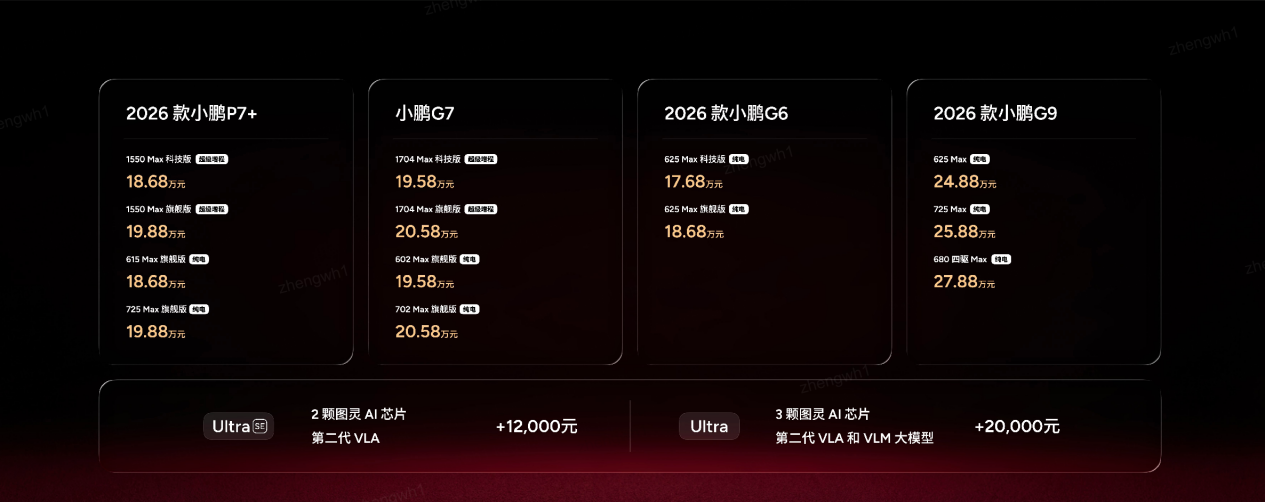
小鹏超级增程家族添新成员,2026款小鹏P7+售价18.68万元起,小鹏G7超级增程售价19.58万元起
Zhong Guo Qi Che Bao Wang· 2026-01-09 03:47
Core Insights - Xiaopeng Motors launched four new models at the 2026 Global Product Launch, including the P7+, G7 Super Range, G6, and G9, with global releases in 36 countries [1][10][37] - The P7+ is highlighted as the world's longest-range extended-range electric sedan, featuring both electric and extended-range versions with prices starting at 186,800 RMB [1][15] - The G7 Super Range boasts a comprehensive range of 1,704 km, making it a significant addition to the SUV market [23][25] Group 1: Product Launch Details - The 2026 P7+ offers two energy forms: extended-range and pure electric, with prices for the extended-range versions set at 186,800 RMB and 198,800 RMB [1] - The G7 is available in four versions, with prices ranging from 195,800 RMB to 205,800 RMB, while the G6 starts at 176,800 RMB [1] - The G9 features three versions with prices from 248,800 RMB to 278,800 RMB, showcasing Xiaopeng's commitment to diverse offerings [1] Group 2: Technological Advancements - The new models are equipped with the second-generation VLA and AIOS 6.0, enabling advanced intelligent driving and cabin experiences [4][8] - The second-generation VLA achieves L4-level capabilities, allowing for direct action generation from visual signals, marking a significant innovation in AI technology [4][6] - The AIOS 6.0 system enhances user interaction with a 3D navigation interface and proactive service capabilities, setting a new standard in smart cabin technology [8] Group 3: Performance and Efficiency - The P7+ achieves a pure electric range of 430 km and a combined range of 1,550 km, with a low energy consumption of 10.9 kWh/100 km in electric mode [15] - The G7 Super Range features a 55.8 kWh battery and a 60L fuel tank, allowing for a combined range of 1,704 km and a pure electric range of 430 km [25] - Both models support rapid charging capabilities, with the P7+ able to charge from 10% to 80% in just 12 minutes [15][25] Group 4: Safety Features - The P7+ meets dual five-star safety standards for China and Europe, incorporating advanced safety features such as a robust battery structure and a high-strength body [19] - The G7 Super Range includes comprehensive safety measures, with a battery pack featuring 17 safety protections and an active safety system for various driving conditions [29] - The vehicles are designed to provide a secure driving experience, with innovative safety technologies addressing complex road scenarios [19][29] Group 5: Market Position and Strategy - Xiaopeng Motors reported a 126% year-on-year increase in global deliveries, reaching 429,445 units in 2025, and aims to expand its market presence in over 60 countries [10] - The launch of these new models signifies Xiaopeng's strategic shift towards global markets, emphasizing its commitment to innovation and quality [10][37] - The company aims to integrate AI technology deeply into its products, enhancing user experience and establishing a strong foothold in the global automotive industry [37]