3 6 Ke

Search documents
中国公司全球化周报|腾讯出行服务支持20个国家和地区境外打车/比亚迪正式进入埃及市场
3 6 Ke· 2026-02-14 02:16
Group 1: Events and Forums - The "Dubai Business Forum - China" will take place in Shenzhen on May 14, 2026, focusing on economic collaboration and investment opportunities between China and Dubai [2] - A closed-door sharing session on Japanese robot market entry will be held in Shenzhen on March 12, organized by JETRO and 36Kr [3] Group 2: Company Developments - Tencent's ride-hailing service has integrated with Uber, supporting services in 20 countries and regions, including Hong Kong and Japan [4] - Temu has partnered with DEKRA to enhance product safety compliance for electronic goods on its platform [4] - BYD has officially entered the Egyptian market in collaboration with Mansour Group, showcasing three new car models [4] - AITO announced its entry into the UAE market through a partnership with Abu Dhabi Motors [5] - FAW Jiefang signed a strategic agreement with a Saudi dealer for the first batch of 500 vehicles [5] - Junlian Zhixing showcased its intelligent automotive solutions at Volkswagen's global headquarters [5] Group 3: Financing and Investments - Qunche Intelligent has completed a multi-hundred million yuan Series A financing round, with participation from several overseas funds [8] - Hexin Power has secured several million yuan in angel round financing, focusing on agricultural intelligent solutions [8] - Bee Technology, a subsidiary of Zhiyuan Robotics, has completed several hundred million yuan in seed and angel round financing [8] - MossCode, an AI smart sports wear brand, has completed several million yuan in angel round financing, planning to launch in the European and American markets in 2026 [9] - Starry Dream House has completed a total of 80 million yuan in financing, with significant orders secured in Australia [9] Group 4: Market Trends and Policies - The surgical robot market is expected to grow significantly, with AI enabling autonomous operations and enhancing remote surgery capabilities [10] - By 2025, global humanoid robot shipments are projected to reach 17,800 units, with Chinese manufacturers leading the market [11] - China is deepening trade cooperation with South Africa and Kenya, aiming for zero-tariff access for products [12] - China's digital trade surplus is expected to double by 2025, driven by rapid growth in cloud computing and AI sectors [12]




夜店走出黄金时代 ,但晚9朝5的年轻人需要新乐园
3 6 Ke· 2026-02-14 02:16
1991年,Juliana's Tokyo在东京芝浦海滨开业,穿着紧身连衣裙的辣妹们在灯光和烟雾中翩翩起舞,白领和学生们涌入舞池,挥舞着羽毛扇, 如同挥舞着战旗。他们高喊着「Julianers,东京!」的口号,这被称为是「不向经济衰退低头的狂欢战歌」。 整个20世纪里,夜店文化一度达到顶峰:从纽约的爵士俱乐部到柏林的卡巴莱,夜店曾是激情与创意的聚集地,包括波普爵士乐的诞生,以及 艺术摇滚的试验起源。 然而,今天的夜店已走出了它的黄金时代。年轻人不像过去那样对夜店充满热情,从英美到全球,许多堪称一代传奇的标志性夜店都面临倒闭 的命运。 传统夜店失去吸引力的背后,是酒精消费在全球范围内的普遍下降。 换句话说,酒精消费虽然有所下降,但酒精背后的精神释放需求并没有改变,它只是转而以其他的面貌出现。 这也意味着,今天的夜店承载了比以往更复杂的需求。夜店需要在酒精之外,探索人们更为本质的精神世界,落地成产品,并让它变得更便 宜、更唾手可及,以此作为差异化的生存手段。 由此,夜店业态出现了过去难以想象的更新。 在中国,以INS新乐园为代表的新型夜店掀起了行业变革,比起依赖酒精收入的传统夜店,新型夜店更注重产品的多元化,试图 ...
比除夕更早吃上硬菜的人,在东北的绿皮上
3 6 Ke· 2026-02-14 02:04
Core Viewpoint - The article highlights the cultural significance of food among Northeastern Chinese people during long train journeys, particularly during the Spring Festival, showcasing their communal and generous spirit in sharing meals on trains [1][4][10]. Group 1: Train Journey Experience - Northeasterners prioritize good food on long train rides, often preparing elaborate meals to share with fellow passengers, creating a lively and communal atmosphere [1][4]. - The experience on a Northeastern train is characterized by social interactions, where sharing food leads to spontaneous conversations and connections among passengers [5][10]. - The unique food culture on these trains includes traditional dishes like "dried tofu" and various cured meats, which are easy to share and enjoy during the journey [8][9]. Group 2: Cultural Significance - The article describes the train as a microcosm of Northeastern culture, where the lively interactions and shared meals reflect the region's hospitality and warmth [10][14]. - Special themed trains, such as the "Northeast Folk" train, enhance the travel experience by incorporating local cuisine and cultural performances, further immersing passengers in the region's traditions [14]. - The mention of "Shanhaiguan Station" signifies a cultural landmark for Northeasterners, symbolizing the transition back home and evoking a sense of nostalgia and belonging [14].

万象天地、金铂中心、山姆…2026佛山商业大年来了!
3 6 Ke· 2026-02-14 02:04
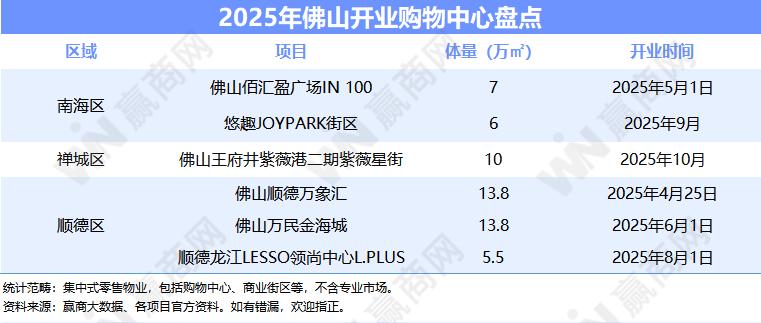
相比2024年的开出的7个购物中心、42.9万㎡体量,开业数量表现持续放缓,但新增供应体量回暖,佛山整体存量进一步承压前行。 即便如此,2025年佛山市场仍不乏有高关注度项目入市。 华润置地湾西首个重资产项目、华润万象生活进驻佛山首发项目顺德万象汇,携340余家品牌、超50%佛山或顺德首店亮相。项目商业建筑面积近13.8万 ㎡,是顺德最大商业综合体,也是华南体量最大万象汇。 万民金海城作为佛山新城最大商业综合体,商业体量达13.8万㎡,以95%新城首店、18米室内流水瀑布、假一罚十/不好吃包退、高达85项免费服务等内容 重构区域消费场景。 刚过去的2025年,据赢商大数据统计,佛山开出了6个购物中心,新增56.1万㎡商业体量。 | | 2025年佛山开业购物中心盘点 | | | | --- | --- | --- | --- | | 区域 | 顾目 | 体量(万m2) | 开业时间 | | 南海区 | 佛山佰汇盈广场IN 100 | 7 | 2025年5月1日 | | | 悠趣JOYPARK街区 | 6 | 2025年9月 | | 禅城区 | 佛山王府井紫薇港二期紫薇星街 | 10 | 2025年10月 | ...
中部大省,“千亿县”再+1
3 6 Ke· 2026-02-14 01:57
据决策杂志消息,2月12日,合肥市肥东县正式发布,2025年全县地区生产总值达到1001.3亿元,增长 6.5%。2025年,肥东县社会消费品零售总额增长7.8%。汽车是肥东县消费市场的支柱产业,全年汽车 零售额达127.9亿元,同比增长24%,其中新能源汽车零售额102亿元,同比增长49.9%。 对比周边,以2024年的数据来看,江苏县域生产总值为52208.51亿元,浙江县域生产总值为38858.92亿 元,分别是安徽县域的2.1倍、1.61倍。与中部其他地区相比,2024年河南县域生产总值为32694.98亿 元,湖南县域生产总值为33778.21亿元,分别是安徽县域的1.36倍、1.4倍。 今年安徽省两会期间,安徽省省长王清宪参加省政协十三届四次会议民革、民建、经济界联组会,主题 正是"推动县域经济高质量发展"。王清宪指出,要走好创新驱动、晚起步高起点的路子,紧扣主导产业 需求,持续捕捉、对接和导入创新资源,在科技创新和产业创新深度融合中提升产业竞争力。 着眼未来五年,安徽"十五五"规划建议中也提到,要持续壮大县域经济。支持基础好、潜力大的县 (市)冲刺千亿级经济总量。优化县域特色产业集群布局,构建农 ...
清华系具身大脑公司两月融资数亿元,接入家庭具身设备量第一、切入全尺寸机器人赛道|硬氪首发
3 6 Ke· 2026-02-14 01:34
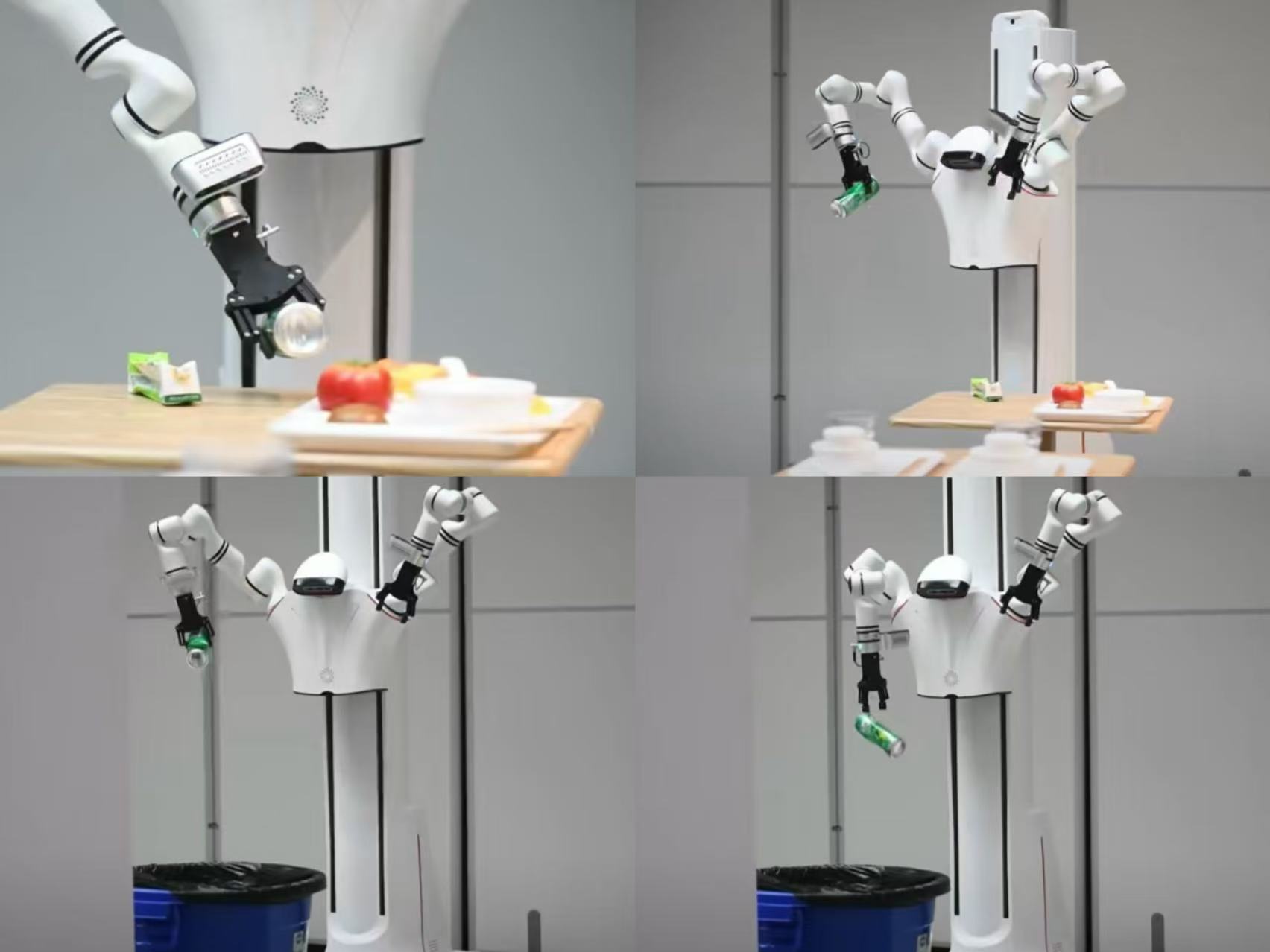
作者|黄楠 编辑|袁斯来 硬氪独家获悉,具身大脑企业千诀科技近日完成Pre-A++扩展轮融资,至此Pre-A++轮次融资完成,投资方包括祥峰资本、智路资本、英诺天使、钧山资 本、集美创投、南创投及京铭资本,Maple Pledge枫承资本长期出任私募股权融资顾问。 本轮资金将重点投向全尺寸机器人规模化交付、自动化数据管道搭建与核心团队扩充。这也是公司两个月内完成的又一轮融资。 当具身智能行至产业化深水区,业界关注的焦点已从参数规模的比拼,悄然转向多场景穿透力与落地成本的把控。 传统机器人或依赖预设编程,要么需要改造环境才能稳定工作,激光雷达等硬件的高成本与适配难题,更让规模化落地举步维艰。自2023年成立以来,千诀 科技长期聚焦具身世界模型研发,以类脑计算架构打造了"具身大脑"产品。它无需遥控与规则编程,即可进行"感知-决策-行动"全闭环自主工作,实现全球 范围内世界模型在家庭场景下的率先落地。 此前,千诀科技的主要落地载体多集中于诸如小型人形机器人的半尺寸具身产品品牌,其核心功能以自主通用感知决策为主,家庭具身设备接入台数居行业 第一;同时还新增了全尺寸机器人业务线,现已小批量应用于家庭、餐饮等场景,可以执 ...

AI驱动的凡勃伦经济:物质极大丰盈之后,人类社交地位的唯一通货只剩下了“稀缺”
3 6 Ke· 2026-02-14 00:03
神译局是36氪旗下编译团队,关注科技、商业、职场、生活等领域,重点介绍国外的新技 术、新观点、新风向。 编者按:生产力爆发后,稀缺性将由"人"定义。当AI能搞定一切,昂贵的不再是技术,而是毫无效率 的"真人制造"。文章来自编译。 最近,网上关于后AGI(通用人工智能)时代的经济学讨论异常火热。比方说,Philip Trammell和 Dwarkesh Patel主张对资本征税,理由是:一旦AI能比人类更高效、更廉价地完成工作,除非我们进行 大规模的财富再分配,否则人类将陷入赤贫。其论点大致如下: 但上述论点的前提是,最终的商品消费者并不在乎这些东西是由人还是由机器生产的。在下文中,我将 论证,有充分的证据表明事实并非如此。 溯古追源…… 关于致富的社会,最有趣、最令人费解且持久的事实之一就是其生育率下降。你可能认为这是近期现 象,但它已经持续了至少一个世纪。这一趋势在总和生育率(TFR)数据中清晰可见。如果变富意味着 社会拥有更多资源、时间和寻找配偶的能力,那为什么我们没有生活在一个富人拥有无数孩子的马尔萨 斯式世界里呢? 在现代经济里,财富是由金钱定义的。通常这意味着对有着明确价格的资产的所有权。但纵观人类 ...
“三亚贵得去不起”的故事被反复讲述,今年春节谁在涌入?
3 6 Ke· 2026-02-13 13:13
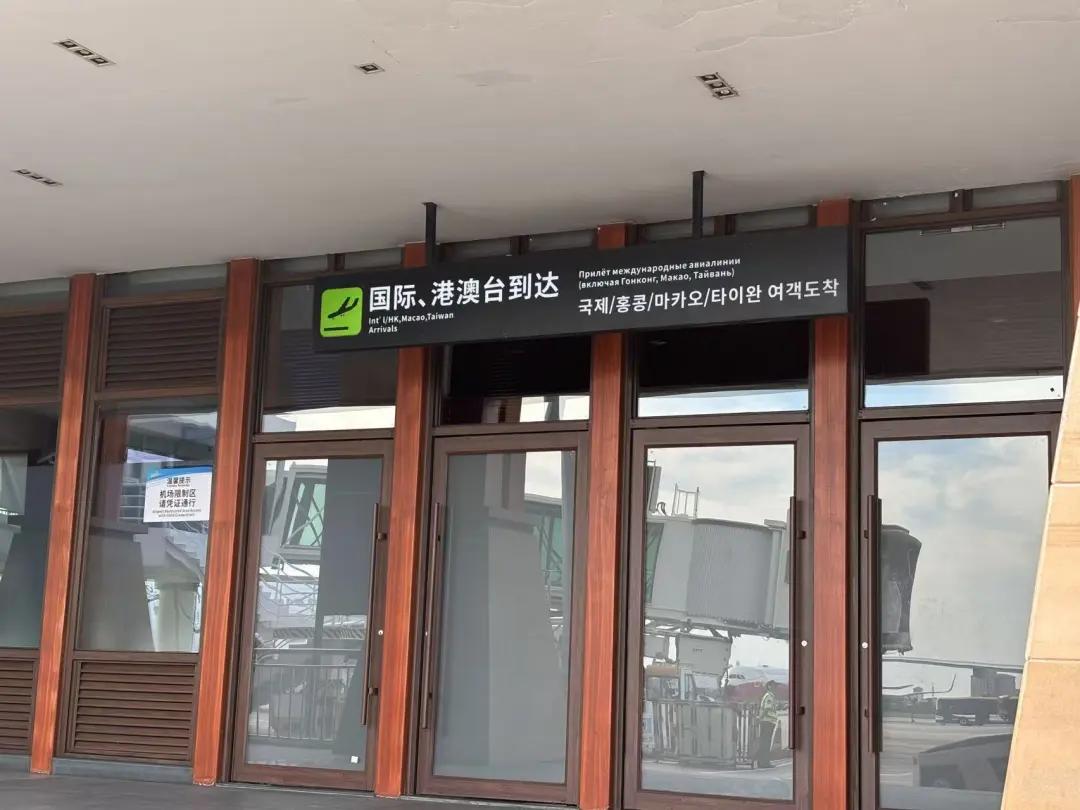
"去年我住的也是这个房子,但今年起飞前一天,老板临时通知房子不能住了,让我自己解决。" 一个"三亚贵得去不起"的故事正在被反复讲述。但在三亚做了七年导游的阿屿看来,三亚并非今年才贵,而是每年都贵。真正让他察觉到变化的,是一群 正在改变这座旅游城市消费逻辑的年轻人。他的社交媒体后台日均会涌入五六百条咨询信息,其中超过30%来自95后、00后,咨询量相较去年增长了两 倍。 春节旅游强势回归,三亚重回热门目的地 与去年相比,阿屿感觉今年春节三亚的游客又回来了。 2025年春节假期,受西岛、蜈支洲岛游客滞留事件所引发的口碑危机影响,加之三亚高消费标签被进一步放大,以及哈尔滨冰雪游等性价比高的旅游目的 地形成强势分流等多重因素作用,三亚的游客数量明显减少。三亚市旅游和文化广电体育局的数据显示,2025年春节假期前四天,三亚主要景区景点接待 的游客量同比下降超过20%,被业内人士称为"最冷清的春节"。 三亚机场出口处 图片来源:每经记者 舒冬妮 摄 而在即将来临的2026年春节,也就是海南全岛封关运作后的首个春节,三亚的旅游热度正以更为迅猛的态势回归。 北京的李先生每年都会前往三亚过冬。早在去年12月初,他就在三亚预订好 ...
是时候该重估零食量贩店的投资价值
3 6 Ke· 2026-02-13 13:12
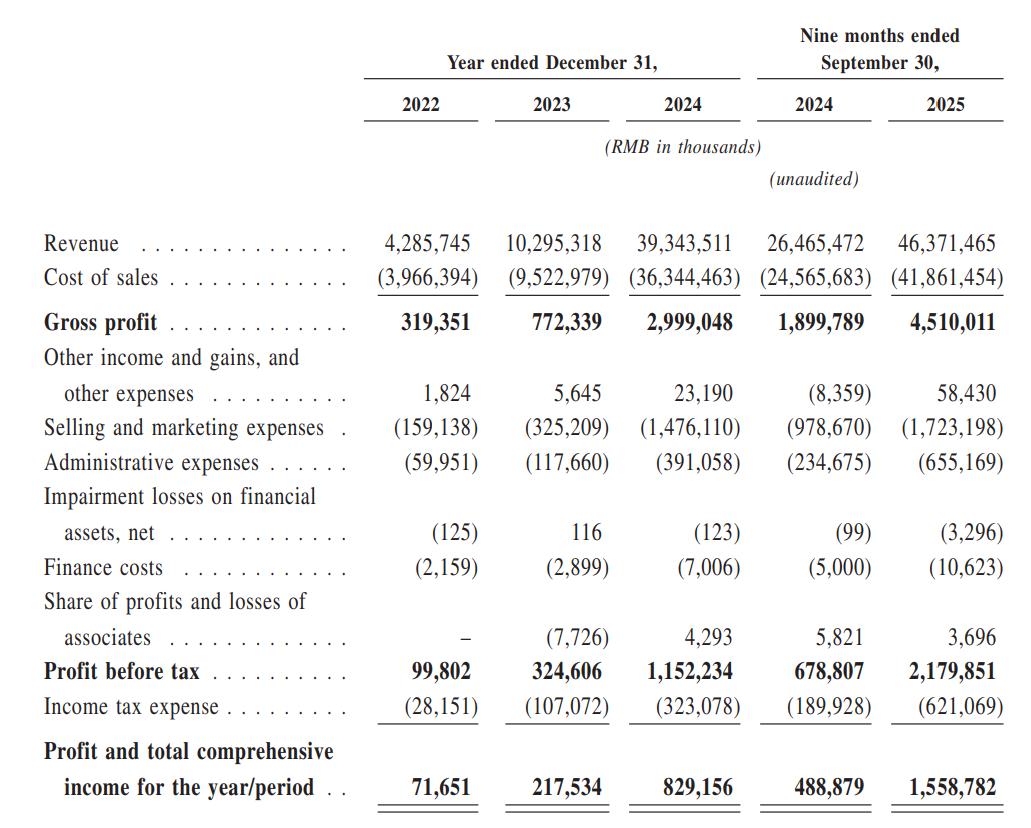
Core Viewpoint - The rapid growth of the snack retail sector, particularly the bulk snack stores represented by "Ming Ming Hen Mang," indicates a shift in consumer habits and market dynamics, positioning these stores as sustainable retail models rather than short-lived trends [2][19]. Group 1: Market Performance - "Ming Ming Hen Mang" experienced a significant IPO, with the Hong Kong public offering oversubscribed by approximately 1,899 times, raising over 500 billion HKD in frozen funds [3] - On its first trading day, the stock opened at 445 HKD, reflecting an 88.08% increase from the issue price of 236.6 HKD, and closed at 400 HKD, a 69.06% rise [3] - As of February 3, the stock price stabilized between 405 and 408 HKD, maintaining a market capitalization of around 870 to 880 billion HKD [3] Group 2: Financial Health - For the nine months ending September 30, 2025, "Ming Ming Hen Mang" reported revenue of 46.37 billion RMB, a year-on-year increase of 75.2%, with adjusted net profit soaring by 240.8% to 1.81 billion RMB [5] - The gross profit margin improved from approximately 7.5% in 2022 to 9.7% in 2023, while the net profit margin increased from 1.8% to 3.3% [6][7] - The company is transitioning from a "thin profit" model to a "thicker profit" approach, indicating a shift towards sustainable profitability [7] Group 3: Market Dynamics - The bulk snack retail sector has seen explosive growth, with the number of stores reaching approximately 45,000 by the end of 2025, a significant increase from about 1,800 in 2020 [16][17] - The market size for bulk snacks is projected to exceed 140 billion RMB in GMV by 2024, with the sector's share of the overall snack retail market rising from 7.6% in 2019 to 14% in 2024 [16] - "Ming Ming Hen Mang" and its competitor "Hao Xiang Lai" together hold over 70% of the market share, establishing a stable duopoly in the sector [18] Group 4: Competitive Landscape - Both "Ming Ming Hen Mang" and "Hao Xiang Lai" are expanding rapidly, with "Ming Ming Hen Mang" surpassing 21,000 stores and "Hao Xiang Lai" exceeding 15,000 stores, covering extensive geographic areas [17][9] - The two companies are well-positioned to capture the growing demand in lower-tier markets, which are expected to account for a significant portion of consumer spending growth by 2030 [18] Group 5: Strategic Insights - The operational model of "Ming Ming Hen Mang" emphasizes high inventory turnover and cost control through a flexible supply chain, which has led to improved gross margins [8] - The company is focusing on expanding its store network and enhancing its product offerings to meet evolving consumer preferences, particularly in lower-tier markets [8][27]
上海80后“卖螺丝”:9个月收入11亿,港股IPO
3 6 Ke· 2026-02-13 13:11
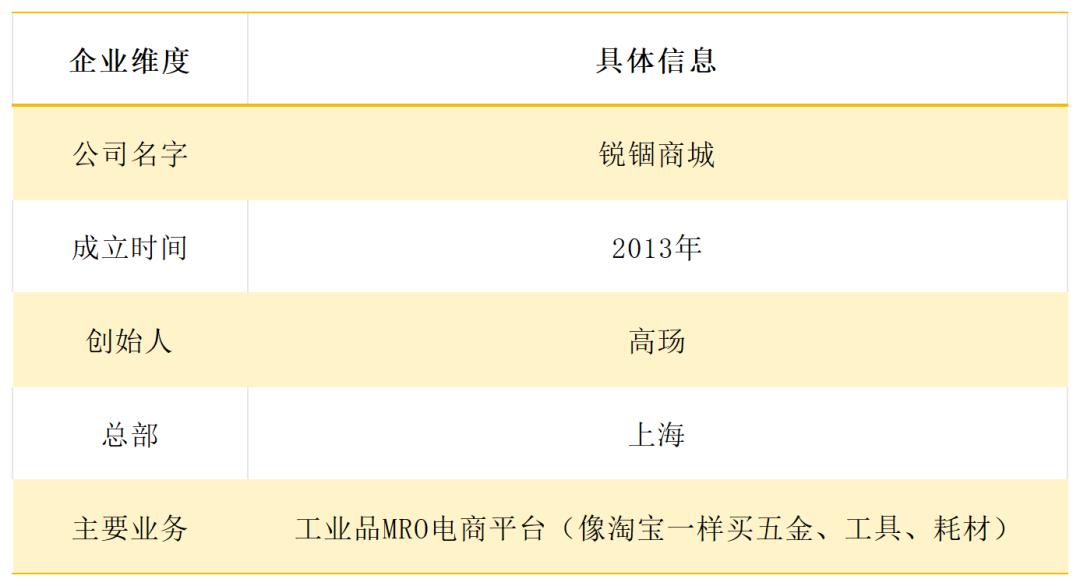
Core Insights - RuiGu Mall, founded in 2013, has become a significant player in the industrial MRO e-commerce sector, serving as an "invisible supplier" to 220,000 hardware stores, but has yet to achieve profitability, with a cumulative net loss of nearly 1.9 billion yuan from 2023 to the first nine months of 2025 [1][8]. Company Overview - Company Name: RuiGu Mall [2] - Founded: 2013 [2] - Founder: Gao Chang [2] - Headquarters: Shanghai [2] - Main Business: Industrial MRO e-commerce platform [2][3] Business Model and Market Position - RuiGu Mall targets the industrial MRO market, facilitating online transactions for various factory components and tools, akin to a Taobao for industrial supplies [3][6]. - The platform connects upstream suppliers with downstream hardware stores and factories, enhancing procurement efficiency [6][12]. - As of 2022, RuiGu Mall was valued at over 6.9 billion yuan and holds an 8.1% market share in the domestic online MRO procurement sector, ranking second [8][17]. Financial Performance - In 2023, RuiGu Mall reported total revenue of 5.05 billion yuan with a net loss of 6.38 billion yuan [9]. - For 2024, projected revenue is 8.77 billion yuan with a net loss of 7.74 billion yuan [9]. - As of September 30, 2025, the company generated approximately 11.24 billion yuan in revenue with a net loss of 5.24 billion yuan [9]. Industry Context - The MRO procurement service market in China reached 3.7 trillion yuan in 2024, expected to grow to 4.5 trillion yuan by 2029, with a compound annual growth rate of about 4.2% [17]. - The MRO sector has evolved through various stages, with RuiGu Mall emerging during the rise of industrial e-commerce post-2010 [10]. Technological Trends - The MRO procurement landscape is being transformed by AI and big data, which are expected to streamline processes such as sourcing, price comparison, and ordering [18][22]. - Future advancements may significantly reduce procurement cycles and errors, enhancing overall efficiency in the sector [20][22].