3 6 Ke

Search documents
不想回家的游戏人:难解的代沟、回避、逃离
3 6 Ke· 2026-02-13 13:00
我记得很清楚,事情好像就发生在今天一样。 大家坐在翁布罗萨我家别墅的餐室里,几扇窗户都嵌满了花园里那棵高大的圣栎树的繁茂枝条。时间正当中午,我们全家人按照老规矩在这个时候坐到餐 桌边。我记得有风从海上吹来,树叶抖动。 柯西莫说:"我说过不要,我就是不要!"他推开那盘蜗牛,爬上那棵圣栎树,从此一辈子都没有下来。 电话那头的瑞明逐字逐句地给我念着这段文字,它来自卡尔维诺的著作《树上的男爵》,讲述了一个几乎在树上度过一生的人的故事——为了反抗某些东 西。瑞明说这本书给了他一些勇气,往年,他会被父母说服,老实遵循过年回家的"铁律"。他想不到什么不回去的理由,但今年他却找了个借口称公司临 时加班,成功留在了上海。 至于春节要做什么,他也没想好,"只是单纯地觉得有点太累了,想找个时间自己静静地待一阵"。他说自己今年买了不少游戏,但都没有时间玩,可能会 忘掉一切狠狠地玩上几天,也可能就在家里一直睡。 末了,他反悔似地问我这段能不能不写出来,被采访让他很兴奋,想点赞转发,但又怕父母看到难过。他最后还是说:"算了,也没什么(好遮掩的)。" 百口莫辩的工作 这篇文章关于那些过年不想回家的游戏人,总的来说,每个人的处境都极其相似。 ...

于东来即将退休, 胖东来的“分钱术”能否脱离老于继续存在?
3 6 Ke· 2026-02-13 13:00
Core Insights - The retirement of Yu Donglai, the founder of Pang Donglai, raises questions about the future identity and operational model of the company, as he has been a central figure in its culture and success for 30 years [1][2][4] Group 1: Leadership Transition - Yu Donglai announced his retirement on February 11, 2025, transitioning to a consultant role, emphasizing the need for younger leaders to take on responsibilities [1] - The decision-making will now be led by a committee, marking a shift from a founder-centric model to a collective decision-making approach [3][5] - This transition is seen as a significant challenge in the retail industry, where founder-led companies often struggle to maintain their identity post-retirement [2][3] Group 2: Company Culture and Employee Compensation - Pang Donglai has a unique compensation structure where 95% of profits are distributed to employees, with average salaries significantly higher than local competitors [6][8] - The company emphasizes employee rights and well-being, allowing staff to take breaks if faced with unreasonable customer behavior and mandating time off for rest [7][8] - The distribution model designed by Yu Donglai is considered a key factor in the company's success, raising concerns about whether it can be maintained without his direct influence [9] Group 3: Market Position and Expansion Challenges - Despite its success, Pang Donglai has remained largely regional, with only 15 stores concentrated in Henan, contrasting with competitors like Sam's Club and Costco, which have expanded rapidly [10] - Yu Donglai has historically prioritized quality over scale, expressing skepticism about the challenges of maintaining service standards while expanding [10] - The decision-making committee will face critical strategic choices regarding potential expansion beyond its current geographic limitations [10] Group 4: Brand Identity and Consumer Trust - Yu Donglai's personal brand has become integral to Pang Donglai's identity, with customers expressing loyalty based on his reputation [11][12] - The company will now confront the challenge of maintaining consumer trust and brand value without the founder's presence, marking a significant test of its operational model [11][12]
春节前放大招,新一代SU7到店,却出现两极评价?
3 6 Ke· 2026-02-13 12:57
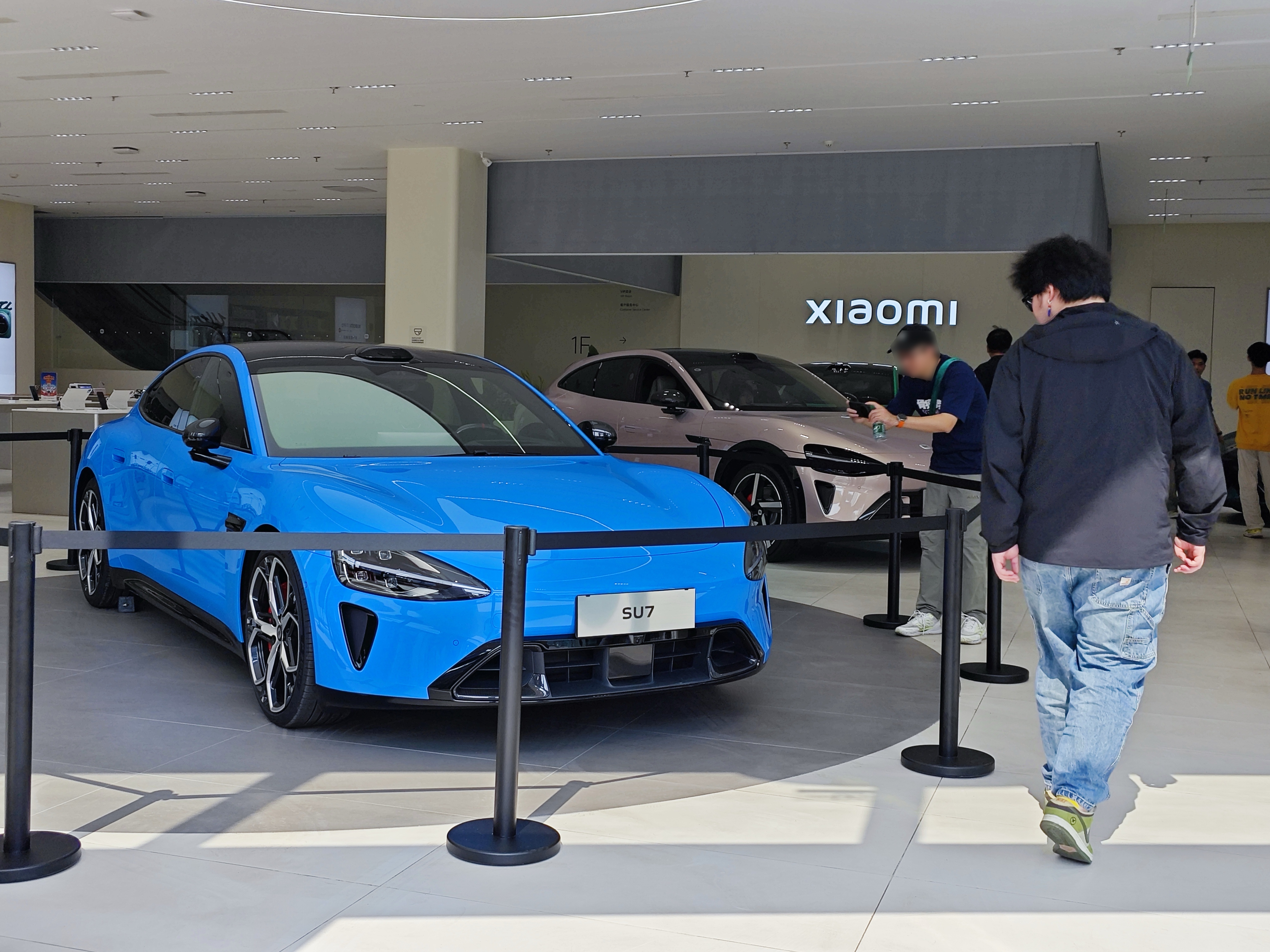
Core Viewpoint - The new generation of Xiaomi SU7 is set to be released in April, with pre-sales already initiated, indicating Xiaomi's confidence in the vehicle despite a price increase compared to the previous model [1][4][20]. Group 1: Product Features and Upgrades - The new SU7 features enhancements in range, chassis, and safety, with a pre-sale price that is higher than the current model, suggesting a shift away from the "more for less" strategy [4][20]. - Key upgrades include a redesigned door handle with a mechanical emergency structure for improved safety, and a significant increase in the use of soft-touch materials in the interior for enhanced comfort [12][16]. - The new model's aesthetic appeal is highlighted by features such as a new 21-inch wheel design and a distinctive Capri Blue color, which are expected to attract consumers [8][12]. Group 2: Market Reception and Consumer Sentiment - The reception at Xiaomi's Guangzhou store has been positive, with a mix of potential buyers expressing interest in both the new model and comparisons to the old one, indicating a strong market presence [21][34]. - There is a noticeable divide in consumer perception; some potential buyers appreciate the quality upgrades, while others are skeptical about the price increase given the similarities in appearance to the previous model [26][30]. - The shift in strategy reflects a broader trend in the electric vehicle market, where consumers are increasingly valuing quality and experience over just price and specifications [30][35].

地平线来了新总裁,朱威如何带团队冲刺商业化?
3 6 Ke· 2026-02-13 12:54
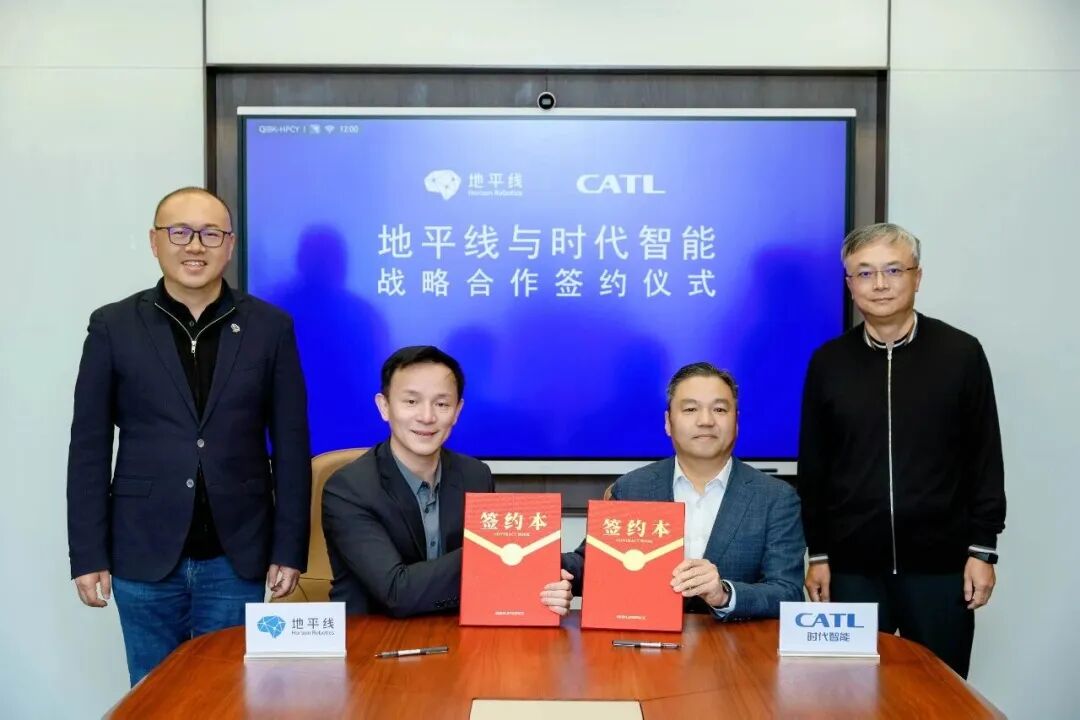
Core Viewpoint - Horizon has announced a strategic partnership with CATL's subsidiary, Times Intelligent, which signifies a significant collaboration in the automotive technology sector, particularly in smart driving and battery systems [1][12]. Group 1: Strategic Partnership - The partnership involves Times Intelligent providing its Rock Solid chassis products and technology, which enhances battery integration efficiency and allows for concurrent development with vehicle body and smart driving modules [13]. - Horizon will contribute its full-scene assisted driving products and solutions, including the recently launched Horizon HSD, marking a significant step in automotive intelligence [13][14]. - This collaboration is expected to help both companies reduce costs and improve competitiveness in the industry [14]. Group 2: Leadership Changes - Zhu Wei has been appointed as the new president of Horizon, previously serving as the executive president at CATL, indicating a strategic shift towards commercialization [3][19]. - The former president, Chen Liming, will transition to the role of vice chairman, focusing on major strategic decisions and governance improvements [3][19]. - Zhu Wei's extensive experience in sales and partnerships within the electric vehicle sector is anticipated to accelerate Horizon's market penetration and enhance its operational capabilities [16][19]. Group 3: Market Position and Challenges - Horizon has achieved a market share of approximately 46% in the ADAS market as of the first half of 2025, becoming the first domestic brand to exceed a cumulative shipment of 10 million smart driving chips [22]. - Despite this success, Horizon faces challenges such as increasing competition, price wars, and dependency on major clients, with 71.8% of its revenue in 2024 coming from its top five clients [28][29]. - The company is also under pressure to innovate and reduce costs, as competitors are rapidly advancing in technology and pricing strategies [24][31]. Group 4: Future Outlook - Horizon aims to expand its presence in the international market, leveraging Zhu Wei's experience to navigate competitive landscapes against global giants like Qualcomm and NVIDIA [18][31]. - The company has set ambitious goals for the next few years, including a target of producing 10 million HSD units and significantly enhancing smart driving capabilities in urban environments [34]. - To achieve these objectives, Horizon will need to invest in research and development, streamline costs, and accelerate the commercialization of its products [34].

“美版支付宝”掉入估值陷阱
3 6 Ke· 2026-02-13 12:51
Core Viewpoint - PayPal's stock has declined significantly, dropping 25.32% since its Q4 2025 earnings report, and over 54% since the beginning of 2025, reflecting concerns about its growth prospects and market position [1][3]. Financial Performance - In Q4 2025, PayPal reported revenue of $8.68 billion, a 3.7% year-over-year increase, which was below analyst expectations of $8.78 billion [3][4]. - Adjusted earnings per share (EPS) for Q4 were $1.23, a 3.4% increase year-over-year, also missing the expected $1.28 [4]. - For the full year 2025, PayPal's revenue was $33.172 billion, up 4.3%, with an EPS of $5.41, slightly above the forecast of $5.36 [4]. Business Challenges - PayPal's core business indicators are showing a slowdown, particularly in its brand payment services, which saw only a 1% growth in total payment volume in Q4, significantly lower than the usual 5% [5]. - The company is facing increased competition from Apple Pay and Google Pay, which are eroding its market share in the e-commerce payment sector [5][8]. - The number of net new active accounts has stagnated, with only 1.2 million net additions in 2025, reflecting a growth challenge [5]. Management Changes - Following the disappointing earnings report, PayPal announced a change in leadership, with Enrique Lores replacing Alex Chriss as CEO, raising concerns about the company's strategic direction [2][6]. Market Valuation - PayPal's current price-to-earnings (P/E) ratio is 6.9, significantly lower than the median P/E of 20 for its peers, indicating a substantial discount in valuation [2][8]. - The valuation decline is attributed to structural flaws in its business model, as it lacks the native commercial ecosystem support that competitors like Apple Pay and Google Pay benefit from [8][9]. Competitive Landscape - PayPal's average transaction fee is approximately 1.7%-2.0%, higher than some emerging payment service providers, which may hinder its competitiveness as merchants become more cost-sensitive [9]. - The total number of payment transactions in Q4 2025 was 6.8 billion, a mere 2% increase year-over-year, indicating declining bargaining power with merchants [9]. Offline Expansion Challenges - PayPal faces significant barriers to expanding its offline business in the U.S., where the credit card system dominates, and the market is characterized by high entry barriers [10][11]. - The fragmented nature of offline payment scenarios complicates PayPal's ability to optimize user experience and achieve scale [11][12]. Future Outlook - PayPal's guidance for 2026 suggests a potential decline or minimal growth in adjusted EPS, indicating ongoing growth challenges [7]. - The new CEO will need to develop a clear transformation strategy, focusing on enhancing merchant services and optimizing fee structures to compete effectively [12].
62家游戏公司年会奖品:千万房产、百克黄金,一口气送六辆车?
3 6 Ke· 2026-02-13 12:42
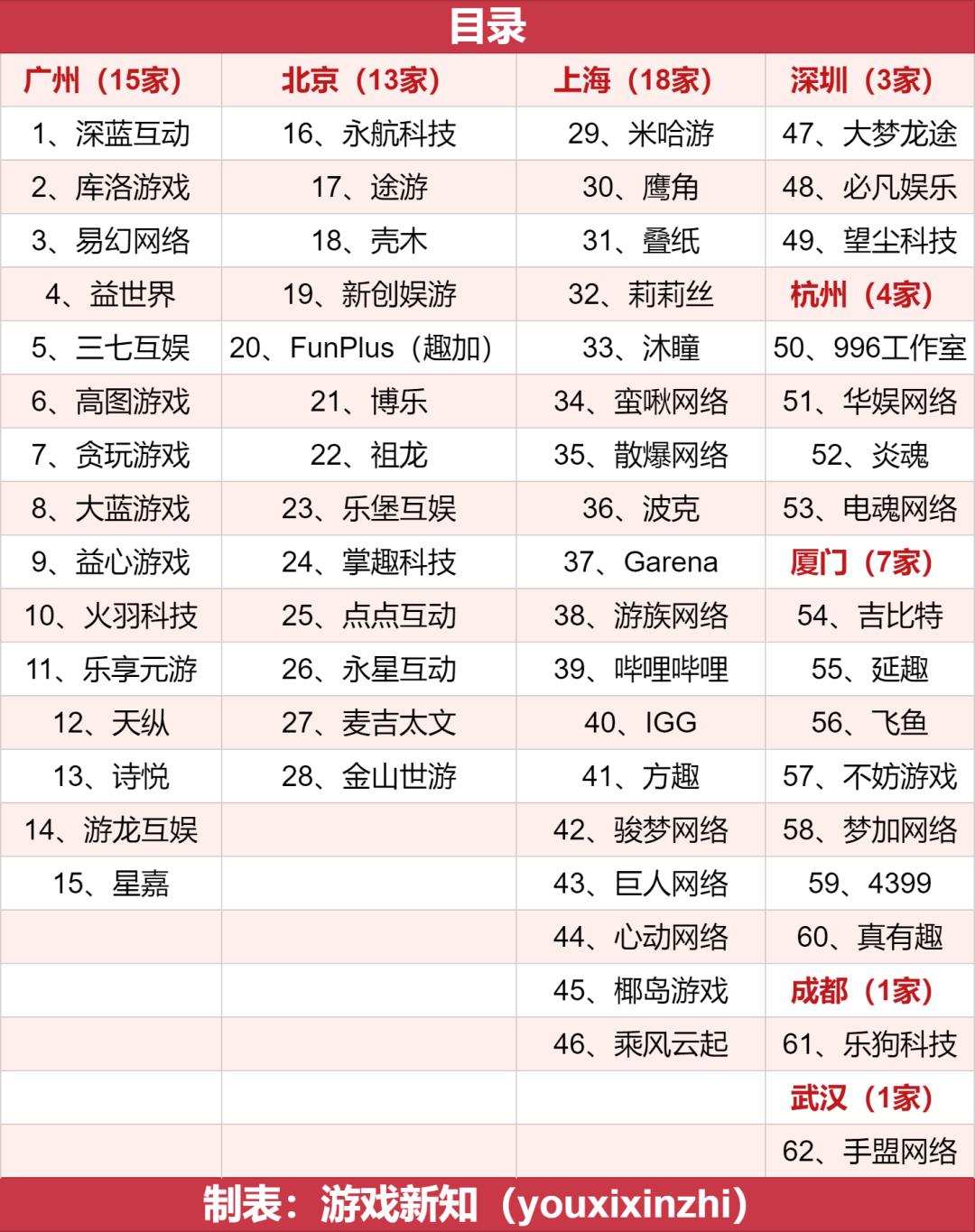
Core Insights - The article discusses the extravagant prizes offered by various gaming companies during their annual year-end parties, highlighting a trend towards high-value items such as gold, cars, and luxury electronics as rewards for employees [1][2]. Group 1: Prize Trends - Many companies have shifted from traditional prizes like smartphones to more luxurious items, with gold becoming a prominent choice this year [2]. - Notable prizes include a house from Gibit, six cars from Bifan Entertainment, and a Tesla Model Y from Tuyou, showcasing the increasing wealth in the gaming industry [1][2]. - A total of 62 companies' prize offerings were collected and categorized by region, indicating a widespread trend across the industry [2][3]. Group 2: Company-Specific Prize Offerings - Deep Blue Interactive, known for "Return to the Future: 1999," offered a range of prizes including Apple products and high-end graphics cards [4]. - Kuro Game, the developer of "Punishing: Gray Raven," featured a top prize of an Apple iMac valued at approximately 15,000 yuan, along with other Apple devices and gold [9]. - Efun Network, which publishes "Mosaic Heroes," announced a cash prize of 11,888 yuan as its top award, alongside various Apple products and a DJI camera [13]. - Other companies like Yishijie and Sanqi Interactive also showcased diverse prize pools, including luxury items and cash rewards, reflecting the competitive nature of talent retention in the industry [25][53]. Group 3: Regional Prize Distribution - The article provides a detailed breakdown of participating companies by region, with 15 from Guangzhou, 13 from Beijing, 18 from Shanghai, and 3 from Shenzhen, indicating a broad geographic representation in the gaming sector [3]. - Each region's companies displayed unique prize offerings, with some focusing on high-tech gadgets while others emphasized luxury goods [3]. Group 4: Employee Engagement and Company Image - The lavish prizes serve dual purposes: boosting employee morale and enhancing the company's image to attract potential talent [1]. - Companies that canceled in-person events still sought innovative ways to engage employees, reflecting the importance of maintaining company culture even amidst challenges [1].
破防了,谁让00后管年货的?
3 6 Ke· 2026-02-13 12:33
Core Viewpoint - The article discusses the evolving nature of Chinese New Year shopping among the post-2000 generation, highlighting a shift from traditional items to personalized and trendy products that reflect individual preferences and lifestyles [2][25]. Group 1: Changing Consumer Behavior - The first batch of post-2000 individuals, now in their mid-20s, are becoming the main purchasers of New Year goods, marking a significant shift in consumer behavior [2][25]. - Traditional New Year items like sugar oranges and nuts are still present, but they are now accompanied by trendy products such as instant noodles, abstract couplets, and gaming skins, reflecting a change in what constitutes "New Year goods" [2][25]. - The focus has shifted from material abundance to emotional expression and personal enjoyment, with consumers prioritizing items that resonate with their tastes and lifestyles [25][26]. Group 2: Personalization and Emotional Value - Consumers like "high-class person" J express a preference for unique and unconventional items, such as a couplet featuring a humorous penguin character, which contrasts sharply with traditional couplets [4][8]. - The new generation's purchases often serve as a form of self-expression, with items chosen based on personal enjoyment rather than social expectations [13][25]. - The trend includes buying items for pets and gaming, indicating a broader definition of what constitutes New Year goods, emphasizing personal happiness over traditional norms [11][14]. Group 3: Social Dynamics and Family Interactions - The article notes that younger consumers are using unconventional items to navigate family interactions during the New Year, aiming to shift conversations away from uncomfortable topics [17][20]. - The concept of "New Year goods" has transformed into a means of expressing one's lifestyle and preferences, rather than merely fulfilling traditional roles [17][25]. - The emotional connection to purchases is highlighted, with consumers seeking to create a sense of comfort and joy for family members, as seen in the example of buying a mobile toilet for elderly relatives [23]. Group 4: Market Implications for Brands - Brands are encouraged to adapt to this new consumer mindset by offering products that incorporate emotional value and contemporary cultural references, rather than sticking to traditional packaging [28][29]. - The success of products like the co-branded drinks with popular games indicates a shift in marketing strategies to appeal to younger consumers who value both aesthetics and functionality [29][33]. - The emphasis on cost-effectiveness among younger consumers suggests that brands must balance emotional appeal with reasonable pricing to attract this demographic [33].

车企成本与用户税负双上升的2026 ,消费者如何聪明购车?
3 6 Ke· 2026-02-13 12:32
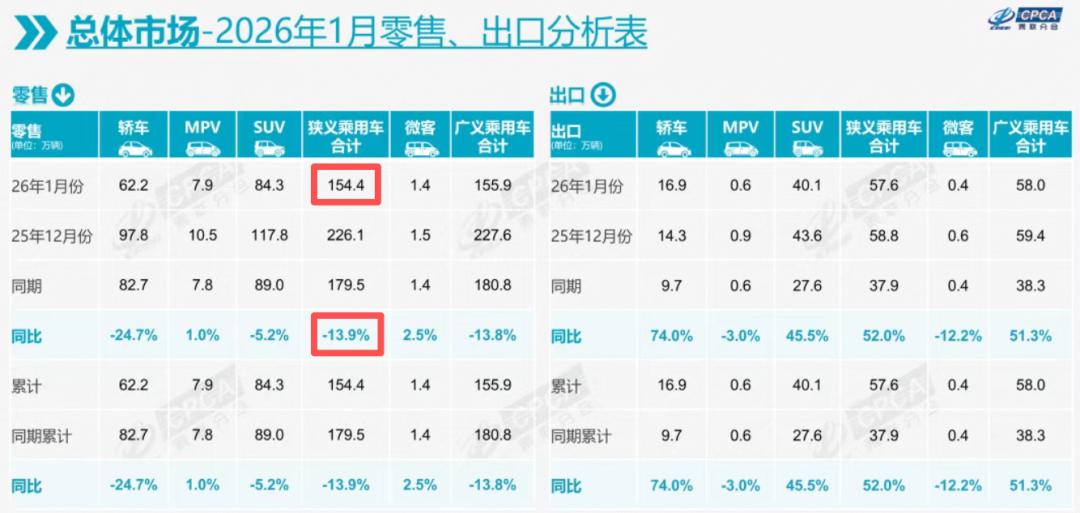
Group 1 - The Chinese new energy vehicle (NEV) market faced a significant downturn at the start of 2026, with major automakers experiencing substantial sales declines, including BYD, which saw a year-on-year decrease of approximately 30% and a month-on-month drop of 50% [1][3][6] - In January 2026, nationwide retail sales of passenger cars reached 1.544 million units, reflecting a year-on-year decline of 13.9% [1][2] - The decline in sales is attributed to multiple factors, including the expiration of tax incentives, preemptive demand exhaustion, and rising cost pressures, marking the end of an era of easy growth for the NEV industry [1][6][12] Group 2 - The new tax policy implemented on January 1, 2026, which reduced the exemption on NEV purchase tax, has led to a significant drop in consumer demand as buyers rushed to purchase vehicles before the policy change [6][9][11] - Major brands like Leap Motor, Xiaomi, and NIO also reported significant month-on-month sales declines, with some brands experiencing drops exceeding 60% [3][5] - The competitive landscape is shifting towards a "survival of the fittest" scenario, where automakers must focus on technology, cost control, and efficiency to remain viable [12][14] Group 3 - Consumers are advised to consider various factors when deciding the optimal time to purchase a vehicle in 2026, including policy changes, market conditions, and technological advancements [18][21] - The first quarter of 2026 may present opportunities for consumers due to significant inventory pressures on dealers, potentially leading to aggressive promotional offers [21][23] - The introduction of new technologies, such as semi-solid batteries and advanced driving systems, may influence consumer decisions between purchasing older models at discounts or new models with cutting-edge features [23]

反垄断合规指引出台,平台经济应从“圈地竞争”转向“价值竞争”
3 6 Ke· 2026-02-13 12:31
对产业而言,明确的规则就是最好的营商环境——头部平台不必在灰色地带试探,中小企业不必担心被 无底线挤压,资本不必再押注"垄断式赢家通吃",整个行业的资源配置会更有效率。 从产业演进角度,这份指引将深刻改变平台的竞争范式。过去平台比拼的是用户规模、商家排他、补贴 力度、流量霸权;未来比拼的将是技术能力、产品体验、生态效率、服务质量。强制商家站队、滥用流 量支配地位、靠低价倾销驱逐对手的模式难以为继,自营与第三方公平共处、跨平台互通、数据合理流 动、算法公开透明,会成为主流商业伦理。这不仅利好中小商家与创业者,也将倒逼头部平台把资源投 向硬核技术、产业互联网、真实价值创造,而非重复的流量博弈。 《指引》并不否定平台经济的规模效应与网络价值,而是制止以垄断为名的掠夺式经营。大型平台应放 弃功能堆砌与生态垄断,转向开放、合规、可持续的发展路径。平台的核心竞争力,从来不是锁住用户 与商家,而是持续创造不可替代的产业价值。 随着《互联网平台反垄断合规指引》(下称"指引")于2月13日正式发布,中国平台经济进入规则清 晰、边界明确、监管常态化的全新阶段。 从产业视角看,它的核心价值在于:终结过去以规模、流量、排他性为核心的 ...
汽水音乐狂飙背后,在线音乐走到十字路口
3 6 Ke· 2026-02-13 12:30
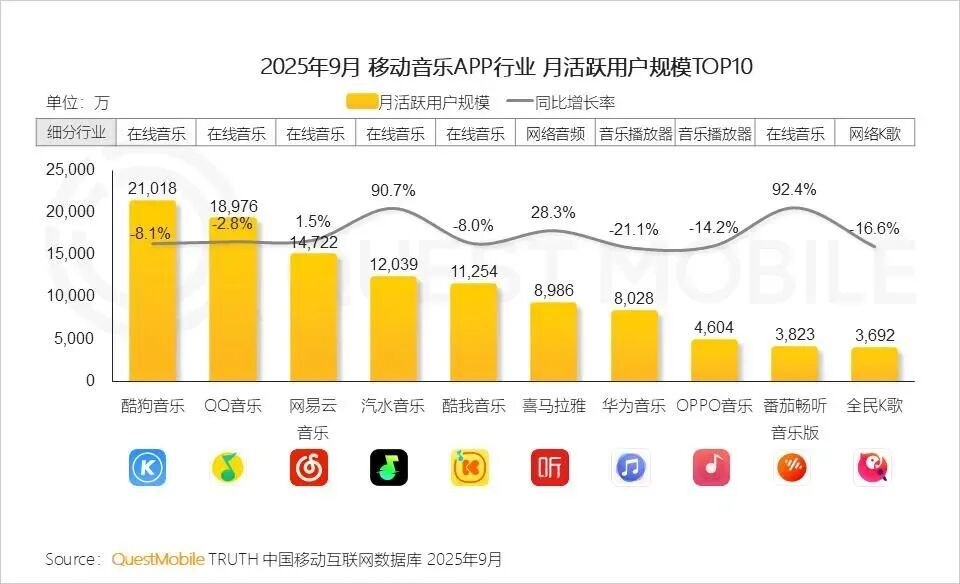
Core Insights - The article highlights the rapid growth of Soda Music, which has reached 120 million monthly active users, nearly matching NetEase Cloud Music, due to its low-price strategy and integration with ByteDance's ecosystem [1][3][6] Group 1: Growth Factors - Soda Music's monthly active users increased by 90.7% year-on-year, while other platforms saw declines, indicating a significant market shift [1] - A key turning point was the copyright bundling strategy implemented by ByteDance, which allowed Soda Music to access a library of 50 million songs, enhancing its content offerings [3] - The platform's recommendation algorithm is noted to be highly effective, allowing even free users to discover appealing music [3][4] Group 2: Content and User Engagement - The integration of AI-generated music and various content types, such as covers and live versions, has created a robust content supply chain that aligns with user preferences [3][4] - The launch of the "Soda AI Music Creation Lab" has provided creators with a comprehensive environment for music production, facilitating the rise of AI artists [4][6] - Soda Music's user engagement is further enhanced by its deep integration with Douyin (TikTok), creating a seamless transition from short video content to music consumption [6] Group 3: Pricing Strategy - Soda Music employs a low-cost membership model, offering free trials and low-priced subscriptions, making it attractive to users compared to competitors [7][9] - The pricing for VIP memberships is significantly lower than that of QQ Music and NetEase Cloud Music, catering to the current consumer willingness to pay [9] Group 4: Industry Context - The online music market in China is evolving, moving away from a "copyright is king" model to a more integrated approach that includes content generation and distribution [10][12] - The emergence of Soda Music has disrupted the existing market dynamics, challenging established players like Tencent Music and NetEase Cloud Music [12][14] - The article identifies three distinct development models in the online music market: copyright and ecosystem platforms, community and aesthetic platforms, and content generation and distribution platforms represented by Soda Music [16][18]