Tai Mei Ti A P P

Search documents
产业协同提速,中国智能汽车迈向“认知驱动”新时代
Tai Mei Ti A P P· 2025-07-24 02:58
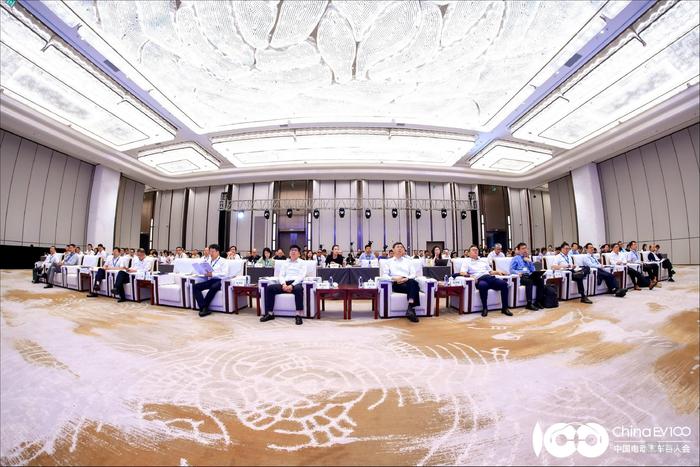
Group 1: Core Insights - The "2025 New Energy Smart Vehicle New Quality Development Forum" was successfully held in Changchun, focusing on the theme of "New Quality Leading, Intelligent Creation of the Future" and discussing the technological evolution, ecological reconstruction, and future trends of new energy smart vehicles [2] - The forum highlighted the rapid development of new energy vehicles and the deep restructuring of the global automotive landscape, emphasizing the need for open cooperation and collaborative innovation to secure future success [4] - Key tasks identified include accelerating the popularization of assisted driving from 2025 to 2030 and setting ambitious goals for L3 and higher-level autonomous driving technology [4][10] Group 2: Technological Innovations - Experts discussed the dual paths of safety technology in smart vehicles: rule-driven and data-driven approaches, with a proposed "cognitive-driven" route to overcome key technological bottlenecks [6] - The shift towards higher voltage charging systems (1000V to 1500V) and the adoption of wide bandgap power devices like silicon carbide were noted as trends in electric drive systems [8] - The automotive industry's competitive focus is shifting towards smart and AI capabilities, with mechanical costs expected to drop from 70% to below 30% while electronic and software costs rise to 70% [10] Group 3: Industry Practices and Strategies - Automotive companies are urged to innovate technologically, manage relationships as partnerships, and build long-term brand trust to transition from low-level competition to high-quality development [14] - The collaboration between Jianghuai Automobile and Huawei exemplifies deep integration across the entire value chain, aiming for breakthroughs in the ultra-luxury smart new energy sector [16] - The evolution of AI in automotive applications is leading to a transition from traditional software-defined vehicles to "AI-defined vehicles," presenting challenges in hardware and software compatibility [18] Group 4: Supply Chain and Ecosystem Collaboration - AI's impact on the automotive industry is seen as an incremental enhancement rather than a replacement, with the software supply chain maturing to meet rapid iteration demands [22] - The importance of software in defining vehicles is highlighted, with trends in electric vehicles, smart driving, and personalized features becoming increasingly significant [24] - The interaction between vehicles and the grid is viewed as a means to alleviate pressure from large-scale electric vehicle adoption and support the transition to a low-carbon energy structure [30] Group 5: Future Directions - The forum showcased the collaborative trends in smart vehicle development across four dimensions: intelligence, localization, software integration, and ecological fusion, indicating a vibrant and innovative landscape in China's new energy smart vehicle industry [34] - The integration of heterogeneous information fusion technologies is expected to enhance the safety performance of smart driving systems, making advanced technology more accessible to a broader market [34]

本智激活完成数千万元种子轮融资,加速端侧 AI 全面落地
Tai Mei Ti A P P· 2025-07-24 02:31
Core Insights - "BenZhi Activation" is a startup incubated from Shanghai Jiao Tong University's Institute of Parallel and Distributed Systems (IPADS), which is renowned for its expertise in operating systems and distributed systems, ranking first globally in the CSRankings for the past decade [2] - The team, led by CEO Mi Zeyu, focuses on edge-native AI solutions, aiming to transform personal AI paradigms by addressing privacy concerns, high costs, and lack of personalization in cloud-based AI models [2][3] Group 1: Technological Innovations - "BenZhi Activation" proposes a disruptive "edge-native" full-stack design that reconstructs the software and hardware technology system from the ground up, achieving true edge intelligence without sacrificing model intelligence [3] - The team has achieved significant breakthroughs in edge model algorithms and infrastructure, including the release of the PowerInfer edge model infrastructure system, which operates a trillion-parameter model efficiently on consumer-grade NVIDIA GTX 4090 GPUs, achieving 90% of the performance of data center-level A100 GPUs [4] - The upcoming PowerInfer-2, set to launch in June 2024, will enable the smooth operation of a 47 billion-parameter model on smartphones, surpassing the performance of international benchmarks by 29 times [4][5] Group 2: Market Impact and Future Prospects - The first batch of edge-native models will be released and open-sourced on July 26, 2025, featuring original algorithm architectures designed specifically for edge devices, allowing for smooth operation on budget hardware [5] - Industry experts highlight the growing demand for privacy protection and low latency, positioning edge intelligence as a key entry point connecting the virtual and physical worlds, with "BenZhi Activation" leading the way in low-cost, efficient deployment of large models on mainstream devices [6] - The company is recognized as one of the few globally with top-tier R&D capabilities and mass production experience in edge AI, indicating a strong potential for future growth and innovation in the sector [6]

近千亿银屑病市场“变天”?丽珠医药炸场,但真正对手却不是诺华?
Tai Mei Ti A P P· 2025-07-24 02:14
Core Viewpoint - The path of domestic innovative drugs in China is becoming clearer, with companies like Livzon Pharmaceutical demonstrating the potential to lead in the market through differentiated treatment mechanisms and successful clinical trials [1][4]. Group 1: Clinical Trial Success - Livzon Pharmaceutical's LZM012, a recombinant anti-IL-17A/F humanized monoclonal antibody, achieved its primary endpoint in a Phase III clinical trial for moderate to severe plaque psoriasis, outperforming Novartis's Cosentyx (secukinumab) [1][3]. - The trial results showed a PASI 100 response rate of 49.5% for LZM012 compared to 40.2% for the control group (secukinumab) at week 12, indicating superior efficacy [3]. - LZM012 also demonstrated faster onset of action with a PASI 75 response rate of 65.7% at week 4, compared to 50.3% for secukinumab [3]. Group 2: Market Potential - The psoriasis drug market in China reached 13.9 billion yuan in 2023 and is projected to grow to 89.4 billion yuan by 2032, with a compound annual growth rate of 59.1% [5]. - The impending patent expiration of secukinumab presents an opportunity for LZM012 to capture market share [5][6]. Group 3: Competitive Landscape - LZM012 faces competition from several other IL-17 targeted therapies already approved in China, including Eli Lilly's etanercept and others, which may impact its market entry [5][6]. - The competitive landscape is further complicated by the aggressive pricing strategies of established products like secukinumab, which has seen significant price reductions since its launch [6]. Group 4: Company Performance - Livzon Pharmaceutical reported a revenue decline of 4.97% in 2024, with net profit increasing by 5.5%, indicating challenges in core business growth despite cost-cutting measures [7]. - The company has successfully reduced sales, management, and R&D expenses, leading to improved net profit margins [7]. Group 5: Strategic Challenges - The success of innovative drugs like LZM012 hinges not only on clinical efficacy but also on navigating the complexities of commercialization, including market competition and pricing strategies [9]. - Livzon Pharmaceutical must maintain strategic focus to effectively respond to market dynamics and ensure the successful launch of its new products [9].
2025稳定币中场战事:特朗普、华尔街、国家队,谁在盘里、桌上?
Tai Mei Ti A P P· 2025-07-23 11:19
Core Insights - The global financial landscape in 2025 is characterized by intense competition over stablecoins, driven by regulatory developments and the involvement of major financial and tech players [3][8][21] - Stablecoins, once seen as a niche product, are now central to discussions about monetary power and financial market restructuring, with significant profit potential for issuers [4][6][22] Regulatory Developments - The U.S. Senate passed the "GENIUS Act" on June 17, 2025, establishing strict regulations for stablecoins, including a 100% reserve requirement and mandatory transparency [10][11] - The EU's MiCA regulation, effective December 30, 2024, imposes stringent requirements on stablecoins, including a 1:1 liquidity reserve and banning algorithmic stablecoins [12] - Hong Kong's "Stablecoin Ordinance" came into effect on May 30, 2025, marking the beginning of licensed operations for stablecoin issuers [13] Market Dynamics - Major financial institutions like JPMorgan and BlackRock are actively entering the stablecoin market, with JPMorgan's blockchain platform processing over $20 billion daily and BlackRock's BUIDL fund capturing 40% of the tokenized U.S. Treasury market [15] - Tech giants such as JD.com and Ant Group are also positioning themselves in the stablecoin space, aiming to reduce cross-border payment costs significantly [16] - The involvement of political figures, such as the Trump family launching a stablecoin, adds a new dimension to the competitive landscape [17] Financial Implications - The stablecoin market is projected to generate substantial profits, with Tether's market cap at $155.7 billion and a net profit of $13 billion in 2024, indicating its significant role in the U.S. Treasury market [6] - The total transaction volume of stablecoins surpassed $27.6 trillion in 2024, exceeding that of Visa and Mastercard combined, highlighting their growing importance in global payments [19][20] Future Outlook - The evolution of stablecoins is seen as a potential revolution in payment systems and asset tokenization, with implications for various asset classes [21] - The competitive landscape is expected to intensify as demand for stablecoins grows, driven by their utility in facilitating transactions and their role as a bridge between fiat and cryptocurrencies [23]


ST西发拟全控拉萨啤酒:或与嘉士伯化干戈为玉帛,重整有望加速推进?
Tai Mei Ti A P P· 2025-07-23 10:47
Core Viewpoint - ST Xifa (000752.SZ) is planning to acquire the remaining 50% stake in Lhasa Beer from Carlsberg International, which is crucial for the company's restructuring efforts and financial stability [2][3]. Group 1: Acquisition Details - The acquisition will allow ST Xifa to fully control Lhasa Beer, a core asset that contributed over 100 million yuan in profit in 2024 [2]. - The ongoing disputes between ST Xifa and Carlsberg have delayed the restructuring process, with over 20 postponements due to complex historical issues [2][8]. - The acquisition is seen as a potential resolution to years of stock disputes, with Carlsberg's attempts to divest from Lhasa Beer facing legal challenges [3][5]. Group 2: Financial Implications - ST Xifa's financial situation remains precarious, with a total liability of 373 million yuan and an asset-liability ratio of 37.31% for the consolidated statements in 2024 [8]. - The company has received a cash donation of 182 million yuan from its controlling shareholder to alleviate debt pressure [9]. - In 2024, ST Xifa reported a revenue of 421 million yuan, a year-on-year increase of 25.11%, and a net profit of 26.19 million yuan, a significant turnaround from previous losses [10]. Group 3: Market Reaction - Following the announcement of the acquisition plan, ST Xifa's stock experienced a surge, recording three consecutive trading limits from the 21st to the 23rd, closing at 9.71 yuan with a 4.97% increase [7]. - The market's enthusiasm is also fueled by the commencement of significant hydropower projects in Tibet, which may enhance the investment landscape for ST Xifa [7].



99%的人都没看懂“内卷”的真正成因
Tai Mei Ti A P P· 2025-07-23 08:21
Core Viewpoint - The article discusses the fundamental shift in societal contradictions, emphasizing that the core issue is no longer insufficient productivity but rather overproduction and distribution imbalance [3][6]. Group 1: Understanding "Involution" - Involution is defined as a systemic, exhausting competition for diminishing resources rather than genuine competition that expands opportunities [4][5]. - The "cinema dilemma" metaphor illustrates how individuals collectively exhaust themselves without improving their situation, highlighting the futility of involution [5]. Group 2: Wealth Distribution Issues - The article argues that the real issue is not the inability to grow the economic "cake," but rather the disproportionate allocation of wealth, where capital returns significantly outpace labor returns [6][7]. - A vicious cycle is created where income inequality leads to reduced consumption, which in turn results in lower corporate profits and further income suppression for workers [7][8]. Group 3: Emergence of Disruptors - Certain entrepreneurs are identified as disruptors who challenge the traditional view of employees as costs, instead treating them as core assets [10]. - Examples include JD's Liu Qiangdong, who prioritizes employee welfare and job security, and Huawei's Ren Zhengfei, who emphasizes employee ownership and engagement [10]. Group 4: Future Directions - The article suggests two main directions for resolving these issues: a value distribution model centered on laborers and creators, and the rise of new organizational forms like platform economies and individual entrepreneurship [12][13]. - It emphasizes the importance of individuals identifying their unique value within the value creation chain, moving away from traditional employment paths [13][14].
流量是负债,兴趣才是资产!品牌,别再为"假增长"买单了...
Tai Mei Ti A P P· 2025-07-23 07:20
Core Insights - The article emphasizes that brands are incurring high costs for "traffic liabilities" and should shift their focus from traditional traffic acquisition to building "interest assets" for sustainable growth [1][13] Group 1: Traffic Liabilities - Traffic is described as a "survival tax" that brands must pay in the digital age, representing a strategic liability rather than a growth opportunity [5] - The "black box" nature of traffic algorithms prevents brands from understanding user motivations and needs, leading to superficial engagement [3] - The influx of brands into the traffic market creates a vicious cycle where increased spending leads to diminishing returns, resulting in lower ROI and ROX [6] Group 2: Interest Assets - Interest is positioned as a sustainable and high-value asset that can drive long-term brand growth, contrasting sharply with the transient nature of traffic [7] - The article outlines a model where interest generates a five-fold value flywheel, emphasizing the importance of genuine user engagement over superficial traffic [6] - Brands must transition from a transactional relationship with users to one based on shared interests, fostering deeper emotional connections [9] Group 3: Case Study - Xiaohongshu - Xiaohongshu exemplifies the effective use of "interest assets" by creating an "interest infrastructure" that allows user interests to flourish and drive commercial success [8] - The platform has evolved from merely being a product recommendation site to a community where users seek solutions and connections based on shared interests [11] - Xiaohongshu encourages user-generated content (UGC), allowing brands to engage authentically with users and co-create value [10] Group 4: Strategic Recommendations - Brands should invest in content and activities that resonate with user interests rather than merely purchasing exposure [14] - The focus should shift from product selling points to providing solutions that integrate into users' lifestyles and interests [14] - Brands are encouraged to build ecosystems that foster community and engagement, both online and offline, to enhance user loyalty and brand value [14]
2025年度生成式AI全球化高峰论坛暨Go Global AI 100年度评选完美收官,19场高密度趋势圆桌直击AI全球化浪潮
Tai Mei Ti A P P· 2025-07-23 06:25
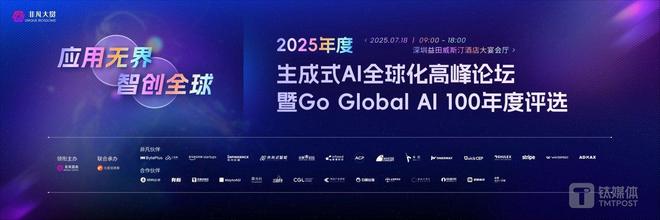
Group 1 - The "Go Global AI 100" list was unveiled, focusing on global native enterprises with over 50% overseas revenue, evaluated based on TPEG four-dimensional model [17] - The forum featured over 2000 participants, including 800 AI companies and 400 founders, highlighting the growing interest in AI globalization [2][4] - Keynote speeches emphasized the shift from "selling tools" to "selling results," indicating a new paradigm in AI applications [4][6] Group 2 - Discussions on AI's evolution from simple automation to complex workflows showcased the importance of human-centric services [9] - The concept of "process results" was introduced, emphasizing the need for standardized service delivery in the B2B AI sector [6] - The role of AI in enhancing emotional connections and addressing human needs was explored, particularly in the context of companionship and mental health [13] Group 3 - The panel discussions revealed a consensus that competition in the AI space is shifting from mere technology to deep vertical data pools and user retention [15][29] - The importance of localization and understanding cultural differences in AI education and application was highlighted [25] - The need for AI applications to deliver tangible business results was reiterated across various discussions, emphasizing the transition to "Result as a Service" [27][29] Group 4 - The forum also addressed the rapid evolution of AI coding and the emergence of new roles such as "business logic engineers" [20] - The significance of digital employees in solving real business problems was emphasized, with a focus on strategic motivations for AI adoption [23] - The discussions on AI hardware globalization underscored the challenges and opportunities in privacy and payment scenarios for wearable AI [33] Group 5 - The event concluded with a strong emphasis on confidence in local products outperforming foreign giants and the belief in AI's potential to create a more efficient and human-centric future [53] - The forum served as a platform for exploring various AI applications, from emotional intelligence to outdoor exploration, showcasing the diverse potential of AI technologies [39][47]
2025年银行股表现:分红浪潮下的市场起伏与结构性机遇
Tai Mei Ti A P P· 2025-07-23 04:39
Core Viewpoint - 2025 is a pivotal year for the Chinese banking industry, marked by unprecedented dividend distributions and a volatile market performance for bank stocks, with a mid-year dividend total exceeding 200 billion yuan [2][3]. Dividend Distribution - The banking sector led the market in dividend payouts, with a total cash dividend of 420.63 billion yuan in the first half of 2025, with Industrial and Commercial Bank of China (ICBC) leading at 109.77 billion yuan [3]. - State-owned banks generally offered dividend yields exceeding 4%, with China Construction Bank achieving a yield of 4.44%, significantly higher than the 10-year government bond yield [3]. Market Performance - The banking sector recorded a 13.1% increase in stock prices in the first half of 2025, ranking second among all industries, with 41 out of 42 bank stocks rising [5]. - The stock prices of major state-owned banks reached historical highs by the end of June, reflecting the long-term attractiveness of high-dividend assets [4]. Investment Dynamics - The surge in bank stock prices was driven by three main factors: the appeal of low valuations and high dividends in a weak global economic recovery, supportive policy expectations, and the ongoing popularity of dividend-paying assets [6]. - Institutional ownership in ICBC increased from 35% to 38% following the announcement of its dividend plan, indicating strong investor interest [4]. Future Outlook - The performance of bank stocks in the second half of 2025 will depend on the balance between policy measures and economic resilience, with expectations of a "shifting upward" trend in stock prices [10]. - Analysts suggest that state-owned banks will continue to be stable investments due to their large customer bases and low non-performing loan ratios, while smaller banks may need to focus on niche business areas to achieve valuation premiums [11]. Stock Recommendations - Specific banks are highlighted for their strong potential: - Shanghai Pudong Development Bank, benefiting from management reforms, with a stock price increase of 34.89% [11]. - Industrial Bank, recognized for its growth in investment banking and green finance [12]. - Agricultural Bank of China, noted for its high dividend yield of 5.2% and low deposit costs [12]. Conclusion - The banking sector in 2025 illustrates that while dividends can enhance valuations, they cannot replace strong fundamentals. Only banks with a combination of high dividend safety, regional economic resilience, and wealth management transformation will thrive amid cyclical fluctuations [13].




算力的尽头是电力:墨脱水电站,决定AI竞赛胜负的“电力底牌”
Tai Mei Ti A P P· 2025-07-23 04:04
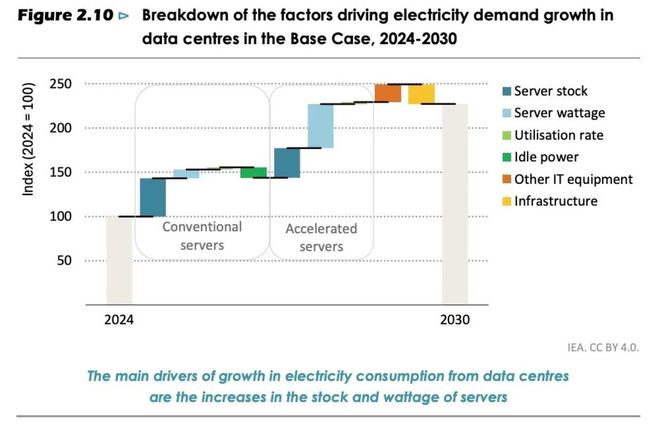
Core Insights - The article emphasizes that electricity is becoming a critical factor in the competition for artificial intelligence (AI) development, overshadowing traditional elements like algorithms and chips [1][5] - The demand for electricity in AI applications is expected to surge dramatically, with projections indicating that global data center electricity consumption will double from 415 TWh in 2024 to 945 TWh by 2030 [2] - The construction of the Mêdog Hydropower Station in China is highlighted as a strategic initiative to secure a stable and abundant energy supply for AI computing power, positioning China favorably in the global AI landscape [6][10] Energy Crisis in AI - The article discusses an ongoing AI electricity crisis, where the energy consumption for training AI models, such as GPT-4, is extraordinarily high, with a single training session consuming over 50 million kWh [1] - Major tech companies like Amazon, Microsoft, and Google are facing challenges in securing sufficient electricity for their data centers, as existing power grids reach their limits [3] Mêdog Hydropower Station - The Mêdog Hydropower Station is projected to have an installed capacity of 60 million kW and an annual generation of nearly 300 billion kWh, which is equivalent to the combined output of three Three Gorges Dams [8] - This hydropower station is expected to provide a stable and low-cost energy source, significantly reducing operational costs for AI computing in China compared to competitors in Silicon Valley [10] Strategic Importance - The Mêdog project is seen as a crucial element in China's long-term strategy for AI dominance, aligning with national initiatives like "East Data, West Computing" and carbon neutrality [11][12] - The unique geographical features of the Yarlung Tsangpo River in Tibet provide an unparalleled opportunity for hydropower generation, making this project feasible only in China [12][13] Conclusion - The Mêdog Hydropower Station represents not just an engineering feat but also a manifestation of China's strategic vision for the future of AI and energy [14] - The article concludes that the ability to harness clean and abundant electricity will define the success of nations in the AI era, positioning China as a formidable player in this new landscape [15]