晚点LatePost

Search documents
小米卢伟冰谈 SU7 竞争力:市面上一个能打的都没有丨一分钟财报
晚点LatePost· 2025-05-28 14:41
Core Viewpoint - The company achieved its best quarterly report in history, driven by high sales of the SU7 model, with a total delivery of 76,000 vehicles in the first three months of the year, representing a quarter-on-quarter growth of 8.9% [3] Financial Performance - Automotive business revenue reached 18.1 billion yuan, a 10.8% increase compared to the previous quarter [3] - Losses in automotive and AI innovation businesses narrowed to 500 million yuan, a reduction of 200 million yuan from the previous quarter [4] - Gross margin increased to 23.2%, surpassing competitors like Li Auto (19.7%) and BYD (20.07%) [4] Product and Market Dynamics - The SU7 model has not seen a price drop since its launch, and the higher-priced SU7 Ultra has begun deliveries [9] - The company reported approximately 500 million yuan in revenue from automotive peripheral products in the first quarter [9] - The company’s internal management efficiency and channel efficiency are significantly higher than traditional automotive companies, potentially 2-3 times more efficient [9] Competitive Landscape - The company’s president stated that as long as product strength is sufficient, profitability is not a concern, emphasizing the lack of competitors for the SU7 model [5] - The upcoming YU7 model has generated three times the user inquiries compared to the SU7 at the same stage, indicating strong market interest [6] - The company has successfully converted market enthusiasm for the SU7 into sales, showcasing its ability to adapt in the automotive sector [6]



利润大跌之后,拼多多要继续跟进补贴;快手广告增长放缓,首次披露可灵收入;腾讯音乐成韩娱SM公司第二大股东丨百亿美元公司动向
晚点LatePost· 2025-05-28 14:41
Group 1: Pinduoduo Financial Performance - Pinduoduo's revenue growth in Q1 was only 9%, totaling 956.7 billion RMB, significantly below market expectations of 1,016 billion RMB [1] - Operating profit dropped by 38% year-on-year to 160.85 billion RMB, far below the anticipated 250 billion RMB, primarily due to soaring marketing expenses which reached 334 billion RMB [1] - The company plans to continue sacrificing profits for subsidies to support merchants and consumers, despite the negative impact on short-term profits [1][2] Group 2: Kuaishou Advertising Revenue - Kuaishou's total revenue for Q1 was 326 billion RMB, a year-on-year increase of 10.9%, with net profit slightly declining to 40 billion RMB [3] - Online marketing services, which are crucial for Kuaishou, accounted for 55.1% of total revenue, but the growth rate for advertising revenue slowed to only 8% compared to 27.4% in the previous year [3] Group 3: Tencent Music Investment - Tencent Music became the second-largest shareholder of SM Entertainment by acquiring 9.38% of its shares for 12.9 billion RMB [4] - This acquisition follows SM Entertainment's decision to not renew its contract with NetEase Cloud Music, although some songs will remain on the platform for a while [4] Group 4: Xiaomi Financial Results - Xiaomi reported a total revenue of 1,112.93 billion RMB in Q1, marking a 47.4% year-on-year growth, with operating profit increasing by 256.4% to 131.25 billion RMB [5] - The automotive segment generated 181 billion RMB in revenue, but incurred an operating loss of 5 billion RMB [5] Group 5: EU Consumer Protection Actions - The EU has warned Shein for violating consumer protection laws, including misleading discounts and pressure tactics on consumers [6] - If Shein fails to address these issues, it could face fines amounting to 4% of its annual sales in the EU [6] Group 6: Chinese Industrial Performance - From January to April, China's industrial enterprises saw revenue and profit increase by 3.2% and 1.4% year-on-year, respectively [8] - The profit margin for industrial enterprises was 4.87%, indicating that profit growth was achieved by reducing prices or costs [8] Group 7: Automotive Industry Developments - Major automotive companies, including BYD and Dongfeng, participated in a seminar hosted by the Ministry of Commerce to discuss the development of the "zero-kilometer used car" market [9] - Volvo announced plans to cut 3,000 white-collar jobs, about 15% of its office staff, as part of a cost-cutting initiative [10] Group 8: Industry Outlook - The chairman of Changan Automobile expressed optimism that the automotive industry will return to a healthier competitive environment within two years [11]




裁员计划逼近 10 万,海外车企集中 “瘦身”
晚点LatePost· 2025-05-28 14:41
Core Viewpoint - The global automotive industry is facing significant challenges, including a slowdown in electrification trends, shrinking demand, intensified market competition, and unstable international trade environments, leading to widespread layoffs among major overseas automotive brands and suppliers [3][9]. Group 1: Layoff Trends - Major overseas automotive companies and suppliers have announced layoffs totaling nearly 100,000 employees across key markets such as China, North America, Europe, and Japan [4]. - Volkswagen is planning to lay off approximately 35,000 employees by 2030, with 7,000 already laid off, aiming to save €1.5 billion annually in labor costs [5][6]. - Other companies like Ford, Mercedes-Benz, and Nissan are also implementing significant layoffs, with Ford cutting 4,000 jobs in Europe and Nissan planning to reduce its workforce by 20,000 over two years [5][7]. Group 2: Reasons for Layoffs - The layoffs are primarily driven by the need for cost reduction, increased competition, and the impact of tariffs and trade changes, particularly in the U.S. market [5][8]. - Companies are restructuring to improve efficiency and adapt to changing market conditions, with many citing the need to streamline operations and reduce redundancy [6][9]. Group 3: Market Dynamics - The automotive industry is undergoing a deep adjustment phase, with traditional automakers facing pressure from rising Chinese brands that continue to expand despite the overall market contraction [9]. - The shift towards electrification has led to high investments, but profitability pressures are forcing companies to reassess their workforce and operational strategies [9].

Shein 产业链全景:产业升级的飞轮是怎么转起来的?
晚点LatePost· 2025-05-28 14:41
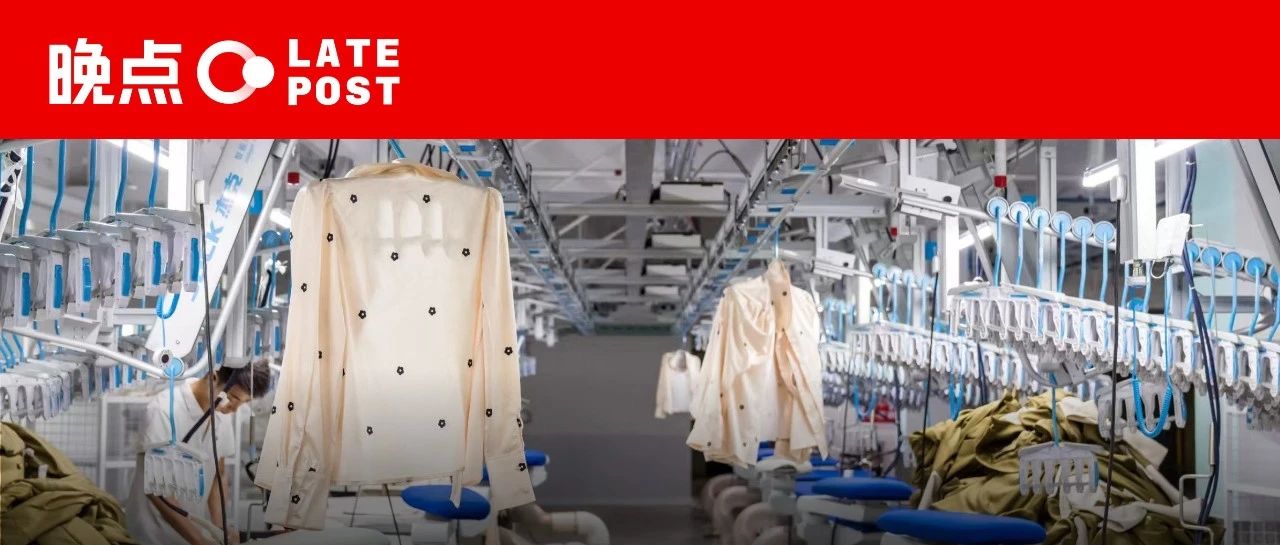
Core Viewpoint - Shein is transforming the garment manufacturing industry through digitalization, lean production methods, and sustainability initiatives, significantly enhancing efficiency and reducing waste across its supply chain [1][2][3]. Group 1: Factory Transformation - Shein has invested 500 million yuan over five years to empower suppliers, aiding over 200 factories and improving more than 500,000 square meters of production space [2]. - The company utilizes digital tools to streamline production processes, reducing reliance on manual tracking and improving inventory management [8][9]. - Shein's digitalization efforts have helped maintain a low inventory rate of single digits, compared to the industry average of 30% [8]. Group 2: Technological Innovation - Shein has adopted digital heat transfer printing technology, which is water-efficient and has saved 1.13 million tons of water, equivalent to 2.26 billion 500ml bottles [3][15]. - The company is promoting the use of renewable energy solutions, such as rooftop solar panels, and has plans to reduce carbon emissions significantly by 2050 [4][18]. Group 3: Employee Welfare and Training - Shein has established "Children's Homes" to provide free childcare for employees' children, serving nearly 55,000 visits [12]. - The company has conducted over 485 training sessions, covering more than 20,000 participants, to enhance skills and knowledge in the supply chain [14]. Group 4: Supply Chain Expansion - Shein's supply chain investments in Guangdong are aimed at supporting global sales and enhancing competitiveness, with significant projects underway in Zhaoqing and Guangzhou [20]. - The company is facilitating international market access for local products through its platform, covering over 300 cities and planning more than 150 industry connection activities by 2025 [19]. Group 5: Industry Impact - Shein's approach to factory upgrades and employee welfare is changing perceptions among factory owners, leading to a willingness to invest in improvements based on Shein's standards [13]. - The company's influence is expected to extend throughout the industry, promoting cost reduction, efficiency, and sustainability practices [20].
晚点对话明超平:他们不信 AI coding 会是新的创作方式,我很开心
晚点LatePost· 2025-05-27 03:02
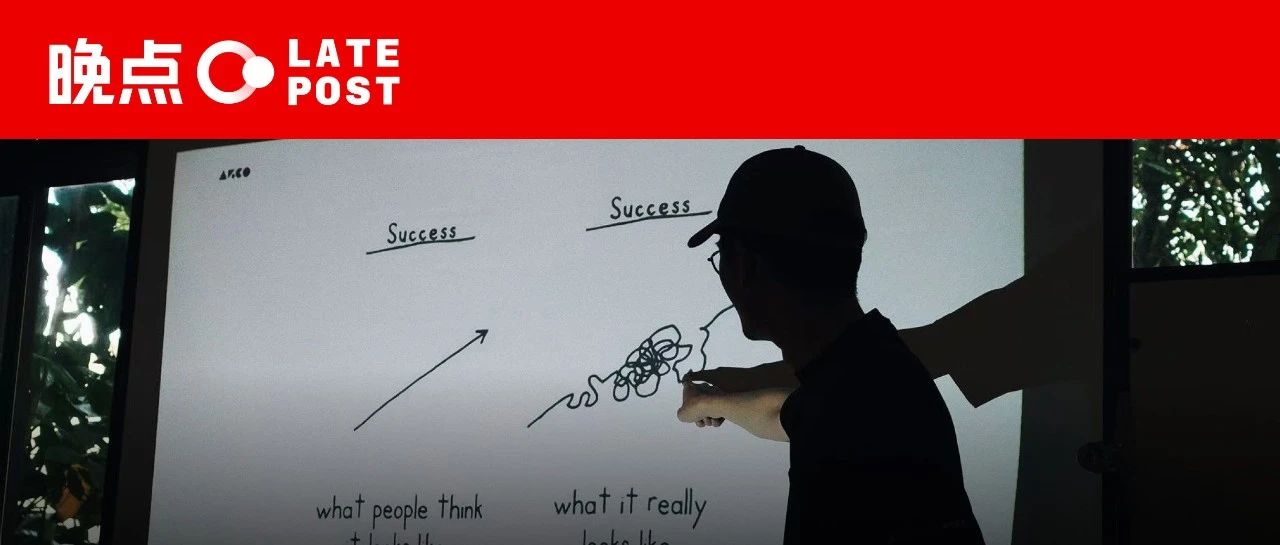
Core Insights - The article highlights the journey of Ming Chaoping, the founder of YouWare, who has gained significant attention in the AI product startup space, achieving a valuation of $80 million before launching the product [4][9] - YouWare aims to create a community for "vibe coders," individuals who may not be traditional developers but possess a desire to create through coding [9][10] - The platform has seen rapid user growth, with over 4,000 projects uploaded within two days of its launch, indicating a strong interest in coding as a creative outlet [7][22] Group 1 - Ming Chaoping's background includes diverse experiences in product roles at OnePlus, ByteDance, and Moonlight, which contribute to his understanding of user needs and product design [4][9] - YouWare's mission is to stimulate creative motivation rather than just provide coding capabilities, focusing on community engagement and user interaction [9][10] - The initial product version was developed quickly by the team, reflecting a hands-on approach to product development and a desire to seize market opportunities [16][21] Group 2 - The platform's growth strategy emphasizes community-driven content creation, leveraging user-generated content to enhance engagement and creativity [10][22] - YouWare's unique selling proposition lies in its focus on coding as a new form of creative expression, akin to how platforms like Instagram transformed photography [18][19] - The company plans to implement a reward system to incentivize creators, with future monetization strategies including advertising and subscription models [39][40] Group 3 - Ming Chaoping's insights on the evolution of AI products highlight the importance of aligning with technological trends and maximizing the value derived from token consumption [12][14] - The article discusses the potential for coding to become a mainstream creative medium, with implications for future content creation and sharing [19][20] - YouWare's approach to community management emphasizes the importance of maintaining a positive environment and curating content to foster creativity [28][33]
对谈柠季汪洁:在美国开店有多难?我的 100 天开荒实录丨小猎犬号
晚点LatePost· 2025-05-27 03:02
"在美国开店不是从 0 开始,是从负三层开始。" 文 丨 陈晶 编辑 丨 管艺雯 中国茶饮狂飙突进,一年可以卖出上百亿杯现制饮品、开出 40 多万家门店,因为中国是个大一统市 场,一切高度标准化,从加盟装修到原料配送,所有环节都由成熟服务商兜底。 而在美国,当地消费者十年前就喝上了植脂末冲调的台湾珍珠奶茶,但始终没能成为主流,最大的品 牌也只开出几百家店,因为美国作为契约社会的严密性,门店租约一签就是 10 年,50 多个州的加盟 法规都不相同,商场还有竞业限制, 要开出一家店过程极为漫长。 大多数中国茶饮品牌的出海首选是华人更多、供应链更近的东南亚市场,蜜雪冰城在东南亚已经开出 了 4800 家店,当地第二、第三名都是一比一对标蜜雪的品牌,门店已超千家; 而喜茶、霸王茶姬选 择在欧美市场建立自己的影响力,即使开店更慢。目前喜茶在海外门店不到 100 家,霸王茶姬在美国 摸索一年半,今年 5 月才开出首店。 汪洁不想在东南亚继续卷低价,她的计划是将国内成熟的运营、营销打法带到美国,组建专门团队先 做好自营店,再开放给特许经营商,只有发达国家的大市场才能撑起团队成本。 在国内,柠季选址靠大众点评、高德地图的数据 ...

美团收入超预期,广告和佣金增长略放缓;比亚迪推“百补”,有车型比特斯拉FSD便宜;理想调整下沉市场开店方式丨百亿美元公司动向
晚点LatePost· 2025-05-27 03:02
Group 1: Meituan Financial Performance - Meituan's Q1 revenue reached 86.56 billion yuan, exceeding expectations of 85.44 billion yuan, with a year-on-year growth of 18.1% [1] - Adjusted net profit for the same period was 10.95 billion yuan, surpassing the forecast of 9.73 billion yuan, marking a 46.2% increase year-on-year [1] - Core local business revenues from delivery, commission, and advertising were 25.72 billion yuan, 24.05 billion yuan, and 11.862 billion yuan respectively, with growth rates of 22.1%, 20.1%, and 15.1% [1] Group 2: Market Competition and Strategy - The ongoing food delivery competition has not yet impacted Meituan's financial results, but there are concerns about potential profit margin declines due to increased VIP member subsidies [1][2] - CEO Wang Xing emphasized that market competition can drive industry development, particularly in instant retail, but unsustainable low-quality competition should be avoided [1] - Meituan expects the growth rate of its food delivery business in Q2 to remain consistent with Q1 and Q4 of the previous year, while in-store business may face challenges due to delivery subsidies [2] Group 3: Cash and Investment - Meituan's cash and short-term investment total approximately 180.3 billion yuan, an increase of over 12 billion yuan from the end of last year [2] - The company has more cash on hand than its short-term investment balance due to the maturity of short-term financial products [2] Group 4: BYD's Market Activity - BYD has launched limited-time promotions for its Dynasty and Ocean series models, with discounts reaching up to 53,000 yuan [3] - The stock price of BYD fell nearly 6% following the announcement of these promotions [4] - BYD's inventory as of the end of Q1 was approximately 154.37 billion yuan, a 33% increase quarter-on-quarter, attributed to rising market orders and inventory buildup [3] Group 5: Li Auto's Strategy - Li Auto is shifting its sales strategy in lower-tier cities from direct sales to a self-operated model, partnering with local businesses for service operations [5][6] - The company aims to recruit partners to build sales and service outlets, with specific requirements for location and facilities [5] Group 6: NIO's New Model Launch - NIO has launched the new ET5 and ET5T models, maintaining the starting price at 298,000 yuan, with significant upgrades across various features [9] Group 7: Nissan's Financial Strategy - Nissan plans to sell its headquarters building in Yokohama to alleviate financial pressure, expecting to raise over 100 billion yen (approximately 5 billion yuan) for restructuring costs [10] Group 8: Sequoia Capital's AI Tool - Sequoia Capital has launched an AI benchmarking tool called xbench, aimed at providing a more objective assessment of AI capabilities [11][12] Group 9: Investment Activity in Wanda Plaza - PAG and Tencent, along with other investors, have acquired 48 Wanda Plazas for a total of 50 billion yuan, as part of a strategy to manage Wanda's debt [14]

阿嬷手作创始人:一路走来都被人说傻,做别人舍弃的事丨晚点周末
晚点LatePost· 2025-05-25 12:01
Core Viewpoint - The article highlights the unique approach of "阿嬷手作" (A-Ma Handmade) in the tea beverage industry, emphasizing its commitment to handmade processes and natural ingredients, contrasting with the industry's trend towards standardization and automation [3][4][5]. Group 1: Brand Philosophy and Strategy - The founder, 邓倩, aims to create a brand that evokes the feeling of home-cooked meals, focusing on quality and authenticity [2][4]. - "阿嬷手作" maintains a slow and deliberate expansion strategy, with only 60 stores opened in seven years, prioritizing location and quality over rapid growth [4][28]. - The brand's commitment to using natural ingredients and handmade processes sets it apart in a market dominated by industrialized production [3][5][29]. Group 2: Product Development and Innovation - The brand's first product, black sugar pearl milk, faced challenges due to its strict ingredient requirements, leading to a focus on clean and additive-free recipes [5][6][7]. - "阿嬷手作" emphasizes the importance of sensory experience in product development, with a focus on achieving the right balance of aroma, texture, and taste [19][20]. - The introduction of innovative products like "米麻薯" (rice mochi) showcases the brand's dedication to quality and creativity, often taking longer to develop than typical market offerings [15][20]. Group 3: Market Position and Consumer Perception - The brand has successfully maintained high sales figures, with monthly revenues exceeding one million yuan, despite industry-wide declines in same-store sales [3][4]. - "阿嬷手作" has gained recognition for its unique brand expression and high-quality products, positioning itself as a long-term player in the tea beverage market [14][29]. - The decision to switch from water buffalo milk to organic milk sparked controversy but reflects the brand's commitment to quality over short-term profits [22][23]. Group 4: Operational Challenges and Management - The complexity of the production process requires more staff and training compared to typical tea beverage shops, increasing operational challenges [28]. - The brand's focus on maintaining a family-like atmosphere among employees aims to enhance customer experience, despite the challenges of managing a larger workforce [28]. - "阿嬷手作" has rejected multiple investment offers to maintain control over its brand and product quality, indicating a strong commitment to its founding principles [6][22].
港大马毅谈智能史:DNA 是最早的大模型,智能的本质是减熵
晚点LatePost· 2025-05-23 07:41
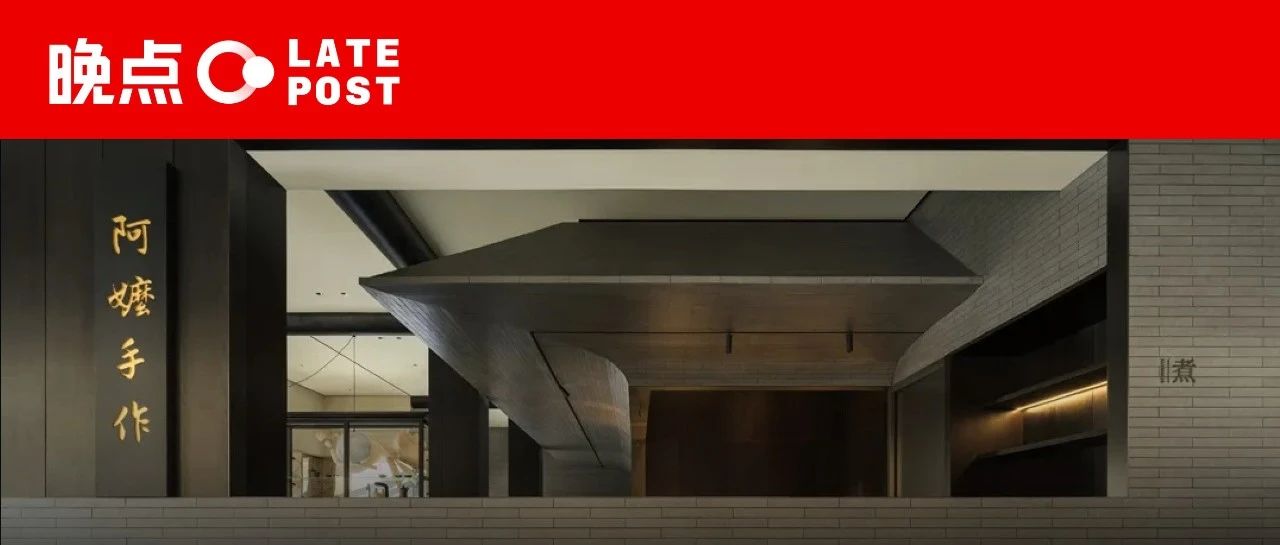
Core Viewpoint - The essence of intelligence is "learning," which is a process of finding and utilizing patterns in the external world to make predictions and counteract the increase of entropy in the universe [3][15][21]. Group 1: Understanding Intelligence - Intelligence should not be understood superficially; it requires a historical perspective on its development from biological origins to machine intelligence [2][3]. - The historical evolution of intelligence includes four stages: genetic evolution through natural selection, the emergence of neural systems and memory, the development of language and writing for knowledge transmission, and the abstraction and generalization seen in mathematics and science [20][21]. Group 2: Machine Intelligence and Learning Mechanisms - Current AI models, such as o1 and R1, primarily rely on memorization rather than true reasoning, lacking the ability to independently generate abstract concepts [7][22]. - The training of models like DeepSeek demonstrates that open-source approaches can surpass closed-source methods, as the core of AI development lies in data and algorithms rather than proprietary technology [14][12]. Group 3: Educational Initiatives - The introduction of AI literacy courses at universities aims to equip students with an understanding of AI's history, current technologies, and their societal implications, fostering independent critical thinking [37][38]. - The curriculum emphasizes the importance of understanding the basic concepts of AI and its ethical considerations, preparing students for future interactions with intelligent systems [42][39]. Group 4: Future Directions in AI Research - The pursuit of closed-loop feedback mechanisms in AI systems is seen as essential for achieving true intelligence, as it allows for self-correction and adaptation in open environments [43][46]. - The current state of AI is compared to early biological evolution, where significant advancements are still needed to move beyond basic capabilities [30][31].

AI 如何成为理想一号工程
晚点LatePost· 2025-05-23 07:41
Core Viewpoint - The article discusses Li Auto's strategic focus on artificial intelligence (AI) and its evolution from a vehicle-centric AI assistant to a multi-platform intelligent application, emphasizing the importance of AI in future competitiveness [4][5][6]. Group 1: Strategic Meetings and AI Prioritization - Li Auto holds biannual closed-door strategy meetings to discuss future directions, with significant participation from top executives and industry leaders [3]. - Following a strategic meeting, Li Auto adjusted its AI-related business priorities, emphasizing the strategic importance of intelligent driving over other AI applications [4][5]. - The company aims to become a global leader in AI by 2030, with a clear focus on enhancing its AI capabilities and applications [5][6]. Group 2: Development of AI Capabilities - Li Auto has transitioned its AI assistant, "Li Xiang," from a vehicle-only application to a multi-platform tool, including mobile and web applications [7]. - The company has invested in self-developed algorithms, achieving a full switch to in-house technology for its AI functionalities by March 2023 [7][8]. - The introduction of the multi-modal cognitive model, Mind GPT 1.0, marks a significant advancement in Li Auto's AI capabilities [7]. Group 3: Intelligent Driving and Technological Advancements - Li Auto's intelligent driving system, AD Max, was launched to address product shortcomings and enhance competitive positioning in the market [10][11]. - The company has initiated a large-scale recruitment drive for its intelligent driving team, reflecting its commitment to advancing this technology [10]. - The shift towards an "end-to-end" model for intelligent driving aims to streamline processes and improve system performance through better data utilization [10][11]. Group 4: Organizational Changes and AI Integration - Li Auto established an AI Technical Committee to integrate AI capabilities across various business lines, enhancing collaboration and execution [15][16]. - The committee includes leaders from key departments, ensuring that AI is a core focus in strategic decision-making [16][17]. - The company aims to develop a foundational model that serves as a core capability for all AI projects, positioning itself as a leader in the automotive AI landscape [17].