晚点LatePost

Search documents
拆解特斯拉机器人供应链:30 多位从业者看到的泡沫和希望
晚点LatePost· 2025-06-04 14:53
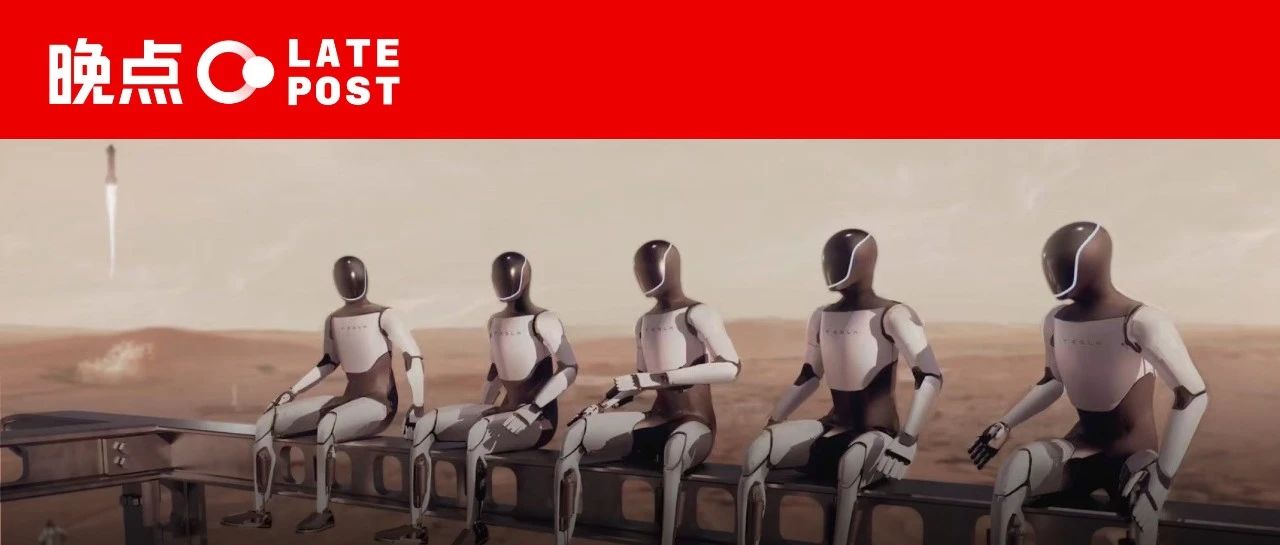
Core Viewpoint - Tesla is pioneering the humanoid robot industry, but significant challenges remain in achieving mass production and efficiency comparable to human labor [2][47]. Group 1: Market Dynamics - Tesla's humanoid robot project has led to a 93% increase in the A-share robotics sector since its announcement, while the broader market has only seen a 1% rise [3]. - Over 100 billion yuan has been invested by global venture capitalists and suppliers in humanoid robots since Tesla's initial showcase in October 2022 [3][4]. - The global humanoid robot industry is expected to ship nearly 20,000 units this year, which is only about the weekly production of Rolex watches [4]. Group 2: Production Challenges - Tesla's humanoid robot production is still in the early stages, with significant manual assembly required, and no robots have yet proven to effectively replace blue-collar workers [4][5]. - The production of Tesla's humanoid robots is labor-intensive, with engineers reportedly working 16-hour days to meet production demands [4][5]. - The first generation of Tesla's Optimus robot has transitioned from experimental to industrial production, marking a critical step in the supply chain [5]. Group 3: Technical Innovations - Tesla's humanoid robots utilize approximately 30 actuators to perform movements, a significant reduction compared to the complexity of human muscle coordination [6][10]. - The company has adopted a linear actuator design to enhance load-bearing capabilities, which is a departure from traditional rotary joints [10][13]. - Advanced components like planetary roller screws and RV reducers are critical for the robot's performance, with the screws alone costing over 4,000 yuan each [13][26]. Group 4: Supply Chain and Collaboration - Tesla has engaged hundreds of global suppliers to develop specific components for its humanoid robots, leading to a complete supply chain for the first time [21][24]. - Key suppliers like Sanhua Intelligent Control and Top Group have significantly benefited from their partnership with Tesla, growing into billion-dollar companies [23]. - The rapid iteration and high precision required for components have posed challenges for many suppliers, with some unable to keep pace with Tesla's demands [22][24]. Group 5: Economic Viability - The estimated cost of producing a Tesla humanoid robot is around $60,000, which is still far from the target of $20,000 to $30,000 [25][26]. - The economic feasibility of humanoid robots is questioned, as the cost of a single robot is equivalent to 15 months of salary for a local worker [45]. - Tesla's production goals have been adjusted, with the target for 1 million units pushed back to 2029, reflecting the complexities involved in humanoid robot manufacturing [47].


蔚来给自己留足悬念 | 一分钟财报
晚点LatePost· 2025-06-04 14:53
Core Viewpoint - NIO aims to achieve profitability in Q4 of this year, with a focus on maintaining a balance between sales volume and profit margins [2][3]. Financial Performance - NIO's goal for Q4 includes achieving a combined monthly sales volume of over 50,000 vehicles, maintaining a gross margin of 17% to 18%, a sales management expense ratio around 10%, and a research and development expense ratio of 6% to 7% [3][4]. - In Q1, NIO's gross margin decreased by 2.9 percentage points to 10.2%, with an overall gross margin of 7.6% and a research and development expense ratio of 26.4% [4]. - NIO delivered 42,094 vehicles in the first three months of the year, a year-on-year increase of 40.1%, although deliveries of the NIO brand decreased by 9.1% [9]. Sales and Revenue Projections - NIO expects total deliveries in Q2 to be between 72,000 and 75,000 vehicles, representing a year-on-year growth of 25.5% to 30.7%, with total revenue projected between 19.51 billion and 20.07 billion yuan, a year-on-year increase of approximately 11.8% to 15% [10]. - The average selling price of NIO vehicles increased by over 10% in Q2, leading to an expected recovery in gross margin to around 15% [9][10]. Cash Flow and Financial Strategy - As of the end of Q1, NIO's cash reserves amounted to 26 billion yuan, a decrease of 15.9 billion yuan, but the company believes its financial resources are sufficient for normal operations over the next 12 months [11]. - NIO's cash flow is expected to improve significantly in Q2, with higher sales targets for Q3 and Q4, and the company is implementing cost control measures to ensure effective use of funds [11]. Product and Market Strategy - NIO is exploring new sales strategies, including selling vehicles through battery swap stations without establishing local stores, aiming to enhance customer experience [12]. - The company anticipates that technological innovations and decreasing battery prices will drive growth in the mid-to-large SUV electric vehicle market [12]. - NIO has restructured its research and development resources and optimized logistics and quality functions to improve production efficiency [13].


晚点对话吴欣鸿:重生之我在美图做 CEO
晚点LatePost· 2025-06-03 05:54
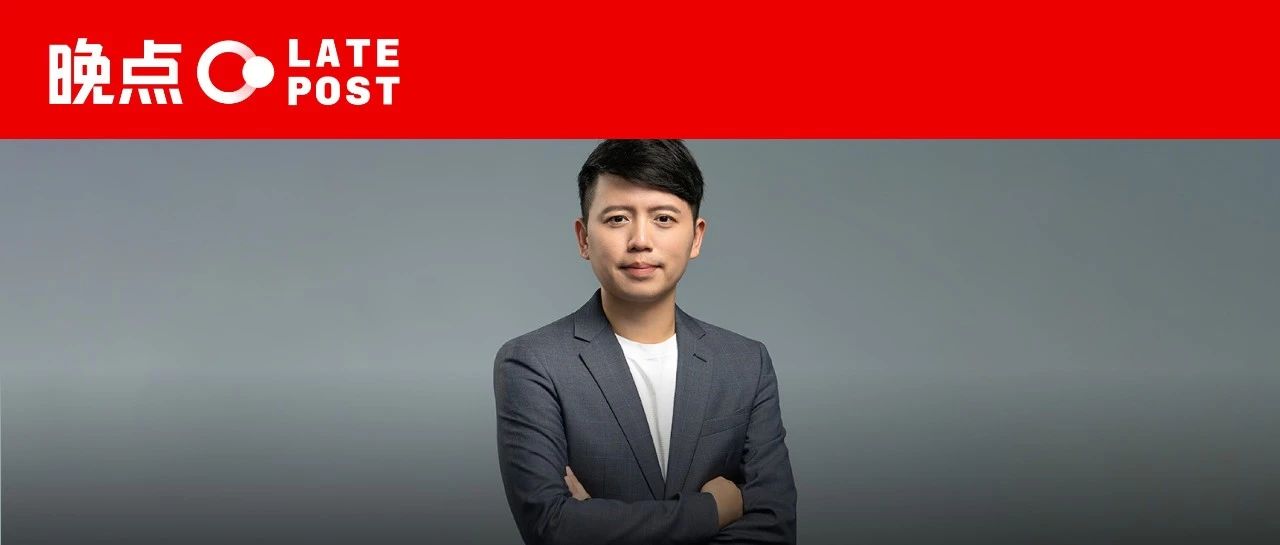
Core Viewpoint - The article discusses the transformation and recovery of Meitu, highlighting the importance of aligning strategy with capabilities and focusing on core competencies after a period of significant losses and restructuring [3][4][10]. Group 1: Company Challenges and Recovery - From 2018 to 2019, Meitu faced substantial losses, leading to the cessation of its diversification efforts and a significant workforce reduction of 60% [3]. - The company returned to its roots in Xiamen, focusing on its core product offerings, which included a beauty function that generated nearly 100 million in revenue in its first year [3][4]. - Meitu's monthly active users (MAU) increased to 266 million, with a net profit of 590 million and annual revenue of 3.34 billion last year, marking a significant recovery [4][7]. Group 2: Strategic Insights - The founder emphasized that the company's survival was not due to expanding its business but rather returning to its strengths in tool development [4][8]. - Meitu has become one of the first application companies to achieve scalable profitability through AI, primarily by adopting a subscription model that aligns with user needs [4][12]. - The company has successfully penetrated the e-commerce design and video production markets, contributing to its revenue growth [4][12]. Group 3: Market Position and Competitive Landscape - Meitu maintains a leading market share of approximately 57% in the image editing sector, despite the low entry barriers for competitors [14]. - The company has adapted to the competitive landscape by focusing on specific niches, such as video portrait beautification and e-commerce material design, which have shown strong performance [32][40]. - The founder acknowledged the challenges posed by larger competitors but expressed confidence in Meitu's unique positioning and capabilities in the image and video tool market [39][40]. Group 4: Future Outlook - Meitu aims to continue expanding its global presence and enhancing its product offerings, with a focus on achieving world-class capabilities in specific areas [12][34]. - The company is cautious about potential pitfalls in the market, particularly regarding the sustainability of its subscription model compared to advertising revenue [41]. - The founder expressed a commitment to maintaining a clear strategic focus and avoiding the pitfalls of past diversification efforts [41].
尊界 S800 上市:如何打破超豪华市场的刻板印象?
晚点LatePost· 2025-06-02 06:15
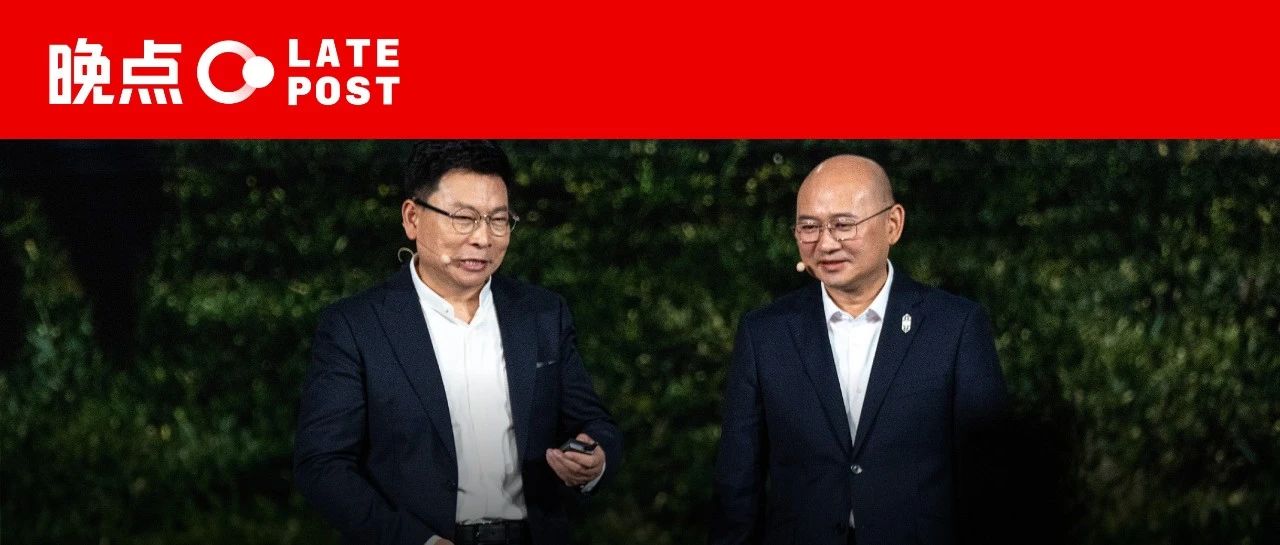
Core Viewpoint - The article discusses the launch of the "Zun Jie" brand by Huawei and JAC Motors, focusing on the Zun Jie S800, a new ultra-luxury vehicle that aims to challenge the traditional dominance of international brands in the high-end automotive market [3][10]. Group 1: Strategic Partnership and Investment - In December 2023, Huawei and JAC Motors announced a comprehensive strategic partnership to establish the "Zun Jie" brand, building on four years of collaboration [3]. - The project has seen an investment exceeding 10 billion yuan, with the establishment of a dedicated design center in Shanghai and a specialized R&D and manufacturing team of over 5,000 people [3][10]. Group 2: Market Positioning and Consumer Response - The Zun Jie S800, priced between 708,000 to 1,018,000 yuan, targets the ultra-luxury sedan market, which represents about 1% of the overall automotive market but contributes significant profits [5]. - Following its launch, the Zun Jie S800 received over 1,000 pre-orders within an hour, with more than 70% of orders for the highest configuration priced at 1,018,000 yuan [5][10]. Group 3: Technological Innovation and Features - The Zun Jie S800 integrates advanced technologies, including the HUAWEI ADS 4 intelligent driving system, which features 36 sensors and self-developed algorithms for near-professional driving assistance [7][12]. - The vehicle emphasizes a luxurious experience through high-quality materials and innovative features, such as a smart lighting system and advanced safety measures like the Angel Seat active safety protection system [9][11]. Group 4: Industry Context and Future Outlook - The launch of the Zun Jie S800 represents a significant move by Chinese brands into the ultra-luxury market, traditionally dominated by foreign brands, leveraging advancements in electric and intelligent vehicle technologies [16]. - The article highlights the importance of a robust domestic supply chain, with over 95% of the Zun Jie S800's components sourced from local suppliers, reflecting China's growing capabilities in the automotive sector [15][16].

美国法院叫停特朗普大部分进口关税;特斯拉股东们的愿望实现了:马斯克离开DOGE丨百亿美元公司动向
晚点LatePost· 2025-05-30 11:08
与此同时,马斯克宣布:6 月起交付自动驾驶版 Model Y。 马斯克昨天发帖称,特斯拉过去几天一直在德克萨斯州的奥斯汀公共街道测试自动驾驶版 Model Y 汽车,期间 "未发生任何事故"。 马斯克表示,该计划将比原计划提前一个月实施,预计在 6 月实现首次从工厂到客户的自主交付。 自助交付指的是特斯拉通过完全自动驾驶(FSD)技术使车辆自主完成从工厂到客户的运输过程, 这是其规模化应用自动驾驶技术的重要尝试。 美国法院叫停特朗普大部分进口关税。 在美国,国会立法确定总统权力边界,法院则能判定总统是否滥用权力。特朗普绕过国会、加征 10%"基准关税" 和更高的 "对等关税",是靠 1977 年就颁布的《国际紧急经济权力法》,但该法主 要涉及贸易禁运和经济制裁。特朗普之前,没有美国总统靠它改变关税。现在,三名法官组成的小 组判定特朗普已经越权,要求行政部门在 10 日内撤回相关关税。但汽车关税等靠其他法案加征的 关税不受影响。 判决书中,法官认为无论从哪个角度分析,"任何认为《国际紧急经济权力法》赋予总统无限关税 权力的解读都是违宪的。" 法律专家说这判决还意味着美国政府需要偿还已经征收的关税。特朗普 政府则 ...

高举 AI、产品为本:理想的两幅面孔丨一分钟财报
晚点LatePost· 2025-05-30 11:08
以下文章来源于晚点Auto ,作者晚点团队 晚点Auto . 从制造到创造,从不可能到可能。《晚点LatePost》旗下汽车品牌。 李想已将 AI 升格为公司一号工程,但至少在今天,他仍在以汽车产品为本。 文 丨 赵宇 编辑 丨 龚方毅 最近两场业绩会,理想汽车董事长兼 CEO 李想变回人们原来熟悉的样子:谈论怎么做车、做什么 车。 本月,理想完成了 L 系列的年度改款车型上市。从 4 月的上海车展预热开始,到改款上市后,理想周 度交付量总体保持稳定。一位完整观察了去年理想 L 系列改款过程的投资人告诉我们,理想今年的改 款称得上 "丝滑" 。 理想当季车辆毛利率仍保持在 19.8%,同比提高 0.5 个百分点,高于管理层年初给的指引。当时理想 汽车 CFO 李铁预警 "一季度本就是淡季,适逢春节(放假导致订单量和交付量偏低),春节后又有促 销活动,所有因素叠加在一起,预计车辆毛利率在 19% 左右。" 习惯了看短期的资本市场并不看好这样的一季报,下午理想美股盘前跌幅一度接近 5%。卖出理由包 括平淡的业绩指引、确定的竞争加剧、未知的纯电前景…… 随着理想高管在业绩会开始讲 i8 要怎么做、公司竞争力在哪里、 ...


高投入拖累利润,拼多多重金押注长期
晚点LatePost· 2025-05-30 11:08
Core Viewpoint - Pinduoduo is sacrificing short-term profits to build a sustainable platform ecosystem, emphasizing long-term investments over immediate financial returns [1][2][3] Financial Performance - In Q1 2025, Pinduoduo reported total revenue of 95.672 billion yuan, a 10% year-on-year increase, but below market expectations of 101.6 billion yuan [1] - The net profit for the same quarter was 14.742 billion yuan, a significant decline of 47% year-on-year, with adjusted net profit at 16.92 billion yuan, also falling short of the anticipated 27.88 billion yuan [1] - The stock price dropped over 20% in pre-market trading following the earnings report, leading to a market capitalization loss of over 23 billion USD [1] Strategic Shift - Pinduoduo's revenue structure shows online marketing services revenue at 48.722 billion yuan, up 15%, while transaction services revenue was 46.950 billion yuan, growing only 6% [3] - The decline in revenue growth is attributed to Pinduoduo's strategic shift towards supporting merchants, including reducing commissions and fees, which has impacted transaction service revenue growth [3][4] - Total operating expenses surged by 37% year-on-year, significantly outpacing revenue growth, with sales and marketing expenses reaching 33.403 billion yuan, accounting for 34.9% of total revenue [3][4] Long-term Investment Initiatives - Pinduoduo announced a "100 billion support plan" aimed at providing resources to merchants over the next three years, which includes lowering commissions and fees [4][5] - The company is transitioning from being a traffic distributor to an ecosystem builder, focusing on supporting small and medium-sized businesses and enhancing supply chain efficiency [5][6] Market Trends and Challenges - The overall e-commerce market in China is experiencing a shift towards high-quality growth, with online retail sales increasing by 7.7% year-on-year from January to April 2025 [6] - Pinduoduo is also facing challenges in its global business due to changes in international trade policies and increased operational costs, leading to a strategic pivot towards localizing operations in overseas markets [7][8][9] - The market reaction to Pinduoduo's earnings report reflects a divided sentiment, with some investors optimistic about the company's long-term strategy while others are concerned about its domestic market challenges and international uncertainties [9]


每天烧出 4000 万个新订单,外卖补贴战即将转向新战场
晚点LatePost· 2025-05-30 11:08
Core Viewpoint - The ultimate winners of the shifting consumer habits from food delivery to instant retail are the platforms themselves [2][18]. Group 1: Market Dynamics - In May, JD and Taobao's flash purchase service, along with Ele.me, reported significant order volumes, with daily orders exceeding 20 million and 40 million respectively [3]. - The peak daily order volume for China's food delivery market is around 100 million, with Meituan handling the majority [3]. - The increase in order volume is attributed to low-price promotions and a shift of offline consumption to delivery platforms, rather than a genuine increase in consumer spending [3][4]. Group 2: Subsidy Strategies - The pressure from subsidies is becoming evident, with Meituan expecting a slowdown in revenue growth and profit decline in its core local business segment [4]. - Both Taobao's flash purchase and JD are preparing for increased competition during the 618 shopping festival, with expectations of reaching 50 million orders [5]. - Different platforms are adopting varied subsidy strategies, with Meituan focusing on specific products like "拼好饭" and "神抢手" to maintain order volume [9]. Group 3: Consumer Behavior and Product Focus - Over half of the recent growth in orders is driven by beverages like milk tea and coffee, with JD leveraging low-priced drinks to boost order volume [6][7]. - The focus on beverages is due to their lower consumption limits compared to meals, allowing for higher order frequency [7]. - The rapid increase in beverage orders has raised concerns among brands about consumer price expectations once subsidies are withdrawn [10][14]. Group 4: Future Trends - The competition is expected to shift from food delivery to instant retail, with platforms like Meituan and JD investing in this area [15][16]. - Instant retail is seen as a new battleground for e-commerce growth, with both Alibaba and JD aiming to convert food delivery users into instant retail customers [15][17]. - The evolution of consumer habits towards mobile app ordering and rapid delivery is anticipated to reshape the retail landscape [18].


Shein再被传赴港上市;星舰在第九次试飞中解体丨百亿美元公司动向
晚点LatePost· 2025-05-29 11:19
Group 1 - Shein is preparing for an IPO in Hong Kong, with plans to submit a prospectus to the Hong Kong Stock Exchange in the coming weeks, aiming for completion within the year [1] - SpaceX's Starship experienced a non-planned disintegration during its ninth test flight, losing contact with the control center shortly after launch [2] - A report indicates that the average annual salary for executives in A-share listed companies is 1.6367 million yuan, with the highest salary reaching 41.8 million yuan [3] Group 2 - A scholar from Fudan University stated that the second phase of the US-China competition has begun, focusing on gaining third-party support and addressing issues like service market openness and technology restrictions [4] - Antonio Filosa has been appointed as the new CEO of Stellantis, effective June 23, following the resignation of Carlos Tavares [5] - Nissan plans to raise over 700 million USD through bond issuance and asset sales, including a government-backed loan from the UK [6] Group 3 - Cathay Capital announced the successful fundraising of the largest AI-focused fund in the EU, with a total size of 1 billion USD [7] - XPeng Motors launched the MONA M03 Max version at a reduced price, with a price drop of 16,000 to 26,000 yuan compared to the pre-sale price [8] - The acquisition of Skechers by 3G Capital for over 9 billion USD was influenced by increased tariffs, leading to a trend of more brand sales [10] Group 4 - McKinsey has laid off over 10% of its workforce, marking the largest round of layoffs in its history, with current employee numbers around 40,000 [11] - Apple is set to launch a new gaming application and has acquired a small game company, RAC7, to enhance its gaming business [11] - Elon Musk indicated a shift in focus for the government efficiency department towards improving federal computer systems rather than large-scale layoffs [12] Group 5 - CATL is investing in solid-state battery technology, aiming for small-scale production by 2027, with a goal to complete the development of a 20 Ah solid-state battery cell by the end of this year [13]




硅谷硬核创业:9 个人,造出 9000 美元人形机器人,想挑战特斯拉
晚点LatePost· 2025-05-29 11:19
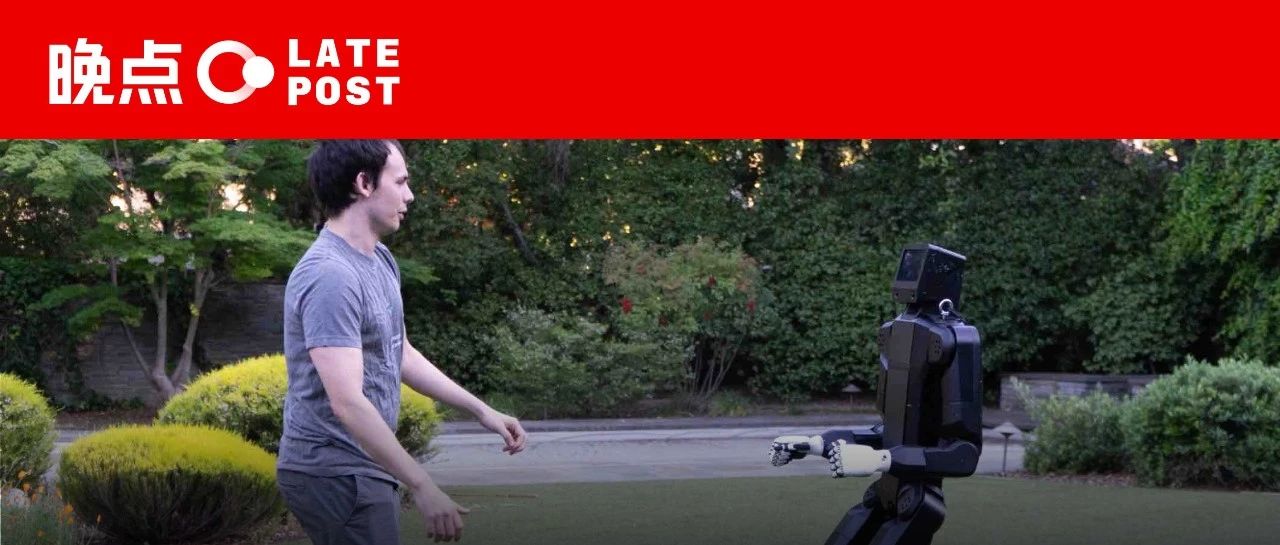
帮特斯拉砍掉激光雷达的人,在美国造低价机器人。 文 丨 贺乾明 编辑 丨 程曼祺 2023 年 8 月,宇树科技发布人形机器人 H1。时任 OpenAI 研究科学家、特斯拉前 AI 总监安德烈·卡帕蒂 (Andrej Karpathy)对 9 万美元的售价和机器人性能感到惊讶,在社交媒体上说想买一两个,或者一些。 而曾在特斯拉帮助砍掉激光雷达的本·博特(Ben Bolte)觉得,在美国能做出更便宜的人形机器人。他说宇树 科走通了低价人形机器人这条路,给了他很大启发。 他来中国拜访过宇树创始人王兴兴,他主要讲英文,王兴兴说中文。"王兴兴很厉害,只说中文也没关系。" 博特说。 今年 5 月 19 日,博特创办的人形机器人公司 K-Scale Lab 开源人形机器人软件套件,并开启人形机器人预 售:1.5 米高,成本 9000 美元(约 6.5 万元人民币),售价 16000 美元(约 11.5 万元人民币)——这考虑了 关税的影响。 K-Scale 的人形机器人 K-Bot。图片来自 K-Scale。 "其实 9000 美元还有得赚。"K-Scale 联合创始人、COO 徐睿说。徐睿曾在小米、字节、腾讯从事硬件产 ...