汽车商业评论

Search documents
成都车展,一个时代的转折
汽车商业评论· 2025-08-30 00:50
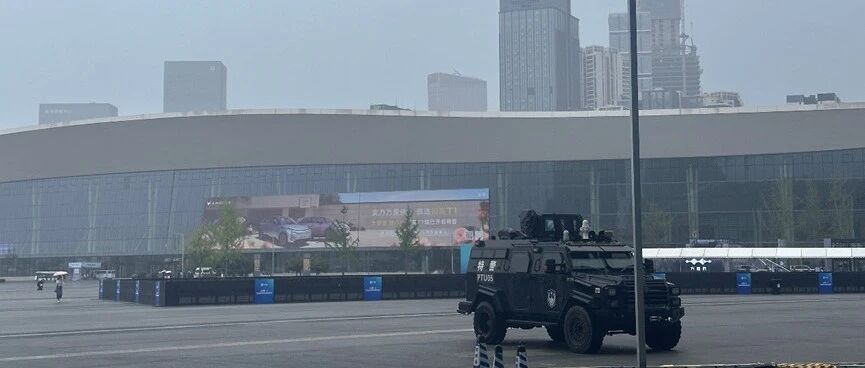
Core Viewpoint - The 2025 Chengdu Auto Show highlights a significant shift in the automotive industry, with luxury brands absent and domestic brands taking center stage, reflecting changing consumer preferences and market dynamics [11][12][13]. Group 1: Industry Trends - The absence of luxury brands like Rolls-Royce and Porsche at the Chengdu Auto Show indicates a decline in their market presence, with Porsche's sales in China dropping 28% year-on-year in the first seven months of 2025 [12][11]. - Domestic brands such as Chery and BYD are gaining prominence, with Chery showcasing its four brands at the show, reflecting a strong push for local innovation and market capture [6][11]. - The automotive industry is facing a price war that has lasted for 32 months, leading to a significant drop in profits, with the industry's total profit in July 2025 reported at 29.3 billion yuan, down 17% year-on-year [8][11]. Group 2: Consumer Behavior - Consumers in Chengdu are increasingly favoring domestic luxury brands over traditional foreign luxury brands, as evidenced by the sales of 125,000 luxury cars in the first seven months of 2025, a slight increase of 1.7% [11][12]. - The Chengdu Auto Show has transformed into a more practical event, focusing on product experience rather than extravagant displays, with live streaming replacing traditional car models [9][11]. Group 3: Brand Strategies - Domestic brands are not only focusing on product experience but also on emotional value, as seen with Lantu's collaboration with Peppa Pig to enhance brand engagement [25][27]. - Companies like Volvo and Cadillac are adapting their marketing strategies to emphasize brand value and emotional connection, with Volvo's XC70 achieving over 5,000 pre-orders within 85 minutes of its launch [16][28]. - The competition among domestic brands is intensifying, with companies like Great Wall Motors and NIO focusing on unique product offerings and brand differentiation strategies [28][30].




捷达品牌独立运营,一汽-大众首创合资新范式
汽车商业评论· 2025-08-28 23:51
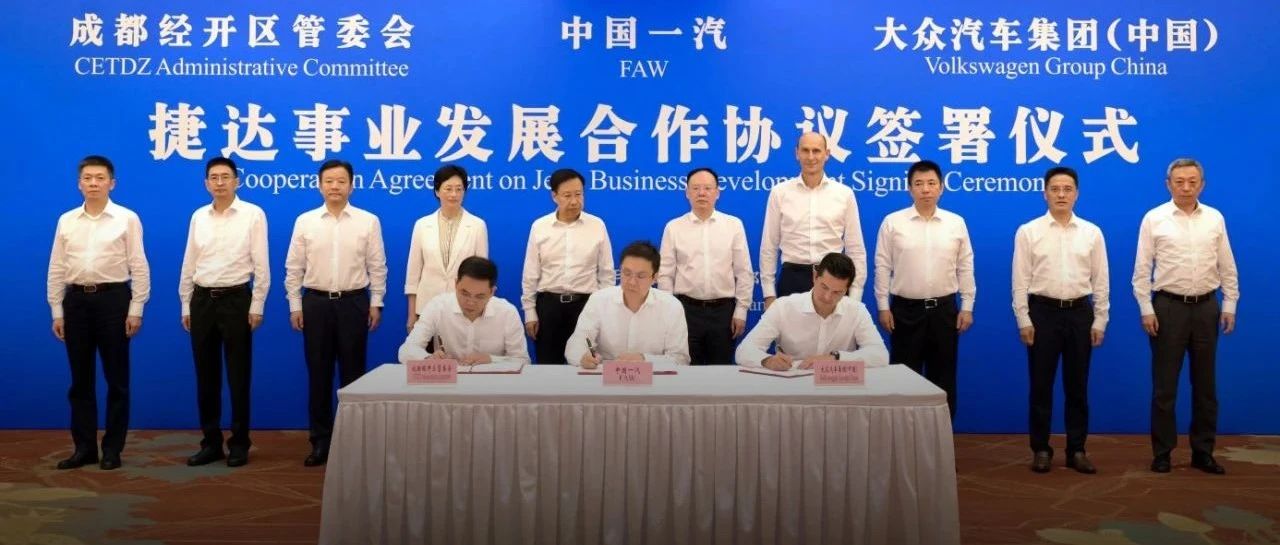
Core Viewpoint - The collaboration between China FAW, Volkswagen Group (China), and Chengdu Economic Development Zone marks a significant step in establishing the Jetta brand as a leading player in the Sichuan automotive industry, emphasizing local development and innovation [4][6]. Group 1: Strategic Developments - On August 29, a cooperation agreement was signed to establish a new company for the Jetta brand, aiming to enhance local operations and innovation capabilities [4]. - The partnership is a response to China's high-level opening-up policy and the Belt and Road Initiative, focusing on high-quality transformation of the Sichuan automotive industry [4][6]. - Starting in 2026, Jetta will introduce 11 new models tailored for the Chinese market, with a focus on electric vehicles [5][10]. Group 2: Technological Advancements - Jetta's first electric vehicle will utilize a self-developed SOA electronic architecture, marking a shift in technology leadership from foreign to local [8]. - The new CMP platform will reduce development time by 30% and optimize costs by 40%, enhancing Jetta's competitiveness in the electric vehicle market [10]. - The collaboration with local tech firms and the opening of source code by international suppliers signify a move towards a "China-led innovation" model in the automotive sector [14]. Group 3: Market Positioning and Future Plans - Jetta aims to penetrate the entry-level electric vehicle market, targeting a broader customer base and achieving comprehensive coverage of mainstream segments [6][18]. - By 2028, Jetta plans to launch five new products, including four electric models, while also exploring overseas markets, particularly in Central Asia [18]. - The partnership with local government and resources will facilitate a robust ecosystem for Jetta's operations, ensuring rapid market response and deeper localization [12][18].
电动智能浪潮下,沃尔沃的安全底色从未改变
汽车商业评论· 2025-08-28 23:51
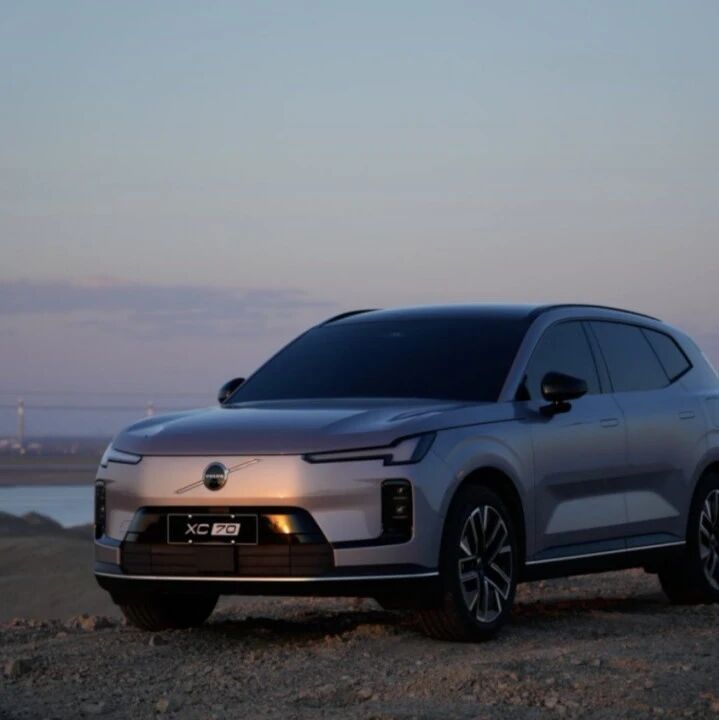
Core Viewpoint - Volvo's new XC70 has set a pre-sale record for luxury hybrid models, with over 5,000 orders within 85 minutes of its launch, indicating strong market demand for its blend of luxury, safety, practicality, and high cost-performance [4][6]. Group 1: Product Launch and Features - The XC70 is available in two configurations: a plug-in hybrid two-wheel drive long-range version starting at 299,900 yuan and a four-wheel drive ultra-long-range version starting at 329,900 yuan [4]. - The XC70 is built on the SMA super hybrid architecture, marking a significant breakthrough in Volvo's electrification strategy in the luxury market [7]. - The vehicle features a "four-engine four-wheel drive" power structure, combining a 1.5T hybrid engine with three electric motors, enabling seven operational modes for optimal performance [9][11]. Group 2: Safety and Technology - The XC70 boasts a pure electric range of over 200 km and a combined range exceeding 1,200 km, addressing common concerns about electric vehicle range anxiety [11]. - Volvo emphasizes safety in its design, with a focus on real-world crash scenarios, leading to the development of advanced safety features and a robust safety structure [12][20]. - The vehicle includes 24 intelligent sensing hardware components, providing 21 intelligent safety functions, enhancing overall safety during driving [20][21]. Group 3: User Experience and Smart Features - The XC70's smart cockpit is designed to prioritize user safety, avoiding information overload and ensuring a seamless interaction experience [15][18]. - It integrates local resources, such as real-time traffic data and voice recognition for dialects, catering specifically to Chinese user preferences [17]. - The vehicle's system is built on a closed-source QNX operating system, ensuring high reliability and safety standards [21][23]. Group 4: Future Outlook - Volvo's commitment to safety as a core brand value positions it uniquely in the luxury automotive market, especially as it integrates advanced electric and intelligent technologies [24].
独家 | 前蔚来、理想高管加盟FF,贾跃亭重启生态化反
汽车商业评论· 2025-08-28 09:01
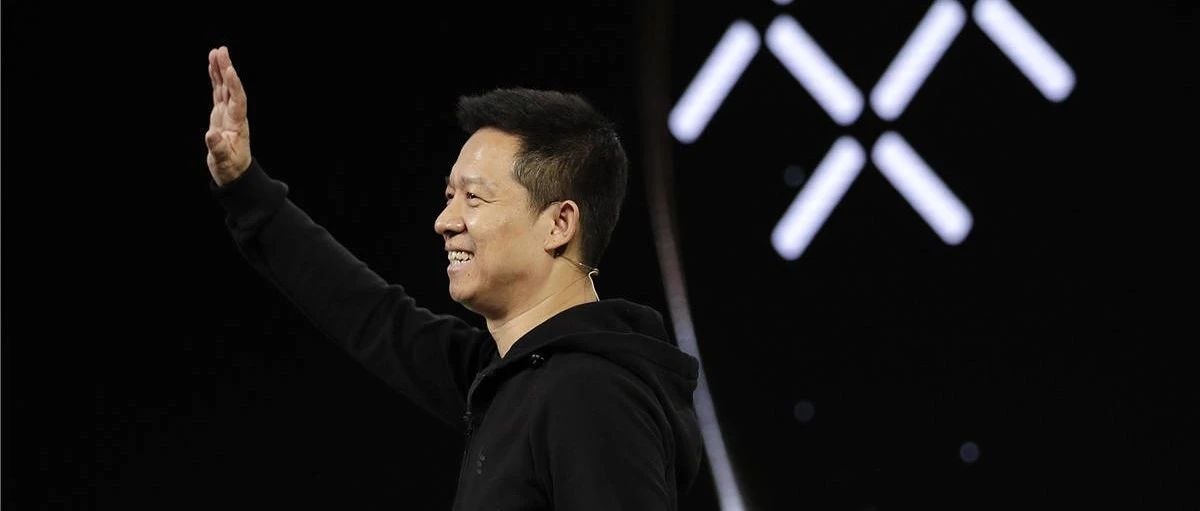
Core Viewpoint - The article discusses the strategic appointment of Li Jun as the Vice President of Global Supply Chain and Chief Strategy and Business Growth Officer for Faraday Future (FF), highlighting his extensive background and the critical role he will play in strengthening FF's supply chain and bridging the gap between Chinese and American automotive industries [3][10][11]. Group 1: Company Background and Leadership Changes - Li Jun joined FF on August 26, 2025, at a time when the company is navigating complex geopolitical challenges and aiming to revitalize its operations [3][10]. - FF has launched a second brand, FX, with its first model, FX Super One, receiving over 10,000 paid orders by July 31, 2025, indicating strong market interest [5][12]. - The company has faced significant supply chain issues, which have hindered the timely delivery of its flagship model, FF 91 [5][19]. Group 2: Li Jun's Educational and Professional Background - Li Jun has an extensive educational background, including degrees from East China Normal University, the University of Southern California, and a PhD in International Politics from Fudan University, among others [6][8]. - His professional experience spans over two decades in the automotive industry, including key roles at Delphi, Magna, and NIO, culminating in his recent position at FF [7][10]. Group 3: Strategic Initiatives and Supply Chain Focus - FF's strategy includes a "bridge strategy" aimed at integrating Chinese automotive supply chains with American markets, addressing the high costs associated with European and American suppliers [14][19]. - The company plans to utilize its California factory, which has a production capacity of 30,000 to 40,000 vehicles per year, to assemble FX models and leverage local supply chains [15][17]. - FF's dual procurement strategy aims to balance sourcing from China while establishing a localized supply chain in target markets to enhance responsiveness and reduce costs [17][19]. Group 4: Financial Strategies and Innovations - FF has introduced a dual-wheel strategy involving AI and cryptocurrency to enhance its business model, including the launch of the C10 Treasury plan to track major cryptocurrencies and raise funds [25][27]. - The C10 Treasury aims to raise between $500 million to $1 billion through pre-orders and tokenization, with a goal of expanding to hundreds of billions in the future [28][30]. - The company is exploring the potential of becoming the first electric vehicle industry cryptocurrency index fund, attracting institutional investors [30].

斥资80亿美金!铃木押注印度、叫板中国
汽车商业评论· 2025-08-28 09:01
Group 1: Electrification - Suzuki plans to invest approximately 700 billion INR (around 80 million USD) in India over the next five to six years to establish a global electric vehicle production center, starting with the e Vitara SUV [6][7] - The Indian government aims to increase electric vehicle penetration to 30% by 2030, with current penetration at only 4.5%, indicating significant growth potential in the market [7] - The collaboration between Toyota and Hyundai aims to accelerate advancements in humanoid robotics, enhancing automation in various sectors [20][23] Group 2: Market Developments - The U.S. and EU are exploring a unified automotive regulatory framework, which could facilitate the entry of affordable small electric vehicles into the U.S. market [10][11] - Ken Ganley Group's acquisition of two Lexus dealerships in Ohio reflects a strategic move to strengthen its luxury vehicle presence in a high-income area [24][26] - Hyundai Motor Group is increasing its investment in the U.S. to 26 billion USD from 2025 to 2028, focusing on expanding production capacity and enhancing local supply chains [28][30] Group 3: Safety and Risks - Chevrolet is recalling over 23,500 Corvettes due to a fuel leak risk that could lead to fire hazards, highlighting ongoing safety challenges in high-performance vehicles [35][37] - Volkswagen faces a lawsuit regarding its touch-sensitive buttons that may lead to unintended vehicle operations, raising concerns about safety in automotive design [39][41]
不炫技,不堆料,艾力绅凭何做MPV市场的“MVP”?
汽车商业评论· 2025-08-26 23:05
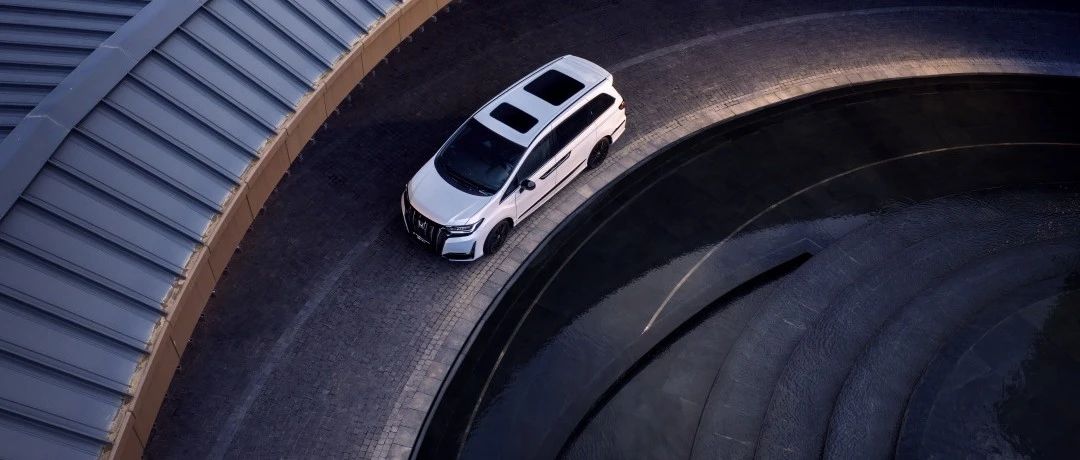
Core Viewpoint - The new Dongfeng Honda Aileishen, a benchmark model in the MPV market, has been launched with a refreshed design and enhanced features, aiming to lead the high-end family MPV trend in China [4][6]. Group 1: Product Features and Market Positioning - The new Aileishen offers four versions priced between 249,800 to 303,800 yuan, along with purchase incentives totaling up to 36,800 yuan [4]. - It has a unique positioning as a versatile vehicle suitable for both business and family use, breaking the traditional dichotomy in the MPV market [6][7]. - The vehicle balances high-end quality with practical value, integrating advanced technology and thoughtful design without excessive luxury [6][7]. Group 2: Competitive Advantages - Aileishen's ability to adapt to various scenarios, such as business receptions and family outings, allows it to meet diverse user needs effectively [7][20]. - The model's design philosophy emphasizes finding the right balance rather than pursuing extremes, making it user-friendly for various roles [14][22]. - The vehicle features a flexible seating arrangement and spacious interior, enhancing comfort and usability for different passenger needs [10][12]. Group 3: Technological Innovations - The i-MMD dual-motor hybrid system provides excellent fuel economy and a smooth driving experience, addressing traditional MPV fuel consumption concerns [17]. - Advanced safety features, including the Honda SENSING system, offer comprehensive protection and assistive driving capabilities [17]. - The Honda CONNECT system enhances the user experience with smart features like voice control and remote access [18]. Group 4: Market Context - Japanese MPVs, including Aileishen, maintain a strong market position due to their reputation, advanced hybrid technology, and deep understanding of space and comfort [9]. - The Aileishen's design and functionality reflect Honda's commitment to meeting the real needs of MPV users, focusing on reliability and balanced experiences [20][22].
通用硅谷招兵买马,保时捷暂停扩建电池生产线、澳拟推道路使用费|全球汽车十条
汽车商业评论· 2025-08-26 23:05
Electric Vehicle Industry - Porsche adjusts its battery strategy, focusing on battery cell and system development due to slowing electrification progress in China and the US [6] - The new Mercedes-AMG GT XX concept car sets a new electric vehicle endurance record, traveling 3,405 miles (approximately 5,480 kilometers) in 24 hours [9][10] - India's electronic manufacturing industry has seen sixfold growth over the past decade, with electronic product output expected to reach $129.9 billion by FY2025 [11][13] - Rivian plans to launch hands-free driving capabilities by the end of 2026, aiming to differentiate itself in the competitive electric vehicle market [24] Shared Mobility - Zoomcar partners with Google Cloud to integrate AI into its car-sharing platform, enhancing user experience and platform security [15][18] - BlueSG transitions its electric vehicles to long-term rentals with Tribecar, moving away from short-term rentals to meet market demand [28] Autonomous Driving - Lyft collaborates with Baidu to launch a robotaxi service in Europe by 2026, marking Baidu's entry into the European autonomous driving market [31][34] Policy and Regulation - Australia plans to implement a road usage fee to replace fuel taxes, with a focus on reducing fuel dependency and managing traffic congestion [35]




蔚小理的情绪价值,奔驰宝马现在不认
汽车商业评论· 2025-08-25 23:04
Core Viewpoint - The article emphasizes the shift in the Chinese automotive market from a focus on functional benefits to emotional value, highlighting how vehicles are increasingly seen as a "third space" for personal and family interactions rather than just transportation tools [6][10]. Group 1: Emotional Value in Automotive - NIO defines its product methodology through a "user value system" that prioritizes emotional value over functional improvements, indicating that emotional aspects like personal expression and social status are crucial in product design [4][10]. - The automotive market is transitioning to "emotional competition," where vehicles serve as emotional buffers and spaces for family activities, reflecting a deeper understanding of consumer needs [6][10]. - Emotional value is categorized into four layers: "self-pleasure," "family comfort," "community engagement," and "journey assurance," each addressing different consumer experiences and expectations [12][13][14][15]. Group 2: Market Dynamics and Consumer Behavior - The Chinese automotive market has undergone two significant shifts: the initial "functional dividend" focusing on parameters like size and efficiency, followed by the emergence of "emotional dividends" that prioritize emotional stability and connection [8][10]. - Changes in family structures and commuting patterns have made emotional experiences in vehicles more important, with consumers seeking comfort and connection during their travels [10][17]. - The article notes that consumers are now more willing to pay for designs and services that enhance their emotional well-being rather than just technical specifications [10][12]. Group 3: Engineering Emotional Value - To create stable emotional experiences, automotive companies must integrate sensory design, intelligent software, and service/community layers, forming a comprehensive emotional value system [24][27]. - Sensory design focuses on elements like lighting, sound, and scent to create a calming atmosphere, while intelligent software enhances user interaction and driving experience [24][26]. - Service and community aspects provide long-term emotional support, fostering a sense of reliability and belonging among users [26][27]. Group 4: Globalization and Cultural Adaptation - As Chinese automotive brands expand globally, they face the challenge of translating emotional value into culturally relevant experiences, balancing local preferences with universal needs for comfort and trust [29][30]. - Different markets have varying expectations; for instance, European consumers prioritize reliability and privacy, while North American consumers appreciate personalization and innovation [29][30]. - The goal for Chinese automotive companies is to provide a "world-class experience" that respects cultural nuances while delivering emotional support [30].



没交付先吃官司,索尼本田踩了红线
汽车商业评论· 2025-08-25 23:04
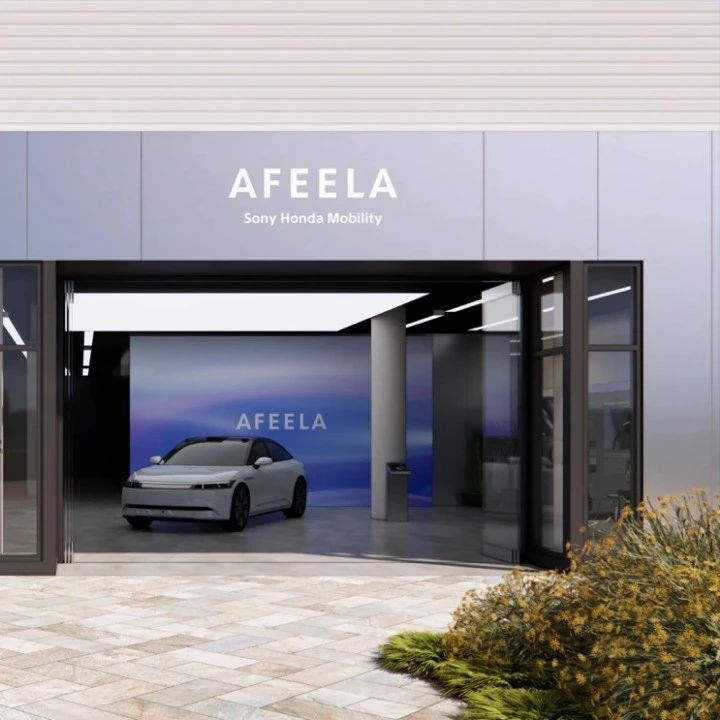
Core Viewpoint - The legal dispute involving AFEELA, a joint venture between Sony and Honda, highlights the clash between new direct sales models for electric vehicles and traditional dealership frameworks in California, raising questions about compliance with state laws [2][8][15]. Group 1: Company Structure and Sales Model - AFEELA is a joint venture formed by Sony and Honda, officially established in June 2022, with each holding a 50% stake and a registered capital of 10 billion yen (approximately 500 million RMB) [5]. - The company aims to streamline the vehicle purchasing process by allowing consumers to complete reservations and sales directly through its website, charging a refundable deposit of $200 for the AFEELA 1 model [5][8]. - AFEELA 1 is set to be produced at Honda's factory in Ohio, with plans for sales to commence in California in 2025 and deliveries starting in mid-2026 [6]. Group 2: Legal Challenges and Implications - The California New Car Dealers Association (CNCDA) has filed a lawsuit against Honda and its subsidiaries, claiming that AFEELA's direct sales approach violates state laws prohibiting manufacturers from competing with their own franchised dealers [2][8][13]. - CNCDA argues that AFEELA's actions directly threaten the business of 161 Honda and Acura dealers in California, seeking immediate legal relief to halt these practices [8][12]. - The case reflects broader tensions within the automotive industry regarding the legality of direct sales models, as seen in previous lawsuits against other manufacturers like Volkswagen [12][15]. Group 3: Potential Outcomes and Industry Impact - The ongoing legal proceedings could lead to three possible outcomes: a court ruling in favor of CNCDA, a settlement that introduces authorized dealerships for delivery and service, or prolonged legal debates over the definition of "affiliated parties" [15]. - The implications of this case extend beyond AFEELA, potentially influencing how other states regulate direct sales and the relationship between manufacturers and dealerships [15].
中东土豪,买爆中国车
汽车商业评论· 2025-08-24 23:05
Core Viewpoint - The article highlights the growing interest and market opportunities for Chinese automotive brands in the Middle East, driven by favorable policies, consumer preferences, and strategic partnerships, while also acknowledging the challenges and competition from established brands [3][5][19]. Group 1: Market Dynamics - In the first half of 2024, China's passenger car exports to the Middle East reached 420,000 units, a year-on-year increase of 46.2%, making the region the largest destination for Chinese automotive exports [3]. - The trend is expected to continue, with a projected 3.083 million vehicles exported in the first half of 2025, marking a 10.4% increase year-on-year [3]. - The Saudi automotive market is projected to reach 827,000 units in 2024, reflecting a 13% growth, with the top ten car manufacturers accounting for approximately 80% of sales [23]. Group 2: Strategic Moves by Companies - Tesla has entered the Saudi market by opening its first showroom and service center in Riyadh, with plans for additional locations [10]. - Chinese automakers like Dongfeng and NIO are forming strategic partnerships and establishing local production facilities to cater to regional consumer preferences [11][12]. - Companies are adapting their products to local conditions, such as high temperatures and sandstorms, to enhance their competitiveness [32]. Group 3: Consumer Preferences and Market Characteristics - The Middle Eastern automotive market is still predominantly fueled by gasoline vehicles, with over 90% market share, although there are emerging segments for electric vehicles, particularly in countries like Jordan [22]. - Local consumers prefer "boxy" vehicle designs, which reflect cultural aesthetics rather than practical needs [24]. - The definition of luxury in the region leans towards high cost-performance rather than just high price tags [25]. Group 4: Policy and Economic Factors - The Middle East offers lower regulatory barriers compared to Western markets, making it easier for Chinese brands to enter [16]. - The region's strategic location allows for potential access to European and North American markets, enhancing its appeal for Chinese electric vehicle manufacturers [19]. - The 5% import tariff on vehicles in the Middle East is significantly lower than the 20% or more tariffs in Western markets, making it an attractive destination for exports [18]. Group 5: Challenges and Considerations - Despite the opportunities, Chinese brands face challenges in brand recognition and trust among local consumers [35]. - The need for a robust after-sales service system is critical for sustaining market presence, as highlighted by past failures of Chinese brands in Southeast Asia [37]. - Cultural adaptation and understanding local consumer behavior are essential for success in the Middle Eastern market [36].