凤凰网财经

Search documents
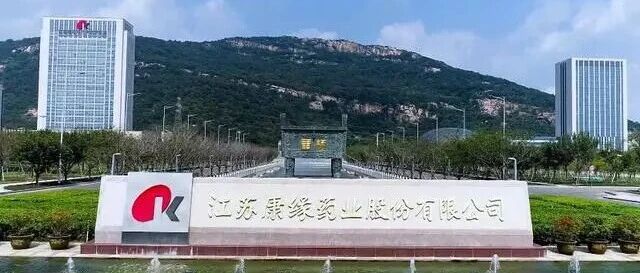
研发投入超15%:康缘药业的攻守之道
凤凰网财经· 2025-09-15 14:22
Core Viewpoint - Innovation has become the core driving force for the development of companies in the pharmaceutical industry, as exemplified by Kangyuan Pharmaceutical's strategic focus on innovation and quality to explore new growth points and protect its existing market position [1][7]. Financial Performance and R&D Investment - In the first half of 2025, Kangyuan Pharmaceutical achieved revenue of 1.642 billion yuan, with R&D investment accounting for 15.02% of revenue, maintaining a high level compared to industry standards [1][2]. - The company has seen a steady increase in R&D investment ratio over the past three years, with a current R&D team of 782 people, indicating strong talent reserves and investment intensity [2]. R&D Pipeline and Strategy - Kangyuan Pharmaceutical has a rich product pipeline, with 28 products in preclinical stages, 15 in Phase I, 12 in Phase II, and 8 in Phase III, covering multiple therapeutic areas [2]. - The company emphasizes deep development and value re-creation of existing products, exploring new indications and technological upgrades to extend product life cycles [2][5]. - The strategic focus is on unmet clinical needs, aiming to develop innovative drugs with significant clinical value and unique advantages [2]. Unique R&D Framework - The company has established a unique "industry-university-research-application" integrated R&D system, collaborating closely with top institutions like Nanjing University of Chinese Medicine and Shanghai Institute of Materia Medica [3]. - Kangyuan Pharmaceutical leads the "National Key Laboratory of Process Control and Intelligent Manufacturing Technology for Traditional Chinese Medicine," addressing key technical challenges in the pharmaceutical process [3]. Innovation Achievements - Kangyuan Pharmaceutical has maintained a leading position in TCM innovation, with 58 new TCM drugs, 47 of which are exclusive varieties [4]. - The approval of the TCM new drug Yunu Jian Granules exemplifies the modernization of ancient classic formulas [4]. - The company has made significant breakthroughs in chemical and biological drugs, with KYS2301 gel being the world's first CCR8 peptide inhibitor approved for clinical trials [4]. Market Strategy and Future Outlook - The company adopts a "one body, two wings" development strategy, focusing on TCM while expanding into chemical and biological drugs, particularly in gynecology, respiratory, and cardiovascular fields [6]. - Kangyuan Pharmaceutical is progressing in internationalization with a dual reporting strategy in China and the U.S., marking new advancements in its international market expansion [6]. - The period of 2025-2026 is expected to be crucial for the company's R&D output, with key milestones anticipated in clinical data and product launches [6]. Strategic Balance - Kangyuan Pharmaceutical's strategy balances innovation and tradition, allowing it to navigate industry policy changes and market competition effectively [7]. - The company's 15.02% R&D investment is viewed as essential ammunition for its long-term strategic "offensive and defensive" approach [7].


泡泡玛特新品遇冷,15个交易日市值蒸发超千亿
凤凰网财经· 2025-09-15 14:22
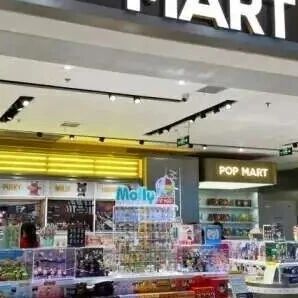
Core Viewpoint - The stock price of Pop Mart (09992.HK) has experienced a significant decline, dropping 23.78% from its historical high of 339.8 HKD per share, resulting in a market capitalization loss exceeding 100 billion HKD [4]. Group 1: Stock Performance - On September 15, Pop Mart's stock price fell by 6.43% to close at 259 HKD per share, with an intraday drop of 8.96%, leading to a total market value of 347.8 billion HKD [2]. - Since reaching its peak, the stock has underperformed compared to the Hang Seng Index, which increased by 2.16% during the same period [4]. Group 2: Analyst Ratings and Market Sentiment - Morgan Stanley downgraded Pop Mart's stock rating to "neutral," citing a lack of clear growth catalysts and unattractive current valuation levels [4]. - The recent product launches, including the SKULLPANDA series, have not generated the expected consumer interest, as evidenced by low queue numbers during the release [4]. Group 3: Sales Performance and Consumer Demand - The online sales of the new SKULLPANDA blind boxes showed volatility, with initial sales of 93,000 units dropping to only 809 units shortly after, indicating potential high return rates [5]. - The launch of the gold jewelry series "popop" also failed to attract significant consumer interest, with no queues reported at retail locations [5]. Group 4: Secondary Market Trends - Data from second-hand trading platforms indicate a decline in the popularity of Pop Mart's IPs, with the average transaction price for Labubu's fourth generation dropping from 1916 RMB to 1422 RMB [6]. - On the Xianyu platform, the average transaction price fell to 104 RMB, with 68% of users expecting further price declines [6]. Group 5: Market Dynamics and Future Outlook - An economist noted that the stock price of collectible toy companies is correlated with product market demand, suggesting that the current decline in prices may continue if new IPs are not consistently produced [8]. - The sustainability of the collectible toy market's value relies on diversifying offerings and continuously generating new IPs to meet varying consumer preferences [8].

麦田能源创业板IPO:股东反对上市,产能利用率不足仍扩产
凤凰网财经· 2025-09-15 14:22
Core Viewpoint - The article discusses the recent developments surrounding Maitian Energy Co., Ltd.'s IPO process, highlighting internal shareholder disputes and the company's reliance on strategic backing from the "Qingshan System" [1][5]. Group 1: Shareholder Disputes - Maitian Energy's IPO has faced unusual opposition from shareholders, particularly from five funds under Chaoxi Capital, which voted against the listing proposal, while two funds supported it [2][3]. - The dissenting shareholders hold a total of 817,470 shares, representing 2.27% of the pre-IPO capital, indicating a significant internal division within the investment group [3]. - The valuation discrepancy is notable, as the dissenting shareholders invested at a valuation of 14.887 billion yuan, while the post-IPO valuation is projected to be under 10 billion yuan, leading to conflicts of interest [4]. Group 2: Strategic Support from Qingshan System - Maitian Energy has received substantial strategic investment from Yongqing Technology Group, part of the Qingshan Holding Group, which is a major player in the stainless steel and nickel manufacturing industry [5][7]. - The company has relied on financial support from its strategic backers, with outstanding debts to Yongqing Technology and Qingshan Holding amounting to 183.577 million yuan and 549.2 million yuan, respectively, as of early 2023 [6]. - Qingshan's support extends beyond financial backing, as its subsidiary, Ruipu Lanjun, is a key supplier for Maitian Energy, providing essential components for its products [7][9]. Group 3: Production Capacity and Financial Performance - Maitian Energy's revenue has shown steady growth, with figures of approximately 2.486 billion yuan, 2.9 billion yuan, and 3.392 billion yuan over the past three years, but net profit has fluctuated, with a notable decline of 25.01% in 2023 [10][12]. - The company plans to use IPO proceeds of approximately 1.661 billion yuan for various projects, including a new smart energy storage product facility, which will significantly increase its production capacity [11][12]. - However, the company faces challenges with production utilization rates and inventory management, as evidenced by declining utilization rates for both energy storage batteries and inverters, which raises concerns about future capacity absorption [12][13].
让西贝花6000万的男人,服软了
凤凰网财经· 2025-09-15 14:22
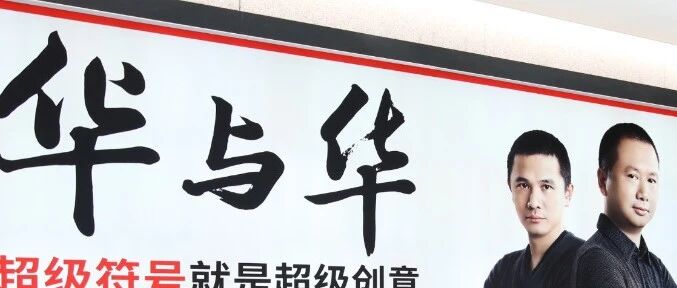
Core Viewpoint - The ongoing conflict between Xibei and Luo Yonghao has taken an unexpected turn, with the founder of Hua Yu Hua expressing an apology to Luo, raising questions about the credibility of the marketing firm and its strategies [1][2][4]. Group 1: Company Background - Hua Yu Hua was founded in 2002 by brothers Hua Shan and Hua Nan, who previously struggled in various businesses before entering the media industry in 1995 [4][6]. - The company has developed a unique business model that combines strategic consulting with advertising creativity, focusing on creating memorable symbols and slogans to reduce marketing costs [8][11]. - Notable clients include Xibei, Haidilao, and other listed companies, with significant marketing campaigns that have become part of popular culture [9][12]. Group 2: Marketing Strategy and Controversies - Hua Yu Hua is known for its "hardcore" approach, refusing to participate in competitive bidding and instead offering comprehensive marketing consulting services [11][12]. - The firm has faced criticism for its aesthetic choices, with some designs labeled as "too crude" or "brainwashing," leading to public backlash [18][20]. - Legal issues have also arisen, including a fine of 1 million yuan for significant advertising problems, highlighting the risks associated with their marketing practices [23]. Group 3: Financial Performance and Challenges - Xibei's revenue grew from 1.6 billion yuan in 2013 to 6.2 billion yuan in 2019, with the number of stores expanding to nearly 500, showcasing the effectiveness of Hua Yu Hua's strategies [16]. - However, the associated company, Du Ke Culture, has seen a decline in revenue since its IPO in 2021, with figures dropping from 519 million yuan in 2021 to 168 million yuan in the first half of 2025 [27]. - The founders of Hua Yu Hua have faced scrutiny due to significant stock sales, totaling over 170 million yuan, raising concerns about the company's long-term viability [30].
本周,美国、英国、日本迎来大日子
凤凰网财经· 2025-09-15 14:22
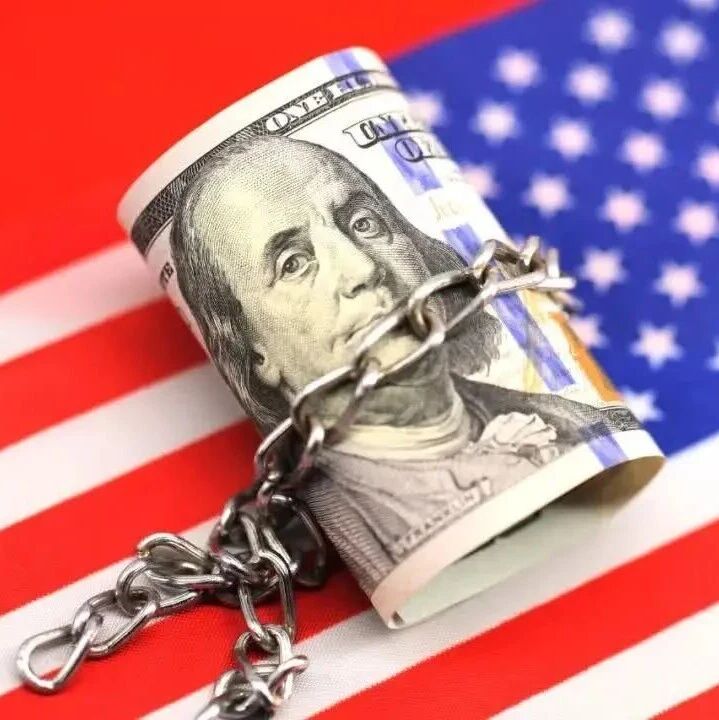
Group 1: Central Bank Decisions - The focus of the global financial market this week is on the first interest rate cut in the U.S. since Trump's return to the presidency, with major central banks adjusting borrowing costs or signaling policy directions [1] - The Federal Reserve is expected to cut rates by 25 basis points, influenced by market expectations and pressure from the White House, despite concerns over inflation risks from tariffs [2] - Other central banks, such as those in Canada and Norway, are also anticipated to implement similar rate cuts, while the Bank of England is expected to maintain its current rate [2] Group 2: Economic Indicators - U.S. retail sales are projected to grow by 0.3% month-on-month, indicating resilience despite a weakening labor market and rising prices [4] - In Canada, inflation is expected to slightly rise to 2% in August, with the central bank likely to cut rates to 2.5% due to a sluggish job market and economic contraction [4] - Japan's inflation data and trade balance will be closely monitored, with expectations that the Bank of Japan will maintain its current policy stance [5][6] Group 3: Regional Developments - In the UK, inflation is expected to remain at 3.8%, with the Bank of England likely to keep its base rate at 4% [7] - Norway's central bank faces a tough decision, with predictions of a potential 25 basis point cut, but high core inflation may delay this action [8] - The European Central Bank will hold a two-day meeting, with key economic data releases from Germany and the Eurozone expected [9]
急了?奔驰设计师狂怼奥迪“过时”,CEO嫌“太卷”
凤凰网财经· 2025-09-15 06:14
德系豪华三强BBA之一的奔驰高管高调宣战:"我们已经在电动汽车领域跻身顶尖行列,因此我们无需 惧怕中国。"但展台下,欧洲消费者用实际购买行为讲述着另一个故事。 (来源:视觉中国) 据观察者网报道,年初以来中国汽车注册量激增91%;今年上半年,中国品牌在欧洲市场份额近乎翻倍 至5.1%,仅次于奔驰的5.2%。 更让BBA如坐针毡的是,德媒拉响最高警报:"决定德国汽车命运的时刻到了!不革新,大众等车企只 能进博物馆。"回望上届车展,巨头们早已自揭伤疤:"中国电动车领先我们一代人",欧洲必须全力追 赶。 十年前还是"模仿者"的中国车企,如今以"千店计划"(例如,比亚迪称,2025年底覆盖欧洲32国超1000 家门店)和全产业链布局,在德系腹地掀起电动革命风暴。 来源丨凤凰网财经《公司研究院》 作者丨DW 今年的慕尼黑车展可谓硝烟弥漫,超百家中国车企强势登陆,数量较上届涨近五成,硬生生将德系主场 变成了中德对决的擂台。就在这座弥漫着德式风情的城市里,汽车与建筑空间交相辉映,人潮如织。然 而,场内场外,画风却截然不同。 更讽刺的是,BBA竟因车型设计问题现场吐槽。昔日霸主正被中国速度逼入墙角? 01 车展变吐槽大会?奔 ...

亿纬锂能中报增收不增利,砸180亿布局海外难掩隐忧
凤凰网财经· 2025-09-14 13:12
Core Viewpoint - The company, EVE Energy Co., Ltd., is experiencing a challenging period in the lithium battery industry, marked by increased competition and declining profitability despite revenue growth. The company's performance has stagnated since 2021, with a projected minimal revenue increase of 0.63% in 2024, indicating a near standstill in growth [2][4]. Group 1: Financial Performance - In the first half of the year, EVE Energy achieved revenue of 28.17 billion yuan, a year-on-year increase of 30.06%, but the net profit attributable to shareholders was 1.605 billion yuan, down 24.9% compared to the same period last year [4][6]. - The company's revenue growth from 2021 to 2024 shows a significant slowdown, with revenue increasing from 16.9 billion yuan to 48.615 billion yuan, while net profit growth has nearly halted, with a mere 0.63% increase projected for 2024 [4][5]. - The increase in expenses, particularly from stock incentive plans and bad debt provisions, has significantly impacted profitability, with asset impairment losses rising by 279.32% year-on-year [6][7]. Group 2: Market Dynamics - The competitive landscape in the lithium battery sector is intensifying, with EVE Energy's main business segments—power batteries and energy storage batteries—facing price pressures that have led to a decline in gross margins [8][9]. - Despite a year-on-year increase in shipment volumes for both power and energy storage batteries, the average selling prices have dropped by 15%, contributing to the pressure on profit margins [9][10]. - The energy storage battery segment is becoming a growth driver, with revenue increasing by 16.44% to 19.027 billion yuan, while power battery revenue has decreased by 20.08% to 19.167 billion yuan [8][9]. Group 3: Strategic Initiatives - To address funding pressures and expand capacity, EVE Energy is pursuing a Hong Kong IPO, with plans to raise approximately 18 billion yuan to support overseas projects [3][11]. - The company is facing a rising debt ratio, which has increased from 35.13% in 2020 to 62.57% in the first half of 2024, indicating significant financial strain [11][12]. - EVE Energy's overseas projects, particularly in Hungary and Malaysia, require substantial investment, with the Hungarian project alone needing over 18 billion yuan, highlighting the challenges of financing expansion while managing domestic capacity [13][14].

开战机、盖皇宫,81岁的“坏孩子”,一天暴赚1000亿美金!
凤凰网财经· 2025-09-14 13:12
Core Viewpoint - The article narrates the life and career of Larry Ellison, co-founder of Oracle, highlighting his unconventional journey, aggressive business tactics, and recent significant achievements in the tech industry, particularly a major deal with OpenAI that boosted Oracle's market value and Ellison's personal wealth dramatically [50][51]. Group 1: Early Life and Career - Larry Ellison was born to a teenage mother and raised by his uncle and aunt, which shaped his independent and rebellious character [3][5]. - He struggled academically after the death of his adoptive mother, eventually dropping out of college and working various jobs in tech before founding Oracle [7][8]. - In 1977, Ellison co-founded Oracle with two partners, initially focusing on software development [8][10]. Group 2: Business Strategies and Growth - Ellison's bold and often deceptive marketing strategies helped Oracle secure contracts with major clients like the CIA and the U.S. Navy, despite initial product shortcomings [14][16][18]. - The company experienced rapid growth, achieving 100% annual growth for 12 consecutive years, largely due to Ellison's aggressive sales tactics and internal competition [22][23]. - By 1986, Oracle went public with a market value of $270 million, but faced stiff competition from Microsoft, which launched SQL Server shortly after [25][28]. Group 3: Competitive Landscape and Tactics - Ellison's rivalry with Microsoft intensified as he publicly criticized the company and its products, even engaging in corporate espionage to undermine them [30][31][40]. - His management style was characterized by high pressure and a ruthless approach to competition, often leading to high turnover among executives [43][44]. - Despite controversies, Oracle's reputation improved in the 1990s as product quality increased, leading to a significant market share [22][23]. Group 4: Recent Developments - In September 2023, Oracle announced a groundbreaking $300 billion computing power procurement agreement with OpenAI, marking a significant milestone in cloud computing [50]. - Following this announcement, Oracle's stock surged by 43%, significantly increasing its market capitalization and Ellison's net worth, briefly making him the world's richest person [50][51]. - Ellison has also engaged in philanthropy, committing to charitable causes and participating in initiatives to eradicate diseases [51].


牛!中国制造已经强到如此可怕!百元造出某克某迪千元级跑鞋
凤凰网财经· 2025-09-14 13:12
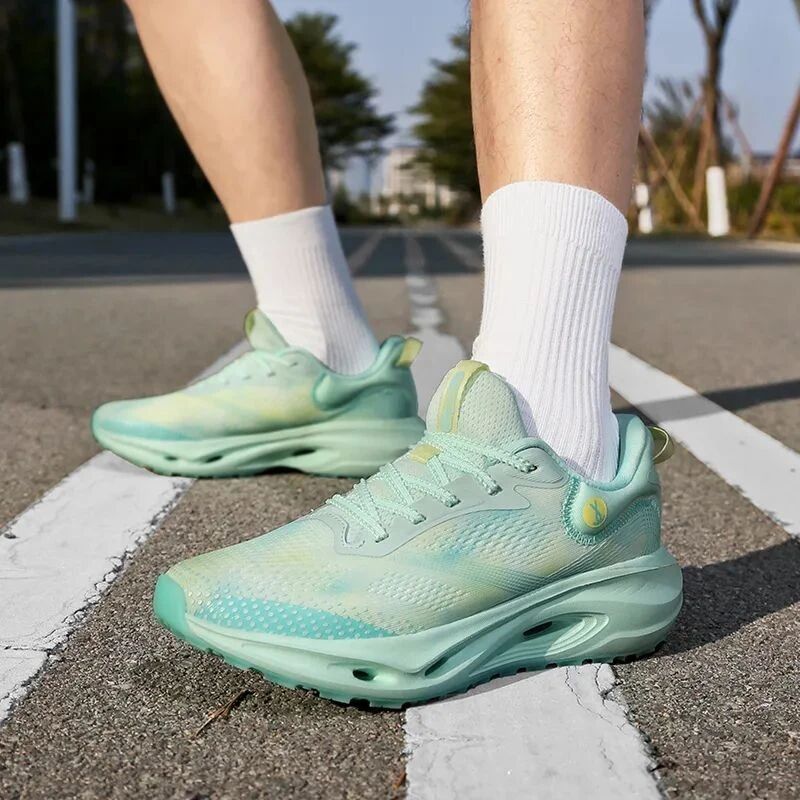
Core Viewpoint - The article highlights a promotional offer for a professional running shoe featuring a full-length carbon plate, emphasizing its high performance and affordability compared to other brands in the market. Group 1: Product Features - The running shoe is equipped with a full-length carbon plate, which is known for its energy return and propulsion capabilities, making it suitable for various running activities [8][9][62]. - It incorporates advanced technologies such as supercritical MD midsole for cushioning and support, and a diamond-pattern rubber outsole for durability and traction [25][50][89]. - The shoe is designed for breathability, ensuring comfort during use, especially in warmer conditions [37][96]. Group 2: Pricing and Value Proposition - The retail price at outlet stores is 498 yuan, but the promotional price is set at 199 yuan, presenting a significant discount [4][105]. - Compared to other brands, which often sell similar carbon plate shoes for over 500 yuan, this offer is positioned as a high-value opportunity for consumers [11][13][104]. - The article emphasizes that this shoe is suitable for a wide range of users, including beginners, fitness enthusiasts, and those seeking cost-effective performance footwear [45][46]. Group 3: Market Context - The article notes that while international brands continue to charge premium prices, domestic brands are becoming increasingly competitive in the running shoe market [20][23]. - The growing popularity of carbon plate shoes among professional runners has influenced consumer expectations and market dynamics [16][18]. - The article suggests that the brand behind this shoe has a strong manufacturing background, producing for well-known international labels, which adds credibility to its quality [40][42].
真的腥吗?直击罗永浩吐槽的西贝烤鱼制作全程
凤凰网财经· 2025-09-14 13:12
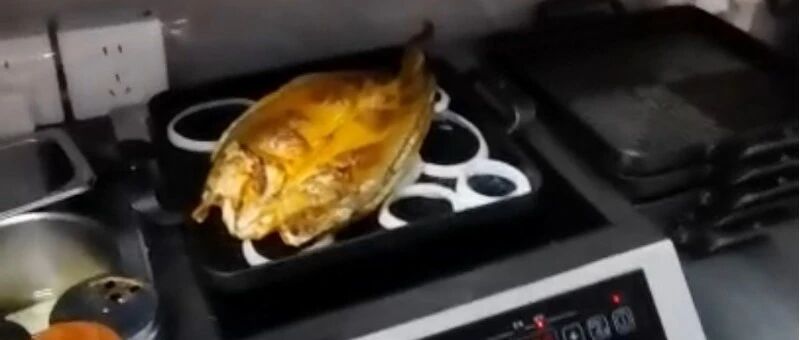
Core Viewpoint - The article discusses the quality and preparation process of dishes at the restaurant chain Xibei, particularly focusing on the "Crispy Grilled Fish" and "Tender Grilled Lamb Chops" that were criticized by a public figure for being stale and having an off-putting smell [1][32]. Group 1: Preparation Process - The "Crispy Grilled Fish" is prepared from a previously frozen sea bass that is thawed and cleaned before being cooked [5][16]. - The fish is brushed with a sauce purchased from a supplier, which serves as a base flavor for the dish [9]. - The fish is pierced with small holes to prevent the skin from puffing up during cooking, and it is then baked at a high temperature of 260 degrees Celsius for 10 minutes [11][13]. Group 2: Quality Control - The kitchen staff did not provide a label for the thawed sea bass, which raises concerns about its freshness and storage duration [7]. - The chef mentioned that the fish should be consumed hot to avoid any fishy taste, indicating a potential issue with the dish's quality if not served immediately [27]. - Customer reviews on platforms like Dianping show mixed reactions, with some praising the fish while others criticize its freshness and texture [31]. Group 3: Brand Reputation - The article highlights the importance of public perception and trust in restaurant brands, especially following negative comments from influential figures [32]. - Xibei's willingness to allow media scrutiny of their food preparation process reflects an effort to maintain transparency and improve quality [32].