投中网

Search documents
一本美国传奇CEO的新书丨CV荐书
投中网· 2025-12-28 07:01
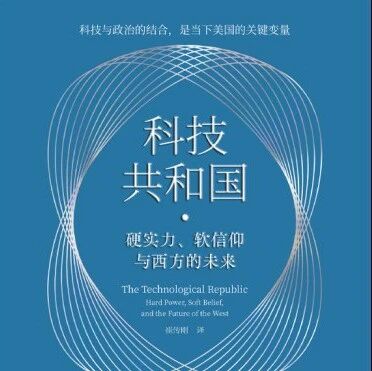
将投中网设为"星标⭐",第一时间收获最新推送 今天推荐的这本书是 亚历山大·卡普与高管尼古拉斯·扎米斯卡合著的 《 科技共和国 》,该书 首次 系统性地揭示了美国知名企业 帕兰提尔 (Palantir) 内部运作的"密码"。书中认为 Palantir更像 是一家美国军工企业,拒绝主流商业规则,不迎合资本市场,不追求用户规模,而是依靠极端的组织 架构和战略定向,创造了一种完全不同的企业形态。 截止12月30日中午,我们将从粉丝留言中选出 3位优质留言赠书。 作者丨 亚历山大·卡普与尼古拉斯·扎米斯卡 在硅谷的创投神话里,成功模板几乎被固化:找到亿万级用户的痛点,用免费或极低成本的产品迅速 占领市场,通过广告或增值服务变现,最终在资本助推下成为平台型巨头。从谷歌、脸书到优步、 Airbnb,无一不是这套"消费互联网"逻辑的产物。 然而,有一家公司却选择了截然相反的道路。它不面向消费者,它的客户是五角大楼、中央情报局和 全球各地的情报机构;它的产品不追求日活月活,而是用来预测路边炸弹、追踪恐怖分子、规划特种 作战; 它不追求最大化商业利益,而是将自己定位为"西方世界的防御者"。它为美国及其盟友提供 情报分析,坚决不 ...

合肥,又将诞生一个明星IPO
投中网· 2025-12-28 07:01
Core Viewpoint - The article highlights the rapid growth and potential of the quantum technology industry in Hefei, China, particularly focusing on the success of Guoyi Quantum, which has achieved a valuation exceeding 9.5 billion yuan and is preparing for an IPO [7][12][16]. Group 1: Company Overview - Guoyi Quantum, founded by the 90s entrepreneur He Yu, has developed a complete industrial chain in quantum technology, covering quantum communication, computing, and measurement [7][8]. - The company has successfully launched several groundbreaking products, including the first domestically produced commercial X-band electron paramagnetic resonance spectrometer, breaking foreign monopolies [11][14]. - Guoyi Quantum has delivered over a thousand high-end scientific instruments to prestigious clients, including Tsinghua University and Oxford University, establishing itself as a leading unicorn in Hefei [11][14]. Group 2: Investment and Valuation - The company has attracted significant investment from notable firms such as Hillhouse Capital and IDG, reflecting strong confidence in its potential within the quantum technology sector [12][13]. - As of May 2025, Guoyi Quantum's valuation is calculated at over 9.5 billion yuan based on a share transfer price of 328.13 yuan, with He Yu holding more than 8.18% of the company [16][15]. Group 3: Industry Context - Hefei is emerging as a hub for quantum technology, with over 80 companies in the sector and a notable "Quantum Avenue" that symbolizes its growth [18][19]. - The city is home to the "Quantum Three Musketeers"—Guoyi Quantum, Guandun Quantum, and Benyuan Quantum—each focusing on different segments of the quantum industry [18][19]. - The development of quantum technology in Hefei is supported by significant policy backing and a strong academic foundation from institutions like the University of Science and Technology of China [19].

我 投资人 还在重仓芯片设计
投中网· 2025-12-28 07:01
Core Viewpoint - The article discusses the challenges and opportunities in the IC design industry, particularly focusing on the emergence of LingShuo Technology, a Sino-French joint venture, which has secured angel funding to develop high-performance automotive chips based on the RISC-V architecture [2][5][11]. Industry Overview - The past decade has been a golden era for domestic IC design in China, marked by a surge in investment following the "chip shortage" in 2021. However, since 2023, the industry has cooled down, with few companies successfully navigating mergers or going public [3]. - The high-end automotive MCU design sector is particularly struggling, with a consensus among investors to avoid this area due to high labor costs, stringent testing processes, and low profit margins [3][5]. LingShuo Technology's Strategy - LingShuo Technology aims to challenge the dominance of foreign giants in the ASIL-D level automotive domain control chip market, which is currently over 90% controlled by companies like Infineon, NXP, and Renesas [7]. - The company has chosen to focus on the open-source RISC-V architecture, abandoning the mainstream ARM architecture, and plans to leverage its strong technical foundation and shareholder support to bring its Ulyss2 chip to market [10][12]. Market Dynamics - The automotive industry is increasingly recognizing the need for domestic alternatives to high-end MCUs, especially after the chip shortage highlighted vulnerabilities in the supply chain. However, the stringent safety requirements for ASIL-D chips pose significant challenges for domestic manufacturers [8][9]. - LingShuo Technology's approach, supported by its founding shareholders, aims to address these challenges by utilizing proven RISC-V technology and established market channels [10][11]. Investment Insights - The recent angel funding round led by Licheng Capital reflects confidence in LingShuo Technology's potential to become a leading player in the domestic automotive chip market, particularly in the high-safety segment [2][15]. - Licheng Capital emphasizes the importance of RISC-V architecture in the MCU and SoC design fields, recognizing the strategic advantages of LingShuo's technology and market positioning [16][17].

一家老牌VC决定申请破产
投中网· 2025-12-27 07:02
Core Viewpoint - The article discusses the unexpected bankruptcy filing of Apple Tree Partners (ATP), a prominent American venture capital firm specializing in life sciences, highlighting the complexities of its financial relationships and operational model [3][4]. Group 1: Bankruptcy Filing - ATP filed for Chapter 11 bankruptcy in Delaware, despite having total assets estimated between $1 billion and $10 billion and minimal liabilities of $100,000 to $500,000, making the situation unusual [3][4]. - The bankruptcy filing occurred shortly after a court ruling requiring ATP's main funding source, Rigmora, to fulfill a $96.9 million investment commitment [3][5]. Group 2: Relationship with Rigmora - Rigmora, backed by Russian billionaire Dmitry Rybolovlev, has been a significant investor in ATP, contributing approximately $2.7 billion, which constitutes 99% of ATP's total fund size [10][11]. - The relationship soured due to the geopolitical implications of the Russia-Ukraine conflict, leading to Rigmora withholding funds and ATP filing a lawsuit against Rigmora for deliberately withholding funds [6][7]. Group 3: Operational Model - ATP's operational model is characterized by a high dependency on a single funding source, which amplifies risks if that source withdraws support [10][11]. - ATP employs a "heavy operational" co-creation model, actively participating in the development of portfolio companies rather than merely providing financial backing [11][12]. Group 4: Strategic Intent of Bankruptcy - The bankruptcy filing is viewed as a strategic move to regain control over funding and operational decisions, rather than a step towards liquidation [8][9]. - ATP aims to ensure that its portfolio companies receive necessary funding and resources to continue their critical missions in developing breakthrough therapies [8]. Group 5: Broader Implications - The situation with ATP reflects the inherent risks in venture capital models that rely heavily on a single investor, raising questions about sustainability and risk management in such structures [13][19]. - The article draws parallels between ATP's model and the emerging "Venture Studio" approach, which emphasizes deep involvement in the companies being funded, highlighting both the potential rewards and risks associated with this investment strategy [15][19].

她做出的129亿独角兽,要IPO了
投中网· 2025-12-27 07:02
Core Viewpoint - Soul App has successfully carved a niche in the crowded social media landscape of China by focusing on "soul socializing" that emphasizes emotional connection over physical appearance, leveraging AI technology to create a unique user experience [5][10]. Company Overview - Founded by Zhang Lu in 2015, Soul App addresses the need for genuine emotional expression among young people, particularly the Z generation, who feel constrained by traditional social media platforms [8][10]. - As of August 2025, Soul has approximately 390 million registered users and 11 million daily active users, primarily from the Z generation [10]. Financial Performance - Soul's revenue for the first eight months of 2025 reached 1.683 billion yuan, marking a year-on-year growth of 17.8% [6][12]. - The company achieved adjusted net profit in 2023 and continued to be profitable in 2024 and the first eight months of 2025, with an adjusted net profit of 286 million yuan, a significant increase of 73% year-on-year [12]. Investment and Valuation - Soul has completed seven rounds of financing, with notable investments from Tencent and MiHoYo, leading to a valuation of approximately 2 billion USD (about 12.9 billion yuan) after the last round in 2021 [6][13]. - Tencent's investment in 2020 was a turning point, providing not only capital but also strategic resources and potential traffic [14]. Market Position and Trends - Soul operates in a mature market characterized by a shift towards "emotional economy," where approximately 90% of its revenue comes from AI-driven emotional value services, including virtual goods and memberships [18]. - The rise of AI technology has led to increased interest in AI companionship, with various startups exploring similar paths to Soul's "AI + emotional social" model [19][20].

LP周报丨 广东500亿大手笔,仅4天就投进“国家队”
投中网· 2025-12-27 07:02
Group 1 - Guangdong Province has established a strategic emerging industry investment fund with a registered capital of 50 billion RMB, aiming to enhance local investment capabilities [5] - The fund made its first investment of 4 billion RMB into the Guangdong-Hong Kong-Macao Greater Bay Area Venture Capital Fund, which is part of a larger national venture capital initiative [6] - This move aligns local funding with national strategies, enhancing the effectiveness of investments in the Greater Bay Area [7] Group 2 - The Taizhou Future Intelligent Fund has been officially registered with a total scale of 1 billion RMB, focusing on future industries such as hydrogen energy and robotics [9] - The Fuzhou Low Altitude Industry Fund has been established with a total scale of 500 million RMB, targeting low-altitude manufacturing and drone technology [10] - The Tianjin Industry M&A Fund has been set up with a contribution of 280 million RMB, aimed at supporting the transformation of state-owned enterprises [11] Group 3 - Shanghai Jiao Tong University has launched a second phase of its Future Industry Mother Fund, with an expected scale of 1 billion RMB, focusing on technology transfer and alumni entrepreneurship [12] - The Chengdu High-tech Zone has established a 3 billion RMB fund, targeting sectors like clean energy and artificial intelligence [13] - The Commercial Aerospace Industry Alliance Innovation Fund has been initiated with an initial scale of 1-2 billion RMB, focusing on low-orbit satellites and reusable launch vehicles [15] Group 4 - The Fengtai District Government has registered a 10 billion RMB industrial investment fund matrix, designed to attract quality capital to the region [19][20] - The Zhejiang Province Future Industry Venture Capital Partnership has been established with a contribution of 10.103 billion RMB, representing a significant provincial strategic investment platform [21] - The Baoding State-owned Assets Investment Company has formed a new investment company with a registered capital of 5.8 billion RMB [22] Group 5 - The China Renewable Power Infrastructure Fund has been established to support renewable energy projects, with a focus on achieving financial returns and green equity [23] - The Jilin Province Ice and Snow Economy Private Fund has been set up with a contribution of 500 million RMB, aimed at capitalizing on the region's ice and snow resources [24] - The Tianjin Chuanglian Investment Partnership has been formed with a contribution of 50.4 million RMB, focusing on investments in the automotive sector [25] Group 6 - The first commercial aerospace socialized special fund has been established with an initial scale of 2 billion RMB, targeting high-growth startups in the aerospace sector [27] - The Taizhou Jintai Run City Industry Fund is seeking GP partners to invest in local enterprises, with a total scale of 500.5 million RMB [29] - The Xiong'an Modern Life Sciences and Biotechnology Industry Fund is being established with a scale of 500 million RMB, focusing on innovative pharmaceuticals and medical devices [30]
VC开始重新审视机器人泡沫了
投中网· 2025-12-26 06:56
Group 1 - The robotics sector is experiencing a surge in financing, with companies like Yunshenchu, Zhongqing, Yuliqi, and Luming announcing recent funding rounds [5][6][10] - Most of the recent financing rounds are early-stage, including angel rounds, pre-A rounds, and A rounds, with the trend of adding "+" to round names becoming common [5][8] - Significant amounts are being raised, with Yunshenchu securing 500 million yuan, Zhongqing raising a total of 1 billion yuan across multiple rounds, Luming also raising several hundred million yuan, and Yuliqi raising a total of 300 million yuan in two angel rounds [5][6][10] Group 2 - Yuliqi Robotics completed two angel rounds totaling 300 million yuan, with investments from various funds and existing shareholders, marking its fifth financing round within six months [6][7] - Luming Robotics announced Pre-A1 and Pre-A2 rounds, raising several hundred million yuan, with funds allocated for continued investment in embodied intelligence data and hardware [6][7] - Zhongqing Robotics completed A1+ and A2 rounds, with previous funding of 1 billion yuan in earlier rounds, showcasing a rapid financing pace [7][10] Group 3 - The increasing complexity of projects is leading to longer financing rounds, indicating a tightening market for funds [8] - The robotics industry is facing challenges in defining clear application scenarios for robots, raising questions about the sustainability of current funding trends [10][11] - Concerns have been raised about the viability of embodied intelligence projects, with some investors questioning the commercial potential and scalability of these technologies [10][11]

羽绒服,血战千元档
投中网· 2025-12-26 06:56
Core Viewpoint - The downtrend in high-end down jacket sales contrasts with the rising prices in the mid-range segment, leading to a "price misalignment" in the market [8][10]. Group 1: High-End Market Performance - High-end brands like Moncler and Canada Goose are experiencing significant revenue declines, with Moncler's revenue dropping and Canada Goose's growth rate plummeting from 21.54% to 1.1% [8][9]. - Despite the downturn in high-end sales, brands are still increasing prices, driven by rising raw material costs and the seasonal nature of down jackets, which necessitates higher pricing to maintain profit margins [11][14]. Group 2: Mid-Range Market Dynamics - Mid-range brands, including Duck Duck, Yalu, and Snow Flying, are not lowering prices but are instead raising them, with products now priced above 3000 yuan [8][9]. - Bosideng, originally a mass-market brand, is also elevating its price range with new high-end lines priced between 2399 yuan and 6999 yuan [9]. Group 3: Raw Material Costs - The price of down has seen significant increases, with white duck down rising from approximately 350 yuan/kg to 500 yuan/kg and white goose down from 700 yuan/kg to 1100 yuan/kg from January 2023 to November 2024 [13]. - Regulatory pressures have made it difficult for manufacturers to cut costs through substandard materials, further pushing up retail prices [14]. Group 4: Profitability and Pricing Strategy - Bosideng's core down jacket business remains highly profitable, contributing approximately 49.8 billion yuan in profit, while non-down jacket segments are struggling with losses [15][16]. - The gross margin for Bosideng's main brand reached 69%, compared to significantly lower margins for its lower-tier brands, reinforcing the trend of moving upmarket [16]. Group 5: Consumer Perception and Brand Positioning - The transition to higher price points is complicated by consumer perceptions, as shoppers tend to favor established mid-to-high-end brands over newer entrants attempting to break into the market [32]. - The high-end market is not universally profitable, as seen with Bosideng's recent stagnation in growth despite its high-end strategy [30][31]. Group 6: Challenges in High-End Transition - The path to high-end positioning is fraught with challenges, as brands must navigate consumer perceptions and market competition while managing costs and maintaining profitability [34]. - High-end strategies may not be applicable to all brands, as demonstrated by Gao Fan's successful pivot to a focused high-end market, which may not be replicable for all players [34].

它们,正批量打造“上纬新材”
投中网· 2025-12-26 06:56
Core Viewpoint - The article discusses the emergence of new investment opportunities in the robotics sector, particularly through acquisitions of traditional manufacturing companies by robotics firms, exemplified by the acquisition of Fenglong Co. by UBTECH Robotics [2][3]. Group 1: Recent Acquisitions - UBTECH Robotics announced it will acquire a 43.01% stake in Fenglong Co. for a total of 1.665 billion yuan, using a combination of agreement transfer and tender offer [2][6]. - This acquisition follows a trend where several robotics companies have adopted similar acquisition strategies, including Zhiyuan Robotics and Qiteng Technology, which have also targeted traditional manufacturing firms [3][7]. Group 2: Stock Performance - The acquisition template has proven effective, with previous cases like Zhiyuan Robotics leading to significant stock price increases, including a 500% rise for the acquired company [4][7]. - Fenglong Co. experienced a surge in stock price following the announcement, reflecting the market's positive response to such acquisitions [4]. Group 3: Financial Details - The acquisition involves a two-step process: an agreement transfer of 65.53 million shares at 17.72 yuan per share, totaling 1.161 billion yuan, followed by a tender offer for an additional 28.45 million shares at the same price, amounting to 504 million yuan [6]. - UBTECH has committed to not transferring or pledging the acquired shares for 36 months post-acquisition, ensuring control over Fenglong Co. [6]. Group 4: Industry Context - UBTECH is the only publicly listed company among the recent acquirers, facing challenges in commercialization despite significant orders amounting to nearly 1.4 billion yuan [9][10]. - Fenglong Co. has shown strong financial performance, with a revenue of 479 million yuan in 2024 and a net profit of 4.59 million yuan, indicating a positive growth trajectory [12]. Group 5: Strategic Synergies - The acquisition is seen as a strategic move for UBTECH to enhance its manufacturing capabilities and scale production, leveraging Fenglong's expertise in precision manufacturing and supply chain management [10][11]. - The article highlights the importance of industry synergy, noting that the most successful acquisitions are those that align closely with the operational needs of the acquiring company [14]. Group 6: Future Implications - The trend of robotics companies acquiring traditional manufacturers is expected to continue, driven by the favorable liquidity of the A-share market and government policies encouraging such mergers [18][19]. - The article suggests that these acquisitions could lead to a long-term positive impact on the Chinese stock market, similar to the missed opportunities during the early internet boom [19].

日流水剩50元,小电驴店主靠修车过冬
投中网· 2025-12-26 06:56
Core Viewpoint - The implementation of the new national standard for electric bicycles has led to significant market disruption, resulting in a decline in sales and a challenging environment for dealers and manufacturers [7][9][20]. Group 1: Market Impact - The new national standard has caused a drastic drop in sales, with November's domestic shipment volume of electric bicycles falling to 2.21 million units, a year-on-year decrease of 28.7% [8]. - Dealers are facing difficulties as old standard vehicles are running out of stock while new standard models are not selling, leading to a situation where many small brand dealers are closing down [9][11]. - Major brands like Aima, Tailg, and Ninebot have reported significant declines in sales, with year-on-year drops ranging from 24.8% to 48.8% [8][17]. Group 2: Consumer Sentiment - Consumers have expressed dissatisfaction with new standard electric bicycles, particularly regarding the speed limit of 25 km/h, which they feel negatively impacts their commuting efficiency [11][12]. - Price increases for new standard models, often by over 100 yuan, have deterred many consumers from purchasing, as they perceive the new models as less practical for family use and daily commuting [11][12]. - Issues such as insufficient storage space and the inability to carry children have led to widespread criticism of new models, with many consumers feeling that the designs do not meet their needs [12][13]. Group 3: Industry Response - Major manufacturers are attempting to address consumer concerns by optimizing their products and clarifying misconceptions about the new standards [15][20]. - Despite the challenges, some companies are launching new models that comply with the new standards, although supply issues have hindered availability in stores [15][16]. - The industry is undergoing a transformation, with the new standards expected to eliminate less competitive brands while providing opportunities for stronger, innovative companies to thrive [17][22].