21世纪经济报道

Search documents
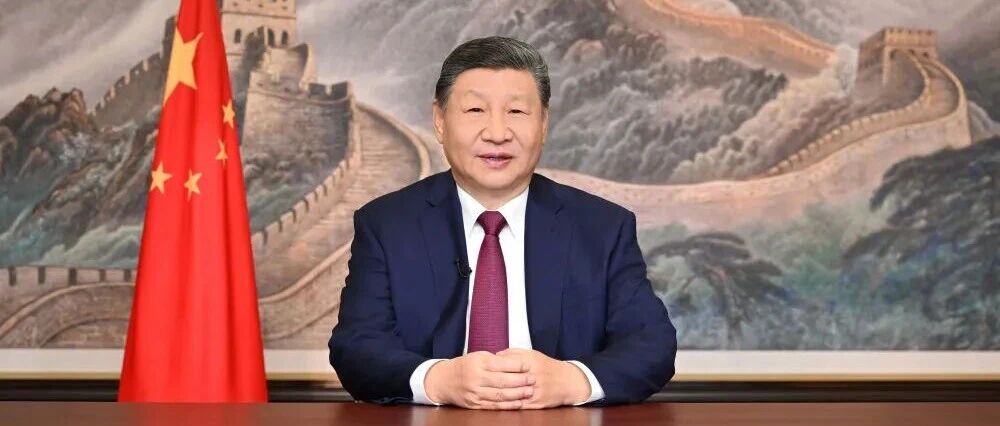
国家主席习近平发表二〇二六年新年贺词
21世纪经济报道· 2025-12-31 11:23
我们以文化滋养精神家园。文博热、非遗热不断升温,世界遗产再添新员,悟空和哪吒风靡全 球,古韵国风成为年轻人眼中的"顶流审美"。文旅市场人气火爆,"城超""村超"热闹非凡,冰 雪运动点燃冬日激情。传统与现代交融,中华文化绽放更加灿烂的光芒。 2025年是"十四五"收官之年。5年来,我们踔厉奋发、勇毅前行,克服重重困难挑战,圆满完 成目标任务,在中国式现代化新征程上迈出了稳健步伐。我国经济总量连续跨越新关口,今年 预计达到140万亿元,经济实力、科技实力、国防实力、综合国力跃上新台阶,绿水青山成为 亮丽底色,人民群众获得感幸福感安全感不断增强。5年历程极不寻常,成绩来之不易。大家 拼搏进取、耕耘奉献,铸就了欣欣向荣的中国。我向每一位辛勤付出的奋斗者致敬! 这一年,令人难忘的是,我们隆重纪念中国人民抗日战争暨世界反法西斯战争胜利80周年,设 立台湾光复纪念日。国之盛典威武雄壮,胜利荣光永载史册,激励中华儿女铭记历史、缅怀先 烈、珍爱和平、开创未来,凝聚起中华民族伟大复兴的磅礴伟力。 我们依靠创新为高质量发展赋能。科技与产业深度融合,创新成果竞相涌现,人工智能大模型 你追我赶,芯片自主研发有了新突破,我国成为创新力上 ...

科技焕新,超越增长丨21世纪经济报道2025年终特刊
21世纪经济报道· 2025-12-31 10:32
Core Viewpoint - The article emphasizes the structural transformation of the Chinese economy, focusing on the transition from production-oriented to wealth-oriented growth, and the importance of leveraging technological innovation to drive future growth opportunities leading up to 2026 [1][4]. Group 1: Economic Transformation and Opportunities - The year 2025 is identified as a pivotal point for global restructuring, where China's strength will be reassessed across multiple dimensions including technology, trade, governance, and security [4]. - China has three major advantages for economic growth: the potential for GDP per capita to reach levels of developed countries, the new technology revolution focusing on digital and green technologies, and the benefits of a super-large market economy [6]. - The focus for 2026 will be on short-term demand expansion and risk control, while also promoting an innovation-driven growth model that emphasizes modern industrial systems and technological self-reliance [7]. Group 2: Industry Insights and Innovations - The automotive industry is at a crossroads, with a shift from a "favorable wind" era to a new phase characterized by technological competition and globalization [19]. - The Chinese manufacturing sector is expanding globally, with companies adapting to new trade rules and focusing on localizing supply chains [10]. - The rise of new industries such as robotics, artificial intelligence, and innovative pharmaceuticals is seen as a foundation for future economic growth, reflecting a systematic reassessment of growth paradigms [13]. Group 3: Financial and Market Dynamics - The capital market in China requires a significant ideological shift to better support long-term technological innovations and address mismatches in investment strategies [13]. - The banking sector is diversifying its global presence, moving from traditional markets to emerging markets along the Belt and Road Initiative, focusing on infrastructure and resource development [11]. - The trend of "investing in people" is highlighted as essential for stimulating consumer markets, moving away from a focus solely on physical investments [7].

翻开启境供应商名单,每一页都写着“必胜”
21世纪经济报道· 2025-12-31 09:37
Core Viewpoint - The article discusses how Qijing, a new luxury electric vehicle brand, is positioning itself in the competitive Chinese automotive market by leveraging high-end suppliers to establish a premium perception among consumers [1][4]. Supplier Strategy - Qijing's strategy includes a supplier list featuring top-tier brands like BASF for paint, Bosch for braking systems, and Fuyao for glass, which helps to create a high-quality perception of its first vehicle [4][6]. - The use of luxury suppliers allows Qijing to avoid the lengthy brand-building process typical for new entrants, instead quickly establishing a high-end image [4][5]. Technological Integration - Qijing's core competitive advantage lies in the comprehensive release of Huawei's HiCar solutions, which include L3 conditional autonomous driving, smart cockpit, and vehicle control technologies [4][5]. - The collaboration between Huawei and GAC has resulted in a new paradigm in the automotive market, with deep integration of technology and design [5][6]. Aesthetic and Performance Focus - Qijing's first product is marketed as the "most beautiful hunting-style sedan," with a focus on aesthetics achieved through high-quality materials and design [6][7]. - The vehicle's paint, developed in collaboration with BASF, aims for a luxurious finish that rivals high-end brands like Rolls-Royce [7][8]. Advanced Features - The vehicle will feature advanced glass technology from Fuyao, including a three-layer silver coating for superior heat reflection and privacy [10]. - Qijing emphasizes performance with a "control triangle" consisting of Bosch braking systems, Continental brake calipers, and premium tires, ensuring a high level of driving dynamics [10][12]. Intelligent Driving Capabilities - Qijing's first model will be equipped with Huawei's advanced ADS 4 Max system, which utilizes a new architecture to simulate extreme driving scenarios, addressing a key challenge in autonomous driving [13][14]. - The system's capabilities include advanced safety features that can predict and respond to potential hazards, enhancing overall driving safety [15][19]. Safety Standards - Qijing has set rigorous safety standards, exceeding national requirements in various tests, including water immersion and mechanical impact tests [19]. - The collaboration between Huawei and GAC reflects a commitment to safety, with extensive testing protocols to ensure the highest safety standards for consumers [19].


商业航天IPO盛宴开启
21世纪经济报道· 2025-12-31 09:37
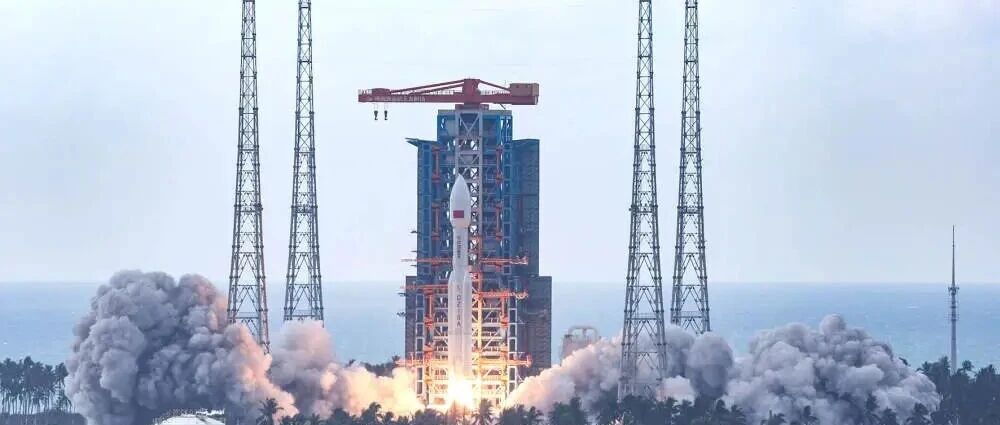
Core Viewpoint - 2025 marks a pivotal year in China's commercial aerospace development, transitioning from a pioneering phase to a stage of scaled growth, with significant increases in launches and company registrations [1][2]. Group 1: Industry Growth and Market Dynamics - Since 2025, China has completed 87 space launches, with 23 conducted by private commercial rocket companies, successfully placing 324 spacecraft into orbit [1]. - The number of commercial aerospace-related companies in China has surged to 93,000, with 24,800 registered since 2025, reflecting a 57.5% increase compared to the same period in 2024 [1]. - A new wave of competitive private aerospace companies has emerged, including Blue Arrow Aerospace, Tianbing Technology, and others, as they prepare to enter the capital market [2]. Group 2: Reusable Rocket Development - The commercial aerospace industry faces supply chain challenges, particularly in upstream infrastructure, with a pressing need for breakthroughs in private rocket capabilities to address capacity shortages [4]. - Blue Arrow Aerospace achieved significant technical milestones with the Zhuque-3 rocket, including the first domestic reusable liquid oxygen-methane rocket flight, despite some recovery test failures [5]. - Tianbing Technology's Tianlong-3 rocket has reached cost competitiveness with SpaceX's Falcon 9, with plans for mass production and further cost reductions as reusable technology matures [5][6]. Group 3: Satellite Internet Initiatives - China is advancing two major satellite internet projects, GW constellation and Qianfan constellation, aiming to deploy thousands of low-orbit satellites to compete with SpaceX's Starlink [9][10]. - The GW constellation has accelerated its deployment pace, reducing the launch interval from months to days, indicating a significant improvement in efficiency [9]. - Despite progress, both constellations have yet to deploy 1% of their planned satellites, highlighting the urgent need for enhanced rocket launch capabilities [10]. Group 4: IPO Trends and Policy Support - Over 10 commercial aerospace companies have initiated IPO processes, with several targeting the A-share market, reflecting a surge in interest and investment in the sector [15][16]. - The establishment of the Commercial Aerospace Administration aims to streamline regulatory processes and enhance the development of the satellite industry [16][17]. - Recent policy changes have lowered entry barriers for satellite development, allowing companies to innovate without weight restrictions, thus stimulating the private sector [17]. Group 5: Technological Innovations in Satellite Manufacturing - Companies like Galaxy Aerospace are adopting advanced manufacturing techniques to enhance satellite production efficiency, significantly reducing costs and production times [12]. - The integration of computing and AI capabilities into satellites is expected to revolutionize data processing and transmission, improving operational efficiency [13].
12月PMI关键指标现积极信号
21世纪经济报道· 2025-12-31 09:37
作者丨冉黎黎 编辑丨陈洁 12月31日,国家统计局发布2025年12月中国采购经理指数运行情况。12月份,制造业采购 经理指数(PMI)为50.1%,为2025年4月份以来首次升至扩张区间。 国家统计局服务业调查中心首席统计师霍丽慧表示,12月份,生产指数和新订单指数分别 为51.7%和50.8%,比上月上升1.7个和1.6个百分点,特别是新订单指数下半年以来首次升 至临界点以上,制造业产需两端均较上月明显扩张。 中泰证券研究所政策团队首席分析师杨畅对21世纪经济报道记者表示,新订单与新出口订 单的差值为1.8个百分点(前值为1.6个百分点),表明内需出现修复。 中国民生银行首席经济学家温彬进一步对21世纪经济报道记者表示,前期稳增长政策继续 落地显效,叠加外部不确定性阶段性缓释,带动内外需同步好转。 此外,霍丽慧介绍,在调查的21个行业中有16个行业PMI较上月回升,相关企业生产经营情 况 有 所 改 善 。 高 技 术 制 造 业 、 装 备 制 造 业 、 消 费 品 行 业 PMI 分 别 为 52.5% 、 50.4% 、 50.4%,分别较上月回升2.4、0.6、1.0个百分点。预期指数也升至较高 ...

2025年A股收官,沪指年内涨超600点,商业航天再爆发,中国卫通市值突破1500亿
21世纪经济报道· 2025-12-31 07:48
记者丨金珊 李益文 见习记者张嘉钰 编辑丨谢珍 视频丨曾婷芳 见习编辑陈泽锴 12月31日, A股2025年收官,截至收盘,沪指涨0.09%录得11连阳,全年收涨18.41% 涨超600点 创10年新高;深成指跌0.58%,全年收涨 29.87%;创业板指跌1.23%,全年大涨49.57%。科创50指数全年涨35.92%,北证50指数全年涨38.8%。 纵观全年,算力硬件、有色金属、银行、电池产业链、创新药、商业航天、机器人等多个板块轮动推动沪指一度站上4000点。 | 内地股票 | | | --- | --- | | 行情 资金净流入 | 涨跌分布 | | 深证成指 上证指数 | 科创综指 | | 3968.84 13525.02 | 1636.70 | | +3.72 +0.09% -79.04 -0.58% -5.88 -0.36% | | | 万得全A 创业板指 | 北证50 | | 6410.24 3203.17 | 1440.43 | | -10.84 -0.17% -39.73 -1.23% -10.21 -0.70% | | | 沪深300 中证500 | 中证A500 | | 4629.94 ...


2025阳光案例揭晓|EZZ凭基因科技入选创新研发案例锚定全生命周期健康
21世纪经济报道· 2025-12-31 07:48
2025年第九届21世纪大健康产业竞争力研究"阳光"案例荣誉榜正式揭晓,澳新生命科技领军企业 EZZLifeScienceHoldingsLimited凭借在基因研发领域的突破性成果与高效市场转化能力,成功斩 获"创新研发卓越类-[阳光」年度杰出研发创新企业"殊荣!这一权威认可,不仅彰显了EZZ以基因技 术为核心的科研方向的行业领先性,更印证了其在全生命周期健康管理领域的深厚积淀与创新实力, 成为大健康产业精准化转型的标杆典范。 在大健康产业从"广谱健康"迈向"精准健康"的关键转型期,EZZ跳出传统制药企业单一病 症 聚 焦 的 研 发 框 架 , 以 " 以 基 因 为 中 心 的 生 命 科 学 " 为 核 心 战 略 , 直 击 健 康 管 理 的 底 层 逻 辑。不同于传统研发仅停留在表面需求满足,EZZ深入细胞与基因层面,探索健康维持与 发展的本质规律,彻底打破了传统模式在健康支持深度上的局限,为用户提供更具科学性 的健康解决方案。 为 夯 实 科 研 根 基 , EZZ 倾 力 打 造 了 覆 盖 全 球 的 顶 尖 研 发 网 络 —— 携 手 新 西 兰 基 因 研 究 中 心、奥克兰大学、悉 ...

东莞首富完成交接班,38岁儿子接棒800亿产业帝国,重金布局AI与具身智能
21世纪经济报道· 2025-12-31 06:33
Core Viewpoint - Dongyangguang Group is undergoing a significant ownership transition as the controlling shareholder, Guo Meilan, transfers her stakes in subsidiaries to her son, Zhang Yushuang, marking a generational shift in leadership and control of the company [1][3][5]. Group 1: Ownership Structure Changes - Guo Meilan has transferred 71.75% of her shares in Luyuan Yunen Electronics and 74.63% in Luyuan Xinjing Technology to Zhang Yushuang, resulting in Zhang directly holding 99.20% and 75.00% of these companies respectively [1][3]. - Following the transfer, Zhang Yushuang indirectly holds 38.70% of Dongyangguang Group through these subsidiaries, effectively becoming the new controlling shareholder [3][5]. Group 2: Company Background and Financial Performance - Dongyangguang Group, founded in 1997, has diversified its operations into five main sectors: electronic components, high-end aluminum foil, chemical new materials, energy materials, and liquid cooling technology, with a global market share of approximately 30% in the chemical foil sector [8]. - For the first three quarters of 2025, Dongyangguang reported revenues of 10.97 billion yuan and a net profit of 906 million yuan [8]. Group 3: Strategic Developments and Future Plans - Under Zhang Yushuang's leadership, Dongyangguang is actively pursuing upgrades and strategic transformations, including investments in AI and embodied intelligence [12]. - The company has established a joint venture with Zhongji Xuchuang to enhance its capabilities in liquid cooling technology, and it has made significant investments in semiconductor technology to strengthen its competitive position [12][14]. - In a landmark move, Dongyangguang acquired all operations of Qinhuai Data in China for 28 billion yuan, marking the largest merger in the IDC industry in China [12][14].


专访李东生:将中国制造产业优势,扩展到全球
21世纪经济报道· 2025-12-31 06:33
记者丨倪雨晴 编辑丨骆一帆 蒂华纳位于美墨边境线上,是全球制造产业链的一个特殊枢纽。依托毗邻美国加州的区位优势,这座城市长期承担着跨境制造与贸 易的关键角色,形成了以电子、汽车、医疗设备为代表的密集型产业带。 在今年的实地走访中,记者看到越来越多的全球化企业在蒂华纳布局生产基地,包括TCL等一众国内科技企业。随着全球供应链重 组,墨西哥逐渐成为中国企业出海的重要落点之一。 而蒂华纳延绵的制造带,既是全球化版图重塑下的一个典型样本,也是经济体之间新型贸易生态的一个缩影。在规则调整、地缘博 弈与产业安全考量交织的环境下,跨国制造生态正在发生深刻演变。 在这样的背景下,TCL创始人、董事长李东生接受21世纪经济报道记者专访时谈道:"全球化演变进程中,带来的利益分配并不均 衡,导致地区发展失衡,全球化受到广泛质疑。当下,全球经贸格局在经历深度调整期,但历史已经无数次证明,任何暂时的波 折,都无法阻挡全球化洪流奔涌向前。" 李东生。资料图 全球化的"新周期" 在全球化路径上,TCL的选择并非简单的市场扩张,而是围绕产业能力与组织结构展开长期布局。近几年,TCL在本土化基础上继 续深入推进,将海外业务进一步划分为北美、拉 ...


欧盟碳关税来了,钢铝产业影响几何
21世纪经济报道· 2025-12-31 06:33
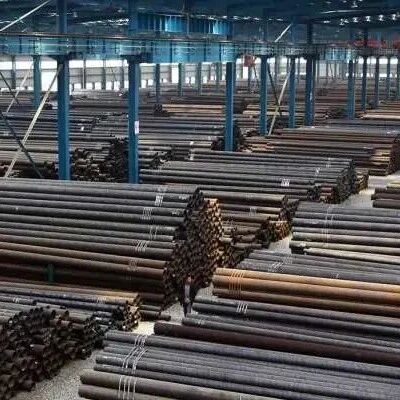
Core Viewpoint - The European Union's Carbon Border Adjustment Mechanism (CBAM) will officially enter its charging phase on January 1, 2026, initially covering six product categories: steel, cement, aluminum, fertilizers, electricity, and hydrogen. By 2028, the scope is expected to expand to approximately 180 downstream products, including washing machines and automotive parts, creating a comprehensive "green bill" for trade [1][3][14]. Group 1: CBAM Implementation and Product Scope - The CBAM's product coverage has been clarified, with a focus on six primary products, each defined by specific EU customs tariff codes [3][12]. - The implementation of CBAM will occur in phases, with a transitional period from 2023 to 2025 for carbon data research, followed by formal legislation in 2026 [13][12]. - The product scope will expand to include downstream products by 2028, with the cost burden depending on the embedded emissions from steel and aluminum used in these products [14][15]. Group 2: Compliance and Impact on Chinese Enterprises - A significant exemption threshold of 50 tons for imports will reduce compliance burdens for small and medium-sized enterprises, with approximately 90% of importers expected to be exempt while still covering about 99% of related carbon emissions [15]. - Major Chinese steel and aluminum suppliers exporting to the EU will be primarily affected, while many smaller exporters may not face direct CBAM payment obligations due to the exemption threshold [15][17]. - Chinese enterprises are advised to establish differentiated carbon emission data management systems to comply with CBAM, focusing on direct and indirect emissions based on product categories [18][21]. Group 3: Broader Implications and Strategic Responses - The emergence of green trade barriers, exemplified by CBAM and the EU's battery regulations, indicates a trend towards stricter carbon management in global trade [21][20]. - Chinese companies are encouraged to adapt to EU standards and develop low-carbon supply chains to mitigate compliance risks while participating in international carbon rule-making [21][22]. - China's proactive low-carbon transition and early industry adjustments position it favorably against stricter EU regulations, potentially allowing it to maintain a competitive edge in the global market [22].