21世纪经济报道

Search documents
证监会大动作,中国资本市场迎重要创新
21世纪经济报道· 2025-12-31 13:52
Core Viewpoint - The launch of the commercial real estate REITs pilot program marks a significant innovation in China's capital market, expanding the REITs market from infrastructure to commercial real estate, and establishing a dual-track development model for both sectors [1][4][11]. Group 1: Market Expansion and Development - The China Securities Regulatory Commission (CSRC) has officially released the pilot rules for commercial real estate public REITs, which will take effect immediately, indicating a long-awaited expansion into the commercial real estate sector [1]. - As of December 27, 2025, there are 78 listed REITs in China, with total financing of 209.9 billion yuan and a total market value of 219.9 billion yuan, reflecting the steady growth of the infrastructure REITs market over the past five years [1]. - The CSI REITs total return index has increased by 19% since 2024, indicating that REITs are becoming an important asset class for investment [1]. Group 2: Strategic Importance of Commercial Real Estate REITs - The introduction of commercial real estate REITs is seen as a solution to the macroeconomic strategy of "activating stock and optimizing increment," providing standardized equity financing solutions for the real estate sector [2]. - By converting substantial stock assets in quality commercial properties into tradable financial products, this initiative opens new equity financing channels for holding companies and promotes a shift from "development and sales" to "long-term holding and professional operation" in asset management [2]. Group 3: Dual-Track Strategy and Classification Management - The CSRC has established a classification management system for REITs based on the distinct characteristics of commercial real estate and infrastructure, marking a new phase of "parallel development" [4][5]. - Infrastructure REITs are expected to focus on stabilizing the economy and addressing shortfalls, while commercial real estate REITs will promote consumption and structural adjustments, with a higher sensitivity to market conditions [5]. Group 4: Regulatory Framework and Risk Management - A comprehensive regulatory framework has been developed to ensure the stability and effectiveness of the commercial real estate REITs pilot, consisting of one main announcement, three supporting arrangements from the CSRC, and multiple self-regulatory organization rules [6]. - The announcement outlines the product definition, fund registration, operational management requirements, and regulatory framework for commercial real estate REITs [6]. - The regulatory approach emphasizes a "stability first" principle, focusing on quality and compliance during the initial phase of the pilot, with a clear priority on core urban areas and high-quality projects [9][10]. Group 5: Market Participation and Future Outlook - The pilot program is expected to enhance the depth and breadth of the REITs market, contributing to the revitalization of substantial stock assets and promoting consumption upgrades [11]. - The dual-track model is anticipated to play a crucial role in transforming the real estate development model and providing new channels for residents to increase property income [11].


车市告别顺风时代
21世纪经济报道· 2025-12-31 13:52
Core Viewpoint - The Chinese automotive market is at a historic crossroads, transitioning from a growth phase to a competitive landscape characterized by technology, ecology, and globalization, as evidenced by the rising penetration of new energy vehicles (NEVs) and intensified competition among manufacturers [1][2]. Market Dynamics - The retail volume of fuel vehicles decreased by 22% year-on-year, while pure electric vehicles saw a 9.2% increase, pushing the NEV retail penetration rate to 59.3% in November 2025, further rising to 62.3% by mid-December [2]. - The market has shifted from a phase of broad growth to one of intense competition, where companies must focus on technological advancement, ecosystem development, and operational efficiency [4]. Competitive Landscape - BYD, once a dominant player, experienced a 26.81% decline in domestic sales in November 2025, highlighting the pressures from increased competition and the need for continuous technological innovation [4]. - Chery achieved significant growth, with a 54% year-on-year increase in NEV wholesale sales in November 2025, marking its entry into the top three NEV manufacturers [5]. - Traditional automakers like SAIC are rapidly transforming, narrowing the sales gap with BYD, indicating a shift in competitive dynamics [5]. Global Expansion - Chinese automotive exports reached 634.3 million units from January to November 2025, a year-on-year increase of 18.7%, with NEVs becoming a core driver of this growth [9]. - The export strategy has evolved from a trade-focused approach to a more integrated model involving localized production and ecosystem collaboration [9][10]. Policy Changes and Market Outlook - Key policy adjustments, including changes to the new energy vehicle purchase tax, are expected to drive companies to enhance cost control and supply chain optimization [15]. - The market is anticipated to see modest growth in 2026, with a focus on high-quality transitions rather than mere volume expansion, as companies adapt to new competitive realities [16]. Strategic Focus - Companies are expected to concentrate on product iteration, technological implementation, and cost optimization in the domestic market, while also enhancing localization and ecosystem output in overseas markets [17][18]. - The ability to establish a technological and ecological moat domestically, along with a sustainable operational framework internationally, will be crucial for companies navigating the upcoming competitive landscape [18].


耐克失守中国市场,开始自救
21世纪经济报道· 2025-12-31 13:52
严峻市场压力下,耐克需要给在华团队进一步放权。 近期,耐克宣布,大中华区等四个区域负责人直接进入高级领导管理层,向全球CEO汇报,以 加速推进Win Now计划。 落地到具体高管,便是耐克大中华区董事长兼CEO董炜进一步升职。"我期待与她及团队展开 更紧密的合作。"在业绩会上,耐克集团总裁兼首席执行官贺雁峰(Elliott Hill)说。 记者丨贺泓源 李音桦 编辑丨高梦阳 董炜进入耐克高级领导管理层。图片来源:耐克 来到运动市场,巨头们普遍遭遇增长压力。 需要注意的是,董炜近年一直在被重用。 2024年10月,她就已升任耐克大中华区董事长兼 CEO,并担任ACG品牌全球CEO。董炜于2005年加入耐克中国,过去十年间,她出任耐克全 球副总裁、耐克大中华区总经理。 另据21世纪经济报道记者了解,董炜与贺雁峰有着长久共事基础。 而董炜升职背后是,耐克在华需要更灵活的运营机制。 在华"收缩" 客观上,耐克正"失守"中国市场。 在截至2025年11月末的最新财季,耐克在华销售额同比下滑16%至14.23亿美元,EBIT(息税 前利润)同比下降 49%。其中,耐克直营业务下降18%(数字业务下降36%,门店业务下降 ...


深圳创新四姐妹,2025年三大关键词
21世纪经济报道· 2025-12-31 12:50
Core Viewpoint - The rapid development of artificial intelligence (AI) is prompting a revaluation of technology assets globally, with Shenzhen emerging as a focal point for investors seeking opportunities in China. The city has produced several tech giants, referred to as the "Four Sisters" of innovation: Huawei, Tencent, China Ping An, and BYD, all of which have market capitalizations exceeding 1 trillion yuan and revenues above 600 billion yuan, with Ping An's revenue surpassing 1 trillion yuan in 2024 [1][2]. Group 1: Characteristics of the "Four Sisters" - The "Four Sisters" have experienced a collective revaluation, with stock prices and market capitalizations reaching new highs. Except for Huawei, which is not publicly listed, Tencent, Ping An, and BYD have all seen significant stock price increases this year, benefiting from the narrative of asset revaluation in China [3][4]. - The average stock price increase for the "Four Sisters" is 44.87% year-to-date, outperforming the average increase of 27.95% for the "Magnificent Seven" in the U.S. [4][5]. - Each of the "Four Sisters" has achieved record market capitalizations this year, with Tencent reaching a peak of 683 HKD per share and a market cap of 5.45 trillion HKD, while Ping An's market cap is around 1.3 trillion HKD [6][7]. Group 2: AI Investment and Strategy - The "Four Sisters" are heavily investing in AI, engaging in a talent acquisition race and increasing R&D expenditures. For instance, Huawei's R&D spending reached 96.95 billion yuan in the first half of the year, accounting for 22.7% of its revenue [8][9]. - Each company has a differentiated AI strategy: Huawei focuses on foundational technologies, Tencent integrates AI into its social applications, Ping An emphasizes AI in financial and healthcare services, and BYD incorporates AI into smart transportation solutions [12][13]. Group 3: Global Expansion and Influence - The global influence of the "Four Sisters" is on the rise, as evidenced by their improved rankings in the 2025 Fortune Global 500 and Kantar BrandZ lists. Ping An ranks 13th, Huawei 24th, BYD 27th, and Tencent 32nd [13][14]. - BYD has surpassed Tesla in global electric vehicle sales, exporting 878,000 units from January to November, a 144% increase year-on-year. Huawei operates in over 170 countries, while Tencent's international gaming revenue grew by 43% [14][15].

A股每10只股票有1只翻倍,2025年20大牛熊股出炉
21世纪经济报道· 2025-12-31 12:50
Market Overview - A-shares experienced a strong rally in 2025, with the Shanghai Composite Index rising by 18.41%, the Shenzhen Component Index by 29.87%, and the ChiNext Index by nearly 50% [1] - The market showed a broad-based increase, with 4107 out of 5176 stocks having positive returns, and 1382 stocks rising over 50%, indicating significant profit-making opportunities [1] - A total of 523 stocks doubled in value this year, a sixfold increase from last year's 90, representing 10% of all A-shares [1] Top Performing Stocks - The top-performing stock, Upwind New Materials, saw its price surge by over 1820%, reaching 127.37 CNY per share, driven by the humanoid robot trend and acquisition news [4] - Other notable stocks include Tianpu Co., which increased by 1645.35%, and Victory Energy, which rose by 488.86% [5] - The majority of doubling stocks were in the machinery, electronics, and power equipment sectors, with Upwind New Materials and Tianpu Co. being the only two stocks to achieve over 16 times their original value [1][5] Underperforming Stocks - The worst-performing stock, Shijin Technology, fell by 50.99% due to challenges in the photovoltaic sector, leading to significant financial losses [2][9] - Other stocks that experienced declines of over 40% include Kang Le Wei Shi, Longda Meishi, and Zhongbai Group [10] Industry Insights - The TMT (Technology, Media, and Telecommunications) sector had six companies among the top 20 performers, with a positive outlook on storage chip prices driven by AI demand [5] - The consumer sector showed signs of structural change, with emerging trends in emotional consumption and value-driven purchasing [11][12] - The new consumption direction is expected to focus on health, practicality, and emotional engagement, with significant policy support anticipated to boost consumer confidence [12]



2026年电商们打响全面战争
21世纪经济报道· 2025-12-31 12:50
Core Viewpoint - The essence of the e-commerce business is "traffic," and the competition in the industry has evolved into a complex and multi-dimensional landscape, driven by various factors such as technology, consumer habits, and supply chain dynamics [1][2]. Group 1: E-commerce Competition Dynamics - In February 2025, Liu Qiangdong initiated a fierce competition in the food delivery sector, disrupting the market with substantial subsidies, leading to increased spending on sales and marketing by major players like Meituan, Alibaba, and JD.com, which collectively spent an additional 614 billion yuan in the third quarter [1]. - The competition is characterized by a shift from traditional e-commerce to instant retail, with platforms like JD.com, Meituan, and Alibaba engaging in a "comprehensive war" rather than a zero-sum game [2][6]. - The integration of AI in consumer decision-making and the transition of supply chains from a focus on scale to efficiency and resilience are reshaping the industry's development logic [2]. Group 2: Strategic Moves and Financial Implications - JD.com launched a recruitment initiative for quality dining merchants, offering zero commission for early entrants, marking the beginning of the food delivery war [4]. - Alibaba's recent performance indicates a significant growth in its instant retail business, with revenues reaching 229.06 billion yuan, a 60% year-on-year increase, despite a 53% drop in net profit for the second quarter of fiscal year 2026 [6][7]. - The competitive landscape is intensifying, with platforms reflecting on their strategies, as evidenced by Meituan's CEO acknowledging the unsustainable nature of past competitive practices [9]. Group 3: Market Trends and Future Outlook - The ongoing battle for market share in instant retail is not just about creating new consumption scenarios but also about capturing traditional e-commerce users and offline market shares [7][10]. - The industry is entering a phase of refined and localized operations, moving away from "barbaric growth" towards a more sophisticated approach [2][12]. - The exploration of local life and instant retail by platforms like Xiaohongshu and Douyin continues, despite challenges, indicating that the competition will remain dynamic and multifaceted [10].




迈向“十五五”!以非凡答卷,赴壮阔新程
21世纪经济报道· 2025-12-31 12:00
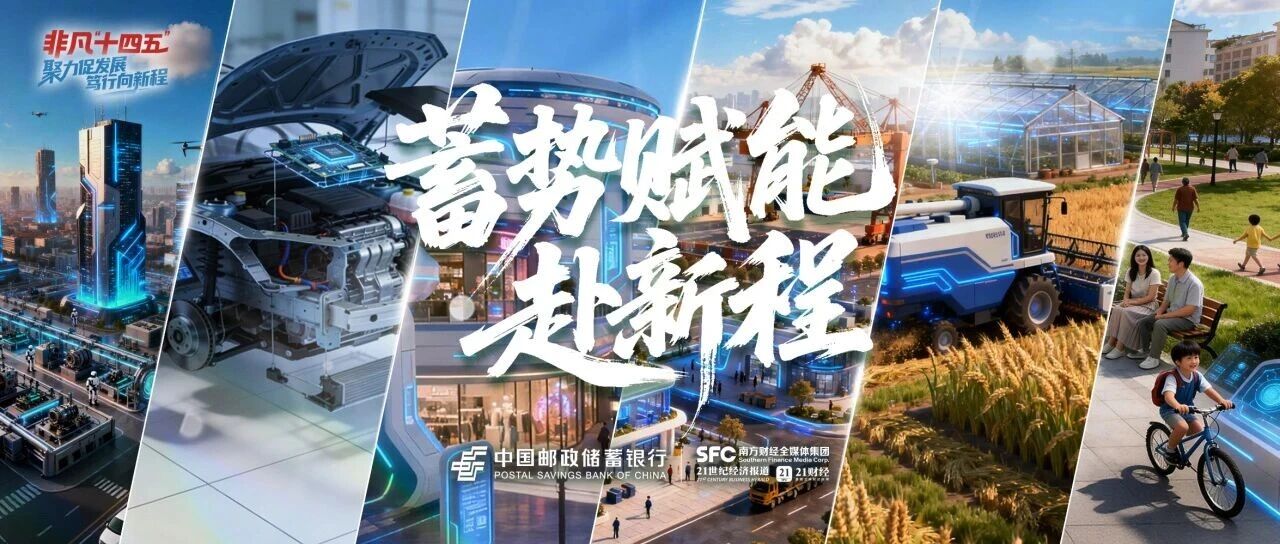
Group 1 - The "14th Five-Year Plan" has led to significant changes in daily life and has built a foundation for the upcoming five years, showcasing a robust and upgraded manufacturing sector that strengthens the real economy [1] - Continuous breakthroughs in key technologies illuminate various industries, providing a strong basis for future development in China [3][4] - The consumption wave is surging forward, with diverse demands activating deep potential in the market, indicating a broader market landscape ahead [6] Group 2 - Various business entities are exhibiting vibrant energy, from bustling industrial parks to lively streets, contributing to a fertile development environment for the future [8][9] - Smart agricultural machinery is enhancing rural revitalization, painting a brighter picture for the countryside [11] - Financial strength is essential for progressing towards the "15th Five-Year Plan," with Postal Savings Bank committed to supporting China's modernization efforts [16]
明起存量“公积金+商贷”利率下调
21世纪经济报道· 2025-12-31 12:00
Core Viewpoint - The article discusses the adjustment of housing provident fund loan interest rates in Shanghai, following the People's Bank of China's decision to lower the rates by 0.25 percentage points, effective from January 1, 2026 for existing loans issued before May 8, 2025 [1][2]. Group 1: Interest Rate Adjustments - For first-time homebuyers, the interest rate for loans with a term of 1-5 years will decrease from 2.35% to 2.1%, and for loans over 5 years, it will drop from 2.85% to 2.6% [3]. - For second-time homebuyers, the interest rate for loans with a term of 1-5 years will decrease from 2.775% to 2.525%, and for loans over 5 years, it will fall from 3.325% to 3.075% [3]. - The new interest rates for housing loans will be applicable to both new and existing loans, with existing loans adjusting their rates starting January 1, 2026 [2][4]. Group 2: Commercial Loan Rate Changes - Starting from January 1, 2026, both commercial loan rates and housing provident fund loan rates will be reduced nationwide [2]. - The five-year Loan Prime Rate (LPR) was lowered to 3.5% on May 20, 2025, which will impact the pricing of commercial loans [2]. - A new pricing mechanism for commercial personal housing loans will be implemented from November 1, 2024, allowing borrowers to adjust their repricing periods to 3 months, 6 months, or 1 year [4].

工行、农行、中行、建行、交行、邮储,集体宣布
21世纪经济报道· 2025-12-31 11:44
Core Viewpoint - The digital renminbi will officially end its "interest-free era" as major state-owned banks announce that starting January 1, 2026, the balance in real-name digital renminbi wallets will earn interest based on the current deposit rate [1][4][10]. Group 1: Digital Renminbi Interest Policy - Six major state-owned banks, including ICBC, ABC, BOC, CCB, BOCOM, and PSBC, will implement interest payments on digital renminbi wallet balances according to the current deposit rate starting January 1, 2026 [1][4]. - The interest will be calculated based on the People's Bank of China's regulations for current deposits, with interest credited quarterly [3][4]. - The introduction of this interest policy is part of the People's Bank of China's action plan to enhance the management and service system for digital renminbi [4][10]. Group 2: Transition to Digital Deposit Currency - The implementation of the interest policy marks the transition of digital renminbi from a "digital cash" model to a "digital deposit currency" model [10]. - Previously, digital renminbi was classified as M0, similar to cash, and did not earn interest, limiting its attractiveness compared to bank deposits [10]. - With the new policy, digital renminbi will be treated as a liability of commercial banks, allowing it to support credit activities and deposit expansion mechanisms, thus enhancing its monetary elasticity [10][11]. Group 3: Current Status and Future Prospects - As of November 2025, digital renminbi has processed 3.48 billion transactions with a total transaction amount of 16.7 trillion yuan [8]. - The digital renminbi is being tested in various scenarios, including daily consumption and government services, and is expanding into cross-border payment initiatives [7][8]. - The future digital renminbi will be a modern digital payment and circulation tool, supported by the central bank and possessing attributes of commercial bank liabilities [10][11].




商品力 + 全渠道驱动 沃尔玛四店同开破解社区零售同质化
21世纪经济报道· 2025-12-31 11:44
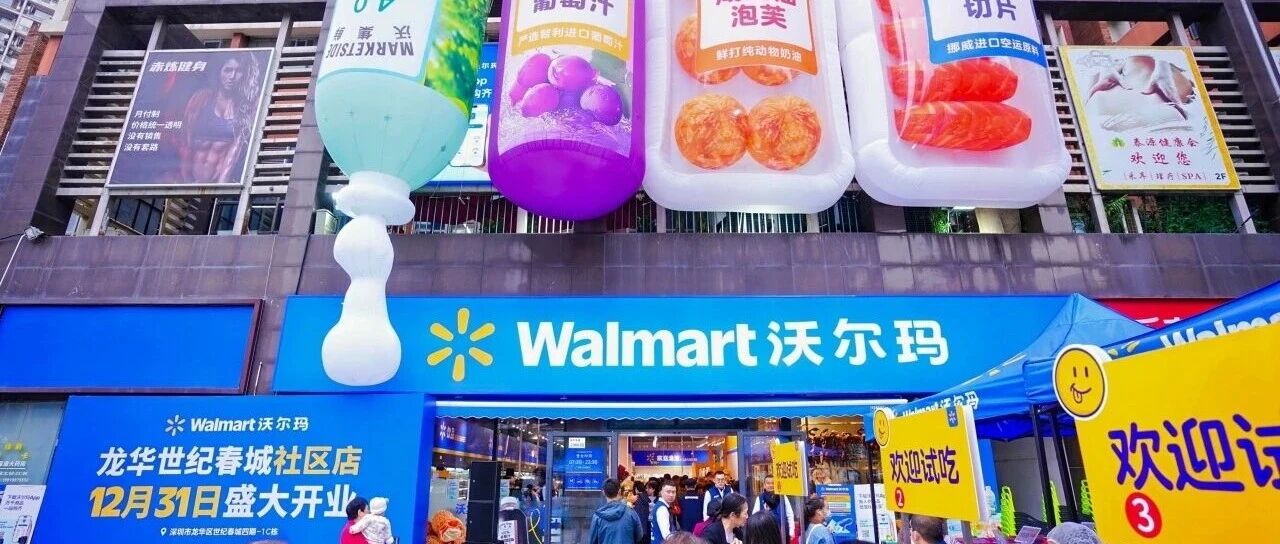
Core Insights - The community retail sector in China is undergoing significant restructuring, with the market size approaching 5.2 trillion yuan, attracting numerous players. However, many participants overlook the core demands for "quality certainty" and "scene adaptability," leading to a homogenized low-price competition [1] Group 1: Walmart's Community Store Strategy - Walmart has opened four community stores in Shenzhen and upgraded its app, marking the validation of its "small, refined, and close" community store model and entering a phase of replication and expansion [3] - The community store layout focuses on addressing industry pain points, featuring a "small and refined" model with approximately 500 square meters and 2000 selected products, catering to high-frequency daily needs [5] - Walmart's private label "Wojixian" has been upgraded to emphasize quality, with a focus on simple ingredients and stable quality-price ratios, differentiating itself in a price-driven market [5][7] Group 2: Product Quality and Consumer Focus - Walmart has established a high-standard food safety and quality control management system, ensuring end-to-end quality management through strict supplier and product controls [7] - The "Wojixian" brand emphasizes low-sugar and health-oriented products, responding to consumer demands for both health and trendiness, with innovative offerings quickly gaining popularity [9] - The company does not use private label sales as a performance metric, instead prioritizing customer feedback to drive product development, which is crucial for avoiding homogenization [9] Group 3: Omnichannel Integration - Walmart's community stores target immediate high-frequency needs within a 3-kilometer radius, while its app serves as a primary choice for daily replenishment, demonstrating the effectiveness of its omnichannel strategy [12] - The integration of online and offline channels creates a "collaborative closed loop," where online consumer data informs offline product optimization, enhancing overall retail efficiency [10][12] - Walmart's commitment to a "customer-first" philosophy underpins its operational strategy, ensuring that every action taken is aimed at enhancing consumer value [13] Group 4: Strategic Direction - Walmart's approach focuses on "product strength" and "omnichannel support," avoiding the pitfalls of low-price competition and instead building a differentiated advantage by addressing core customer needs [15] - The company's future development logic emphasizes "customer first, quality core, channel collaboration, and long-termism," guiding the industry towards a new phase of competition based on quality, efficiency, and value [15]