半导体芯闻

Search documents
坪山:打造“湾区芯城”新引擎,铸就中国集成电路产业“第三极”核心承载区
半导体芯闻· 2025-10-17 10:20
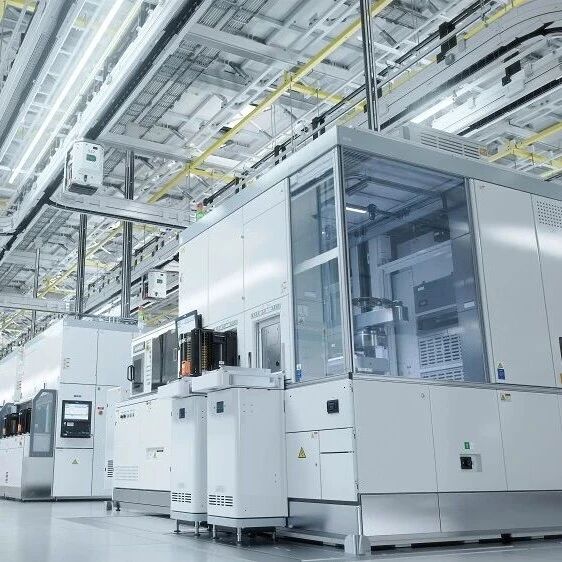
Core Insights - Pingshan District in Shenzhen is strategically positioned as a "Silicon-based Semiconductor Cluster" and is developing a distinctive semiconductor and integrated circuit system with over 200 quality enterprises across the entire industry chain, achieving double-digit growth in output value for three consecutive years, with chip manufacturing output expected to exceed 10 billion in 2024 [1][3]. Group 1: Semiconductor Manufacturing - Pingshan is the earliest district in Shenzhen to focus on chip manufacturing, consistently accounting for over 60% of the city's output. The establishment of SMIC Shenzhen in 2008 marked a significant milestone, with the expansion of production lines and a focus on mature processes [3]. - The ongoing major project by Pengxinxu, initiated in 2022, aims to enhance production capacity for 40nm/28nm logic processes, contributing to a robust ecosystem alongside SMIC [3]. - The completion of the Fuman Microelectronics packaging project in June 2024 will provide an annual packaging capacity exceeding 8 billion units, creating a comprehensive supply chain from wafer manufacturing to chip packaging [3]. Group 2: Industry Ecosystem and Segmentation - Pingshan leverages its core advantages in chip manufacturing to attract high-quality enterprises like Fuman Microelectronics and Hongxin Yu storage, fostering collaboration among various companies within the industry chain [5]. - The district has established five key segments in the semiconductor industry, including integrated circuit equipment, design, power devices, optoelectronic devices, and memory devices, showcasing a diverse and specialized ecosystem [5]. Group 3: Public Service Platforms and Innovation - High-level public service platforms have been established in Pingshan to support small and medium enterprises, promoting a collaborative innovation environment among large, medium, and small enterprises [7]. - Shenzhen Technology University has launched the first integrated circuit college in the Greater Bay Area, focusing on cultivating high-end talent needed for the semiconductor industry [7]. - The establishment of the Mig Laboratory in 2025 will create a wafer testing public service laboratory, enhancing research and development capabilities through a network of shared laboratories [8]. Group 4: Future Outlook - Pingshan aims to strengthen its position as a core hub for China's integrated circuit industry, targeting an annual production capacity exceeding 5 million wafers, and inviting global semiconductor talents to join in its development journey [9].



台积电2nm,加紧赴美
半导体芯闻· 2025-10-17 10:20
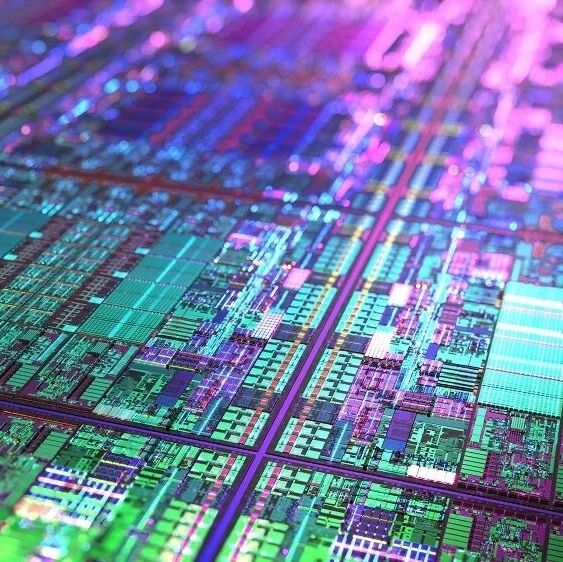
Core Insights - TSMC plans to accelerate the production of advanced 2nm chips in the U.S. to meet strong AI demand, indicating potential further expansion beyond the previously committed $165 billion investment [1][2] - The company is nearing the acquisition of a second large plot near its Arizona facility to enhance flexibility in response to sustained AI demand [1] - TSMC's North American revenue surged by 76% in Q3, driven by the growing demand from leading AI chip developers, while revenue growth in China decreased from 11% to 8% [2] Group 1 - TSMC's CEO, C.C. Wei, emphasized the company's commitment to producing numerous AI chips to support AI development [3] - The expansion plan includes the construction of three new chip manufacturing plants, two advanced packaging facilities, and a large R&D center [3] - TSMC aims to establish a Gigafab in Arizona to support leading customers in smartphones, AI, and high-performance computing applications [1] Group 2 - Applied Materials believes that the AI boom and related demand will not slow down, while ASML expects its revenue in 2026 to remain above 2025 levels despite a slowdown in China [2] - External macroeconomic risks are considered manageable, as short-term performance remains well-supported by demand [2] - TSMC's CEO downplayed the impact of export controls and AI chip restrictions from Beijing, expressing confidence in AI growth regardless of access to the Chinese market [1]

韩国芯片双雄,开辟新赛道
半导体芯闻· 2025-10-17 10:20
Core Insights - Samsung Electro-Mechanics and LG Innotek are accelerating corporate restructuring to benefit from improved market demand and AI infrastructure investment [1] - Analysts predict a significant increase in third-quarter earnings for these companies due to diversification efforts and the AI investment boom [1] Group 1: Samsung Electro-Mechanics - The multi-layer ceramic capacitor (MLCC) business is recovering due to the growth of AI, with sales for high-value MLCCs used in AI servers and automotive electronics steadily increasing [2] - Major AI accelerator companies like Nvidia and AWS are expected to continue increasing their demand for MLCCs, leading to higher profitability for Samsung Electro-Mechanics [2] - The next-generation semiconductor substrate business, FC-BGA, is also thriving, with plans for large-scale shipments starting next year [2] - Investments in Vietnam for optimizing production and reducing costs have led to a significant increase in local sales contribution, rising from 197.5 billion KRW in 2022 to 212.7 billion KRW in 2023 [2] Group 2: LG Innotek - LG Innotek is expanding its supply of next-generation products for physical AI, including exclusive camera modules for humanoid robots [3] - The company has solidified its position as a major supplier of camera modules for Apple's iPhone 17 series, with favorable market conditions expected to drive up supply prices [3]
黄仁勋:中国市场份额归零
半导体芯闻· 2025-10-17 10:20
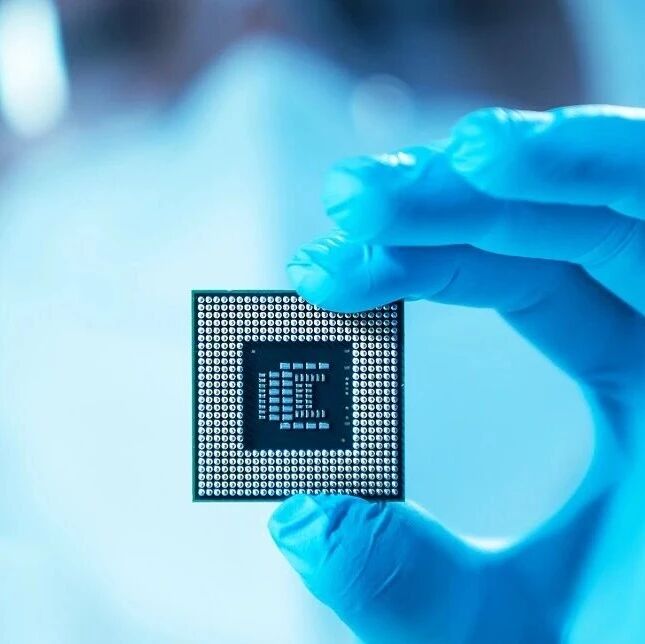
Core Insights - Nvidia's CEO Jensen Huang stated that due to U.S. export restrictions, the company's market share in China's advanced chip market has dropped from 95% to zero [1] - Huang emphasized that excluding Nvidia from the Chinese market is detrimental to both China and the U.S., as it could lead to a loss of competitive edge [1][2] - The Chinese government is pushing for self-sufficiency in semiconductors, with local competitors like Huawei and Alibaba investing heavily in chip development [2] Group 1 - Nvidia has been banned from exporting advanced AI chips to China since 2022, including the A100, H100, and H200 models [1] - Although Nvidia received permission to sell a low-power H20 chip tailored for China, the Chinese authorities have advised against its purchase due to security concerns [1] - Huang noted that China possesses about 50% of the world's AI researchers, highlighting the importance of maintaining access to this talent pool for U.S. technology [1][2] Group 2 - The White House AI director David Sacks warned that China is positioning itself to support Huawei in the global market, which poses a significant challenge to U.S. competitiveness [3][4] - Sacks argued for a nuanced approach to chip export controls, suggesting that maintaining some level of trade with China is essential for U.S. market competitiveness [4] - Recent reports indicate that China has expressed a desire to reduce reliance on U.S. chips, focusing instead on bolstering domestic companies like Huawei [4]


中国功率芯片,已然崛起
半导体芯闻· 2025-10-17 10:20
Core Viewpoint - The article discusses China's ambitious goal of achieving a 70% self-sufficiency rate in semiconductor production by 2025, which is deemed unrealistic, with projections suggesting a self-sufficiency rate of only 14% by 2025 and around 30% by 2030. The impact of export restrictions on companies like Huawei is also highlighted, indicating a need for the Chinese government to adjust its targets based on current realities [1]. Logic: Ongoing Regulatory Challenges - Western countries have imposed restrictions on Huawei due to security concerns, particularly in the 5G sector, which has hindered China's ability to produce advanced semiconductors. The restrictions on ASML's EUV lithography equipment and TSMC's supply to Huawei have significantly impacted production capabilities [2]. - Despite these challenges, Huawei has managed to release 5G-compatible smartphones, indicating that it has found ways to utilize non-regulated equipment to achieve 7nm processes, prompting further regulatory actions from the U.S. government [2]. Advanced Semiconductor Design Capabilities - Chinese companies, including Huawei and Cambricon, possess advanced capabilities in designing cutting-edge SoCs, but they currently lack the manufacturing technology to produce these systems. The potential for China to develop its own EUV lithography equipment exists, but it may take a decade or more to realize [3]. Other Semiconductors: Power Semiconductors as a Key Area - The article identifies power semiconductors, including analog and discrete devices, as a growing segment where China could significantly increase its market share and potentially disrupt the global market [4]. - In 2023, despite a downturn in the semiconductor industry, equipment shipments to mainland China increased significantly, indicating a strategic response to export restrictions. By 2024, shipments to China are expected to continue growing, capturing about half of the global market share [6]. Electric Vehicle Market Influence - The demand for power semiconductors, particularly discrete devices, is rapidly increasing due to the growth of the electric vehicle market in China. This trend suggests that China will inevitably strengthen its manufacturing capabilities in this critical area [6]. - The article draws parallels between the rapid decline in lithium-ion battery prices and the potential for similar price reductions in the power semiconductor market, suggesting that Chinese manufacturers could emerge as significant players [7].
安世被禁,汽车大厂慌了
半导体芯闻· 2025-10-17 10:20
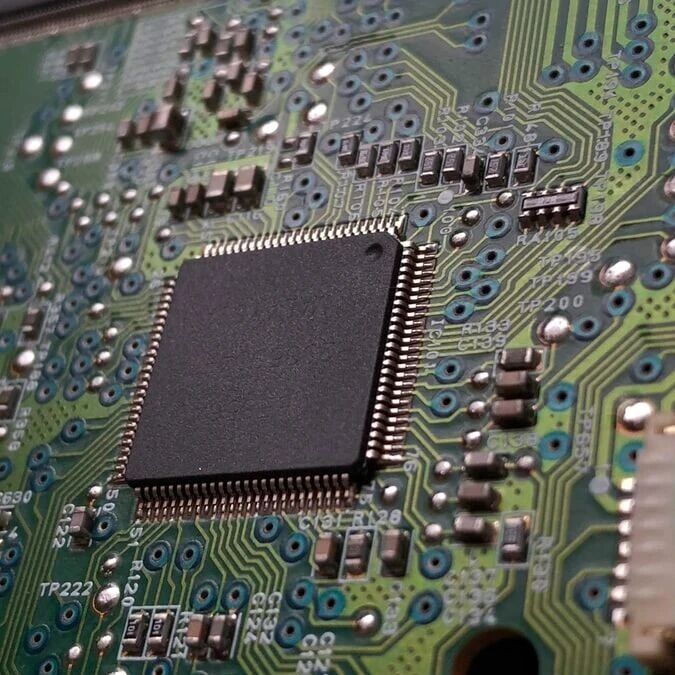
Core Insights - The automotive industry is facing significant supply chain disruptions due to the unexpected actions of Nexperia, a Dutch semiconductor manufacturer, which has halted component shipments, citing "force majeure" [1][2] - Nexperia holds approximately 40% market share in the basic chip sector, which includes transistors and diodes, making it a critical player despite being a smaller entity in the overall automotive chip market [1] - Major automotive manufacturers, including General Motors, Toyota, and Volkswagen, are actively assessing their exposure to Nexperia's supply issues and exploring alternative chip sources to mitigate production impacts [2] Group 1 - Nexperia's decision to stop shipments affects a wide range of automotive applications, from headlights to electronic control units, potentially halting production for brands like BMW, Toyota, and Mercedes-Benz [1] - The automotive sector has previously experienced multiple production interruptions this year due to various supply chain challenges, including strict controls on rare earth magnets and aluminum supply disruptions [2] - Toyota has identified that delays in product shipments from some suppliers are linked to Nexperia's situation, rather than the previously suspected rare earth mineral export restrictions from China [2]

又一家公司跨界半导体
半导体芯闻· 2025-10-17 10:20
Core Viewpoint - NAR Co., Ltd. plans to acquire at least 51% of Shanghai Feilai Testing Technology Co., Ltd. for an estimated transaction amount of 350 to 400 million yuan, aiming to enhance its strategic layout and business expansion in the semiconductor equipment sector [1][3]. Group 1: Acquisition Details - The acquisition involves NAR Co., Ltd. signing a share acquisition intention agreement with Shanghai Feiguang Management Consulting Partnership and Zhang Hua [1]. - The transaction is expected to provide NAR with control over Feilai Testing, a high-tech enterprise specializing in semiconductor chip testing reliability solutions [3]. Group 2: Company Profile of Feilai Testing - Feilai Testing is headquartered in Shanghai and has manufacturing bases in Wuxi and Nantong, recognized as a national-level "little giant" enterprise [3]. - The company offers a comprehensive range of solutions from wafer to device, including equipment like wafer AOI devices, chip testers, and aging systems, under its own brand "FeedLiTech" [3]. Group 3: Financial Projections - Feilai Testing is projected to achieve a revenue of 123 million yuan and a net profit of 1.9 million yuan in 2024, with further growth expected in 2025 [3]. - The performance commitment includes net profits of no less than 28 million yuan, 36 million yuan, and 48.2 million yuan for the years 2025 to 2027, totaling at least 112 million yuan [3]. Group 4: Strategic Implications - This acquisition reflects NAR's strategic shift from precision coating materials manufacturing to high-end equipment manufacturing and core semiconductor sectors, aiming to cultivate new growth drivers and enhance production capabilities [3].

英特尔多款芯片涨价
半导体芯闻· 2025-10-17 10:20
Price Increase Overview - Intel is reportedly increasing the prices of its 13th generation Raptor Lake and 14th generation Raptor Lake Refresh processors by 10% in the US market, with international markets seeing increases of up to 20% [1] - The price hikes also extend to the 12th generation Alder Lake processors, with specific models like Core i3-14100F seeing a 15% increase from late September to mid-October [1] Regional Price Changes - In the Japanese market, Core i3-14100 and Core i3-14100F prices have risen by 10% and 2.6% respectively, while popular Core i5 models like Core i5-14400 and Core i5-14400F have increased by 20% and 11% [2] - High-end models such as Core i7 and Core i9 series have experienced smaller price fluctuations, around 5% [2] Profit Margin Implications - The price increases for Alder Lake and Raptor Lake could enhance Intel's profit margins, as these chips are produced using the fully mature Intel 7 process node [3] - Arrow Lake, which relies on various external process nodes from TSMC, has limited pricing flexibility, making it more feasible for Intel to raise prices on internally produced processors rather than lowering Arrow Lake prices [3] Strategic Pricing Focus - Intel has selectively raised prices on strategic SKUs, particularly popular mid-range models like Core i5-14400 and Core i3-14100F, which generate the highest sales [3]


美光关键芯片业务,传退出中国
半导体芯闻· 2025-10-17 06:57
Core Viewpoint - Micron Technology plans to cease supplying server chips to data centers in China due to the inability to recover from the Chinese government's ban on its products in critical infrastructure [1][2] Group 1: Business Impact - Micron generated $3.4 billion in revenue from mainland China last fiscal year, accounting for 12% of its total revenue [1] - The company will continue to sell products to Chinese clients with significant data center operations outside of China, including Lenovo [1] - The ban on Micron's products in critical infrastructure means the company misses out on the expansion boom in China's data centers, benefiting competitors like Samsung and SK Hynix [1] Group 2: Market Dynamics - China is the second-largest server memory market globally, and the investment in data centers surged ninefold last year to 24.7 billion yuan ($3.4 billion) [1] - Despite challenges in China, the global demand for data centers and related tools, driven by artificial intelligence, has offset these challenges, helping Micron achieve record quarterly revenue [2] Group 3: Employment and Operations - Micron's data center team in China has over 300 employees, but the number of jobs potentially affected by the exit is unclear [2] - The company has been laying off employees in China and has decided to halt the development of future mobile NAND products globally [2] - Micron continues to expand in other regions of China, including a chip packaging factory in Xi'an [2]

三星抢购四亿美金的EUV光刻机
半导体芯闻· 2025-10-16 10:43
如果您希望可以时常见面,欢迎标星收藏哦~ 来源:内容 编译自hankyung 。 三星电子计划在明年上半年前投资约1.1万亿韩元,引进两台最新的极紫外(EUV)曝光设备(利 用光在晶圆上绘制电路的设备)——荷兰阿斯麦公司(ASML)的"高数值孔径(NA)EUV"。该 设备被认为对下一代晶圆代工厂(半导体代工)和高性能DRAM生产至关重要,因为它能够绘制 比现有产品精细1.7倍的电路。 据业内人士15日透露,三星电子计划在年内引进一台最新的高数值孔径EUV(型号:Twin Scan EXE:5200B),并在明年上半年再引进一台。三星电子此前仅在京畿道华城园区安装了用于研发 的高数值孔径EUV设备,这是其首次采购用于"量产"的高数值孔径EUV设备。 这套高数值孔径 EUV 系统由全球唯一一家 EUV 光刻机制造商 ASML 开发,其蚀刻电路的精细 度比当前 EUV 设备高出 1.7 倍。 关键改进在于系统的数值孔径(衡量镜头聚光效率的指标),已从 0.33 提升至 0.55。 据业内人士称,每套设备成本约为 5500 亿韩元,使其成为半导体制造领域最昂贵的设备。 一位业内高管表示:"三星正在大力推进下一代工艺技 ...