半导体行业观察

Search documents
2纳米,涨幅惊人
半导体行业观察· 2025-10-25 03:19
Core Viewpoint - Apple is developing the A20 processor for the iPhone 18 series, which will be manufactured using TSMC's 2nm process, resulting in a significant cost increase to approximately $280, representing an over 86% rise compared to the A19 processor used in the iPhone 17 series [2][3]. Cost Analysis - The A20 processor will be the most expensive component in the iPhone 18, surpassing the previous highest cost component, the display, which was around $110 for the iPhone 16 Pro series [2]. - The A18 Pro processor used in the iPhone 16 Pro series had a cost of $135, while the A19 Pro processor in the iPhone 17 Pro series cost $150, indicating a trend of increasing processor costs [2]. Technology Transition - The A20 processor marks a transition from the previous three generations of 3nm technology to the latest 2nm technology, promising significant improvements in performance and efficiency [3]. - TSMC has reportedly informed clients that the last 3nm chips have seen a 20% price increase over previous generations, with an additional 50% increase for the new 2nm process, although this has not been officially confirmed [3].


特斯拉分享智驾芯片路线图
半导体行业观察· 2025-10-25 03:19
Core Insights - Tesla's CEO Elon Musk recently revealed details about the next-generation AI5 chip, describing it as "an amazing design" with significant performance improvements over its predecessor [2][4] - The AI5 chip represents a complete evolution of Tesla's self-developed AI hardware, building on the experience gained from the current AI4 system used in its vehicles and data centers [4] Performance Enhancements - The performance of the AI5 chip is expected to be 40 times greater than that of the AI4, not just a 40% increase, attributed to Tesla's unique advantage in vertically integrated hardware and software design [5] - The AI5 chip simplifies architecture by removing various traditional components, including the old GPU and image signal processor (ISP), which have been integrated into the new AI5 system [5] Manufacturing Strategy - The AI5 chip will be jointly manufactured by Samsung's Texas facility and TSMC's Arizona facility, with both companies participating in the early production phase [6] - Tesla aims to produce an excess of AI5 chips, which can be utilized in Tesla vehicles, humanoid robots, or data centers, where AI4 and NVIDIA hardware are currently mixed for model training [6] - Tesla's focus on a single customer (itself) allows for the elimination of unnecessary complexities, achieving the best performance per watt and per dollar in the industry after mass production of AI5 [6]

英特尔代工厂,艰难前行
半导体行业观察· 2025-10-25 03:19
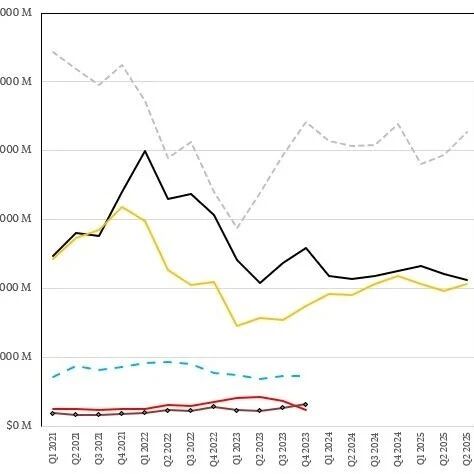
Core Insights - The article discusses Intel's struggle with technological debt and its implications for the company's competitiveness in the semiconductor industry [2][3] - It highlights the challenges Intel faces in its manufacturing processes and the need for a steady progression in technology development to avoid falling behind competitors like TSMC and AMD [4][5] Group 1: Intel's Manufacturing Challenges - Intel's foundry and product divisions operate like interdependent yet independent companies, leading to misalignment in technological advancements [3] - The company has faced significant delays in the commercialization of its 10nm and below processes, which has hindered its ability to compete effectively [5][9] - Intel's attempts to leapfrog technology nodes have resulted in setbacks, particularly with the Intel 20A process being canceled to focus on improving the Intel 18A process [9][10] Group 2: Financial Performance - Intel's revenue increased by 2.7% to $13.65 billion, with a significant improvement in net income to $4.27 billion compared to a loss of $17 billion in the previous year [23][25] - The Data Center & AI division reported sales of $4.12 billion, with operating profit reaching $964 million, reflecting a substantial improvement in product mix and yield [25] - Despite improvements, the Intel Foundry continues to struggle, indicating ongoing challenges in achieving profitability [25] Group 3: Future Prospects and Client Relationships - Intel is actively seeking external clients for its 14A process, with potential pressure from the U.S. government to secure contracts [17] - There is speculation that NVIDIA may utilize Intel's 14A process for its GPUs, which could significantly impact Intel's financial outlook [17][18] - The company is focusing on improving yield rates for its 18A process to ensure profitability in its server and PC CPU manufacturing [13][14]

台积电熊本二厂正式动工!主攻6nm
半导体行业观察· 2025-10-25 03:19
Core Points - TSMC's Japanese subsidiary JASM signed a contract with the Kumamoto government to build a second factory, expected to start operations by the end of 2027, focusing on 6nm semiconductor wafers for AI and autonomous driving applications [2][3] - The total investment for TSMC's two factories in Kumamoto is estimated at $22.5 billion, with the Japanese government providing a subsidy of approximately $7.7 billion [2] - The construction of the second factory has faced delays due to local traffic issues and a decline in market demand from major clients, impacting the timeline for both construction and production [3][4] Group 1 - The second factory will cover an area of approximately 69,000 square meters and is expected to employ around 1,700 people, similar to the first factory [2] - The initial construction timeline for the second factory was set for March 2025 but has been postponed to October 2025 due to local traffic concerns and market demand fluctuations [3] - TSMC's first factory in Kumamoto began mass production at the end of last year, utilizing 22/28nm and 12/16nm processes, with a maximum monthly capacity of 55,000 wafers [3] Group 2 - TSMC's president indicated that the timing for mass production will be cautiously assessed based on market demand [2][4] - The semiconductor supply chain is closely monitoring TSMC's capacity expansion, which is contingent on market and customer needs [4]
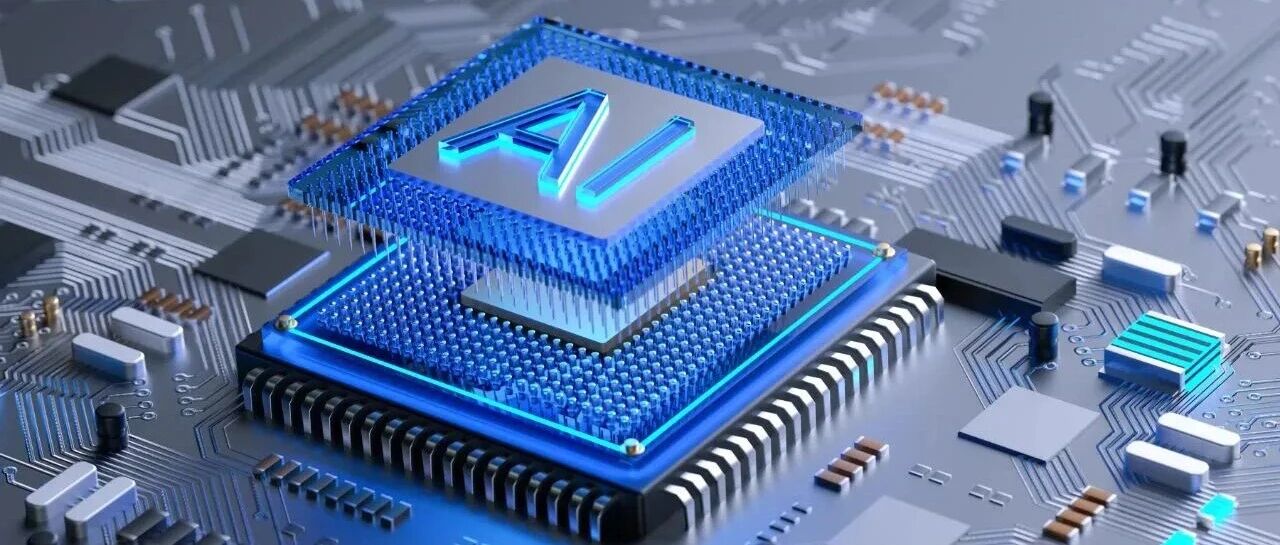
AI 驱动 智链未来炸裂登陆 CPCA 展会,带你沉浸式解锁产业智能化革命
半导体行业观察· 2025-10-25 03:19
Core Viewpoint - The article highlights the upcoming "AI-Driven Smart Chain Future - 2025 Electronic Circuit and Semiconductor Industry Innovation Forum," which will take place on October 28, 2025, in Shenzhen. This forum aims to explore the integration of AI with the electronic circuit and semiconductor industries, presenting opportunities for innovation and growth in these sectors [1][17]. Agenda Overview - The forum will feature seven key topics that cover various aspects of AI's impact on industry, from technology implementation to global strategies [2][3]. - The first session will discuss the "Made in China" sentiment in overseas cloud computing and AI applications, focusing on the technological strengths and market strategies of Chinese companies [3][19]. - The second session will address the transformation in smart manufacturing, emphasizing AI's role in enhancing decision-making capabilities and operational efficiency [4][20]. - The third session will explore future storage technologies under AI-native architectures, identifying emerging trends in the storage sector [5][21]. - The fourth session will focus on AI-driven R&D innovations and collaborative design processes, highlighting efficiency improvements in research and development [6][21]. - The fifth session will delve into millimeter-wave wireless isolation technology, discussing its potential to solve signal issues in electronic circuits and its implications for the industry [7][21]. - The sixth session will cover advanced packaging EDA flows and their role in enhancing computing power for AI chips, providing insights for industry professionals [9][21]. - The final session will address legal risks and compliance strategies for PCB enterprises operating globally, offering guidance on navigating legal challenges [10][21]. Organizers and Significance - The forum is organized by the China Electronic Circuit Industry Association (CPCA) and Semiconductor Industry Observation (Semi-insights), combining industry authority and innovative insights to provide a platform for understanding AI trends and seizing industry opportunities [12][23].
国际先进光刻技术研讨会(IWAPS)九年回顾
半导体行业观察· 2025-10-25 03:19
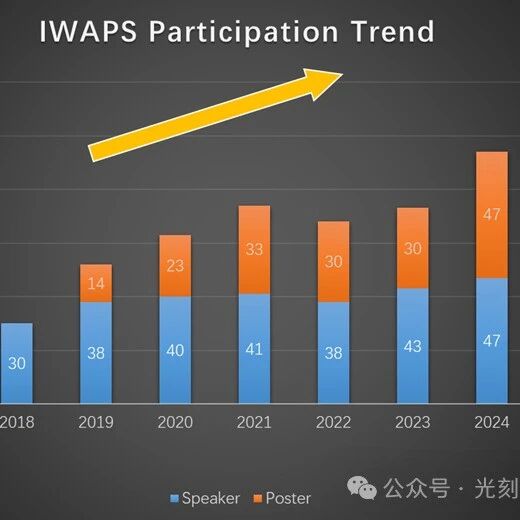
Group 1 - The IWAPS conference, established in 2017, aims to fill the gap in global professional communication for advanced lithography technology in China, promoting rapid domestic advancements in this field [3][4] - IWAPS serves as a high-level international platform for technical exchange, gathering top scholars and industry representatives to discuss cutting-edge technologies and challenges in semiconductor manufacturing [4][8] - The conference has grown significantly, from over 200 participants in its first year to more than 700 attendees in recent editions, reflecting its increasing importance in the semiconductor industry [11][19] Group 2 - IWAPS has facilitated collaboration among over 40 leading semiconductor companies, with international sponsors accounting for 53% and domestic companies for 47%, covering the entire lithography ecosystem [4][8] - The conference emphasizes regional innovation hubs by collaborating with local governments and industry organizations, enhancing the local semiconductor ecosystem [8][9] - IWAPS has become a crucial platform for academic and industry professionals to share research and innovations, significantly contributing to the development of domestic semiconductor technology [11][19] Group 3 - Professor Wei Yayi is recognized as the key figure behind IWAPS, leading the initiative to establish a professional exchange platform for lithography technology in China [14][19] - Despite challenges such as the US-China trade war and the COVID-19 pandemic, IWAPS has continued to thrive, adapting its format to maintain engagement and support for the semiconductor industry [16][19] - The partnership with SPIE starting in 2024 marks a new milestone for IWAPS, enhancing its international recognition and positioning within the global lithography community [18][19]
模拟大厂的“动荡期”
半导体行业观察· 2025-10-25 03:19
Core Viewpoint - The semiconductor industry is undergoing a significant transformation characterized by a shift towards "light packaging" and a focus on manufacturing, as major players like Texas Instruments (TI), Analog Devices (ADI), Qorvo, and Infineon adjust their manufacturing and packaging strategies [2][11]. Group 1: "Light Packaging" as a New Normal - ADI has signed a memorandum of understanding with ASE to sell its wholly-owned packaging subsidiary in Malaysia, marking a strategic shift towards a Fab-Lite model, which allows ADI to maintain control over core processes while outsourcing less critical manufacturing [3][4]. - Since 2020, ADI has been reducing its manufacturing burden by closing older packaging lines and outsourcing wafer production to TSMC and GlobalFoundries, while still expanding internal investments in key areas [4][6]. - Infineon has also sold its packaging facilities in the Philippines and South Korea to ASE, focusing on core manufacturing capabilities while ensuring stable packaging capacity through long-term supply agreements [7][8]. Group 2: Focus on Core Competencies - Qorvo announced the sale of its packaging and testing facilities in China to Luxshare Precision, aiming to reduce capital intensity and focus on high-value RF front-end design and domestic wafer manufacturing [9][10]. - The trend of divesting non-core packaging assets is seen as a response to increasing capital pressures and geopolitical uncertainties, allowing companies to streamline operations and enhance cash flow for R&D investments [11]. Group 3: ASE as a Major Beneficiary - ASE Technology Holding is emerging as a key player in the semiconductor packaging sector, acquiring facilities from major companies and establishing long-term supply agreements, thus transitioning from a service provider to a strategic manufacturing partner [11][12]. - ASE is expanding its operations in Malaysia, with plans for a new packaging and testing facility aimed at AI chips and automotive power devices, indicating a robust growth trajectory [12]. Group 4: Structural Adjustments in Manufacturing - The industry is witnessing a decline in 150mm wafer lines due to technological advancements and aging equipment, with TI planning to close its 150mm facility in Texas by 2025 [13]. - Companies like NXP and Infineon are shifting focus towards more advanced 12-inch wafer production, closing older 8-inch facilities to enhance efficiency and reduce costs [15][16]. Group 5: Texas Instruments' Unique Position - TI is bucking the trend by significantly investing in domestic wafer and packaging capabilities, with plans to invest over $60 billion in seven semiconductor factories in the U.S., creating over 60,000 jobs [16][20]. - TI's strategy emphasizes maintaining control over the entire manufacturing process, with a goal of achieving 95% internal manufacturing by 2030, despite the high capital expenditure involved [20][21]. Group 6: Future of Semiconductor Manufacturing - The semiconductor supply chain is being redefined, with a shift from self-sufficiency to collaborative ecosystems, as companies adapt to the demands of the AI era [22].


苹果服务器芯片,来了
半导体行业观察· 2025-10-25 03:19
Core Insights - Apple CEO Tim Cook announced that advanced servers manufactured in Houston have begun shipping to Apple's data centers, marking a shift from outsourcing to domestic production [2] - The servers are not standard rack servers but are designed for Private Cloud Compute (PCC), which is a core component of Apple's cloud AI solutions [2] - PCC is part of Apple's $600 billion investment plan in the U.S., aimed at significantly expanding local server capacity [2] Summary by Sections - **PCC Functionality**: The PCC system processes external requests from devices using a clean-room OS build, ensuring data is verified through a secure trust chain and is completely wiped after use [2][3] - **Privacy and Security**: Apple will publicly share each production version of the PCC software image and provide a Virtual Research Environment for independent verification by security researchers [3] - **Hardware Specifications**: While Apple confirmed the use of custom Apple Silicon chips, specific hardware configurations remain undisclosed, with speculation that they are based on the M series chips [3] - **AI Strategy**: Unlike competitors like Microsoft and Google, which rely on traditional GPU-intensive cloud instances for AI inference, Apple is pursuing a hybrid architecture that combines local model execution with cloud fallback, focusing on privacy and avoiding third-party hardware acceleration [3]
这颗芯片,将颠覆传统手机
半导体行业观察· 2025-10-24 00:46
Group 1: Samsung's AI Modem Development - Samsung Electronics is developing an AI modem chip for satellite communication aimed at SpaceX's Starlink network as part of its next-generation non-terrestrial 6G strategy [1][2] - The new Exynos modem, which integrates an AI accelerator (neural processing unit), is designed to improve tracking of fast-moving satellites and optimize signal links in real-time, with beam recognition and channel prediction capabilities enhanced by 55 times and 42 times, respectively [1] - The anticipated market for this technology could reach 740 trillion Korean won (approximately 530 billion USD) by 2040 [1] Group 2: Collaboration with SpaceX - Samsung is negotiating to join SpaceX's non-terrestrial 6G network supply chain, which aims to connect the globe through Starlink satellites [2] - The collaboration highlights Samsung's ambition to expand beyond smartphones and memory chips, with recent partnerships extending to Tesla's internal AI semiconductor projects [2] Group 3: SpaceX's Strategic Moves - SpaceX has invested approximately 17 billion USD to acquire 50 MHz of wireless spectrum and global mobile satellite service (MSS) frequencies to support its non-terrestrial network [2][5] - The company is working with chip manufacturers to embed devices in mobile phones for its emerging Starlink satellite-to-phone service, which aims to provide direct mobile services from space [4][5] - SpaceX plans to launch new satellites in the next two years to support its direct-to-device business and conduct mobile phone testing by late next year [5] Group 4: Elon Musk's Vision for AI Chips - Elon Musk emphasized Samsung's significant role in the development of Tesla's AI chips, particularly the AI5 chip, which will be manufactured in collaboration with both Samsung and TSMC [7][8] - The AI5 chip is designed differently from traditional GPUs, omitting image signal processing to maximize efficiency [7] - Tesla has signed a 16.5 billion USD agreement with Samsung for the production of the next-generation AI6 chip, marking a significant win for Samsung's foundry division [7][8]

英特尔终于盈利了
半导体行业观察· 2025-10-24 00:46
Core Viewpoint - Intel warns that CPU shortages may persist into next year due to current demand exceeding supply, despite reporting improved execution for the fourth consecutive quarter [2][3]. Financial Performance - Intel reported a 3% year-over-year revenue increase for Q3, reaching $13.7 billion, driven by a 5% increase in the Client Computing Group's revenue to $8.5 billion, while the Data Center and AI Group's revenue declined by 1% to $4.1 billion [2]. - The company's gross margin was 38.2%, up 23.2 percentage points from the previous year, and earnings per share were $0.90, compared to a loss of $3.88 per share in the same quarter last year [2]. - Intel achieved a net income of $4.3 billion, marking its first quarterly profit since 2023, after a net loss of $17 billion in the same quarter last year due to restructuring and impairment costs [3]. Supply Chain and Production - CFO David Zinsner highlighted meaningful measures taken to strengthen the balance sheet, including accelerated financing from the U.S. government and investments from Nvidia and SoftBank, enhancing operational flexibility [3]. - Intel's manufacturing performance improved, with revenue from manufacturing reaching $4.2 billion, attributed to increased efficiency in chip foundries [3]. - Zinsner indicated that supply constraints are primarily due to capacity limitations in older Intel 10 and Intel 7 manufacturing nodes, which are critical for producing older generation processors [3][4]. Product Demand and Market Dynamics - Demand for older products, such as the Intel Core processors and Xeon processors, remains strong, driven by the transition to Windows 11, which has led many enterprises to upgrade their systems [6]. - Despite the high demand for older nodes, Intel is also seeing double-digit growth in AI PC products, with an expected shipment of around 100 million AI PC processors by the end of the year [5][6]. - Zinsner noted that the supply issues might peak in Q1 of next year, after which Intel expects to catch up in the following months [6]. Industry Insights - The comments from Intel's CFO align with observations from distributors regarding the CPU shortage, indicating a combination of improving demand and product transitions in the market [7].