半导体行业观察

Search documents
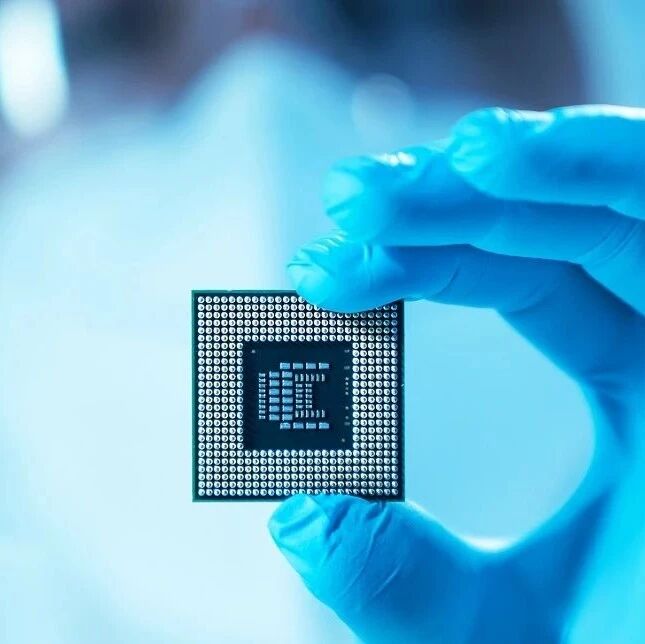
业界首例!TI 已量产Bluetooth® 6.0 MCU 获蓝牙信道探测官方认证
半导体行业观察· 2025-10-24 00:46
Core Insights - Texas Instruments (TI) has officially launched the CC27xx-Q1 series wireless MCUs, becoming the first in the industry to receive Bluetooth® 6.0 channel detection certification and to mass-produce automotive-grade products [1][4] - This achievement marks a significant technological breakthrough for TI in the wireless connectivity sector, transitioning Bluetooth channel detection from theory to practical application, enabling high-precision ranging and ultra-low power connectivity for mass production [1][5] Group 1: Product Features - The CC27xx-Q1 series offers pin and software compatibility, covering multiple power versions of +20 dBm and +10 dBm, allowing customers to optimize system performance and cost with a single design [3] - The series has achieved Bluetooth SIG and automotive certification, providing a highly integrated, automotive-grade modular platform for manufacturers in complex in-vehicle wireless network environments [3][5] Group 2: Market Impact - TI's low-power wireless MCU, being the first to pass Bluetooth channel detection certification and already in mass production, is set to enhance the safety, intelligence, and connectivity of automotive experiences [4] - The solution supports features like digital keys and low-latency in-vehicle connections, laying a solid foundation for the next generation of in-vehicle intelligent and sensor networks [4][5] Group 3: Security and Reliability - The series has been certified under the latest automotive cybersecurity standard ISO 21434, integrating hardware security modules, voltage fault monitoring, and DPA protection designs to meet automotive-grade safety and reliability requirements [5]



完成100万颗TPU大交易,谷歌正式向英伟达宣战
半导体行业观察· 2025-10-24 00:46
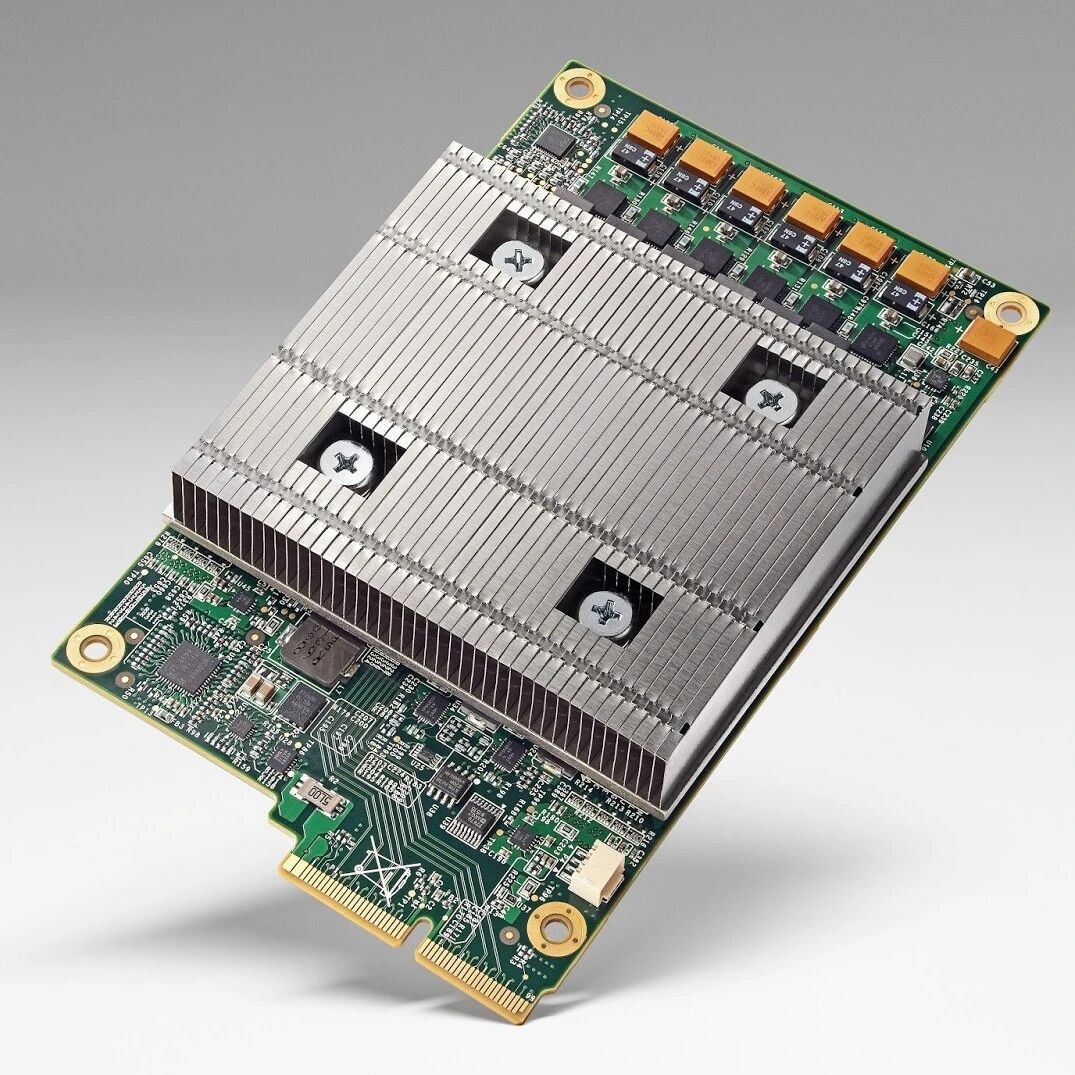
Core Insights - Anthropic and Google have announced a cloud partnership allowing Anthropic to utilize up to 1 million Google-designed Tensor Processing Units (TPUs), marking the largest TPU commitment to date, valued at several billion dollars [2][9] - The deal is expected to provide over 1 terawatt of AI computing power by 2026, with the estimated cost of a 1 terawatt data center around $50 billion, of which approximately $35 billion is typically allocated for chips [2] - Anthropic's strategy focuses on a multi-cloud architecture, enabling workload distribution across different platforms, enhancing efficiency and cost-effectiveness [3][6] Anthropic's Growth and Revenue - Anthropic's annual revenue run rate is nearing $7 billion, with its Claude model supporting over 300,000 businesses, reflecting a staggering 300-fold growth over the past two years [5][6] - The number of large clients contributing over $100,000 in annual revenue has increased nearly sevenfold in the past year [6] - The Claude Code assistant generated $500 million in annual revenue within just two months of its launch, making it the fastest-growing product in history [6] Competitive Landscape and Partnerships - Amazon remains Anthropic's most significant partner, having invested $8 billion, compared to Google's confirmed $3 billion investment [6][7] - Anthropic's multi-cloud approach has shown resilience during AWS outages, as its architecture allowed operations to continue unaffected [7] - The partnership with Google reflects a strategic move to enhance Anthropic's market position while maintaining neutrality among cloud providers [7][16] TPU Development and Market Position - Google’s TPUs, developed over a decade ago, are gaining traction outside of Google, providing a viable alternative to NVIDIA's GPUs, which dominate the AI chip market [9][14] - The latest TPU version, Ironwood, was released in April and is designed for AI inference workloads, showcasing Google's ongoing innovation in chip technology [17] - Analysts suggest that the partnership with Anthropic validates the TPU's capabilities and may attract more companies to explore Google Cloud services [10][16]


第三代半导体的“隐形短板”,正在被中国厂商补齐
半导体行业观察· 2025-10-24 00:46
Core Insights - The third-generation semiconductor industry is experiencing a structural growth wave driven by the acceleration of 800V high-voltage platforms in electric vehicles, AI servers, photovoltaic storage, and fast charging markets, with SiC and GaN power devices becoming central to industrial upgrades [1][3] - The global isolation chip market, valued at over 40 billion yuan, has a domestic production rate of less than 20%, highlighting a critical technology bottleneck in supply chain security and cost control amid the explosive growth of domestic new energy and storage markets [1][8] Industry Trends - The power semiconductor industry has shifted from "material breakthroughs" to "system restructuring" over the past five years, driven by the high voltage, high power density, and high efficiency demands in electric vehicles, data centers, and consumer electronics [3][4] - Major data centers are transitioning to 800V DC power supply, significantly increasing the demand for SiC devices, with Nvidia's new AI factory expanding GPU support from 4,608 to 6,912 [4][9] Isolation Technology Importance - As power semiconductor technology evolves towards higher voltages and frequencies, isolation technology has become a critical performance bottleneck, impacting system safety and efficiency [7][12] - The global isolation chip market is expected to grow at an annual rate of 8-10% from 2024 to 2030, with high voltage and high frequency applications increasing from 20% to over 45% [7][8] New Developments in Isolation Technology - Traditional isolation technologies are becoming inadequate for modern high voltage and high frequency systems, leading to the exploration of new solutions such as millimeter-wave wireless isolation technology [14][19] - Domestic company DeKe Microelectronics has emerged as a leader in millimeter-wave wireless isolation, achieving significant advancements in speed, reliability, and voltage tolerance, with products already in production [15][17] Market Potential - DeKe Micro's millimeter-wave isolation products are expected to reduce the size of power systems by over 30% while enhancing power density and efficiency, making them suitable for various applications including fast charging and energy storage [18][19] - The isolation technology market, currently dominated by international giants, presents a significant opportunity for domestic players like DeKe Micro to capture market share and drive innovation [19][21]

功率GaN,极速扩张,增长600%
半导体行业观察· 2025-10-24 00:46
Core Insights - The article highlights a significant acceleration in artificial intelligence development by 2025, alongside a growing demand for efficient power in data centers and telecommunications infrastructure [2] - The power GaN market is projected to grow over tenfold from 2020 to 2025, reaching $2.9 billion by 2030, with a compound annual growth rate (CAGR) of 42% from 2024 to 2030 [2] - Consumer applications, particularly fast chargers and home appliances, are identified as the main growth drivers, expected to account for over 50% of the market by 2030 [2] - Automotive and mobility sectors are also significant growth engines, with GaN applications in ADAS and onboard chargers anticipated to capture about 19% of the market by 2030 [2][3] Market Dynamics - The industrial and grid sectors are emerging as the third major growth driver for power GaN, with strong opportunities in robotics and motor drives expected to accelerate around 2028-2029 [3] - The power GaN industry has entered a consolidation phase since 2023, driven by major mergers and acquisitions, such as Infineon's $830 million acquisition of GaN Systems [6] - Over $1.25 billion has been invested in the sector in recent years, indicating robust market momentum [6] Technological Advancements - The industry is rapidly transitioning from 6-inch to 8-inch wafers, with expectations that 8-inch will meet over 80% of demand by 2030 [8] - Innovations in GaN epitaxy are focused on reducing costs, with platforms like AIXTRON's G10 MOCVD expected to lower epitaxy costs significantly [9] - New GaN devices, including those over 1200V and 600-650V, are set to be launched by companies like Navitas and Infineon, enhancing the application in next-generation microinverters [9]

应用材料,裁员超1400人
半导体行业观察· 2025-10-24 00:46
Core Viewpoint - The article discusses the recent layoffs at Applied Materials, a semiconductor equipment manufacturer, which is cutting 4% of its workforce due to changing labor demands and economic pressures, particularly from China [3][5]. Group 1: Layoffs and Workforce Changes - Applied Materials is laying off approximately 1,444 employees, which is 4% of its total workforce of about 36,100 [3]. - The company aims to create a more competitive and productive organization by adapting to automation, digitalization, and regional shifts in labor needs [3]. Group 2: Financial Performance and Market Reaction - The company has projected a revenue decrease of $600 million for fiscal year 2026 due to expanded export restrictions from the U.S., leading to a 3% drop in stock price after hours [3]. - Despite the weak guidance, Applied Materials reported third-quarter earnings and revenue that exceeded expectations, with adjusted earnings per share of $2.48 and revenue of $7.3 billion [6]. Group 3: Market Challenges and Analyst Opinions - The company faced a challenging macroeconomic environment, particularly in China, which has led to a reduction in spending from customers in that region [5]. - Analysts have expressed concerns about the ongoing uncertainty in the market, with Bank of America downgrading the stock rating to neutral due to unfavorable conditions in China and advanced sectors [5][6].

钽电容,二度涨价
半导体行业观察· 2025-10-24 00:46
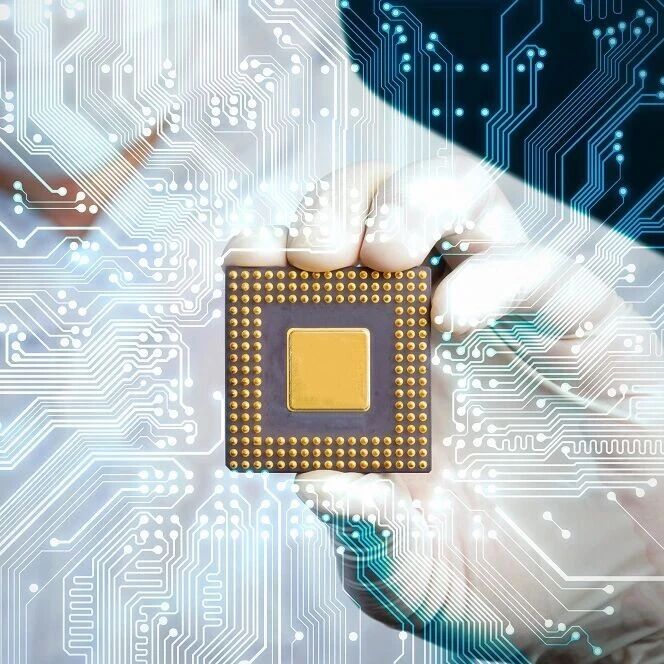
Core Viewpoint - The demand for tantalum capacitors is significantly increasing due to AI applications, prompting Kemet, a subsidiary of Yageo Corporation, to announce a price hike for tantalum capacitors, effective November 1. This marks the second price increase this year, with a potential rise of up to 30% [2][3]. Group 1: Price Adjustments - Kemet's second price increase this year follows an initial hike on June 1, which had a double-digit percentage increase. The new price adjustments will affect a broader range of customers, including direct sales clients [2]. - The price increase will specifically target larger-sized tantalum capacitors, driven by rising costs in labor, materials, and equipment [2][3]. Group 2: Market Demand and Applications - Tantalum capacitors have traditionally been used in consumer electronics, industrial, and automotive sectors, but the strongest growth in demand this year is attributed to AI server applications [3]. - AI applications currently account for approximately 5% to 10% of Yageo's overall revenue, with Kemet being the global leader in tantalum capacitors, holding over 40% market share [3]. Group 3: Financial Implications - The tantalum capacitors contributed to 22% of Yageo's revenue structure in the first half of the year, and the price increase is expected to significantly enhance revenue and profitability [2]. - Yageo's average book-to-bill ratio is above 1, particularly in the AI application sector, where it reaches between 1.2 and 1.3, indicating strong demand momentum [3].
刚刚,安世发布致客户信
半导体行业观察· 2025-10-23 05:09
Core Viewpoint - Nexperia China entities emphasize their commitment to customer interests and the stability of the supply chain amidst external challenges, while opposing the actions of Nexperia Netherlands management that undermine their operations and customer trust [2][3][4]. Group 1: Company Operations and Compliance - Nexperia China operates legally and independently, adhering to Chinese laws and regulations, and prioritizes customer interests [3][4]. - The company assures that all products manufactured in China meet local legal requirements and internal quality standards, ensuring compliance with customer agreements [4][5]. - Any changes to product supply, production processes, or technical standards will be communicated to customers in advance [5][6]. Group 2: Customer Relations and Communication - Nexperia China aims to maintain close and transparent communication with customers to minimize uncertainties and foster trust [6][7]. - The company expresses a commitment to work collaboratively with customers to ensure the long-term stability and resilience of the supply chain [6][7].

玻璃基板,大势所趋
半导体行业观察· 2025-10-23 01:01
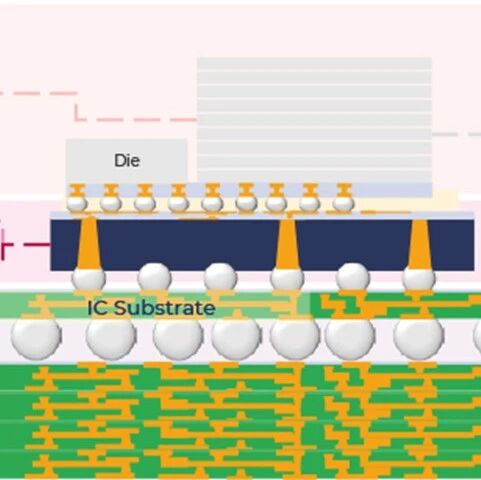
Core Insights - Glass has evolved from a simple carrier to a complete material platform for advanced packaging, aligning with trends such as chip integration, panelization, vertical integration, and hybrid bonding [5][9] - The unique properties of glass, including low coefficient of thermal expansion (CTE), excellent dimensional stability, and optical transparency, make it indispensable for meeting the mechanical, electrical, and thermal performance demands of next-generation packaging [9] Market Trends - The market for GCS substrates is expected to reach $460 million by 2030, with optimistic forecasts suggesting widespread adoption starting in 2027-2028 [2] - The glass interlayer market is projected to exceed $400 million by 2030 under conservative estimates, while stable glass carrier applications represent a market size of $500 million [2] Economic Impact - Revenue sources for glass carriers have shifted from board pricing to single-use pricing, with economic benefits depending on reuse rates, laser/UV debonding yields, quality rates, and edge damage avoidance [4] - Companies with deep glass expertise, such as Plan Optik, are well-positioned to benefit from bundling carrier, adhesive, and debonding technologies [4] Technological Advancements - Glass core substrates enhance profitability by integrating TGV (Through Glass Via) and fine RDL (Re-Distribution Layer) technologies, converting display panel capacity into profits [4] - The adoption of advanced techniques such as high-yield TGV drilling/etching, void-free copper filling, and adaptive panel lithography is crucial for maintaining competitive advantages [4] Industry Drivers - The data center and telecommunications sectors are the primary growth engines for glass applications in packaging, with automotive, defense, and high-end consumer electronics also contributing to growth [9] - Emerging supply chains in Asia, particularly in China, South Korea, and Japan, are key to scaling production and strengthening the global advanced packaging glass ecosystem [9]
台积电买了30台EUV光刻机
半导体行业观察· 2025-10-23 01:01
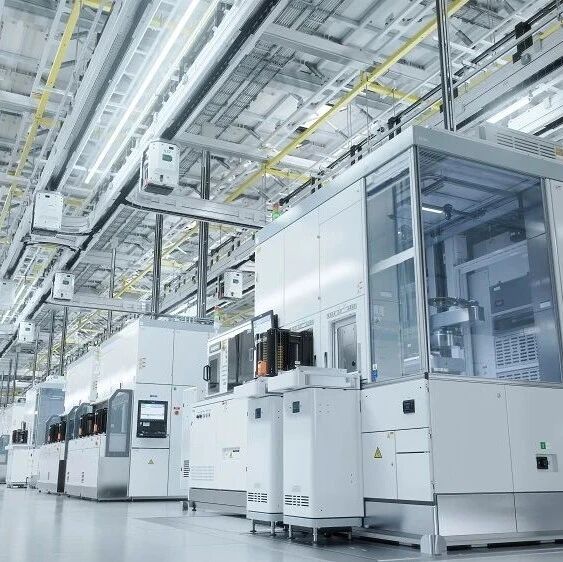
Core Viewpoint - TSMC is advancing towards 2nm and below nodes, facing manufacturing challenges, and has decided to shift from purchasing ASML's high-NA EUV lithography machines to using photomask films for production [2][3]. Group 1: Manufacturing Strategy - TSMC plans to begin mass production of 2nm wafers by the end of 2025, transitioning to the 1.4nm node thereafter, with a foundational investment of up to NT$1.5 trillion (approximately US$49 billion) [2]. - The company is rapidly advancing its 1.4nm process development at its Hsinchu facility and has acquired 30 standard EUV lithography machines to meet increasing demand from clients like Apple [2][3]. Group 2: Equipment Decisions - TSMC has opted not to purchase ASML's high-NA EUV lithography machines, which cost US$400 million each, due to perceived value discrepancies and the limited annual production capacity of these machines (only 5 to 6 units) [3]. - Instead, TSMC is focusing on using photomask protective films to mitigate contamination risks during the manufacturing process, despite the high costs and complexities associated with this alternative [3].

韩国芯片出口,创新高
半导体行业观察· 2025-10-23 01:01
公众号记得加星标⭐️,第一时间看推送不会错过。 来 源: 内容来自半导体行业观察综合。 南韩产业通商资源部第一副部长文慎鹤周三(22 日) 表示,由于全球人工智能(AI) 市场不断扩大,对 先进半导体的需求日益增长,南韩芯片出口额预计将在2025 年连续第二年创下历史新高。 文慎鹤在第18 届半导体日活动上指出,今年南韩半导体出口额有望超越1650 亿美元。这项预期是建 立在去年半导体出口额达1419 亿美元的基础上。 根据政府数据,今年1 月至9 月期间,南韩出口的半导体价值已达1197 亿美元,较去年同期增长了 16.9%。 面对芯片产业的强劲表现,南韩政府承诺将持续努力,以协助南韩半导体产业在记忆体芯片市场中保 持主导地位。同时,政府也计画积极缩小与全球领先企业在其他领域,例如系统半导体和无晶圆厂 (fabless) 技术方面的差距。 南韩半导体产业协会会长Song Jai-hyuk 对此强调,半导体是「国家战略资产」,在AI 和量子计算 领域发挥着至关重要的作用。他呼吁政府对此产业提供「积极支持」,并致力于建立一个「创新的」 产业生态系统。 尽管出口前景看好,但在周三上午的南韩股市交易中,两大芯片巨头 ...