吴晓波频道

Search documents
为什么“中国式消费”这么像投资?
吴晓波频道· 2025-06-10 16:40
Core Viewpoint - The article emphasizes the shift in consumer behavior in China, where spending is increasingly viewed as a form of investment rather than mere consumption, reflecting a desire for value retention and appreciation in purchases [5][15][48]. Group 1: Consumer Behavior Trends - In Shanghai, large-scale consumption vouchers have led to significant increases in sales, particularly in gold jewelry, indicating a strong consumer interest in both consumption and investment [2][3]. - The Consumer Price Index (CPI) data shows a stark contrast between the rising prices of gold (up 40.1%) and the overall CPI, which decreased by 0.1%, highlighting a trend where consumers are prioritizing investment-like purchases [3][5]. - The concept of "investment-style consumption" is becoming prevalent, where consumers are not just buying goods but are also considering their potential for value retention and appreciation [6][17][24]. Group 2: Policy and Economic Context - The Chinese government has implemented various policies to stimulate consumption, including subsidies for replacing old goods, which have significantly boosted sales across multiple categories [7][8]. - Despite the push for increased consumer spending, the actual contribution of consumption to GDP has remained relatively stable, indicating that the growth in consumer loans has not translated into proportional increases in retail sales [18][20]. - Recent trends show a surge in consumer loans, with banks aggressively promoting these products, but much of this borrowing is being redirected towards investments rather than direct consumption [21][22]. Group 3: Service Consumption - There is a notable shift towards service consumption, which includes spending on experiences rather than physical goods, yet this segment remains underreported in official statistics [30][32]. - Current data indicates that while product consumption has returned to historical levels, service consumption lags behind at only 87.7% of historical trends, suggesting untapped potential in this area [34][38]. - The quality and quantity of service supply are critical to meeting consumer demand, and enhancing service offerings could be a key strategy for stimulating further consumption growth [35][41].


未来2—3年,AI会沿着哪几条路改变你的工作和生活?
吴晓波频道· 2025-06-10 16:40
Core Viewpoint - The article discusses the transformative impact of AI technologies on work and life, emphasizing the need for practical understanding and skill upgrades in the AI era, particularly through a new course offered by Wu Xiaobo Channel [2][4][41]. Group 1: AI Development and Trends - Since the launch of ChatGPT in 2022, the AI field has experienced explosive growth with numerous tools emerging [3]. - AI is at a critical platform stage, transitioning from merely conversational capabilities to practical applications that can perform tasks [5]. - The evolution of AI can be summarized in three key phrases: moving from "talking" to "doing," from "hearsay" to "visible results," and the necessity of foundational support for AI to be effective [5][6][7]. Group 2: Practical Applications of AI - Current AI tools, like chatbots, are primarily conversational and lack the ability to perform specific tasks effectively [9][10]. - Future AI must evolve to become practical assistants by improving memory, planning capabilities, and the ability to use existing tools [11][12][13]. - The goal is for AI to operate like a human assistant, capable of executing tasks such as booking flights or analyzing reports [14][15]. Group 3: User Experience and Transparency - Early AI products often focused on technical specifications rather than user experience, leading to a disconnect with ordinary users [16]. - New AI products are designed to provide transparency in their processes, allowing users to see how tasks are completed and ensuring trust in the AI's capabilities [17][20]. - Companies like ByteDance and Tencent are working towards making AI tools more user-friendly and transparent to attract a broader audience [20][21]. Group 4: Infrastructure and Collaboration - For AI to be effectively implemented, it requires foundational support to understand and operate existing software tools [22]. - The development of "translation tools" is necessary for AI to interact with current applications, enabling it to perform tasks without human intervention [23]. - Future AI systems will need to collaborate, necessitating communication protocols that allow different AI assistants to work together on complex tasks [24][26]. Group 5: Future Considerations for Users - Users should expect AI tools to become increasingly capable, handling more complex tasks and improving efficiency [28]. - When selecting AI products, users should prioritize transparency and ease of use, ensuring they understand what the AI is doing [29][30]. - The maturation of AI infrastructure will lead to new applications and services, creating opportunities for innovation and entrepreneurship [31]. Group 6: Human-AI Interaction - As AI takes over repetitive and process-driven tasks, there is a concern about job displacement; however, AI is seen as a tool to enhance human creativity and emotional intelligence [33][40]. - AI excels in data processing and routine tasks, while humans are better suited for creative and interpersonal roles [33]. - Embracing AI as a tool rather than a competitor can lead to enhanced productivity and new opportunities in various fields [35][37].

5月CPI同比下降0.1%,星巴克下调非咖产品价格 | 财经日日评
吴晓波频道· 2025-06-10 00:49
点击报名 ▲科学出海 中国5月CPI同比下降0.1% 6月9日,国家统计局公布数据显示,2025年5月份,全国居民消费价格指数(CPI)同比下降0.1%,环比下降0.2%。同比数据中,城市持平,农 村下降0.4%;食品价格下降0.4%,非食品价格持平;消费品价格下降0.5%,服务价格上涨0.5%。1—5月平均,全国居民消费价格比上年同期下 降0.1%。 2025年5月份,全国工业生产者出厂价格指数(PPI)同比下降3.3%,环比下降0.4%;工业生产者购进价格同比下降3.6%,环比下降0.6%。1— 5月平均,工业生产者出厂价格和购进价格比上年同期均下降2.6%。(国家统计局官网) |点评| 中国5月CPI继续保持低位运行,国内需求回暖的速度相对较慢。5月包括汽油、燃油等能源价格走低,与"五一"假期居民出行意愿提 升,机票、旅游价格修复相抵消。除了部分"国补"涉及的行业外,多数消费品行业需求仍有待提振。值得注意的是,由于国内居民收入端增长 有限,购买享受"国补"的家电等产品后,对其他消费品的消费意愿就会有所降低,形成此消彼长的关系。 5月国际原油价格以及国内煤炭价格双双走弱,带动PPI继续走低。国内PPI近两 ...

巴菲特对我影响最深的三个忠告
吴晓波频道· 2025-06-10 00:49
Core Insights - The article emphasizes the importance of personal values, mindset, and self-awareness in shaping one's life and career, as illustrated by Warren Buffett's retirement announcement and his lifelong relationship with money [2]. Group 1: Buffett's Advice - The first piece of advice from Buffett is to work and live in a way that aligns with personal desires, suggesting that job satisfaction is crucial for long-term commitment [2][4]. - The second piece of advice highlights the significance of thinking as a precursor to action, advocating for a habit of reading and independent thought to discern rational ideas over time [3][4]. - The third piece of advice stresses the importance of making decisions only in areas of confidence, suggesting that success comes from a few well-considered choices rather than constant decision-making [3][4]. Group 2: Investment Philosophy - Buffett's investment philosophy revolves around the idea of being prepared to seize opportunities decisively, likening it to using a bucket to catch falling gold rather than a pipe or hands [4]. - The article also reflects on the inherent uncertainty of the world and the complexity of understanding one's own heart, underscoring the need for self-awareness in decision-making [5].

中美第二轮谈判没大悬念?关键在“稀土牌”怎么打
吴晓波频道· 2025-06-10 00:49
Core Viewpoint - The article emphasizes the critical role of rare earth elements in various industries, particularly in the context of the ongoing trade tensions between China and the United States, highlighting China's dominance in the rare earth supply chain and its implications for global markets [1][49][52]. Group 1: Trade Dynamics - The first meeting of the China-US economic consultation mechanism took place in London, focusing on unresolved issues from previous negotiations [2][3][4]. - Following the Geneva talks, both countries are transitioning from a tariff war to a supply chain conflict, with the US restricting chip exports and China controlling rare earth supplies [6][7]. Group 2: Rare Earth Market Impact - China's rare earth exports saw a significant decline, with April's exports dropping by 43% year-on-year, particularly affecting the US and South Korea [7][8]. - The US automotive industry is facing production risks due to a shortage of rare earth magnets, with Ford halting production of its Explorer SUV [14][15]. Group 3: Importance of Rare Earth Elements - Rare earth elements, comprising 17 metals, are essential in various applications, enhancing the performance of materials like steel and glass [20]. - The US military's reliance on rare earths is highlighted, with significant quantities required for advanced weaponry, indicating a potential production slowdown if supplies are disrupted [15][20]. Group 4: China's Dominance in Rare Earths - China holds approximately 33.8% of the world's rare earth reserves and controls 65% of global production capacity, particularly in high-value heavy rare earths [21][22][28]. - The country has developed a complete rare earth refining industry, dominating 92% of the global market share, making it difficult for other nations to independently process rare earths [30][31]. Group 5: Export Control Measures - China has implemented an export licensing system for rare earths, similar to the US's semiconductor export controls, which has led to a surge in global applications for licenses [32][33]. - Historical precedents, such as the 2010 China-Japan rare earth dispute, demonstrate China's ability to influence global prices and supply through export restrictions [33]. Group 6: Challenges for the US - The US has initiated efforts to diversify its rare earth supply sources, including agreements with Ukraine and partnerships with Australian companies, but faces significant challenges in meeting its heavy rare earth needs [36][38]. - The Mountain Pass mine in California, while operational, primarily produces light rare earths and still relies on China for processing, highlighting the limitations of US domestic production capabilities [38][39]. Group 7: Future Outlook - The article suggests that despite US investments in rare earth supply chains, achieving self-sufficiency will require substantial financial resources and time, with estimates ranging from $10 billion to $15 billion and a decade of development [45][46]. - China's strategic control over rare earths positions it as a key player in global supply chains, particularly as negotiations with the US unfold [52].

1222万大学生毕业,与2000万直播人才缺口
吴晓波频道· 2025-06-08 15:46
Core Viewpoint - The article emphasizes the significant employment opportunities in the live streaming industry, highlighting its potential to absorb a large number of graduates and its role as a key driver of economic growth in various cities [2][30]. Employment Landscape - In 2023, approximately 12.22 million university students are expected to graduate, marking an increase of 430,000 from the previous year [3]. - The job market is challenging, with a notable disparity between the number of applicants and available positions, exemplified by a 150:1 application-to-hire ratio at a major company [4]. - The unemployment rates for urban youth aged 16-24 and 25-29 are 15.8% and 7.1%, respectively, indicating a need for job creation [5]. Talent Gaps in Various Industries - Significant talent gaps exist across multiple sectors, with the live streaming industry alone facing a shortfall of approximately 19.42 million professionals [10]. - Other sectors with substantial talent shortages include manufacturing (30 million), home services (20 million), and ICT (20 million) [10]. Growth of the Live Streaming Industry - The live streaming sector has shown remarkable growth, with Douyin e-commerce adding 5.28 million new sales influencers in the past year, a 74% increase [12]. - The total retail sales from live streaming e-commerce reached 4.3 trillion yuan, contributing 80% of the e-commerce sector's growth [13]. - By 2025, the talent gap in the live streaming industry is projected to approach 20 million, indicating a robust demand for skilled professionals [13][16]. Regional Insights - Hangzhou, known as the "live streaming capital," has over 50,000 influencers and more than 5,000 registered live streaming companies, generating over 100,000 jobs [16]. - The ratio of influencers to overall industry workers is approximately 1:20, suggesting a potential shortage of around 1 million influencers by 2025 [17]. Policy Support and Economic Impact - Major cities like Shenzhen and Shanghai are actively promoting the live streaming economy, with plans to cultivate thousands of influencers and achieve significant retail sales targets [24][25]. - The economic impact of successful influencers is substantial, with one influencer's company generating over 300 billion yuan in sales and contributing significantly to local tax revenues [30]. Market Trends and Future Outlook - The live streaming market is expected to maintain a compound annual growth rate of 18% from 2024 to 2026, despite a potential slowdown compared to previous years [40]. - The article notes a shift in focus from high-tier cities to lower-tier cities, where the live streaming industry is beginning to flourish [36][37].

吴晓波对话廖信嘉:时间的复利
吴晓波频道· 2025-06-08 15:46
对话 / 吴晓波 × 廖信嘉 整理 / 巴九灵(微信公众号:吴晓波频道) 2025年中国奢侈品市场规模预计突破 8000亿元 人民币,占据全球 25%消费份额。然而繁荣背后暗藏结构性困境:贝恩报告显示,本土品牌在高 端市场占比不足2%,中国消费者对文化叙事溢价接受度较欧美市场低27个百分点。 当 Z世代 将奢侈品购物袋替换为环保布袋、高净值人群资产配置转向硬通货时,行业正经历从炫耀性消费到精神共鸣的价值跃迁。 作为这一变革的亲历者与推动者,廖信嘉的职业生涯恰是奢侈品行业的镜鉴。 2001年,他作为瑞士腕表品牌宝珀 BLANCPAIN 进驻中国市场的 001号员工,在王府井亨得利钟表店的角落支起第一个展柜。彼时 大多经销商 只认 "镶钻的满天星",而宝珀坚持只做机械表的执念则显得格格不 入。 二十五年间,他从在哈尔滨零下三十度街头拓客的销售代表,成长为执掌品牌中国命脉的操盘手,亲历了奢侈品行业从 "浮华时代"到"静奢审 美"的全过程,也将这个创立于1735年的瑞士腕表品牌,从 鲜为人知 的 "小众品牌"发展为圈内有口皆碑的 高级制表代表品牌 "天地良心珀"。 其主导的文化营销策略 ——以吴晓波、梁文道、 冯远征 ...

2025年的中美博弈将会如何影响中国企业?
吴晓波频道· 2025-06-07 16:45
Core Viewpoint - The article emphasizes the significance of Sino-U.S. relations as a decisive factor for China's economic development, highlighting the historical context and future trends of the ongoing geopolitical rivalry [1][4]. Group 1: Sino-U.S. Relations - The recent phone call between the leaders of China and the U.S. conveyed positive signals, with both sides recognizing the outcomes of the Geneva economic talks and agreeing to continue implementing the consensus [2][3]. - Despite the temporary agreement, the U.S. has quickly resumed its confrontational stance in technology and education sectors, indicating that the trade conflict may not be resolved easily [5][6]. - The structural contradictions in the U.S. economy, particularly the decline of domestic manufacturing and the rise of multinational corporations, have fueled the trade tensions, which are seen as a long-term geopolitical necessity rather than purely ideological [7][8]. Group 2: Future Trends and Strategies - The ongoing trade war is evolving into a significant geopolitical struggle that will reshape global industrial patterns, presenting both challenges and opportunities for businesses [16][20]. - Companies are encouraged to proactively adapt by refining their products and technologies to maintain competitiveness and exploring diversified market strategies to mitigate risks [17][18]. - Understanding the logic and future direction of Sino-U.S. relations will be crucial for businesses to navigate the complexities of the global market and identify new growth opportunities [15][19]. Group 3: Educational Initiatives - The "2025 Wu Xiaobo Lecture" series aims to help entrepreneurs understand the essence of current conflicts and future trends in Sino-U.S. relations, featuring insights from experts like Chen Gong [22][23]. - The lectures will cover historical contexts and the underlying logic of Sino-U.S. relations, providing a comprehensive view of the ongoing geopolitical dynamics [24][25].

7张热门专业变迁图,给今年的1335万高考生
吴晓波频道· 2025-06-07 16:45
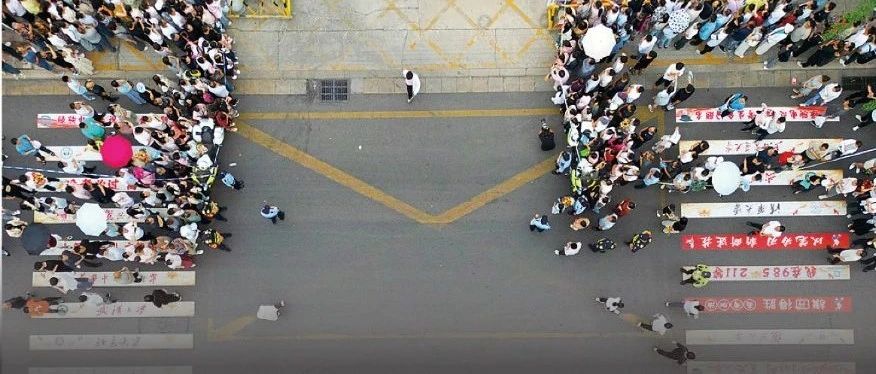
Core Viewpoint - The changes in college majors reflect a subtle shift in the life trajectories of 13.35 million examinees, indicating a transformation in higher education and job market demands [1][49]. Group 1: Examination Trends - The number of candidates for this year's college entrance examination decreased by 70,000 compared to last year, marking the first decline in a decade [3]. - The new "3+1+2" examination model, which does not differentiate between arts and sciences, has been adopted by eight provinces, changing the admission rules from "institution priority" to "major group locking" [4]. Group 2: Major Evolution - The emergence of new majors and the phasing out of traditional ones are redefining the "windfall" in higher education. The Ministry of Education announced 29 new undergraduate majors, including low-altitude technology, artificial intelligence education, and carbon neutrality science [5]. - Many top-tier universities are discontinuing traditional majors such as tourism management and marketing, indicating a shift in educational focus [5]. Group 3: Market Dynamics - Over 90% of examinees are willing to use college entrance examination volunteer filling services, with the paid market expected to reach 1.09 billion yuan by 2025 [6]. - Major tech companies like Baidu and Tencent are launching "AI volunteer filling" tools, competing with traditional high-cost consulting services [6][7]. Group 4: Popular Majors and Employment Trends - An analysis of popular majors from 2007, 2015, and 2023 shows that there are no consistently popular "evergreen" majors, with shifts reflecting societal needs [10]. - By 2025, universities like Peking University and Wuhan University are expanding enrollment in fields such as information science and artificial intelligence, aligning with industry demands [15]. Group 5: Interdisciplinary Studies - The concept of interdisciplinary studies is gaining traction, with 239 universities offering 723 interdisciplinary programs, primarily in artificial intelligence and related fields [30]. - The focus on interdisciplinary studies is seen as a response to the evolving job market and the emergence of new productive forces [34]. Group 6: Salary and Employment Correlation - There is a notable disconnect between popular majors and high-paying jobs, as the correlation between industry growth and salary increases varies significantly [35][41]. - The computer industry, for example, has seen a rise in salary growth, which has influenced the popularity of related majors, but this does not guarantee future high salaries [44][45].
详解“美丽大法案”:特朗普与马斯克决裂的导火索
吴晓波频道· 2025-06-07 00:47
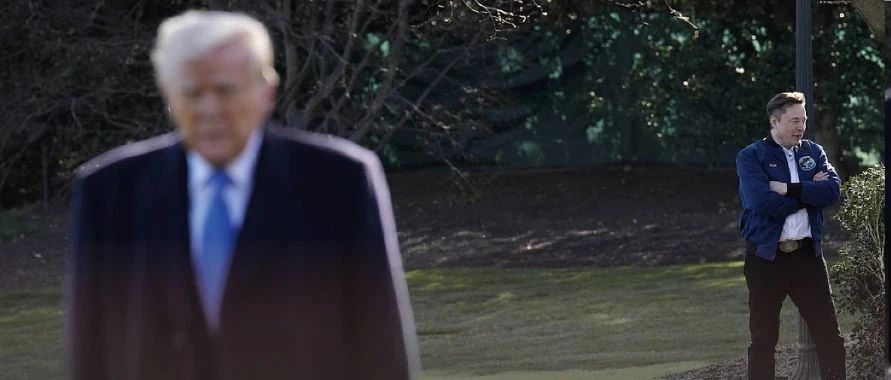
Core Viewpoint - The article discusses the conflict between Elon Musk and Donald Trump, highlighting the implications of the "Beautiful Bill" and the 899 clause, which grants Trump significant power to impose taxes on foreign entities, potentially escalating into a global financial war [1][28][29]. Group 1: The "Beautiful Bill" - The "Beautiful Bill" aims to reduce taxes by approximately $4.6 trillion over the next decade while increasing the national deficit by $3.2 trillion, which represents a 15% increase [12][13]. - It proposes a $1.6 trillion spending cut, primarily affecting medical assistance programs, which could harm low-income individuals [13][26]. - The bill's tax cuts are skewed towards high-income groups, with low-income individuals benefiting less, creating a paradoxical outcome [14]. Group 2: The 899 Clause - The 899 clause allows the U.S. government to impose additional taxes on foreign entities if they are deemed to have discriminatory tax practices against U.S. businesses [29][30]. - It specifically targets three types of taxes: digital services tax, profit-shifting tax, and OECD global minimum tax, which could affect many countries, particularly in the EU [31][33]. - The clause grants the U.S. Treasury Secretary broad authority to define what constitutes "unfair taxation," effectively giving the government "unlimited firepower" in trade disputes [34]. Group 3: Implications for Foreign Investment - The implementation of the 899 clause could lead to significant financial repercussions for foreign investors, including increased taxation on dividends and interest, potentially reducing their returns on U.S. investments [36][38]. - The clause may deter foreign investment in the U.S., as investors might sell off U.S. assets in response to perceived threats, leading to a decline in the stock market and an increase in U.S. Treasury yields [40][41]. - Analysts predict that the stock market could drop by 10% and the dollar could depreciate by up to 5% if the 899 clause is fully enacted [41]. Group 4: Impact on Tesla and the Clean Energy Sector - The "Beautiful Bill" threatens Tesla's profitability by planning to phase out tax credits for electric vehicles, which could significantly impact Tesla's earnings [23][24]. - The conflict between Musk and Trump reflects broader tensions between traditional energy interests and the clean energy sector, with potential implications for future legislation [45][46].