和讯

Search documents
“社保新规”引热议:为何此时推出挑动公众的敏感神经?
和讯· 2025-08-13 05:41
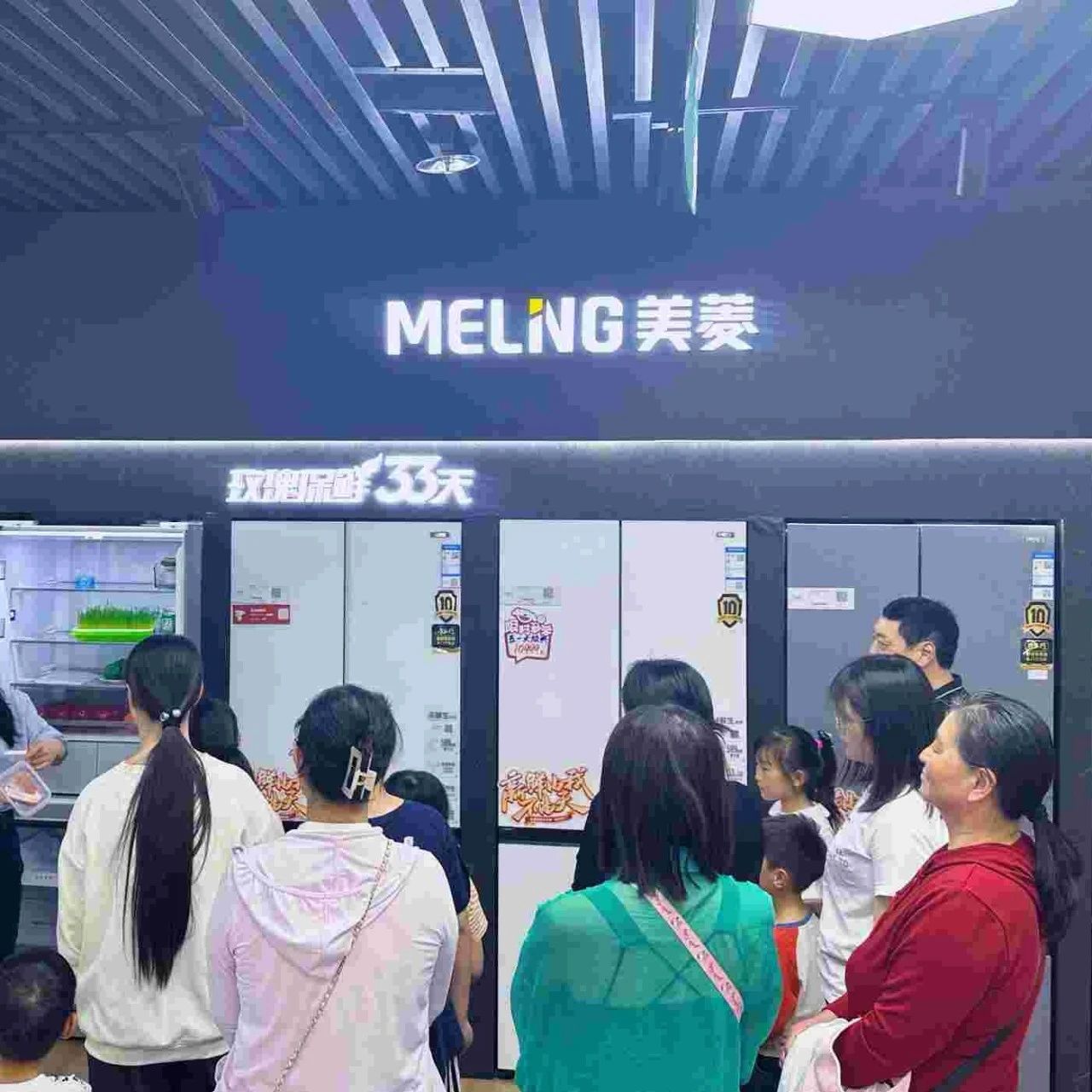
Core Viewpoint - The recent judicial interpretation regarding social insurance regulations is perceived as a signal for "mandatory social insurance," which raises compliance requirements for small and micro enterprises while increasing operational pressure [2][5][9]. Summary by Sections 1. Judicial Interpretation and Its Implications - The judicial interpretation emphasizes that agreements between employers and employees to waive social insurance contributions are invalid, reinforcing the obligation of employers to pay social insurance [2][3]. - This interpretation is seen as a continuation of existing practices rather than a new regulation, as similar provisions have been in place since the Labor Contract Law was enacted in 2008 [3][4]. 2. Impact on Small and Micro Enterprises - Small and micro enterprises may face increased operational costs due to mandatory social insurance contributions, which could lead to financial strain [5][11]. - The interpretation may lead to a rise in labor disputes, as employees gain more leverage to demand compliance from employers [8][10]. 3. Labor Market Dynamics - The interpretation reflects a growing trend of labor disputes, with the number of cases rising significantly, indicating a need for clearer legal guidelines [13][14]. - The judicial interpretation aims to address the imbalance in employer-employee relationships, where employees often lack bargaining power [16][17]. 4. Flexibility in Employment and Social Insurance - The interpretation raises questions about how it aligns with the trend of flexible employment, where workers may prefer cash payments over social insurance contributions [18][19]. - There is a need for adaptable social insurance models that cater to the unique circumstances of flexible workers, ensuring their rights are protected without discouraging employment [19][20]. 5. Future Considerations - The implementation of the interpretation may necessitate increased awareness and education regarding social insurance among flexible workers to enhance their participation [20]. - The integration of social insurance contributions into credit evaluation systems starting in 2025 may further influence employer behavior regarding compliance [20].

黄益平:为什么二三线城市消费意愿和实力较强?
和讯· 2025-08-12 09:53
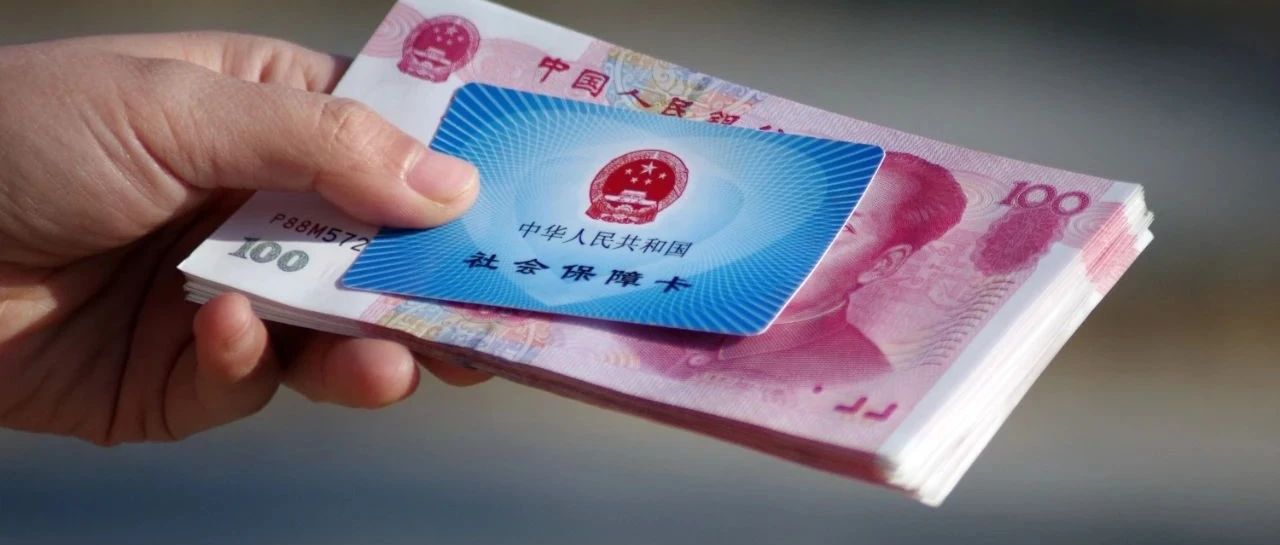
Core Viewpoint - The main challenge facing the Chinese economy is how to expand consumption and increase its contribution to GDP, as current consumption levels are significantly lower than the international average, leading to potential economic issues [3][4]. Group 1: Consumption and Economic Growth - Consumption accounts for only about 56 yuan of every 100 yuan of GDP, which is approximately 20 yuan less than the international average [3]. - The low consumption ratio not only affects the quality of life but may also lead to oversupply and excess capacity in the economy [3]. - Recent months have shown a relatively strong growth in social retail sales, likely due to government initiatives aimed at boosting consumption [3]. Group 2: Quality vs. Price - The phenomenon of "price competition" in e-commerce, such as "lowest price" strategies, can lead to a decline in product quality as suppliers are forced to lower prices to survive [4][5]. - The "lemon market" concept illustrates how information asymmetry can lead to a situation where high-quality products are undervalued, resulting in a market that gradually deteriorates in quality [4][5]. - Continuous price declines can create a negative feedback loop that may lead to macroeconomic issues, including economic recession [7]. Group 3: Brand and Quality Information - A recent study developed two indices and a ranking system to provide consumers with quality information alongside price, aiming to address the "lemon market" problem [5][8]. - The study found that the online consumption brand index has been slowly rising, indicating that "consumption downgrade" is not a universal trend [8][10]. - Significant differences exist across industries regarding brand recognition and consumer focus, with some sectors like electronics and beauty products being more brand-conscious than others like women's fashion [10][11]. Group 4: Regional Insights - The brand purchasing power index shows that eastern coastal regions have the strongest purchasing power, while the average brand index is unexpectedly high in certain inland areas [11][12]. - Cities with a high proportion of non-private employment tend to have higher brand indices, suggesting that employment type influences consumer behavior and brand perception [12][13]. - Emerging brands and new consumption trends, such as premium pet food and experiential products, indicate a shift in consumer preferences towards quality and emotional engagement [14].

填问卷 赚现金 速来!
和讯· 2025-08-11 09:38
Group 1 - The article invites readers to participate in an anonymous survey regarding their financial management and preferences for financial news [1] - It offers a cash reward for completing the survey, emphasizing the value of participants' opinions [1] - The survey aims to gather insights on what financial content readers are willing to pay for [1]

创新高,42.39万亿贷款都流向了这些地方
和讯· 2025-08-11 09:38
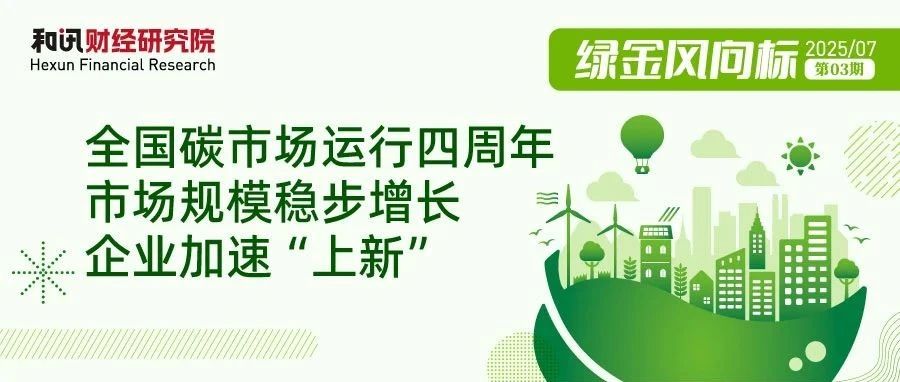
Core Viewpoint - The report highlights the steady growth and development of China's green finance sector as it approaches the fourth anniversary of the national carbon market, emphasizing policy acceleration, market recovery, product innovation, and regional competition in green finance [2][11]. Group 1: Market Performance - As of the end of Q2 2025, the balance of domestic and foreign currency green loans reached 42.39 trillion yuan, marking a 14.4% increase from the beginning of the year and a 22.0% increase year-on-year [3][24]. - The national carbon market has seen a cumulative trading volume of 681 million tons of carbon emission allowances (CEA) and a total transaction value of 46.78 billion yuan, making it the largest carbon market globally in terms of emissions coverage [3][32]. - The total volume of green certificate transactions reached 348 million, a year-on-year increase of 118%, with the average transaction price for green certificates rising by 47% from April to June [3][34]. Group 2: Policy Developments - In July 2025, several key policies were introduced, including the "Green Finance Support Project Directory (2025 Edition)" and guidelines for green finance practitioners, enhancing the standardization and implementation of green finance [5][6]. - Local governments, including Tianjin and Henan, have launched tailored financial implementation opinions and green finance directories to promote localized exploration and standardization [6][12]. Group 3: Financial Product Innovation - New green financial products have emerged, such as the first "fixed + floating" green financial bond issued by China Construction Bank and the first carbon-neutral green perpetual corporate bond by Ningxia Electric Power Investment Group [7][38][39]. - Financial institutions in various regions have begun to implement transformation loans linked to carbon footprints, encouraging high-carbon industries to transition to low-carbon operations [7][41]. Group 4: Market Data - The green bond market remained active in July 2025, with 87 new green bonds issued, totaling approximately 120.18 billion yuan, indicating strong market engagement [28]. - The national carbon market's trading price fluctuated between 72.19 yuan and 74.30 yuan per ton in July, reflecting a dynamic trading environment [31]. Group 5: Corporate Dynamics - Companies are increasingly adopting innovative financial tools and mechanisms, transitioning from merely supporting green initiatives to actively guiding transformations in high-carbon sectors [37]. - The issuance of various loans and bonds aimed at supporting low-carbon transitions has been reported across multiple regions, showcasing a growing trend in corporate engagement with green finance [40][42][44]. Group 6: Focus Events - The 26th Qinghai Green Development Investment and Trade Fair attracted significant participation, highlighting the importance of international cooperation in green finance [46][47]. - The signing of a climate declaration between the EU and China emphasizes the commitment to green partnerships and cooperation in addressing climate change [57].
国债不 “香” 了?利息税恢复的真相
和讯· 2025-08-08 10:49
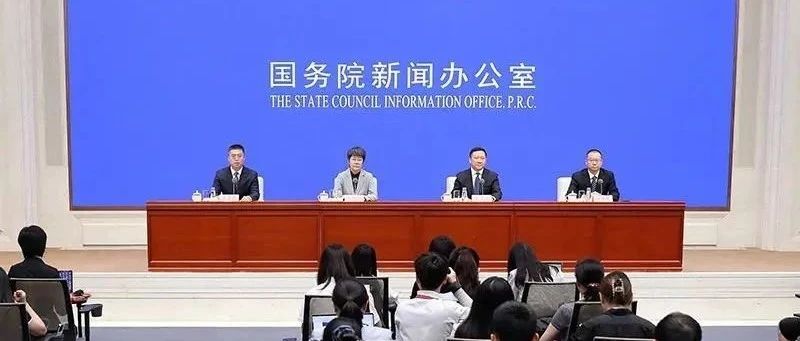
Core Viewpoint - The adjustment of tax policies, particularly the restoration of VAT on newly issued bond interest, is a significant variable affecting market dynamics, aimed at guiding capital flows and alleviating fiscal pressure [2][3]. Group 1: Tax Policy Changes - Starting from August 8, 2025, newly issued government bonds, local government bonds, and financial bonds will be subject to VAT on interest income, while existing bonds will remain exempt until maturity [4][5]. - The gradual adjustment approach allows the market ample time to adapt and mitigates potential financial risks associated with sudden asset value fluctuations [5]. Group 2: Tax Rate and Impact - Financial institutions will pay a VAT of 6% on interest income, while asset management products will be taxed at a simplified rate of 3% due to their diverse investor base [7]. - Small-scale VAT taxpayers with monthly sales below 100,000 yuan will be exempt from VAT, indicating limited impact on individual investors, while institutional investors face significant pressure as they hold over 90% of the bond market [8]. Group 3: Rationale Behind Tax Restoration - The previous exemption from VAT was implemented to attract capital into the bond market during its early development phase, which has now achieved its goal with the bond market size reaching 183 trillion yuan, making it the second largest globally [9][10]. - The restoration of VAT is expected to enhance market pricing efficiency by addressing tax burden disparities among different bond types, potentially stabilizing yield curves [10]. Group 4: Effects on Investors - The new tax policy may lead to a temporary surge in demand for existing bonds due to their tax-exempt status, while newly issued bonds may see rising yields [11][12]. - Financial institutions may adjust their asset allocation strategies, favoring indirect holdings of government bonds through asset management products to minimize tax burdens [11][12]. Group 5: Broader Economic Implications - The tax policy aims to redirect funds from the bond market to the equity market, potentially revitalizing stock market activity, particularly in high-dividend and growth sectors [13][14]. - The restoration of VAT on bonds is projected to generate over 300 billion yuan in additional annual revenue for the government, aiding in fiscal sustainability and supporting public service functions [14].


汾酒在奇台:4000年粮仓的现代酒韵
和讯· 2025-08-08 10:49
Core Viewpoint - The article emphasizes the significance of high-quality barley in the production of premium liquor, particularly for Fenjiu, highlighting the establishment of a dedicated barley cultivation base in Xinjiang to ensure superior raw materials for brewing [3][5][12]. Group 1: Barley Cultivation and Quality - Fenjiu has initiated the production experiment of a specialized barley variety, "Fenjiu Barley No. 1," in Xinjiang, which has shown promising results in terms of quality and yield [3][9]. - The unique climatic conditions of Qitai, Xinjiang, including ample sunlight and fertile soil, make it an ideal location for barley cultivation, contributing to high-quality production [6][9]. - The "Fenjiu Barley No. 1" variety is specifically bred to meet the requirements of high-quality liquor production, ensuring optimal fermentation processes [9][12]. Group 2: Strategic Development and Industry Impact - Fenjiu has integrated grain base construction into its corporate strategy since 2009, establishing over 1.4 million acres of raw material bases across suitable geographical regions [12][14]. - The company has experienced significant revenue growth, with projections indicating an increase from 14 billion yuan in 2020 to 36 billion yuan by 2024, reflecting a growth rate of over 157% [12]. - The establishment of the barley cultivation base is seen as a vital support for the entire barley industry, promoting research and development in barley cultivation and enhancing the overall quality of liquor production [9][14].


逐步推行免费学前教育,“投资于人”信号渐强
和讯· 2025-08-07 09:49
Core Viewpoint - The article discusses the gradual implementation of free preschool education in China, starting from the fall semester of 2025, which aims to alleviate the financial burden on families and promote inclusive early childhood education [2][5]. Group 1: Policy Implementation - The State Council has issued an opinion to gradually exempt public kindergarten tuition fees for the last year of preschool education, benefiting approximately 12 million children starting in the fall semester of 2025 [2][4]. - The policy will also apply to private kindergartens, which will reduce fees in line with local public kindergarten standards [2][4]. - The financial implications include an estimated increase in national fiscal expenditure of about 20 billion yuan for the fall semester, offsetting family expenses by the same amount [2][4]. Group 2: Financial Sources and Support - The funding for the policy will be shared between central and local governments, with the central government covering 80%, 60%, and 50% of the costs for western, central, and eastern regions, respectively [6][7]. - The Ministry of Finance has allocated the necessary funds for the subsidies and will ensure timely distribution to kindergartens [5][10]. Group 3: Challenges and Considerations - There are concerns regarding the sustainability of the policy, especially in light of declining birth rates and the financial strain on local governments [3][4]. - The article highlights the need for equitable distribution of subsidies across different regions to ensure all children benefit from the policy [11]. - The implementation of the policy will require careful monitoring and evaluation to address potential disparities and ensure effective use of funds [10][11].
余永定:不存在“消费驱动”的经济增长方式
和讯· 2025-08-06 09:38
Core Viewpoint - The article discusses the challenges and strategies for stimulating domestic consumption in China amidst economic uncertainties, emphasizing the need for a balanced approach between consumption and investment to achieve sustainable growth [4][19]. Economic Growth Analysis - In the first half of 2023, China's GDP grew by 5.3%, with consumption contributing 52% to economic growth, investment at 16.8%, and exports at 31.2% [4]. - The contribution of consumption to GDP growth increased slightly in the second quarter to 52.3%, while investment and export contributions were 24.7% and 23%, respectively [4]. Investment vs. Consumption - The relationship between investment and consumption is framed as a choice between immediate consumption versus future consumption, highlighting the importance of investment for long-term economic growth [10][12]. - The article argues against the notion of a purely "consumption-driven" growth model, stating that economic growth is fundamentally driven by capital, labor, and technology rather than consumption alone [9][17]. Infrastructure Investment - The article advocates for increased infrastructure investment as a means to stimulate economic growth, suggesting that the potential for infrastructure investment in China is far from saturated [6][22]. - It is noted that infrastructure investment can have immediate positive effects on economic growth, with a multiplier effect that generates additional income and consumption [22][24]. Consumption Patterns - The article highlights the differences in consumption patterns between China and the U.S., noting that while China's consumption rate is lower, the actual consumption levels in certain sectors may not be significantly different [14][15]. - It emphasizes that the structure of consumption in China is heavily weighted towards goods rather than services, which affects the overall consumption rate [15][16]. Income Distribution and Consumption - The article points out the issue of income inequality in China, with a high Gini coefficient indicating significant income disparity, which can impact overall consumption levels [18]. - It suggests that addressing income distribution issues could enhance marginal propensity to consume, thereby stimulating economic growth [18][20]. Policy Recommendations - The article recommends various measures to boost consumption, including issuing consumption vouchers, reducing personal income tax, and reforming the social security system [20][21]. - It also discusses the importance of accurately measuring disposable income in relation to GDP, noting discrepancies in statistical methods that could misrepresent the true economic situation [20][21].

气候俗语不灵了,农业生产怎么办?
和讯· 2025-08-05 10:13
Core Viewpoint - The article emphasizes the urgent need to address climate change impacts on agriculture, highlighting the vulnerability of small-scale farmers and the necessity for adaptive strategies to mitigate risks associated with extreme weather events [2][5][16]. Group 1: Climate Change Research and Impact - Initial research on climate change in China focused on glaciers, aiming to visually demonstrate the reality of climate change to the public [2]. - The urgency of climate change discussions has increased significantly since 2021, particularly following severe weather events like the 2021 Henan floods, which affected millions and caused substantial economic losses [2][3]. - Extreme weather events have been frequent in 2023, with significant impacts on urban infrastructure and agriculture, indicating a direct correlation between climate change and daily life [4][6]. Group 2: Agricultural Vulnerability and Adaptation - Agriculture, being highly dependent on natural resources, is among the first sectors to face challenges from climate change, necessitating a focus on smallholder farmers who are often the most vulnerable [4][5]. - Research indicates that small farmers are reluctant to abandon their land despite increasing climate risks, relying on traditional practices and community support to adapt [4][8]. - The study highlights the need for a robust protective framework to enhance the resilience of agricultural stakeholders against climate change [5][10]. Group 3: Policy and Community Support - The article discusses the evolution of policy regarding disaster prevention and climate adaptation, emphasizing the need for improved meteorological services and community support for farmers [11][14]. - Successful examples of community support networks have emerged, where agricultural cooperatives collaborate to share resources and mitigate climate risks [12][13]. - The report suggests that effective climate resilience requires a multi-faceted approach, integrating policy support, technological innovation, and local knowledge [14][18]. Group 4: Future Directions and Recommendations - The article calls for enhanced research on regional climate change impacts, particularly in sensitive agricultural areas, to inform long-term adaptation strategies [10][18]. - It stresses the importance of integrating climate adaptation planning with national strategies to secure funding and reduce adaptation costs for farmers [18][19]. - The urgency of addressing climate change is underscored, with a call for prioritizing climate action to prevent further losses and damages [19].

CCTV新闻年中经济观察,感受“以旧换新”背后的家电含“绿”量
和讯· 2025-08-04 09:35
Core Viewpoint - The article highlights the significant impact of government policies, particularly the "old-for-new" subsidy program, on promoting green and energy-efficient appliances in China, leading to increased consumer demand and production focus on high-efficiency products by leading brands like Changhong [1][3][6]. Group 1: Government Policies and Economic Impact - The National Development and Reform Commission, along with the Ministry of Finance, has allocated 690 billion yuan in special bonds to support the "old-for-new" program, with an additional 690 billion yuan expected in October [1]. - The "old-for-new" policy has driven sales of goods exceeding 1.7 trillion yuan, with retail sales of home appliances increasing by 30.7% year-on-year in the first half of the year [6]. Group 2: Shift to Green Production - The focus of major home appliance manufacturers has shifted towards green production lines, with Changhong investing nearly 10 million yuan to upgrade its production capacity for high-efficiency televisions [3][5]. - Changhong's production line for high-efficiency televisions can produce over 2,000 units daily, with 70% of its television shipments being first-level energy efficiency products from January to May [5]. Group 3: Technological Innovation and Consumer Demand - The emphasis on energy-efficient and intelligent products has led Changhong to integrate AI technologies into its offerings, enhancing user experience and product functionality [8][10]. - Changhong's new air conditioning products feature AI cloud energy-saving technology, which optimizes energy consumption based on user habits, thereby reducing unnecessary temperature fluctuations [10]. Group 4: Comprehensive Upgrades and Market Position - Changhong is not only focusing on product innovation but also enhancing its entire supply chain and service processes to meet the growing consumer demand for high-quality, energy-efficient appliances [12]. - As a recognized leader in energy efficiency, Changhong aims to leverage its technological advancements across various product categories, including refrigerators and washing machines, to promote green living [8][12].