和讯

Search documents
掘金日报(2.2)|大盘跌超2%,主力资金左手白酒右手电网
和讯· 2026-02-02 10:46
A股三大指数今日集体下跌,沪指、深成指、创业板指分别下跌2.48%、2.69%、2.46%。三市成交额26066亿元,较上日缩量2558亿元,超4600只 个股下跌。 贵金属、油气开采及服务、化工、煤炭、钢铁、半导体等板块集体大跌,白酒、电网设备板块表现坚挺。 湖南白银、白银有色等资源周期股跌停,兆易创新等半导体板块跌停。电网设备、白酒、影视院线等板块表现强势。 2 月 2 日, A 股市场整体呈现资金净流出态势。 三大指数同步下跌, 上证指数 跌 2.48% ,报 4015.75 点; 深证成指 跌 2.69% ,报 13824.35 点; 创业板指 跌 2.46% ,报 3264.11 点。 | 代码 | 证券简称 | 涨跌幅(%) | 主力净流入额(亿元) | | --- | --- | --- | --- | | 801730.SI | 电力设备(申万) | -0.8 | 41.90 | | 801120.SI | 食品饮料(申万) | 1.11 | 25.67 | | 801780.SI | 银行(申万) | 0.17 | 15.50 | | 801210.SI | 社会服务(申万) | -1.59 ...


投资前瞻(2.2-2.6)| A股“绩差生”扎堆交卷;沃什提名联储主席候任人引巨震,机构:资产配置仍应以长期逻辑为锚
和讯· 2026-02-01 08:45
01 宏观与金融 (一)回顾 重点关注: ·沃什若当选,或试图推动"降息+缩表"的政策组合,但一些基本的逻辑和中期政 策框架不变。 ·贵金属市场罕见巨震,交易所出手为商品期货市场降温。 · 世界黄金协会数据显示, 2025年,中国市场强劲的黄金投资需求抵消了金饰板块的疲软态势。 ·A股"绩差生"扎堆交卷,逾百家公司去年亏损额超10亿元。 ·卡塔尔投资局(QIA)领投东鹏饮料,首次重仓中国消费 1、1月宏观经济景气度有所下降 国家统计局 1月31日发布数据显示,1月份,制造业采购经理指数(PMI)、非制造业商务活动指数和综合PMI产出指数分别为49.3%、 49.4%和49.8%,比上月下降0.8个、0.8个和0.9个百分点,经济景气水平有所回落。 东方金诚宏观研究认为, PMI再度降至收缩区间,不及市场普遍预期,原因有三:首先是季节性因素。1月大部分制造业行业进入传统淡季。 数据显示,剔除2023年极端值,过去十年中,1月制造业PMI指数"八降二升",平均下行0.3个百分点。二是基数效应。PMI指数为环比指标, 2025年12月制造业PMI指数大幅上升0.9个百分点至50.1%,导致环比基数迅速抬升,会对20 ...

周观A股(01.26 - 01.30):指数回调、资金外流,这周A股真正“避风港”在哪?
和讯· 2026-01-31 08:54
Market Overview - The A-share market experienced overall pressure this week, with most major indices showing a pullback, particularly in small-cap and growth styles, while large-cap blue chips demonstrated relative resilience [2][3] - Market sentiment is cautious, with funds shifting towards low-volatility and defensive sectors [2] Index Performance - The majority of A-share indices showed a pattern of "mostly down, few up," with significant pressure on small-cap and growth indices, while large-cap blue chips provided some support against downward pressure [3][7] - Weekly index performance indicated a clear divergence, with defensive sectors and energy stocks leading gains, while previously high-performing growth and manufacturing sectors faced notable corrections [9][10] Sector Rotation - The energy sector emerged as a strong performer, with significant contributions from gold and energy-related stocks, while essential consumer sectors also showed relative stability, reflecting a defensive allocation of funds [9][10] - Conversely, sectors associated with growth and manufacturing saw substantial declines, indicating a clear rotation in industry performance [17][18] Trading Activity - A-share trading volume increased significantly, reaching 8,944.21 billion shares and a transaction value of 15.31 trillion yuan, marking a week-on-week growth of 12.56% and 9.44% respectively [23][25] - Despite the increase in volume, the trading structure showed a "high at the beginning, low later" trend, indicating weak enthusiasm for chasing prices [23] Fund Flow - Main funds continued to show a net outflow, totaling approximately 2,644.24 billion yuan, reflecting an overall cautious market sentiment [30] - Financial sectors attracted net inflows, while cyclical and growth sectors like materials and information technology faced reductions [31][36] Market Sentiment - The overall "profit-making effect" in the market weakened, with fluctuations in the number of stocks hitting the daily limit, indicating a cautious but optimistic sentiment with increasing divergence [40][44] - The average margin balance remained stable at 27.3 trillion yuan, suggesting a cautious approach among investors [44] Upcoming Focus - Upcoming IPOs and stock unlocks are expected to influence market sentiment, particularly in sectors like semiconductor equipment and magnetic materials [48][49]

掘金日报(1.30)|300亿资金紧急撤离有色,机构称金价仍具备上涨逻辑
和讯· 2026-01-30 09:37
1 月 30 日, A 股三大指数今日涨跌不一, 截至收盘沪指跌 0.96% ,深成指( 399001 )跌 0.66% ,创业板指( 399006 )涨 1.27% ,北证 50 指数跌 0.29% 。 沪深京三市成交额 28624 亿元,较上日缩量 3970 亿元,三市超 2400 只个股飘红。 黄金、基本金属概念股现跌停潮,白酒、地产、券商、油气板块跌幅靠前 ,商业航天、金融科技、光伏、 AI 应用题材调整。 CPO 、宇树机器人概念 股活跃,农业股走强。 1 月 30 日, A 股市场呈现明显的板块分化特征。 主力资金从前期热门的 有色金属 等周期板块大规模撤离,转向通信、电子等科技成长板块。 | 代码 | 证券简称 | 涨跌幅(%) | 主力净流入额(亿元) | | --- | --- | --- | --- | | 002155.SZ | 湖南黄金 | 9.99 | 68.93 | | 300394.SZ | 天孚通信 | 10.91 | 32.75 | | 300502.SZ | 新易盛 | 6.74 | 32.67 | | 300308.SZ | 中际旭创 | 5 73 | 30.81 | | ...

掘金日报(1.29)|茅台单日吸金57亿夺冠,紫金矿业流出近33亿成“失血”最大个股
和讯· 2026-01-29 10:58
Core Viewpoint - The A-share market shows structural differentiation, with capital shifting from electronic and power equipment sectors to media, food and beverage, and non-ferrous metals sectors [3][5]. Market Overview - As of January 29, the Shanghai Composite Index closed at 4157.98 points, up 0.16%, with a trading volume of 14857.95 billion yuan. The Shenzhen Component Index closed at 14300.08 points, down 0.30%, with a trading volume of 17442.13 billion yuan. The ChiNext Index closed at 3304.51 points, down 0.57%, with a trading volume of 7895.02 billion yuan [1]. Capital Flow Analysis - The top five sectors for capital inflow included media (net inflow of 220.78 billion yuan, up 3.53%), food and beverage (net inflow of 168.06 billion yuan, up 6.57%), and computer (net inflow of 138.80 billion yuan, up 0.01%). The electronic sector experienced the largest capital outflow, with a net outflow of 364.79 billion yuan, followed by power equipment, defense industry, machinery, and communication sectors [4][5]. Individual Stock Performance - The top five stocks for capital inflow were led by Kweichow Moutai (net inflow of 57.08 billion yuan, up 8.61%), followed by BlueFocus (net inflow of 45.30 billion yuan, up 14.93%), and iFlytek (net inflow of 36.30 billion yuan, up 6.42%). The largest capital outflow was from Zijin Mining, with a net outflow of 32.63 billion yuan [6][7]. Market Sentiment and Trends - A total of 89 stocks hit the daily limit up, indicating a relatively high level of localized profit-making opportunities. The food and beverage sector showed strong performance, with 21 stocks hitting the limit up, accounting for about 24% of the total, particularly in the liquor segment [8]. - The market is currently favoring both value and growth, with funds shifting from previously popular tech growth sectors to defensive sectors like consumption and finance, reflecting a preference for stocks with high earnings certainty [8][14]. Sector-Specific Insights - The liquor, oil and gas, and precious metals sectors collectively strengthened, driven by rising consumption expectations for the Spring Festival, soaring international commodity prices, and macroeconomic risk aversion [14]. The liquor sector saw a significant surge, with the China Securities Liquor Index rising 9.93%, marking the largest single-day increase in 16 months [14]. - Kweichow Moutai's wholesale price for 2025 and 2026 increased by 20 yuan, reaching 1620 yuan and 1610 yuan per bottle, respectively, indicating strong price support due to supply control measures [14][15]. Market Structure Characteristics - The market exhibited a "broad first board, concentrated second board, and scarce high-level" structure, with cautious sentiment prevailing. The second board had 9 stocks, primarily in resource sectors, indicating a strengthening of cyclical stocks [10]. - Several stocks demonstrated "N-day M-board" trend patterns, such as Intercontinental Oil and Zhaojin Mining, reflecting the continuation of trend-based trading in resource stocks [11].



扩内需,该猛踩货币“油门”还是均衡发力?
和讯· 2026-01-29 10:58
"内需"是当前观察中国经济的关键词 。 最新数据显示 , 2025年中国社会消费品零售总额首次突破50万亿元,消费对经济增长的贡献率稳 固在52%。然而, 经济"暖数据"之下,居民消费与企业投资意愿偏冷的"温差"依然明显,多位经济 学家警示复苏的基础并不牢固。 "2025年的整个宏观经济积极一点说是处在经济复苏的早期阶段。"CF40资深研究员、中国社科院 世界经济与政治研究所副所长张斌表示,复苏的基础还不牢固,内生增长的动力还得不到支撑。 这考验宏观调控的智慧。 01 复苏进行时:基础是否牢固? 国家统计局近日发布数据显示, 2025年中国国内生产总值(GDP)首次跃上140万亿元新台阶,按 不变价格计算,比上年增长5.0%。 2025年社会消费品零售总额突破50万亿元,比上年增长 3.7%。全年服务零售额比上年增长5.5%,最终消费支出对经济增长的贡献率达52%。 金融市场上,股票市场、人民币汇率、社融增速、企业存款等金融指标有明显提升,企业盈利止住了 连续多年的下行趋势,消费、劳动力市场总体运行平稳。 " 2025年的整个宏观经济积极一点说 是 处在 经济复苏的早期阶段。 "张斌同时强调,"复苏的基 础还 ...

“选基难”怎么破局?专业“基金买手”FOF助你一臂之力!
和讯· 2026-01-28 11:13
分享一篇文章。 投资时间网 "选基难"怎么破局?专业"基金买手"FOF助你一臂之力! 原创 阅读全文 ...

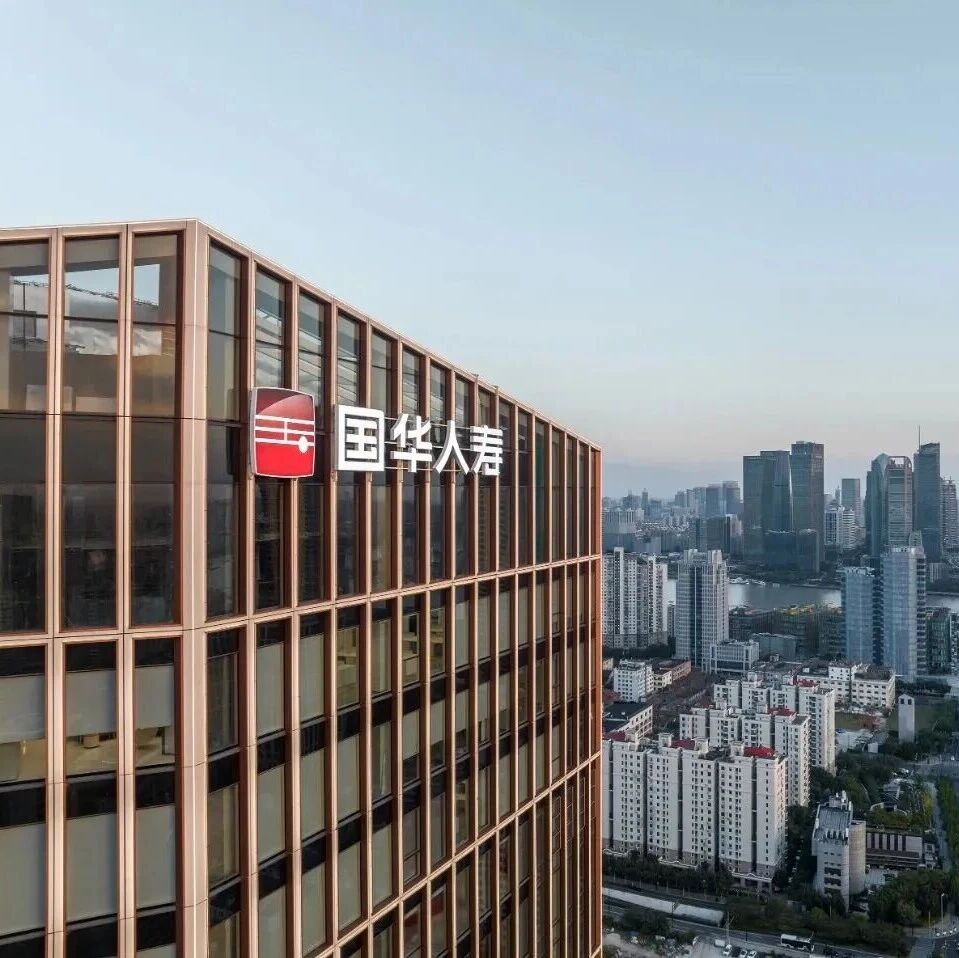
破局同质化,国华人寿以“成长+颐养”双品树立年金险差异化标杆
和讯· 2026-01-28 11:13
功能为王:国华人寿年金险矩阵解锁家庭财富规划新路径 年金险作为一种长期储蓄和养老保障工具,其功能性在当前经济环境下尤为重要。与传统的投资产品相比,年金险不仅提供基本的养老保障,还具备多 种附加功能,能够满足投资者在不同阶段的多样化需求。这些功能的引入,使得年金险产品在市场上具备了独特的竞争优势。 在当前全球经济环境充满不确定性的背景下,投资者对于稳健、可靠的金融产品需求日益增长。 其中,兼具安全性、稳定性与强制储蓄属性的银保产品 优势愈发凸显,成为大众进行资产配置、抵御风险的重要选择。 值得注意的是,在众多银保产品中,国华人寿旗下年金险产品凭借 洞察性 的功能定位与 较 全面的保障设计,展现出显著的功能性优势,且其推出的创 新性产品,既能匹配不同人生阶段的财富规划需求,又能 帮助 家庭风险防御体系筑牢根基,这也使其产品价值在市场中脱颖而出。 作为 国内领先 的寿险公司,国华人寿凭借其功能性显著的年金险产品 —— "万年青养老年金保险 ( 优享版 ) " 以及 " 盛世禧年金保险(尊耀版) " ,为投资者提供了应对经济不确定性的有力 " 帮手 " 。 有业内人士分析称, 国华人寿旗下 两款产品 —— "万年青养 ...
掘金内参(1.28)|金价日内屡刷新高,主力340亿狂买有色金属,机构看好长期上涨逻辑
和讯· 2026-01-28 11:13
Market Overview - A-shares showed mixed performance with the Shanghai Composite Index up by 0.27% and the Shenzhen Component Index up by 0.09%, while the ChiNext Index fell by 0.57% [1] - Over 3600 stocks in the three markets closed lower, with significant gains in sectors like non-ferrous metals, oil and gas, and coal, while solar equipment and biopharmaceuticals faced declines [1] Sector Performance - The weakening US dollar and geopolitical risks led to significant gains in precious metals and oil and gas sectors, while semiconductor and real estate sectors also performed well [2] - Resource sectors attracted substantial capital inflows, with non-ferrous metals leading the way, while previously popular sectors like electric equipment and defense faced capital outflows [3][4] Capital Flow Analysis - The top five sectors for capital inflow included non-ferrous metals (net inflow of 343.73 billion), basic chemicals, building materials, coal, and oil and petrochemicals, indicating a strong preference for resource and cyclical industries [4] - Conversely, the sectors experiencing the most capital outflow were electric equipment, defense, pharmaceuticals, food and beverage, and automotive [4] Stock Performance - The top five stocks for capital inflow were dominated by non-ferrous metals and technology, with China Aluminum and Tongling Nonferrous Metals seeing significant gains [5] - Major outflows were observed in consumer and financial stocks, with Kweichow Moutai experiencing a net outflow exceeding 31 billion [5] Market Dynamics - On January 28, 85 stocks hit the daily limit up, with non-ferrous metals accounting for 41% of these, indicating a strong sector concentration driven by resource and policy factors [6][7] - The market showed a high level of event-driven trading, with significant interest in non-ferrous metals due to global supply chain restructuring and domestic policy support [6][7] Precious Metals Insights - International gold prices surged, reaching a historical high of 5300 USD/oz, with the precious metals index rising by 6.76% [9] - The increase in gold prices was attributed to a significant decline in the US dollar index, which fell to 95.77, the lowest since February 2022, making gold more attractive as a non-dollar asset [10][11] Geopolitical and Economic Factors - Geopolitical tensions and concerns over the US dollar's credibility have driven investors towards gold as a safe-haven asset, reflecting heightened global risk aversion [11] - Central banks' continued purchases of gold and expectations of interest rate cuts by the Federal Reserve have further boosted demand for gold ETFs and institutional allocations [12] Domestic Market Trends - Domestic gold prices also rose, with mainstream gold jewelry brands exceeding 1600 CNY/g, driven by strong market demand [13] - The oil sector's rise was primarily due to geopolitical supply disruptions, reflecting a systemic response to both geopolitical risks and a weakening dollar [13]






掘金内参(1.27)|从“宁王”“茅王”撤出!主力资金集中押注这两大科技主线
和讯· 2026-01-27 10:44
Market Overview - The market showed signs of recovery with all three major indices turning positive, and the ChiNext index rising over 1% at one point. The total trading volume in the Shanghai and Shenzhen markets was 2.89 trillion, a decrease of 353.2 billion from the previous trading day. However, over 3,400 stocks in the market experienced declines [2]. Capital Flow Analysis - On January 27, the main capital inflow was directed towards high-growth technology sectors such as electronics and communications, while there was a notable outflow from previously popular sectors like electric equipment and biomedicine [3]. - The top five sectors for capital inflow were dominated by technology, with the electronics sector leading with a net inflow of 31.928 billion. Other sectors like communications and machinery also saw significant increases. Conversely, the top five sectors for capital outflow included electric equipment, non-bank financials, and biomedicine [5]. Stock Performance - The top five stocks with the highest capital inflow were primarily in the communications and electronics sectors, with Zhongji Xuchuang leading at a net inflow of 3.413 billion. Other notable stocks included Tianfu Communication and Dongxin Co., which also saw substantial inflows. The outflow was mainly from heavyweight stocks and previously popular sectors, indicating a clear trend of capital withdrawal [6]. Market Highlights - On January 27, a total of 59 stocks hit the daily limit up, with the semiconductor sector being the biggest winner, accounting for 11 of those stocks [7]. - The sectors with the most stocks hitting the limit up included chips, photovoltaic, and gold, indicating strong market interest in these areas [8]. Sector Movements - Gold stocks experienced a resurgence, with many reaching new highs. The semiconductor and AI computing supply chains showed strength, particularly in memory and CPO directions. In contrast, coal, basic metals, and retail sectors faced declines, while vaccine and lithium battery themes weakened [9][10]. - The recent statements by Tesla CEO Elon Musk regarding space photovoltaics have sparked increased activity in related concepts. Musk announced plans for SpaceX and Tesla to build a total of 200GW of photovoltaic capacity in the U.S. over the next three years, primarily for ground data centers and space AI satellites [10]. Future Outlook - According to Open Source Securities, the release of a hundred GW-level space computing market, combined with the high unit value of space photovoltaic batteries, is expected to open new growth opportunities for the photovoltaic industry [11]. - Guotai Junan Securities also noted that the upcoming dense launch period for low-orbit satellites and the clear trend of commercializing space computing will effectively drive the demand for photovoltaic expansion, with core equipment manufacturers likely to benefit first [12].