和讯

Search documents
三巨头增长30%,超市又行了?
和讯· 2026-01-09 09:01
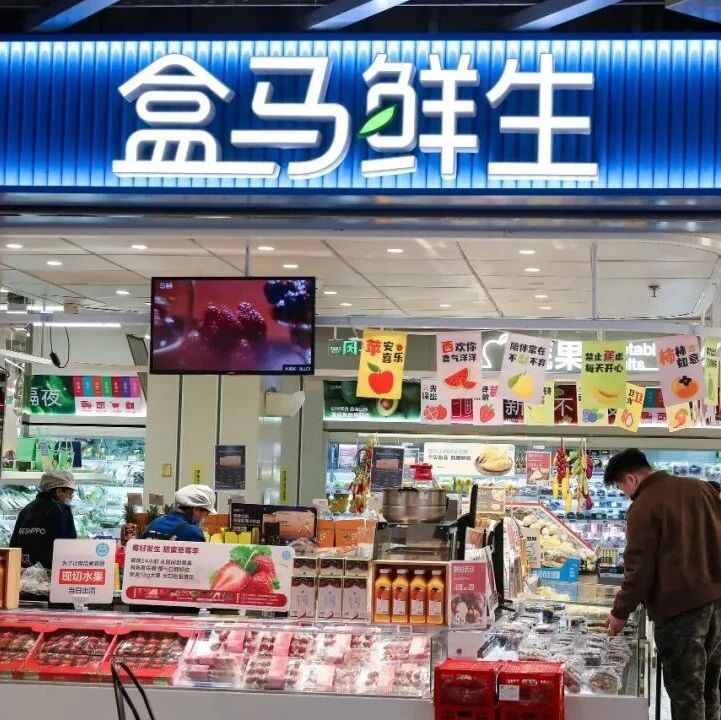
Core Viewpoint - The retail industry is experiencing significant growth driven by key players like Fat Donglai, Hema, and Sam's Club, while traditional supermarkets are undergoing substantial upgrades to compete in a challenging market environment [4][19]. Group 1: Company Performance - Fat Donglai achieved a record annual sales of 23.53 billion, a 38.71% increase from 16.96 billion in 2024, with its flagship store in Xuchang generating nearly 6 billion in sales [5][6]. - Hema's overall revenue growth exceeded 40% in 2025, with a projected GMV of over 100 billion by the end of the fiscal year [11][12]. - Sam's Club reported a sales figure surpassing 140 billion, marking a 40% increase from 100.5 billion in 2024, supported by an aggressive expansion strategy [16][18]. Group 2: Industry Trends - The overall retail sector remains under pressure, with less than 40% of chain supermarkets achieving positive sales growth in 2025, highlighting a competitive landscape [19]. - The industry is witnessing a "Matthew Effect," where leading companies are gaining market share while weaker players struggle, prompting a shift from broad growth strategies to focused innovations [20][23]. - Traditional supermarkets are enhancing their offerings by improving fresh produce and convenience services, aiming to redefine their neighborhood value [21][25]. Group 3: Strategic Shifts - Companies are increasingly focusing on supply chain capabilities rather than just expanding store numbers, with strategies like Sam's global sourcing and Hema's direct supply of fresh produce [24]. - The "Fat Reform" trend is evident as traditional retailers like Yonghui and Bubugao adopt operational strategies from Fat Donglai, resulting in significant increases in customer traffic and profitability [25][26]. - The Ministry of Commerce has encouraged innovation and quality improvement in the retail sector, emphasizing the importance of supply chain optimization and digital empowerment for industry transformation [26].


A股再度沸腾:16连阳、4100点、3万亿
和讯· 2026-01-09 09:01
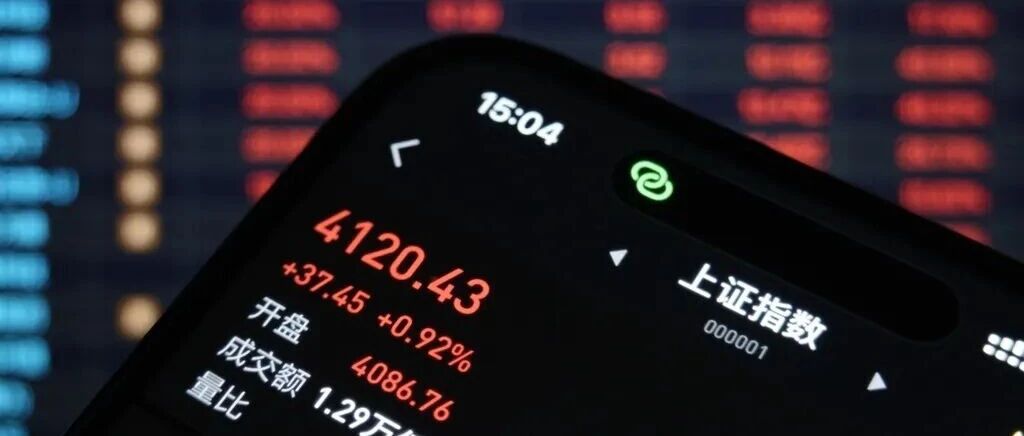
Group 1 - The core viewpoint of the article highlights the explosive growth of AI applications in the market, with significant gains in related stocks and a notable increase in trading volume, marking a historical milestone for the A-share market [1][2][3]. - The Shanghai Composite Index has broken through the 4100-point mark, with the market experiencing a 16-day consecutive rise, a phenomenon not seen in the last decade [2][4]. - AI applications are expected to enter a "golden year" in 2026, driven by three key turning points: technological maturity, supportive policies, and resonating market demand [4]. Group 2 - The commercial aerospace sector remains active, with the launch of China's first offshore reusable rocket production base, which is expected to have an annual production capacity of 25 rockets [5]. - The prices of strategic metals such as tungsten, cobalt, and rare earths have been rising due to limited supply and increasing demand from sectors like new energy and semiconductors [5]. - The market is characterized by structural trends, with a focus on managing the rotation of investment hotspots as the market faces potential short-term volatility [5]. Group 3 - The Chinese stock market has entered a new development era, characterized by a rise in technological content and increased market valuations for tech companies [8][9]. - There has been a significant structural change in asset allocation, with more funds being directed towards the stock market in pursuit of higher returns [10][11]. - The central bank has implemented unprecedented measures to support the stock market, indicating a comprehensive approach to macro-prudential management that includes the stock market [12][15]. Group 4 - Foreign investment institutions are increasingly optimistic about A-shares, with Standard Chartered Bank recommending an overweight position in Chinese stocks due to expected policy stimulus and strong earnings growth related to AI themes [17][18]. - Goldman Sachs predicts a net inflow of $200 billion from southbound funds in 2026, alongside a potential reallocation of domestic assets that could inject an additional 3 trillion RMB into the stock market [17]. - The MSCI China Index and the CSI 300 Index are forecasted to rise by 20% and 12% respectively in 2026, driven by earnings growth rather than valuation expansion [17].
500亿AI大模型双生子IPO:智谱与MiniMax的“暗中较劲”
和讯· 2026-01-08 09:36
Core Viewpoint - The article discusses the competitive landscape of AI companies in Hong Kong, focusing on the IPOs of two firms, Zhiyu (智谱) and MiniMax, which represent different paths in the commercialization of AI technology [3][4]. Group 1: Company Profiles - Zhiyu, led by Chairman Liu Debing, debuted on the Hong Kong Stock Exchange with an IPO price of HKD 116.2, reaching a market capitalization of over HKD 50 billion and raising HKD 4.3 billion, with a staggering 1164 times oversubscription [3][9]. - MiniMax, founded by former SenseTime executive Yan Junjie, is expected to follow closely with a valuation exceeding HKD 50 billion, focusing on consumer applications and global expansion [3][12]. Group 2: Business Strategies - Zhiyu adopts a "B-end and G-end foundational model + localization" approach, emphasizing long-term R&D investments, with R&D spending projected to rise from HKD 84.4 million in 2022 to HKD 2.195 billion in 2024 [9][10]. - MiniMax, on the other hand, follows a "C-end multimodal application + globalization" strategy, targeting both domestic and international markets, with a focus on user-friendly AI applications [11][16]. Group 3: Market Positioning - Zhiyu's revenue structure heavily relies on localized and privatized deployments, which accounted for 95.5% of its revenue in 2022, although it aims to increase its cloud API service revenue, which currently stands at 15.2% [20][22]. - MiniMax's Talkie app has gained traction in overseas markets, with over 70% of its revenue coming from international users, showcasing its successful global strategy [26][27]. Group 4: Competitive Landscape - Both companies face intense competition from established players like OpenAI and domestic giants such as ByteDance and Baidu, which are rapidly advancing in AI capabilities [29][30]. - Despite their current successes, both Zhiyu and MiniMax must navigate a challenging environment where they are squeezed by larger competitors, necessitating innovative strategies to maintain their market positions [28][29].

长虹工业互联网“双跨平台”:三年深耕不忘初心,双轮驱动巩固引领
和讯· 2026-01-08 09:36
Core Viewpoint - The "Changhong Dual-Cross Platform" has significantly improved its ranking in the 2025 cross-industry industrial internet platform evaluation, marking a historical high for Sichuan Province in this field, and solidifying Mianyang's leading position in the province's industrial internet landscape [1][2]. Group 1: Platform Development and Achievements - The platform has risen 17 positions since being selected as a national-level "dual-cross" platform in 2023, achieving a total increase of 6 positions recently, ranking third nationally and first in the western region [1]. - The platform is built on over 60 years of manufacturing experience, emphasizing its unique advantage in empowering industries through a deep understanding of manufacturing [1]. - It has established a service matrix that integrates "intelligent, green, and integrated" services, driving deep transformation in the manufacturing sector [1]. Group 2: Technological Integration and Industry Impact - The platform utilizes a data-driven approach to connect devices, systems, and enterprises, creating a collaborative system across the entire value chain, which enhances production efficiency and resource allocation [2][9]. - It has developed an intelligent empowerment system that spans eight major industries and nine fields, serving over 3,000 enterprises to facilitate their digital transformation and improve efficiency [9]. Group 3: Value Service System and Solutions - The platform adopts a "1+4+N" architecture, focusing on five major value service systems to address core pain points for enterprises, providing clear transformation blueprints and reducing decision-making risks [10]. - It aims to lower the barriers for small and medium-sized enterprises to start their digital transformation through lightweight and modular solutions [10]. - The platform emphasizes the activation of data potential across eight value links, facilitating a dynamic data exchange system that enhances production efficiency by 10% and inventory turnover by 30% for upstream enterprises [12]. Group 4: Future Directions and Strategic Goals - The "Changhong Dual-Cross Platform" plans to evolve into an ecological organizer, focusing on upgrading from "scale" to "value" and serving as the core engine for Changhong Group's digital transformation [17]. - The platform aims to transform validated best practices into replicable solutions, ultimately becoming a digital model that empowers various industries rooted in Chinese manufacturing [17].


白重恩:为什么要“投资于改革”?
和讯· 2026-01-08 09:36
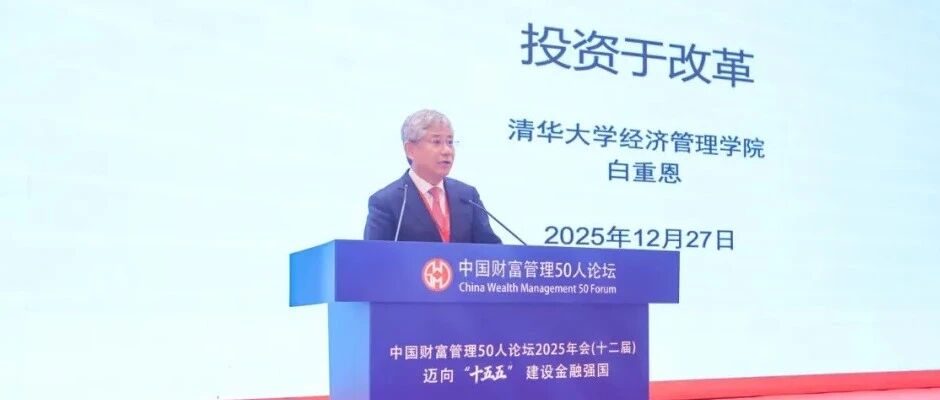
Core Viewpoint - The article emphasizes the need to shift focus from traditional investments in physical assets and human capital to "investment in reform" to address current economic challenges and achieve long-term sustainable growth [4][5]. Group 1: Limitations of Traditional Investment Directions - Current investment strategies primarily focus on "investment in physical assets" and "investment in human capital," both of which face constraints in the current environment [6]. - "Investment in physical assets" is limited due to high inventory in real estate, diminishing returns in traditional infrastructure, and potential overcapacity in certain manufacturing sectors [6]. - "Investment in human capital" is crucial for sectors like healthcare and education, but it must consider fiscal sustainability, as such expenditures are rigid and difficult to reverse [6]. Group 2: Establishing a Strategic Direction for "Investment in Reform" - The article suggests establishing a policy direction focused on "investment in reform" to address issues of insufficient demand and weak prices [7]. - Utilizing the current low-cost environment for fiscal deficits and monetary expansion can help cover the transitional costs of reforms, thereby optimizing the fiscal structure and institutional arrangements [7]. Group 3: Historical Experience - Reform of State-Owned Commercial Banks - The reform of state-owned commercial banks in the late 1990s serves as a successful example of "investment in reform," where approximately 1.4 trillion yuan of non-performing assets were removed, accounting for about 17% of GDP at that time [9]. - This reform not only mitigated financial risks but also laid the groundwork for the modernization of the banking system and the establishment of a vertical management system to shield banks from local government interference [9]. Group 4: Pathway Suggestions for Local Fiscal and Financing Platform Reform - The article recommends applying the lessons from bank reforms to local fiscal reforms and financing platform transformations, addressing the structural issues underlying local debt [10]. - Suggestions include central government issuance of bonds to replace local debt, comprehensive reform of fiscal systems, and ensuring that financing platforms operate as true market entities [10]. - Coordination between fiscal and monetary policies is essential, with recommendations for increased bond issuance and liquidity support to stimulate demand and stabilize prices [10]. Conclusion - The article concludes that leveraging the current macroeconomic policy window to enhance fiscal and monetary policies and focus funding on transitional reform costs is an effective strategy for addressing short-term demand issues and achieving long-term goals of financial strength and high-quality development during the "14th Five-Year Plan" period [11].
董责险理赔案件进入高发期,A股每三家公司就有一家投保
和讯· 2026-01-07 10:48
Core Viewpoint - The market for Directors and Officers Liability Insurance (D&O Insurance) in A-share listed companies is experiencing explosive growth due to stricter regulations and heightened awareness among investors regarding their rights [3][4]. Group 1: Market Growth and Penetration - By the end of 2025, the penetration rate of D&O Insurance in A-shares is expected to exceed 32%, with a total of 1,753 companies having purchased the insurance [3][4]. - In 2025, 643 A-share listed companies announced plans to purchase D&O Insurance, a 19% increase from the previous year, with 256 companies disclosing their plans for the first time, accounting for 39.8% [4]. - The manufacturing sector leads in the number of companies purchasing D&O Insurance, with the real estate, wholesale, and electricity sectors showing penetration rates exceeding 60% [4]. Group 2: Claims and Legal Risks - Since 2022, the total disclosed claims amount in the market has exceeded 850 million yuan, indicating a rise in claims frequency [5][6]. - The number of companies receiving warning letters for information disclosure violations has been increasing, with 366 companies having previously purchased D&O Insurance [5]. - The awareness of investor rights has led to a surge in civil compensation lawsuits, with at least 22 insured companies facing lawsuits in 2025 [5][6]. Group 3: Insurance Rates and Recommendations - The average D&O Insurance rate has been on an upward trend since 2017 but has recently shown a downward trend, dropping to below 0.5% by the fourth quarter of 2025 [8]. - Companies are advised to take advantage of the current low rates before potential increases due to rising litigation risks and more publicized claims [8]. - The most common policy limits for D&O Insurance among A-share companies range from 40 million to 60 million yuan, with 50 million and 100 million yuan being the most frequent limits [8]. Group 4: Transparency and Governance - The lack of transparency in D&O Insurance purchasing and claims information is hindering market development, prompting suggestions for mandatory disclosure of key information by listed companies [9]. - D&O Insurance is recognized not only as a risk management tool but also as a mechanism to improve corporate governance and correct improper control of listed companies [9].

千亿级A股增量资金来了
和讯· 2026-01-05 10:01
Core Viewpoint - The insurance industry is entering a new phase of stricter capital and risk management standards with the full implementation of the "Second Generation Solvency" Phase II regulations in 2026, marking a shift towards high-quality development focused on risk and capital management [3][4][5]. Group 1: Regulatory Changes - The "Second Generation Solvency" Phase II regulations were officially released by the China Banking and Insurance Regulatory Commission on December 30, 2021, requiring insurance companies to fully implement new solvency capability reporting standards starting from the first quarter of 2022 [4]. - The new regulations aim to enhance the precision of risk measurement for non-standard assets and impose stricter standards on financial reinsurance, thereby tightening capital management and increasing the minimum capital requirements [4][5]. - A transitional period has been established, extending until the end of 2025, to allow non-listed insurance companies to adapt to these regulatory changes [5]. Group 2: Capital Management and Adjustments - Insurance companies are actively adjusting their asset structures to reduce the proportion of high-risk assets and increase allocations to lower-risk, more liquid assets such as government bonds and high-grade credit bonds [6][7]. - Many insurance companies have resorted to issuing bonds and increasing capital to meet the new regulatory requirements, with a total proposed capital increase exceeding 20 billion yuan in 2025 and bond issuance reaching 151.77 billion yuan [8]. - The urgency for capital replenishment reflects the industry's need to comply with new regulations and optimize capital structures amid a challenging economic environment [8]. Group 3: Impact of Risk Factor Adjustments - Recent regulatory measures have included lowering risk factors for certain equity assets, which is expected to release additional capital and slightly improve solvency ratios for insurance companies [9][10]. - The adjustment in risk factors allows for a reduction in the minimum capital required for holding certain assets, thereby freeing up capital for new business initiatives or enhancing solvency ratios [10][11]. - Analysts estimate that the adjustments could lead to a static release of at least 32.6 billion yuan in minimum capital, potentially translating to an additional 108.6 billion yuan in market funds if fully allocated to the CSI 300 index [13]. Group 4: Long-term Strategic Implications - The comprehensive implementation of the "Second Generation Solvency" Phase II regulations and timely adjustments in risk factors are designed to guide the insurance industry towards a more refined and value-driven development model [13]. - This shift is expected to provide a more stable and long-term capital supply focused on high-quality assets, encouraging insurance funds to act as stabilizing forces in the capital market [13]. - The overall impact of these policies is anticipated to enhance the insurance sector's ability to support national strategies through investments in green bonds and export credit insurance [13].
美称将深度介入委石油产业,美股能源股板前冲高
和讯· 2026-01-05 10:01
文 / 高歌 特朗普在发言中并未指明美国哪些油气企业将前往委内瑞拉,从实际情况看,雪佛龙在委内瑞拉一直 保有业务。"其他美企如若重塑委内瑞拉石油产业链,则需先解决此前国有化和资产纠纷问题。"闫 建涛表示。 在供应过剩预期与需求疲软驱动下,短期地缘事件并未扭转价格走弱格局,国际与国内原油价格延续 下行趋势。 当地时间2026年1月3日,美国总统特朗普称,美方已成功对委内瑞拉实施打击,抓获委内瑞拉总统 马杜罗及其夫人,并带离委内瑞拉。他同时表示,美国大型石油公司将前往委内瑞拉,投入数十亿美 元,维修损坏严重的石油基础设施。 对此 , 国际原油市场 表现平淡。 1月5日,国际油价低开,WTI原油期货周一亚市早盘低开1%,报56.76美元/桶;布伦特原油期货 价格一度下跌1.2%,至每桶60美元。 国内原油期货方面 , 1月5日,上海国际能源交易中心(INE)原油主力合约(SC.INE)收盘报 421.70元/桶,较前一交易日下跌3.39%,日内持仓量增至34,256手,资金净流入约8.32亿元。当 日结算价为426.80元/桶,收盘价低于结算价,显示盘后市场情绪偏空。 委内瑞拉已探明储量约3030亿桶(占全球17% ...



投资前瞻(1.5—1.11)| 贵金属涨幅稳居四十余年最高水平;2026年资本市场还有哪些“预期差”值得注意
和讯· 2026-01-04 10:17
Macro and Finance - The 2026 national subsidy plan has been officially released, with a total of 625 billion yuan allocated for consumer goods replacement and upgrades. The subsidy for new cars remains at 12% or 10% of the car price, while the subsidy for energy-efficient home appliances has been reduced from 20% to 15% [1][2] - China will become the first economy to pay interest on central bank digital currency (CBDC), with the new digital yuan framework set to launch on January 1, 2026 [3] - Starting January 1, 2026, the interest rates for existing "public housing fund + commercial loan" will be lowered, with first-time home loan rates dropping to 2.1% for loans under 5 years [4][5] - The National Development and Reform Commission and the National Energy Administration have issued guidelines for promoting high-quality development of the power grid, aiming to enhance the capacity for optimizing resource allocation and supporting renewable energy generation [6] - The U.S. plans to deepen its involvement in Venezuela's oil industry, although short-term impacts on the oil market may be limited due to current oversupply conditions [7] - The Federal Reserve's December meeting minutes indicate agreement on interest rate cuts, but significant divisions among officials remain, with expectations for two rate cuts in 2026 [8] Capital Market - The China Securities Regulatory Commission is accelerating the development of the REITs market, aiming to expand and enrich the market while supporting private enterprises in asset revitalization [20] - The Shenzhen Stock Exchange is soliciting public opinions on revising the "Stock Listing Rules," focusing on enhancing the responsibilities of company secretaries and improving corporate governance [21] - In 2025, 116 companies listed on the A-share market without any breaking below their initial public offering prices, marking a significant milestone [22] - A new technology investment fund has been established in Jiangsu with a registered capital of 10 billion yuan, aimed at venture and equity investments [24] - Warren Buffett has officially stepped down as CEO of Berkshire Hathaway, raising concerns about the future leadership under his successor [25] - The precious metals market experienced significant gains in 2025, with gold prices reaching around $4,320 per ounce and silver prices at $71 per ounce [26] - The Hong Kong stock market opened positively in the new year, with major indices showing strong gains driven by favorable monetary policies and improving corporate earnings [27] Business and Industry - Several automotive companies have reported their December 2025 sales figures, with BYD's sales down 18.2% year-on-year, while Geely's sales increased by 13% [32] - Baidu has initiated the independent capital process for its AI chip company Kunlun, which has submitted a listing application to the Hong Kong Stock Exchange [33] - The wholesale price of Moutai has fallen below 1,499 yuan per bottle, indicating a downward trend in pricing [34] - Xiaomi's automotive division has achieved significant delivery milestones, with over 41,000 vehicles delivered in December 2025 alone [35] - The green channel for Yushu Technology's A-share listing has been halted, although the listing process itself remains unaffected [36]

203%复合增长背后:鸣鸣很忙如何用“利益共同体”撬动万店江山?
和讯· 2026-01-04 10:17
在这场万亿赛道的竞逐中,鸣鸣很忙正以一场新的加盟模式,跳出品牌与加盟商间的传统运转逻 辑,为行业演绎出共生共赢的增长新气象。 在消费升级与渠道变革的双重驱动下,中国休闲食品饮料零售行业正演绎着稳健增长的新篇章。 有 研究数据显示,2019年至2024年间, 我 国休闲食品饮料零售行业市场规模从人民币2.9万亿元 攀升至3.7万亿元,复合年增长率达5.5%。更值得关注的是, 到2029年 预计市场规模将 达到 4.9 万亿元, 2024年至2029年 复合年增长率提速至5.8%,彰显出强大的市场韧性与增长潜力。 在 行业红利持续释放的背景下,头部 企业 的资本化进程 得以 加快 。 据悉, 中国 最大的 休闲食 品饮料 连锁 零售 商 ——湖南鸣鸣很忙商业连锁股份有限公司(以下简称" 鸣鸣很忙 ")已于今年 正式启动香港交易所上市流程,计划登陆港股市场。 具体来看,早在 2 02 5 年4月末,鸣鸣很忙就向港交所主板递交了上市申请;10月末,公司更新上 市申请材料,继续推进上市进程。 同年 12月11日,公司顺利通过中国证监会 上市 发行 备案,标 志着 I PO 进程进入关键冲刺阶段。 作为量贩零食赛道的革新 ...